The main event is a roughly 90-minute raft ride on the Tone River near Minakami, where rapids alternate with calmer stretches and views of the river gorge. You get there by coach from Tokyo, so the day gives you a taste of Gunma’s outdoor side without planning the transport yourself.
I like two things about the plan: the rafting has a lively mix of fast water and quieter scenery, and the stop at Kawaba Den-en Plaza gives you time to eat, browse, or look into its hot spring. English- and Chinese-speaking guide support is included, which helps with a day that involves several moving parts.
The main catch is the extra cost: the advertised price starts at US$69.39, but the rafting fee is another 6,000 yen per person. Also, the departure time is stated inconsistently in the tour details, so confirm it before setting out.
- About 90 minutes on the river: Expect a guided rafting session, not a full day on the water.
- Spring can mean bigger rapids: Snowmelt makes the upper Tone River especially challenging, while water levels and weather can affect the activity.
- Bring a full change of clothes: You will need a towel and dry clothes after rafting.
- Rafting costs extra: Budget 6,000 yen per adult or child, paid in cash on site.
- The afternoon stop is flexible: Kawaba Den-en Plaza has food and shops, with an optional hot spring that costs extra.
- Check the meeting time: One set of details says to meet at 9:20 for a 9:30 departure; another gives 8:00.
- A Tokyo day trip with real river time
- What the Tone River ride is like
- The coach ride and the timing puzzle
- Kawaba Den-en Plaza: a useful, unhurried stop
- The real cost, beyond the advertised price
- Who will get the most from this day
- What to sort out before you go
- Should you book the Tone River day trip?
- FAQ
- How long is the rafting session?
- How much does rafting cost?
- What is the minimum height for participants?
- Is the hot spring included?
- What should I bring?
- Where and when does the tour depart?
- The Best Of Tokyo!
- More Tours in Tokyo
- More Tour Reviews in Tokyo
A Tokyo day trip with real river time
 1 / 8
 2 / 8
 3 / 8
 4 / 8
 5 / 8
 6 / 8
 7 / 8
 8 / 8
This is a long coach outing built around one substantial outdoor activity. You leave central Tokyo in the morning, travel to Minakami in Gunma Prefecture, raft the Tone River, then stop at a popular roadside complex before returning to Shinjuku.
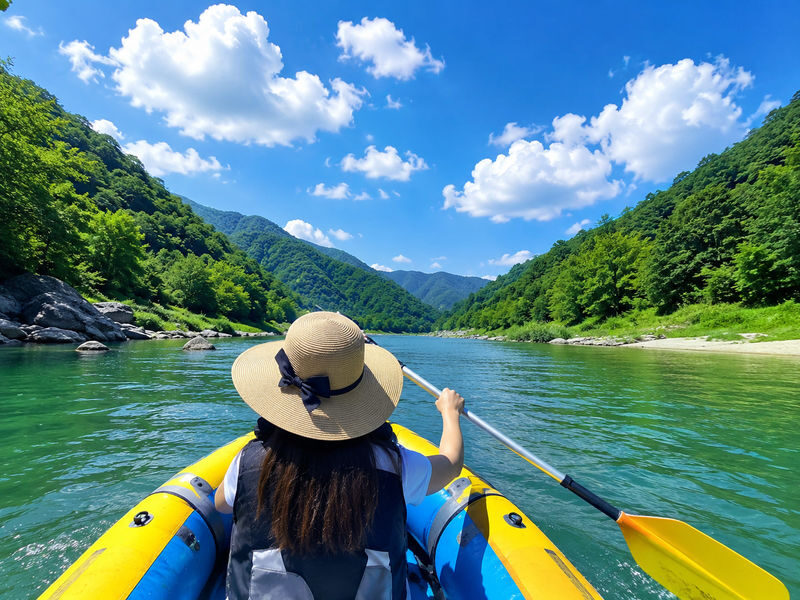
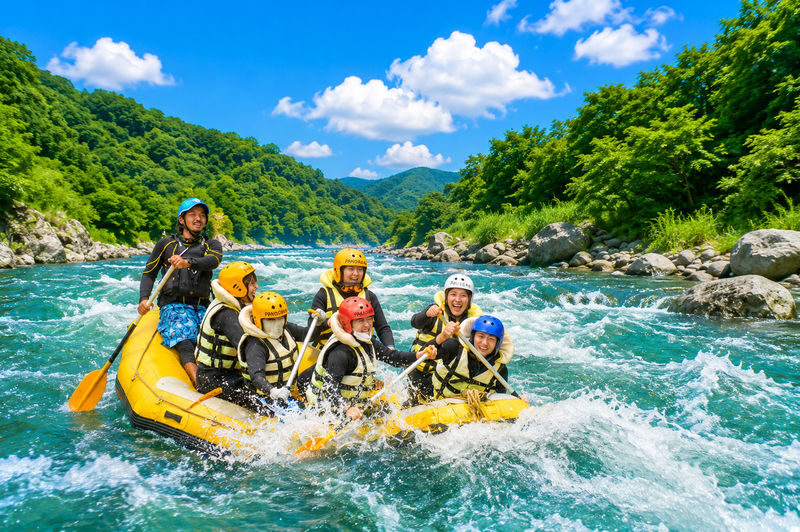
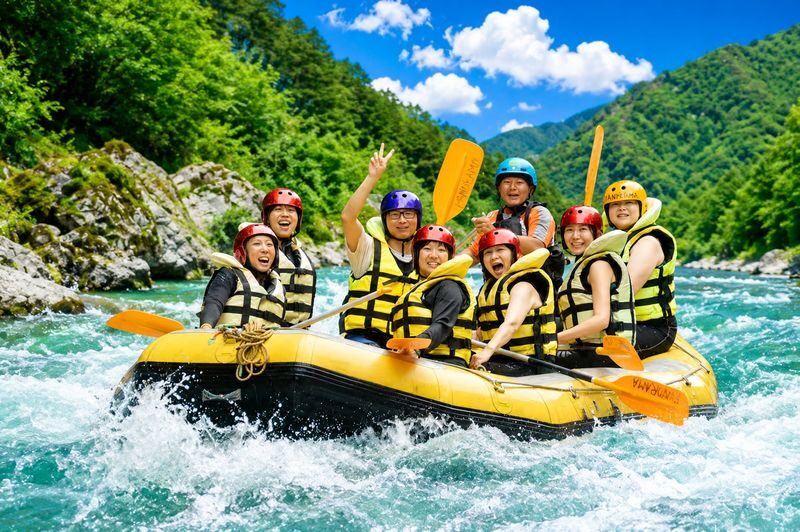
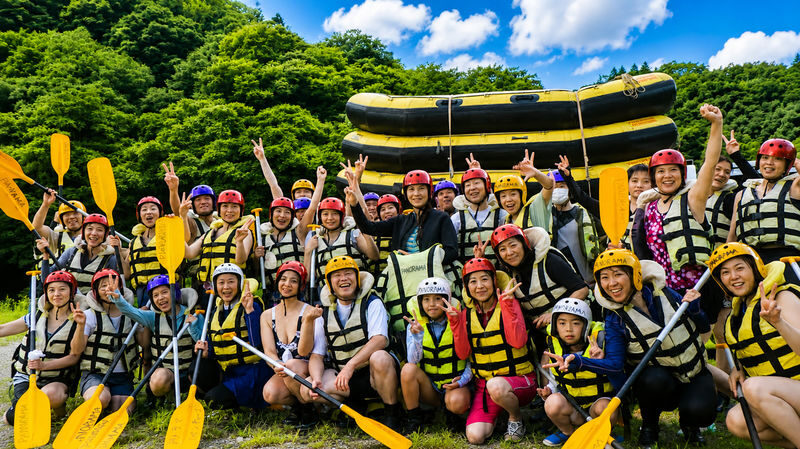
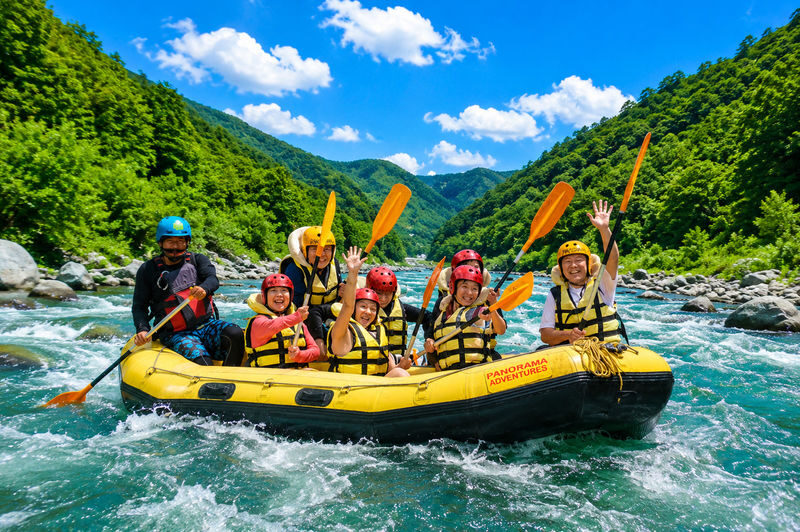
The river section is the reason to book. The upper Tone is known for whitewater, and the ride is described as about 90 minutes. That is enough time to get a proper taste of rafting without turning the whole day into a specialist expedition. The pace changes along the way: rapids bring the rush, while calmer water gives you a chance to look at the clear river and steep gorge scenery.
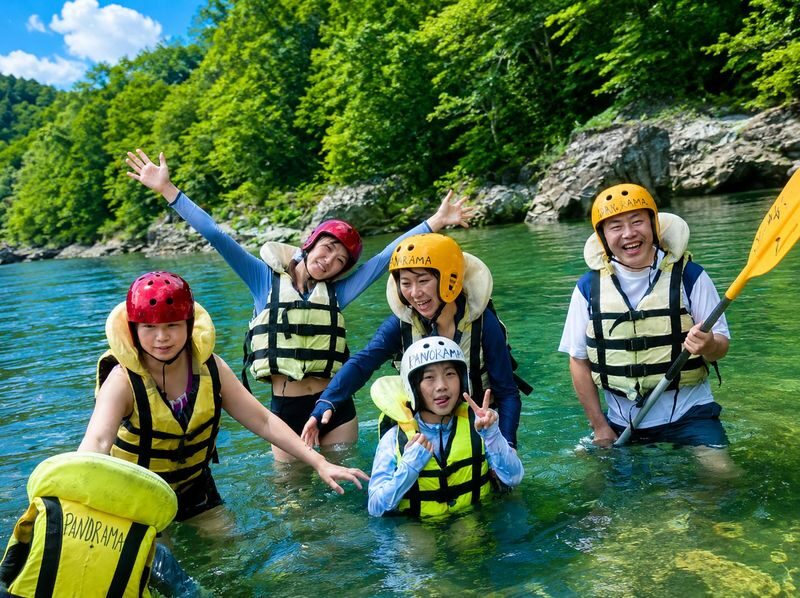
The experience is presented as suitable for beginners, with professional coaches, safety equipment, and English- or Chinese-speaking guide support. You do not need to be an experienced paddler, and the information says swimmers and non-swimmers can take part. Still, this is an active river sport, not a scenic float guaranteed to be placid. Follow the staff’s safety instructions and tell them promptly if you feel unwell.
The trip’s value depends on what you want from a day outside Tokyo. If you want to try rafting but do not want to arrange transport to Gunma, the coach and guided schedule make the outing easier. If you want a long, technical rafting run or a full day at the river, the roughly 90-minute session may feel brief once you account for the travel.

👉 See our pick of the Our Picks For The 11 Best Workshops & Classes In Tokyo
What the Tone River ride is like
The rafting takes place near Minakami, in the upper reaches of the Tone River. The route combines quicker rapids with calmer sections, so the experience has a natural rhythm rather than continuous whitewater. In the quiet stretches, you can take in the clear water, canyon-like terrain, and changing seasonal views.
Spring snowmelt is the season to expect stronger water and a more demanding ride. That can make the outing more exciting, but it also means river levels and weather matter. The operator may adjust or cancel outdoor activities for safety, and the river experience can vary with conditions. Do not treat the advertised timing or intensity as a guarantee.
The tour information also mentions a summer-only water jump. It is an optional extra challenge, not the core of the outing, and it depends on conditions and staff direction. If you are interested, ask the crew on the day rather than assuming it will be available.
The coaches provide safety equipment, including a helmet and life jacket. Special rafting clothes and rafting shoes are also listed among the equipment and fees. Bring a towel and a change of clothes either way. The guidance advises against flip-flops, shorts, tank tops, and sleeveless shirts, so arrive dressed for the day’s weather in practical clothing. Sunscreen and sunglasses are also on the recommended packing list.
You must be at least 120 centimetres tall. The activity is not recommended for children under seven, pregnant people, anyone with impaired mobility, or people with serious medical conditions such as high blood pressure or epilepsy. Anyone who appears intoxicated may be refused participation without a refund.
You can also read our reviews of more tours and experiences in Tokyo.

The coach ride and the timing puzzle
The day is scheduled to leave Tokyo at 9:30 and return to Shinjuku at about 18:30. The meeting point is under the flagpole at Tokyo Mode Gakuen in Nishi-Shinjuku, where the guide is described as holding an EASY GO flag. The instructions say to arrive ten minutes early, check in with the guide, then follow directions to the bus.
There is a practical snag: another part of the tour information gives 8:00 as the Tokyo Mode Gakuen meeting time. That conflicts with the 9:20 arrival instruction and 9:30 departure. Do not guess which time applies. Confirm the correct meeting time with the operator before travel, and use the exact meeting details in your confirmation.
The drive to Minakami is a sizeable part of the day. The schedule places arrival around 12:20, followed by a guided activity block of two hours and 15 minutes. That block likely needs to cover arrival and rafting preparations as well as the river session, but the exact sequence and change facilities are not specified. Allow time to listen to staff, get fitted with equipment, and change before and after the ride.
The return is listed for 18:30 at Shinjuku West Exit, but traffic and weather can push that later. Keep your evening open. The tour is a group outing, and you cannot leave midway and expect a refund for the unused part. Vehicle type can vary with the number of people booked, and luggage storage or delivery is not provided. The stated allowance is one standard-sized piece of luggage.
Kawaba Den-en Plaza: a useful, unhurried stop
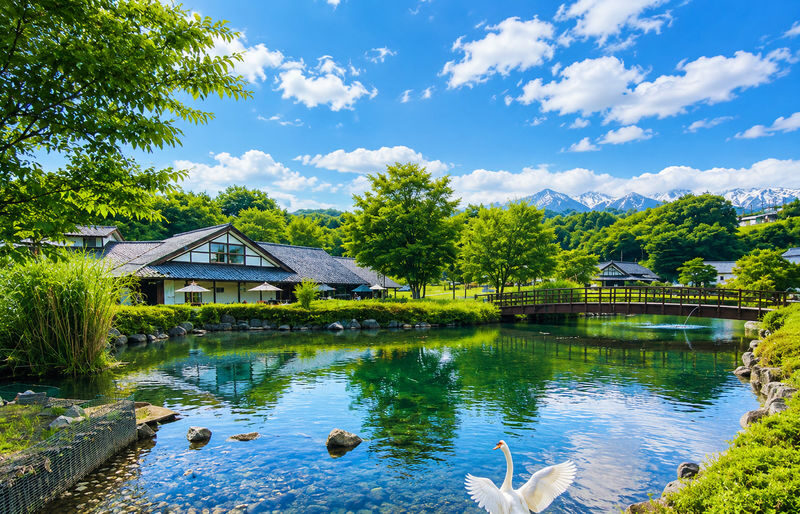
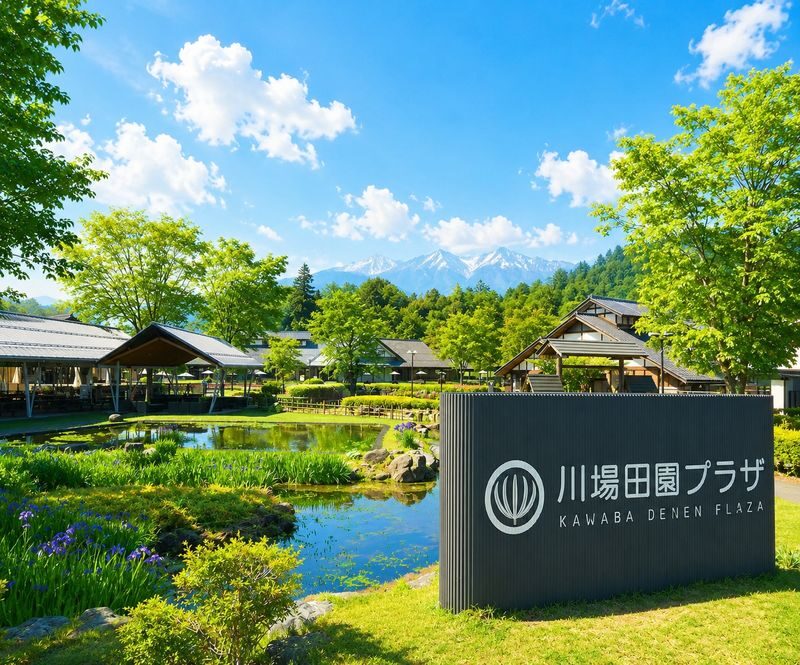
After rafting, the coach is scheduled to stop at Michi-no-Eki Kawaba Den-en Plaza for about an hour and 15 minutes. A michi-no-eki is more than a highway rest stop: this one is described as a broad leisure complex with food, shopping, entertainment, experiences, and a hot spring.
That gives you room to choose your own pace after the river. You can find something to eat, browse local products, or simply take a break before the drive back. Meals and drinks are not included, so plan to pay for anything you buy there. The stop is self-guided, which means you should keep an eye on the departure time and make your way back to the coach promptly.
An on-site hot spring is mentioned as an option, but it is not included in the tour price. The stated fee is 1,000 yen for adults aged 12 and older, 700 yen for children aged 3 to 12, and 700 yen for a towel set. Bring your own towel if you would rather avoid that extra charge. Since the schedule allots a fixed stop, do not assume you will have time for a long soak, a full meal, and extensive shopping all at once.
The real cost, beyond the advertised price
The starting price is US$69.39, but that is not the full cost of rafting. You must pay 6,000 yen per person on site, with adults and children charged the same amount. Cash is required, so bring enough yen rather than relying on a card. The rafting charge is described alongside equipment such as special clothing, rafting shoes, a helmet, and a life jacket; check what the fee covers when you arrive if you need clarity.
Meals, drinks, personal purchases, and tips are also extra. Add the hot spring only if you plan to use it. The price can still make sense if you value the convenience of round-trip transport and a guided outing from Tokyo, but compare the total, not just the online starting figure.
The cost is less attractive if you are mainly interested in the roadside stop, or if you would rather spend a full day rafting. The value comes from bundling transport, guide support, and the river activity into one day. It is not a bargain-priced bus ride with rafting included.
Who will get the most from this day
I would consider this trip for friends, couples, or a family with children who meet the height and age guidance and want a shared outdoor challenge. It also suits a group looking for an active change of pace from Tokyo’s city sights. The river scenery and alternating water conditions make the ride appealing even if you are new to rafting.
It is a poor fit if you have limited mobility, a serious health condition, or are pregnant. It is also not ideal if you dislike getting wet, need a fixed return time, or want a quiet sightseeing day. Conditions can change, and the operator may suspend or alter outdoor activities for safety.
The English- and Chinese-speaking guide support can make the day easier to follow, but the trip is a group tour that may include people speaking other languages. The guide’s name is not specified. Do not book expecting a private guide or detailed commentary throughout the drive.
One more distinction matters: similar outings in the area can combine a river cruise with Edo Wonderland or other attractions. This particular day trip is described as Tone River rafting plus Kawaba Den-en Plaza. Check the package name carefully so you do not book a different itinerary expecting this one, or vice versa.


What to sort out before you go
Pack a towel, a full change of clothes, cash, sunscreen, and sunglasses. Wear practical clothes suited to the weather, and avoid flip-flops and sleeveless tops. Since rafting gear is provided or arranged by the operator, you do not need to bring your own helmet or life jacket.
Check your confirmation carefully, especially the departure time. The tour information gives both 8:00 and 9:30 as the Tokyo start time, with a separate instruction to arrive by 9:20 for the 9:30 departure. Contact customer support if your confirmation does not make the correct time clear. Confirmation is expected 72 hours before departure.
The activity is weather- and water-level dependent. Staff can change or suspend outdoor plans, and no exact substitute is promised. If the operator cancels because of extreme weather or another unforeseen event, you can reschedule or request a full refund. If you cancel yourself, a full refund is available when you cancel at least 48 hours before the activity date, based on local time.
Should you book the Tone River day trip?
Book it if you want a guided introduction to whitewater rafting, appreciate a changing mix of rapids and river scenery, and would rather have transport from Tokyo arranged for you. The Kawaba stop adds a welcome chance to eat, shop, or consider a hot spring before heading back.
Think twice if the extra 6,000 yen changes the budget, if you need certainty about the river conditions, or if a short rafting session is not enough to justify a long coach day. Confirm the meeting time and the exact package before paying. If those details suit you, this is a practical way to trade a day of Tokyo streets for fresh air and a real stretch of Gunma river.
Gunma Tone River Rapids Rafting One-Day Tour (Departing from Tokyo)
“Tour guide wasn't very useful – English wasn't great and barely told us anything. It would have been good to properly translate the boat ride, tell…”
FAQ
How long is the rafting session?
The rafting experience is described as approximately 90 minutes. The scheduled guided stop in Minakami is two hours and 15 minutes, which also allows time around the activity.
How much does rafting cost?
The rafting fee is 6,000 yen per person, for adults and children alike. It is paid on site, and you should bring cash.
What is the minimum height for participants?
Participants must be at least 120 centimetres tall. The activity is not recommended for children under seven.
Is the hot spring included?
No. The hot spring fee is paid separately on site. The stated price is 1,000 yen for adults aged 12 and older, 700 yen for children aged 3 to 12, and 700 yen for a towel set.
What should I bring?
Bring cash, a towel, a change of clothes, sunscreen, and sunglasses. Wear practical clothes for the day’s weather, and avoid flip-flops and sleeveless shirts.
Where and when does the tour depart?
The meeting point is Tokyo Mode Gakuen in Nishi-Shinjuku. The details give a 9:30 departure with arrival at 9:20, but also state an 8:00 meeting time elsewhere. Confirm the correct time with the operator before departure.