A planetarium show can turn a brief stop in central Tokyo into a trip through stars, scenery, and sound. At Konica Minolta Planetaria Tokyo, the dome fills your view, and the show you choose shapes the mood: some are made for learning, others for a quiet, almost meditative break.
I like two things here: the full-dome visuals and sound make a compact indoor venue feel far from the city, and multilingual audio guides can help you follow a Japanese-language program. The location is handy, too, just a two-minute walk from Yurakucho Station.
The catch is that this is a weekday-only exchange ticket, not a reservation for a specific show or seat. The ticket covers eligible works priced at ¥1,900 or less, and the calm pacing may be soporific if you want a lively, plot-driven attraction.
- Key points before you book
- A short, calm show in central Tokyo
- Choose the screening, not just the venue
- From voucher to physical ticket
- What the ticket covers, and what it does not
- Finding the right Planetaria
- Going with children
- Who will enjoy it most
- Should you book the Planetaria Tokyo ticket?
- FAQ
- Is this ticket valid at the planetarium in Tokyo Skytree?
- Can I use the ticket on a weekend?
- How long should I allow for the visit?
- Does the ticket include premium seating?
- Is an audio guide available in English?
- Can children enter for free?
- The Best Of Tokyo!
- More Tickets in Tokyo
- More Tours in Tokyo
- More Tour Reviews in Tokyo
Key points before you book
 1 / 4
 2 / 4
 3 / 4
 4 / 4
- The dome is the main event: Expect a wide starry sky, projected imagery, and sound, rather than a large science museum with exhibits.
- Pick your show before you go: Topics and tone vary, and the Japanese narration may not suit you even when audio support is available.
- The ticket is for basic seating: You choose from available seats on the day. Galaxy seats are not available with this ticket.
- Weekdays only, with a seven-day window: Exchange your voucher at the counter for a physical ticket within the stated validity period.
- Check the address carefully: This is Planetaria in Yurakucho, not Planetarium Tenku at Tokyo Skytree.
- Plan a short visit: Allow roughly one to two hours overall, with extra time if you want to browse the cafe or gift shop.

👉 See our pick of the Our Picks For The 11 Best Workshops & Classes In Tokyo
A short, calm show in central Tokyo
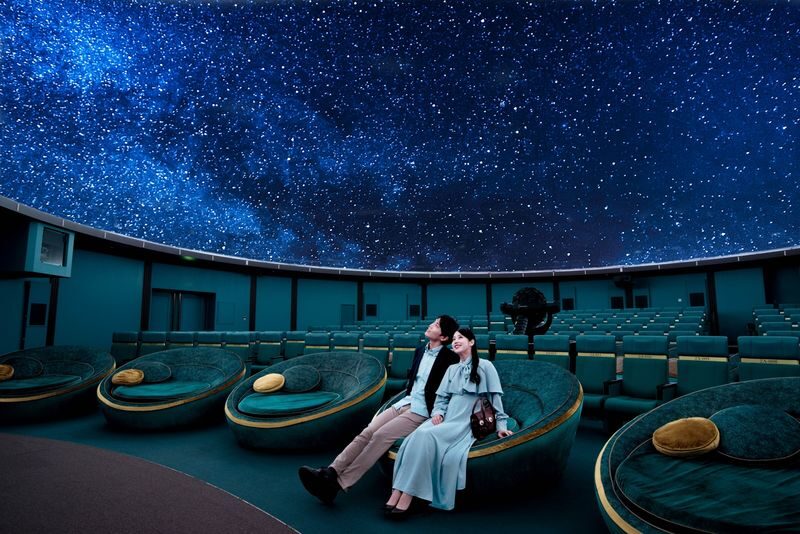
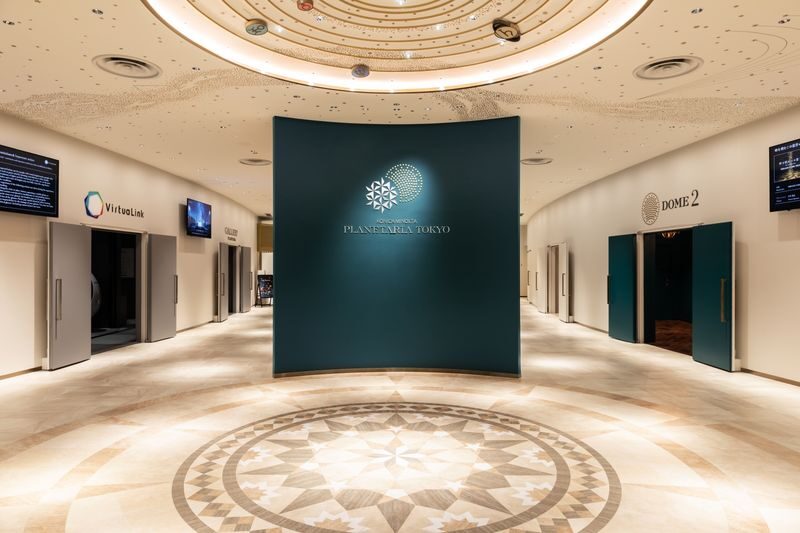
Planetaria is a dome theater on the ninth floor of Yurakucho Mullion, a commercial building near Ginza and Tokyo Station. The setting is compact: you come for a scheduled screening, not a full day of exhibits or a sprawling astronomy center.
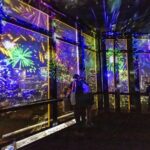
Inside, the dome is the focus. Images spread overhead while sound supports the program, creating a setting that can feel restful and otherworldly. Some productions may add sensory details such as scents, but the exact format depends on the show.
The mood is not necessarily high-energy entertainment. Several programs are designed to be soothing, and the gentle narration and music can make it easy to nod off. If you are tired from sightseeing, that may be a welcome pause. If you want a fast-moving story or a lot of hands-on activity, this may feel too quiet.
The quality and appeal depend heavily on the screening you choose. One program might emphasize celestial imagery, while another draws on a place, culture, or theme. Read the current show descriptions rather than assuming every screening is a straightforward astronomy lesson. The show schedule changes, and the ticket does not select a particular program for you.
You can also read our reviews of more tours and experiences in Tokyo


Choose the screening, not just the venue
Before setting out, check Planetaria’s screening schedule and descriptions. The ticket can be used for works priced at ¥1,900 or less, but it does not automatically cover every show, seat type, or special option. If a particular production matters to you, confirm that it is eligible and running on the weekday you plan to visit.
Language deserves a little homework. The performance may be in Japanese, and multilingual audio-guide earphones are available for some languages and content. That can make the program easier to follow, but support is not guaranteed for every screening or language. If the story matters more to you than the visuals, verify audio availability before choosing a show.
The dome’s imagery is a stronger draw for some people than the narrative. For a relaxed visual trip, a simple storyline may not bother you. For a show with cultural or story-based themes, however, check the description so you know what the narration will focus on. A beautiful sky projection alone may not be enough if you are expecting a detailed lecture.
From voucher to physical ticket
This is an exchange ticket. Present your mobile voucher at the counter and collect a physical viewing ticket before entering. The voucher is valid for seven days from its redemption or activation date and expires at 23:59 on the final day. You need to exchange it at the counter on a weekday within that period.
The ticket is only valid on weekdays, even though the venue’s listed opening hours run Monday through Sunday. Check the operating dates and screening schedule for your chosen day, especially around holidays. A Monday holiday can disrupt a plan that otherwise looks simple, so confirm before you build the visit into a tight itinerary.
Arrive at least 20 minutes before the screening. You select from seats still available that day, and a full theater or a show that has already started can leave you without your preferred time. The voucher is not a promise of a particular seat or screening slot.
Once the performance begins, you cannot leave until it ends. Use the restroom and settle any cafe plans beforehand. This is a small practical point, but it matters if you are visiting with young children or trying to fit the screening between other appointments.
What the ticket covers, and what it does not
The advertised starting price is $13.29. For that, you get an exchange ticket for an eligible planetarium work and access to an audio guide where the language and content are supported. Personal expenses are not included.
Think of the price as paying for one screening, not entry to an all-day attraction. Its value rests on the show you choose and whether you enjoy a quiet, visual performance. The ¥1,900 price ceiling is important: the ticket does not cover works priced above that amount, and it cannot be used to select Galaxy seats.
Seat choice happens on the day, subject to availability. This ticket covers basic seating, not the premium sofa or couple-seat options. If a special seat is part of the reason you want to go, check the official booking options before purchasing this pass. Do not assume you can upgrade at the theater.
The ticket may be convenient if you prefer arranging admission in English, but do not assume it is always cheaper than buying directly. Compare the eligible show price and the official options for your date. A pass is useful only if it fits the screening and seat you actually want.
Finding the right Planetaria
Use the address: Yurakucho Mullion, 9F, 2-5-1 Yurakucho, Chiyoda City, Tokyo 100-0006. The venue is about a two-minute walk from Yurakucho Station. The building’s commercial-center setting means it is easy to pair with time in the Yurakucho, Ginza, or Tokyo Station area.
Take care not to confuse this venue with Konica Minolta Planetarium Tenku at Tokyo Skytree. They are separate locations, and a ticket for Planetaria in Yurakucho will not get you into Tenku. Check the venue name and address on your voucher before you leave, not just the words Konica Minolta.
The center is a practical stop when you want a seated indoor activity without committing half a day. The screening itself is the main plan, with time before or after for a nearby meal or a look at the venue’s cafe and gift shop. Cafe purchases are extra, and the ticket does not bundle them.

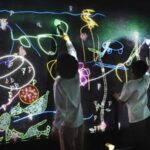
Going with children
Children aged zero to three can enter free if they do not occupy a separate seat. Rules vary by show, though: preschool children are not allowed at Healing Planetarium. Check the specific screening’s age limits before bringing a young child.
The peaceful tone may work well for some families, particularly if your child enjoys stars and music. But a quiet dome show is not the same as an interactive children’s attraction. Since you cannot leave once the performance starts, consider your child’s ability to sit through the screening before you book.
Who will enjoy it most
I would choose Planetaria if you want a calm indoor break, enjoy star projections, or are curious about a Japanese planetarium program with possible audio support in another language. It can also suit a mixed itinerary: the central location makes it a reasonable short stop when you are already around Yurakucho or Ginza.
It is less suited to anyone expecting a large exhibition, a consistently scientific presentation, or a thrilling show with a strong plot. The venue is small, and the screening is the activity. Some people find the images striking; others find the theme or narration too simple. Your choice of program makes a real difference.
If you are tired, the quiet atmosphere can be part of the appeal. Several programs have soothing music and narration, and it is easy to relax under the dome. Just do not mistake a restful presentation for a fast-paced attraction. Bring curiosity, not a need for constant action.
Should you book the Planetaria Tokyo ticket?
Book it if a weekday screening fits your plans, the show description appeals to you, and you are content with basic seating. The dome’s visuals, sound, and calm atmosphere offer a distinctive change of pace from Tokyo’s street-level sights, and the location makes the visit easy to combine with central-city plans.
Pause before buying if you need a weekend ticket, want a premium seat, or have your heart set on a particular screening without checking eligibility. Confirm the show, language support, date, and Yurakucho address first. With those details sorted, this can be a worthwhile one-to-two-hour stop. If you want a major attraction packed with activities, spend your time elsewhere.
Konica Minolta Planetaria Tokyo Ticket
“It wasn't exactly fun, but it was certainly unique. If you're looking for an unusual experience, I think it's worth visiting at least once.”
FAQ
Is this ticket valid at the planetarium in Tokyo Skytree?
No. This ticket is for Konica Minolta Planetaria Tokyo in Yurakucho. It is not valid at Planetarium Tenku at Tokyo Skytree.
Can I use the ticket on a weekend?
No. The exchange ticket is valid for a planetarium viewing on weekdays only. Check the venue’s operating dates and screening schedule for your planned day.
How long should I allow for the visit?
The listed duration is one to two hours. Arrive at least 20 minutes before your screening, and allow time to exchange your voucher at the counter.
Does the ticket include premium seating?
No. It covers basic seating for eligible works priced at ¥1,900 or less. You choose from seats available on the day, and Galaxy seats are not available with this ticket.
Is an audio guide available in English?
Audio guides are available in multiple languages, but some languages or content may not be supported. Check language support for your chosen show.
Can children enter for free?
Children aged zero to three can enter free if they do not occupy a separate seat. Some shows have age restrictions, and preschool children cannot attend Healing Planetarium.