Nikko’s famous autumn road is the opening act: Irohazaka twists through the mountains in a chain of sharp curves, with the scenery changing as your bus climbs. The day also brings you to Kegon Falls, Lake Chuzenji, Shinkyo Bridge and the ornate Toshogu shrine.
I like two things about this trip: the scenic drive makes the journey part of the outing, and the guide-led transport takes the hassle out of reaching several spread-out sights in one day. Guides including Jeffrey, Ichi and Yui have been praised for being helpful, organized and good company.
The trade-off is the clock. You’ll spend many hours on the road, and the time at Kegon Falls and Lake Chuzenji can feel tight if you want the elevator, a lakeside walk and lunch. Autumn color is never guaranteed, either, so check conditions close to your date.
- At a glance
- A long day out of Tokyo
- Irohazaka’s curves are the first attraction
- Kegon Falls and Lake Chuzenji share a short window
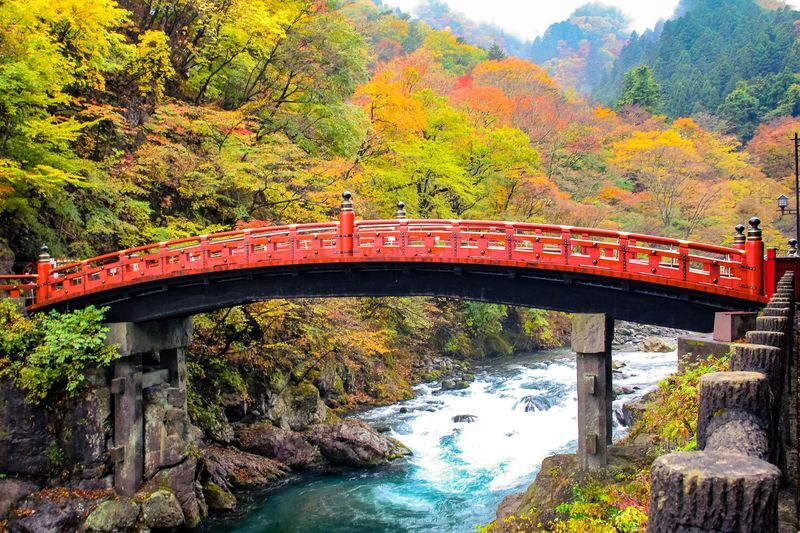
- Shinkyo Bridge makes a brief photo stop
- Toshogu is the day’s main cultural stop
- Autumn color is a moving target
- The guide can shape the day
- Does the .15 starting price represent good value?
- Who should book this Nikko day trip?
- FAQ
- How long is the tour?
- Where does the tour depart from?
- How early should I arrive?
- Is there an English-speaking guide?
- Are attraction admissions included?
- Does the bus stop at Irohazaka for photos?
- Is the autumn foliage guaranteed to be at its peak?
- Are meals provided?
- Can I bring luggage or a stroller?
- Is the tour wheelchair-accessible?
- The Best Of Tokyo!
- More Tours in Tokyo
- More Tour Reviews in Tokyo
At a glance
 1 / 10
 2 / 10
 3 / 10
 4 / 10
 5 / 10
 6 / 10
 7 / 10
 8 / 10
 9 / 10
 10 / 10
- Irohazaka is a drive-by sight: Enjoy the winding mountain road from the vehicle. The tour notes say there is no stop to get out and take photos.
- Kegon Falls takes planning: The observation elevator costs extra, and queues can eat into the stop.
- The schedule packs in five sights: You’ll visit the falls and lake, Shinkyo Bridge and Toshogu, with a scenic drive between them.
- Foliage timing matters: Nikko’s higher elevations can change color before central Tokyo, and the season varies with the weather.
- Guides are a key part of the day: Past guides named Jeffrey, Ichi, Yui, Kim Wan and Gordy have been praised for clear directions, humor and helpfulness.
- Admission and food are extra: Budget separately for the Kegon elevator, Shinkyo Bridge, Toshogu and meals.

👉 See our pick of the Our Picks For The 11 Best Workshops & Classes In Tokyo
A long day out of Tokyo
This is an 11.5-hour day trip, departing Tokyo from 7:00 or 7:30 in the morning and returning to Shinjuku around 18:30 or Tokyo Station around 19:00. Traffic and weather can shift the schedule, and peak autumn weekends may lengthen the ride.
The main value is convenience. Nikko’s sights are spread out, and Irohazaka’s mountain road is part of the appeal. A round-trip bus, an English-speaking guide and a planned route save you from arranging multiple connections and keeping a close eye on the clock yourself.
That convenience comes with a substantial amount of sitting. Some departures use a large vehicle, while others may feel smaller or more cramped, depending on the group and the vehicle assigned that day. The stated capacity is up to 49 passengers, excluding the driver, so don’t count on a small-group outing.
Bring a little patience for the road, and consider motion-sickness medicine if winding routes bother you. The operator may adjust the schedule to meet Japanese limits on vehicle operating hours and respond to traffic or weather.
You can also read our reviews of more tours and experiences in Tokyo.


Irohazaka’s curves are the first attraction
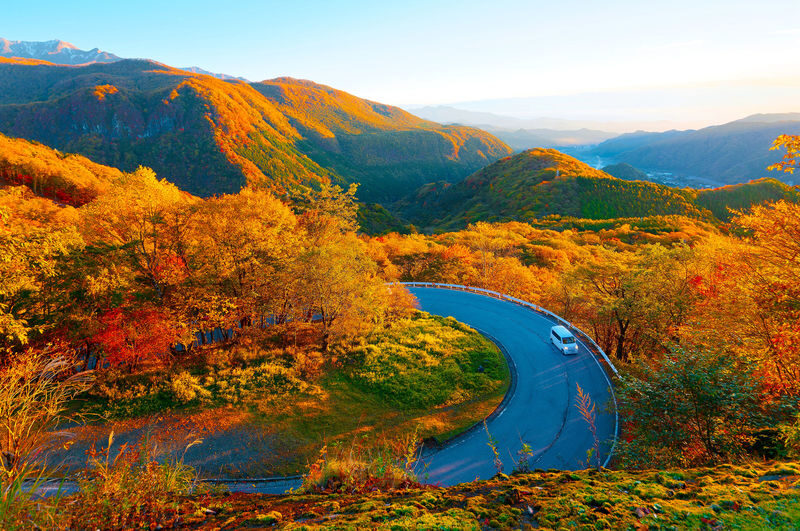
Irohazaka is a mountain road famous for its 48 curves. The route includes the Initial D Corner 33, a fun detail for anime fans and anyone who enjoys a road with a story attached. In autumn, the bus climbs through the trees as the colors shift with the elevation.
This is a scenic drive, not a walking stop. The tour information specifically says the bus does not pull over at Irohazaka, so plan to take in the views through the windows rather than expecting a roadside photo session. Sitting by a clear window helps, but the exact seat is not something you can count on.
The drive can be thrilling, especially on the narrow curves, but it can also unsettle a sensitive stomach. Take precautions before boarding if you’re prone to motion sickness. A careful driver and a slow pace can make the ride more enjoyable, though driving style may differ by departure.
Kegon Falls and Lake Chuzenji share a short window
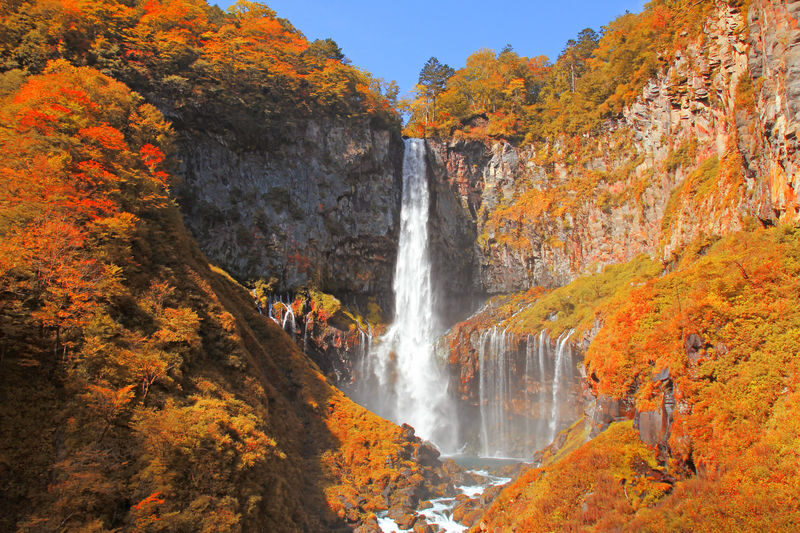
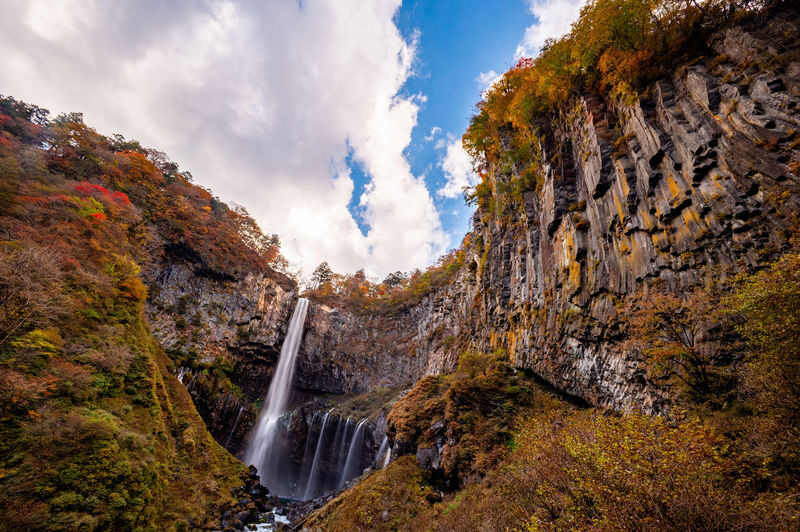
Kegon Falls is one of Japan’s best-known waterfalls, dropping into a steep ravine near Lake Chuzenji. You can view the falls from the surrounding area, or pay extra to use the elevator to the lower observation level. That elevator can bring you closer to the water, but queues are possible.
The schedule gives this area a limited block, roughly an hour and a half on the listed itinerary, with the next stop later in the early afternoon. In practice, you’ll need to choose how to spend your time. A visit to the elevator, a walk toward the lake, time for food and a relaxed look around may not all fit comfortably.
The walk between the waterfall area and the lake can take about 15 minutes each way, according to the tour information supplied by past participants. Restaurants near the falls offer food, but lines can form, especially when the area is busy. I’d decide what matters most before you arrive: the elevator view, a lakeside stroll or a proper sit-down meal.
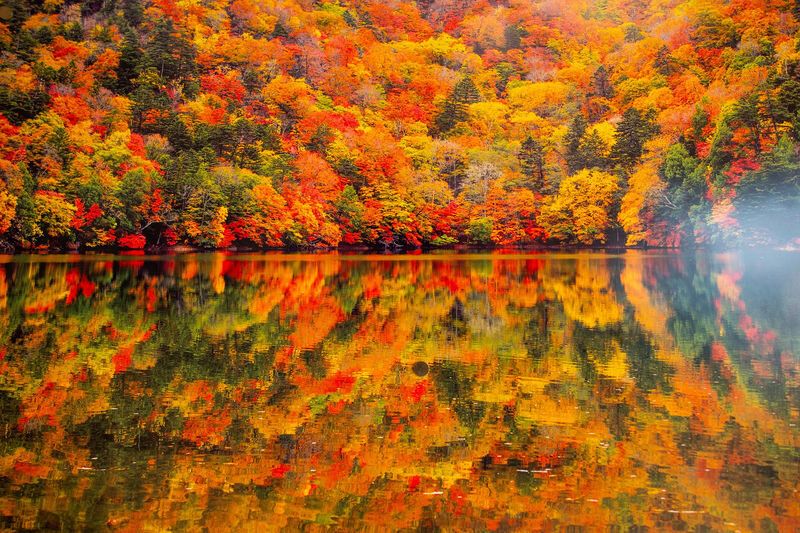
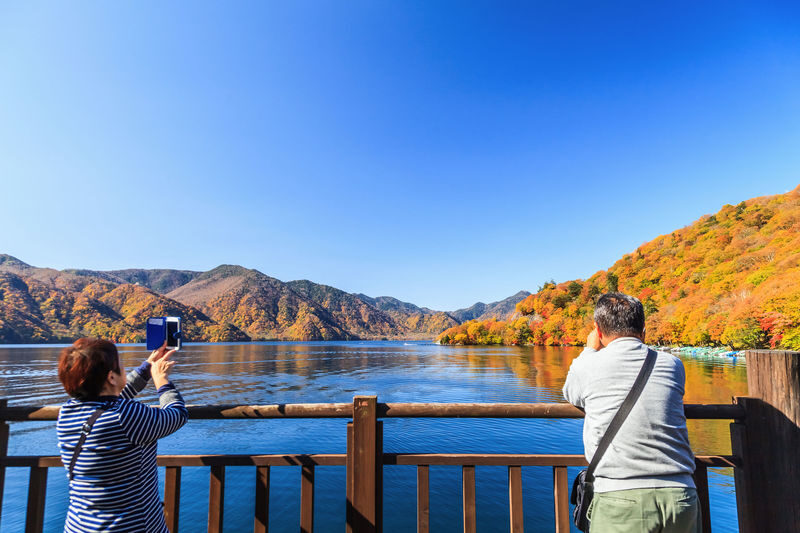
Lake Chuzenji offers a calmer counterpoint to the falls. If time allows, walk along the shore and look back toward the surrounding mountains. The lake is a worthwhile stop even if you keep your expectations simple: it’s a chance to stretch your legs and enjoy the mountain setting, not a long independent lake excursion.
Pack a snack if you know you’ll need food on a schedule, and bring cash for purchases. Meals and drinks are not included. The high elevation can also make this area colder than Tokyo, so carry an extra layer even if the city feels mild.
Shinkyo Bridge makes a brief photo stop
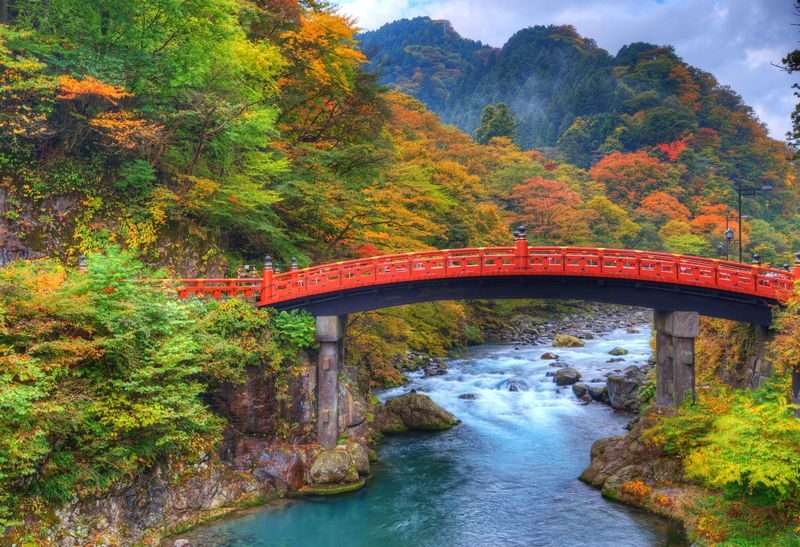
Shinkyo Bridge is a red-lacquered arch over the Daiya River, near the entrance to Nikko’s shrine area. Its bright color against the river and trees makes it an appealing photo stop, and the tour allows about 20 minutes.
That short pause is enough to see the bridge and take a few pictures, but not to linger. Entry to the bridge is not included in the tour price, so check the fee on site if you want to cross rather than view it from nearby. Keep your camera ready, as the schedule is tighter here than at Toshogu.
Toshogu is the day’s main cultural stop
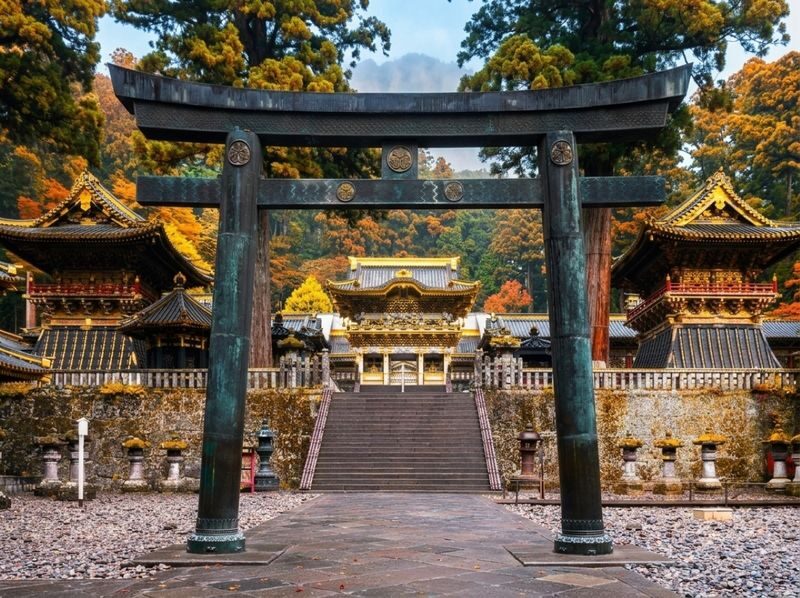
Toshogu is a lavish shrine complex and a UNESCO World Heritage site. Its carved details, gold accents and vermilion structures are a striking contrast to the cedar forest around it. Even if you come for the autumn colors, this is the stop that gives the day a strong cultural counterpoint to its mountain scenery.
The scheduled visit is about two hours, giving you more time here than at the waterfall and lake. The admission fee is extra, and the tour’s guided arrangement does not mean your voucher gets you directly through the entrance. The tour agency handles the attraction arrangements on site, so follow your guide’s instructions about tickets and meeting times.
Use the time to look closely at the decoration rather than rushing from one photo spot to the next. The grounds are extensive, and the shrine’s details reward a slower pace. If you’re especially interested in history, ask your guide what they’ll cover: guides have been praised for helpful explanations, but the amount of historical detail and how clearly it carries through a group can vary.



Autumn color is a moving target
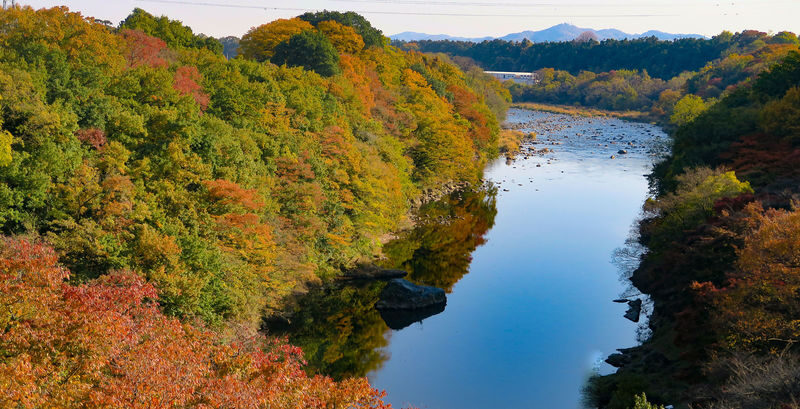
Nikko’s foliage does not turn all at once. The higher areas around Lake Chuzenji and Kegon Falls can reach their peak earlier than places closer to Tokyo, and Irohazaka may show a different stage of the season from the lower shrine area. Recent dates have seen everything from strong color in late October and early November to bare trees later in November.
That variation is the biggest risk if fall leaves are your main reason for booking. The operator does not cancel the trip just because it rains, and the season can arrive early or late depending on the climate. A tour date marketed for autumn may therefore bring more brown branches than red maples.
Aim to check local foliage updates shortly before departure, and be flexible about what makes the day worthwhile. The waterfall, lake, winding road and shrine remain the core sights even when the leaves have fallen. If you would be disappointed without peak color, avoid treating any date as a guarantee.
The guide can shape the day
The guide’s practical role matters on a tightly timed group trip: making the meeting point clear, giving departure instructions, keeping everyone together and explaining what to do at each stop. Guides named Jeffrey, Ichi, Yui, Kim Wan and Gordy have been praised for warmth, humor, photo help and steady organization.
The amount of commentary can vary. Some guides offer stories and context; others focus more on timing and directions, and clear microphone use matters on a full bus. If cultural explanation is a priority, this is worth keeping in mind. You’re booking transport and a guided group schedule, not a private specialist tour.
The meeting points are in Tokyo, and you should arrive at least 10 minutes before departure. Look for the guide holding a TOURSTORY flag. Late arrivals and no-shows are not refunded, so give yourself more than a last-minute dash through the station.
Does the $48.15 starting price represent good value?
At a starting price of $48.15, round-trip transport and an English-speaking guide make this a reasonable way to cover several Nikko sights in one long day. The price is most appealing if you value having the route organized and don’t want to arrange transport between the mountain area and the shrine district yourself.
It is not an all-in ticket. You’ll pay separately for the Kegon Falls elevator, Shinkyo Bridge and Toshogu, as well as meals, drinks and personal expenses. Add those costs before comparing this with an independent trip, especially if you plan to use the elevator and enter every paid site.
There is also a detail to check before booking: some descriptions of this experience refer to Watarase Railway, and some accounts mention a train, but the stated schedule for this package lists a bus drive through Irohazaka and does not show a railway stop. The tour notes also say there is no stop at Irohazaka. If a train ride is essential to your plans, confirm the exact package with the operator rather than assuming it is included.
Who should book this Nikko day trip?
This tour suits you if you want a broad introduction to Nikko without planning a day of transport yourself. It works especially well for nature lovers, photographers who are comfortable shooting from a moving bus, anime fans curious about Irohazaka and anyone with limited time in Tokyo who wants to see both mountain scenery and Toshogu.
It is less suitable if you want long, unhurried time at the lake, a relaxed lunch, or a flexible photography day. Independent transport gives you more control over how long you stay, while this tour trades that freedom for a fixed route and group schedule. The early start and full day also make it a poor fit if you’re trying to keep your Tokyo days light.
I’d book it for the combination of scenery, convenience and the chance to see several distinct sides of Nikko in one outing. I’d choose a date carefully, budget for admissions and food, and treat autumn color as a bonus rather than a promise.
Nikko Autumn Special: Irohazaka, Kegon Falls & Toshogu Day Tour
“This was such a beautiful tour. It was well-paced, with time for photos and exploration. The tour guide was also helpful and it was easy to find hi…”
FAQ
How long is the tour?
The tour lasts about 11.5 hours. It departs Tokyo in the morning and is scheduled to return around 18:30 to Shinjuku or 19:00 to Tokyo Station, though traffic can change the timing.
Where does the tour depart from?
The tour departs from a Tokyo meeting point. Check your booking details for the exact location and departure time, then look for a guide holding a TOURSTORY flag.
How early should I arrive?
Arrive at least 10 minutes before departure. Late arrivals and no-shows are not eligible for a refund.
Is there an English-speaking guide?
Yes. The English-speaking package includes an English-speaking guide. A Chinese-speaking package is also offered.
Are attraction admissions included?
No. Admission to the Kegon Falls elevator, Shinkyo Bridge and Nikko Toshogu is not included. Meals, drinks, personal expenses and insurance are also excluded.
Does the bus stop at Irohazaka for photos?
No. The tour notes say you’ll enjoy a scenic drive along Irohazaka from inside the vehicle, with no stop to get out.
Is the autumn foliage guaranteed to be at its peak?
No. The foliage period depends on climate conditions, and the trip may not coincide with peak color. The tour is not canceled just because of rainy weather.
Are meals provided?
No. Meals and beverages are not included. Restaurants are available near Kegon Falls, but queues may affect how much time you have to eat.
Can I bring luggage or a stroller?
Contact the customer service team to check, since luggage and stroller space depends on the vehicle assigned for that day.
Is the tour wheelchair-accessible?
No. The activity is not wheelchair-accessible. It is listed as stroller-friendly.