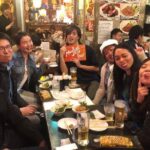
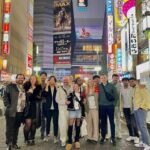
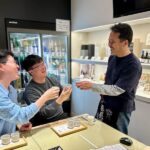
A name becomes a keepsake on this short Shinjuku walk. Your guide helps you choose Kanji with a meaning and stroke count suited to you, then supports you as you select and order a personal Hanko at a specialty shop. I like that the seal gives the experience a lasting, personal result, and that the walk brings you into Shinjuku 3-chome’s local shops and retro cafés rather than making this only a craft purchase.
The main trade-off is easy to miss: the advertised price does not include the Hanko, and you’ll need to return to the shop after the tour to collect it. The walk itself lasts 60 minutes, while making a seal takes at least about that long.
- What to Know Before You Go
- A Personal Seal With a Story Behind It
- From Busta Shinjuku to the Hanko Shop
- Choosing Kanji That Feel Like Yours
- Ordering Your Hanko, and What It Costs
- Shinjuku 3-chome While the Seal Is Made
- Is an Hour Enough?
- Bringing Children Along
- Respectful Exploring in Shinjuku
- Who Should Book This Shinjuku Experience?
- FAQ
- Where does the tour meet?
- How long is the experience?
- Is the Hanko included in the tour price?
- Can children join?
- When does the tour operate?
- What should I wear or bring?
- The Best Of Tokyo!
- More Tours in Tokyo
- More Tour Reviews in Tokyo
What to Know Before You Go
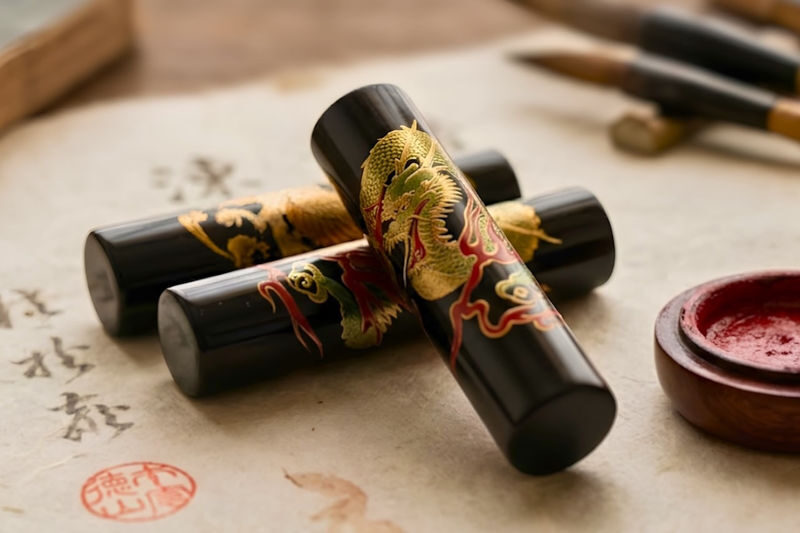
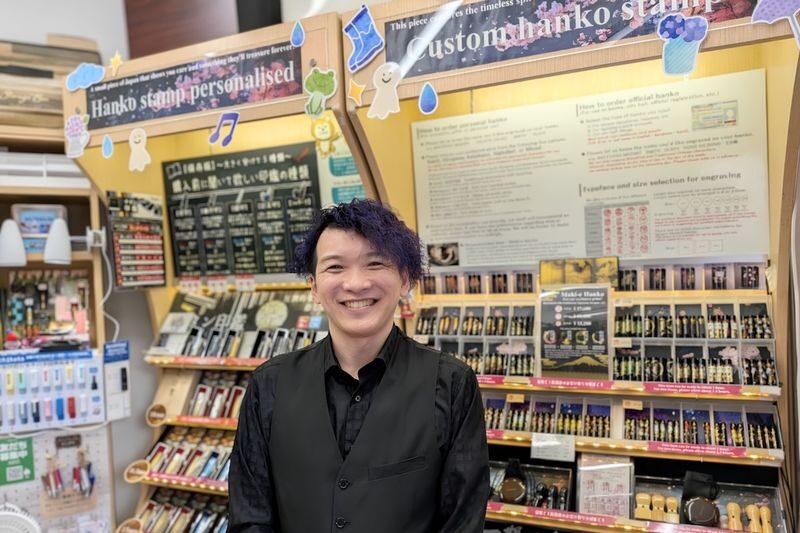
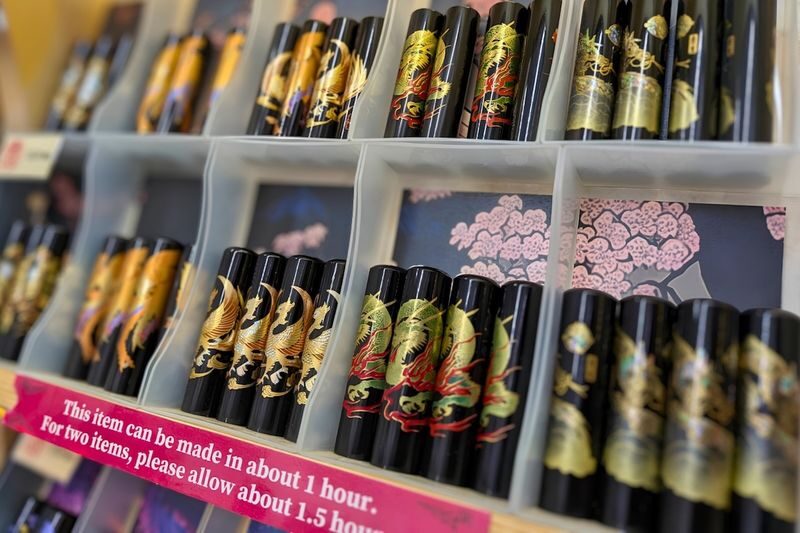
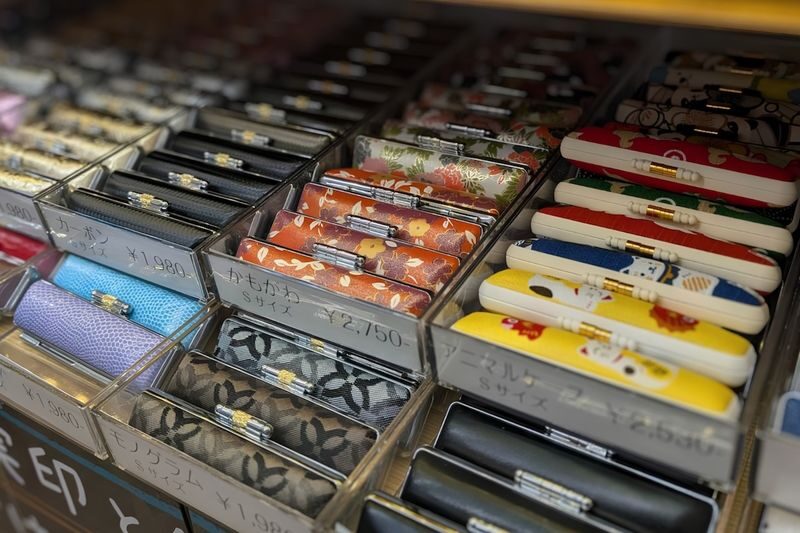
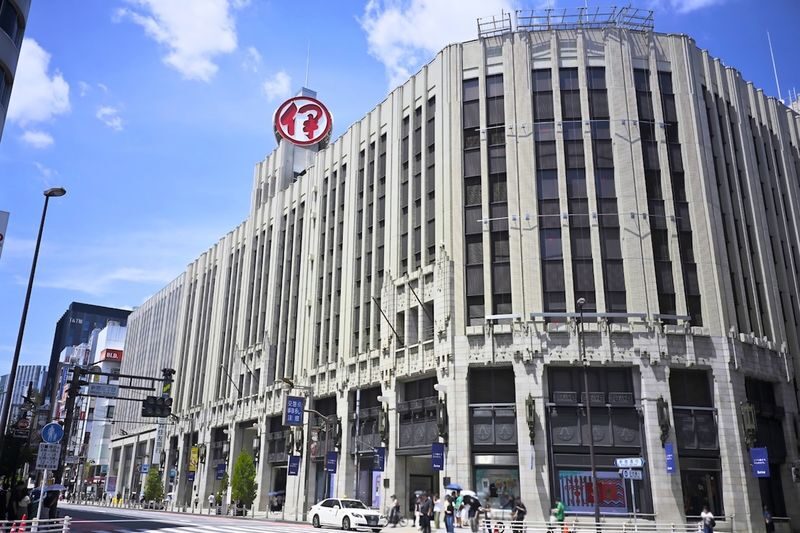
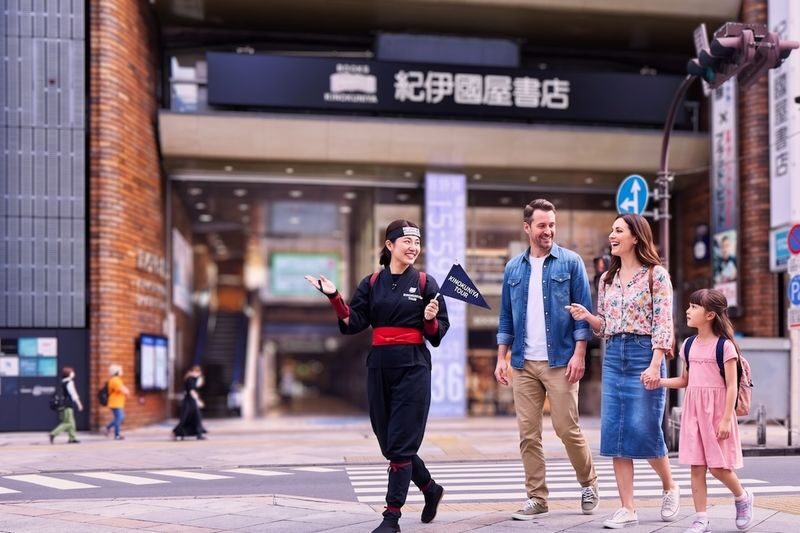
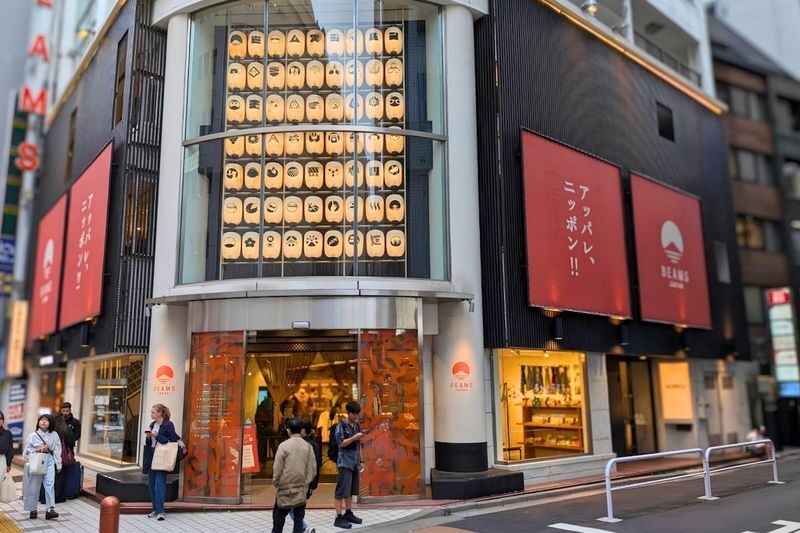
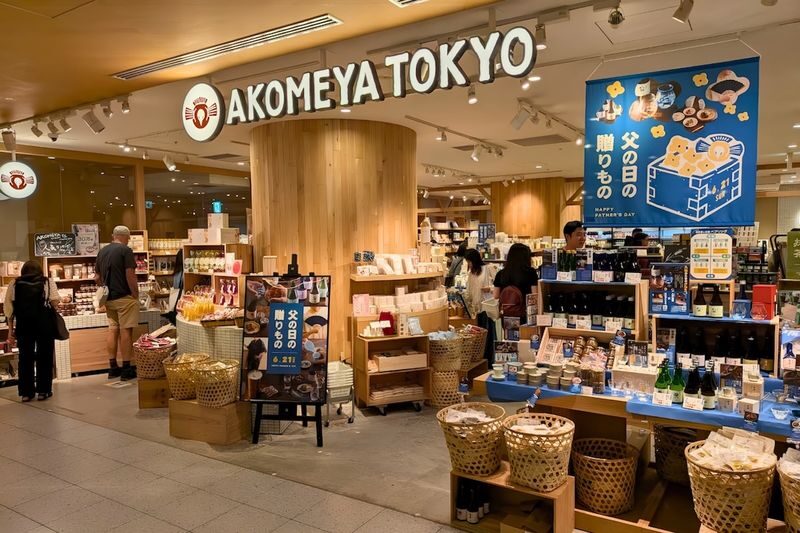
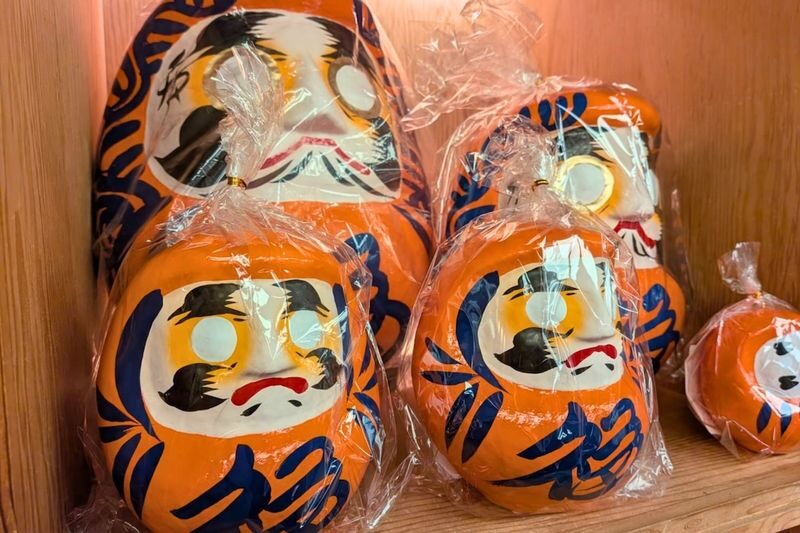
- Your Kanji is chosen with a guide: You’ll discuss your personality and get a name suggestion based on its meaning and stroke count.
- The seal is an extra purchase: Prices start at JPY 3,300 for plastic and JPY 10,000 for an authentic Hanko.
- The Shinjuku walk fills the making time: Explore local shops and retro cafés while the specialty shop prepares your seal.
- Plan for a return visit: Collect your Hanko from the shop after the tour. Making two takes around 90 minutes.
- Children 12 and under join free: A child who wants their own seal must still pay the Hanko fee.
- This is a weekday activity: Tours run from 11:00 AM to 6:00 PM, starting every 30 minutes. They are not available on weekends or holidays.
👉 See our pick of the Our Picks For The 11 Best Workshops & Classes In Tokyo
A Personal Seal With a Story Behind It
A Hanko is a personal seal, and in this experience you help decide what yours says. Instead of picking a design from a shelf, you talk with the guide about your personality and receive a Kanji name suggestion with a good meaning and suitable stroke count. That gives the finished item more significance than a standard souvenir.
Kanji choices can carry layers of meaning, so guidance matters, especially if you don’t read Japanese. You are not simply asked to select characters on your own. The guide helps you understand the suggestion and supports you through the ordering process, including choosing a material at the specialty shop.
I like the balance between the personal choice and the practical help. You still get to make decisions, but you have someone beside you to explain the steps and help make the process manageable. This is a good fit if you want a cultural activity with a tangible result, but don’t want to navigate the seal shop alone.
You can also read our reviews of more tours and experiences in Tokyo.


From Busta Shinjuku to the Hanko Shop
The meeting point is Busta Shinjuku, the bus terminal in front of the South Exit of JR Shinjuku Station. Look for the main signboard and meet beneath it. If you exit via the Koshu-kaido Exit, go left. Shinjuku Station is large, so give yourself time to find the right exit and meeting spot.
The tour departs on time, and late arrivals cannot join or receive a refund. That makes a few extra minutes at the station a sensible investment, particularly if you are unfamiliar with the area. Wear comfortable walking shoes and casual clothes.
From the meeting point, your guide helps you settle on a Kanji name, then accompanies you to a Hanko specialty shop. There, you can select a material and place your order with the guide’s support. The seal itself is not included in the tour price, so be ready to decide whether you want the lower-cost plastic option or an authentic Hanko.
Choosing Kanji That Feel Like Yours
The name selection is the heart of the experience. Your guide interviews you, then suggests Kanji with a positive meaning and an appropriate number of strokes. The aim is to find a name that feels personal, rather than simply converting your name into unfamiliar characters without context.
That help is useful for more than translation. You get a chance to understand why a particular suggestion suits you and what the characters convey. If you have a preference or hobby that could inform the choice, bring it up. The experience includes a short conversation, not an open-ended naming consultation, so clear answers will help the guide make a useful suggestion within the available time.
The experience doesn’t specify a set of guaranteed choices or promise that every name can be represented in a particular way. Treat the result as a thoughtful suggestion from your guide, not as a formal translation of your name. If you have a specific idea in mind, ask about it before the order is placed.
Ordering Your Hanko, and What It Costs
Once you settle on a name, the guide supports you with material selection and the ordering steps at the specialty shop. Prices start at JPY 3,300 for a plastic Hanko and JPY 10,000 for an authentic Hanko. Optional express finishing starts at JPY 550. Those costs are separate from the tour booking price, which starts at US$18.95.
That base price buys the guided name selection and neighborhood walk, not the finished seal. To judge the value, count the Hanko as a separate souvenir purchase. The tour price is modest for a guided cultural activity, but your total cost depends on the material you choose and whether you add express finishing.
Production takes at least about 60 minutes for one Hanko, roughly the length of the tour. Two pieces take around 90 minutes. The walk is arranged while the seal is being made, but you’ll need to return to the shop after the tour to collect it. Allow extra time in your day for that second visit; the Hanko will not be ready for you to pick up at the end of the 60-minute walk.
Shinjuku 3-chome While the Seal Is Made
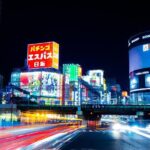
After placing your order, you head out with the guide to explore Shinjuku 3-chome. The walk is designed to introduce you to local shops, retro cafés and everyday Japanese culture. Rather than spending the full hour waiting near the workshop, you use the production time to see a different side of Shinjuku.
Your guide can point you toward shops that suit your hobbies, so it’s worth saying what interests you. This is a short, guided neighborhood walk, not a long sightseeing tour with a fixed list of major sights. Its value lies in having someone help you find places that match your tastes and give you a better sense of the area.
One guide named Hisa-Hisa has been singled out for showing the group around Shinjuku, a useful sign of the walk’s personal, guide-led character. You also receive a special Retro Restaurant Map made by the guide. It’s intended to help you enjoy your time after the tour, and could be handy if you want to continue exploring or find a place to eat.
Food and drinks are not included, so plan to pay for any café stop or meal yourself. The walk may pass places that catch your eye, but don’t assume a meal is part of the 60-minute package. The map is an extra resource, not a prepaid food itinerary.
Is an Hour Enough?
An hour works because the experience combines a focused task with a compact walk. You choose a name, order the seal and explore nearby streets while the shop makes it. It is a neat way to give a short activity both a personal element and a neighborhood setting.
But the hour does not cover the full time needed to produce and collect your seal. You’ll need to return to the specialty shop after the tour, and the shop’s production time is a separate consideration from the guided walk. If you have a tight schedule, check that you can fit in the return visit before booking.
The tour runs on weekdays only, from 11:00 AM to 6:00 PM, with starts every 30 minutes. It is not available on weekends or holidays. The voucher is valid only for the date and time you booked, so choose a slot that leaves room for the collection stop.
Bringing Children Along
There is no stated minimum age, and children aged 12 and under can join the tour free when accompanied by a guardian. That makes the walk a possible family activity, especially for children who enjoy making things or learning about Japanese writing.
The free admission does not include a child’s Hanko. If your child wants a seal of their own, you’ll pay the shop’s separate Hanko fee. The experience advises parents to use their judgment about whether the tour content suits their child, so consider your child’s interest and ability to follow a guided walk.
Respectful Exploring in Shinjuku
The tour passes through local streets and places that may include bars. To respect people’s privacy, do not photograph individuals or the inside of bars without permission. Follow your guide’s instructions and ask before taking pictures where it is unclear.
This is a simple point, but an important one. A neighborhood walk is not a license to treat every shop or café as a photo set. You’ll get more from the experience by following the guide’s lead and giving local businesses and patrons their space.
Who Should Book This Shinjuku Experience?
Book it if you want a small, meaningful souvenir and a guided introduction to Shinjuku 3-chome. It suits curious visitors who enjoy learning how a craft works, families who want a short cultural activity, and anyone who would appreciate help choosing Kanji and navigating a specialty shop.
It is less suitable if you want a finished item in hand at the end of the hour, prefer a hands-on carving workshop, or can only join on a weekend. The description covers choosing and ordering a Hanko, not carving one yourself. You also need to be comfortable paying the seal price separately and returning later to collect it.
The experience has a 5-out-of-5 rating from one review, which is too small a sample to draw broad conclusions. The specific positive detail is the guide’s warm neighborhood walk, and that is a fair reason to consider booking, not a guarantee of what every visit will be like. I’d choose it for the combination of personal Kanji guidance and a local walk, provided I had time to return for the finished seal.
NINJA GO TOURS Tokyo: Create Your Own Hanko! A 60-Minute Experience
“Hisa-Hisa was a lovely tour guide and showed us around Shinjuku.”
FAQ
Where does the tour meet?
Meet under the main signboard at Busta Shinjuku, at 3-38-1 Shinjuku, Shinjuku City. It is in front of the South Exit of JR Shinjuku Station. From the Koshu-kaido Exit, go left.
How long is the experience?
The guided experience lasts 60 minutes. The Hanko takes at least about 60 minutes to make, so you’ll need to return to the shop after the tour to collect it.
Is the Hanko included in the tour price?
No. The tour price starts at US$18.95, while the Hanko is purchased separately at the specialty shop. Prices start at JPY 3,300 for plastic and JPY 10,000 for an authentic Hanko.
Can children join?
Yes. Children aged 12 and under can join for free when accompanied by a guardian. If they want their own Hanko, its cost is separate.
When does the tour operate?
Tours run on weekdays from 11:00 AM to 6:00 PM, with departures every 30 minutes. They are not available on weekends or holidays.
What should I wear or bring?
Wear comfortable walking shoes and casual clothing. No other required items are specified.