Ramen Dojo Tokyo lets you make noodles from scratch, then build and taste three styles of ramen in one session. I like that you can compare tonkotsu, shoyu, and miso side by side, and that the class turns lunch into a practical lesson, not just a meal. The friendly, patient teaching also makes it a good fit for families and first-time cooks.
One point to keep clear: you make the noodles and assemble the bowls, but you do not prepare the broths from scratch. You adjust the soup base and tare, and receive a broth recipe, so this is a lively introduction rather than a full ramen-making apprenticeship. The studio is a short ride from Shibuya Station, not beside Shibuya Crossing.
- Three styles in one sitting: Taste tonkotsu, shoyu, and miso, and notice how tare and soup base change each bowl.
- Noodles made by hand, then machine: Knead the dough, roll it, and cut springy noodles with a professional machine.
- A meal with a lesson built in: Prepare chicken chashu, choose toppings, and eat the bowls you assemble.
- English instruction for beginners: Instructors guide the steps and help at the station, with names including Yuka, Sayaka, and Runa.
- A useful rainy-day option: The workshop takes place indoors, with equipment and aprons provided.
- Three bowls make this more than a cooking demo
- Start with dough, not a packet of noodles
- Prepare chicken chashu and build your bowls
- Compare tonkotsu, shoyu, and miso at the table
- Friendly teaching makes the class work for mixed groups
- A Shibuya-area activity, with one location detail to note
- Is the 0.85 starting price worth it?
- Who should book this ramen workshop?
- FAQ
- How long does the ramen-making class last?
- Which ramen styles are included in the standard plan?
- Do I make the broth from scratch?
- Is the class suitable for beginners?
- Is lunch included?
- Can children join?
- Is there a vegetarian, vegan, or halal-friendly option?
- Where is Ramen Dojo Tokyo?
- How early should I arrive?
- The Best Of Tokyo!
- More Tours in Tokyo
- More Tour Reviews in Tokyo
Three bowls make this more than a cooking demo
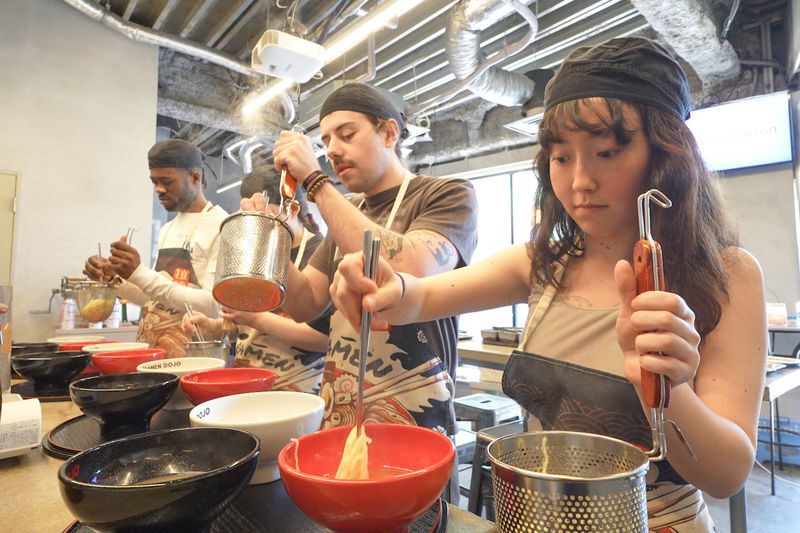
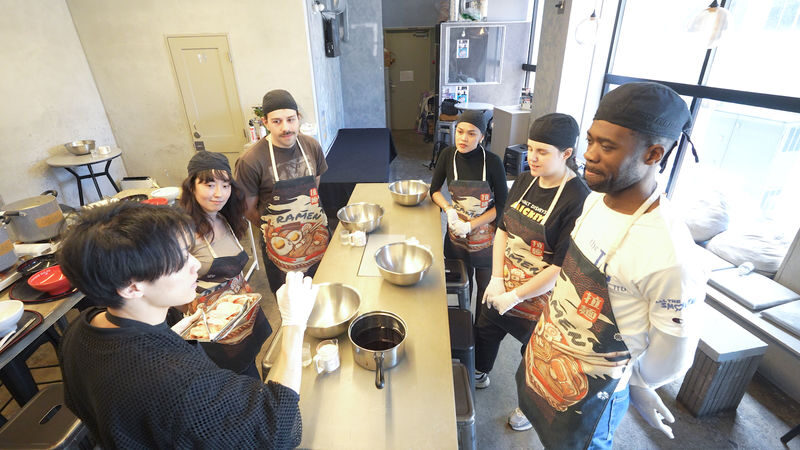
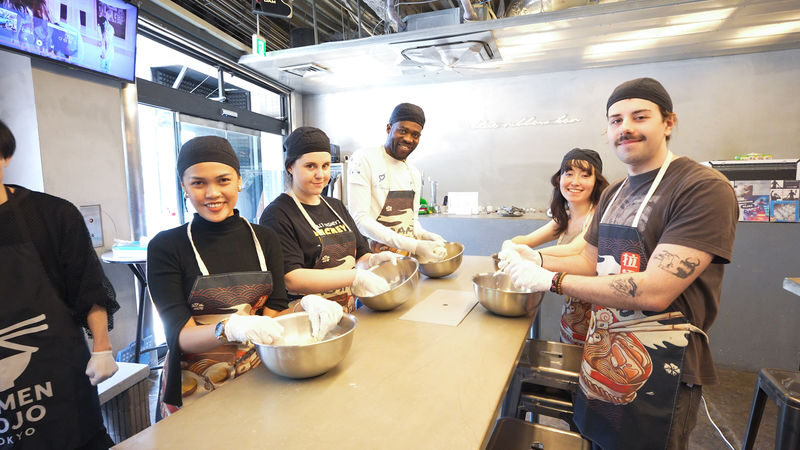
The best reason to book this class is the chance to taste three distinct ramen styles in one go. Instead of hearing a quick description of tonkotsu, shoyu, and miso, you build a bowl for each and compare the results while they are in front of you. For a ramen fan, that side-by-side tasting is the heart of the experience.
I also like the way the class mixes hands-on work with a meal. You knead and shape dough, use a noodle machine, cook chicken chashu, and select toppings before sitting down to eat. The process gives you a better feel for the moving parts in a ramen bowl, even if it does not teach you to make every component from the beginning.
The main caveat is scope. The workshop is advertised as a focused 90-minute session, but some people have finished in about an hour. And while you adjust soup base and tare, the broths themselves are not made from scratch during class. If you want a long, technical cooking course, this may feel light. If you want an engaging Tokyo food activity that ends with lunch, it is a better match.

👉 See our pick of the Our Picks For The 11 Best Workshops & Classes In Tokyo
Start with dough, not a packet of noodles
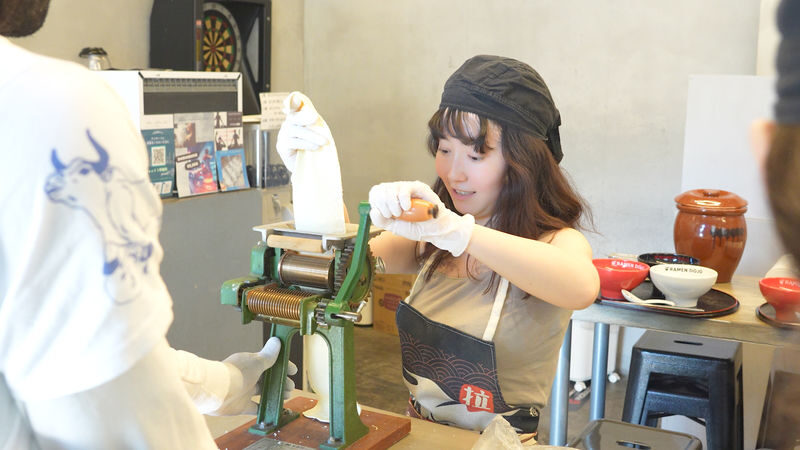
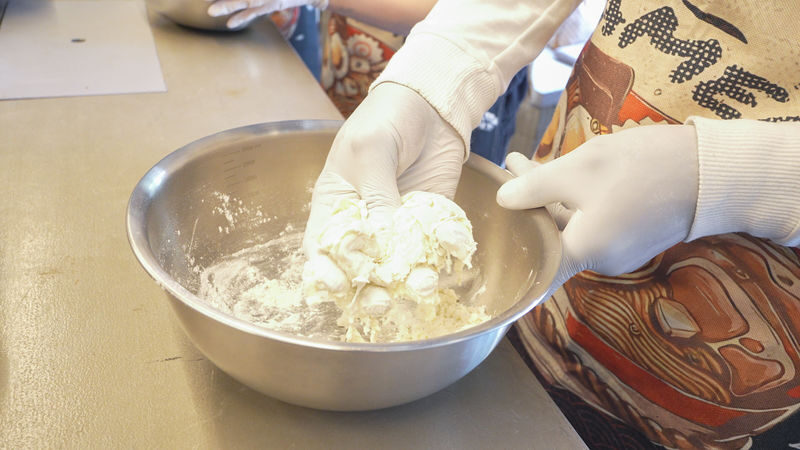
The class begins with the most hands-on part: making noodle dough. You knead it, then use a professional noodle machine to roll and cut it. That machine does much of the heavy work, but you still get to take part in the transformation from a lump of dough to fresh noodles.
This is the sort of task that makes the workshop useful for beginners. You do not need prior cooking skills, and the instructions are designed to take you through each step. People have appreciated the instructors’ patience and clear explanations. Instructors named in class feedback include Yuka, Sayaka, Runa, Rin, Kazuki, and Sumire, though you should not assume a particular person will lead your session.
The fresh-noodle segment is also a good photo opportunity. You can capture the dough and machine work without needing to turn the class into a photo shoot. The team may also help take pictures, which means you can stay involved rather than asking one person in your group to be the camera operator all morning.
You can also read our reviews of more tours and experiences in Tokyo.



Prepare chicken chashu and build your bowls
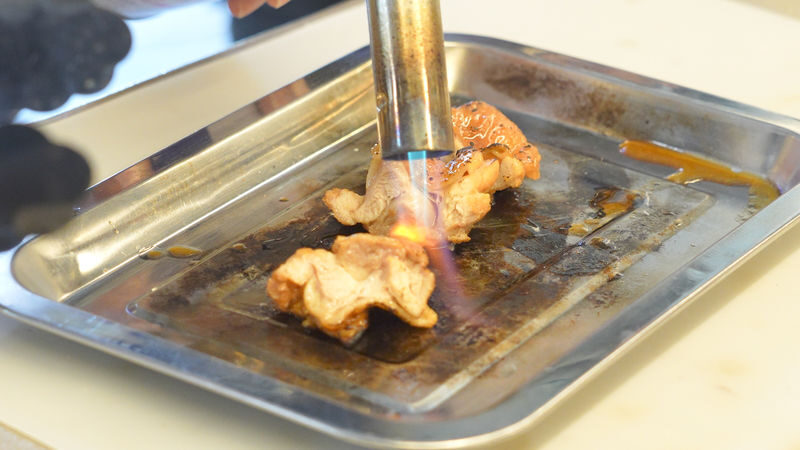
After the noodles, the class turns to toppings and assembly. You cook chicken chashu, then put together three bowls using different soup bases and tare. Tare is the concentrated seasoning that helps define a bowl’s flavor, while the broth provides its body. Adjusting these elements gives you a practical way to compare the styles.
Expect to work with the components supplied for the class, rather than making every ingredient from raw materials. Some people have described searing or blow-torching the chicken, and toppings have included items such as corn, seaweed, bamboo shoots, and fish cake. The precise selection may vary, so treat those as examples rather than a guaranteed menu.
The distinction matters if you are booking because you want to learn broth production. You do not simmer a tonkotsu stock or create each broth from scratch here. Instead, the lesson focuses on noodles, chicken, tare, soup base, and assembling the bowls. A broth recipe is available to take away, but the class is built around doing and tasting, not an extended lecture on stock-making.
Compare tonkotsu, shoyu, and miso at the table
The three-bowl format is the class’s most distinctive feature. Tonkotsu, shoyu, and miso are presented side by side, giving you a chance to notice how each style changes the character of the noodles and toppings. You can taste, compare, and decide which combination suits you.
The value here is not simply eating three portions. It is learning to pay attention to the choices that shape a bowl: the seasoning, the soup base, and the toppings. That is useful context when you later order ramen around Tokyo. You may find yourself asking what kind of broth you are getting, or noticing how a soy-based tare differs from miso.
You can customize your bowls, and some class descriptions refer to adjusting toppings generously. Still, check your expectations: this is a set workshop with three styles, not an open-ended restaurant meal where you choose anything from a full menu. The meal is included, and people often treat the class as lunch or an early dinner. Portions have been described as generous, so you may want to avoid scheduling another large meal immediately afterward.
Friendly teaching makes the class work for mixed groups
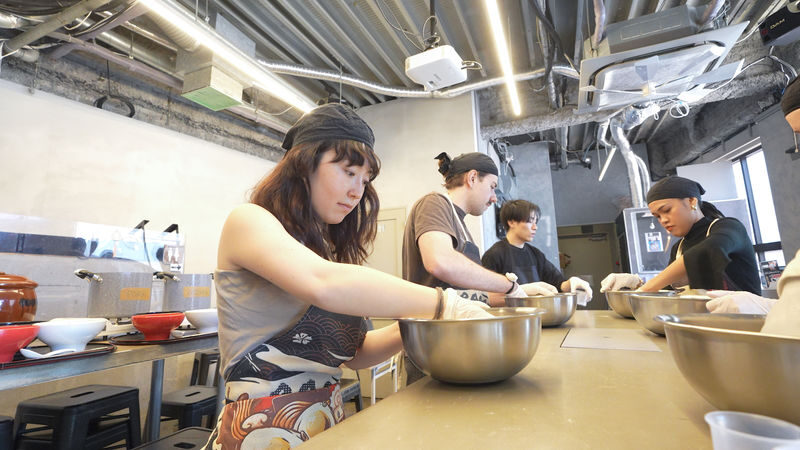
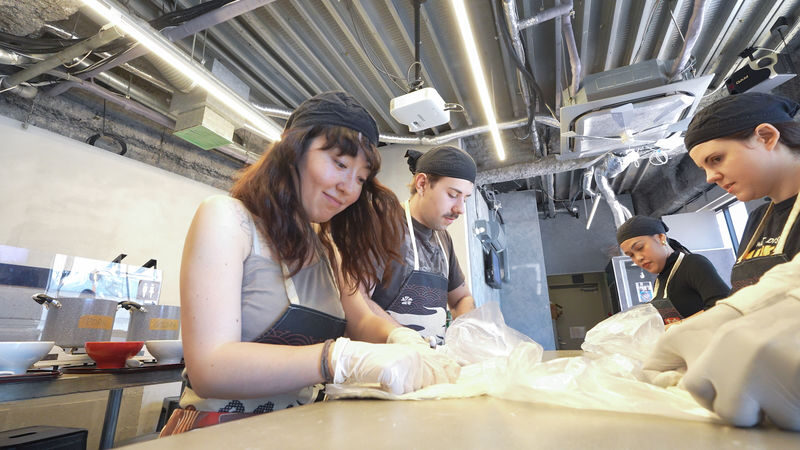
Ramen Dojo is aimed at beginners, and the teaching style seems central to the experience. The instructors are described as warm, patient, and attentive, with English-speaking staff guiding the session. That matters when you are handling unfamiliar equipment or trying to understand why the bowls use different seasonings.
The format also suits groups with different ages and levels of interest. Families have brought children, and one reported group ranged from age eight to 74. Children aged 12 and older pay the adult rate, while children aged five and under can join free. Infants and children still need to be included in the passenger headcount when booking.
Couples, friends, and solo visitors can all take part. Small-group instruction is intended to allow personal support, though the exact group size is not specified. The atmosphere is social without requiring you to know anything about ramen beforehand. For a family, it offers a shared task and a meal; for a solo visitor, it gives structure and conversation during a food-focused activity.
A Shibuya-area activity, with one location detail to note
The studio is at 1F, 2-16-29 Ohashi, Meguro-ku, Tokyo 153-0044. It is described as one station from Shibuya, which makes it an easy addition to a day in that part of the city. But do not read that as a class right beside Shibuya Crossing. You will need to travel from the station to the studio.
There is a small map-search wrinkle: entering the street address in Google Maps may not bring up the correct location. Search for Ramen dojo Tokyo instead. If you are uncertain about the meeting point, contact the shop through Instagram or call directly. Give yourself time to find it, and arrive 15 minutes before your booked start.
Timing is strict. If you arrive five minutes or more after the start time, you cannot join that session. Rescheduling may be possible for a special fee, but it depends on an available time. The activity runs indoors, so it works in wet weather, and wheelchairs and strollers are welcome at the venue.



Is the $110.85 starting price worth it?
At a starting price of $110.85, this is not a cheap bowl of ramen. The comparison, though, is not with a quick lunch at a noodle shop. The price covers a guided cooking activity, fresh noodle-making, chicken preparation, three ramen styles, and lunch. You are paying for the instruction and the chance to make the meal, not just for the ingredients.
I see the strongest value for someone who wants a memorable food activity and has a genuine interest in ramen. Making noodles from scratch and comparing three bowls gives the class more substance than a simple tasting. It can also be a good use of a rainy morning or afternoon, especially if your group needs an activity that brings children and adults together.
The price is harder to justify if your main goal is advanced technique. You do not make the broths from scratch, and the class may take less than the advertised 90 minutes. If you want an in-depth course covering stock, tare, noodle hydration, and regional ramen styles, look for a longer masterclass. If you want a friendly, practical introduction with a filling meal at the end, this workshop offers a more complete outing.
There is also a separate Vegan & Halal-friendly Ramen plan. Book that option if you need a vegetarian, vegan, or halal-friendly meal. Do not assume the standard three-style plan can be changed to meet those needs on the day.
Who should book this ramen workshop?
I would put this class high on the list for ramen lovers who want to understand more than what is in the bowl, and for families looking for a shared activity that does not depend on good weather. It is also a sensible choice for first-time cooks: the instructor-led steps make the process approachable, and the meal gives the session a clear payoff.
It is less suited to someone expecting to cook broth from the bones up, or to spend several hours on technique. The class is short and focused, and its best lesson is how noodles, tare, soup base, and toppings come together. Book it for the full experience of making and comparing three bowls, not as a shortcut to becoming a ramen chef.
Tokyo: Shibuya Ramen Making – From Scratch to Your Own Bowl!
“This was great! tasting the three different ramen types was a great learning experience”
FAQ
How long does the ramen-making class last?
The experience is described as a 90-minute workshop. Some sessions may finish in about an hour, so allow time for the booked session but do not count on it lasting the full 90 minutes.
Which ramen styles are included in the standard plan?
The standard plan includes tonkotsu, shoyu, and miso ramen. You make and taste all three in one session.
Do I make the broth from scratch?
No. You make fresh noodles, prepare chicken chashu, and adjust the soup base, tare, and toppings. The broth itself is not made from scratch during the class.
Is the class suitable for beginners?
Yes. The class is beginner-friendly, and no cooking experience is required. English-speaking staff guide you through the process.
Is lunch included?
Yes. Lunch is included, and the meal is the ramen you make during the workshop.
Can children join?
Yes. The activity has no age limit. Children aged 12 and older are charged the adult rate, while children aged five and under can join free. Infants and children must be included in the passenger headcount.
Is there a vegetarian, vegan, or halal-friendly option?
Yes. Book the Vegan & Halal-friendly Ramen plan if you need a vegetarian, vegan, or halal-friendly meal.
Where is Ramen Dojo Tokyo?
The address is 1F, 2-16-29 Ohashi, Meguro-ku, Tokyo 153-0044, Japan. If the address does not show correctly in Google Maps, search for Ramen dojo Tokyo.
How early should I arrive?
Arrive 15 minutes before the start time. If you arrive five minutes or more after the session begins, you cannot join that class.