Shiomi Ryugu Shrine offers a Tokyo experience with an unusual twist: make an omamori, a Japanese good-luck amulet, in a shrine space set below street level. Add a wish, choose decorations, and, if you like, include a photo or another small keepsake. The shrine’s misty photo area and large golden shimenawa rope give the visit a distinctive setting.
I like the chance to make something personal rather than simply buy a souvenir, and the English-speaking staff can help explain the process. The main caveat is that this is a compact shrine space in a basement, not a sprawling historic shrine. Amulet materials are not included in the stated price, so check the selected package and any extra costs before you go.
- At a glance
- Making an omamori that feels like yours
- A shrine below street level
- The sea of clouds, canal, and golden rope
- What happens during the two hours
- Adding the miko costume and photoshoot
- Is the price worth it?
- Getting there and planning your visit
- Who should book this experience?
- FAQ
- How long does the experience last?
- Where is Shiomi Ryugu Shrine?
- How do I get there from Tokyo Station?
- What time can I book?
- Are amulet materials included in the price?
- Can I put a photo inside my omamori?
- Is the miko costume included with amulet-making?
- Is there an age limit?
- The Best Of Tokyo!
- More Tours in Tokyo
- More Tour Reviews in Tokyo
At a glance
 1 / 9
 2 / 9
 3 / 9
 4 / 9
 5 / 9
 6 / 9
 7 / 9
 8 / 9
 9 / 9
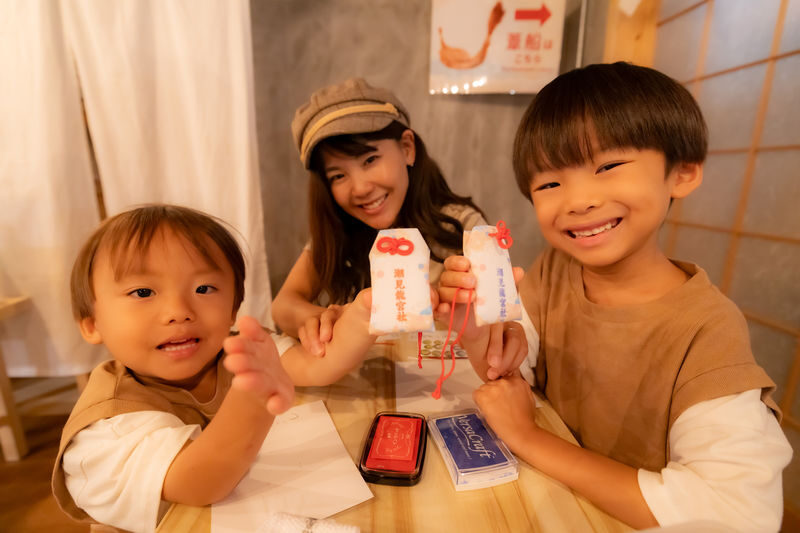
- Make an amulet with a personal wish: Choose a style, decorate it, and make a keepsake for yourself or someone close to you.
- Bring a photo if you want one inside: You can also use an optional iPhone printing service.
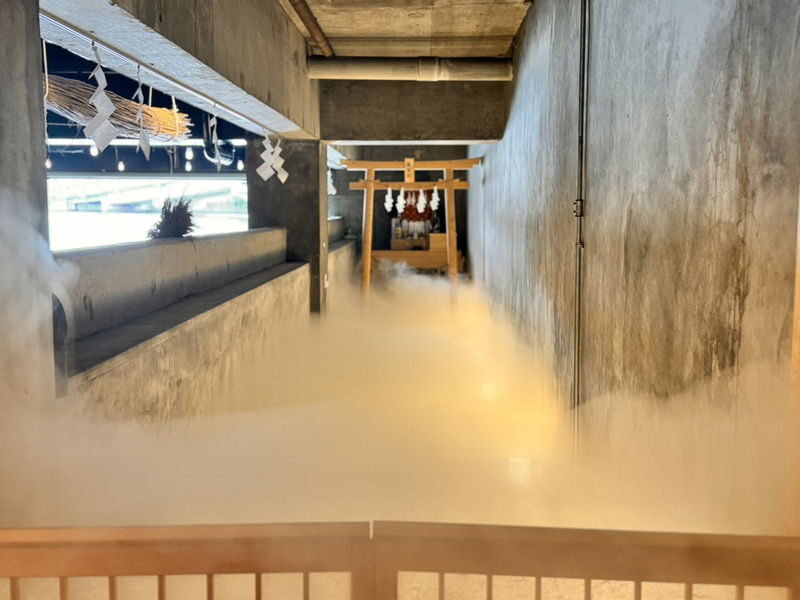
- See the shrine’s misty photo setting: The experience includes worship amid a sea of clouds and by the canal.
- Consider the costume package separately: Miko attire and a photoshoot are offered as a different package.
- Plan on two hours: The shrine is about a two-minute walk from Shiomi Station on the JR Keiyo Line.
- Check the final price: The activity is advertised from $31.60, while the amulet package is also shown from $39.50. Materials are extra.

👉 See our pick of the Our Picks For The 11 Best Workshops & Classes In Tokyo
Making an omamori that feels like yours
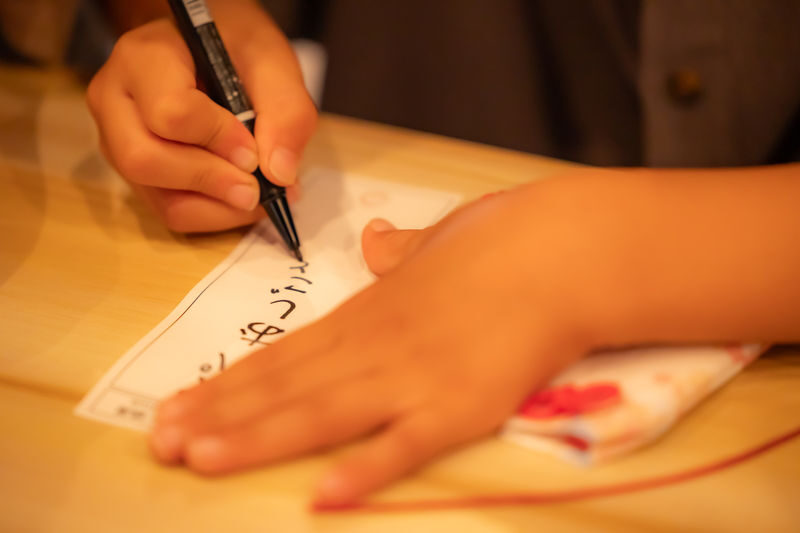
An omamori is a Japanese amulet associated with a wish or hope. Here, the point is not only to buy one, but to make a personal version in a shrine setting. You can choose a design and add decorations, turning the activity into a hands-on craft session with a small ritual element.
The materials described for the activity include stamps, colored ink pads, beads, and decorative parts. Some designs can hold a photo, which makes the finished piece especially suited to a family keepsake, a memory of a pet, or a gift for someone you care about. If you want to place a photo or other item inside, bring it with you. Optional printing from an iPhone is also available.
There is a little more to the process than a quick cut-and-paste souvenir. You’ll have choices to make, and selecting colors, patterns, and decorations can take time. One special detail associated with the experience is a polished five-yen coin, linked by its Japanese pronunciation with good fortune and connection. Ask staff which parts are available and what they cost, since charms and omamori parts are not included in the stated package price.
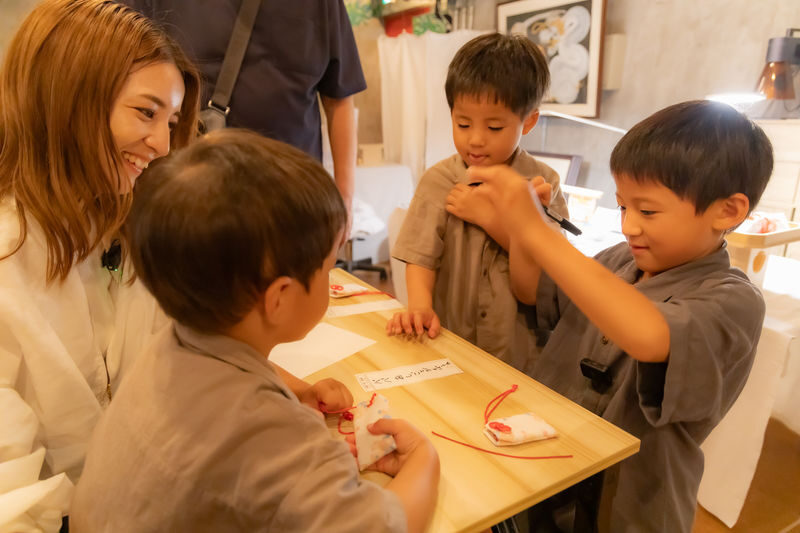
The activity can suit people who enjoy crafts, but you need not be an experienced maker. Staff explain the steps, and the experience has been described as accessible to first-timers. Families with children may also find it a pleasant shared activity, though the supplied information does not give a minimum age or specific child-focused arrangements.
You can also read our reviews of more tours and experiences in Tokyo.



A shrine below street level
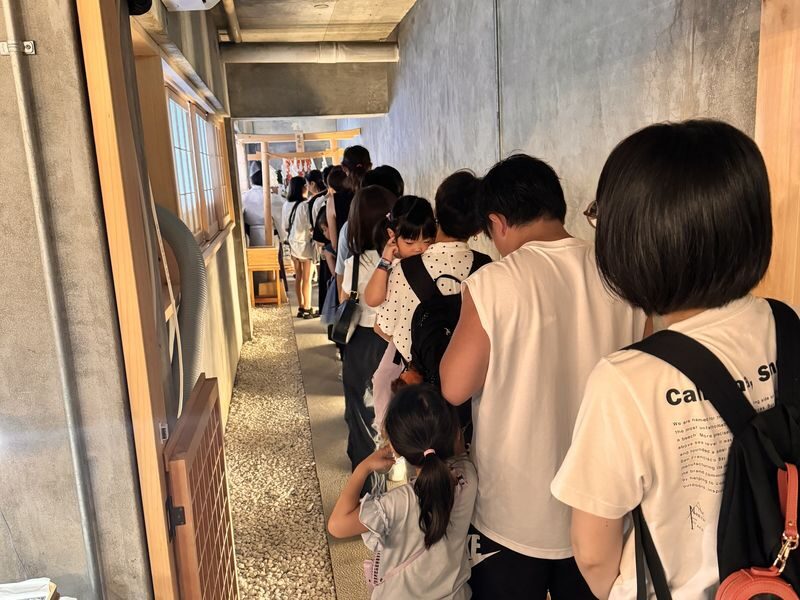
Shiomi Ryugu Shrine is at B1F, Maison de la Mer, 2-1-10 Shiomi, Koto City. It sits inside a small apartment-office building rather than in the kind of large, traditional shrine complex many people picture. Restaurants are on the building’s first floor, so the surroundings may feel more everyday than sacred when you arrive.
That contrast is worth knowing before you book. The experience is built around a compact indoor shrine space, a canal-side area, and dedicated photo spots. It is not a substitute for visiting a historic shrine with broad grounds, but it offers a more guided way to learn about shrine customs and make a personal amulet without leaving Tokyo.
The shrine is described as dedicated to deities connected to World Natural Heritage sites. Staff can explain details about the shrine and the amulet-making process, and English-speaking staff are included. The space is small, with the shrine and riverside areas forming the main parts of the visit. Sessions accommodate only two groups, which can give you time for photos and for making your amulet without a crowd pressing in.
The sea of clouds, canal, and golden rope
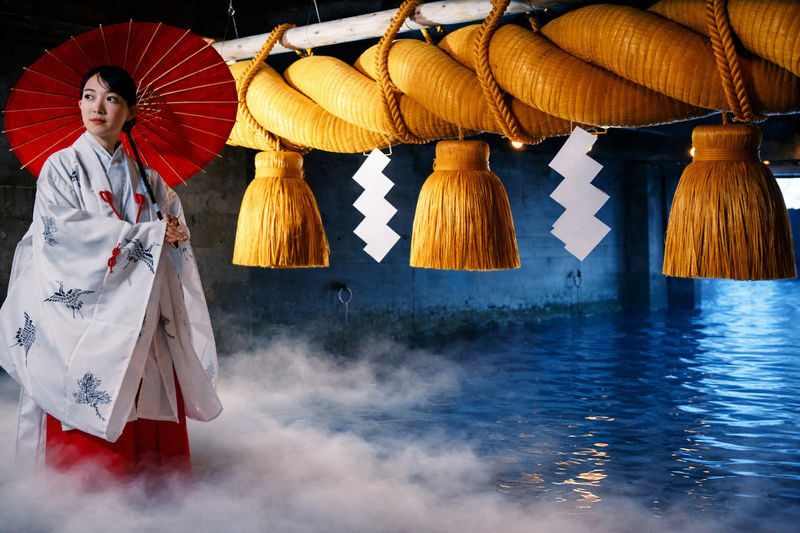
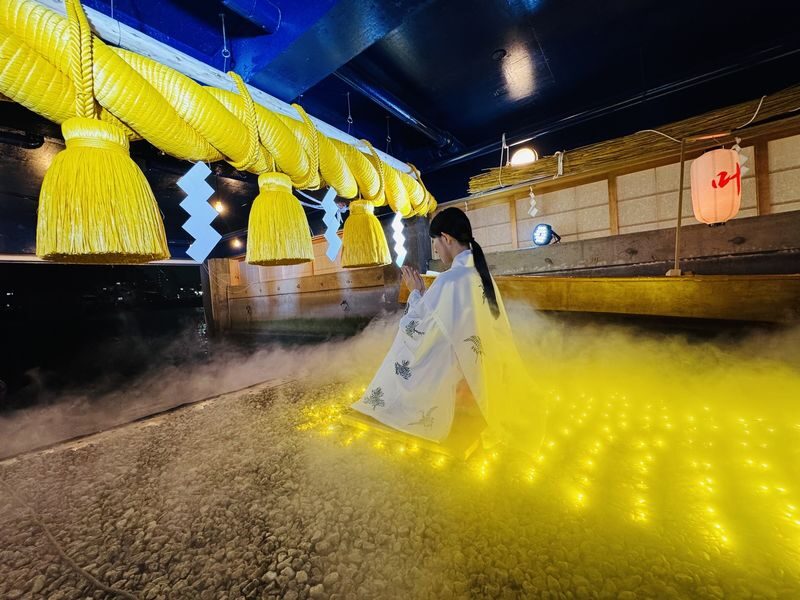
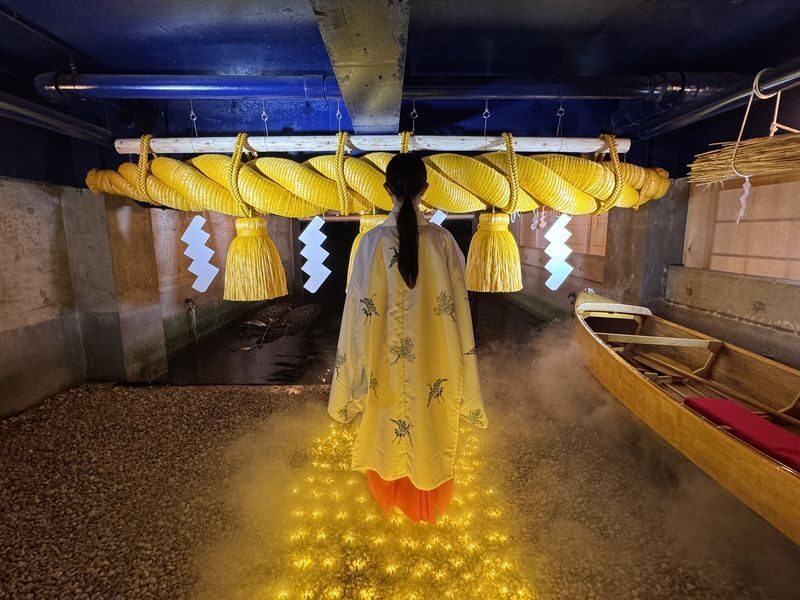
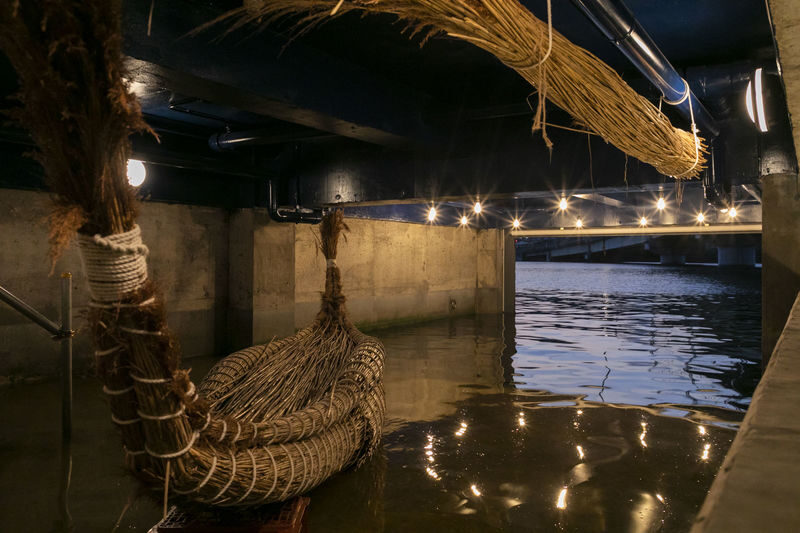
The photo setting is one of the experience’s most unusual features. A mystical sea of clouds is described as appearing regardless of the weather, creating a misty backdrop inside the shrine space. The canal-side area offers a different scene, with a large golden shimenawa rope appearing to merge visually with the waterway.
A shimenawa is a sacred rope used in Japanese religious settings. Here, its scale and golden color make it a striking visual feature, especially for photographs. The mist and the canal give you two distinct settings, so the visit is not limited to one backdrop.
The photo areas are compact, so keep expectations realistic: this is a small, arranged experience, not a large outdoor shrine with endless corners to explore. Staff can help with pictures and pose suggestions, an especially useful touch if you are visiting alone or want a group shot. If photography is a priority, allow time for it, but remember that the central activity is the omamori-making session.
What happens during the two hours
The experience lasts about two hours and takes place at the shrine. You make your own way there; there is no guide meet-up elsewhere in Tokyo. Once you arrive, staff confirm your booking and explain how the session works.
You then choose your omamori style and begin decorating it. The available choices can include stamps and ink, beads, decorative parts, and an option to include a photo. This is the part that can take longer than expected if you enjoy making decisions and personalizing details. Keep an eye on the time if you also want to take photographs or have another activity booked afterward.
The visit also includes worship amid the sea of clouds and worship by the canal. These moments give the craft activity a shrine context, rather than making it simply a souvenir workshop. If you are new to shrine customs, staff can guide you through the experience and explain the setting.
The session ends at the shrine, where you arrived. The offered start times are 11:30 and 14:00, with listed end times of 13:30 and 16:00. Your available end time depends on the departure time and package selected. The schedule may change with traffic or weather conditions, so avoid planning a tight connection immediately afterward.
Adding the miko costume and photoshoot
A separate package combines a miko costume fitting with the misty photo setting. Miko are women who assist with duties at Shinto shrines, and the costume experience gives you a chance to wear the distinctive white top and red hakama-style skirt. The fitting involves several layers, and staff help with dressing and adjustments.
The photoshoot includes props, and staff can help with camera angles and poses. The shrine also offers male priest attire, though the available selection of men’s costumes and props may be smaller. If you are booking as a pair, check the package details so you know which outfits and activities are included.
The costume option is listed from $75.85, compared with the amulet package listed from $39.50. Prices can vary, and the activity’s headline price is also shown from $31.60. These figures do not make clear which materials are included in each option, so confirm the final cost before booking. The costume experience makes most sense if you want the photos and the chance to dress up; it is not necessary to enjoy the amulet-making activity.



Is the price worth it?
The value depends on what you want from your Tokyo itinerary. The amulet session offers more than a ready-made souvenir: you spend time choosing designs, making something by hand, and learning about the shrine from staff. If a personal keepsake matters more to you than a quick photo stop, that hands-on element can justify the cost.
But do not compare the starting price with a simple admission ticket. The listed price is per person, and the amulet charms and parts are excluded. Since the activity is advertised at different starting prices in different places, check the price for your chosen date and package, plus the cost of any extras you want.
The miko package costs more, but it adds a costume fitting, props, and a more focused photoshoot. It is a better fit for someone who values dressing up and taking pictures than for someone who only wants to make an amulet. Booking both options may create a fuller visit, but allow enough time to enjoy each rather than rushing through them.
Getting there and planning your visit
The shrine is a two-minute walk from Shiomi Station on the JR Keiyo Line, and the train journey from Tokyo Station is about seven minutes. Use the full address when navigating: B1F Maison de la Mer, 2-1-10 Shiomi, Koto-ku, Tokyo. Because the shrine is in a basement, the building may not look like a conventional shrine from the street.
Choose either the 11:30 or 14:00 start time when booking, and arrive five minutes early. There is no guide to meet you elsewhere, so go directly to the shrine. Late arrivals and no-shows are not refundable. The voucher is valid only for the date and time specified.
The activity has no age limit. If you plan to include a photo or another item inside the amulet, bring it along. You can also ask about printing a photo from an iPhone at the shrine. For cancellations, a full refund is available if you cancel at least 24 hours before the activity date, using local destination time.
Who should book this experience?
I’d consider this experience if you want a personal souvenir, enjoy crafts, or are curious about shrine customs but prefer a small, staff-supported activity. It can also suit families and friends looking for a shared project, especially if you bring a photo or choose the costume package for pictures.
It is less suitable if your main goal is to see a large, historic shrine or spend time outdoors in extensive grounds. The basement location and compact layout are part of the experience, not minor details to overlook. Still, the combination of amulet-making, a prayerful setting, and a misty photo area makes this a distinctive stop near Shiomi.
Book the amulet package if you want a hands-on keepsake and a calm cultural activity. Choose the costume option if dressing up and taking photos are just as important to you. Before paying, confirm which package you are selecting and what the materials cost. That small check will make the experience easier to enjoy once you arrive.
Tokyo Miko Experience: Photo Spots & DIY Shrine Amulet/Bracelet
“The shrine is located on the basement level. The space is not large and is divided into the shrine area and the riverside area. Each session accomm…”
FAQ
How long does the experience last?
The activity lasts about two hours.
Where is Shiomi Ryugu Shrine?
It is at B1F, Maison de la Mer, 2-1-10 Shiomi, Koto-ku, Tokyo. The shrine is a two-minute walk from Shiomi Station on the JR Keiyo Line.
How do I get there from Tokyo Station?
The shrine is about seven minutes by train from Tokyo Station, followed by a two-minute walk from Shiomi Station.
What time can I book?
The available start times are 11:30 and 14:00. Listed end times are 13:30 and 16:00, depending on the selected start time and package.
Are amulet materials included in the price?
No. Charms and parts for the omamori are not included in the stated price. Check the selected package and confirm the cost of materials or extra parts.
Can I put a photo inside my omamori?
Yes. Bring a photo or another item you want to place inside. Optional printing from an iPhone is also available.
Is the miko costume included with amulet-making?
No. The miko costume fitting and photoshoot are offered as a separate package.
Is there an age limit?
No. The activity has no age limit.