In the middle of Shibuya, Tokyo Cha An offers a quiet hour with a different pace: learn the purpose behind the gestures of a Japanese tea ceremony, then whisk matcha yourself. The session is a practical introduction, not a long formal ceremony, and its short format fits neatly between sightseeing plans.
I like two things in particular: you see matcha being prepared with a traditional stone mill, and you get to choose a tea bowl before making your own. The English-speaking hosts also explain the history and the small details, including how sweets pair with the tea.
One consideration: 45 to 50 minutes goes quickly. You’ll get an introduction and a hands-on lesson, but not an extended study of tea ceremony practice. The room also involves sitting on the floor for part of the session, though you can sit in a way that feels comfortable.
A few things to know before you book
- You make your own matcha: Watch the host first, then whisk a bowl yourself with traditional tools.
- The sweet has a purpose: Nerikiri, a traditional Japanese confection, is served with the tea to complement its flavor.
- The pace is compact: Expect about 45 to 50 minutes, including an introduction, demonstration, tasting, and your own preparation.
- You choose a chawan: Select a tea bowl from the available collection before making your matcha.
- It’s in Dogenzaka, Shibuya: The meeting point is on the second floor of the Manji Building, at 1-15-9 Dogenzaka.
- Socks are a good idea: You’ll take your shoes off for the tea-room portion, so wear socks or bring a pair.
👉 See our pick of the Our Picks For The 11 Best Workshops & Classes In Tokyo
- A few things to know before you book
- A quiet tea room in Shibuya
- First, a short introduction to tea and matcha
- Watch the tea master prepare matcha
- Choose a bowl and whisk your own
- Hosts make the lesson approachable
- What the 45-minute format includes
- The room, seating, and what to wear
- Is .65 good value?
- Who should book this tea ceremony?
- Should you book Tokyo Cha An?
- FAQ
- How long does the tea ceremony experience last?
- How much does it cost?
- Where is the meeting point?
- What time can I book?
- Is the activity conducted in English?
- Do I get to make matcha myself?
- Is food included?
- Can children take part?
- What should I wear or bring?
- The Best Of Tokyo!
- More Tours in Tokyo
- More Tour Reviews in Tokyo
A quiet tea room in Shibuya
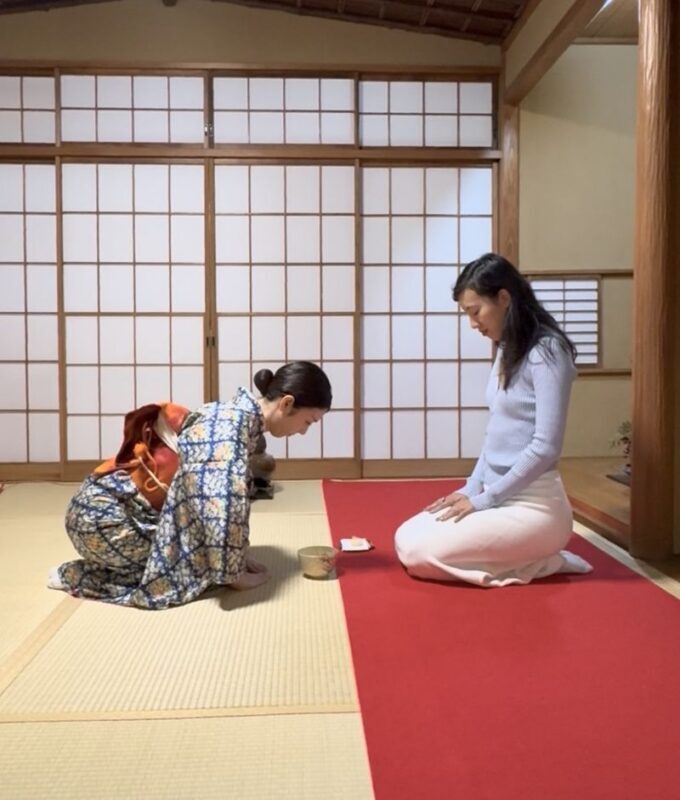
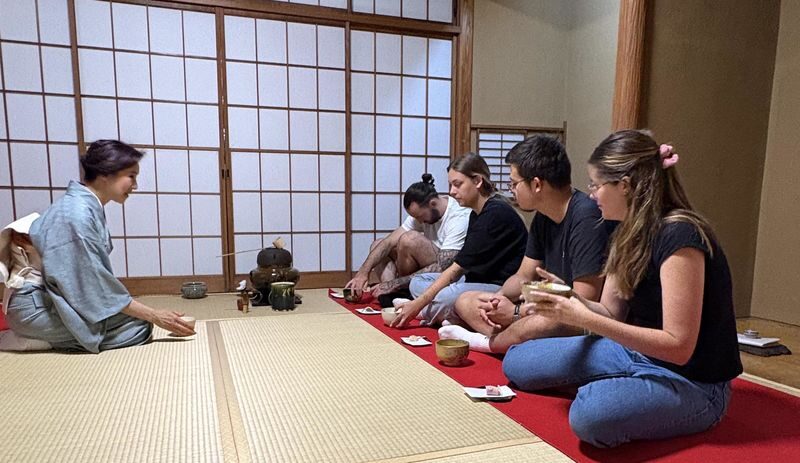
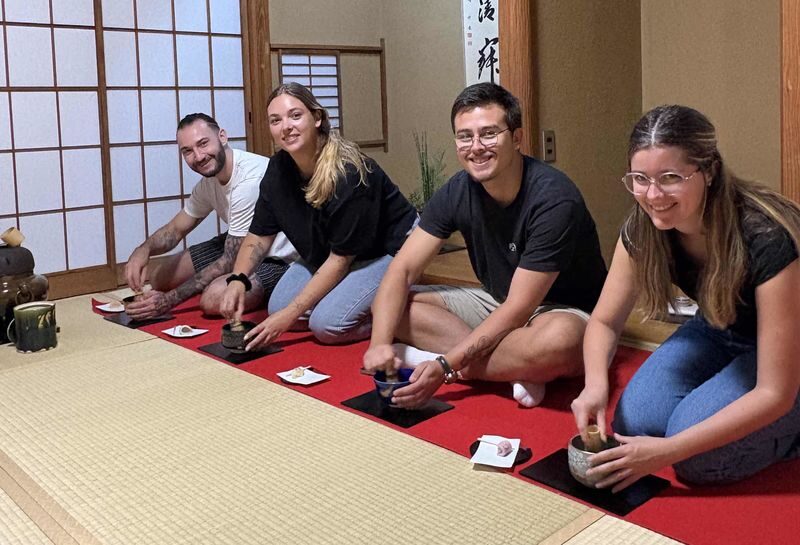
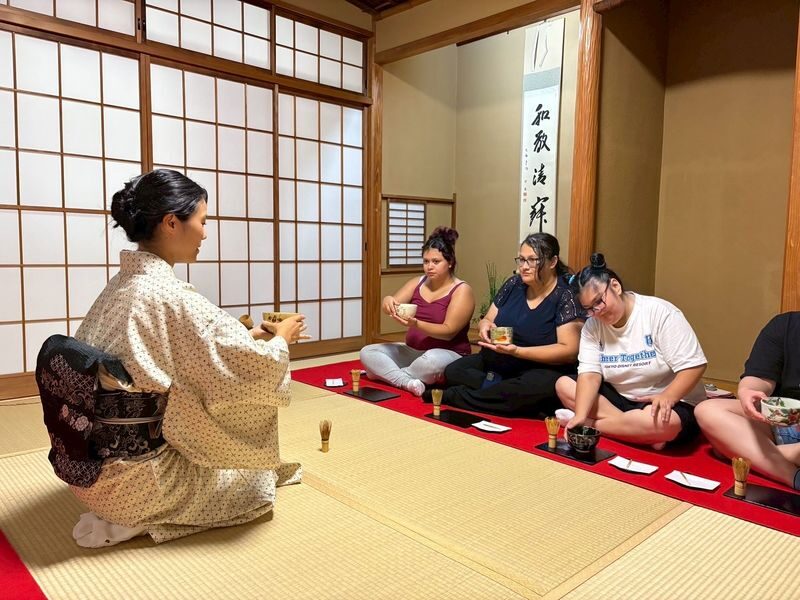
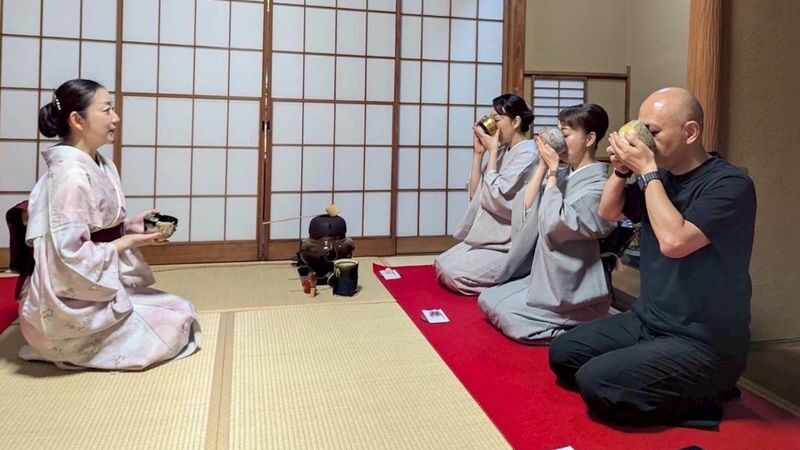
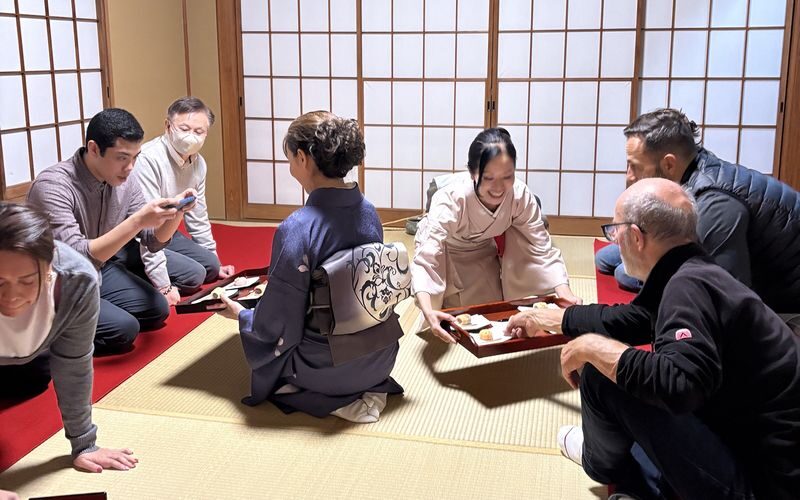
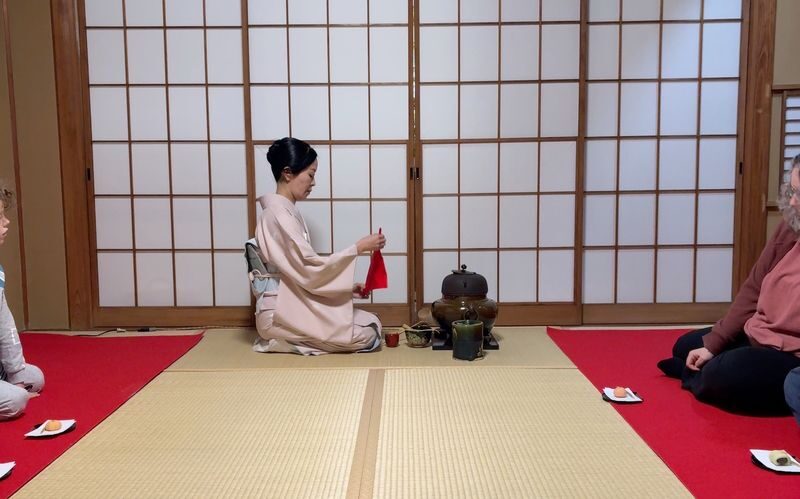
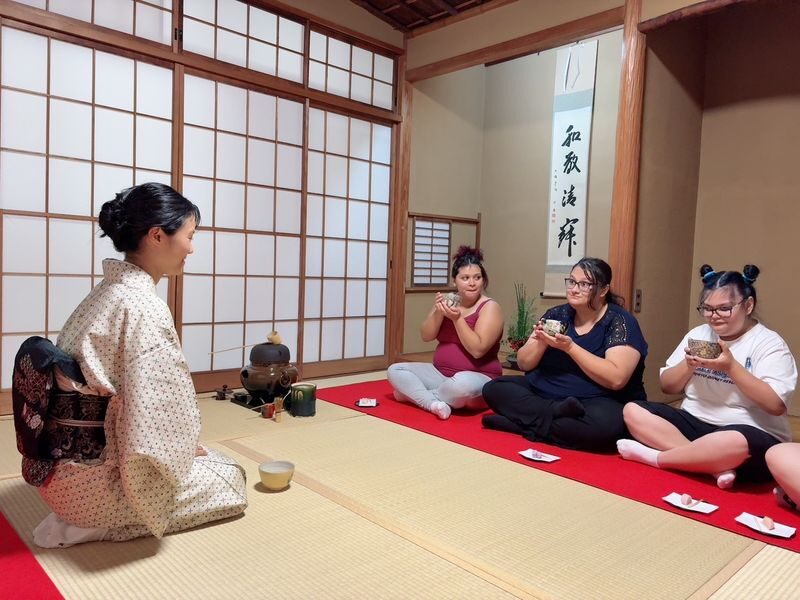
Tokyo Cha An sits in Dogenzaka, a short-format cultural stop in one of Tokyo’s best-known districts. The location makes it easy to pair the activity with a day in Shibuya, but the experience itself is deliberately calmer than the surrounding streets. Step inside and the focus shifts from city motion to measured gestures, careful preparation, and the taste of tea.
The format is approachable for a first encounter. You don’t need to know tea vocabulary or have tried matcha before. The host explains the process in English, and the ceremony is broken into clear stages: a short introduction, a demonstration, and a chance to prepare your own bowl.
That balance is the point. You’re not expected to master a tradition in under an hour. Instead, you get a considered introduction to the ritual and a better sense of why the tools, movements, and sweet all matter.
You can also read our reviews of more tours and experiences in Tokyo.



First, a short introduction to tea and matcha
The session begins with context. Your host explains some of the history of tea in Japan and introduces matcha, including how it is made. The activity also includes a look at a traditional stone mill, which helps connect the green powder in your bowl to the preparation behind it.
Some sessions begin with a short presentation or information sheets, giving you a structure to follow as the host talks. This is useful if you’re new to the subject: rather than being asked to copy a sequence of unfamiliar movements, you first learn what you’re seeing and why it matters.
The introductory portion also gives you a chance to distinguish matcha from other green tea. You don’t need to retain every detail to enjoy the ceremony, but even a few points of context make the next part feel less like a demonstration and more like a practice with meaning.
Watch the tea master prepare matcha
Next, the host performs the ceremony. The deliberate handling of the bowl and utensils is central to the experience. The rhythm is slower than ordinary tea preparation, and that difference is worth noticing. Each action is treated as part of the ritual rather than a shortcut to a drink.
The ceremony has a history of more than 500 years, and the host gives you a beginner-friendly view of its customs and cultural meaning. The atmosphere is calm and attentive, but this is also a guided activity, not a test. You’re there to observe, ask questions, and understand the broad principles.
You’ll then taste the freshly prepared matcha with nerikiri, a traditional Japanese sweet. This pairing is more than a pretty extra. The sweetness offers a counterpoint to matcha’s earthy, sometimes bitter flavor, and helps explain why the tea is served this way. Some sweets are chosen for their seasonal appearance, so take a moment to look closely before eating.
Choose a bowl and whisk your own
The hands-on part is what makes this experience more useful than a simple demonstration. You choose a chawan, or matcha bowl, from the available selection, then use traditional tools to prepare a bowl of your own. The host shows you the basic technique and guides you through the steps.
Don’t expect your first bowl to match the host’s. Whisking takes practice, and that is part of the fun. The aim is to learn the movement and get a feel for the preparation, not to produce a perfect cup on the first try. You’ll have the chance to taste what you make, so the session gives you two perspectives: matcha prepared by the host and matcha prepared by you.
This is also the practical takeaway. If you enjoy the process, you’ll leave with a clearer idea of how to make matcha at home. Some people choose to buy a whisk or tea powder after the session, but purchases are not included in the activity price.
Hosts make the lesson approachable
The tea hosts are a major part of the experience. Several have been named by people who took the class, including Coco, Koko, Yuka, Natsu-san, and Marigold. The assigned host can vary, so don’t book expecting a particular person. What matters for the session is that the instruction is in English and designed for beginners.
The teaching style is warm and clear, with room for questions and a little humor. If you’re worried that a formal cultural activity might feel stiff, this one is structured but welcoming. You’re shown what to do before being asked to try it yourself.
Group size can vary. Some sessions have only a handful of people, and a solo booking may occasionally end up as a private session, but you shouldn’t count on that. In a small group, you can follow the demonstration closely and have a turn at preparing matcha without the activity becoming a long class.
What the 45-minute format includes
Plan for about 45 to 50 minutes from start to finish. The basic sequence is introduction, demonstration, sweet and tea tasting, then your own matcha preparation. That’s enough time to learn the essentials without giving up half a day of sightseeing.
There is a trade-off. The host has to cover a fair amount in a short period, so the experience is an overview rather than an in-depth course. If you want extended instruction in tea ceremony etiquette or a longer, more formal gathering, this compact session may feel brief. If you want a meaningful first look and a chance to participate, the timing works well.
The listed departure slots are 10:00, 11:00, 12:00, 14:00, 15:00, and 16:00. Your return time is set about 45 minutes later, with the available option depending on your selected start time. Arrive for the time you booked, since the voucher is valid for the specified date and time.
The room, seating, and what to wear
The meeting point is on the second floor of the Manji Building, at 1-15-9 Dogenzaka, Shibuya-ku. The address can be a little less obvious than a street-level shop, so use the map details sent after booking. An emailed video or image may help you identify the entrance. If you have trouble finding the building, contact the activity provider rather than wandering off and missing your time.
You’ll take your shoes off for the tea-room portion. Socks are requested, so wear them or bring a pair. Some of the session is conducted seated on the floor, though you can sit in a position that’s comfortable for you. The meeting point is a small indoor venue, not a large tourist facility, so follow the directions carefully.
Staff are available to assist guests with disabilities, but the activity information does not detail specific access arrangements. If you need particular support, check with the provider before booking. Child seats are not available.
Is $24.65 good value?
At a starting price of $24.65, this is a modestly priced cultural activity for central Tokyo. The fee includes admission, an English-speaking guide and staff, the matcha and sweet, and tax. You also get to make your own tea, not just watch someone else do it.
The value rests on the quality of the instruction and the participation. If you only want a quick cup of matcha, you can find tea elsewhere for less. Here, you’re paying for the context, demonstration, use of traditional tools, selected bowl, and guided practice. For a first-time visitor who wants an accessible introduction to Japanese tea customs, that’s a sensible exchange.
The session is less compelling if you already know how to prepare matcha and want a lengthy, advanced lesson. It is also not a full-day cultural program. Think of it as a focused activity that adds something thoughtful to a Shibuya itinerary without taking over the day.
Who should book this tea ceremony?
This works especially well for first-time visitors to Japan, matcha fans, and anyone looking for a calm activity between more energetic sightseeing stops. It’s also a good choice for families with older children who can take part in a quiet, guided session. Children must be at least five, and those aged five to twelve must be accompanied by a paying adult. Children aged 18 and over pay the adult rate.
You don’t need to be a tea drinker to take part, though the flavor is an acquired taste for some. One participant found that milk helped make the matcha more appealing to a child; ask the host what options are available if bitterness is a concern, rather than assuming a particular alternative is included.
The activity is not recommended for pregnant women, and pets are prohibited. If you want a relaxed cultural lesson that is easy to fit into a Tokyo day, it’s a strong match. If you want an extended ceremony, more detailed study, or a highly customized private class, check the format before you commit.
Should you book Tokyo Cha An?
Book it if you want more than a photo of a tea bowl: you’ll hear the basics, watch the host’s ritual, taste matcha with a traditional sweet, and make a bowl yourself. The English instruction, beginner-friendly pace, and short duration make it a practical way to add a cultural stop to a Shibuya visit.
Skip it if you’re seeking a long, formal ceremony or already know the basics and want advanced training. For most first-timers, though, the hands-on finish is the deciding point. You leave having prepared matcha yourself, with a better sense of the care behind a simple bowl of tea.
Tea Ceremony Tokyo Cha An in Shibuya
“A truly great experience in a very friendly and peaceful atmosphere. If you want to participate in a ceremony, this is definitely the right place.”
FAQ
How long does the tea ceremony experience last?
The activity takes about 45 to 50 minutes. It includes an introduction, a tea ceremony demonstration, a sweet and matcha tasting, and time to make your own matcha.
How much does it cost?
Prices start at $24.65. The price includes admission, English-speaking staff and guide, food and beverages, and tax.
Where is the meeting point?
The meeting point is Tea Ceremony Tokyo Tokyo Cha An, on the second floor of the Manji Building, 1-15-9 Dogenzaka, Shibuya-ku, Tokyo 150-0043.
What time can I book?
Available departure times are 10:00, 11:00, 12:00, 14:00, 15:00, and 16:00. Choose a time when booking and attend at that selected time.
Is the activity conducted in English?
Yes. An English-speaking guide and English-speaking staff are included.
Do I get to make matcha myself?
Yes. After watching the host prepare matcha, you’ll use traditional tools to make your own bowl. You can also choose a chawan from the available tea bowls.
Is food included?
Yes. The experience includes matcha and a traditional Japanese sweet, described as nerikiri.
Can children take part?
Participants must be at least five years old. Children aged five to twelve must be accompanied by a paying adult, and participants aged 18 or older are charged the adult rate.
What should I wear or bring?
Wear socks or bring a pair, since shoes are removed for the tea-room portion. The activity information does not specify other required items.