Tokyo’s best-known sights sit far apart, but this five-hour bus tour brings the Imperial Palace area, Tokyo Tower and Asakusa into one manageable morning. You get city views, a look at a historic temple district and a guide to help make sense of what you’re seeing, without planning each transfer yourself.
I like two things in particular: the 360-degree view from Tokyo Tower’s Main Observatory is included, and the guide-led visit to Senso-ji gives you time to see the temple and browse Nakamise Street. The main caveat is the Imperial Palace stop: expect an exterior view, not a tour inside the palace or its gardens.
- Key points to know before you book
- A useful first look at Tokyo, with one important caveat
- The palace area: a bridge view, not a palace visit
- Tokyo Tower’s 150-meter view
- Asakusa and Senso-ji: the tour’s most atmospheric stop
- The bus route adds a quick city lesson
- The five-hour pace and what it means for you
- Is the fare worth it?
- Who should book this Hato Bus tour?
- FAQ
- How long is the Tokyo morning tour?
- Does the tour go inside the Imperial Palace or gardens?
- Is Tokyo Tower admission included?
- Where does the Shinjuku departure meet?
- Where does the tour finish?
- Are meals and drinks included?
- The Best Of Tokyo!
- More Morning in Tokyo
- More Tours in Tokyo
- More Tour Reviews in Tokyo
Key points to know before you book
- The Imperial Palace stop is an outside look: Nijubashi Bridge is the focus, but palace and garden access is not part of the experience.
- Tokyo Tower admission covers 150 meters: The higher Special Observatory, at 250 meters, costs extra.
- Asakusa gets the longest stop: Plan on about an hour for Senso-ji and Nakamise Street, which can be busy.
- The guide makes a difference: Recent guide names include Mina, Azumi, Kiki and Fujiko. Guides change, but clear, friendly English and useful cultural context are often praised.
- You finish at Tokyo Station: The Shinjuku departure does not loop back to Shinjuku, so plan your onward trip from Tokyo Station.
- It suits a first Tokyo morning: The bus covers several major sights quickly, but this is an introduction rather than an in-depth visit.

👉 See our pick of the Our Picks For The 11 Best Workshops & Classes In Tokyo
A useful first look at Tokyo, with one important caveat
This tour is a practical choice if your Tokyo schedule is short, or if you want an easy first morning before exploring on your own. An air-conditioned, heated bus handles the long hops between sights, while a National Government Licensed Guide Interpreter provides commentary in English. The group can range from one to 40 people, so the feel may be intimate or more like a standard coach tour, depending on the day.
The appeal is not just ticking off famous names. Tokyo Tower gives you a view that helps orient you to the city, and Asakusa offers a lively contrast to the government district and modern skyline. The guided format also adds context that can be hard to pick up when you are navigating on your own.
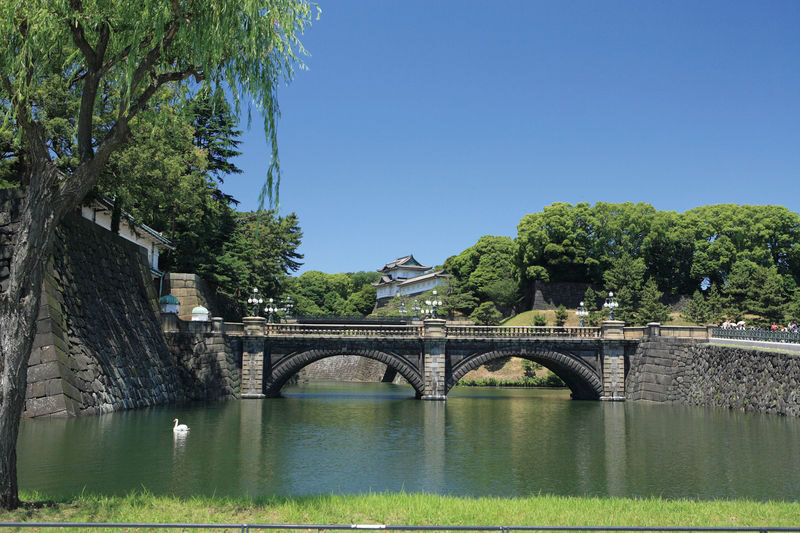
But set your expectations for the palace stop carefully. The tour description refers to a former royal garden and the Imperial Palace, yet the visit is an exterior stop around the palace area, with a view of Nijubashi Bridge. You should not expect to enter the palace or stroll through the gardens. If palace grounds are a priority, this tour alone will not meet that goal.
You can also read our reviews of more tours and experiences in Tokyo



The palace area: a bridge view, not a palace visit
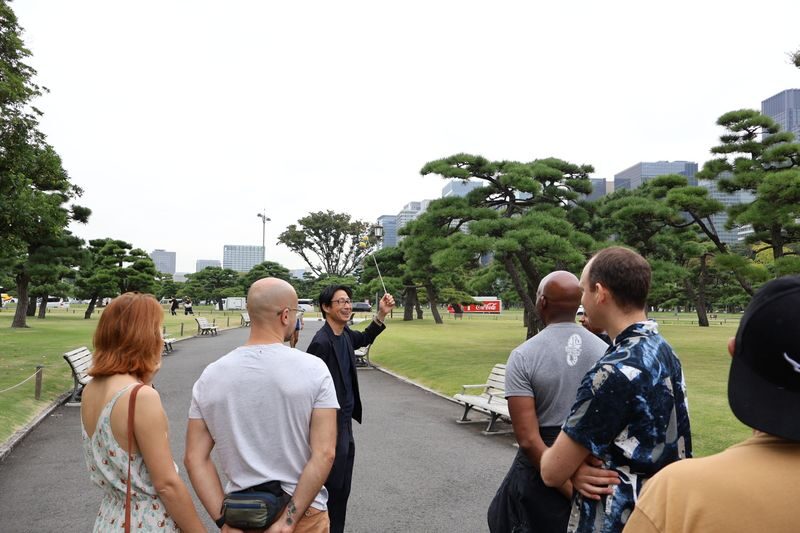
The morning begins with the Imperial Palace area, including a view of Nijubashi Bridge, often used as a symbol of the palace. The tour allows about 40 minutes for this stop, but that does not mean 40 minutes inside a garden or palace complex. The important distinction is access: this is a guided look from the public exterior area.
The surroundings offer a useful change of pace from Tokyo’s traffic and tall buildings. The palace grounds are associated with Japan’s imperial family, and the guide can explain the setting and its place in the city. Still, the stop is best understood as a photo and orientation break, not a deep historical visit.
I would treat this as a short introduction to the palace district. Some people may find the view worthwhile, especially if they have never seen the bridge; others may feel the time could be spent at a site they can enter. If you are hoping to see the palace itself, adjust your expectations or make separate plans.
The tour may also pass the National Diet Building by bus. A drive-by is a chance to spot the building from the window, not to get out and explore it. Road restrictions or access rules near the palace can affect the route or even the departure arrangements, so the order of stops is not guaranteed.
Tokyo Tower’s 150-meter view
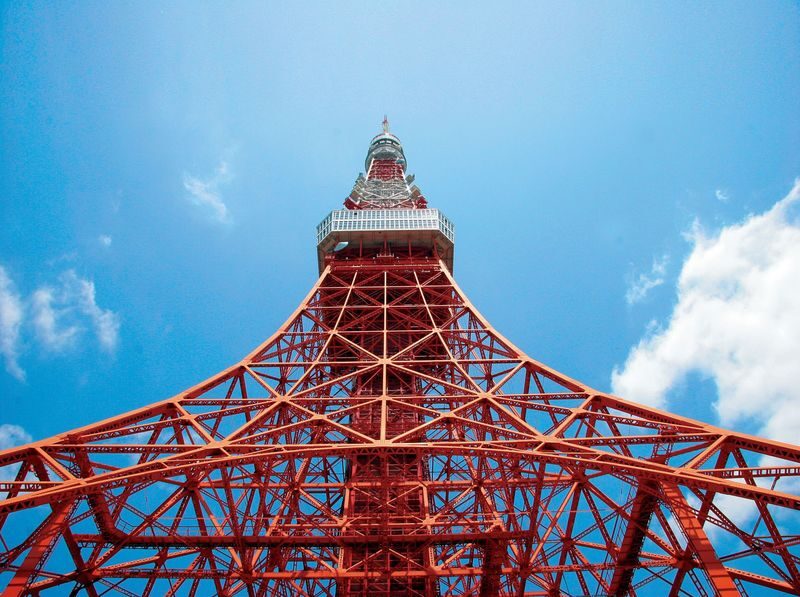
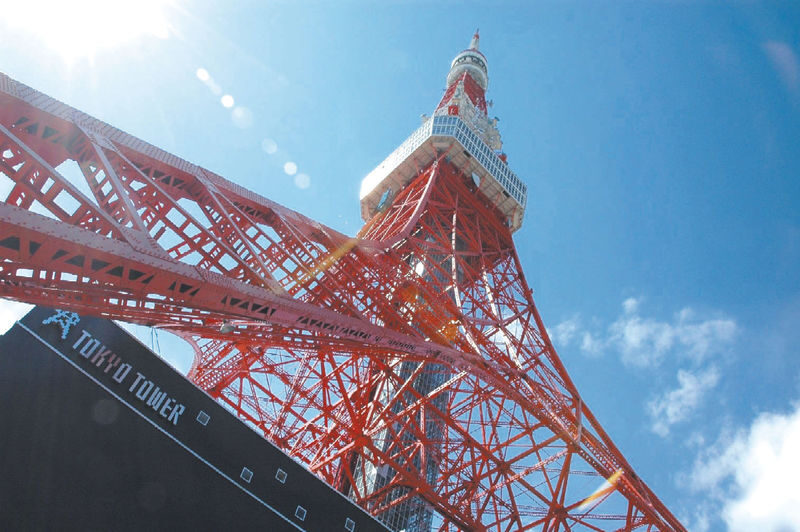
Tokyo Tower is the most straightforwardly rewarding stop for anyone who wants a wide view without spending half a day on the visit. Admission to the Main Observatory, 150 meters above ground, is included, and the planned stop lasts about 40 minutes. From there, you can take in Tokyo’s spread of buildings and get a sense of the scale of the city.
The tower was inspired by the Eiffel Tower and has become one of Tokyo’s most recognizable landmarks. Its height and bright exterior make it an easy reference point, but the real payoff here is the panorama. On a clear day, the view can help connect the districts you pass through by bus; clouds and haze, of course, affect what you can see.
The higher Special Observatory, at 250 meters, is not included. You will need to pay an additional fee if you want to go up, and the short schedule means you should weigh that extra time against the rest of the tour. The included 150-meter level is enough for a strong overview, especially if this is your first visit.
Tokyo Tower’s main observatory is a fixed stop, but the route and timing may shift with traffic or weather. The tour is designed to keep moving, so this is not a long, leisurely tower visit. If you want to explore every floor or stay for a meal, return independently another day.
Asakusa and Senso-ji: the tour’s most atmospheric stop
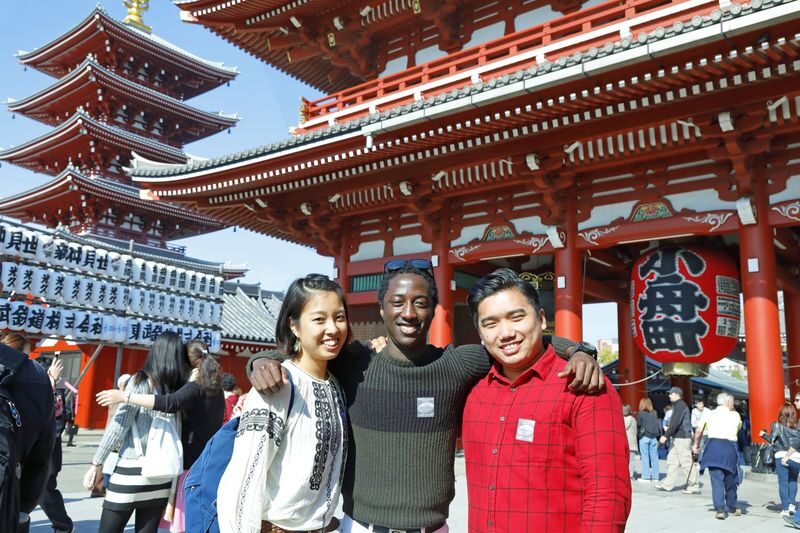
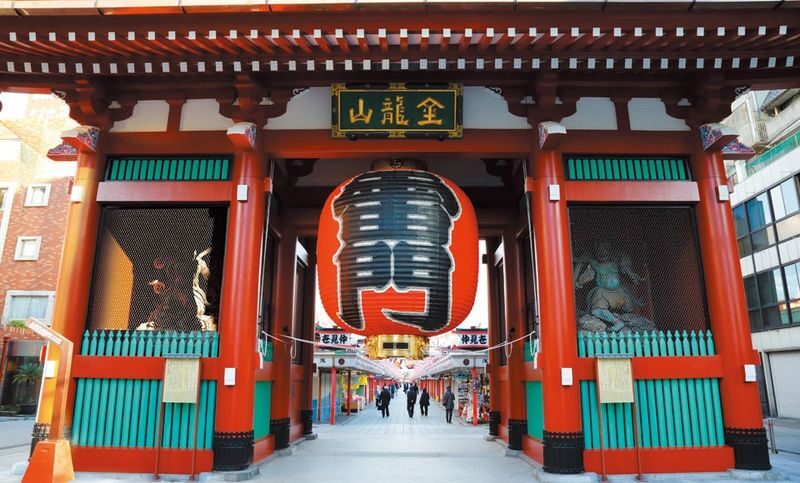
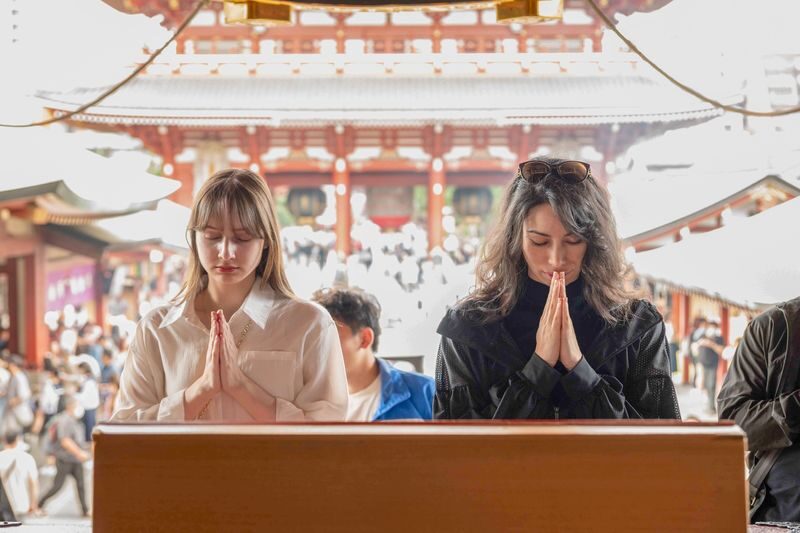
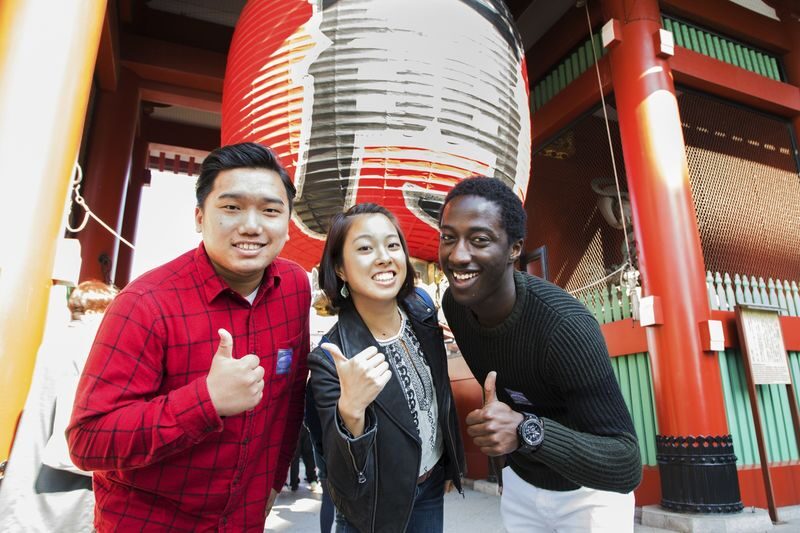
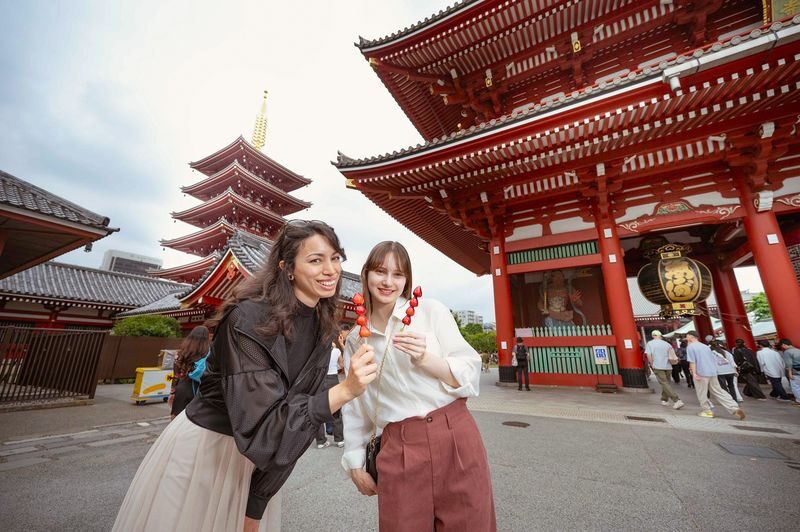
The tour gives about an hour to Senso-ji, Tokyo’s oldest temple, and the surrounding shopping street. The bright red Kaminarimon Gate is a natural starting point, with its large lantern and thunder-god imagery. From there, Nakamise Street runs for about 250 meters toward the temple, lined with souvenir stalls and traditional snacks.
This is the stop where the morning feels least like a bus tour. You can take in the temple grounds, watch the flow of people and browse the shop fronts. Nakamise is a good place to pick up small souvenirs or try a snack, though the hour passes quickly if you want to shop, eat and linger at the temple.
Crowds are part of the scene, particularly around the gate and along the shopping street. Keep an eye on the meeting time and stay aware of your group as you move through the area. If you want a slower visit, you can stay in Asakusa after the tour ends, but you will need to make your own onward plans.
For many people, this is the most memorable stop because it brings together a major religious site and an active neighborhood. The temple visit is guided, but you still have time to look around for yourself. Think of it as a good first taste of Asakusa, not a full exploration of the district.
The bus route adds a quick city lesson
Between the main stops, the bus gives you a chance to rest and hear more about Tokyo. Depending on the route, you may pass Ginza and Kabukiza Theater on the way between Asakusa and Tokyo Tower. These are drive-by sights, viewed through the bus windows rather than visited on foot. The National Diet Building may also appear as a drive-by.
The air-conditioned and heated coach is a real benefit on a hot, wet or cold morning, and the included transport cuts down on station changes and navigation. The operator uses a hybrid bus as part of its environmental measures. To reduce emissions, the engine and heating or cooling may be switched off while the bus is waiting, so dress for the weather at stops.
The ride is also where the guide can connect places that otherwise might feel like separate photo stops. Guides vary, but names from recent tours include Mina, Azumi, Kiki, Fujiko and Teru. Mina has been singled out for clear English, humor and cultural explanations; Azumi for being informative and helpful; and Kiki for a calm, friendly manner. Those are examples, not a promise of a particular guide on your date.
The strongest element across the experience is often the guide’s delivery. A good guide can make a short stop feel more useful by pointing out what to notice and offering tips for the rest of your stay. The quality of that interpretation can vary, as it can on any group tour, so treat the route itself as the reliable part and the individual guide as an important bonus.



The five-hour pace and what it means for you
The Shinjuku departure is listed for 8:10 a.m., with the tour ending near Tokyo Station’s Marunouchi South Entrance at about 1 p.m. That is a useful finish if you have afternoon plans elsewhere in the city, but it is not a round trip back to Shinjuku. Choose your departure point with the return location in mind, and allow for traffic delays.
The tour’s schedule is compact. You get a guided palace-area stop, about 40 minutes at Tokyo Tower and about an hour at Senso-ji, plus time on the road. The order can change due to traffic or other conditions, and arrival times can run late, especially in busier seasons or on busy days. Avoid booking a tight connection or an important appointment immediately after the stated return time.
A few practical details matter before you reserve. The Shinjuku meeting point is the Hato Bus Boarding Area No. 2 at the east exit of JR Shinjuku Station, facing the Gucci Shinjuku Flagship on the opposite side. Arrive early: late arrivals and no-shows are not refunded. Departures are also offered from Tokyo Station, but confirm the exact meeting instructions for the option you select.
Children aged 12 and older pay the adult rate. Children aged 6 to 18 must be with a paying adult, and written parental permission is required for participants under 18. Children aged 0 to 5 may ride free without their own seat; book a child-rate seat if you need one. Groups with an odd number of people may share seats with other customers.
Is the fare worth it?
At a starting price of about $39.79, the fare includes bus transport, an English-speaking licensed guide, admission to Tokyo Tower’s Main Observatory and the other listed attraction admissions. For a morning that covers multiple parts of the city, that can be good value, particularly if you would otherwise need to plan and pay for each transfer yourself. Prices can vary, so check the total for your date and departure option.
The value depends on what you want from the palace stop. If you expect entry to the gardens or palace, the tour will feel less worthwhile. If you see it as an exterior view within a broader city sampler, then the tower admission and Asakusa visit carry more of the value.
I also would not judge the fare by the number of stops alone. Having transport and a guide in one package saves effort, and the guide’s explanations can make the brief visits more rewarding. But it remains a group tour with a set timetable, not a private guide or an unhurried day out. Meals, drinks, personal purchases, tips and the higher Tokyo Tower observatory are extra.
Tipping is listed as not included, but Japan does not have a general tipping custom. You do not need to feel obliged to tip; follow your own preference rather than treating it as an expected part of the fare.
Who should book this Hato Bus tour?
I would choose this tour if you have limited time, are new to Tokyo, want to see Tokyo Tower and Asakusa in one morning, or prefer a guided overview to managing transfers between districts. The bus can also help if you want to reduce the amount of walking between distant sights, though you will still walk around the temple and shopping street.
It is less suitable if your main goal is entering the Imperial Palace grounds, spending a long time at Tokyo Tower, or exploring Asakusa at your own pace. The schedule is efficient by design, and the palace-area stop is the part most likely to disappoint anyone expecting an interior visit.
Book it for a clear first look at three major Tokyo areas, with the strongest payoffs at Tokyo Tower and Senso-ji. Skip it if you want a deep visit to any one site. If you do book, treat the palace as an exterior viewpoint, budget time for traffic, and consider staying in Asakusa after the tour if you want to keep exploring.
Tokyo Morning Tour by Hato Bus: Tokyo Tower & Asakusa Temple
“Everything went as promised. We are happy. Only 2 negatives. A little too costly for a half day tour. The other – the tour operator states that tip…”
FAQ
How long is the Tokyo morning tour?
The tour runs for about five hours. The Shinjuku departure is scheduled for 8:10 a.m., with the tour ending near Tokyo Station at about 1 p.m. Traffic or weather can change the timing.
Does the tour go inside the Imperial Palace or gardens?
No. The palace-area stop is an exterior visit with a view of Nijubashi Bridge. You should not expect to enter the palace or walk through its gardens.
Is Tokyo Tower admission included?
Yes. Admission to the Main Observatory at 150 meters is included. Access to the Special Observatory at 250 meters costs extra.
Where does the Shinjuku departure meet?
Meet at Hato Bus Boarding Area No. 2 near the east exit of JR Shinjuku Station. The boarding area faces the Gucci Shinjuku Flagship on the opposite side.
Where does the tour finish?
The tour ends near Tokyo Station’s Marunouchi South Entrance. The Shinjuku departure does not return to Shinjuku.
Are meals and drinks included?
No. Meals and beverages are not included, and personal expenses are extra.