A real sword, a clean cut through a daikon radish, and a room that shifts into a projection-mapped sword-fight scene: this Asakusa session trades quiet museum viewing for hands-on action. In about 90 minutes, you practise ninja-inspired techniques under the guidance of stage actors experienced in sword fighting and performance.
I like two things in particular: you get to handle a real sword for the radish-cutting exercise, and the lesson mixes practical movement with theatrical fun, from hand seals and stances to a cinematic finale. It also looks well suited to a group outing: the instructor is described as dedicated and encouraging, with plenty of positive reinforcement.
One point to plan around: the information gives both a one-hour duration and a 90-minute package, so allow at least 90 minutes and confirm the timing when you book. You must also arrive dressed for activity, since there is no changing space.
- Cut a daikon with a real sword: Practise blade angle and alignment, then try to slice the radish in one stroke.
- Learn ninja-inspired forms: The session includes Kuji-Goshin-Ho hand seals, sword drawing and sheathing, and Five Elements stances.
- Try four shuriken throws: Practise rapid rotation, seated and lying throws, and stick shuriken.
- Finish with a cinematic sword fight: Projection mapping and 5.1-channel surround sound set the scene.
- Add a horseback archery machine: This activity is included, along with a map pointing out Asakusa photo spots.
- Stay near classic Asakusa sights: The venue is a nine-minute walk from Asakusa Station Exit 1, with Senso-ji Temple nearby.
- A hands-on change of pace in Asakusa
- Start with forms, etiquette and sword handling
- The daikon cut is the hands-on highlight
- Four shuriken styles keep the lesson moving
- Projection mapping turns the finale into a show
- Horseback archery and an Asakusa photo map
- What the price buys you
- Getting there and planning your session
- Who will enjoy this ninja training?
- Should you book it?
- FAQ
- How long does the experience last?
- Where does the activity take place?
- How do I get to the meeting point?
- What departure times can I choose?
- What should I wear?
- Is there an age requirement?
- What activities are included?
- The Best Of Tokyo!
- More Tours in Tokyo
- More Tour Reviews in Tokyo
A hands-on change of pace in Asakusa
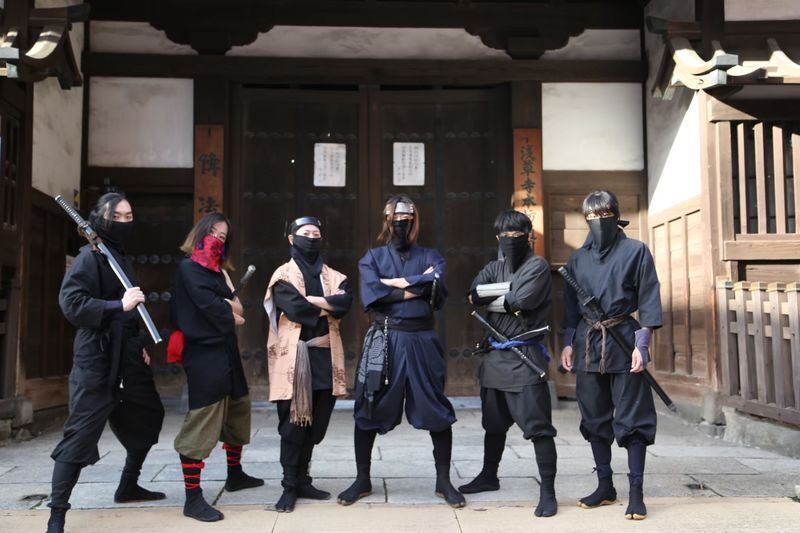 1 / 10
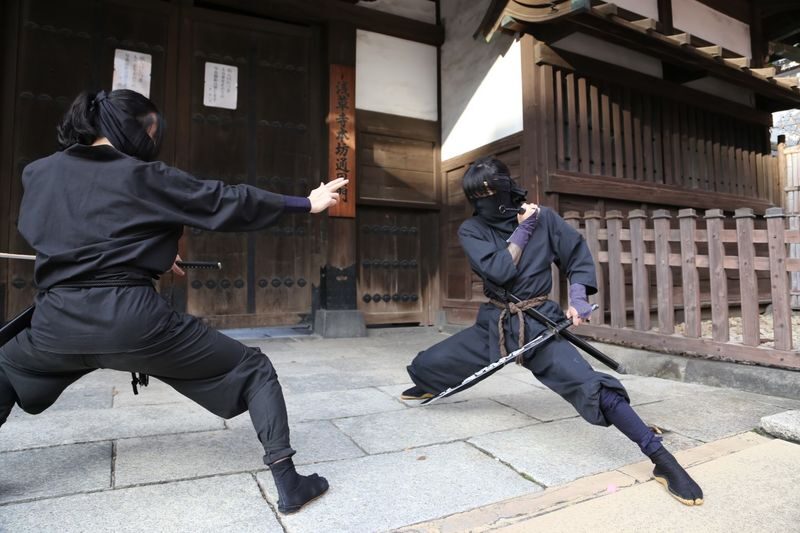 2 / 10
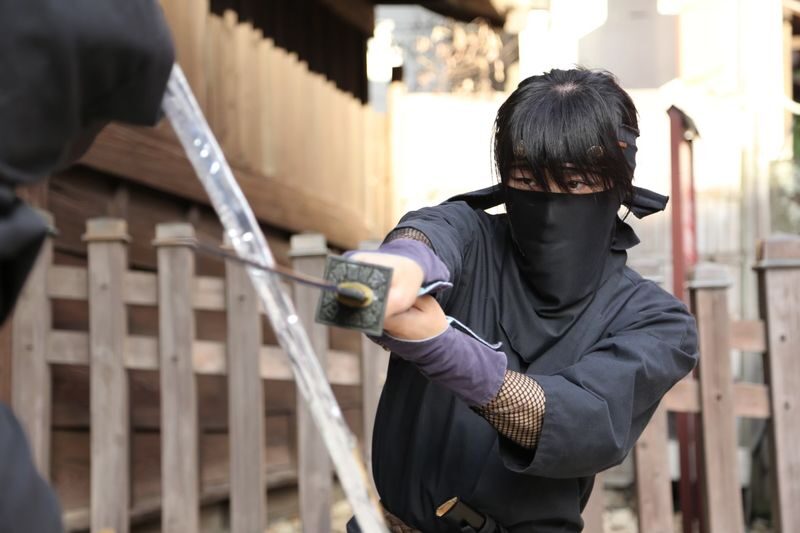 3 / 10
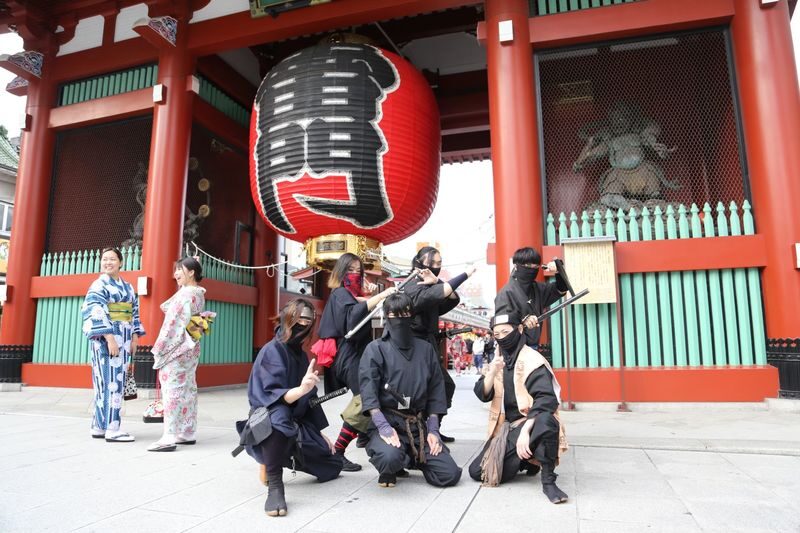 4 / 10
 5 / 10
 6 / 10
 7 / 10
 8 / 10
 9 / 10
 10 / 10
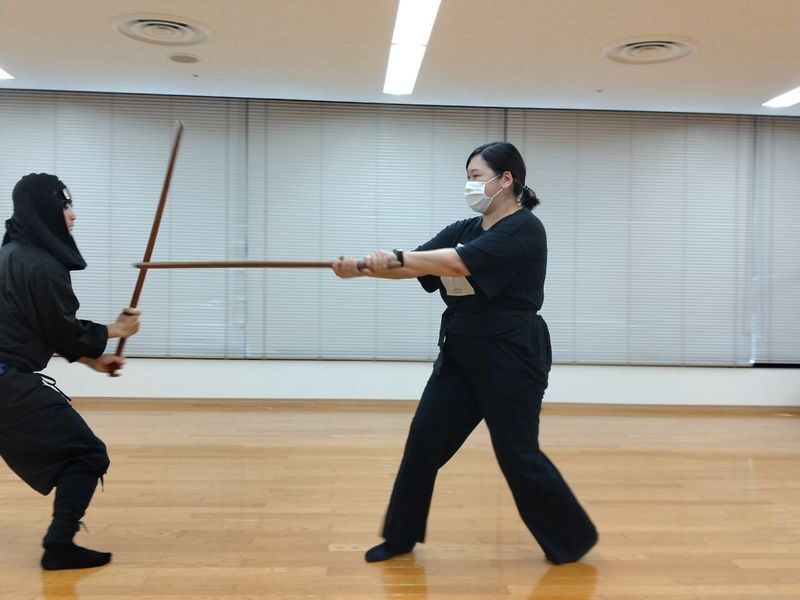
Ninja Residence Jikukan, at 2-26-5 Asakusa, offers a very different way to spend part of a day in one of Tokyo’s best-known sightseeing districts. Instead of only looking at temples and shops, you step into a guided activity built around movement, weapons practice and theatrical effects. The tone is playful, but the lesson has structure: you learn a set of techniques, practise them, then put some of that training to work.
The session is aimed at adults and teens aged 13 and older. Professional stage actors lead the instruction, with English- and Chinese-speaking staff available. Their background in sword fighting and performance suits the format: there is both technique to practise and a show-like finale.
The activity is sold as Space-Time Ninja Shadow, a 90-minute secret training package. The general duration information also says one hour, so do not plan a tight connection or meal reservation around the shorter figure. Set aside 90 minutes, then check your confirmed session details before heading over.

👉 See our pick of the Our Picks For The 11 Best Workshops & Classes In Tokyo
Start with forms, etiquette and sword handling
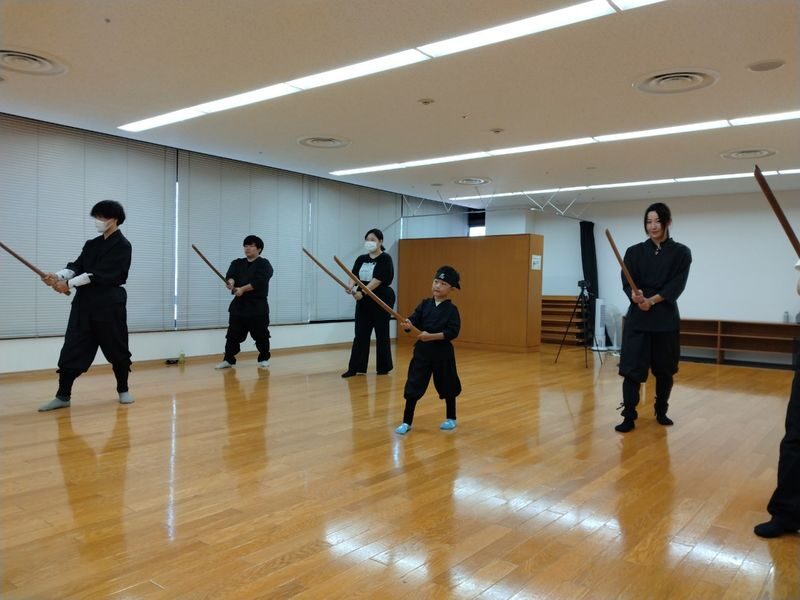
Ninja training here begins with more than simply picking up a prop and posing for a picture. The instructors introduce etiquette and the spirit of the practice, then teach Kuji-Goshin-Ho, a sequence of nine hand seals, along with the Five Elements stances. These elements give the session a little context and rhythm, while still keeping the focus on doing rather than watching.
You also practise drawing and sheathing a sword. The lesson is condensed, so think of it as a lively introduction, not a full martial arts course. That distinction matters: you will leave having tried several forms and movements, but the experience is designed for a short visit and a sense of achievement, not long-term technical mastery.
The instructors’ stage experience is a useful fit for mixed groups. Clear demonstration and positive encouragement can help participants who feel unsure at first, and the language support makes the session easier to follow for English- and Chinese-speaking visitors. No individual instructor names are provided, so you cannot request a named teacher.
You can also read our reviews of more tours and experiences in Tokyo.



The daikon cut is the hands-on highlight
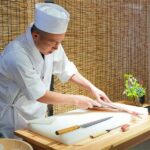
The most distinctive moment is tameshigiri, the practice of cutting a daikon radish with a real sword. You learn about blade alignment and angle before making a single stroke. The appeal is tangible: rather than only hearing about sword technique, you feel the importance of positioning when the blade meets the radish.
This is not a reason to treat the sword casually. Follow the instructor’s directions closely and take the exercise at the pace set for you. The activity’s appeal lies in being guided through a real cut, not in trying to show off. For many people, this is likely to be the most memorable part because it turns a lesson about technique into a clear, immediate result.
If you are booking for a team or a group of friends, this exercise gives everyone a shared goal and an easy talking point afterward. One participant specifically described the session as a good team-building activity and noted the instructor’s positive reinforcement. That is encouraging, though it is one account rather than a guarantee that every group will have the same dynamic.
Four shuriken styles keep the lesson moving
Shuriken practice adds variety after the sword work. You try four forms: rapid rotation, seated throwing, lying throwing and stick shuriken. Each changes the way you approach the target, which helps keep the session from becoming a single repeated drill.
The range of positions is also a reminder that this is a guided activity, not a free-play room. You are introduced to different methods under instruction, with the emphasis on trying each one rather than mastering it. If you have never handled shuriken before, expect a beginner-friendly sampler; the available details do not promise a particular score, target distance or amount of practice time for each style.
Projection mapping turns the finale into a show
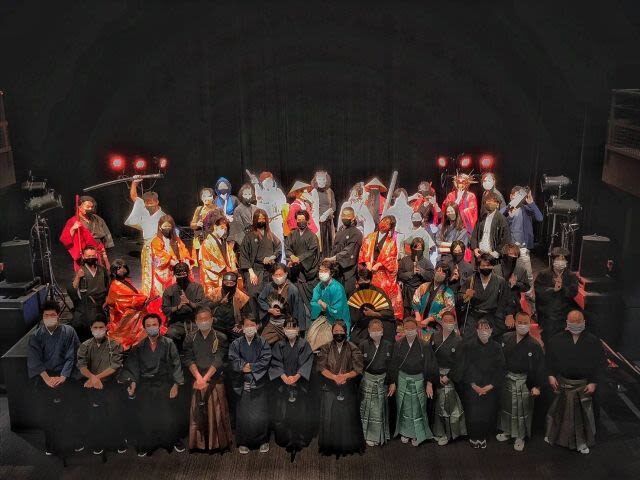
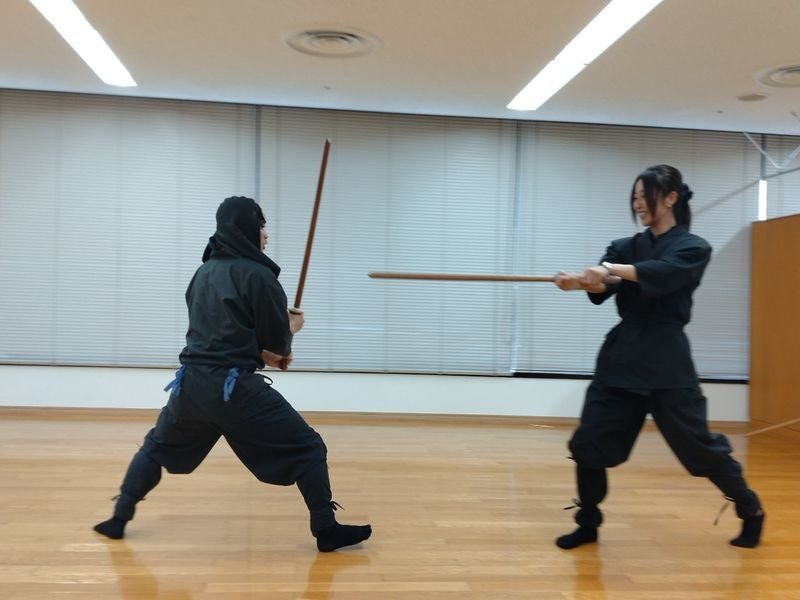
The sword-fighting finale is the most theatrical portion. Projection mapping changes the backgrounds, while 5.1-channel surround sound builds a movie-like setting around the action. The stated aim is to make you feel as if you have stepped into a game or action film, with references to worlds such as Street Fighter and Demon Slayer.
That presentation is a big part of the value. A short training session can feel more complete when it ends with a set-piece that uses the movements and sword handling you have just tried. It also means this is not a quiet, historically focused lesson. If you want a detailed account of ninja history or a serious martial arts class, the available details do not suggest that this is the right fit. Come for a lively, participatory activity with a strong visual finish.
Horseback archery and an Asakusa photo map
The package also includes a horseback archery machine experience. The supplied information does not give details about the machine’s format or how long this portion lasts, so treat it as an added activity rather than planning your day around a specific length or level of challenge.
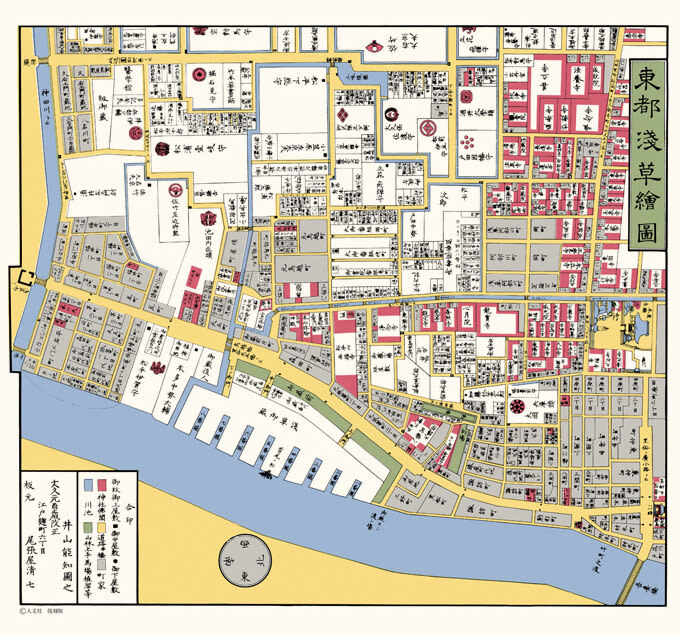
You also receive an original Asakusa Ninja Emaki map, and staff can guide you to popular photo spots. That is a practical extra in a district where you may already be planning to see Senso-ji Temple and nearby sights. The map gives the experience a small connection to the neighborhood beyond the training room, though it is not described as a guided walking tour.



What the price buys you
The listed starting price is US$75.70 for the 90-minute Space-Time Ninja Shadow package. That is not a bargain-basement activity, but the price covers more than admission to a room: instruction in several techniques, the real-sword radish cut, four types of shuriken practice, the horseback archery machine, a projection-mapped sword-fight experience, and English- and Chinese-speaking staff.
The value is strongest if you want participation and variety in a short block of time. You can practise, handle equipment under instruction and finish with a theatrical scene, all without travelling far from Asakusa’s main sights. It may feel less worthwhile if your priority is a quiet cultural exhibit, an extended martial arts lesson or a low-cost activity with minimal production.
Personal expenses are not included. The price is listed as starting from US$75.70, so check the amount for your chosen date and package before you book.
Getting there and planning your session
The venue is Ninja Residence Jikukan, at 202, 2-26-5 Asakusa, Taito-ku, Tokyo 111-0032. It is about a nine-minute walk from Exit 1 of Tokyo Metro Asakusa Station. The meeting information also uses the name Time and Space Museum for the activity location, so use the address and map details in your booking confirmation to find the right entrance.
You can select a 10:00, 12:00, 14:00 or 16:00 departure. The return-time choices are 12:00, 14:00, 16:00 or 18:00, with the available options depending on the departure time and itinerary length. Arrive for the time you selected. Late arrivals and no-shows are not refundable.
Wear comfortable clothing and sneakers or similar shoes. There is no changing space, so arrive already dressed for movement. The voucher is mobile, and confirmation is expected within 24 hours. If it does not arrive, contact Klook support.
The activity is for participants aged 13 and older. The provider may cancel because of extreme weather or other unforeseen events, with a full refund available in that case. A full refund is also available if you cancel before your selected activity date; check the booking terms for the precise conditions that apply to your reservation.
Who will enjoy this ninja training?
I would put this high on the list for adults, older teens and groups who want a hands-on activity between sightseeing stops. It suits people who like trying something physical but do not need a strenuous workout, and it has the ingredients for a fun team-building session: clear instruction, a shared challenge and an entertaining finale.
It may be a poor match if you are looking for a historically detailed lecture, a long course in swordsmanship or a highly independent activity. The schedule is compact and instructor-led, and the projection effects are part of the point. Go in expecting an active introduction to ninja-inspired skills with a theatrical finish, rather than a certification or a traditional training program.
Should you book it?
Book this if you want to do more than take photos in Asakusa, especially if the real-sword daikon cut and the projection-mapped finale sound fun. The mix of sword work, hand seals, stances, shuriken and archery-machine practice gives the short session a good range, while the English and Chinese instruction helps make it accessible to more groups.
Before paying, confirm the session duration, since the information gives both one hour and 90 minutes. Choose your departure carefully, arrive in training clothes and leave enough room in your day to enjoy the area afterward. If those details work for you, this is a lively, well-defined outing with a memorable hands-on centerpiece.
Tokyo: Phantom One – Jikukan Adult Ninja Training Experience
“It is quite good as a team-building activity. The instructor is very dedicated and provides plenty of positive reinforcement. All of us adults had…”
FAQ
How long does the experience last?
The package is described as 90 minutes, while the general duration information also says one hour. Plan for 90 minutes and confirm the timing for your booking.
Where does the activity take place?
It takes place at Ninja Residence Jikukan, at 202, 2-26-5 Asakusa, Taito-ku, Tokyo 111-0032.
How do I get to the meeting point?
The venue is a nine-minute walk from Exit 1 of Tokyo Metro Asakusa Station. Use the address and map details provided with your booking.
What departure times can I choose?
The listed departure times are 10:00, 12:00, 14:00 and 16:00. You must attend the time selected when booking.
What should I wear?
Wear comfortable clothing and sneakers or similar shoes. There is no changing space, so arrive dressed for training.
Is there an age requirement?
Yes. Participants must be at least 13 years old.
What activities are included?
The session includes ninja hand seals and stances, sword drawing and sheathing, a real-sword daikon cut, four types of shuriken practice, a horseback archery machine experience and a projection-mapped sword-fighting finale.