Tokyo sushi gets more personal when you make it yourself. In this class, you start with a quiz about sushi etiquette and trivia, then move from vinegared rice to rolls, nigiri, and gunkan maki. The finished meal is substantial enough to satisfy one adult.
I like the combination of practical instruction and food culture, and I like that the chef can accommodate dietary requests when you give notice. One consideration: this is a participation class, not a demonstration, so you need to be ready to make sushi yourself.
- What to know before you book
- Start with sushi, not just a recipe
- From vinegared rice to your first pieces
- The three styles you’ll make
- A quiz before the rice work
- Dietary requests and who should take part
- Where the class meets in Kita-senju
- Is .85 good value?
- Who will get the most from this class?
- Should you book it?
- FAQ
- How long does the sushi-making experience last?
- Where is the meeting point?
- What sushi will I make?
- Is the class taught in English?
- Can the food be adjusted for dietary needs?
- Can I attend just to watch?
- What is the minimum age?
- What is included in the price?
- The Best Of Tokyo!
- More Tours in Tokyo
- More Tour Reviews in Tokyo
What to know before you book
 1 / 7
 2 / 7
 3 / 7
 4 / 7
 5 / 7
 6 / 7
 7 / 7
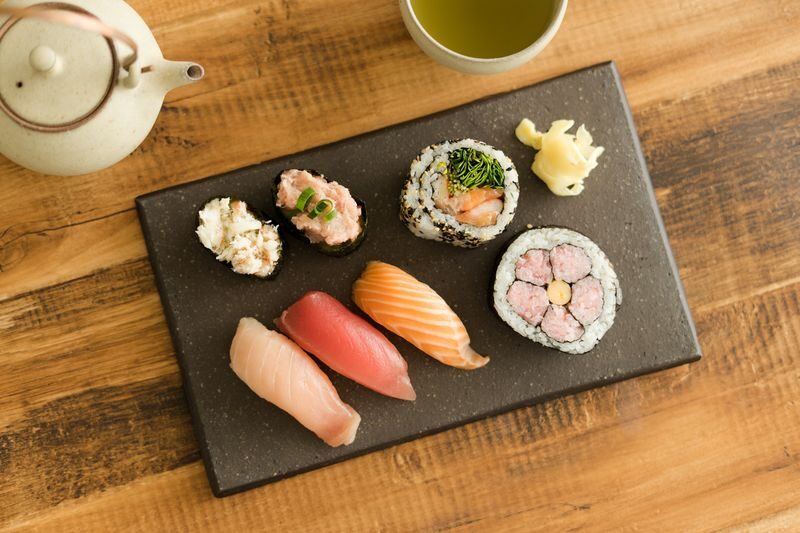
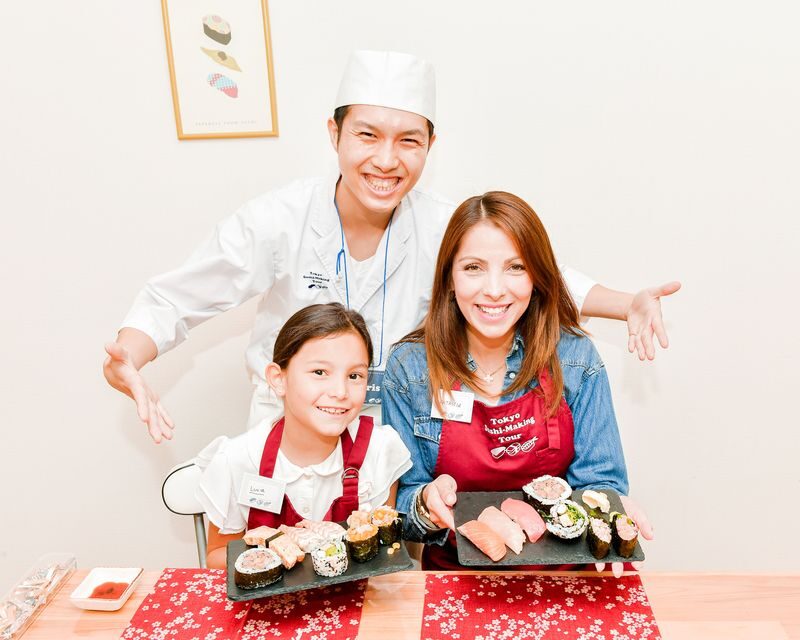
- You make seven pieces or portions: two kinds of rolled sushi, three nigiri, and two gunkan maki.
- The class begins with sushi trivia and etiquette: a light way to learn before the hands-on work starts.
- Rice is part of the lesson: you’ll learn to make the vinegared rice that forms the base of sushi.
- English-speaking instruction is included: Nat is one instructor specifically named by a participant, who found communication easy.
- Dietary requests need advance notice: mention allergies, vegetarian needs, or other food and physical-related concerns when booking.
- Plan on about two and a half hours: the stated session runs from 10:30 a.m. to 1 p.m. and meets near Kita-senju Station’s East Exit.

👉 See our pick of the Our Picks For The 11 Best Workshops & Classes In Tokyo
Start with sushi, not just a recipe
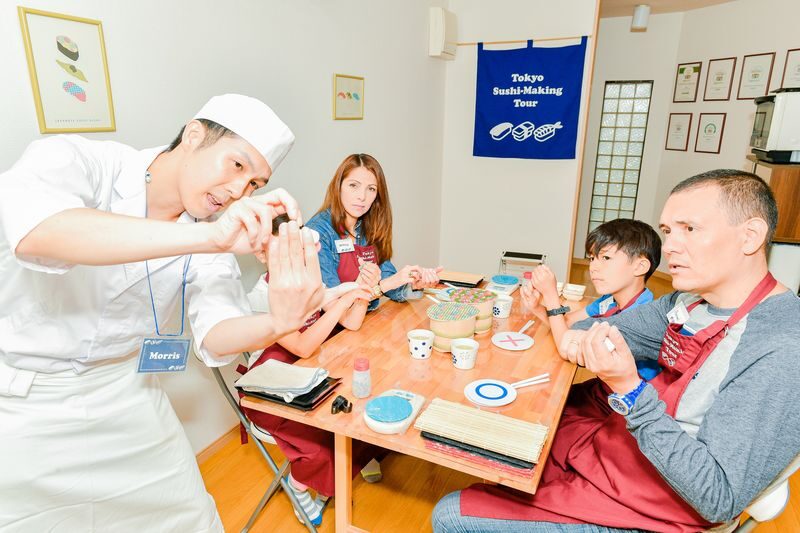
This class is a useful choice if sushi is already on your Tokyo food list but you want to understand how it comes together. You’ll make the food yourself, rather than watch a chef perform, and the lesson includes both a bit of context and hands-on practice. That can make the finished meal more satisfying: you’ve prepared it, and you’ve learned what goes into it.
The format is friendly to beginners. The class is described as fun and informative, and the opening quiz introduces sushi etiquette and trivia before you get to the ingredients. It’s a small but sensible touch. If you’re new to Japanese food customs, a little context can help you feel more at ease at the table.
I also like that the class covers more than one shape of sushi. You’ll make two kinds of rolled sushi, nigiri, and gunkan maki. These forms call for different ways of handling the rice and filling, so the session gives you a broader introduction than a class focused on rolls alone.
You can also read our reviews of more tours and experiences in Tokyo.



From vinegared rice to your first pieces
The rice is the starting point. You’ll learn how to make vinegared rice, the foundation for the sushi you prepare afterward. It’s worth paying attention here: rice is not just a neutral base, and getting familiar with its preparation is part of understanding sushi as food rather than a collection of toppings.
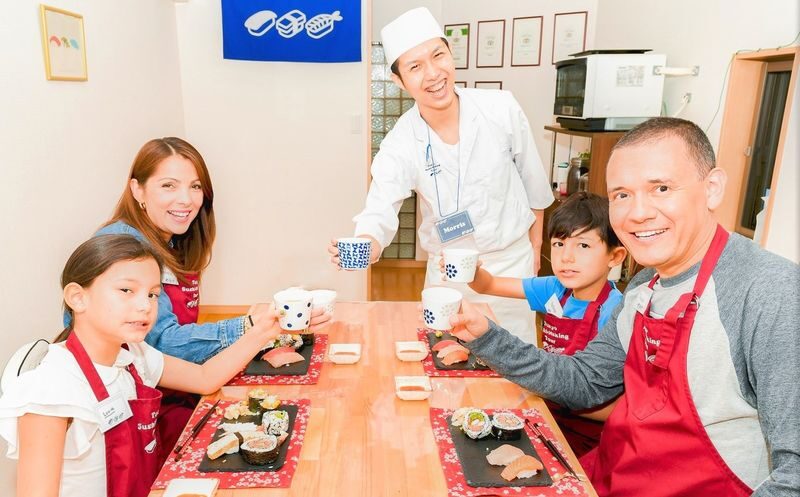
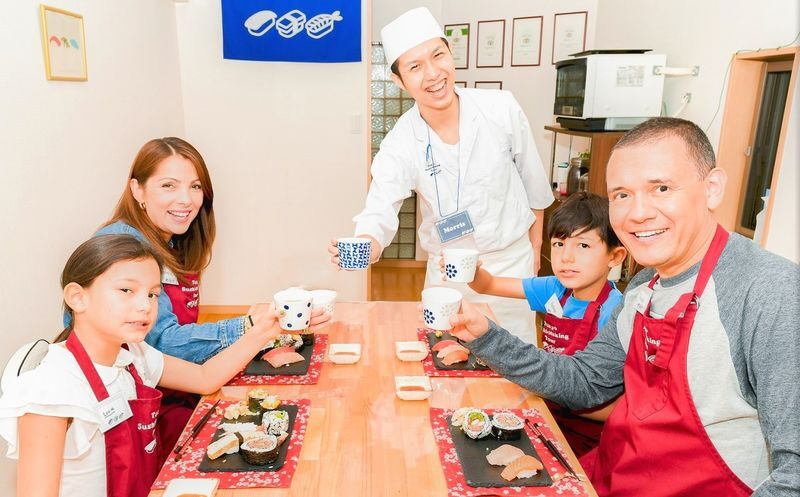
From there, the class moves into three types of sushi. The finished amount is two kinds of rolled sushi, three pieces of nigiri, and two pieces of gunkan maki. That’s a proper meal-sized serving for one adult, rather than a token taste at the end of a demonstration.
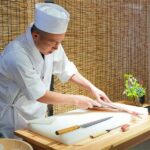
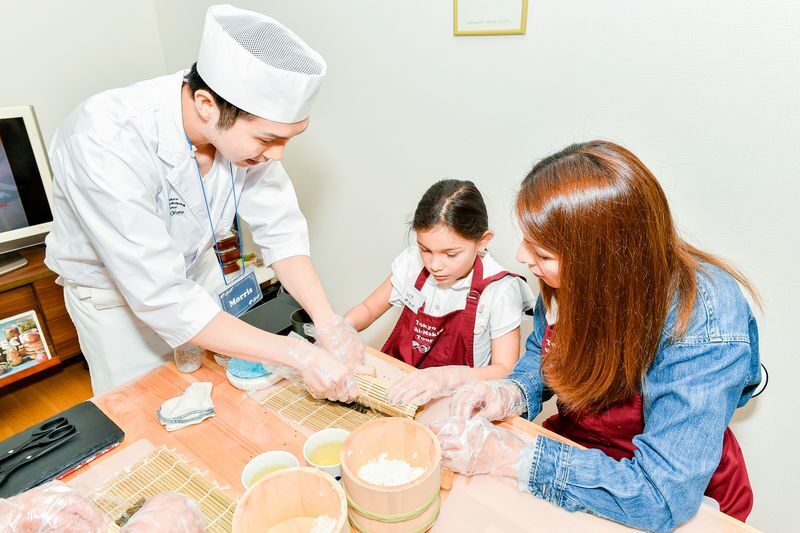
The class is led by a sushi chef, with English-speaking staff included. Nat is a named instructor associated with the experience, and clear English instruction has been specifically noted. That matters in a practical way: you need to follow the chef’s directions while working with the rice and shaping the sushi, and you should be able to ask questions as you go.
The exact lesson sequence beyond the opening quiz and rice preparation isn’t specified, so don’t expect a minute-by-minute program in advance. What is clear is that you’ll take part in the making, and observation-only attendance is not accepted. If you’re hoping to sit back and watch someone else prepare lunch, this is the wrong booking.
The three styles you’ll make
The rolled sushi gives you a chance to work with rice and fillings in a different way from nigiri. You’ll make two types, though the specific fillings and ingredients aren’t listed. That means you should check with the provider ahead of time if a particular ingredient is a concern, rather than assume the rolls will be suitable.
Nigiri is served as three pieces. It’s the most familiar sushi form for many people: rice paired with a topping. You’ll make it by hand under the chef’s guidance, though the exact fish or toppings are not specified. If you don’t eat raw fish, say so in advance. The class can prepare food around requests such as avoiding raw fish, but those requests must be declared before the activity.
You’ll also prepare two gunkan maki, the small, cup-shaped style of sushi. Alongside the rolls and nigiri, this gives you three different forms to try in one sitting. The portion count is helpful when deciding value: you’re not only paying for a lesson, but also making enough sushi for a filling meal.
A quiz before the rice work
The class begins with sushi trivia and etiquette. Don’t expect a formal lecture; the emphasis is on learning through a friendly activity before the cooking starts. For a first visit to Japan, this can add useful context to later sushi meals, and it gives you a chance to ask questions in English.
I like that the cultural element is built into the activity instead of being left to a separate tour. The class is short enough to fit into a Tokyo day, but still gives you time to learn a few details before you begin preparing the food. The stated hours are 10:30 a.m. to 1 p.m., or roughly two and a half hours.
A past participant described the experience as fun and said the class also covered sushi history. That’s a good indication of the sort of added context you may get, though the exact content can depend on the instructor. The same participant found the location easy to find and praised Nat’s English. Those are reassuring details for an activity where clear directions make the hands-on part much easier.
Dietary requests and who should take part
The kitchen can adjust food for requests such as no raw fish, allergies, and vegetarian needs. You must tell the provider in advance. Don’t wait until you arrive to bring up a serious allergy or dietary restriction, and don’t assume every substitution will be possible unless it has been confirmed.
The activity also asks you to report physical-related concerns when booking. The available details don’t explain what accommodations are possible, so contact the provider if you need specific support. This is especially useful if a child or anyone with limited mobility or other needs will be participating.
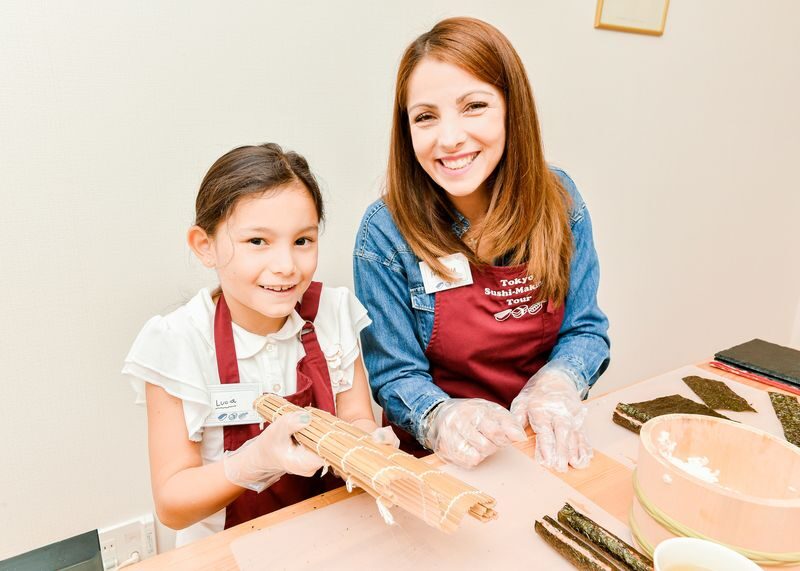
Children must be at least six years old to join. Children aged 12 and older pay the same rate as adults. Since everyone must participate rather than observe, this is best for children who are ready to follow instructions and handle the food themselves. The information doesn’t give a separate child portion size, so ask if that affects your plans.
Where the class meets in Kita-senju
The meeting point is 3-5 Senjuasahicho, Adachi City, Tokyo 120-0026, near the East Exit of Kita-senju Station. Meet at 10:30 a.m. and arrive on time. The activity runs from 10:30 a.m. to 1 p.m., and late arrivals or no-shows are not refundable.
Transport to the venue is not included, so plan your route and fare separately. The precise directions are tied to the station’s East Exit and the street address. One participant found the location easy to locate, which is encouraging, but it’s still wise to check the map before you set out rather than trying to find the address at the last minute.
Your voucher is for the date and time you booked, and you can present it on your phone. Confirmation is expected within 48 hours; if it doesn’t arrive, contact customer support. The class is closed from December 27 through January 8 and on Japanese national holidays, so check the calendar carefully if your trip falls near New Year or a public holiday.
Is $78.85 good value?
The listed starting price is US$78.85. That’s not bargain-bin sushi, but the price covers the sushi-making activity, English-speaking staff, and all necessary ingredients. You also prepare a meal-sized amount: two rolled sushi, three nigiri, and two gunkan maki. If you value a hands-on lesson as well as lunch, the price has a clear purpose.
You’re paying for instruction and a chance to learn a process, not simply for a plate of sushi. The class includes rice preparation, three sushi styles, and some etiquette and trivia. That makes it a stronger fit for someone curious about food technique than for someone who only wants the cheapest meal in Tokyo.
Transport and personal expenses are extra. Also, the available information doesn’t specify group size or the exact ingredients, so don’t build your decision around assumptions about a private lesson or particular fish. If either detail matters, ask before paying.
Cancellation is free for a full refund when you cancel at least 48 hours before the activity date, using destination local time. After that, the stated policy doesn’t promise a refund. The experience has a five-star rating based on one published rating, while the provider, Beauty of Japan, has 2,625 total reviews and a 91 percent good-review rate. Treat the class rating as a small sample, not a guarantee.
Who will get the most from this class?
I’d choose this experience if you want a practical food activity that gives you something to do, eat, and remember. It suits first-time sushi makers, curious food lovers, and families with children aged six or older who are willing to join in. The English-speaking instruction and the option to declare dietary needs in advance are useful advantages.
It’s less suitable if you want a quiet meal, a chef demonstration, or a class where you can simply watch. The hands-on requirement is firm, and the exact ingredients aren’t spelled out. If you have strict dietary needs, get confirmation before booking rather than relying on a general promise of adjustments.
Should you book it?
Book if making sushi sounds as appealing as eating it, and you’re happy to spend about two and a half hours learning, shaping, and tasting. The lesson’s strongest points are its English-language guidance, mix of sushi styles, and generous finished portion. Ask about ingredients and dietary requests in advance, then arrive at the Kita-senju East Exit meeting point on time.
Skip it if you only want a quick lunch or prefer to watch rather than participate. For everyone else, this is a practical way to turn a Tokyo meal into a hands-on introduction to sushi.
Sushi Making Experience in Tokyo
“It was so much fun learning how to make sushi and history about sushi. Location is easy to find. Our teacher Nat knew English well so we had no dif…”
FAQ
How long does the sushi-making experience last?
The activity runs from 10:30 a.m. to 1 p.m., about two and a half hours.
Where is the meeting point?
Meet at 3-5 Senjuasahicho, Adachi City, Tokyo 120-0026, near the East Exit of Kita-senju Station.
What sushi will I make?
You’ll make two types of rolled sushi, three pieces of nigiri, and two pieces of gunkan maki.
Is the class taught in English?
English-speaking staff are included. Nat is one instructor specifically named in connection with the experience.
Can the food be adjusted for dietary needs?
The class can prepare food for requests such as avoiding raw fish, allergies, and vegetarian diets. You need to declare your needs in advance.
Can I attend just to watch?
No. Observation-only participation is not accepted.
What is the minimum age?
Participants must be at least six years old. Children aged 12 and older are charged the same rate as adults.
What is included in the price?
The price includes admission to the sushi-making activity, English-speaking staff, and all necessary ingredients. Transport and other personal expenses are not included.