A quiet temple, a monk who welcomes questions, and time to try seated meditation make this a different kind of Tokyo stop. You’ll visit a private temple with more than 400 years of history, learn about Zen from a resident monk, and take part in calligraphy and a matcha tea experience. I like that the session brings together practice and conversation, rather than treating meditation as a quick demonstration.
I also like the small-group feel described by people who have taken the session. Guides such as Tamami help interpret and explain, so you can ask questions instead of guessing at the meaning behind each activity. One consideration: the meeting details give more than one address, so check the map and confirm the exact meetup pin before setting out.
- What Makes This Temple Session Worth Considering
- A Private Temple, Not a Public Sightseeing Stop
- Meeting the Monk and Getting Your Bearings
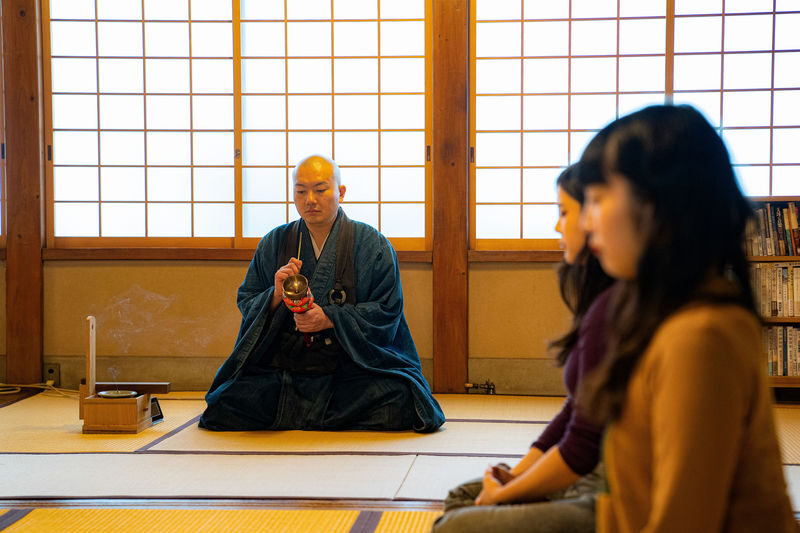
- Learning Zazen From the Resident Monk
- Calligraphy as a Second Way to Focus
- Matcha, Sweets, and an Unhurried Conversation
- Photos Without Losing the Quiet Mood
- Is .69 Good Value for 90 Minutes?
- Who Will Get the Most From This Experience?
- Booking and Practical Notes
- Should You Book This Zen Meditation Session?
- FAQ
- How long does the experience last?
- Where is the meeting point?
- Is the session suitable for beginners?
- Is there an age limit?
- What is included?
- Can I take photos at the temple?
- How do I present my voucher?
- The Best Of Tokyo!
- More Private Tours in Tokyo
- More Tours in Tokyo
- More Tour Reviews in Tokyo
What Makes This Temple Session Worth Considering
 1 / 9
 2 / 9
 3 / 9
 4 / 9
 5 / 9
 6 / 9
 7 / 9
 8 / 9
 9 / 9
- A private setting: The temple is closed to the public, and this experience offers a session with its resident monk.
- A guided introduction to zazen: The monk explains seated meditation and gives personal instruction, making the session approachable even if you have never meditated.
- More than meditation: Calligraphy and matcha add hands-on and social parts to the visit.
- Time for real questions: An English-speaking guide interprets the monk’s explanations and the conversation afterward.
- Photos are welcome: You can take pictures around the temple and have a photo experience with the monk.
- A compact cultural stop: The full experience lasts about 1.5 hours and starts at $53.69.
👉 See our pick of the Our Picks For The 11 Best Workshops & Classes In Tokyo
A Private Temple, Not a Public Sightseeing Stop
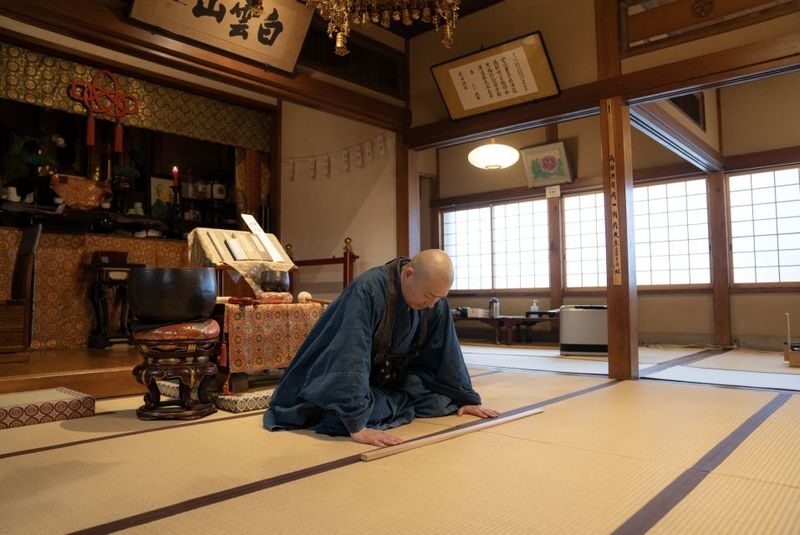
This experience takes place at a temple in Tokyo’s Kotobuki area, in Taito-ku, near Asakusa. The temple is described as more than 400 years old and closed to the general public. That private access is the main reason this outing feels different from simply walking through a temple courtyard or reading an exhibit about Zen.
The setting also shapes the pace. Rather than moving through a string of landmarks, you spend time in one place with the monk and your guide. The group is described as small, which can make it easier to hear explanations, follow the activities, and speak up with questions. Group size is not specified, so don’t assume you’ll have a private session just for your party.
The meeting information lists 2-1-13 Kotobuki, Taito-ku, Tokyo 111-0042, and describes the meeting point as near the experience spot, Kinryuji. The general location is also given as 2-chome-10-4 Kotobuki. Since those details differ, use the supplied map and check the exact meeting point before leaving. One person described feeling unsure after arriving early at a nearby FamilyMart without a sign, so allow time to find your guide rather than assuming the temple entrance is the rendezvous point.
You can also read our reviews of more private tours in Tokyo

Meeting the Monk and Getting Your Bearings
An English-speaking guide accompanies the session and helps explain what the monk says. Tamami is a guide mentioned by name in several accounts, while other sessions have been led by guides including Kazu and Rika. The specific guide may vary, but interpretation matters here: it gives you a way to ask about the meditation, temple, and Buddhist practice rather than relying on a short set of instructions.
The monk is identified in many accounts as Namiki-san. The format is described as open and conversational, with time to ask questions. That can be especially useful if you’re curious about how Zen fits into Japanese Buddhist tradition, or if you want to understand the purpose of the activities rather than simply copy the gestures.
Expect a cultural introduction, not a long academic lecture. The experience lasts 1.5 hours, so there is enough time for several elements, but this is still a brief first encounter with Zen. If you arrive with a few questions in mind, you can make good use of the discussion without feeling you need to know anything in advance.
Learning Zazen From the Resident Monk
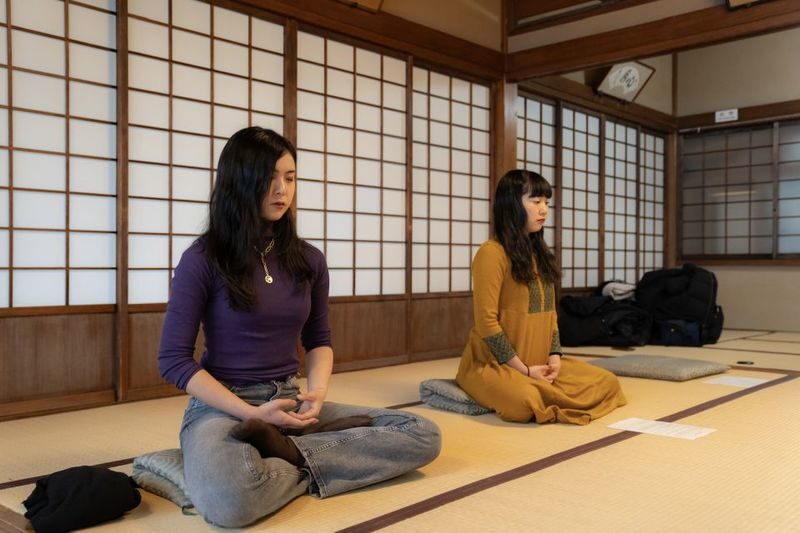
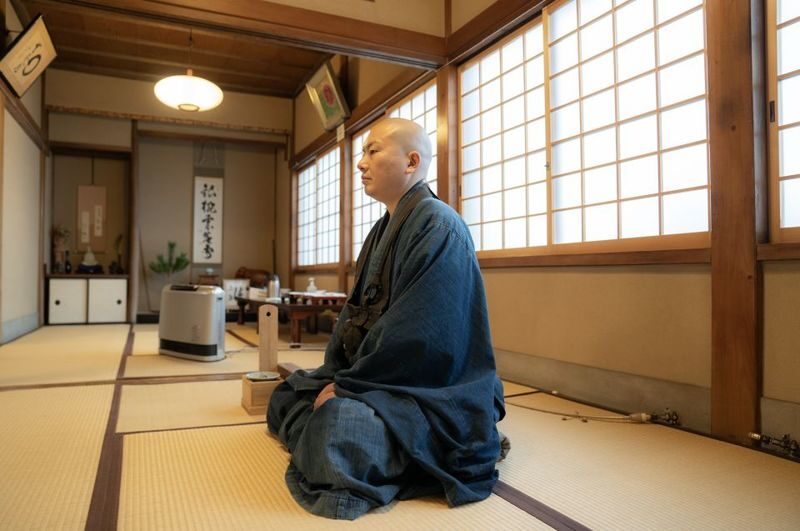
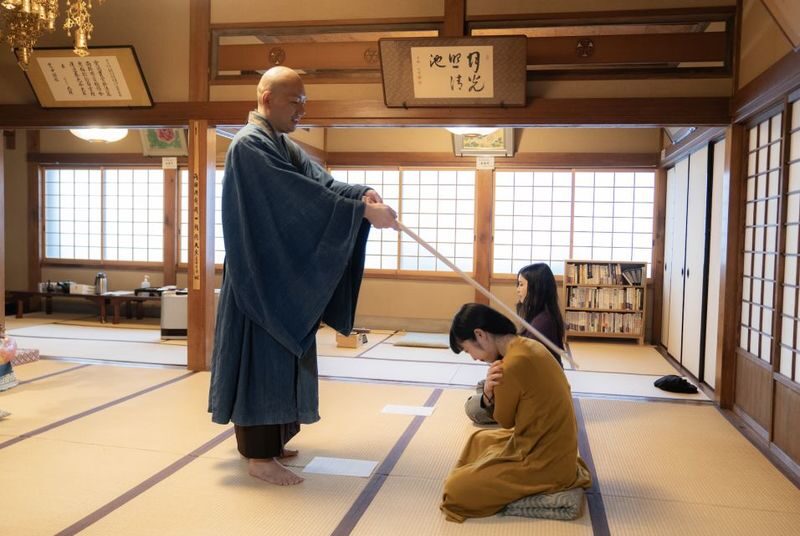
The central activity is zazen, or seated meditation. The monk explains the practice and offers personal instruction, with the stated aim of helping you bring the mind together and step back from worldly ego. You do not need meditation experience to take part; the session is designed as an introduction.
The practical value is in being shown how to begin, then having time to try it in the setting where the monk practices. One account describes two meditation periods of about 10 minutes each, but the precise session format may vary. Either way, this is a short introduction rather than a full retreat or an extended meditation course.
If sitting still feels unfamiliar, don’t treat that as a test you need to pass. The point is to learn the method and notice what the practice asks of you. The monk’s instruction and the guide’s interpretation help make the exercise less mysterious, while the small-group format can feel more personal than a large class.
Calligraphy as a Second Way to Focus
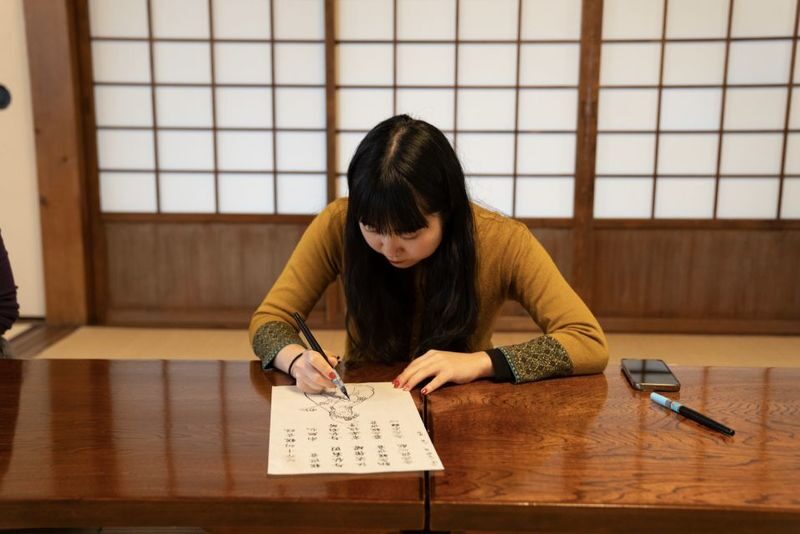
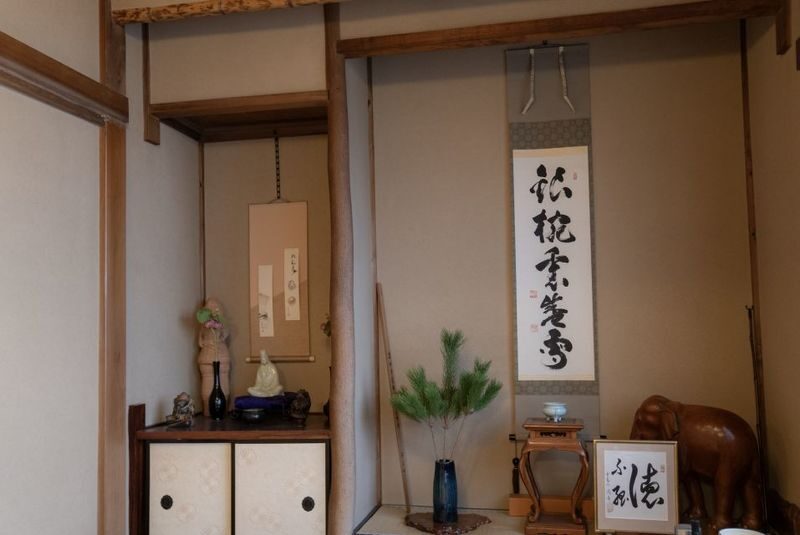
After meditation, the session includes calligraphy. It offers a different kind of concentration: instead of staying still, you focus on careful movement and the marks you make. That change of activity is useful if seated meditation is challenging, and it gives you another practical glimpse of how attention can be part of a traditional activity.
In one described format, participants traced a Japanese Buddhist phrase on paper. The monk chanted during the exercise, and participants could keep the paper or offer it to Buddha with a prayer. The phrase was associated with longevity. These details may not be part of every session, but they show how calligraphy can be more than a souvenir-making exercise.
You don’t need to arrive with calligraphy skills. The value is in following the steps and learning what the practice means in context. If you like activities that invite you to slow down and pay attention, this part may be as rewarding as the meditation itself.
Matcha, Sweets, and an Unhurried Conversation
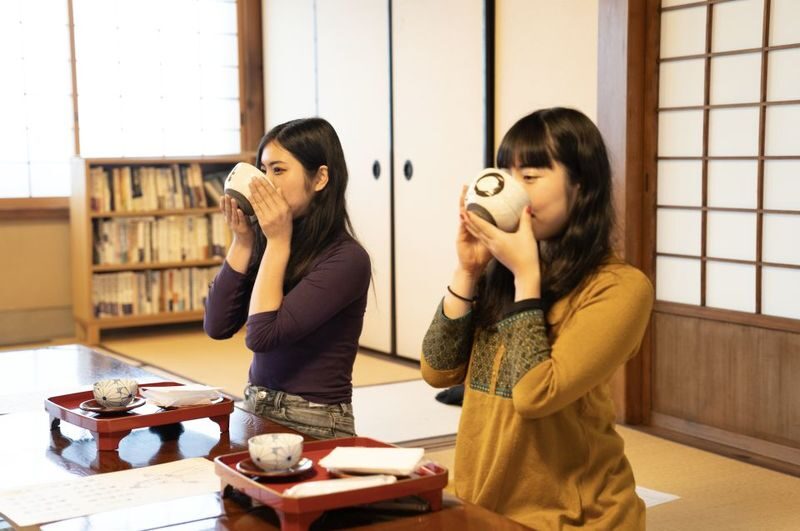
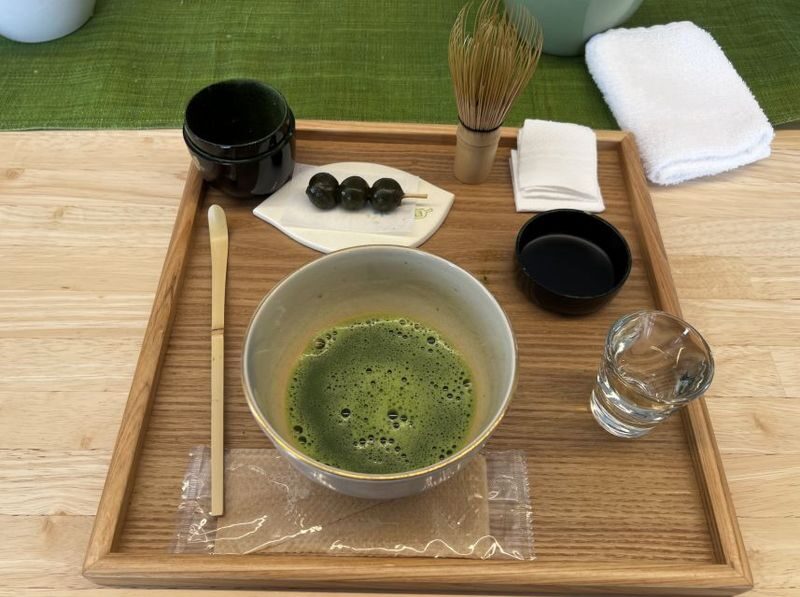
The experience ends with matcha tasting and time with the monk. Some sessions have also included sweets and an explanation or demonstration of the tea ceremony. The description promises matcha tasting, so think of this as a taste of the tradition rather than a full-length tea ceremony unless the host specifies otherwise.
This is often the best time to ask questions. After meditating and trying calligraphy, you have concrete details to talk about: the monk’s instructions, the temple, the meaning of the written phrase, or how Zen relates to daily life. The guide interprets, giving the conversation room to go beyond a polite exchange.
Matcha also provides a gentle change of pace. It closes the session socially, rather than ending as soon as the meditation is done. If you’re choosing between a brief demonstration and an experience that includes discussion, tea, and a few activities, this broader format offers more ways to connect with the subject.

Photos Without Losing the Quiet Mood
You are welcome to take photos throughout the temple, and the experience includes a photo opportunity with the monk. That makes it easier to remember the setting and the activities, especially if this is your first time in a private temple.
Use judgment and follow the monk’s or guide’s instructions about where and when to take pictures. The session is built around meditation and conversation, so it’s sensible to keep your phone away during the quieter parts and take photos when there’s a natural pause. The photo opportunity is a bonus, not the main event.
Is $53.69 Good Value for 90 Minutes?
The price starts at $53.69 for a 1.5-hour experience. You are paying for more than a short meditation lesson: the package includes private-temple access, instruction from a resident monk, an English-speaking guide, calligraphy, matcha tasting, and a photo experience. Personal expenses beyond the included activities are not covered.
For a visitor who wants a focused cultural activity, that combination makes the price easier to justify than meditation alone. The English-language interpretation is particularly useful because the monk’s explanations and your questions are part of what gives the visit its meaning. If you only want to sit quietly or try matcha, you may find the full experience more involved than you need.
The best value comes from taking part in every element and asking questions. It’s a compact introduction, not a deep course in Zen or Japanese Buddhism, but it gives you a chance to practice, make something, and speak with a monk in a setting that is not generally open to the public.
Who Will Get the Most From This Experience?
I’d consider this for anyone who wants a calm, hands-on cultural activity in Tokyo, especially if meditation or Japanese Buddhist practice interests you. It also suits couples and families who like learning together: families are specifically described as having taken part, and there is no age limit.
You don’t need to be religious or already interested in meditation. The session is structured as an introduction, and the guide helps make the explanations accessible. It may be a less natural fit if you want a major sightseeing attraction, a long meditation retreat, or a detailed history lecture. The strength here is the mix of practice, interpretation, and personal exchange.
Booking and Practical Notes
The experience is 1.5 hours, and the voucher is valid only for the date and time specified. You can present a mobile voucher. Confirmation is expected within minutes; if it does not appear, contact customer support.
The activity has no age limit, though the ability to take part comfortably will depend on the individual. The package includes the meditation experience, photo opportunity with the monk, and matcha tasting. Other personal expenses are not included.
Before you go, check the exact meeting point carefully. The information gives both 2-chome-10-4 Kotobuki and 2-1-13 Kotobuki, and says to meet near Kinryuji. Use the map rather than relying only on a general address.
Should You Book This Zen Meditation Session?
Book it if you want more than a temple visit and are curious about Zen practice, calligraphy, and the chance to ask a monk questions. Its strongest feature is the combination of personal instruction and conversation, supported by an English-speaking guide. The tea tasting and photos round out a varied 90 minutes.
Skip it if you’re looking for a long meditation retreat or a broad tour of Tokyo’s temples. This is a short, focused visit to one private temple, and that is precisely its appeal. For a thoughtful pause in a busy city itinerary, it offers a practical introduction to Zen with enough variety to keep the session approachable.
Tokyo Zen Meditation at Private Temple with Monk
“Very interesting activity that allowed me to learn more about Buddhism”
FAQ
How long does the experience last?
The experience lasts 1.5 hours.
Where is the meeting point?
The meeting point is near the experience spot, Kinryuji, in Kotobuki, Taito-ku. The address details differ, so check the map and confirm the exact point before you go.
Is the session suitable for beginners?
The experience includes an explanation of Zen and personal instruction in zazen. No prior meditation experience is stated as a requirement.
Is there an age limit?
No. The activity has no age limit.
What is included?
The package includes the 1.5-hour experience, a photo opportunity with the monk, and matcha tea tasting.
Can I take photos at the temple?
Yes. Photos are welcome throughout the temple, and the experience includes a photo opportunity with the monk.
How do I present my voucher?
Present your mobile voucher. It is valid only on the specified date and time.