At a sumo stable in Ryogoku, the morning’s main event is not a staged bout. It is real wrestlers at work, practicing the movements and matches that shape their sport. You watch from close range, where the sound and force of training feel very different from a seat high in an arena.
I like two things in particular: the practice unfolds from basic exercises to match-style sparring, so you see the work behind a bout, and the guide gives quiet explanations that help you follow what is happening without turning the stable into a lecture hall. A photo with the wrestlers at the end adds a personal finish.
The trade-off is physical and practical: you sit on a floor cushion, often for more than an hour, and the stable expects silence. If your knees or back make floor sitting hard, or you need a lively, talk-heavy show, this may not be your best fit.
- Training, not theater: You watch active sumo wrestlers practice in a working stable.
- A clear progression: The 7:45 visit can include stretching, strength work, basic drills and match-style training.
- Close, quiet viewing: You can feel how near the wrestlers are, but conversation and noisy phone shutters are not allowed.
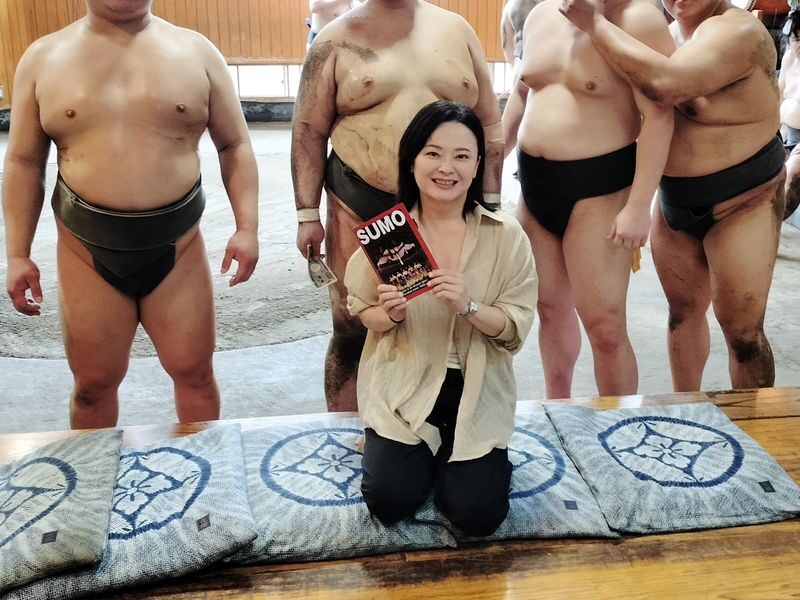
- Photo at the end: A posed photo with the wrestlers is planned after practice.
- Floor seating: Cushions are provided, but this operator’s group sits on the floor, so consider your comfort before booking.
- A short Tokyo morning: The listed program runs about two hours and costs from US$69.55.
- Why a stable morning feels different from a tournament
- From Ryogoku Station to the stable
- Stretching, drills and sparring
- Quiet rules make the visit work
- The guide, the explanation and the photo
- Is US.55 fair value?
- Who should book this morning?
- FAQ
- Where is the meeting point?
- What time does the 7:45 tour start and finish?
- What does the training include?
- Can I take photos during the practice?
- Is seating provided?
- What is included in the price?
- The Best Of Tokyo!
- More Tours in Tokyo
- More Tour Reviews in Tokyo
Why a stable morning feels different from a tournament
 1 / 7
 2 / 7
 3 / 7
 4 / 7
 5 / 7
 6 / 7
 7 / 7
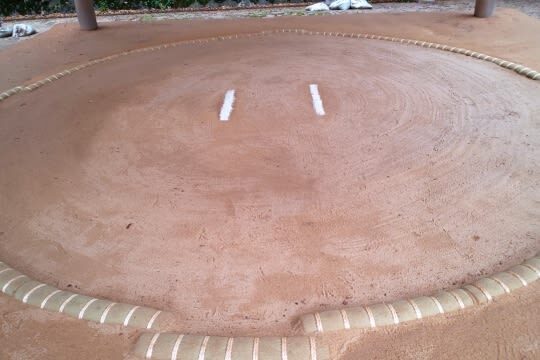
A sumo tournament gives you the formal spectacle: the ring, the rituals, the crowd and the bouts that decide rankings. A morning at a stable shows the less polished, more revealing part of the sport. The wrestlers are not performing for an audience. They are training, and the focus is on repetition, effort and the habits that make a match possible.
That difference is the reason to book this experience. You are close enough to see the wrestlers’ movements and feel the physical intensity of practice, yet you must stay quiet and let the training proceed on its own terms. The atmosphere is not designed around constant commentary or entertainment. The guide’s role is to help you understand what you are seeing without taking over the room.
The experience is in Ryogoku, Tokyo’s best-known sumo district, and meets at the Oedo Line’s Ryogoku Station. The listed price starts at US$69.55 for the 7:45 option. For that fee, you get admission, an English- or Japanese-speaking guide, a small gift, a sumo pamphlet published by the Japan Sumo Association and the chance to take a photo with the wrestlers.

👉 See our pick of the Our Picks For The 11 Best Workshops & Classes In Tokyo
From Ryogoku Station to the stable
Meet outside the ticket gates at Ryogoku Station on the Oedo Subway Line. After exiting, look immediately to your left for a black monument near the ticket machines. The meeting point is specific, so it is worth checking the station exit and route before the morning of your visit.
Arrive five minutes early. The guide leaves on time and cannot wait for late arrivals, and latecomers or no-shows are not refunded. That matters for an early start: give yourself enough time to reach the station, especially if you are unfamiliar with Tokyo’s rail network.
The group then walks or travels with the guide to the stable. The exact address of the stable is not provided, and the schedule can change with traffic or weather. The advertised morning runs from 7:45 to 10:00, with training listed from 8:00 to 10:00. In practice, the full visit may last 60 to 120 minutes depending on the start time and the training underway.
The provider also offers an 8:20 arrival time in some versions of the program. That later start generally begins with basic training, so you may miss stretching and strength work at the beginning. The 7:45 option is the one priced here and is the better choice if you want the fullest sequence.
You can also read our reviews of more tours and experiences in Tokyo.


Stretching, drills and sparring
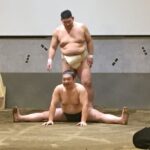
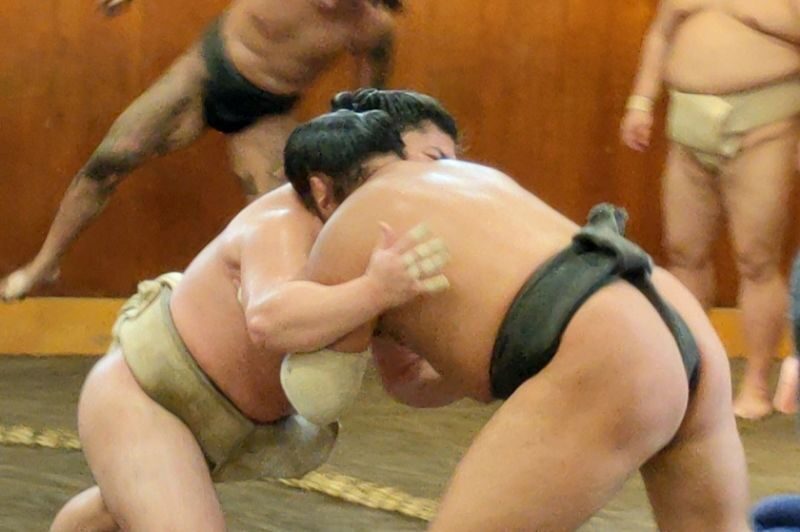
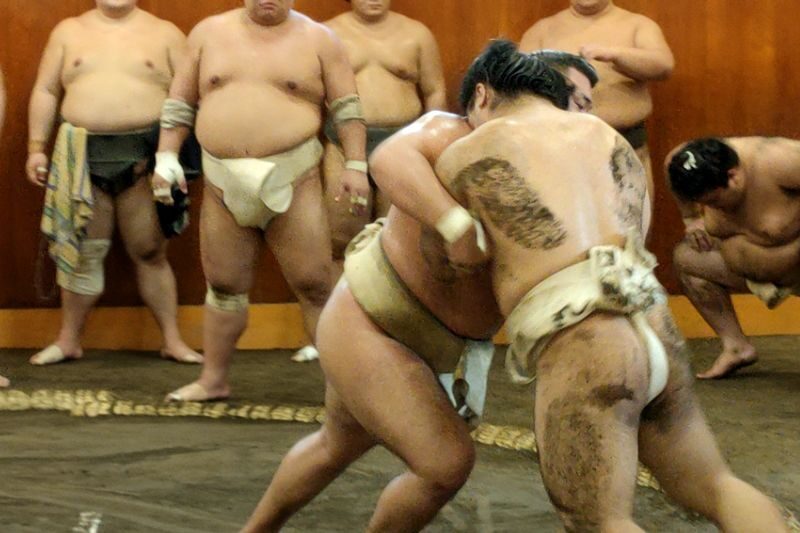
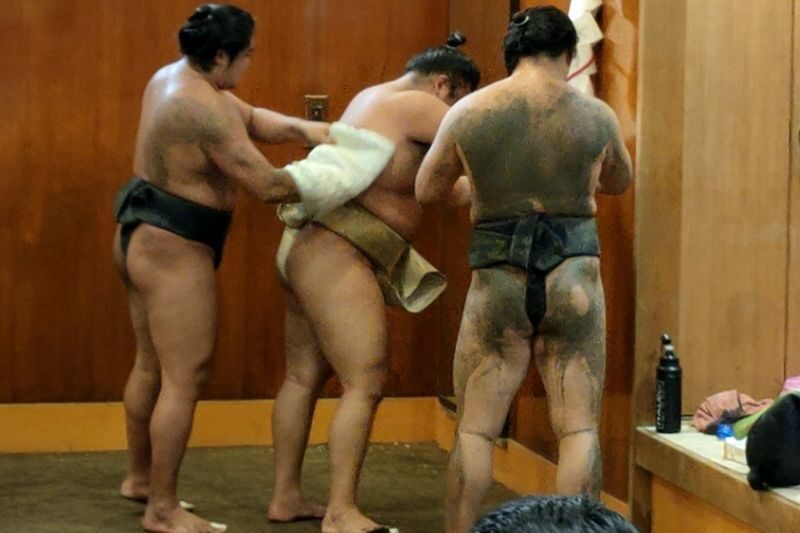
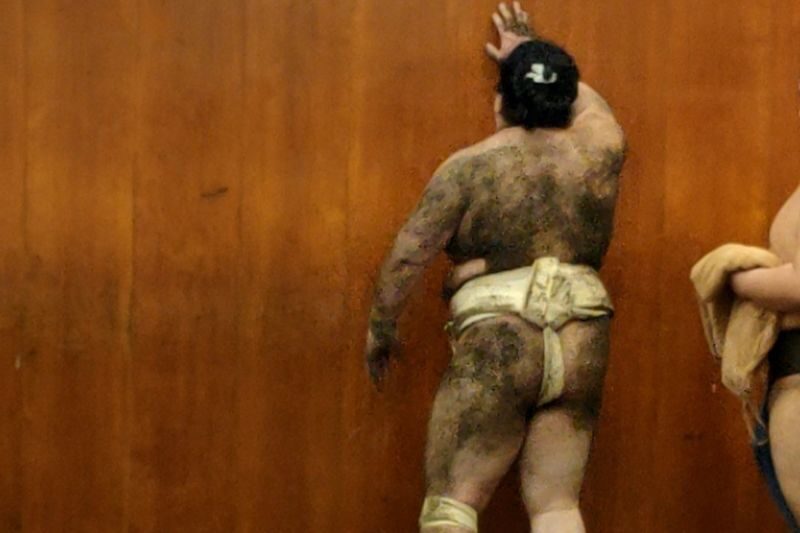
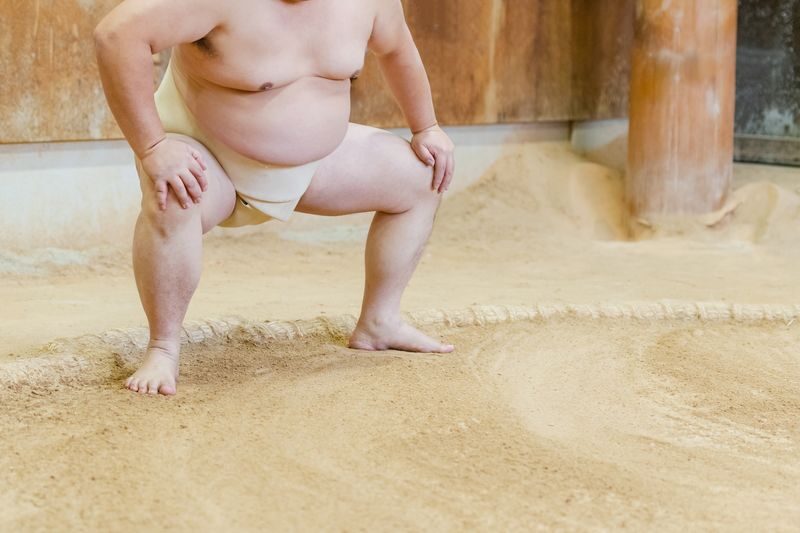
The practice is described in four stages: stretching and strength training, basic training, match-style training and photos. You see the wrestlers work through foundational movements before watching them apply those skills in more direct practice. That progression is useful because it gives you a sense of how much preparation sits behind the short bouts most people associate with sumo.
The early exercises may look simple at first, but the point is to observe the discipline and repetition. The wrestlers are not there to explain each movement to an audience. Your guide discreetly supplies context, often through written information, so you can follow the session while respecting the stable’s quiet rules.
When the practice turns to match-style work, the contrast is striking. Sumo bouts are brief, but training reveals the force and concentration that go into them. You are close enough to feel the room’s energy, an intimacy that a large tournament venue cannot offer. The trade-off is that your view depends on where you sit and how many people are present.
The guide does not control the stable’s seating or the order of the training. Some days your place may be toward the back, and several tour groups may be present. A second-row seat has been possible, but it is not guaranteed. Treat the experience as a chance to observe a working practice, not a reserved front-row show.
Quiet rules make the visit work
A sumo stable is not a theater. During practice, you are generally expected not to speak, and eating or drinking is prohibited, including candy and gum. Keep your phone on silent and avoid camera sounds. Photos are allowed, but you need a silent camera setting or app so a shutter noise does not interrupt the wrestlers.
Dress modestly and comfortably. The tour sits on floor cushions, not chairs, and the operator says its group should not use chairs even if other companies have them available. If you have trouble sitting on the floor, bad knees or back pain, or are pregnant, take that seriously before you book. The training can last long enough for an uncomfortable position to become a real distraction.
Children must be at least six years old, and a child who cannot sit still is not allowed to take part even if they meet the age minimum. This is a quiet, focused setting, so it suits children who can follow the rules for an extended period better than those who need to move around.
If you have a cold or another contagious illness on the day, the operator asks you not to attend and to consider canceling. Intoxicated participants may be refused service without a refund, and pets and outside food or drinks are not allowed.
The guide, the explanation and the photo
The guide is more than a person who gets you to the stable. Sumo has its own customs and training vocabulary, and the quiet format can leave you wondering what a particular drill is meant to do. The guide fills in those gaps without requiring you to speak during practice. A detailed sumo pamphlet published by the Japan Sumo Association gives you another way to follow the sport.
Guides named Alisa and Alison have been associated with this experience. Alisa has been described as kind and helpful with the sport’s traditions, while Alison has been praised for being punctual and friendly. The quality of explanation may shape how much you get from the visit, especially if you have never watched sumo training before.
At the end, you can take a photo with the wrestlers. It is a welcome chance to make a personal memory of the visit, but it comes after the training and should not be treated as the main event. The more meaningful part is watching the practice itself, then having a brief opportunity to acknowledge the people who have been working in front of you.
The small gift and printed pamphlet add value, though the central reason to pay is the stable access and guided context. If the photo is your main goal, or you expect a hosted meet-and-greet, this may feel limited. If you want to understand what training looks like and observe respectfully, the add-ons are a pleasant extra.
Is US$69.55 fair value?
At a starting price of US$69.55, this is not a cheap two-hour activity. But the comparison is not simply with a museum ticket or a standard city tour. Access to a working stable is unusual, even for people living in Japan, and the tour arranges the visit, provides interpretation and includes a photo opportunity.
The value depends on what you want from sumo. If you are interested in the sport or Japanese customs, the progression from basic work to sparring makes the time worthwhile. You get a close look at training that a tournament ticket cannot provide. If you only want to see a dramatic bout, a sumo show or tournament may better match your expectations.
The tour has an overall rating of 4.6 out of 5 from 18 ratings. Many of the strongest responses focus on how fascinating and close the training feels, the guides’ help and the chance to see wrestlers practice rather than pose. The recurring practical concern is floor seating, with some people finding it uncomfortable after an hour or more. One person also found the guide’s communication insufficient, so it is sensible to treat the explanations as a helpful aid, not a guaranteed private lesson.
Cancellation terms allow a full refund if you cancel at least 48 hours before the activity date, using local time at the destination. Weather or transport disruption can complicate a very early start, so check your route and any operator messages the day before. Confirmation details are sent within 24 hours; if you do not receive them by the day before, contact the operator by email or WhatsApp.



Who should book this morning?
I would choose this tour if you want a close, respectful look at sumo beyond the short action of a match. It suits curious adults, sports fans and families with older children who can sit quietly. The 7:45 start is best if you want to catch the full training sequence rather than joining after the opening exercises.
I would think twice if sitting on the floor is difficult, if you need to move around, or if your ideal cultural activity involves frequent conversation and audience participation. The stable sets the tone, and the visitor’s job is mostly to watch and listen.
Book it for the practice, the access and the context. Take the photo as a bonus. If you can manage an early start, sit comfortably on the floor and respect the quiet, this is a distinctive way to spend a Tokyo morning.
Real Sumo Training Watching Experience in Tokyo
“It was cool seeing the rikishi practicing their sumo up close. We got to see Asanoyama Asahakuryu Asasuiryu Asashoryu during practice.”
FAQ
Where is the meeting point?
Meet just outside the ticket gates at Ryogoku Station on the Oedo Subway Line. Look immediately to your left for a black monument near the ticket machines.
What time does the 7:45 tour start and finish?
The meeting and departure time is 7:45. The listed schedule has training from about 8:00 to 10:00, with return at 10:00. The actual tour duration can vary.
What does the training include?
The full program may include stretching and strength training, basic training, match-style practice and a photo opportunity with the wrestlers.
Can I take photos during the practice?
Photos are allowed, but your phone must be silent and the camera must not make a shutter sound. You can also take a photo with the wrestlers after the training.
Is seating provided?
You sit on a cushion on the floor. The operator’s group is not to use chairs, even if chairs are available for other groups.
What is included in the price?
The tour includes admission, an English- or Japanese-speaking guide, a small gift and a sumo pamphlet published by the Japan Sumo Association. Personal expenses are not included.