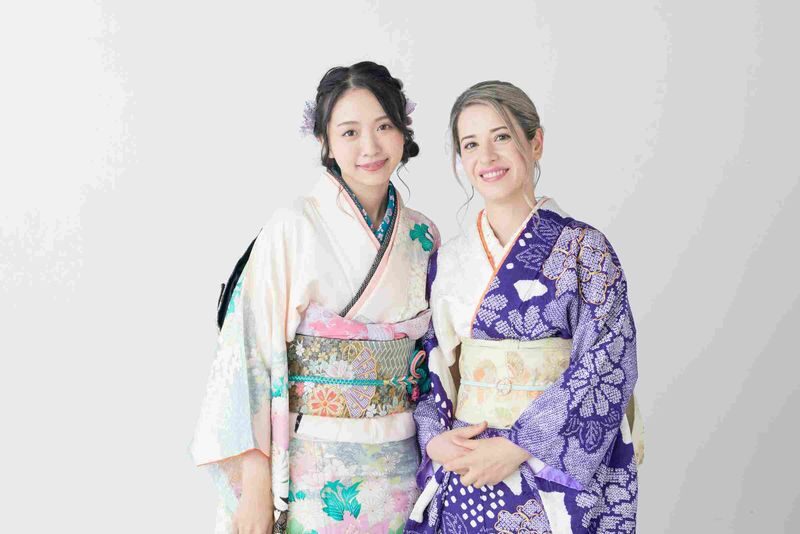
Choose a vintage kimono, make a few simple alterations, and take it home: this Tokyo workshop turns a beautiful but less practical old garment into something you can wear more easily. You browse a collection of more than 340 kimono, then use an iron and hemming tape to remake your choice.
I like two things in particular: you do the work yourself, so the kimono becomes a personal souvenir rather than just a purchase, and staff help you choose and put it on. The included easy-to-wear obi rental also lets you see how the outfit comes together before deciding whether to buy accessories.
One thing to weigh is the cost beyond the advertised starting price. The base rate covers a red-sticker kimono, while higher grades and obi accessories can add several thousand yen. Check the prices before you choose.
- Key points before you book
- Turning a vintage kimono into a wearable souvenir
- Choosing a kimono, and checking the price tag
- What happens during the 90-minute session
- Staff help, photos, and the award
- Who will get the most from this workshop
- Finding the shop and preparing for the visit
- Should you book the kimono remake experience?
- FAQ
- How long does the experience take?
- What does the starting price include?
- Can I choose a more expensive kimono?
- Do I have to buy an obi?
- Can men take part?
- Can children participate?
- Where is the meeting point?
- What should I bring and wear?
- What is the cancellation policy?
- The Best Of Tokyo!
- More Tours in Tokyo
- More Tour Reviews in Tokyo
Key points before you book
 1 / 8
 2 / 8
 3 / 8
 4 / 8
 5 / 8
 6 / 8
 7 / 8
 8 / 8
- More than 340 vintage kimono to browse: Pick a garment by color, pattern, and price grade. Condition and selection can vary.
- A hands-on remake, not a sewing course: You use an iron and hemming tape to alter the kimono for easier wear.
- The red-sticker kimono is included: Blue, green, and yellow sticker options cost extra.
- An obi is rented for photos: Buying one is optional, with prices starting at JPY 4,000.
- Allow about 90 minutes: The package is described as a 90-minute activity, although the overview also gives a one-hour duration.
- Plan the route carefully: The main shop is a five-minute walk from Kiba Station. A second location may be used when the Kiba shop is busy.

👉 See our pick of the Our Picks For The 11 Best Workshops & Classes In Tokyo
Turning a vintage kimono into a wearable souvenir
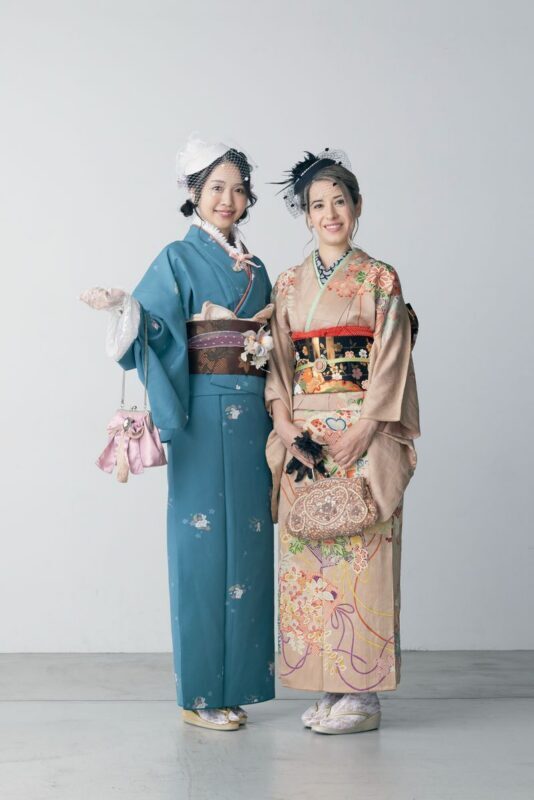
The appeal here is practical as well as personal. A traditional kimono can be beautiful to look at, but wearing one correctly takes time and help. This workshop makes a vintage garment easier to put on, then gives you a chance to try it with an obi and accessories.
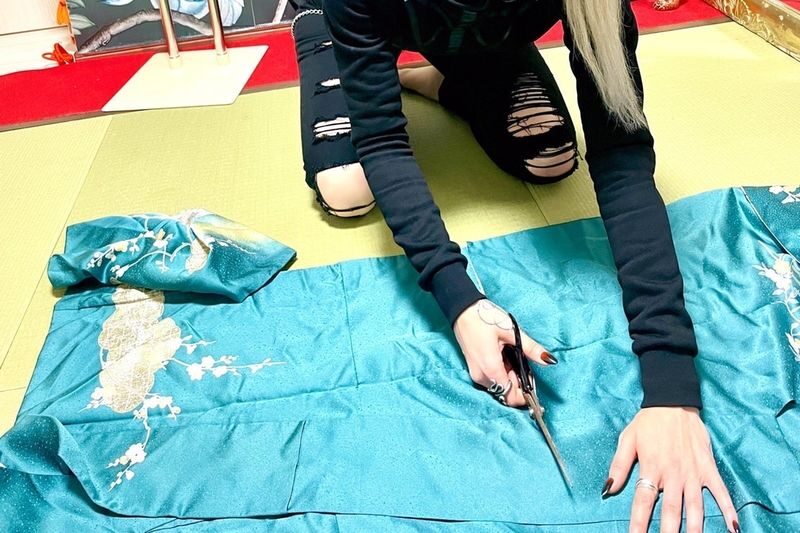
The goal is not to produce a brand-new, custom-tailored kimono. You choose a pre-owned piece and make straightforward changes using an iron and hemming tape. Depending on the garment and your preferences, the finished kimono may be arranged so it can be worn in a simpler way, including as separate top and bottom pieces.
That distinction matters when you set expectations. This is a short craft experience with a useful keepsake at the end, not an in-depth course in traditional kimono construction. You’ll learn by doing, but the work is designed to be manageable within the session.
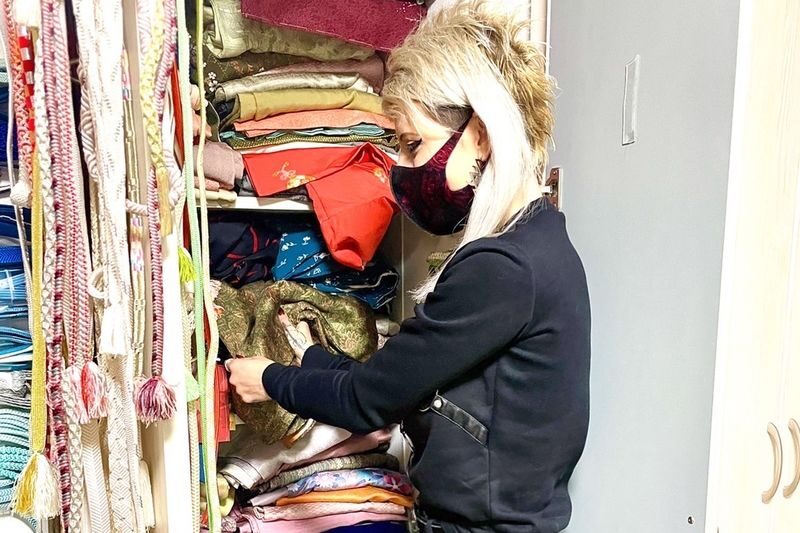
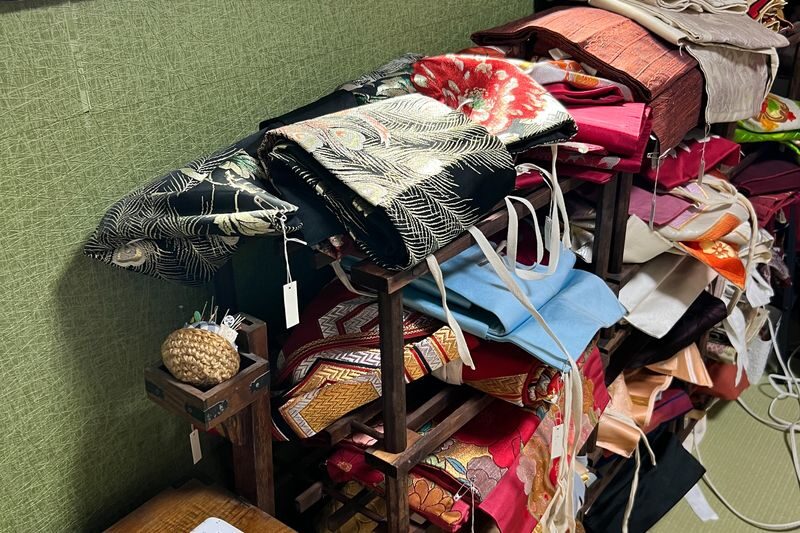
The collection is described as having more than 340 choices. You can expect a range of colors, prints, and grades, though the selection available on your date may vary. Some pieces are vintage and may show wear, so take a close look at your favorite before committing. If you spot a stain or other mark, ask staff about its condition and price before you begin.
You can also read our reviews of more tours and experiences in Tokyo.



Choosing a kimono, and checking the price tag
The starting price is listed at $37.89, and the included kimono is from the red-sticker grade. Three higher grades are available on the day: blue costs an additional JPY 2,000, green JPY 4,000, and yellow JPY 6,000.
Treat the entry price as the cost of the basic experience and red-grade kimono, not a guarantee that every design you like will be included at that rate. If a higher-grade piece catches your eye, confirm the added cost before selecting it. The staff can explain the options, and clear explanations of extra charges are important when you’re choosing among several pieces.
An obi is a separate decision. You can rent an easy-to-wear obi at no extra charge for photos, but purchasing one costs from JPY 4,000, with a stated surcharge range of JPY 4,000 to JPY 10,000. When you buy an obi, an obiage and obijime are included as gifts. Other accessories may also be available, so ask for a complete total if you’re considering a full set.
Some people choose only the kimono; others leave with an obi and coordinating pieces as well. The latter can make a more complete outfit, but it changes the budget considerably. One participant who bought a kimono, obi, obiage, obijime, and collar spent about JPY 21,000 in total, including the activity booking. That is a useful example, not a fixed package price.
The value depends on what you want. If your goal is simply to try a hands-on activity and take home the included kimono, the base price is easier to assess. If you want several accessories or a more expensive vintage garment, decide your spending limit before you arrive.
What happens during the 90-minute session
The activity begins at the shop, where staff explain the process and the kimono grades. You’ll choose your garment, with help available if you’re unsure about color, style, or fit. English-speaking and Japanese-speaking staff are included, and the workshop is designed for beginners.
Next comes the remake itself. You use an iron and hemming tape to make the chosen garment easier to wear. The work is simple and hands-on, rather than a long sewing project. Some participants adapt a kimono so the top and bottom can be worn separately. Men’s participation is also accepted, with the experience described as printing a name in kanji and a family crest on the kimono.
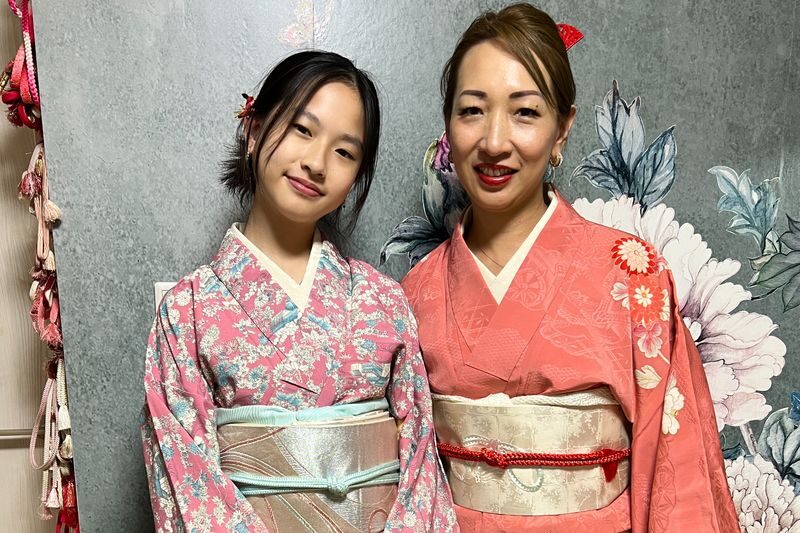
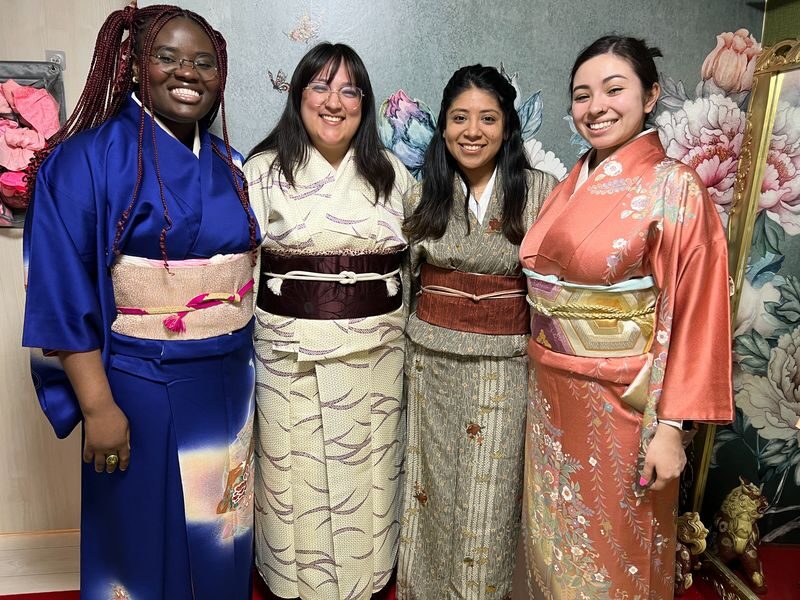
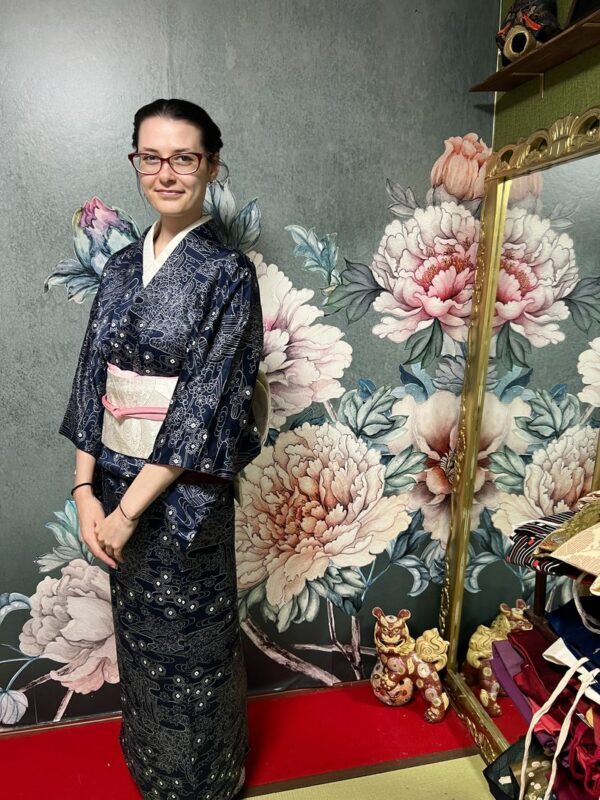
Once the garment is ready, staff help you put it on and arrange the easy-to-wear obi for photos. This final step is useful: it gives you a better sense of how the pieces work together and can help you remember the look when you wear your kimono later. You’re welcome to take photos, and you can use the free obi rental for this part even if you don’t buy one.
The package is described as lasting 90 minutes, while the brief overview gives a one-hour duration. I’d plan around the longer figure and leave extra time in your day, especially if you want to compare several kimono or browse accessories. The listed session times are 10:30, 13:30, and 16:30. You must attend the time selected when booking.
Staff help, photos, and the award
A workshop like this depends on patient guidance. Staff are there to explain the steps, help with choosing a kimono, and assist with putting it on. English-speaking staff are included, which makes the practical details easier to follow if you don’t speak Japanese.
Aki and Rumi have led sessions, and are named by participants as helpful instructors. Staff may vary, so don’t assume a particular person will be there on your date. The experience has also received the Gold Award from the Omotenashi Selection, a program that recognizes products and services chosen by a panel of foreign residents in Japan. It’s a useful sign of recognition, though the workshop itself is still best judged by what you want to make and take home.
The closing photos are a cheerful part of the session, not just a sales pitch. You can see how your kimono looks when worn and document the finished result. If you buy accessories, ask whether you can take photos or notes showing how the outfit is arranged; that can be handy when you try dressing at home.
Who will get the most from this workshop
This suits you if you enjoy making something, want a souvenir with a personal connection, or are curious about vintage Japanese clothing. The process is short and accessible, and the finished kimono is meant to be easier to wear than an unaltered garment. It can also work well for a solo visit: the activity doesn’t depend on arriving with a group.
Families can book for children aged three and up, but check what is included for a child before paying. Children’s kimono are made differently from adult garments and are described as dress-like, tied with a string. A child’s booking may not include a kimono to take home in the same way as an adult booking, so confirm this point directly with the operator.
There is a note that only women’s kimono are available, while the activity information also accepts men and describes printing names and family crests for them. Since those details can be confusing, men should contact the operator before booking to confirm exactly what garment or finished item they’ll receive.
If you want a pristine new kimono, this may not be the right fit. These are vintage pieces, and some can have visible wear or stains. Ask to inspect your choice in good light before starting, and remember that a lower price or discount does not necessarily mean the garment is in perfect condition.



Finding the shop and preparing for the visit
The main address is 6 Chome-8-6 Kiba, Koto City, Tokyo 135-0042. Take the Tokyo Metro Tozai Line to Kiba Station, then walk about five minutes. There are several buildings with the same address, so look for the building with a sign on the corner. The location can be a little tricky to spot, so read the arrival instructions carefully.
If the Kiba shop has a large number of bookings, your session may move to a second shop at 5 Chome-25-15 Toyo, Koto City, Tokyo 135-0016, about a five-minute walk from Toyocho Station. Check your confirmation and any follow-up message for the correct location rather than heading straight to the main address.
Bring a bag to carry your kimono home. To wear a kimono comfortably, the guidance is to flatten the chest. Wear a kimono bra or a firm sports bra if you have one; the shop also offers a kimono bra to rent for free. If you have spats, bring them or wear them under your trousers or skirt.
There are stairs at the shop, and the work may take place on the floor. If stairs or floor seating are difficult for you, contact the operator in advance to ask about arrangements. Don’t assume every session or location can accommodate the same needs.
Should you book the kimono remake experience?
Book this if you want a hands-on Tokyo activity that leaves you with a vintage garment you can take home, and you’re comfortable with the possibility of paying extra for a higher-grade kimono or obi. The main strengths are the wide choice, guided making process, and chance to try the finished look before you leave.
Before you reserve, set a spending limit, check whether a child’s kimono is included, and confirm the men’s option if relevant. Inspect the garment for wear before you start, and allow 90 minutes even though the overview also mentions one hour. With those details settled, it’s a distinctive souvenir-making session, not just a quick kimono photo opportunity.
Remake Your Own Kimono Experience in Tokyo
“the second we walked in we were greeted and taken care of everything was explained clearly about the extra charges. due to last minute change of pl…”
FAQ
How long does the experience take?
The package is described as a 90-minute kimono remake experience. The overview also gives a one-hour duration, so allow about 90 minutes to avoid rushing.
What does the starting price include?
The listed starting price is from $37.89. It includes the material fee, a red-sticker kimono to take home, English-speaking and Japanese-speaking staff, and rental of an easy-to-wear obi.
Can I choose a more expensive kimono?
Yes. The blue-sticker grade costs an additional JPY 2,000, green costs JPY 4,000, and yellow costs JPY 6,000. The red-sticker kimono is the grade included in the base price.
Do I have to buy an obi?
No. An easy-to-wear obi is available to rent for photos at no extra charge. Purchasing an obi is optional, with prices starting at JPY 4,000.
Can men take part?
Men can make a reservation. The activity information says the men’s experience involves printing the name in kanji and a family crest, but it also says only women’s kimono are available. Contact the operator before booking to confirm what the men’s option includes.
Can children participate?
The minimum age is three. Children’s kimono are made differently from adults’ and are described as dress-like garments tied with a string. Confirm whether a child’s kimono to take home is included before booking.
Where is the meeting point?
The main shop is at 6 Chome-8-6 Kiba, Koto City, Tokyo. It is about a five-minute walk from Kiba Station. If that shop is busy, the session may move to a second location at 5 Chome-25-15 Toyo, about a five-minute walk from Toyocho Station.
What should I bring and wear?
Bring a bag for carrying the kimono. The guidance recommends flattening the chest with a kimono bra or firm sports bra; a kimono bra can be rented at the shop for free. Bring spats if you have them, or wear them under your trousers or skirt.
What is the cancellation policy?
A full refund is available if you cancel at least 72 hours before the activity date, using local destination time. Late arrivals and no-shows are not eligible for a refund or changes.