Sumo here is not a staged match for an audience. You enter a working stable and watch wrestlers train at close range, with staff explaining the customs and routines in English so the practice makes sense as you watch.
I like two things in particular: the chance to see real training rather than a show, and the interpreter’s help with the culture and daily life behind it. If you choose the optional package, it also adds a meal and a topknot demonstration, giving the visit more context.
The main consideration is the setting: practice calls for quiet, and the schedule is short, with departure at 9:20 and return at 10:40. You’ll need to follow the stable’s rules, and families should be ready to step outside briefly if a child gets restless.
Key points
- A working sumo stable: Watch morning practice in the place where wrestlers train, not at a performance staged for an audience.
- English interpretation: Staff explain customs, culture, and daily life, helping you follow what is happening in the ring.
- Quiet is part of the visit: Wrestlers are concentrating, so you must keep your voice down. Staff may take a restless child outside for a short break.
- Two package choices: The basic visit starts at US$100.95. The optional plan starts at US$138.79 and adds a topknot demonstration and meal.
- A short morning outing: The listed schedule runs from 9:20 to 10:40, with the meeting and return point near Aoto Station.
- Check the addresses: The meeting point is listed as 3-36 Aoto, while the stable address is 7-27-4 Aoto. Confirm where to meet before setting off.
👉 See our pick of the Our Picks For The 11 Best Workshops & Classes In Tokyo
- Key points
- Inside a working Tokyo sumo stable
- What the morning schedule means for you
- Watching practice without interrupting it
- The optional meal and topknot demonstration
- Is US0.95 good value?
- Who will get the most from this visit?
- Practical details before you book
- Should you book this sumo experience?
- FAQ
- Where does the tour meet?
- What time does the experience start and finish?
- How long is the tour?
- Is an English-speaking guide included?
- Can I take photos?
- Do children have to pay?
- What does the optional package include?
- Can I cancel for a refund?
- The Best Of Tokyo!
- More Tours in Tokyo
- More Tour Reviews in Tokyo
Inside a working Tokyo sumo stable
 1 / 8
 2 / 8
 3 / 8
 4 / 8
 5 / 8
 6 / 8
 7 / 8
 8 / 8
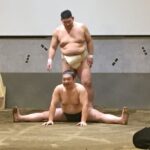
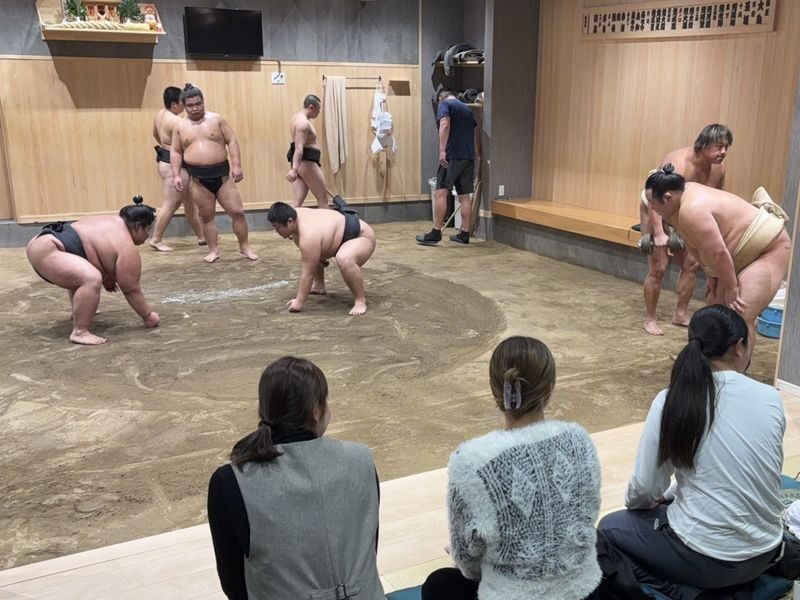
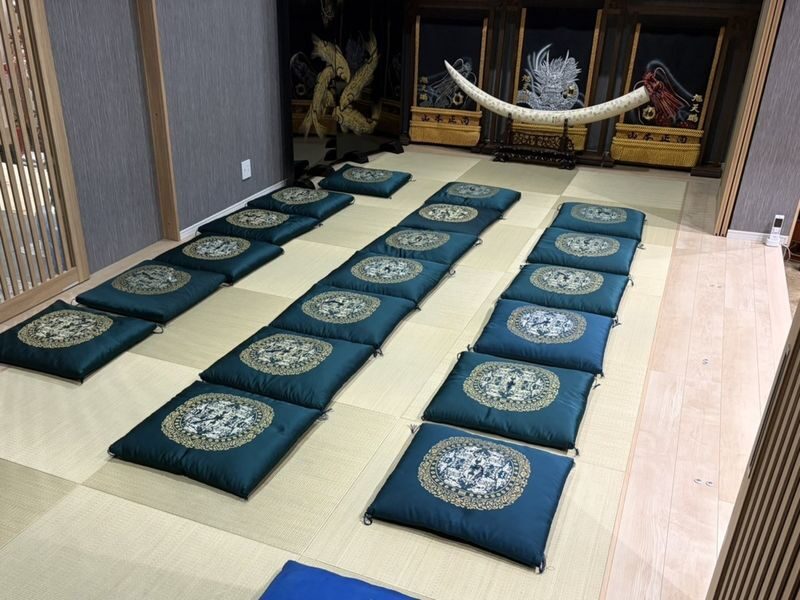
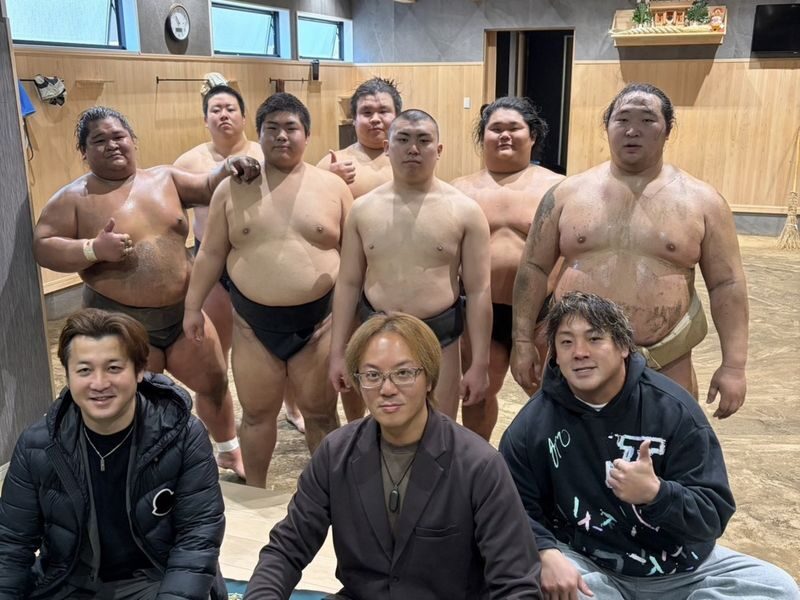
A sumo stable is where wrestlers live and train under the direction of a stable master. This visit takes you into that daily world for morning practice, not into a stadium for a tournament. That distinction is the heart of the outing: you see the physical work behind sumo, in a place where the wrestlers are focused on training rather than entertaining an audience.
The practice is described as powerful and intense, and you’ll watch from close by. The stable setting makes the discipline easier to appreciate than a quick glimpse of a bout might. You can see the wrestlers repeat techniques and work through training, while the guide helps explain the customs and routines around them.
That closeness also comes with a clear responsibility. The wrestlers’ concentration takes priority, so visitors must remain quiet. If you’re hoping for a lively, interactive show, this is not that kind of visit. It is a chance to observe carefully and let the training speak for itself.
You can also read our reviews of more tours and experiences in Tokyo.



What the morning schedule means for you
The outing is scheduled to begin at 9:20 and return at 10:40. That gives you an 80-minute window from departure to return, so it is a compact way to fit sumo into a Tokyo morning. The exact time spent inside the stable is not specified, and the schedule may change with traffic or weather.
Arrive at the meeting point at least five minutes early. The instructions say latecomers and no-shows cannot receive a refund, so this is not the moment to rely on a last-minute dash across the station area. The meeting point is given as 3 Chome-36 Aoto, near Aoto Station, while the stable itself is listed at 7-27-4 Aoto. Since these are different addresses, confirm the precise departure spot before the day of your visit.
The schedule lists departure and return at the same Aoto Station-area address. The information does not specify the transport arrangement, so check the details you receive after booking rather than assuming how you will travel between the station and stable.
Watching practice without interrupting it
At the stable, staff provide English interpretation and explanations. That matters because sumo is more than size and force. Customs, training habits, and daily routines all shape what you are seeing, and a guide can help you notice those details without turning the visit into a lecture.
Expect to observe rather than take part. The guidance is explicit that the wrestlers need to focus, so conversation and noise should be kept to a minimum. The quiet rule is not a minor formality; it is what lets the stable carry on with its morning work while you watch.
Exterior photographs are welcome. The rules provided do not say whether photography is allowed inside, so ask staff before taking pictures there. It is better to check than to interrupt practice or risk ignoring a stable’s customs.
Families can attend, and children aged 0 to 3 are free. But this is a quiet viewing setting, not a play space. If a child becomes restless, staff may guide you outside for a brief break. That is a sensible provision, though it means parents should consider how well their child manages a calm, silent visit.
The optional meal and topknot demonstration
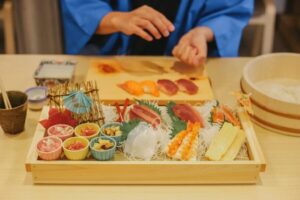
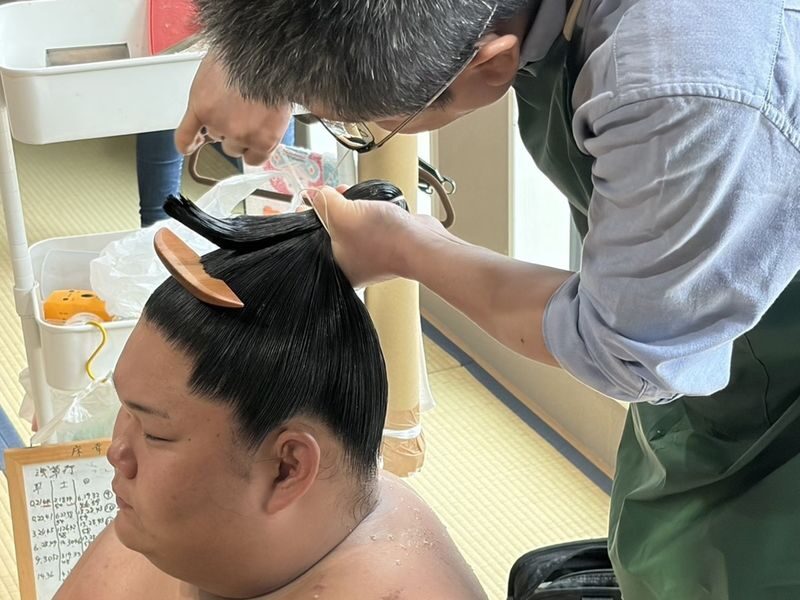
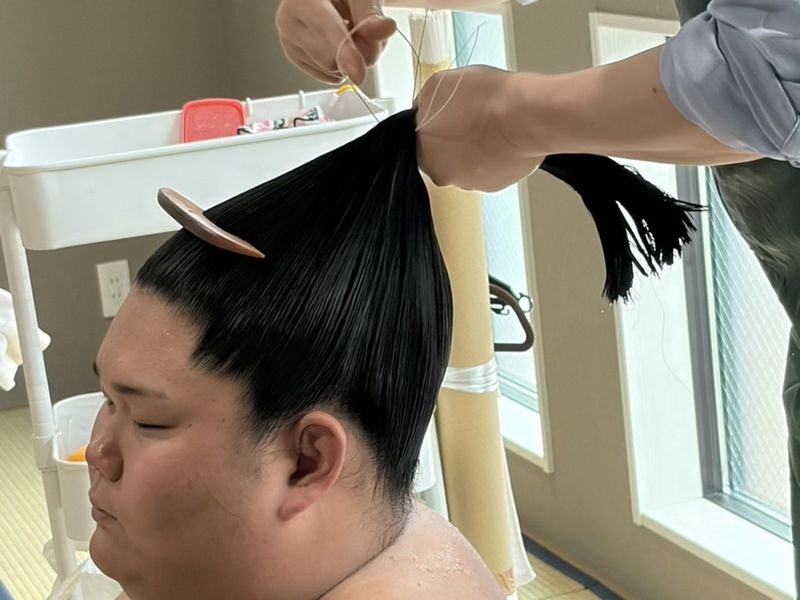
The basic plan is focused on watching practice. The more expensive option adds a topknot demonstration and a meal, and it starts at US$138.79, compared with US$100.95 for the basic experience. If you want a fuller introduction to sumo life, that extra component may be worth the difference.
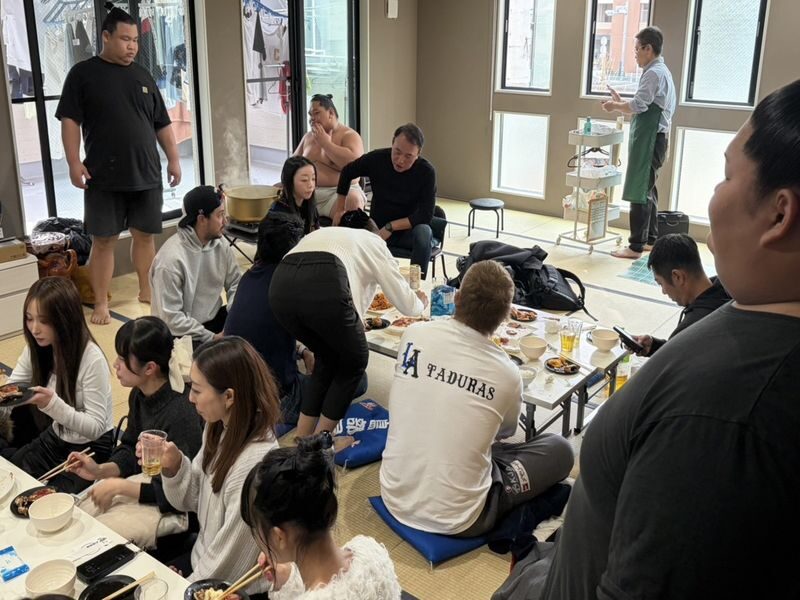
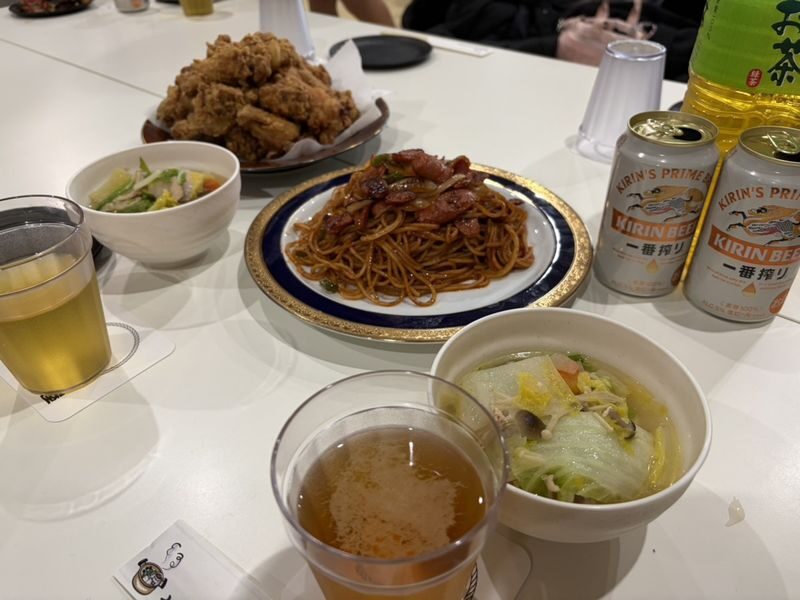
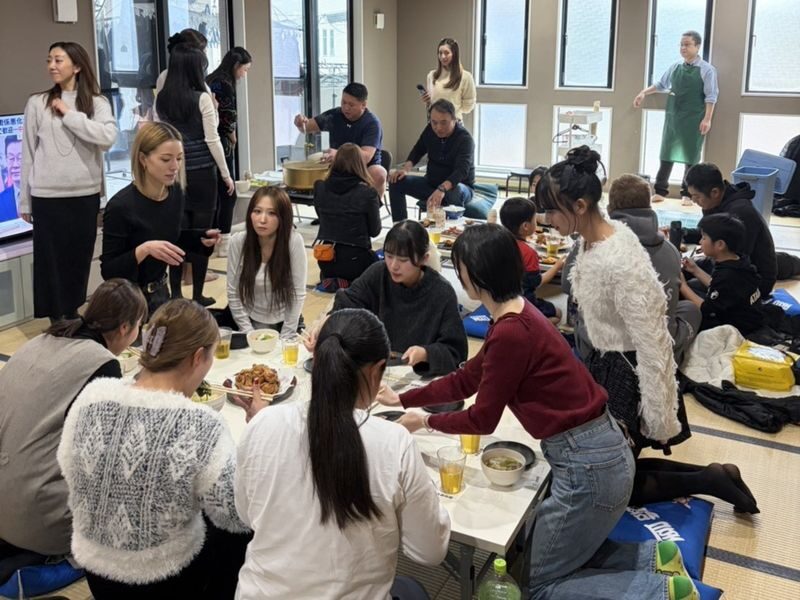
The optional package gives you a look at the traditional hair-binding ceremony associated with the wrestlers’ topknots. One account of the package also describes eating lunch while seeing preparations and rituals connected with the wrestlers’ daily life. That makes the meal more than a simple add-on: it can help place the training within the wider routines of the stable.
A former sumo wrestler, Kyokutaisei Takuya, hosted one visit and answered questions. Oshima-oyakata, the stable master and head coach, was also present. Those names offer useful context, but their participation is not guaranteed for every date, so don’t book on the assumption that you will meet either person.
The meal and demonstration are part of the optional plan, not the basic package. Check that you select the package you want before paying. If your main goal is simply to witness practice, the lower-priced option may be enough. If you want more time with the customs around sumo, the added meal and hair demonstration give you more to take away.
Is US$100.95 good value?
At US$100.95 per person, this is a specialized cultural outing, not a cheap way to fill an hour. Its value depends on what you want from Tokyo. If you’re interested in sumo and would like to see training in a real stable, the price buys access to a setting most visitors cannot casually enter, along with interpretation that helps you understand what you’re watching.
The short schedule is worth weighing against the cost. The listed outing spans 80 minutes, and the exact time inside the stable is not stated. You are paying for a rare, guided look at practice, rather than a long sightseeing route or a full day of activities. That may be a fair trade if sumo is high on your list. If it is only a passing interest, the price may feel steep for a brief visit.
The optional package begins at US$138.79. The difference is US$37.84 per person, and it includes a topknot demonstration and meal. I’d compare the two plans by asking whether you want only to watch practice or also want a closer look at the traditions and routines around it. The base plan keeps the visit focused; the optional plan gives it a broader frame.



Who will get the most from this visit?
This outing suits people who are curious about sumo beyond the tournament ring. You don’t need to be an expert, since staff provide English or Japanese interpretation and explain the culture. A first-time visitor can follow along, while a sumo fan may value seeing training in the stable itself.
It is also a good fit if you prefer observation to performance. The attraction is the real practice, with the wrestlers’ concentration and the stable’s daily rhythms left intact. You’ll need to be comfortable sitting quietly and respecting the rules of the room.
Families can consider it, especially since children aged 0 to 3 attend free. The quiet requirement is the key test. If your child is unlikely to manage a calm viewing period, the staff’s option to take them outside for a short break helps, but it won’t make the visit a free-flowing family activity.
The outing may be less suitable if you want a long program, a chance to interact freely with wrestlers, or a guaranteed meeting with a particular host. The details provided promise viewing and interpretation, not a hands-on session. The former wrestler and stable master named in connection with one optional visit should be treated as examples, not confirmed hosts for your date.
Practical details before you book
The meeting point is near Aoto Station at 3 Chome-36 Aoto, Katsushika City, Tokyo. The stable address is 7-27-4 Aoto, Katsushika-ku. Because those addresses differ, confirm the exact place to meet and follow the instructions sent with your booking.
Plan to arrive five minutes before the 9:20 departure. The return is scheduled for 10:40 at the Aoto Station meeting point, though traffic and weather may affect the schedule. The voucher is valid only for the date and time selected, and the price is per person.
The experience includes an English- or Japanese-speaking guide. Children aged 0 to 3 are free. You receive confirmation within minutes; if it does not arrive, contact customer support. You can receive a full refund if you cancel at least 24 hours before the activity date, using destination local time. Late arrivals and no-shows are not refundable.
Should you book this sumo experience?
Book it if you want a close look at genuine sumo practice and value having the customs explained as you watch. The stable setting, quiet viewing, and interpretation make this more than a quick photo stop, while the optional meal and topknot demonstration can add a fuller sense of wrestlers’ daily life.
Think twice if you want a long tour, an interactive performance, or a flexible start. This is a short, structured morning visit, and silence is part of the deal. For sumo fans and culturally curious visitors, the basic plan offers a rare glimpse behind the public spectacle. Choose the optional package if its meal and hair demonstration are worth the added cost to you.
Watch Sumo Training in Tokyo: Experience sumo up close!
“Absolutely unforgettable Sumo experience! My girlfriend and I booked the experience including Sumo training, lunch and the traditional hair-binding…”
FAQ
Where does the tour meet?
The departure point is listed as 3 Chome-36 Aoto, Katsushika City, near Aoto Station. The stable address is listed separately as 7-27-4 Aoto, so confirm the exact meeting spot before you go.
What time does the experience start and finish?
Departure is scheduled for 9:20, and return is scheduled for 10:40. The schedule may change because of traffic or weather.
How long is the tour?
The listed departure-to-return period is 80 minutes. The exact amount of time spent inside the stable is not specified.
Is an English-speaking guide included?
Yes. The experience includes an English- or Japanese-speaking guide, and staff provide interpretation and explanations inside the stable.
Can I take photos?
Photos of the stable exterior are welcome. The information does not specify whether photography is allowed inside, so ask staff before taking pictures there.
Do children have to pay?
Children aged 0 to 3 are free. Children should be able to remain quiet during practice, though staff may guide a restless child outside for a brief break.
What does the optional package include?
The optional plan adds a topknot demonstration and a meal. It starts at US$138.79 per person; the basic experience starts at US$100.95 per person.
Can I cancel for a refund?
You can receive a full refund if you cancel at least 24 hours before the activity date, using destination local time. Late arrivals and no-shows are not refundable.