
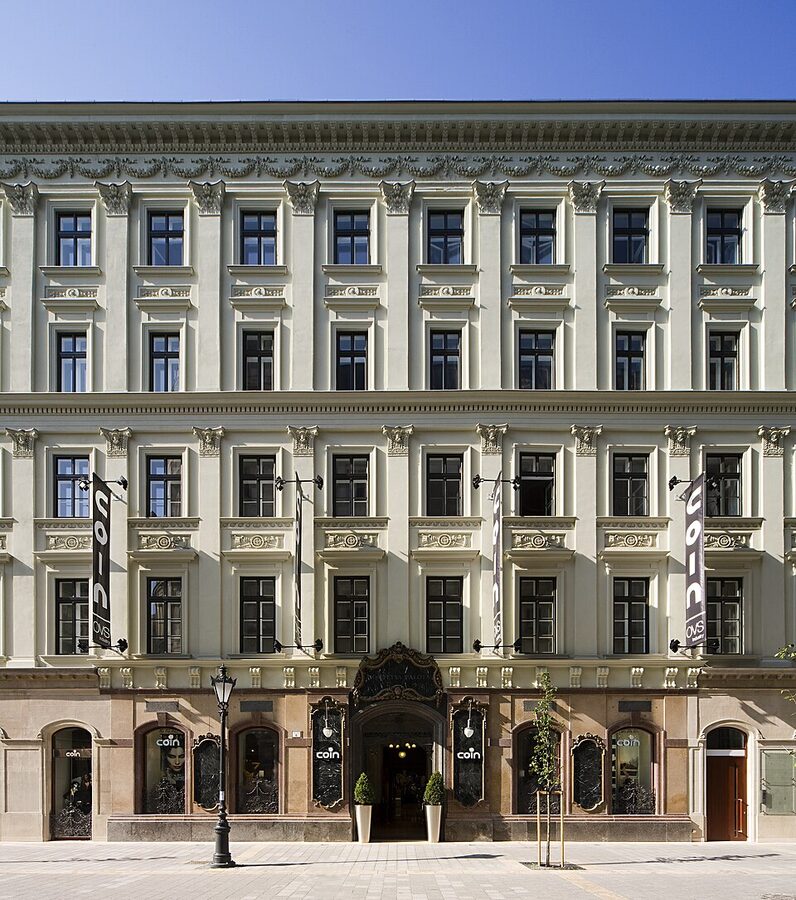
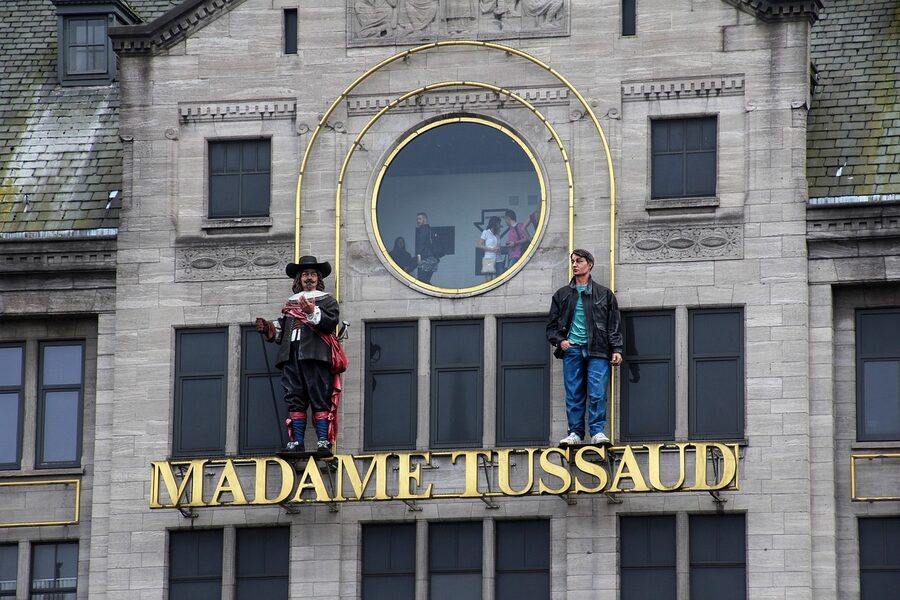
Madame Tussauds Budapest is the only one of the chain’s twenty-something locations that puts you face to face with Empress Sisi, Franz Liszt, Houdini, and Lady Gaga in the same room. The wax museum opened in late 2023 inside the Palazzo Dorottya, a restored neo-Renaissance palace on the Pest end of Vörösmarty Square. Tickets are about $34, and the smartest way in is buying online before you show up.

- Best value: Madame Tussauds + POP&ROLL combo ticket — $34, includes the quirky neighbouring art-toilet experience.
- If you only have half a day: Grand City Tour with Madame Tussauds entry — $69, five hours, picks up where most quick visits leave off.

- Why Tussauds bothered building one in Budapest
- Tickets, prices, and what’s actually included
- Where to buy
- The POP&ROLL combo, explained
- Best Madame Tussauds tickets and tours to book
- 1. Madame Tussauds Ticket + POP&ROLL Access —
- 2. Grand City Tour + Madame Tussauds —
- What you’ll actually see inside
- Room one: world leaders
- Room two: music
- Room three: film and entertainment
- Room four: sport
- Room five: royalty and history
- Room six: science and innovation
- Getting to the museum
- When to visit
- What’s nearby — and how to plan a half-day around the museum
- Hungarian figures you should actually look out for
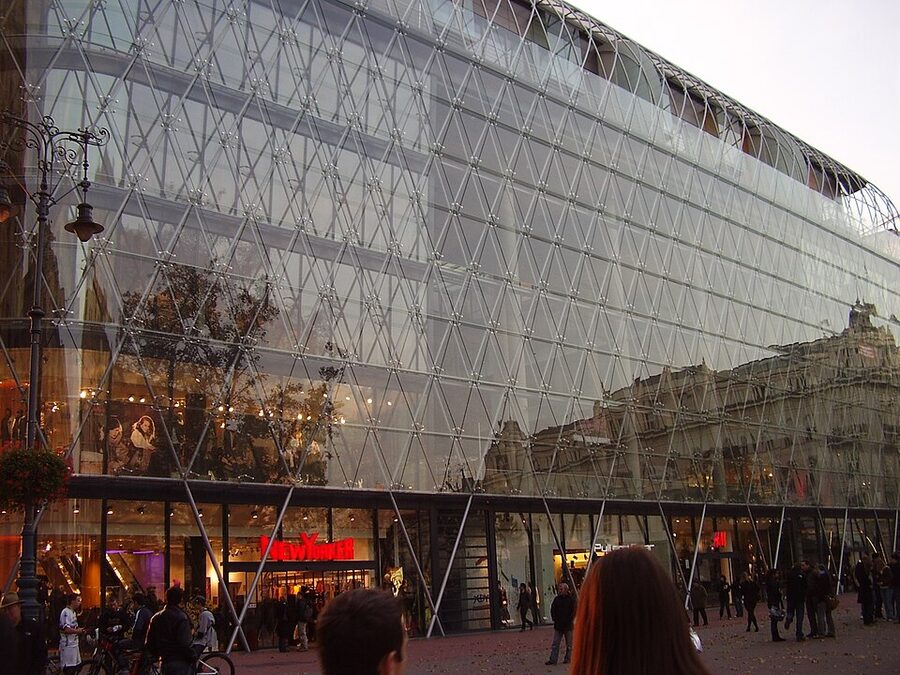
- The history — Palazzo Dorottya and how it ended up housing wax figures
- Practical tips that aren’t on the official site
- Combining the museum with bigger trips
- Is it worth it?
- Other Budapest guides worth a look
Why Tussauds bothered building one in Budapest
Most Tussauds branches double down on a country’s local celebrities and prop them up next to the global A-list. Budapest’s version goes harder on this than usual. The Hungarians at Madame Tussauds aren’t decorative — they get the same lighting, the same heartbeat sensors, the same name plaques as Lady Gaga and George Clooney.
You’ll find Sisi (Empress Elisabeth, the Habsburg-era Hungarian heroine), Franz Liszt seated at a piano with his actual playable music, the escape artist Harry Houdini who was born in Budapest before moving to America as a kid, and a handful of Hungarian Olympic and football figures alongside the international roster. The full count sits around 60 figures, with new ones added every six months or so.
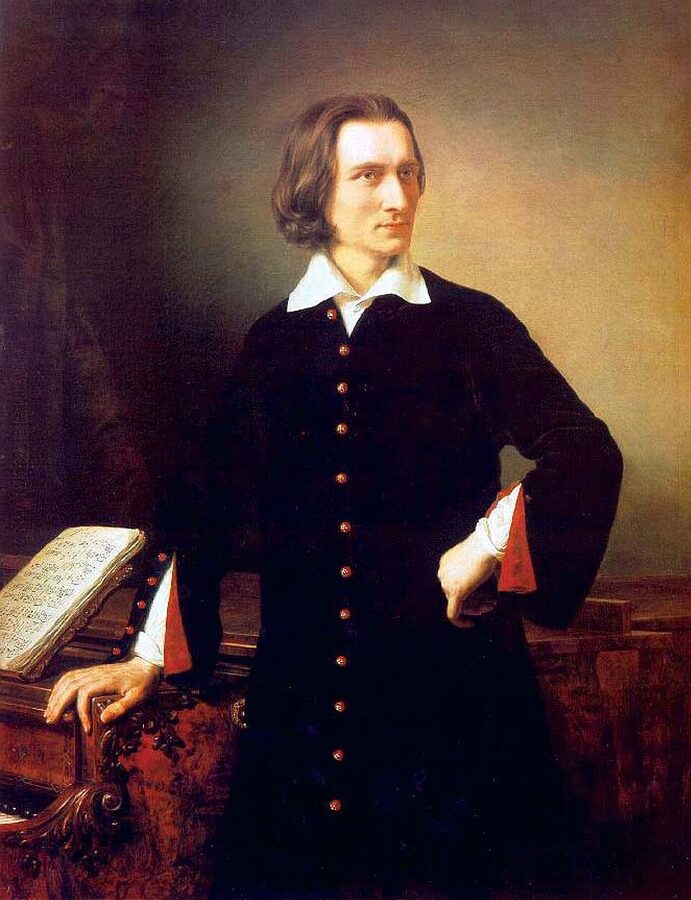

What also separates the Budapest museum from London or Amsterdam is space. The whole thing is around 2,000 square metres laid out across a single floor, with rooms themed by category: world leaders, music, sport, film, royalty, and a Hungarian heritage section that pulls in the strongest reactions from local visitors. Photos are allowed everywhere. Touching the figures is technically allowed too — they’re built to handle it — but staff will gently remind you not to climb on them.
Tickets, prices, and what’s actually included
The standard adult ticket runs about $34 (roughly 12,000 forint at the current rate, but you’ll be billed in euros or dollars depending on the platform). That gets you into the museum and the POP&ROLL ART TOILET — which sounds like a joke and is, in fact, a free-to-enter neon art space dressed up as a public bathroom right next door. You walk through it after the museum exit. Most people spend five minutes there for the photos, then leave.

Children under 3 enter free. Ages 3 to 12 pay roughly half. There’s a family pass that covers two adults and two kids and works out cheaper if you’re a group of four, but it’s only worth it if all your kids are under 12 — teenagers pay adult price.
The ticket is timed in 15-minute entry slots. Once you’re inside, you can stay as long as you want. The average visit lasts about 75-90 minutes, longer if you’re working through every photo op systematically. Last entry is 90 minutes before close, which usually means about 6:30pm in the slow months and 7:30pm in summer.
Where to buy
Three real options. The official madametussauds.hu site sells the same tickets as everywhere else but tends to be euro-priced and only offers full-rate adult tickets without bundles. GetYourGuide and Tiqets resell the same tickets with better cancellation terms and slightly different bundle deals. Or the door — but the door queue can be 30-45 minutes on busy weekends and the wax museum has been known to sell out by mid-afternoon during school holidays.
Skip the door. Even if you walk in cold, pull out your phone, buy the ticket on GetYourGuide while standing on the street, and you’ll likely jump the line by ten minutes — pre-bought ticket holders use a separate entrance.
.jpg)
The POP&ROLL combo, explained
POP&ROLL is technically a separate exhibit — neon art, mirrored ceilings, an actual functioning bathroom dressed up like a Tokyo nightclub. Whether you’d visit it on its own is debatable. As a free addition to a Madame Tussauds ticket, it’s a fun ten minutes. The combo ticket is the default offering on most resellers; you’d actually have to look for the wax-museum-only ticket to skip it.
Best Madame Tussauds tickets and tours to book
There aren’t many products on the market for this attraction — most resellers carry the same standard ticket, with one bundled city tour. Here’s the short list worth considering.
1. Madame Tussauds Ticket + POP&ROLL Access — $34

This is the default ticket and the one I’d start with. Our full review walks through the timed entry slots, the family-pass maths, and the cancellation window. The combo throws in POP&ROLL at no extra cost, which is the reason most people book this version over the bare entry ticket.
2. Grand City Tour + Madame Tussauds — $69
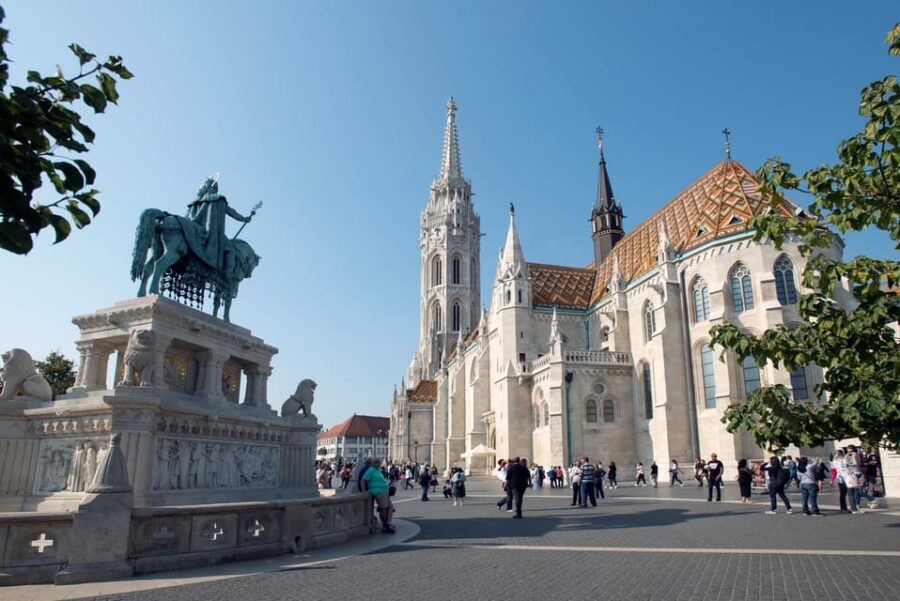
Pick this if you’d rather see Budapest first and the museum second. Our review notes the Madame Tussauds portion is self-guided — the coach tour ends at the museum entrance and you do the wax part on your own. The bus stretch covers the major Pest landmarks plus a short walk in Buda Castle.
That’s the full list of distinct products. There’s no skip-the-line upgrade because the standard timed-entry ticket already bypasses the walk-up queue. No behind-the-scenes tour either — the figures all live in the public exhibit space. If you see a third operator listing a “Madame Tussauds package” online, it’s almost always one of these two with extra branding.
What you’ll actually see inside
The visit runs in a loop. You enter through the lobby, get your ticket scanned, then move through themed rooms in a fixed order before being deposited into the gift shop and POP&ROLL. Single floor, no map needed, hard to get lost.
Room one: world leaders
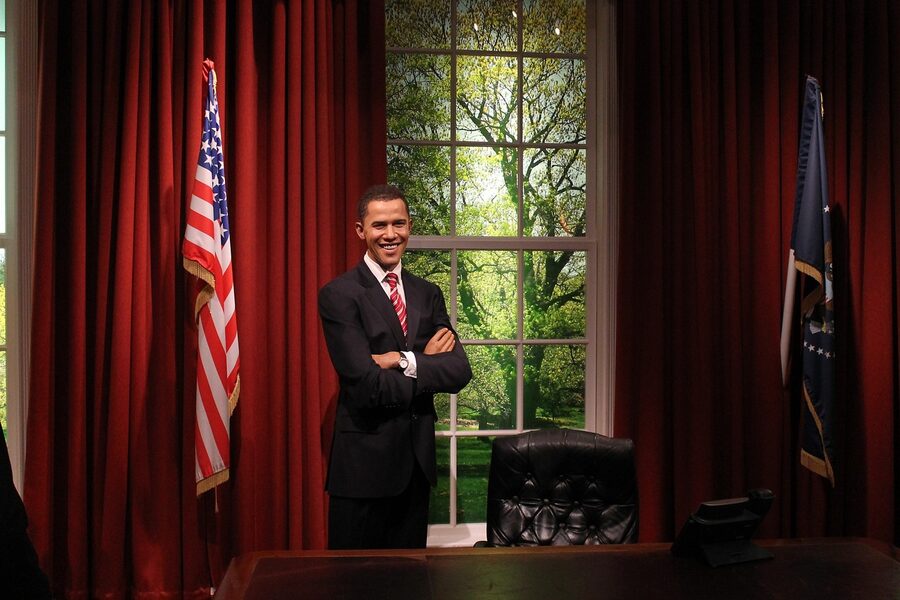
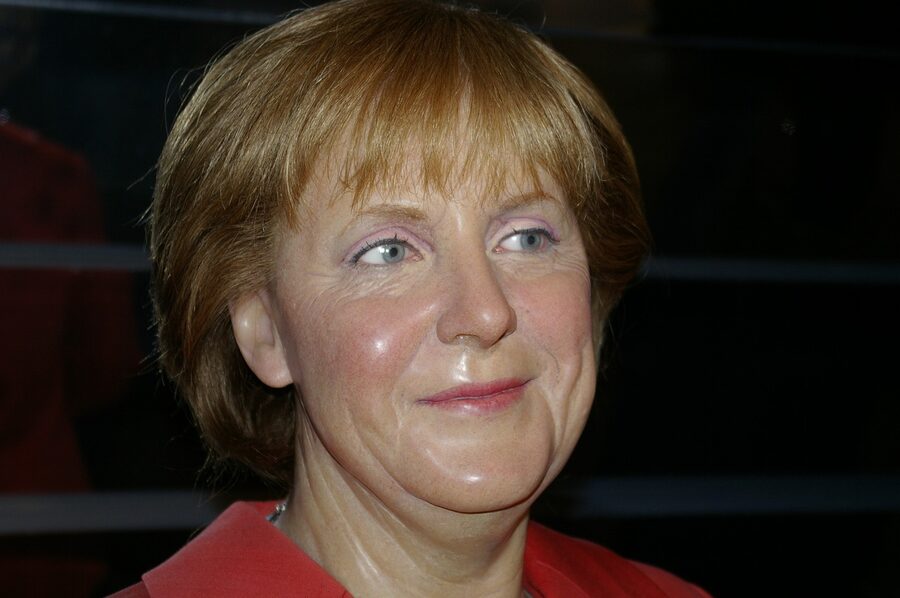
Obama, Merkel, Putin, Macron, the late Queen, and a rotating cast of Hungarian politicians. Putin’s the most controversial addition — critics asked the museum to remove him after February 2022 and they declined.

Room two: music
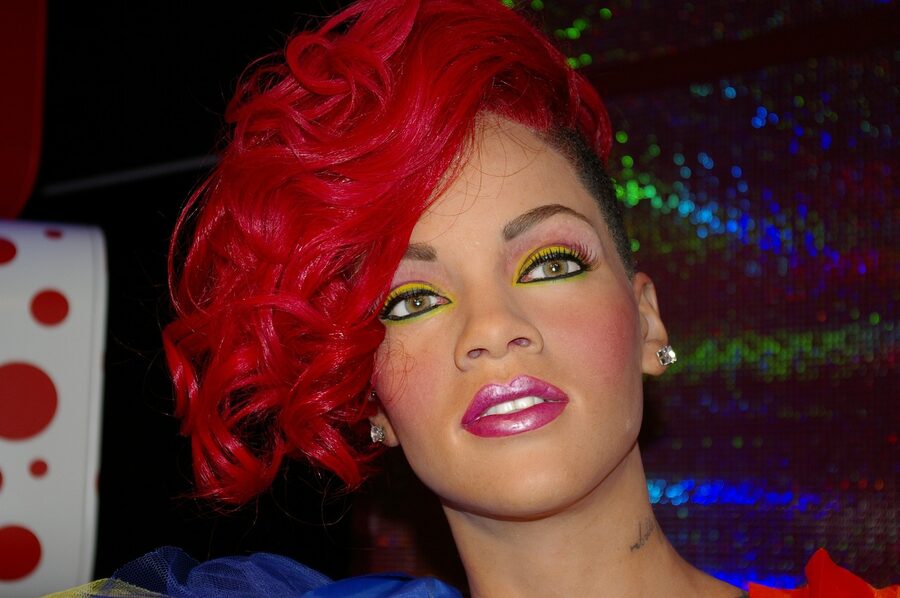
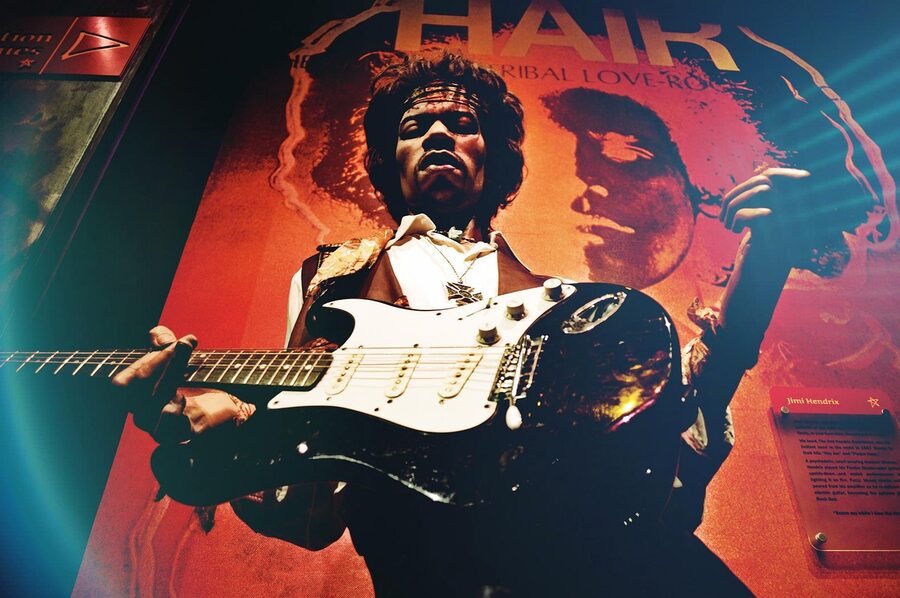
This is the room where every visitor stops walking and starts taking photos. Lady Gaga sits at a piano with what’s been advertised as “her real wig”. Liszt is set up so you can press a button and hear a few seconds of his Liebestraum or Hungarian Rhapsody. Bob Marley, Hendrix, Rihanna, and a Hungarian rock contingent fill the rest.
Room three: film and entertainment
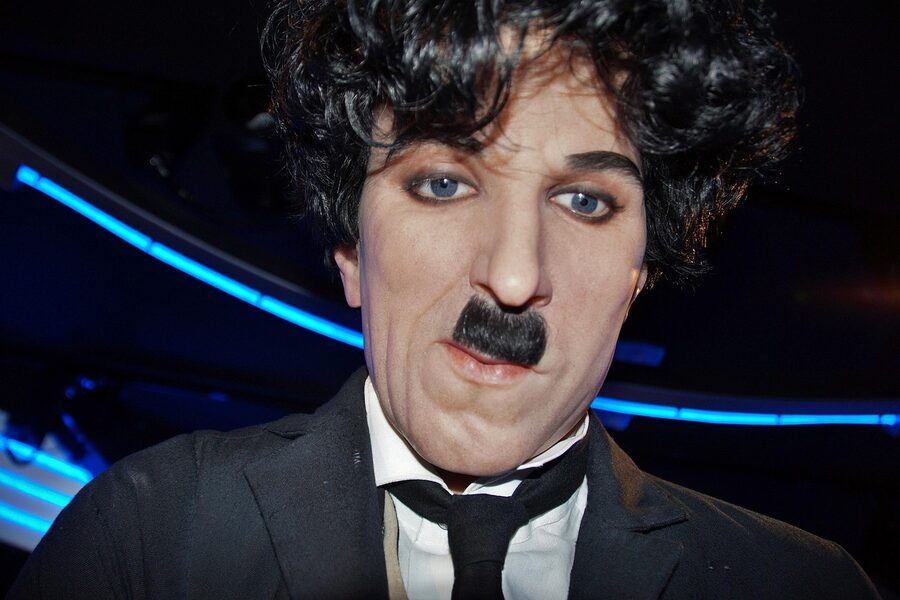
George Clooney with a heartbeat you can feel through his chest, Charlie Chaplin frozen mid-walk, Audrey Hepburn in the Tiffany’s outfit, plus a small section on Hungarian filmmakers including Béla Tarr. The Clooney heartbeat is exactly as weird as it sounds.
Room four: sport
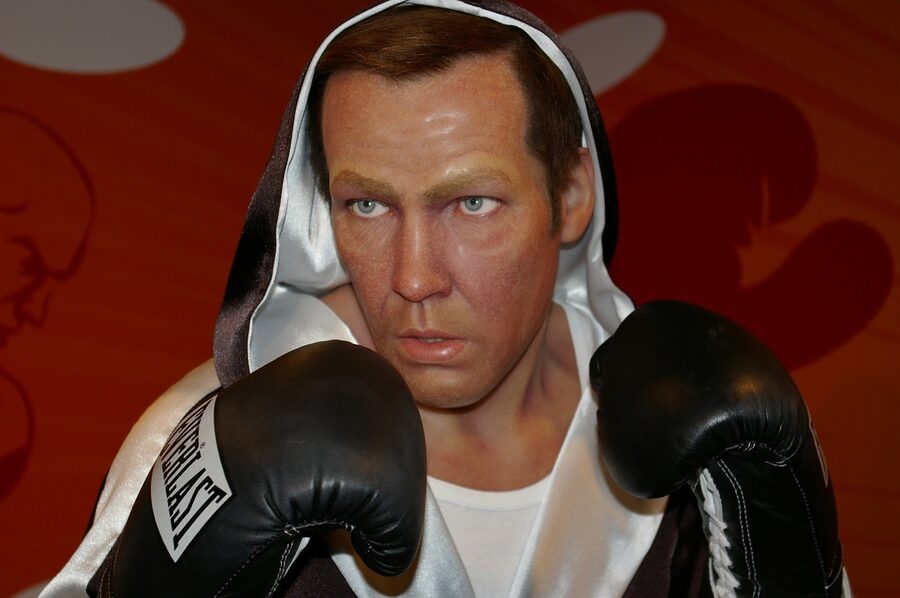
Hungarian Olympic gold medallists and football icons sit alongside Cristiano Ronaldo and Conor McGregor. The Olympic section actually surprised me — Hungary punches well above its weight in fencing, water polo, and swimming, and the museum makes a deliberate point of explaining why. There’s a wax figure of Krisztina Egerszegi with three of her actual gold medals on display in a case beside her.
Room five: royalty and history
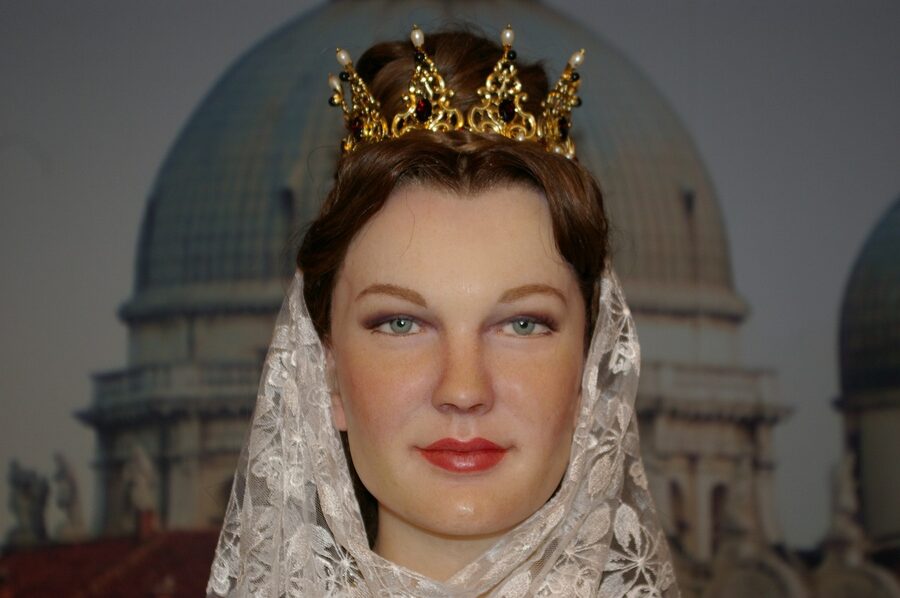
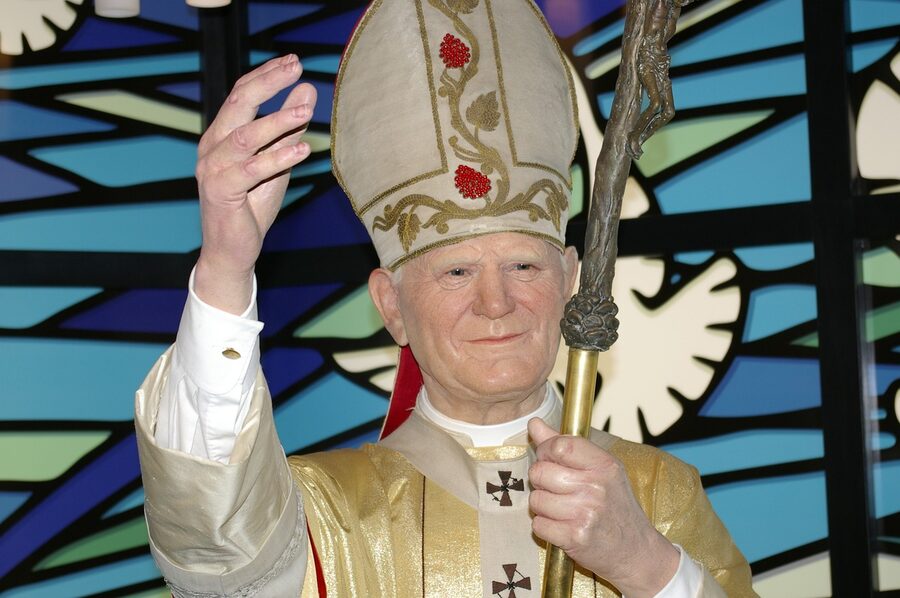
This is where the Hungarian content really shows up. Sisi (Empress Elisabeth) is the centrepiece — she’s seated in a replica of her Gödöllő Palace carriage, in a gown matching the famous Winterhalter portrait. King St. Stephen and a few other Árpád-era kings round out the local royal section. Then the international royals: Queen Elizabeth, William and Kate, the Princess Diana figure that gets visitors openly emotional.
Room six: science and innovation
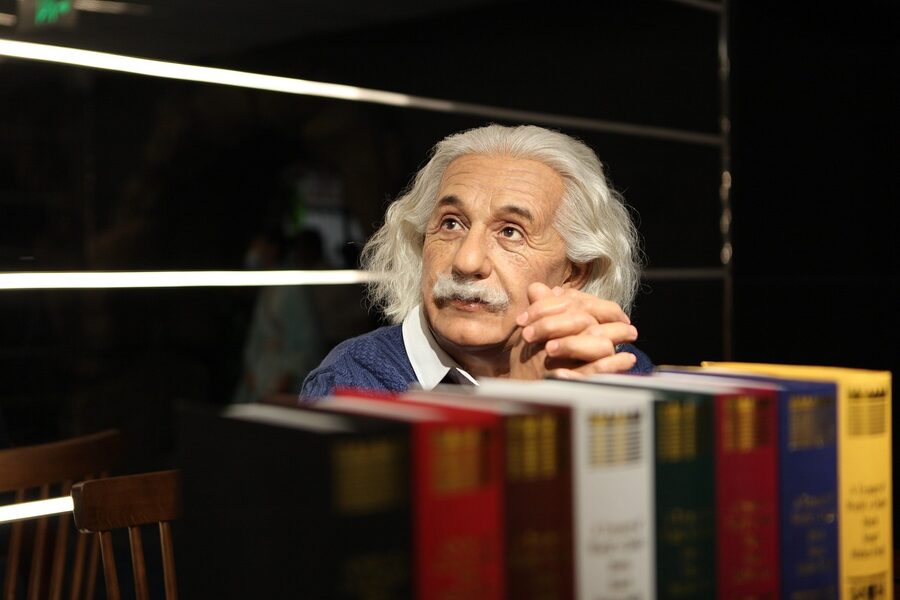
Einstein with a chalkboard you can write on, Stephen Hawking, Marie Curie, and a Hungarian inventors section featuring Albert Szent-Györgyi (vitamin C) and Ernő Rubik with a giant playable Rubik’s Cube. The Rubik’s Cube in particular gets queues — people sit on the floor and try to solve it.
Getting to the museum
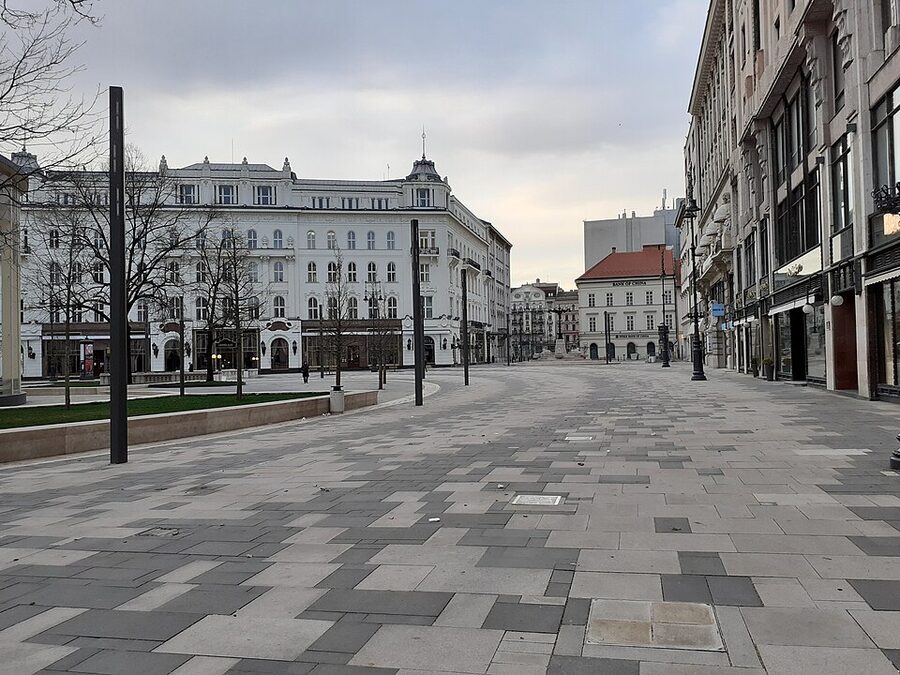
Vörösmarty Square is the easiest spot in central Budapest to get to. The M1 (yellow) metro line — the oldest underground in continental Europe — has a stop directly under the square. Yellow line trains come every 2-4 minutes from morning to evening, and the ride from any other central station takes 5-8 minutes.
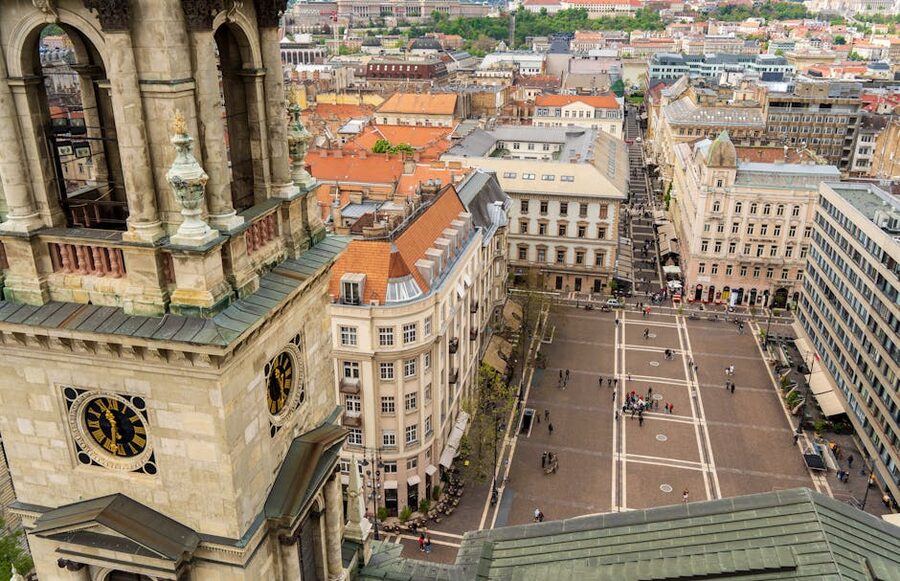
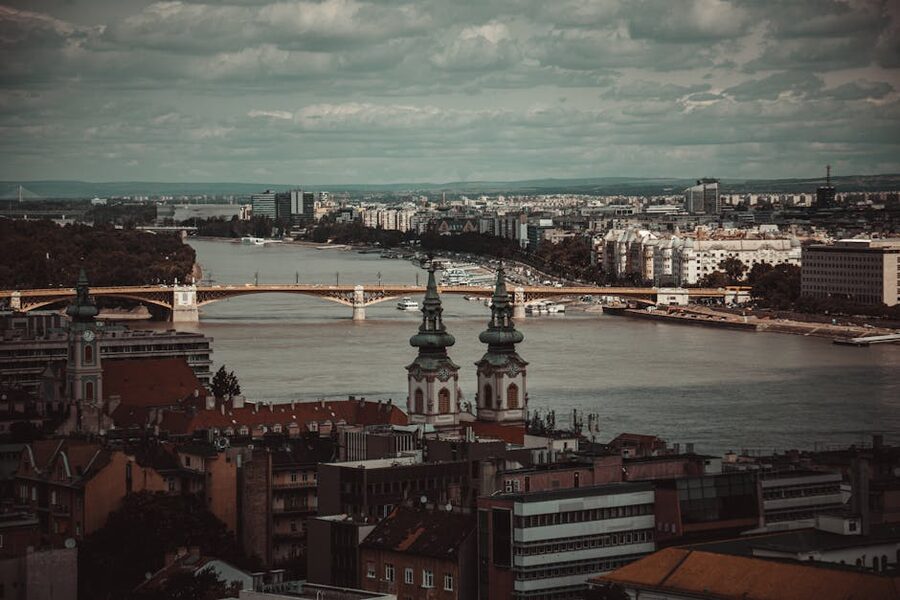
If you’re already on Pest, walking is faster than waiting for transit. From the chain bridge it’s a six-minute walk along the riverside; from St. Stephen’s Basilica it’s eight minutes south through the shopping district. From Buda you’ll either take the M2 metro to Deák Ferenc tér and walk five minutes, or grab the 16 bus that drops you next to the chain bridge.

Taxis from the airport are about 9,000 forint and take 30-40 minutes. Bolt is cheaper than the official taxis. The 100E airport bus drops you at Deák Ferenc tér, which is a four-minute walk away — that’s the cheapest option at 2,200 forint.
The address you want for any GPS app is “Dorottya utca 6, Budapest 1051”. The square itself is pedestrianised so you can’t drive directly to the door. Drop-offs happen on Apáczai Csere János utca, the side street one block back from the river.
When to visit
The museum is open daily, usually 10am to 8pm in summer and 10am to 7pm the rest of the year, with last entry 90 minutes before close. The quietest slots are Tuesday and Wednesday mornings before 11am, plus the first hour after opening on weekends. Friday and Saturday afternoons are the worst — you’ll share each room with 30-40 other people and the photo ops get awkward.
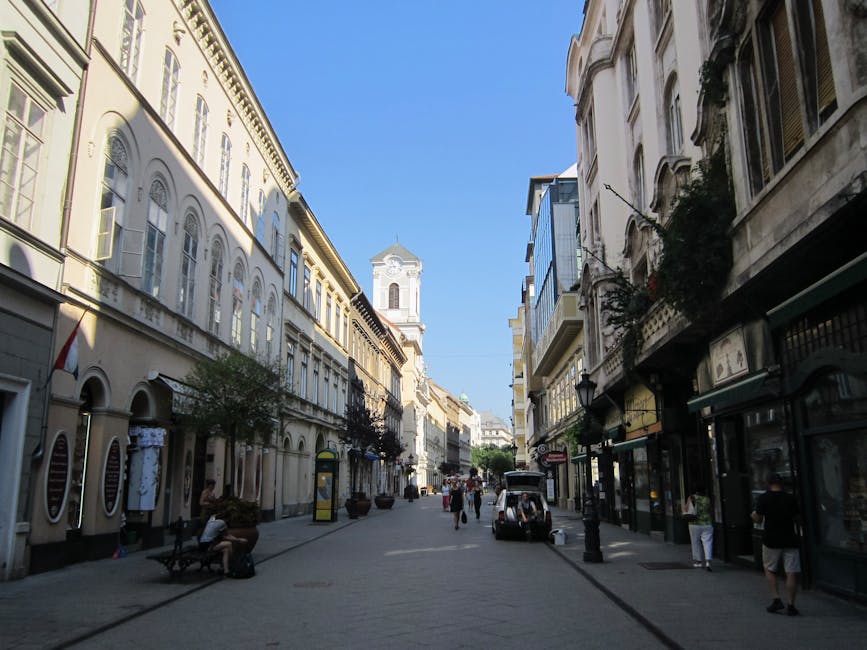
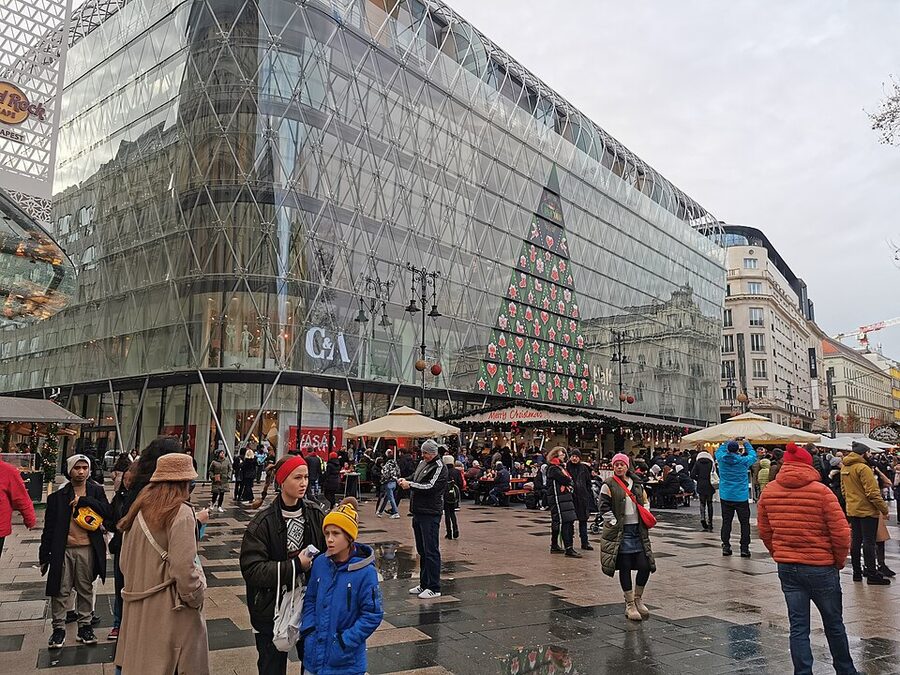
Weather doesn’t really matter for the visit itself — everything’s indoors. Where it does matter: walking to the square. The riverside path is exposed, and Budapest summers can hit 35°C while winters drop well below freezing. December specifically has the Christmas Market sprawling across Vörösmarty Square, which is great for the post-museum walk but adds 10-15 minutes to your transit time getting in.
.jpg)
What’s nearby — and how to plan a half-day around the museum
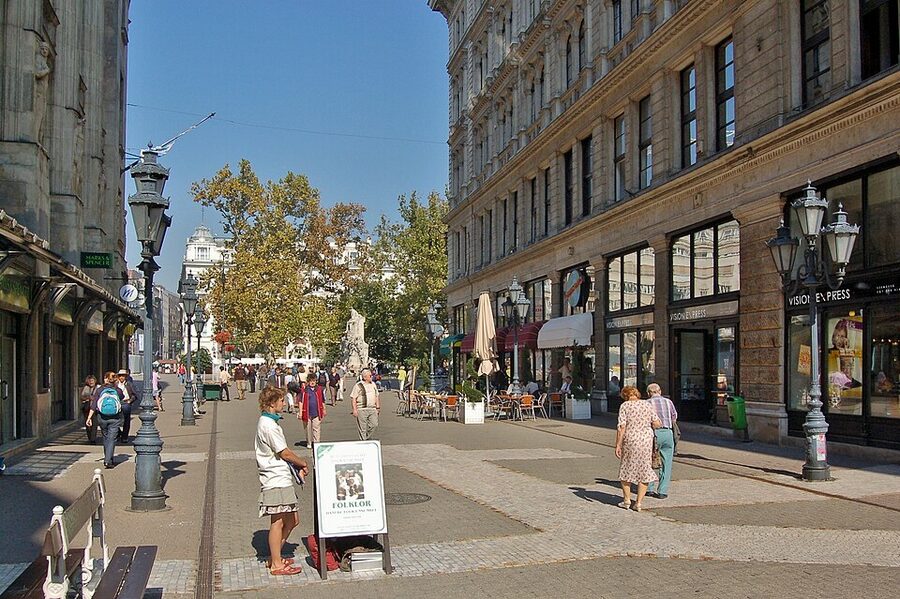
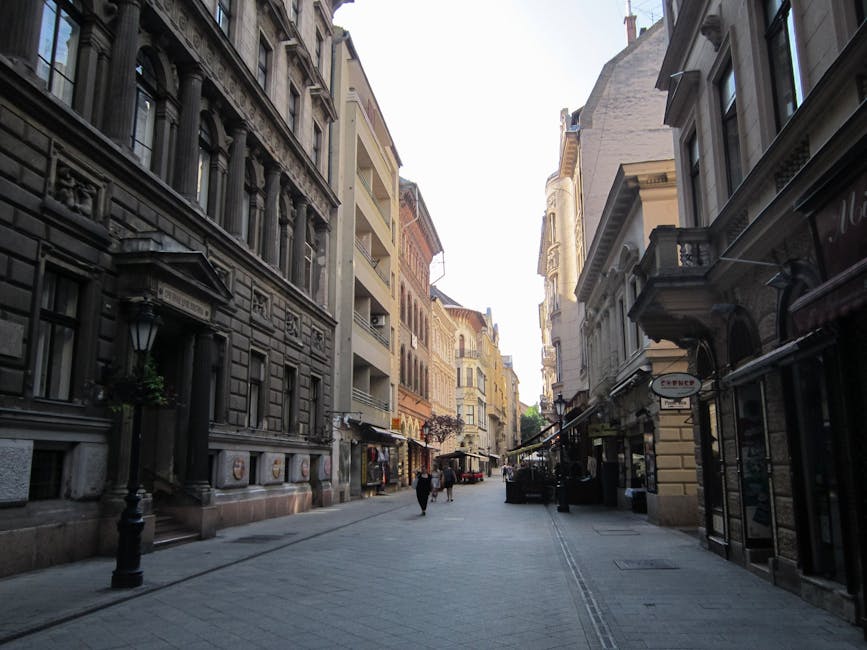
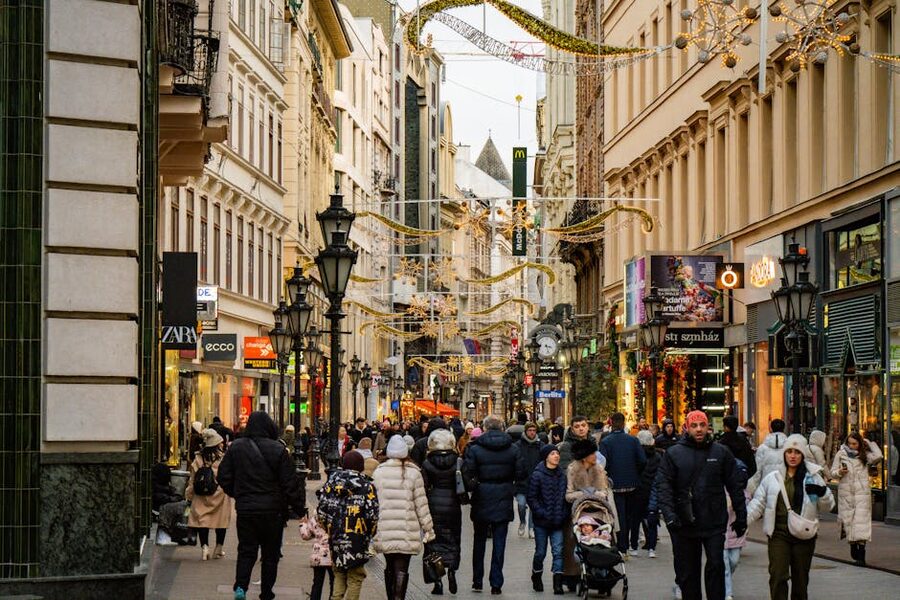
The whole point of the location is that you can pair Madame Tussauds with about ten other things in walking distance. A typical half-day plan: arrive at 11am, do the museum (90 minutes), eat lunch on Váci utca (an hour), then walk south to the chain bridge and across to Buda. That gets you to the funicular base by 3pm, which is exactly when the queue starts to thin out. Buda Castle is open until 6pm and a one-way funicular ticket is 2,000 forint.

If you want a longer day on the Pest side without crossing the river, walk north to St. Stephen’s Basilica after the museum (8-minute walk), then continue to the Parliament for the late-afternoon riverside light. Both are bookable in advance and you can do all three in a single day with time for lunch in between.
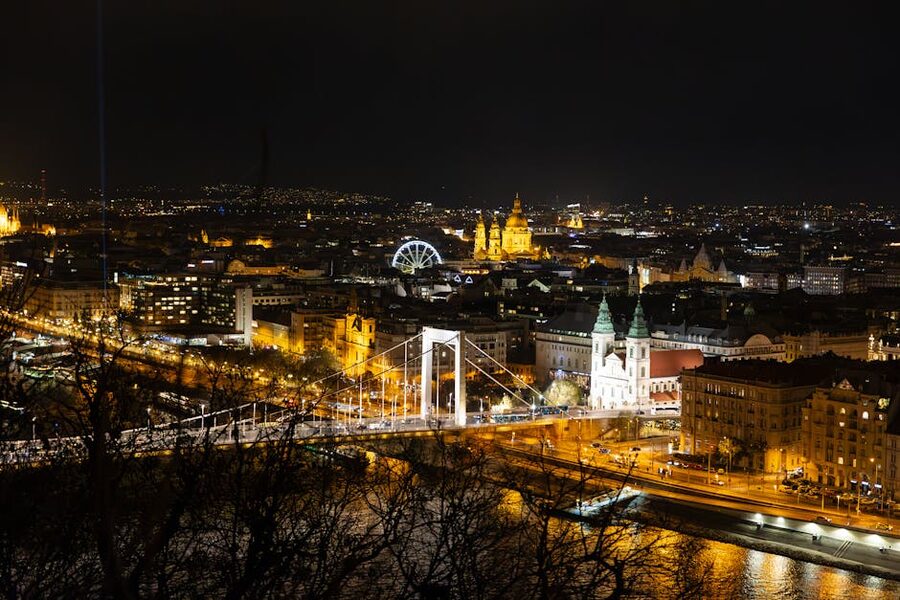
For evening plans, the museum closes early enough that you can comfortably do a 7pm Danube river cruise after, especially in summer. The departure piers are a 12-minute walk south. The night cruises light up the parliament and the chain bridge — the views are better from the river than from any rooftop bar.
If you’d rather stay in for the evening, Cinema Mystica is about 200 metres south of the square and runs hour-long sensory immersive screenings starting every 30 minutes till late. It’s a good landing pad after Tussauds because it’s similar energy — visual, photo-friendly, no real reading required.
Hungarian figures you should actually look out for
The international roster gets the marketing attention. The Hungarian figures are where the museum becomes more than a chain location. Five worth seeking out:
- Sisi (Empress Elisabeth) — the centrepiece of the royalty room. Hungary’s adopted heroine. Her wax version is the most photographed figure in the entire museum.
- Franz Liszt — at the piano in the music room. Tap the bench panel for a few seconds of his Liebestraum.
- Harry Houdini — born Erik Weisz on Rákóczi tér in 1874, before the family emigrated. The figure shows him mid-trick with a chained chest beside him.
- Ernő Rubik — engineer of the Rubik’s Cube, complete with a fully functional oversized cube next to the figure. Genuinely fun to try.
- Krisztina Egerszegi — five-time Olympic swimming gold medallist. Her medals (real, on loan) are in the case beside the figure.
.jpg)
The history — Palazzo Dorottya and how it ended up housing wax figures
The building Madame Tussauds occupies has had four lives. Mihály Pollack, the same architect behind the National Museum, planned it in the early 1820s as a residential palace for the merchant Wurm family — hence its old nickname, “Wurm-udvar” (Wurm courtyard). It was the largest private home in Pest at the time.
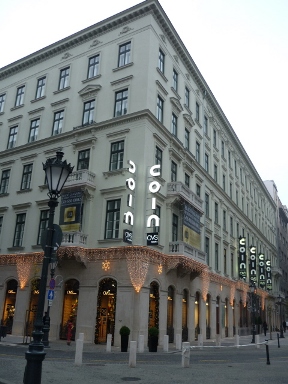

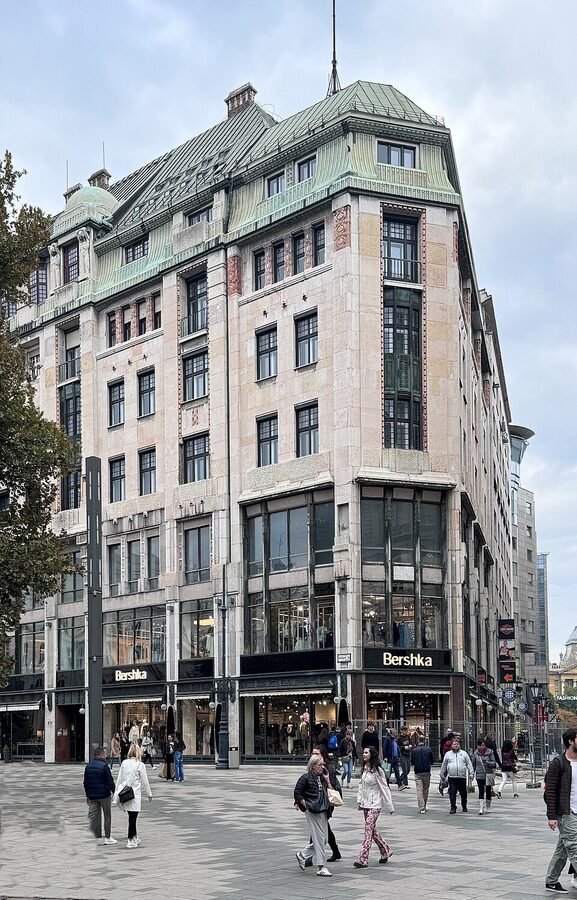
By the 1890s the Wurm family had downsized and Alajos Hauszmann — better known for designing Buda Castle — was hired to remodel the building into office space. He added the neo-Renaissance facade, the larger windows, and the balconies that you see today. For most of the 20th century the building housed a state-owned trading company.
After 1989 the building cycled through several owners and reached genuine disrepair by the early 2000s. In 2008-2009 the architect Gábor Zoboki — who’d also designed the Palace of Arts on the southern side of Pest — led a full restoration that converted the upper floors to luxury apartments and offices. The ground floor became commercial space. Madame Tussauds moved in during 2023.

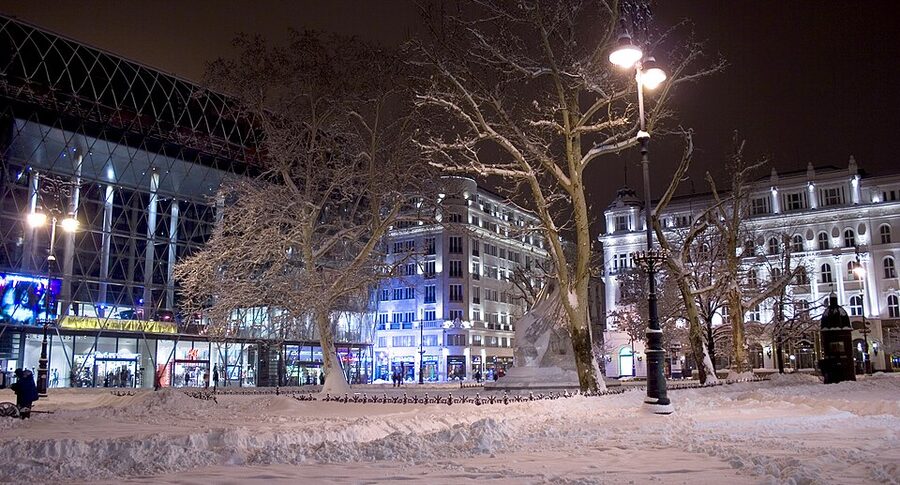
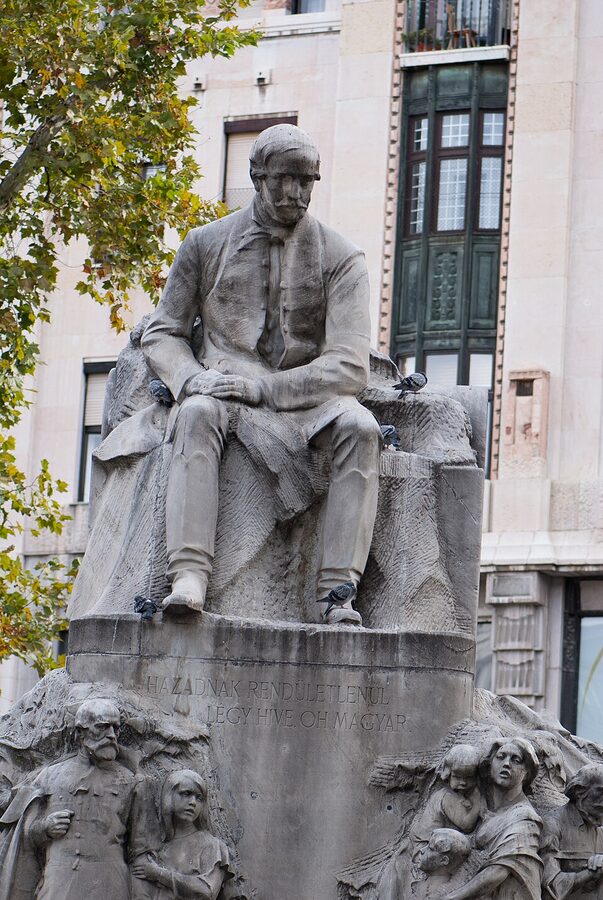
The square itself is named for the poet Mihály Vörösmarty, the most important figure of Hungary’s Romantic literary movement. He wrote the Szózat — sometimes called Hungary’s second national anthem — and his statue in the centre of the square has been a meeting point since 1908. There’s a tradition that you check the local time by reading the inscription on the statue’s base, which is engraved with Vörösmarty’s most famous line. Most locals don’t actually do that. But you’ll see tourists trying.
Practical tips that aren’t on the official site
A handful of things I wish I’d known before going in.
- The bag check is free but lockers are coin-operated. Bring a 100-forint coin or you’ll have to break a note at the gift shop.
- Photos with the figures need patience. The popular ones (Lady Gaga, Ronaldo, Sisi) get queues of 3-5 people in busy hours. There’s no time limit, but staff will gently move things along after about 90 seconds per figure.
- The audio guide costs extra and isn’t worth it for a wax museum. Each figure has a printed plaque in English, Hungarian, and German. That’s enough.
- The gift shop is at the end and you can’t skip back through the museum once you’ve exited. If you want a souvenir, buy it on the way out, not partway through.
- Don’t bring food. They will ask you to throw it away at the entrance. There’s no in-museum café, but Café Gerbeaud is 30 metres away.
- The wheelchair entrance is on Apáczai Csere János utca, not the main door. Ask staff to direct you — the side entrance has a lift to the gallery floor.
- Babies in strollers are fine. The corridors are wide enough. Toddlers might be unsettled by some of the figures — the Liszt one in particular has caused tears.
Combining the museum with bigger trips
Most visitors do Madame Tussauds in one of three combinations: museum + a thermal bath, museum + Buda Castle, or museum + city tour.
For the thermal bath option — what I’d recommend in winter — book the museum for late morning, then walk or take the M1 yellow line up to Széchenyi Baths for a long afternoon soak. They’re 4 metro stops apart and the energy levels are completely different — wax museum is photo-heavy and tiring, baths are slow and recovering.
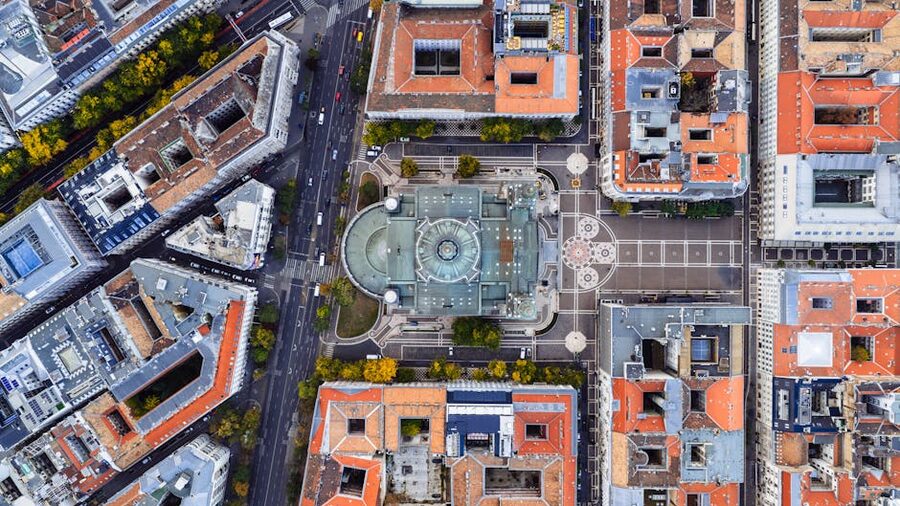
For Buda Castle, do the museum first because it’s the lighter activity. Walk to the chain bridge after, cross over, take the funicular up. A guided castle walking tour is the smart way to do it if you’ve never been.
For city tour combinations, the Grand City Tour bundle is the obvious choice. But you can also do a self-guided version — book Madame Tussauds for a 1pm slot, do a walking tour in the morning, eat lunch near the square, then go straight into the museum. Cheaper than the bundle and you get a guide who actually knows the city instead of just narrating from a coach.
Is it worth it?
Madame Tussauds is a chain. The Budapest version is one of the smaller ones — about half the size of London’s flagship — and it doesn’t have the mega-attractions like Spirit of London or the Marvel ride. What it does have is a tight collection with a Hungarian heritage section that punches above its weight, a restored historic building, and the best central location of any Tussauds in Europe.
If you’ve done Tussauds before in a major city, the Budapest one feels familiar but not redundant — you’ll see the Sisi, Liszt, Houdini, Rubik figures you can’t see anywhere else. If you’ve never done a wax museum, it’s a perfectly good first visit. The interactive elements (Clooney’s heartbeat, the Liebestraum trigger, the Rubik’s Cube) make it more engaging than older static-figure museums.
It’s not a must-see in the same league as the parliament or the thermal baths. But for a couple of hours on a hot summer afternoon or a cold winter evening, when you want something photo-worthy that doesn’t require deep cultural knowledge, it works. The combo ticket with POP&ROLL is a fair $34. Buy ahead, pick a quiet weekday slot, and you’ll be in and out without queueing.
Other Budapest guides worth a look
If Madame Tussauds is your first stop, you’ll probably want a bigger sense of what else is around. Most people pair the museum with at least one thermal bath — the Gellért Spa on the Buda side is the pretty option, while the Széchenyi Baths are the bigger, busier classic. For the foundational sights, the Parliament tour and the Buda Castle ticket guide are where I’d start. The St. Stephen’s Basilica guide covers the dome viewpoint that beats anything you’ll see from a wax-museum window.
Evening planners should look at our pieces on the ruin bar pub crawl and the vampires and myths night tour — both run after 8pm and pair well with an afternoon Tussauds visit. For something more leisurely, the Danube cruise piers are a 12-minute walk from the museum and the night cruises depart roughly hourly. And if you’re staying long enough to get out of the city centre, the Buda Castle cave tour shows you a side of Budapest most visitors never see.
Lower-key alternative? The Mandala Day Spa is a quieter option than the big thermal complexes and works well after a museum-heavy morning. Want more pace? The floating bus tour and the hop-on hop-off bus both stop near Vörösmarty Square — easy bookends for a Tussauds visit.
For a wider Budapest plan, the opera house tour covers the third major Pest landmark within walking distance. And for an unexpected detour with kids, the cat museum sits just over the river and is the kind of place that turns into the highlight of the trip.
Affiliate disclosure: this guide includes affiliate links to GetYourGuide. If you book through them we earn a small commission at no extra cost to you. We only recommend products we’d book ourselves.