Kamakura’s Enoden train rattles along the Shonan coast, then the day turns from shrine paths and sea air to Yokohama’s illuminated harbor. That contrast is the appeal: you get a taste of historic Kamakura, a famous manga setting, Enoshima Island, and a city night view without arranging several train connections yourself.
I like two things in particular: the included Enoden ride gives the route a distinctly local feel, and the late 11 a.m. start means you do not have to sacrifice your morning to a dawn departure. The day also ends at Yokohama’s Red Brick Warehouse, with time to choose an optional ride on the Air Cabin or Cosmo Clock Ferris wheel.
The trade-off is a long day with a schedule that depends on traffic and weather. Stops are largely self-guided, and the tour requires strict punctuality. If you want a slow, in-depth visit to Kamakura, this sampler may feel too compressed.
At a glance
- Two Enoden train segments: Ride between Kamakura, Kamakura Koko-mae, and Enoshima, with the train fare included.
- A Slam Dunk photo stop: Spend about 20 minutes at the well-known Kamakura Koko-mae crossing. Stay off the tracks and clear of traffic.
- A substantial Enoshima visit: Allow about 100 minutes on the island after walking over Benzaiten Bridge.
- A late finish in Yokohama: Set aside about two and a half hours for the night-view area and Red Brick Warehouse.
- Optional paid rides: The Yokohama Air Cabin and Cosmo Clock 21 Ferris wheel are not included in the tour price.
- A guide makes the logistics easier: English and Chinese service is offered, but you still need to watch the meeting times carefully.
- A day that changes character from stop to stop
- Tsurugaoka Hachimangu Shrine: a strong start
- The Enoden ride and the Kamakura Koko-mae crossing
- Enoshima: sea air, a bridge, and free time
- Yokohama after dark: spend your time wisely
- Guides, group pace, and the value of the trip
- Who should book this Kamakura and Yokohama day trip?
- FAQ
- Where does the tour depart from?
- What time does the tour return to Tokyo?
- Is the Enoden train fare included?
- Are the Yokohama Air Cabin and Ferris wheel included?
- Are meals included?
- How much time is provided at Tsurugaoka Hachimangu Shrine?
- How long is the stop at the Slam Dunk crossing?
- How much time is set aside for Enoshima?
- Is the tour guided in English?
- Can children join the tour?
- The Best Of Fujisawa!
- More Evening Experiences in Fujisawa
- More Tours in Fujisawa
- More Tour Reviews in Fujisawa
A day that changes character from stop to stop
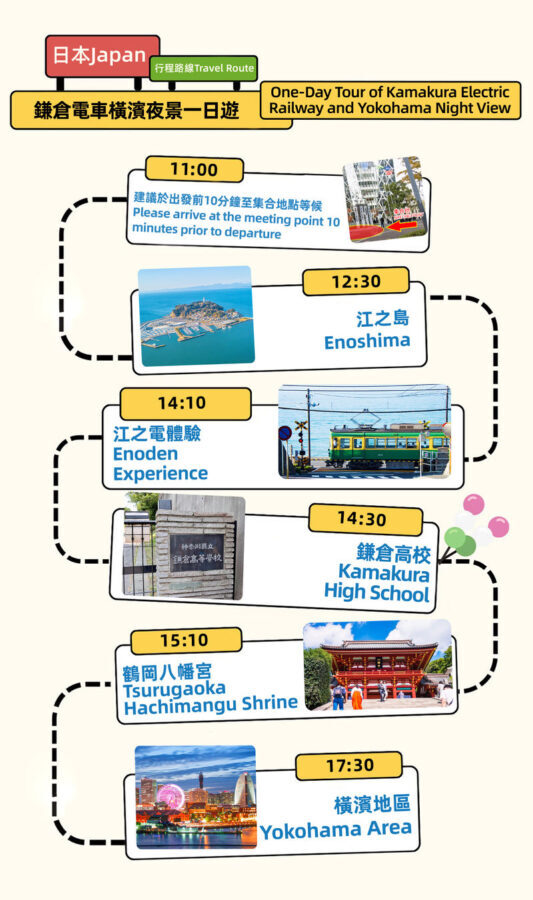
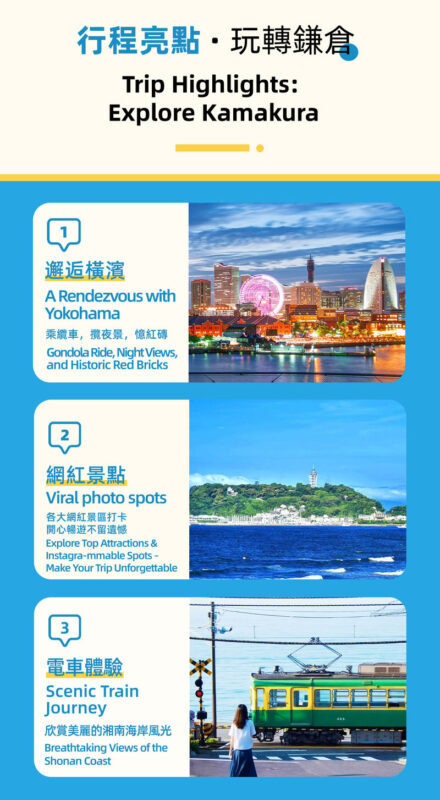
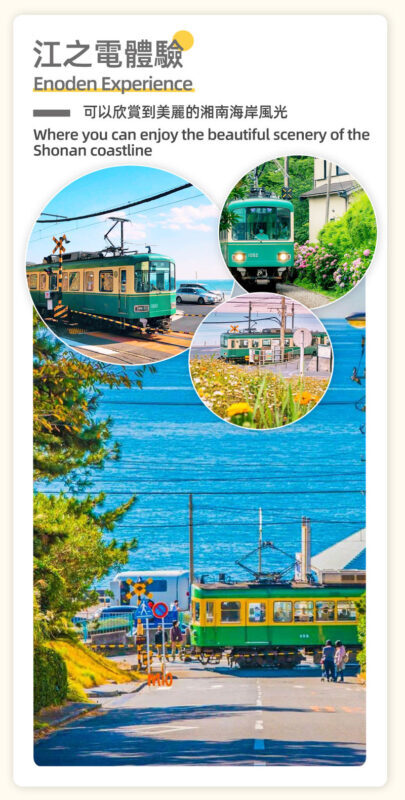
This tour covers three places with different moods. Kamakura brings shrine grounds and the old shogunate-era setting; Enoshima adds a seaside island and a short rail journey; Yokohama gives the day a modern, after-dark finish. You are not just visiting a string of similar sights.
The plan is also useful if you are based in Tokyo and would rather not piece together the local transport yourself. A shared vehicle connects the main areas, while the Enoden ride supplies a more memorable slice of the journey than simply staying in the coach all day. The tour is advertised from $41.15, with round-trip transfers, an English- or Chinese-speaking guide, and the Enoden fare included. Meals, drinks, and the Yokohama rides cost extra.
The price makes most sense if you value convenience and want to see several highlights in one outing. It is less compelling if your main goal is to spend a full day exploring Kamakura at your own pace. You will get a broad introduction, not hours at every temple, shop, and shoreline.
👉 See our pick of the What Are The Best Tours In Fujisawa? Our Top 10 Picks
Tsurugaoka Hachimangu Shrine: a strong start
The first major stop is Tsurugaoka Hachimangu, Kamakura’s best-known shrine and an important spiritual symbol of the city. The schedule allows about 80 minutes for self-guided time. That gives you room to see the shrine grounds and older buildings without needing to keep pace with a guide’s running commentary at every step.
It is a fitting first stop because it gives the day a cultural anchor before the coast and pop-culture sights take over. The grounds are also known for their flowers, though what is in bloom depends on the season. You can enjoy the setting, take photos, and decide how much time to spend at each part of the complex.
Komachi-dori Street is included among the tour’s listed attractions, but the timed itinerary does not give it a separate stop or duration. Treat it as a possible part of the Kamakura portion rather than a guaranteed block of shopping time. With a group schedule to keep, check the guide’s directions before wandering off.
You can also read our reviews of more evening experiences in Fujisawa

The Enoden ride and the Kamakura Koko-mae crossing
The train is one of the most distinctive parts of the tour. You ride the Enoden from Kamakura Station to Kamakura Koko-mae, then continue from Kamakura Koko-mae to Enoshima Station. The train fare is included, and the schedule lists both portions as self-guided, so listen closely for where and when to meet the group.
The Enoden is a classic local railway running beside the Shonan coast. The tour also includes a drive-by along the coast, but that is only a view from the vehicle, not a separate beach walk. The short train segments are therefore your main chance to experience this part of the route on rail.
At Kamakura Koko-mae, you get about 20 minutes at the crossing associated with Slam Dunk. The appeal is clear if you know the manga or want the familiar seaside-railway photo. If you do not, it is still a quick look at a memorable coastal setting, but not a long sightseeing stop.
This crossing is on a public road, so the safety instructions matter. Do not step onto the railway tracks or into the crossing, and do not block traffic while taking pictures. The stop is brief, and a little attention to the meeting time prevents a photo break from becoming a missed connection.
Enoshima: sea air, a bridge, and free time
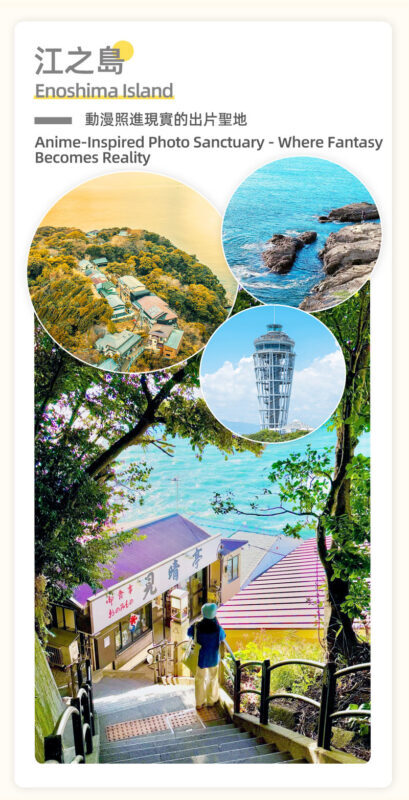
From Enoshima Station, you walk about 20 minutes across Benzaiten Bridge to reach the island. The pedestrian bridge is roughly 389 meters long and crosses the water between the mainland and Enoshima. It is a simple part of the route, but the open view over Sagami Bay and the sea breeze make it a pleasant change from the coach and train.
The tour then allows about 100 minutes for free activity on Enoshima. The island is associated with a traditional legend involving a beautiful fairy and a five-headed dragon, and Enoshima Shrine offers a chance to see a religious site in a coastal setting. You can choose how to use your time, but the schedule does not specify a guided route around the island.
That flexibility is welcome, though you will need to keep an eye on the clock. The island visit may include uneven or wet walking conditions, and bad weather can affect what is open. Heavy rain has left some shops closed and paths wet on previous outings, so wear shoes you do not mind getting damp and bring a compact rain layer when the forecast calls for it.
The tour promises no shopping stops and no hawkers on board. That does not mean you cannot browse or buy food during free time. Meals and drinks are not included, so plan to use your own time and budget for anything you want to eat.
Yokohama after dark: spend your time wisely
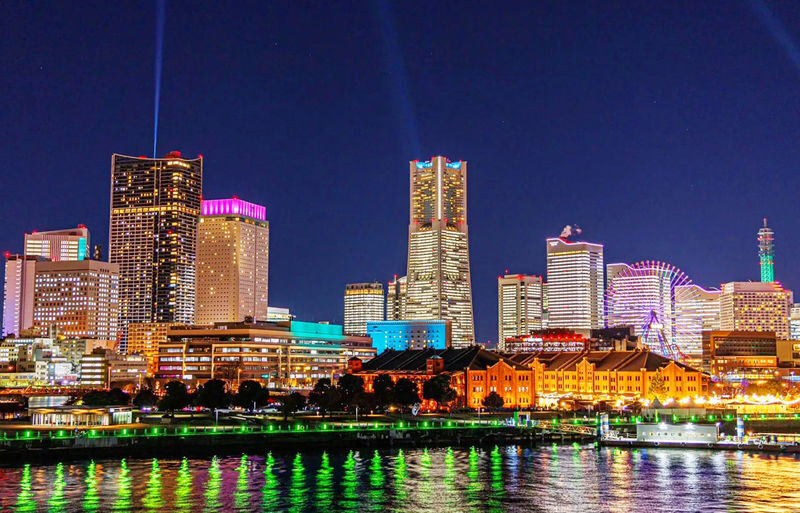
Yokohama is the final major stop, with about two and a half hours set aside for the night-view area. The listed sights include the Red Brick Warehouse, the Yokohama Air Cabin near Sakuragicho, and Cosmo Clock 21, the large Ferris wheel at Cosmo World. This is a useful change of pace after the older streets and coastal scenery of the day.
The Air Cabin and Ferris wheel are optional, paid attractions. The stated reference prices are ¥1,000 per person for the Air Cabin, with a listed child fare of ¥500 for ages three through elementary school, and ¥1,000 per person for the Ferris wheel. These rides are not included in the tour price, and their operation can change in severe weather or other unusual conditions.
You can also spend your time around the Red Brick Warehouse, a popular Yokohama landmark. The tour’s evening window gives you room to choose among the listed attractions, but it does not guarantee that you can do every ride and explore at length. Pick your priority early, especially if you want to fit in an optional attraction before the group’s return time.
Dinner is on your own. That can be a plus if you like choosing your own meal, but it means you should not assume that a meal break is arranged or included. Confirm the meeting point and time with the guide before heading off.
Guides, group pace, and the value of the trip
Guide service is a major part of the experience. Guides named in feedback include Jack, Evan, Andrew, Liu, and Mr. Ko. English and Chinese are offered, and some guides have also helped groups across several languages. Strong guiding here means more than explaining history: clear instructions about meeting points and times are especially useful when the day involves train changes and several short stops.
The overall rating is 4.7 out of 5 from 448 reviews. Positive feedback most often focuses on guides who explain the plan clearly, give helpful local recommendations, take photos, and keep the day moving without making it feel rushed. That is a meaningful advantage on a trip with many moving parts, though the experience can vary with the guide and conditions on the day.
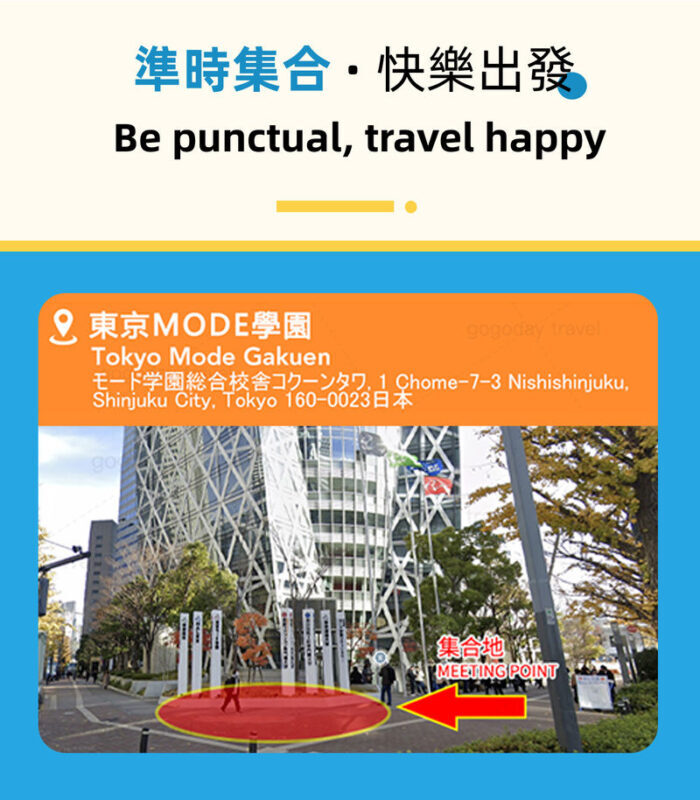
There is also a practical caution. One account describes a group being left after a short delay at a stop, while another describes communication trouble before the day began. Those reports do not prove that problems are common, but they make the rules worth taking seriously: be at the meeting point ten minutes early, save the guide’s contact details, and return to the agreed spot on time. The bus is scheduled to depart without latecomers.
The tour requires at least four people to operate, and vehicle type depends on the group size. The departure point is at Tokyo Mode Gakuen, with the return to Shinjuku scheduled for about 9:25 p.m. Traffic or weather may delay that arrival, so avoid booking another activity that depends on getting back at a precise time.
The guide and vehicle details are sent by email the evening before, usually between about 7 and 9 p.m. Check your inbox and spam folder, and use the latest message if more than one arrives. If you are bringing luggage, state that when booking: one piece per person is allowed if declared in advance, but unannounced luggage may be refused if it makes the vehicle too crowded.
You can also read our reviews of more tours and experiences in Fujisawa
Who should book this Kamakura and Yokohama day trip?
Book it if you want a convenient sampler of Kamakura, Enoshima, and Yokohama, and you like the idea of combining a guided coach trip with a short local train ride. It is particularly well suited to a first visit, a tight Tokyo schedule, or anyone who would rather have transport and timings organized than plan every connection independently.
Think twice if you want long, unhurried time at each sight, dislike group schedules, or hope to include several paid attractions in Yokohama without extra spending. The day is full, the stops are mostly self-guided, and the advertised fare does not cover meals or the Air Cabin and Ferris wheel.
For the best chance of a smooth outing, arrive early, wear comfortable shoes, check the evening-before email, and keep some flexibility for traffic and weather. If those conditions suit you, this is a practical way to see a broad sweep of Kanagawa in one day.
Kamakura & Yokohama | Includes Train Experience: Enoshima & Kamakura High School & Tsurugaoka Hachimangu Shrine & Yokohama Night View Day Trip (From Tokyo)
“Tour guide Evan is young, proactive, polite, enthusiastic, energetic, professional, and very helpful to the tour members 👍”
FAQ
Where does the tour depart from?
The meeting and return point is Tokyo Mode Gakuen in Shinjuku. Arrive at least ten minutes before the scheduled 11 a.m. departure.
What time does the tour return to Tokyo?
The scheduled return is about 9:25 p.m. Traffic and weather can affect the arrival time, so avoid arranging another activity that day.
Is the Enoden train fare included?
Yes. The Enoden experience is included for the scheduled train segments between Kamakura Station, Kamakura Koko-mae, and Enoshima Station.
Are the Yokohama Air Cabin and Ferris wheel included?
No. Both are optional and require separate payment. The stated reference fare is ¥1,000 per person for each ride, with a listed ¥500 child fare for the Air Cabin.
Are meals included?
No. Meals and beverages are not included, so bring money and plan to choose your own food during free time.
How much time is provided at Tsurugaoka Hachimangu Shrine?
The schedule allows approximately 80 minutes for self-guided time at the shrine.
How long is the stop at the Slam Dunk crossing?
The scheduled stop at Kamakura Koko-mae is about 20 minutes. Follow the safety instructions and do not enter the tracks or crossing.
How much time is set aside for Enoshima?
The schedule allows about 100 minutes for free activity on Enoshima, after the walk across Benzaiten Bridge.
Is the tour guided in English?
An English guided option is available. English- and Chinese-speaking guide service is included, with the selected package determining the tour language.
Can children join the tour?
Children aged 0 to 17 must be accompanied by a paying adult. Children aged 3 and older pay the adult rate; children aged 0 to 2 can join free if they do not need a separate seat. Child seats are not available.