Mount Fuji one day, Kamakura the next: this tour pairs Fuji’s best-known photo stops with a coastal railway ride and shrine visit. I like the mix of mountain scenery and seaside culture, and the fact that the Enoden ticket and round-trip transport are included, so you don’t have to piece together a long route by train and bus.
The main trade-off is pace. Each day is a separate, tightly scheduled outing, with limited time at the stops and no overnight stay included. Weather, traffic and crowds can also alter the plan, so this suits you best if you value broad coverage over a slow, flexible visit.
- Fuji viewpoints in one sweep: Visit Arakurayama Sengen Park, Oshino Hakkai, a Lawson photo stop and Oishi Park.
- A clear-water village stop: Oshino Hakkai gives you time to stroll among its spring-fed ponds and sample the water.
- The Enoden is included: Take the coastal railway during the Kamakura day, with the ticket covered.
- Two distinct days, no hotel: You return to Tokyo on Day 1 and meet again the next morning. Arrange your own accommodation.
- Guides and vehicle size can vary: The tour runs with a small driver-guide group or a larger bus and separate guide.
- Keep your evening open: The drive back can run late because of road and weather conditions.
- Two days, two very different sides of the Tokyo region
- Day 1: Fuji views, spring water and Lake Kawaguchi
- Day 2: Kamakura’s Buddha, railway and coast
- Guides, group size and the rhythm of the day
- What the price covers, and what it does not
- Who will get the most from this tour
- Should you book it?
- FAQ
- Is accommodation included between the two days?
- What is included in the tour price?
- Is admission to the Kamakura Great Buddha included?
- What time does the tour leave Tokyo?
- How early should I arrive at the meeting point?
- Which languages are available for the guide?
- Can I bring luggage?
- Does the tour always use the same vehicle?
- Can I rely on the listed return time?
- The Best Of Fujikawaguchiko machi!
- More Tours in Fujikawaguchiko machi
- More Tour Reviews in Fujikawaguchiko machi
Two days, two very different sides of the Tokyo region
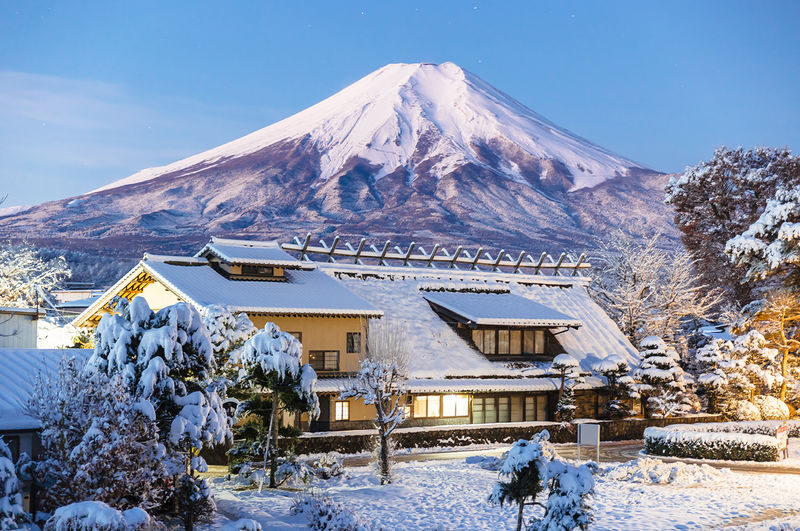
This tour links two popular day trips from Tokyo, but it is not a continuous overnight package. Day 1 heads west toward Mount Fuji and Lake Kawaguchi, then returns to Tokyo in the evening. Day 2 starts again from Tokyo and travels south to Kamakura and the Shonan coast.
That split is useful if you want transport and a guide arranged for both outings, but you’ll need to book your own room between them. You can join the Kamakura day on its own, according to the available experience details, but check the option you select before booking if you want both days.
The listed starting price is from US$90.19 for departure from the meeting point. For that price, the practical value is in the transport, fuel, tolls, parking and included Enoden ticket, as well as a guide who can help keep a full day moving. The Kamakura Great Buddha’s 300-yen admission is extra, and food, accommodation and other unlisted admissions are not included.

👉 See our pick of the 9 Most Highly Rated Workshops & Classes In Fujikawaguchiko machi
Day 1: Fuji views, spring water and Lake Kawaguchi
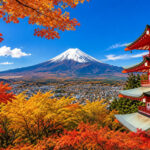
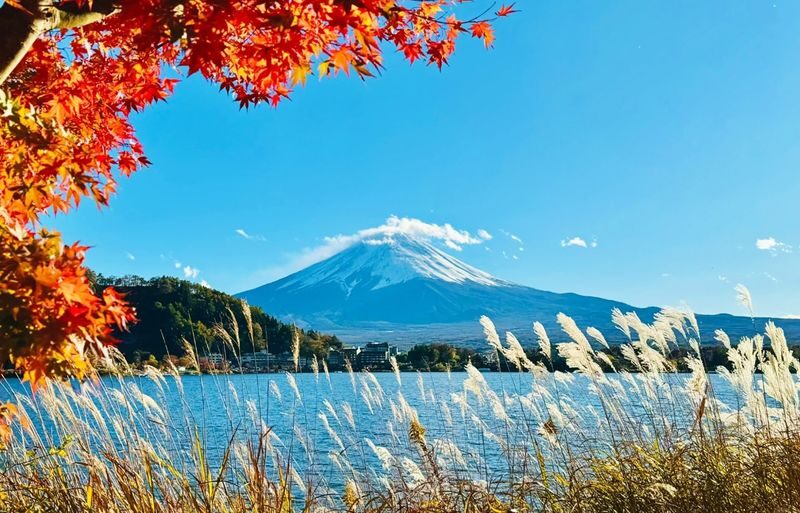
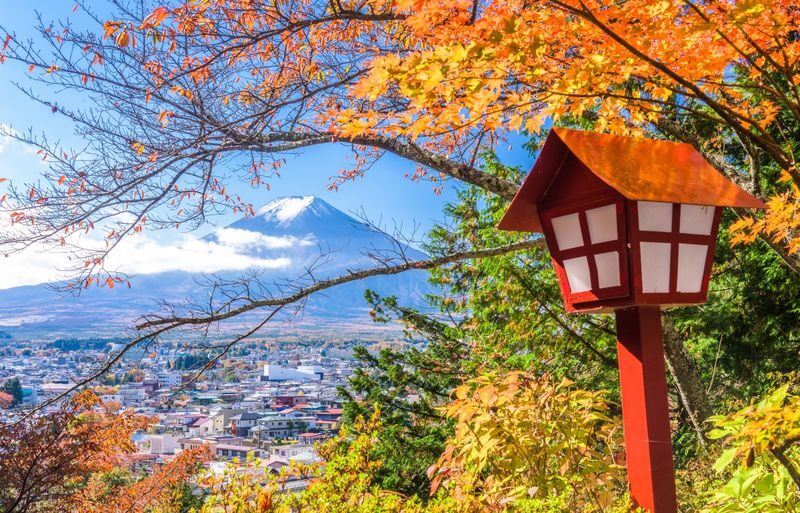
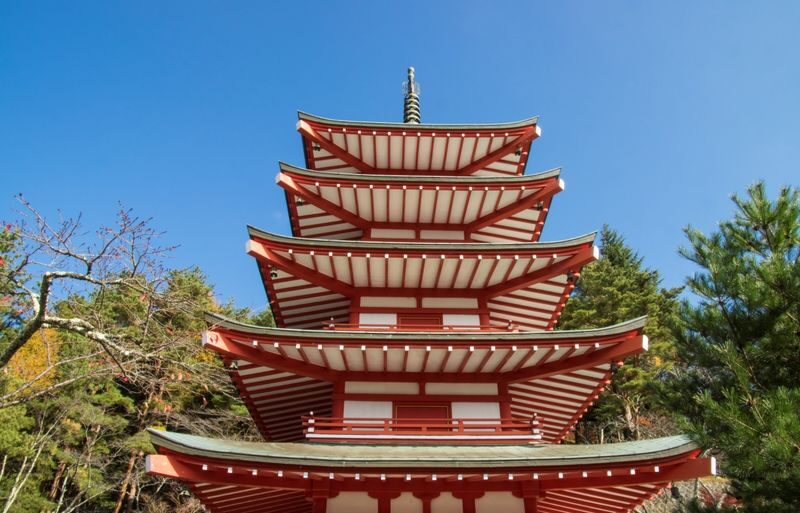
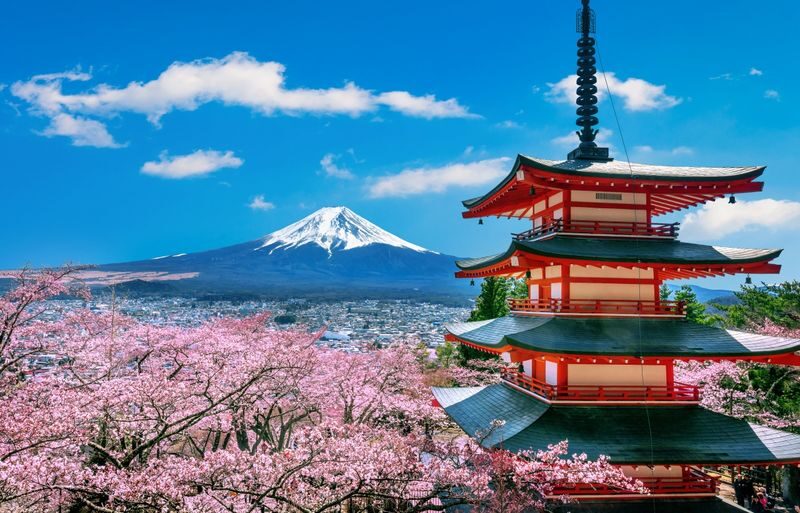
The first day begins at 8:00 a.m. in Tokyo. At about 10:30, you reach Arakurayama Sengen Park for an hour of self-guided time. Its draw is the broad view toward Mount Fuji, making this a prime stop for the familiar panorama. The view depends on visibility, of course; clouds can hide the mountain, so keep expectations flexible.
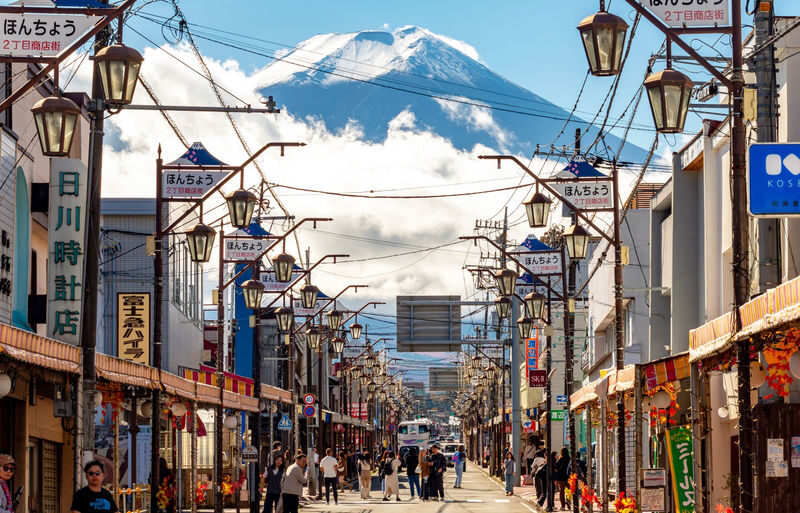
Next comes Nikawa Clock Shop, a brief 20-minute stop at a street-scene photo spot with Fuji at the far end. It is a quick chance to frame the mountain against an ordinary Japanese town setting. Don’t expect a long visit or a formal attraction experience here: the appeal is the photo, and the schedule soon moves on.
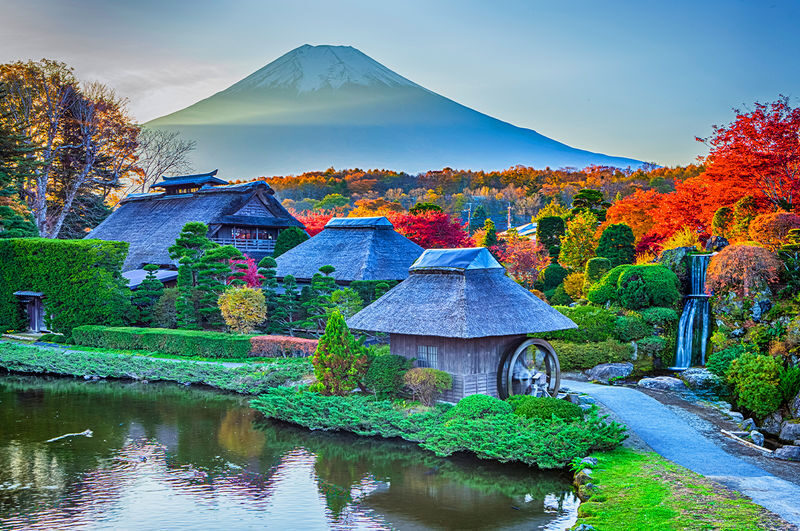
Oshino Hakkai gets a more generous hour and a half. This village is known for clear spring water, and you’ll have time to walk around the ponds and sample the water. It offers a quieter contrast to the viewpoint stops, though the visit is still self-guided and shared with the day’s other visitors.
At 2:30 p.m., the tour makes a 20-minute stop at Lawson, another well-known photo location. This is a convenience store, not a scenic park, so treat it as a short chance to take the familiar street-and-mountain shot rather than a destination in itself. If you’re more interested in scenery than a specific photo, this may be the least compelling stop.
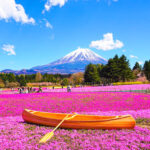
Oishi Park beside Lake Kawaguchi is the final Fuji-area stop, with about 50 minutes to look around. The views and flowers change by season, with cherry blossoms in spring and red spider lilies in autumn among the seasonal possibilities described for the route. Flowering dates shift from year to year, and the mountain may not be clear, so don’t book on the promise of one exact picture.
The bus leaves at about 4:20 p.m. for the return to Tokyo, scheduled for 6:50 p.m. That is a long drive after a full day, and traffic can change the arrival time. The tour advises against making evening plans that depend on a punctual return.
You can also read our reviews of more tours and experiences in Fujikawaguchiko machi.


Day 2: Kamakura’s Buddha, railway and coast
The second day starts at 8:00 a.m. beneath the BEAMS sign at the Shin-Marunouchi Building, near JR Tokyo Station. Be there ten minutes early. The group does not wait for late arrivals, and missed departures are not refundable.
At around 10:00, you arrive at the Kamakura Great Buddha for a half-hour visit. This is a short stop, and entry costs 300 yen, not included in the tour price. It’s worth having cash ready and keeping an eye on the time so the group can move on as scheduled.
The route then heads to Hase Station for the Enoden, a small electric railway associated with Kamakura’s coastline. The ride is included, and the scheduled stop is about 15 minutes. This is one of the day’s most distinctive parts: rather than seeing the area only from a bus, you get a brief railway journey as part of the outing.
Kamakura High School is next, with about 20 minutes for a look. It is another quick photo stop, not a long campus visit. The tour then allows one hour and 50 minutes at Enoshima, giving you the longest stretch of the day to explore on your own.
Enoshima’s coastal setting is a welcome change from the morning’s town and railway stops. Still, expect walking, and be ready for heat or crowds. The route includes a long stretch without shade in places, and a major Japanese holiday can make the island especially busy. Comfortable shoes, water and sun protection are sensible, particularly in summer.
At 2:20 p.m., you move on to Tsurugaoka Hachimangu Shrine for about 70 minutes. This is a substantial stop by the tour’s standards, with time to see the shrine grounds at your own pace. The bus is scheduled to head back at 3:30, with arrival in Tokyo around 5:30 p.m. That return time is only an estimate; leave the evening free.
Guides, group size and the rhythm of the day
Guides are offered in Chinese, English, Japanese and Korean. The actual setup depends on group size: groups of four to 13 may have a driver-guide, while groups of 14 to 45 may have a separate driver and guide. A driver-guide’s main task is driving, with explanations as a supplement, so the amount of commentary can differ.
Guides named on different departures include Hou Jing, Lin Yan, Zhan Jie, Young and Liu. The guide you get is not guaranteed, but the named examples give a sense of how much the person leading the day can shape it. Good practical guidance matters on a schedule like this: clear meeting points, restroom directions and reminders about group rules can save time and reduce stress.
The tour is self-guided at the attractions. Think of the guide as helping with transport, timing and general explanations, not as someone who will lead you through every stop. You’ll need to decide how to use each short visit, so it helps to know which locations matter most to you before the day begins.
Vehicle type also varies. Smaller groups may use a Toyota Alphard or Toyota Hiace, while larger groups may travel by minibus or full-size bus. The exact vehicle is confirmed before departure, and the operator sends guide and vehicle details by 9:00 p.m. Japan time the day before.
What the price covers, and what it does not
At US$90.19 and up, the tour can be good value if you want to cover several distant stops without arranging each leg yourself. Fuel, tolls, parking and round-trip transfers are included, along with the Enoden ticket. A guide is provided in one of the stated languages, though service format varies with group size.
The price does not include accommodation, meals or the 300-yen Great Buddha admission. Nor should you expect a private tour: it is a carpooling service, and the pace is built around a group schedule. If you prefer to linger at one shrine, skip a photo stop or leave early, independent transport gives you more control.
There is a useful luggage allowance of one piece per person at no extra charge. Each additional piece costs JPY 2,000, payable to the driver or guide, and should be declared when booking. If you arrive with undeclared extra luggage, boarding may be refused without a refund.
Who will get the most from this tour
I’d choose this if you have limited time in Tokyo and want an organized first look at both Fuji-area sights and Kamakura. It removes much of the transport planning, brings you to several recognizable viewpoints, and includes a short Enoden ride that adds a different feel to the second day.
It also suits you if you’re comfortable with a brisk schedule and can enjoy short visits without trying to see everything in depth. The group format is particularly helpful if navigating between multiple locations sounds like a chore, and the guides can offer practical support along the way.
It is less suited to anyone who wants long, unhurried time at each stop, has difficulty with mobility, or needs a predictable end time. The activity is not recommended for people with impaired physical mobility, pregnant women or people with certain medical conditions such as high blood pressure or epilepsy. Weather, holidays, crowds and traffic may lead to changes or cuts to the plan, with no refund for those adjustments.
Should you book it?
Book this tour if your priority is to see a wide range of Fuji and Kamakura highlights with transport arranged, and you’re willing to trade flexibility for convenience. The strongest reasons to go are the varied stops, the included Enoden ticket and the chance to make two regional excursions without planning every connection yourself.
Skip it if you want a slow visit, need a firm return time or are booking mainly for a specific seasonal display or a guaranteed clear view of Fuji. The route offers a useful introduction, not a promise of perfect weather or hours at any one place. Leave your evenings open, pack light, and choose the stops you most want to photograph before you set out.
Mount Fuji & Kamakura 2-Day Tour (From Tokyo) Accommodation not included
“Our Mt. Fuji day tour guide, Hou Jing, and our Kamakura day tour guide, Lin Yan, were fantastic; they shared historical insights while we enjoyed t…”
FAQ
Is accommodation included between the two days?
No. The tour returns to Tokyo after Day 1, and you meet again in Tokyo the following morning. You need to arrange your own accommodation.
What is included in the tour price?
Round-trip transfers from the meeting point, tolls, parking, fuel, an English- or Chinese-speaking guide, and the Enoden ticket are included.
Is admission to the Kamakura Great Buddha included?
No. Admission costs 300 yen per person and is paid separately.
What time does the tour leave Tokyo?
Both days start at 8:00 a.m. Day 1 departs from the stated Tokyo meeting point. Day 2 meets under the BEAMS sign at the Shin-Marunouchi Building in front of JR Tokyo Station.
How early should I arrive at the meeting point?
Arrive ten minutes before departure. The tour does not wait for late arrivals, and no refund is given for a missed departure.
Which languages are available for the guide?
Guides are available in Chinese, English, Japanese and Korean. The guide and vehicle details are sent before the trip.
Can I bring luggage?
Each person may bring one piece of luggage free of charge. Extra pieces cost JPY 2,000 each and should be noted when booking.
Does the tour always use the same vehicle?
No. The vehicle depends on the number of people on that day. Possible vehicles range from Toyota Alphard and Toyota Hiace vans to minibuses and larger buses.
Can I rely on the listed return time?
No. The return times are estimates and can change with traffic, weather and other conditions. Keep the evening free rather than booking plans that depend on arriving at a specific time.