
Making ramen and gyoza in a local home kitchen gives you more than a meal: you get to work through the steps yourself, ask questions as you go, and sit down to eat what you have made. This two-hour class pairs a professional chef with an English-speaking guide, so cooking and conversation share the table.
I like two details in particular: the lesson covers both miso ramen and gyoza, and it ends with hands-on matcha whisking and traditional sweets. Past classes have included Chef Kazu, with guides Hitomi or Mariko helping explain the recipes and answer questions.
One consideration: this is a compact class, not a long culinary course, and participants must be at least 12. Vegetarian diets can be accommodated, but if you have other dietary needs, check before booking.
- What Makes This Class Worth Your Time
- Cooking Ramen and Gyoza, Not Just Watching
- A Two-Hour Class With Room for Questions
- The Meal You Make Is the Main Event
- Matcha and Sweets Make a Gentle Finish
- Ikebukuro’s Pop-Culture Setting
- What the Price Covers
- Who Should Book This Class
- Should You Book Ikebukuro Cooking: Gyoza and Ramen?
- FAQ
- How long is the cooking class?
- Where do I meet the host?
- What dishes will I make?
- Is matcha included?
- Do I need cooking experience?
- What is included in the price?
- Can the class accommodate vegetarian diets?
- What is the minimum age?
- Is transport included?
- The Best Of Tokyo!
- More Cooking Classes in Tokyo
- More Tours in Tokyo
- More Tour Reviews in Tokyo
What Makes This Class Worth Your Time
 1 / 9
 2 / 9
 3 / 9
 4 / 9
 5 / 9
 6 / 9
 7 / 9
 8 / 9
 9 / 9
- Miso ramen and gyoza in one lesson: You make a bowl of ramen and its classic dumpling partner, then eat the meal you prepared.
- A professional chef at the stove: Chef Odaira is described as having more than ten years of professional ramen-making experience. Past sessions have also featured Chef Kazu.
- English support throughout: An English-speaking guide helps you follow the cooking steps and talk with the hosts about food and daily life in Japan.
- Matcha is part of the experience: You whisk your own tea and have it with Japanese sweets, a calm finish after lunch.
- Small-group options: You can book a class for two or for a group of three to four, making it a natural fit for couples, friends, or a family with older children.
- A convenient meeting point: Meet at the B1 plaza of Zoshigaya Station, near the cooking studio and about a three-minute walk from the nearest station.

👉 See our pick of the Our Picks For The 11 Best Workshops & Classes In Tokyo
Cooking Ramen and Gyoza, Not Just Watching
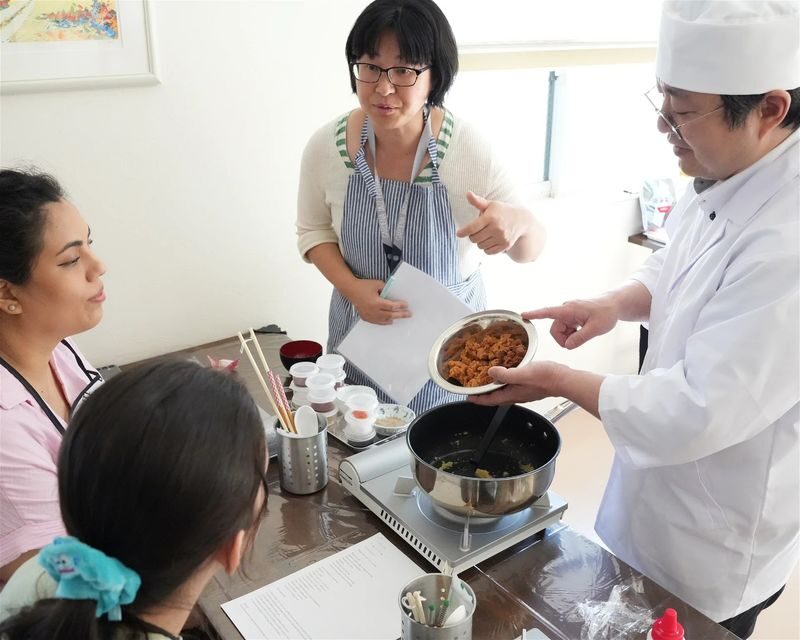
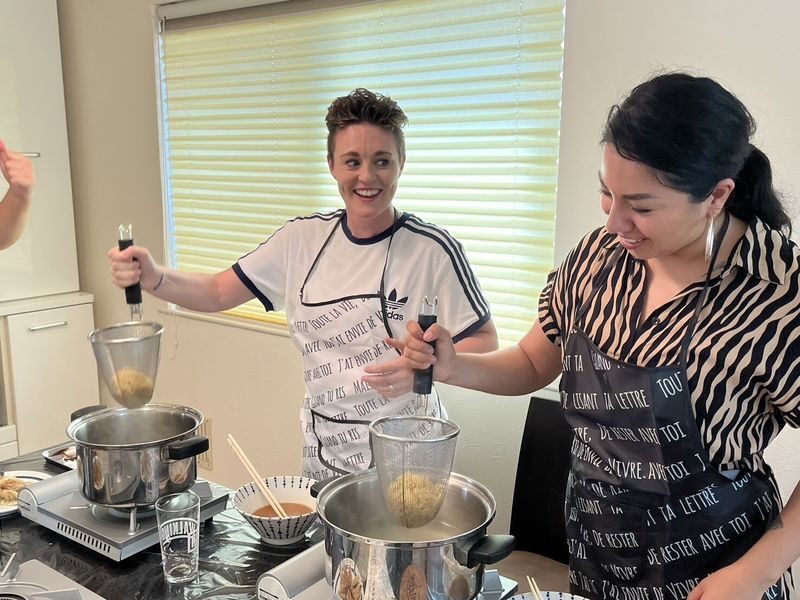
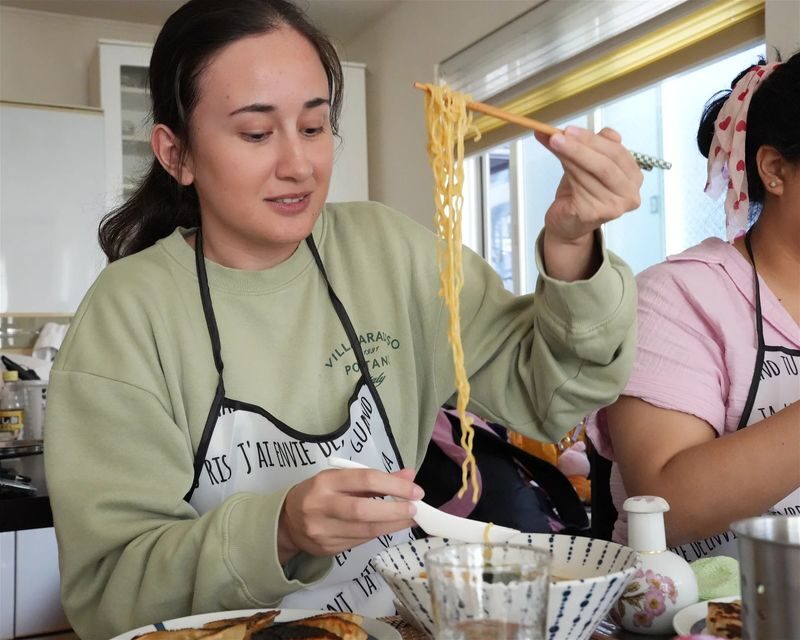
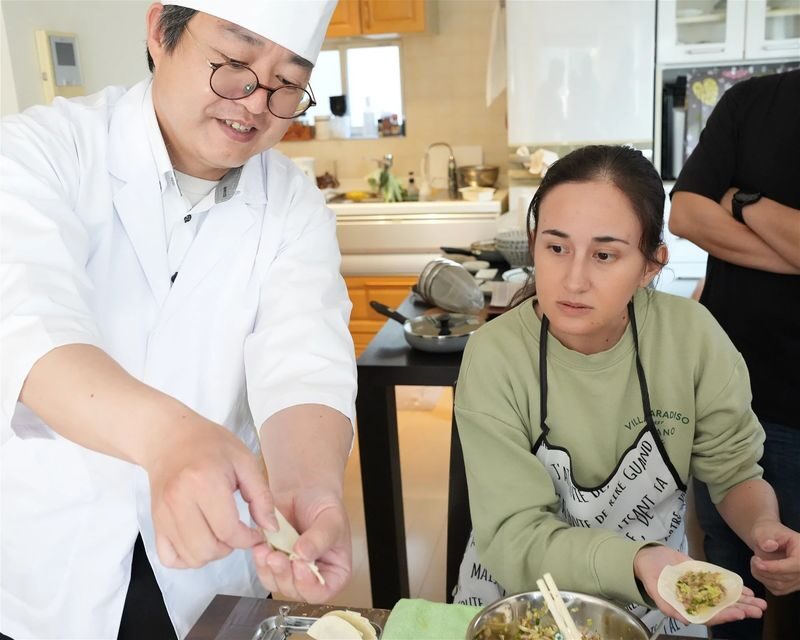
The draw here is the hands-on work. You are not simply seated in front of a bowl while someone explains how ramen is made. You prepare miso ramen and gyoza yourself, following steps intended for beginners as well as confident home cooks.
That distinction matters. A restaurant meal lets you compare flavors; a cooking class lets you see how a dish comes together. You can ask why a step matters, try the technique, and take home recipes to help you repeat the meal later.
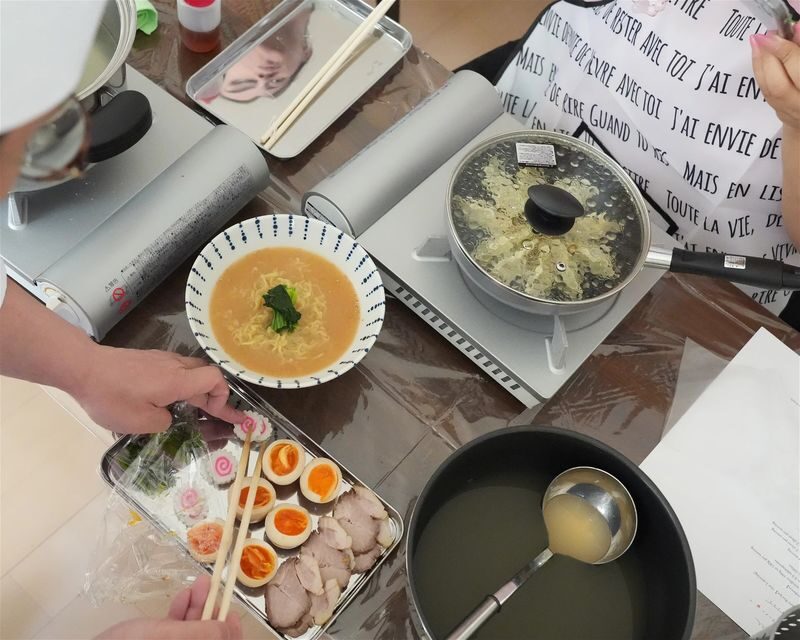
Ramen has many regional styles and variations, but this session focuses on miso ramen. The class includes discussion of ramen’s history and culture, alongside practical instruction. One particularly useful point from the cooking experience is how combining different miso can build a more flavorful broth. That is the kind of kitchen detail you can apply again, even if your next bowl is made at home rather than in Tokyo.
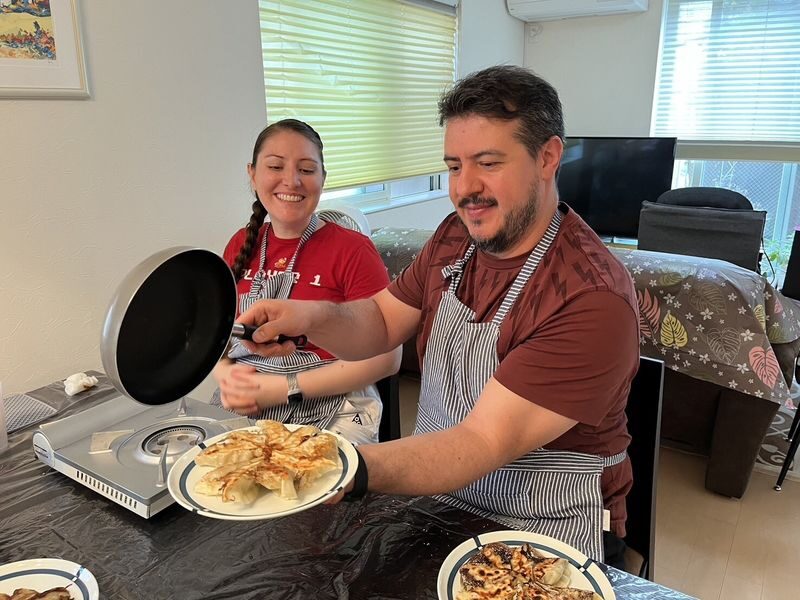
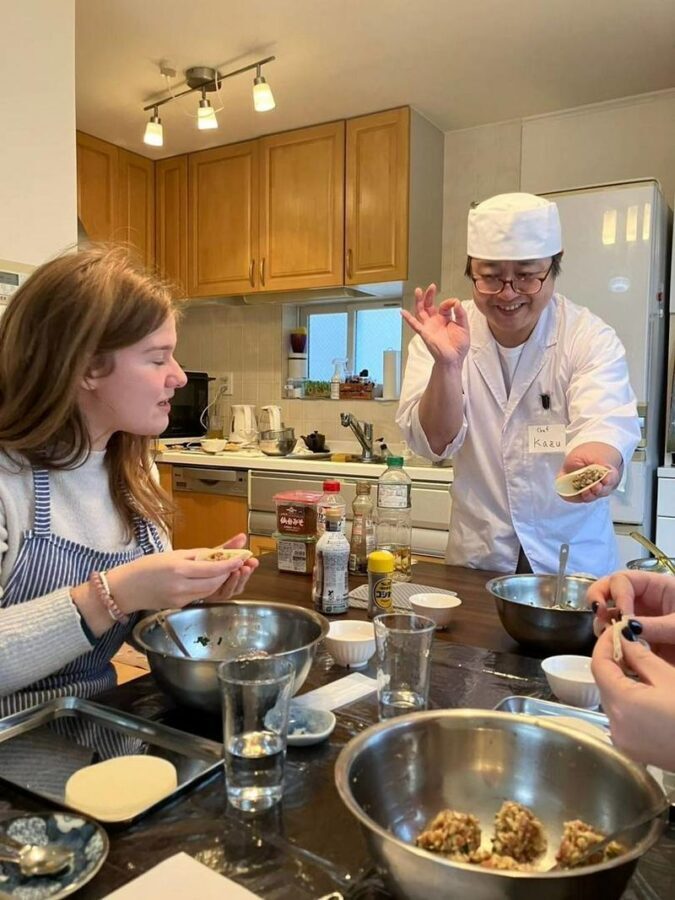
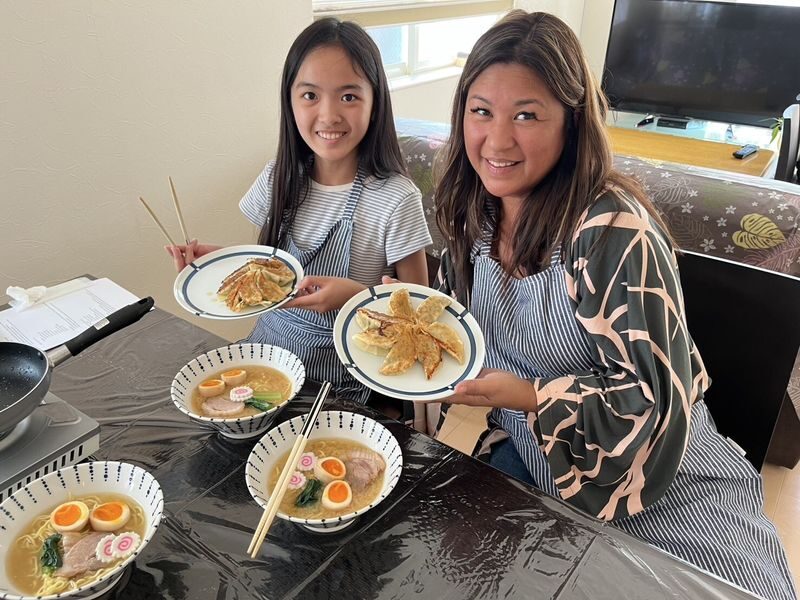
Gyoza adds a different kind of lesson. Folding the dumplings is part of the fun, and your first attempts may look less tidy than the ones at a restaurant. That is no reason to worry: the point is to learn the technique, and imperfect folds are still edible. You get to handle the food from preparation through to the meal, rather than treating dumplings as a side dish that appears by magic.
You can also read our reviews of more cooking classes in Tokyo


A Two-Hour Class With Room for Questions
The class lasts two hours, so expect a focused introduction rather than an all-day course. You meet at the B1 plaza of Zoshigaya Station, then head to the host’s home kitchen. The studio is described as a short walk from the station, which helps keep the trip simple in a city where a new neighborhood can take longer to find than expected.
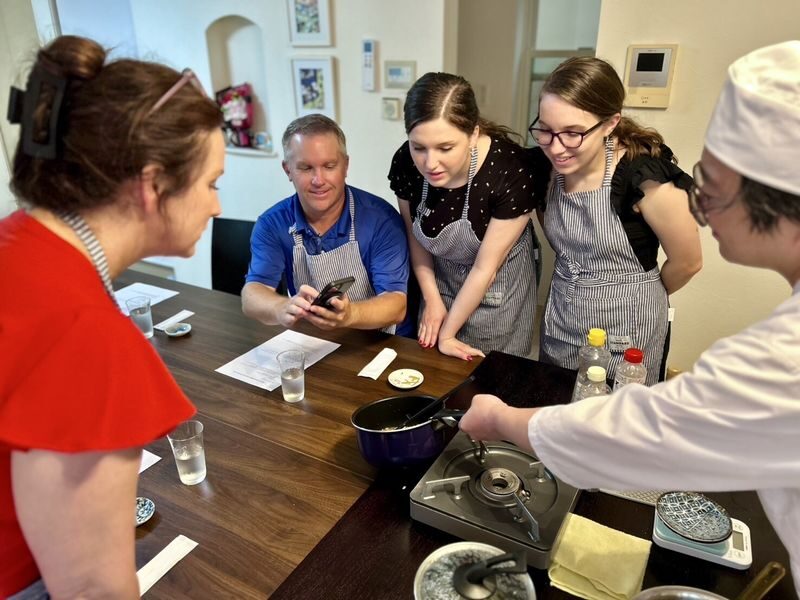
Once you arrive, the chef and English-speaking guide lead the cooking. The instructions are designed for people without prior experience, and the ingredients and tools are provided. You do not need to arrive knowing how to make broth or fold dumplings; the value is in being shown the process and getting a chance to try it yourself.
The hosts have included Chef Kazu and English-speaking guides Hitomi and Mariko. Staffing may vary, but the format is clear: a professional instructor teaches the cooking, while the guide helps with communication and context. Past sessions have included open conversation, answers to questions, and practical advice for recreating the dishes.
This setting is a good match for curious eaters. You can ask about the food, but also about life in Japan and the place ramen holds in local food culture. The personal scale makes that kind of exchange easier than it would be in a large demonstration class.
The Meal You Make Is the Main Event
After preparing the food, you sit down to eat a bowl of handmade miso ramen and the gyoza you have made. That meal is included in the class, so the cooking has an immediate payoff. It is also a useful way to understand the relationship between the dishes: ramen is the centerpiece, while gyoza makes a familiar companion.
The broth gets particular attention. Learning how different miso can be mixed to build flavor gives you more than a fixed recipe. It offers a starting point for adjusting the taste at home, though the exact ingredients and proportions are not specified in advance.
The dumplings bring a more tactile lesson. Folding them takes practice, and the gap between a first attempt and a neat restaurant version can be amusing. The class keeps the mood relaxed, so a crooked dumpling is part of learning, not a kitchen emergency.
Recipes are included, a useful extra for anyone who wants to cook the dishes again. A recipe cannot recreate the chef’s guidance or the conversation around the stove, but it can help you remember the sequence and make the class more than a pleasant lunch.
Matcha and Sweets Make a Gentle Finish
The final part shifts from cooking lunch to preparing matcha. You whisk the tea yourself and enjoy it with traditional Japanese sweets, including manju in some sessions. The sweetness of the confection balances the tea’s distinct taste, making this a thoughtful end to a food-focused visit.
This is a small tea-making activity, not a full formal tea ceremony. That is a useful distinction if you are looking for a deep study of tea customs. Here, the matcha adds a second hands-on skill and gives the class a slower finish after the bustle of cooking and eating.
It can also be a welcome introduction if you have tried matcha before and found it too strong or unfamiliar. You get to make it with a whisk and taste it alongside something sweet, rather than judging it as a drink on its own.
Ikebukuro’s Pop-Culture Setting
The class is based in Zoshigaya, close to Ikebukuro, one of Tokyo’s best-known pop-culture areas. That location gives the cooking lesson an easy place in a wider day out: you can pair it with time in the surrounding area, without the class itself being a sightseeing tour.
The meeting point is specific: the B1 plaza at Zoshigaya Station. Your booking voucher is meant to provide more detailed directions and a map link, so check those before setting out. Transport to the meeting point is not included.
A short walk from the station is welcome in Tokyo, especially if you are fitting the class between other plans. Still, allow enough time to reach the meeting point and find the plaza. The activity is only two hours, and arriving flustered is an unnecessary way to begin a relaxed home-kitchen session.



What the Price Covers
Prices start at US$112.35 for the group-of-three-to-four option, while the group-of-two option starts at US$116.09. Check the booking page for the final price and the way the selected package is charged, since the options are listed by group size.
The price includes the English-speaking guide, professional instructor, ingredients, cooking tools, the ramen and gyoza you prepare, matcha and sweets, and recipes. Transport and personal expenses are not included.
That is a fair amount of hands-on content for a two-hour activity: two dishes, a meal, conversation with local hosts, and a short tea-making session. The class will be best value if you are interested in learning rather than simply eating. If you only want a bowl of ramen, a restaurant is the simpler and cheaper choice. Here, you are paying for instruction, ingredients, and the chance to make the meal yourself.
The smaller group options also help explain the appeal. A class for two suits a couple or a pair of friends who want a shared activity, while the three-to-four-person option makes sense for a small family or group. Children must be at least 12, and those aged 12 to 17 need a paying adult with them. Children aged 12 and older are charged the adult rate.
Who Should Book This Class
I would point food-curious visitors toward this experience, especially if ramen and gyoza are already on your Tokyo wish list. It suits beginners, couples, and small groups who enjoy doing something together and want enough explanation to make the cooking feel useful after the trip.
Families should note the age limit: this is not a class for younger children. For a family with teenagers, though, the shared tasks and meal can make it a more engaging outing than a demonstration where everyone sits and watches.
Vegetarian diets can be accommodated. If you have a different dietary requirement, ask before booking rather than assuming the class can adjust; the stated accommodation is limited to vegetarian diets.
The class is less suited to anyone wanting an advanced cooking course, a long food tour, or an extensive tea ceremony. It offers a short, practical taste of Japanese home cooking, with the strongest focus on making and eating ramen and gyoza.
Should You Book Ikebukuro Cooking: Gyoza and Ramen?
Book it if you want to learn by doing, value a friendly English-supported class, and like the idea of finishing lunch with matcha and sweets. The combination of professional cooking guidance, local conversation, recipes, and a meal you make yourself gives the two hours a clear purpose.
Skip it if your main priority is a full culinary course or if you would rather spend the time exploring Ikebukuro independently. For a compact food experience near the station, though, this is a strong choice, particularly for a couple or small group that wants more than another restaurant meal.
Ikebukuro Cooking: Gyoza and Ramen
“wow!, that's was an amazing experience, we had a lot of fun and made great food, amazing person, for sure top highlights of the trip. thx”
FAQ
How long is the cooking class?
The ramen and gyoza cooking class lasts two hours.
Where do I meet the host?
Meet at the B1 plaza of Zoshigaya Station. More detailed directions and a Google Maps link are provided on the voucher after booking confirmation.
What dishes will I make?
You will prepare miso ramen and gyoza dumplings, then eat the meal you have made.
Is matcha included?
Yes. The class includes a hands-on matcha-making experience, served with traditional Japanese sweets.
Do I need cooking experience?
No. The class is designed for all skill levels, and beginners are welcome.
What is included in the price?
The price includes an English-speaking guide, a certified professional instructor, ingredients and tools, handmade miso ramen and gyoza, matcha and Japanese sweets, and recipes.
Can the class accommodate vegetarian diets?
Yes. Vegetarian diets are listed as an accommodated dietary requirement. No other dietary accommodations are specified.
What is the minimum age?
Participants must be at least 12 years old. Children aged 12 to 17 must be accompanied by a paying adult, and children aged 12 and older pay the adult rate.
Is transport included?
No. Transport and other personal expenses are not included.






















