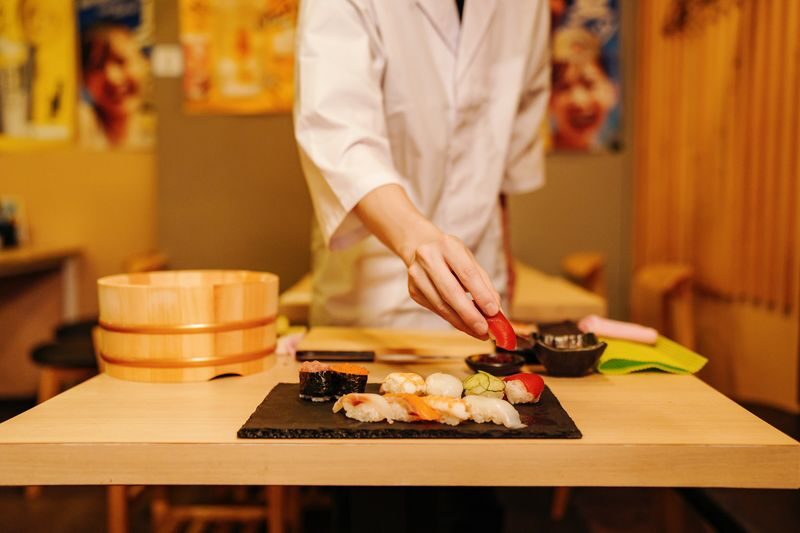
Sushi here is something you make, not just something you order. In a central Shinbashi studio, you’ll learn to shape maki rolls and choose between neat little temari sushi or Japan’s familiar hand-formed nigiri. Then you get to eat your work.
I like the choice between two sushi styles, and the instructors’ clear, friendly teaching makes the class approachable for children and first-timers. One thing to weigh: this is mainly a hands-on shaping class, not a full lesson in preparing rice or cutting fish, and finding the correct building can take a little care.
- What to know before you book
- A short class with a tasty payoff
- Choose temari or nigiri with your maki
- What you actually learn at the table
- Friendly guidance, with instructors who make a difference
- Fresh sushi, but a simple meal
- Drinks and dietary needs
- Reaching S-Plaza II in Shinbashi
- Is the price worth it?
- Booking and small practical details
- Should you book this sushi class?
- FAQ
- Where does the sushi class take place?
- How do I find the entrance?
- What sushi styles can I make?
- What food is included?
- Are drinks included in the price?
- Can children take part?
- Can the class accommodate dietary requirements?
- How long does the class last?
- What happens if I need to cancel?
- The Best Of Tokyo!
- More Cooking Classes in Tokyo
- More Tours in Tokyo
- More Tour Reviews in Tokyo
What to know before you book
 1 / 10
 2 / 10
 3 / 10
 4 / 10
 5 / 10
 6 / 10
 7 / 10
 8 / 10
 9 / 10
 10 / 10
- Pick your sushi pair: Choose maki with temari, or maki with nigiri.
- Make a meal of your work: The standard temari course includes nine pieces, with fish and other toppings.
- Expect guided, beginner-friendly steps: Instructors demonstrate and help you shape and roll your sushi.
- Find S-Plaza II, not just S-Plaza: The studio is on the third floor, beside the FamilyMart landmark.
- Plan for a short activity: Reported class times vary from about 50 minutes to around 1.5 hours.
- Check dietary needs in advance: Vegetarian, vegan, and gluten-intolerance requirements can be accommodated, but specify yours when booking.

👉 See our pick of the Our Picks For The 11 Best Workshops & Classes In Tokyo
A short class with a tasty payoff
The idea is simple and appealing: spend part of your Tokyo day learning a practical skill, then eat the results. The class takes place in Shinbashi, a central area with a train station nearby, so it can fit between other city plans without consuming a full day.
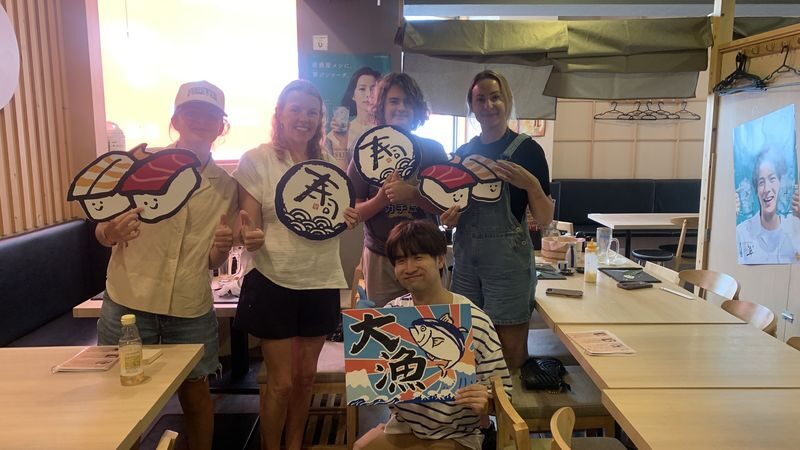
The experience is designed for beginners. You are not expected to know how to handle sushi rice or shape a roll before you arrive. The instructor guides the process step by step, which makes this a sensible choice for families, couples, and anyone who wants to try a Japanese cooking activity without signing up for a long course.
The class is compact, though its exact length is not specified. Some participants have described a session of about 50 minutes, while others have spent closer to 1.5 hours. If you are planning a tight connection or a timed attraction afterward, leave a buffer rather than assuming a precise finish time.
You can also read our reviews of more cooking classes in Tokyo



Choose temari or nigiri with your maki
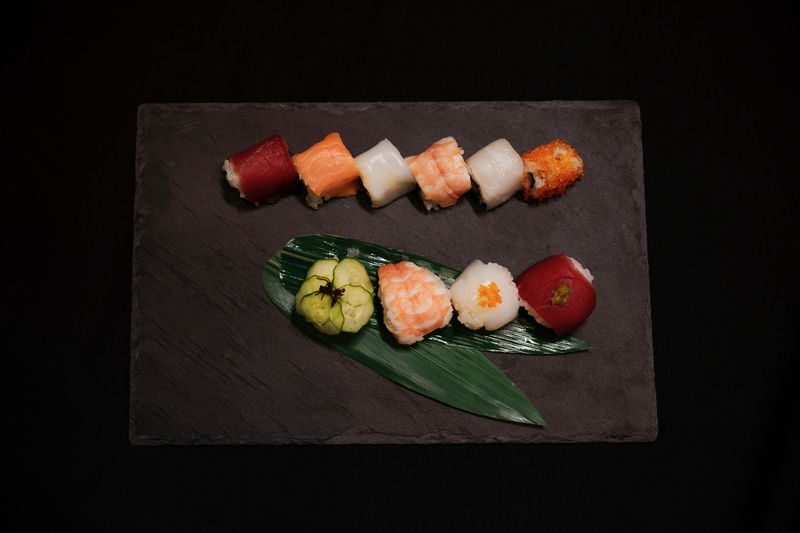
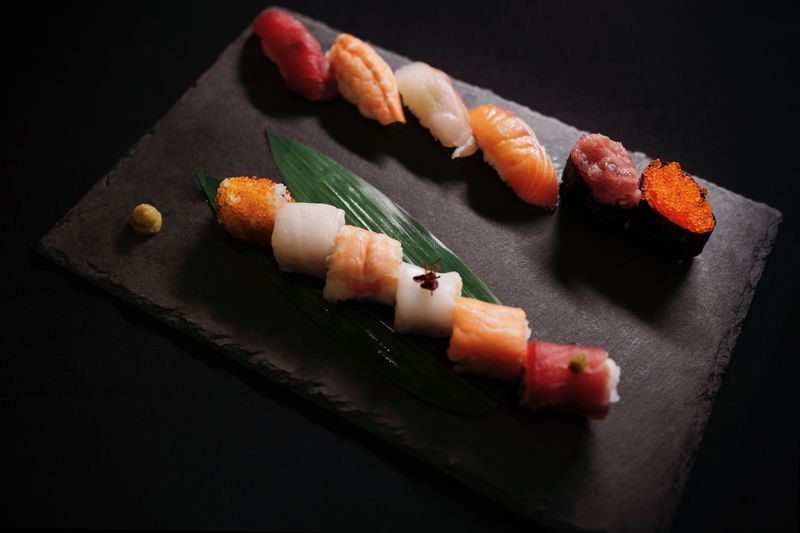
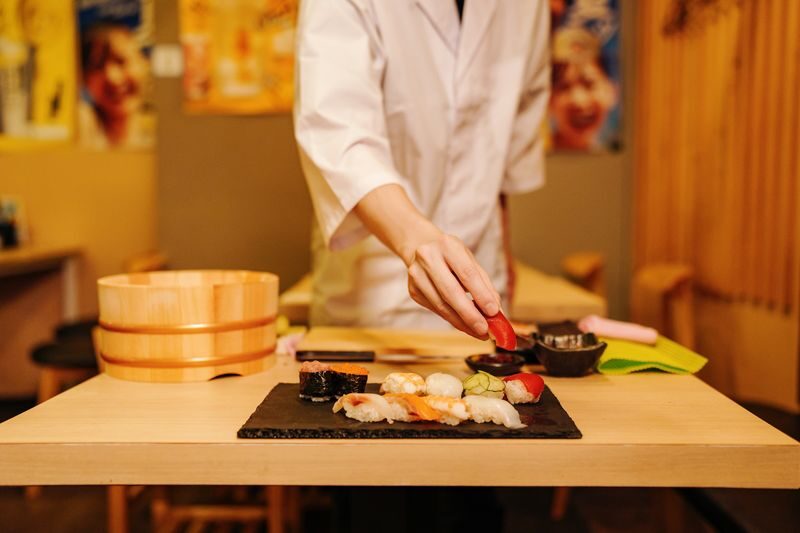
Both packages include maki sushi, the rolled variety wrapped in nori. The second style is your main choice: temari sushi, small rounded pieces that are easy to decorate, or nigiri sushi, the familiar hand-shaped rice topped with fish.
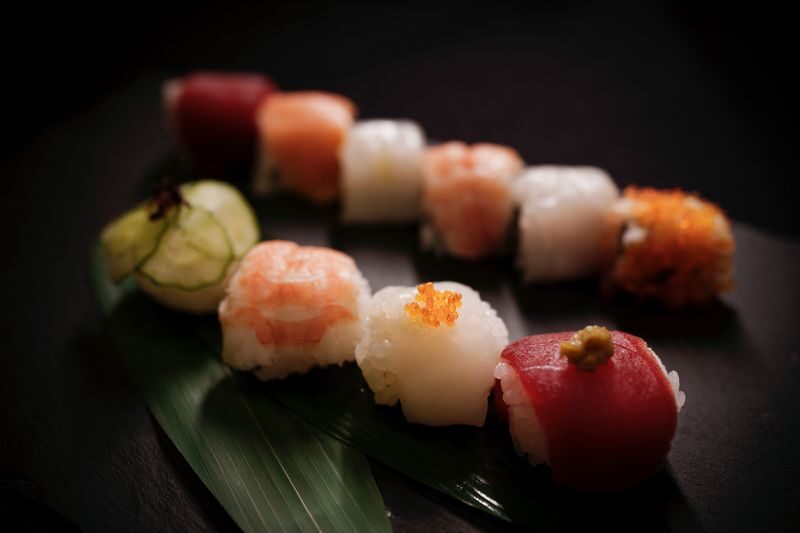
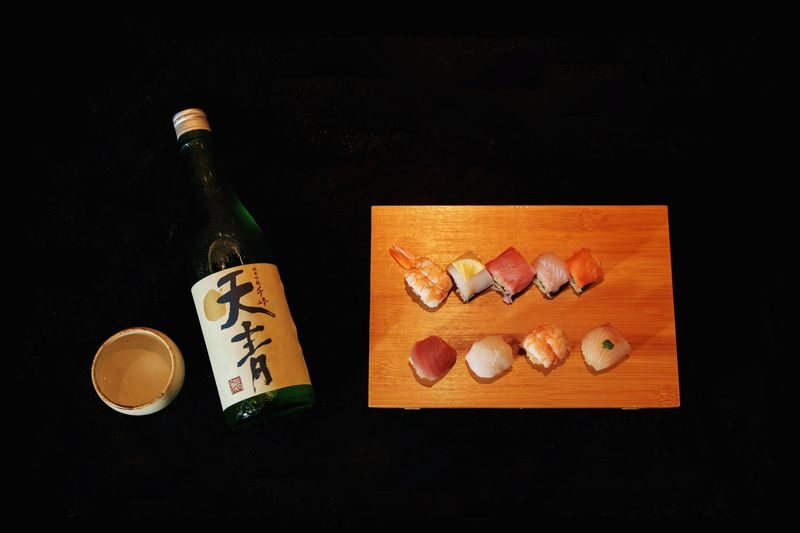
Temari is the natural pick if you want a colorful result and a gentler introduction to shaping sushi. It is described as easy to make and visually pleasing, which can be especially satisfying for children or anyone who likes arranging toppings. The standard temari menu includes nine pieces, with options such as tuna, salmon, squid, shrimp, flying fish roe, cucumber, egg, ginger, and sesame.
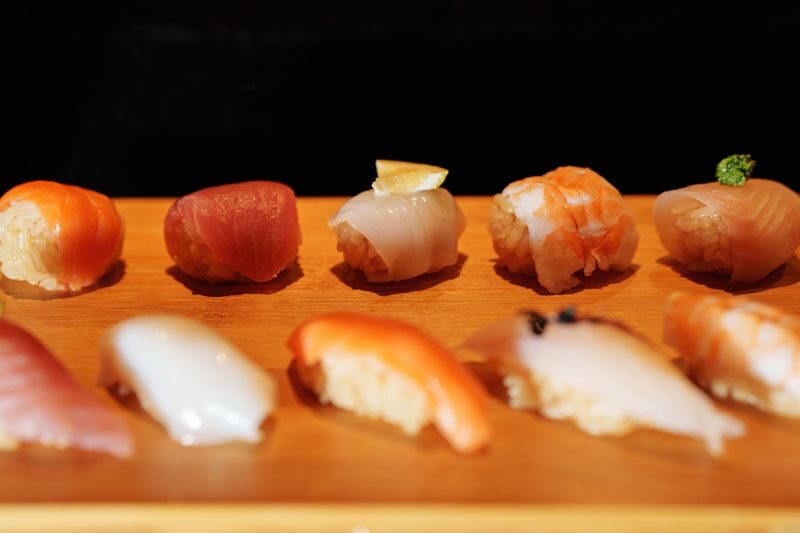
Nigiri offers a chance to practice a more recognizable sushi form. It is a good choice if you already enjoy nigiri and want to try forming it yourself. The two packages give you a useful choice, but neither should be mistaken for an advanced sushi-chef course. The emphasis is on assembling and shaping, not mastering professional technique.
What you actually learn at the table
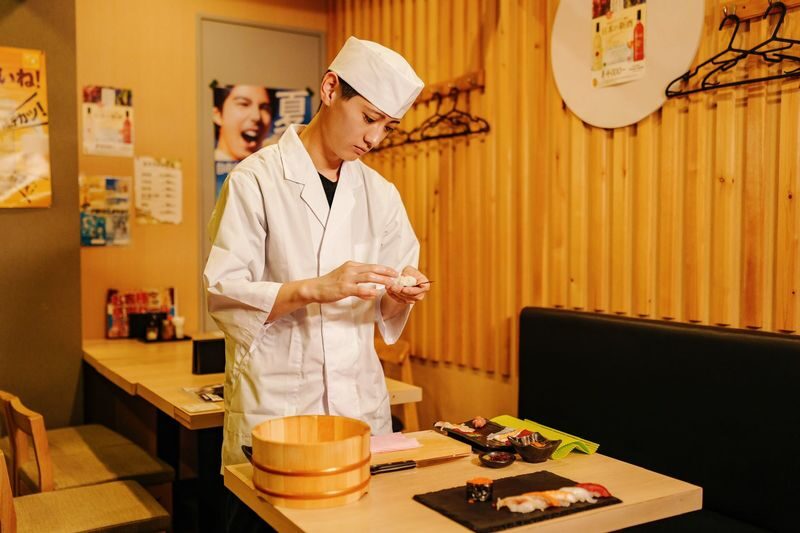
Expect the basic ingredients and equipment to be set out for you. Your instructor demonstrates the steps, then guides you as you make the sushi yourself. Participants have described weighing rice, rolling maki, shaping pieces, and choosing toppings. That hands-on approach is the point: you leave having tried the motions, not merely watched someone else work.
Set your expectations around the scope. The rice and fish are prepared before the class, so you should not expect a lesson in selecting fish, slicing it, cooking and seasoning sushi rice, or preparing every ingredient from scratch. If those details matter to you, ask questions during the session. Instructors have shared extra tips and background when asked, but the class is primarily a rolling and shaping workshop.
There may also be a short quiz or introductory conversation about sushi and Japanese food culture. It adds a light, social start before you get to work. The exact format can vary, but the class is built to be interactive rather than a formal lecture.
Friendly guidance, with instructors who make a difference
The teaching is one of the strongest reasons to choose this class. Instructors are listed as English- and Chinese-speaking, and participants have described patient, clear explanations. Names that have come up include Shea, Coco, Mari, Kaku, Sun, Jennifer, and Aru, though you should not expect a particular person to lead your session.
That personal approach is useful if you are new to sushi-making. The instructor can show you how much rice to use, help you roll without squeezing too hard, and explain how to arrange toppings. Families may find that especially helpful: children aged four and up can take part, and the process is simple enough for young participants to follow with guidance.
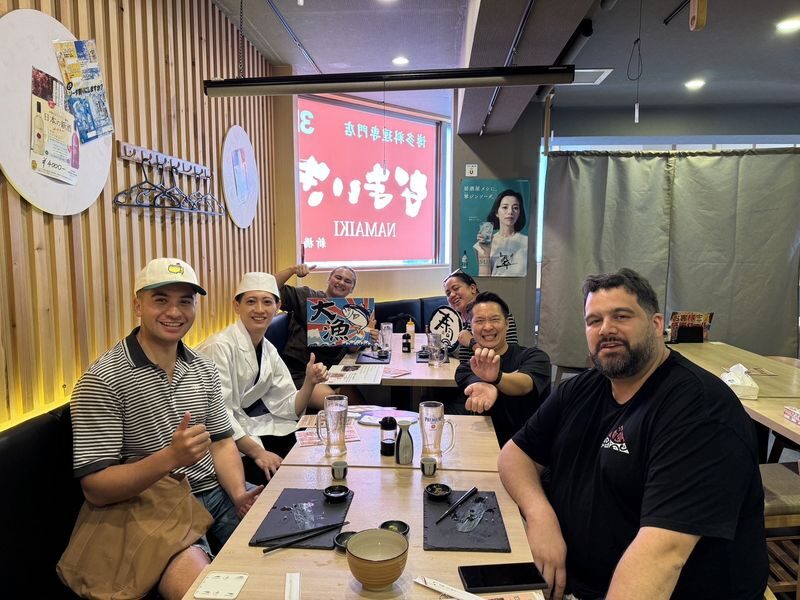
Class size is not specified, and you may find yourself with a group or in a small, more personal session. A smaller group can mean more direct help, while a larger one may make the class feel more social. Either way, the experience relies heavily on the instructor’s energy and ability to explain clearly.
Fresh sushi, but a simple meal
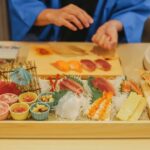
The food is the reward at the end, and the standard menu gives you a mix of seafood and other toppings. The fish is already prepared for you, and the pieces you make are meant to be eaten during the experience. Many participants have found the sushi tasty, with tuna and salmon among the familiar choices.
Ingredient quality is not guaranteed to impress every palate. Most feedback is positive, but a few people have felt the ingredients could be better. One especially serious report raised a concern about debris in fish. That appears to be an isolated complaint, but food safety matters; if something looks wrong, do not eat it and raise it with the instructor at once.
The included meal is best viewed as part of a fun activity, not a generous sushi feast. The listed temari course provides nine pieces, and the class is short. If you are very hungry, plan another meal nearby rather than counting on this to fill an entire afternoon.
You can also read our reviews of more tours and experiences in Tokyo


Drinks and dietary needs
The class highlights the option to add sake, shochu, or other beverages, but those drinks are not included in the stated price. Soft drinks and alcohol are also listed as excluded, so check the package details before you book if a drink pairing matters to you. Japan’s legal drinking age is 20, and you need valid identification to prove your age.
Vegetarian, vegan, and gluten-intolerance requirements can be accommodated. Enter your restrictions at checkout, and be specific about what you can and cannot eat. The listed ingredients include seafood, egg, cucumber, ginger, and sesame, so do not assume the standard menu will suit your needs without an adjustment.
If you have a serious allergy or need a seafood-free meal, confirm the arrangement clearly before booking and again before the class. A request can be misunderstood, and one participant described a mismatch between an advance seafood-free request and what was available on arrival. For allergies, clarity is more important than hoping the kitchen will infer what you need.
Reaching S-Plaza II in Shinbashi
The address is S-Plaza Yayoi II, 2-15-9 Shinbashi, Minato Ward, Tokyo. From Shinbashi Station, use the Karasumori Exit on the JR Yamanote Line and look for the FamilyMart nearby. The entrance is in S-Plaza II, described as the building to the right of the FamilyMart; take the elevator to the third floor.
The building name is worth checking twice. There are two S-Plaza buildings, and going to the wrong one can leave you circling the block. Use the full address and the FamilyMart as your landmark, then allow extra time to locate the entrance. The class is in a central part of Tokyo, but central does not always mean instantly obvious at street level.
Is the price worth it?
At a starting price of $34.79, the class offers more than a plate of sushi: you pay for instruction, ingredients, a guided activity, and the chance to make two styles yourself. For a short, interactive experience in Tokyo, that can be reasonable, especially if you value an activity you can share with children or a partner.
The value depends on what you want from the class. If you are after a relaxed, beginner-friendly activity with an edible result, the format makes sense. If your priority is deep instruction in fish preparation, rice seasoning, or professional sushi technique, you may find the session too light for the cost. The prepared ingredients keep the activity accessible, but they also limit how much cooking knowledge you take home.
Optional drinks can add to the bill, and the standard meal is modest. Treat the price as paying for a class and a memorable hour or so, not as a bargain dinner. Check the final package price and inclusions before confirming.
Booking and small practical details
Participants must be at least four years old. The voucher is valid only on the date and time specified, and you can present it on your phone. Confirmation is due within 24 hours; if it does not arrive, contact customer support.
Cancellation at least 24 hours before the activity date, using Tokyo local time, qualifies for a full refund. Outside food and drinks are not allowed. The provider’s response time is listed as more than four hours, so do not leave important dietary questions until the last minute.
Should you book this sushi class?
Book it if you want a friendly, low-pressure way to try making sushi in Tokyo, especially with children or someone who loves sushi. Choose temari for a decorative, easy-to-shape session, or nigiri if you want to practice the classic hand-formed style. The patient instruction and chance to eat what you make are the best parts.
Skip it if you expect to learn the full craft from raw ingredients, or if you want a large meal for the price. Confirm dietary arrangements in advance, use the FamilyMart landmark to find S-Plaza II, and leave a little slack in your schedule. With those expectations set, this is a pleasant, practical activity that adds a hands-on memory to a Tokyo visit.
Tokyo Sushi Making Experience & Japanese Cooking Class
“amazing experience and the lady was so nice explaining how to make sushi”
FAQ
Where does the sushi class take place?
It takes place at S-Plaza Yayoi II, 2-15-9 Shinbashi, Minato Ward, Tokyo, 105-0004. The studio is on the third floor.
How do I find the entrance?
From Shinbashi Station, use the JR Yamanote Line’s Karasumori Exit. Look for the FamilyMart and go to S-Plaza II, the building to its right. Take the elevator to the third floor.
What sushi styles can I make?
Both packages include maki sushi. You can choose either maki with temari sushi or maki with nigiri sushi.
What food is included?
The standard temari menu includes nine pieces, with toppings such as tuna, salmon, squid, and other listed ingredients. The sushi you make is included as the meal.
Are drinks included in the price?
Soft drinks and alcohol are not included. Sake, shochu, and other beverages may be available as an option.
Can children take part?
Yes. Participants must be at least four years old.
Can the class accommodate dietary requirements?
Vegetarian, vegan, and gluten-intolerance requirements can be accommodated. Specify your needs at checkout, and confirm any serious allergy or seafood-free request in advance.
How long does the class last?
A fixed duration is not provided. Descriptions of the experience range from about 50 minutes to around 1.5 hours, so leave some time between this class and your next plan.
What happens if I need to cancel?
You can receive a full refund if you cancel at least 24 hours before the activity date, using Tokyo local time.