A single day takes you from a lakeside swan photo to the red pagoda above Fujiyoshida, then on to spring ponds, a famous convenience store and Lake Kawaguchi. The payoff is variety: six very different Fuji viewpoints without driving or piecing together local transport.
I like two things here: the route mixes classic mountain views with ordinary Japanese street scenes, and the price, from $49.29, includes round-trip transport, tolls, parking and fuel. The schedule also gives you a useful first look at the Fuji area if you have limited time.
The tradeoff is a brisk pace, with about 20 to 60 minutes at each stop. Mount Fuji can hide behind clouds, and traffic can push the return well past the planned 18:00 arrival.
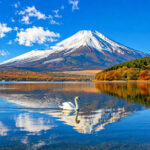
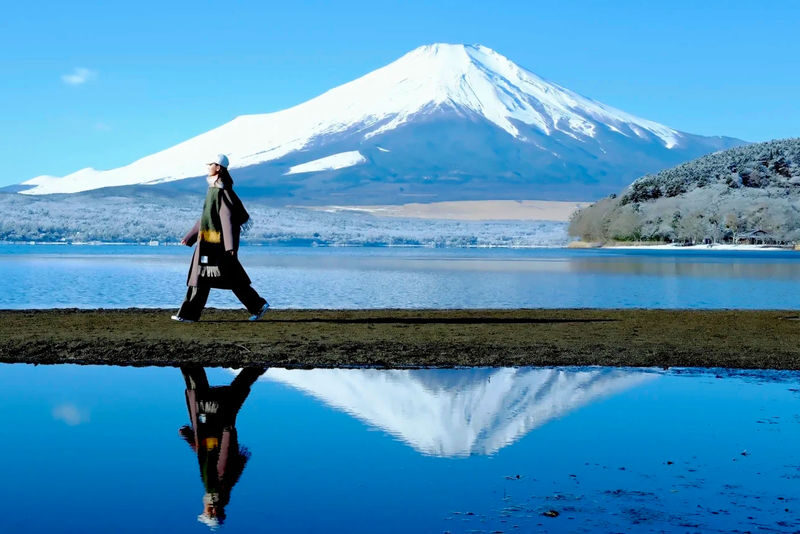
- Hirano no Hama at Lake Yamanaka: A chance to frame swans, water and Fuji in one picture. The scheduled stop is 40 minutes.
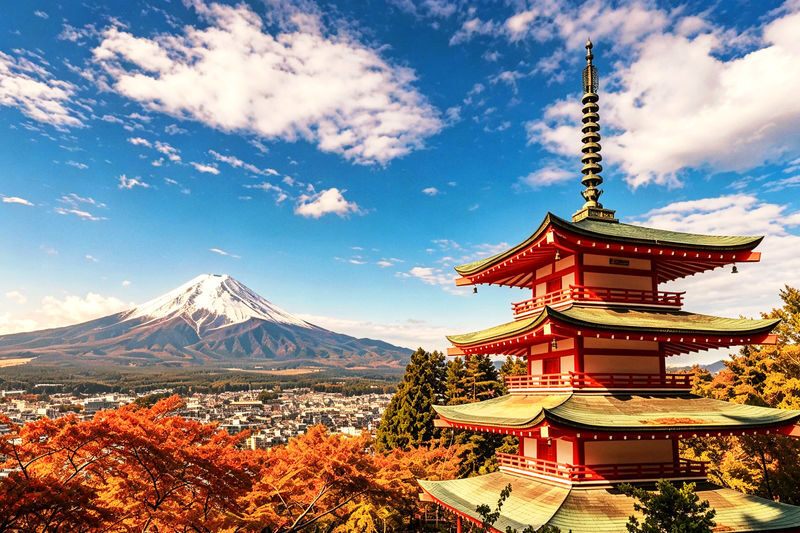
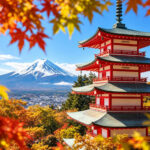
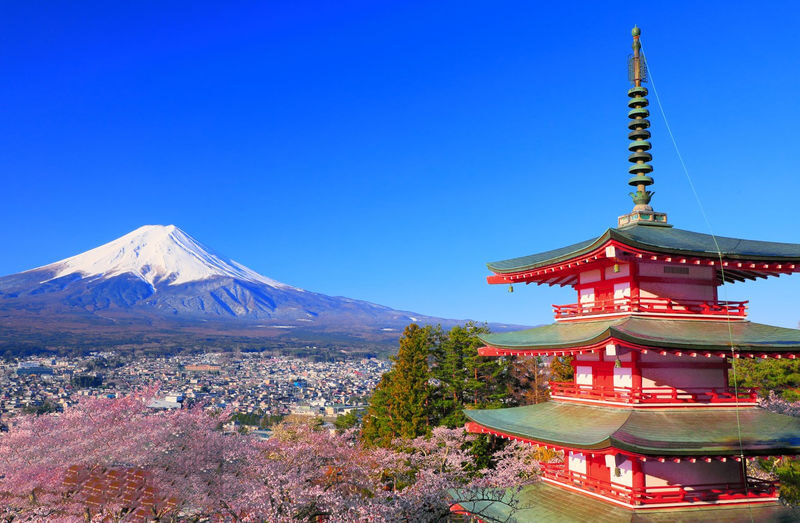
- Arakurayama Sengen Park: The five-story pagoda and Fuji make the tour’s signature composition, but crowds or weather can affect access.
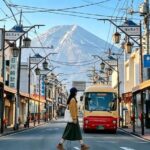
- Hikawa Clock Shop: A short stop for a memorable mix of Japanese street and mountain views.
- Oshino Hakkai: Eight natural spring pools fed by Mount Fuji’s snowmelt offer a change of scene from the photo spots.
- Lawson and Oishi Park: One is a familiar convenience store with a Fuji backdrop; the other brings you back to the lakeside, with seasonal scenery.
- Tokyo transport included: Meet in Tokyo or Shinjuku, or select the separate small-group package with hotel pickup and drop-off.
- Six Fuji Views, One Long Day
- Lake Yamanaka: Swans, Shore and Fuji
- Hikawa Clock Shop: A Fuji-Backed Street Scene
- Arakurayama Sengen Park and Its Five-Story Pagoda
- Lunch: Keep Your Plans Flexible
- Oshino Hakkai: Eight Spring Pools
- Lawson and Oishi Park: Familiar Japan, Seasonal Color
- The Return to Tokyo: Leave Your Evening Open
- Guides, Group Size and What the Price Covers
- Practical Details Before You Go
- Is This Fuji Day Tour Right for You?
- FAQ
- How long is the tour?
- Where can I join the tour?
- What is included in the price?
- Is lunch included?
- Is Mount Fuji guaranteed to be visible?
- Can the order of stops change?
- What replaces Oishi Park during seasonal periods?
- Are children charged the adult price?
- What happens if I arrive late?
- The Best Of Fujikawaguchiko machi!
- More Tours in Fujikawaguchiko machi
- More Tour Reviews in Fujikawaguchiko machi
Six Fuji Views, One Long Day
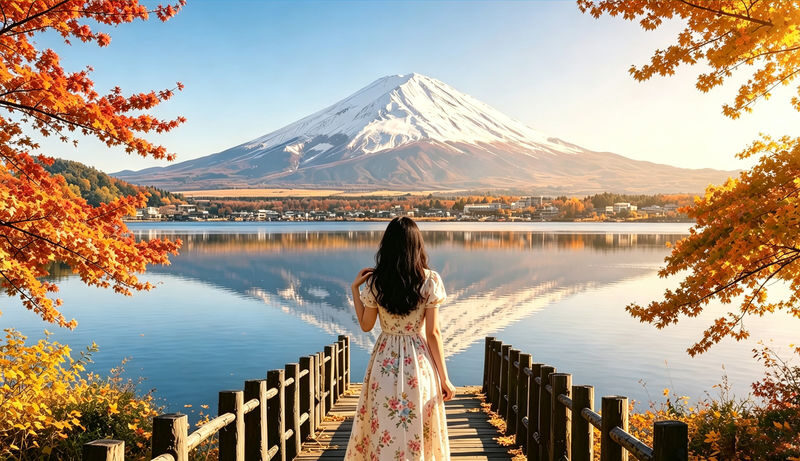
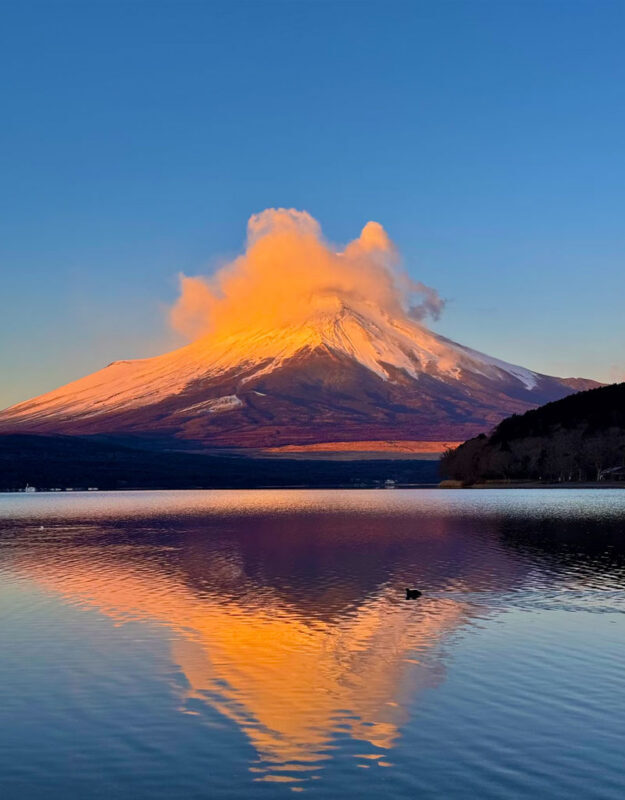
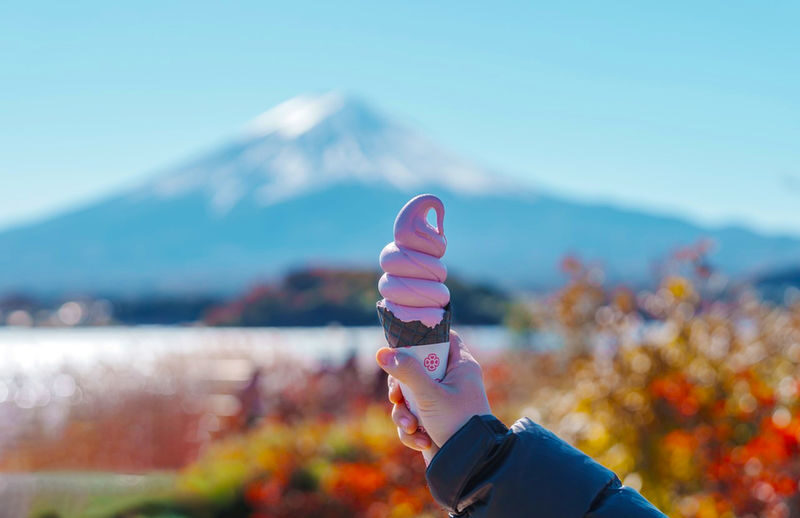
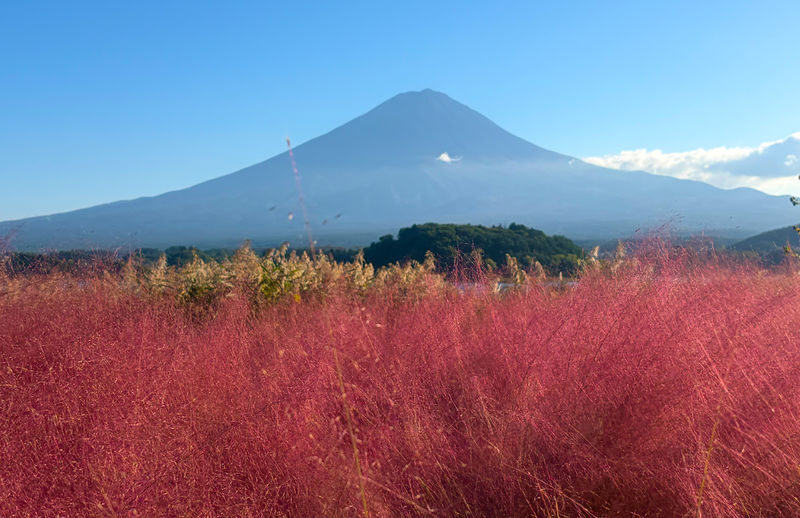
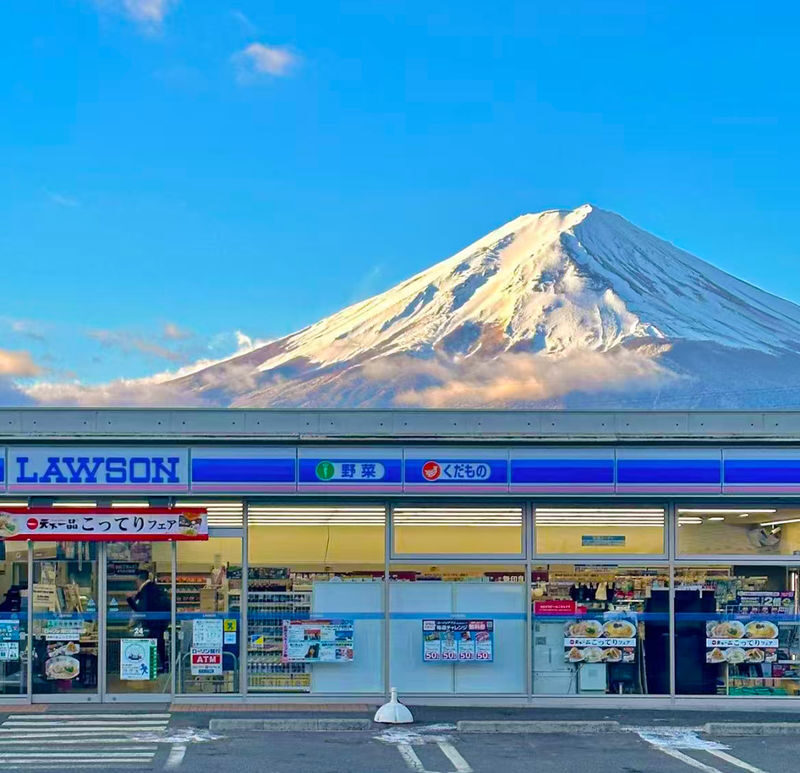
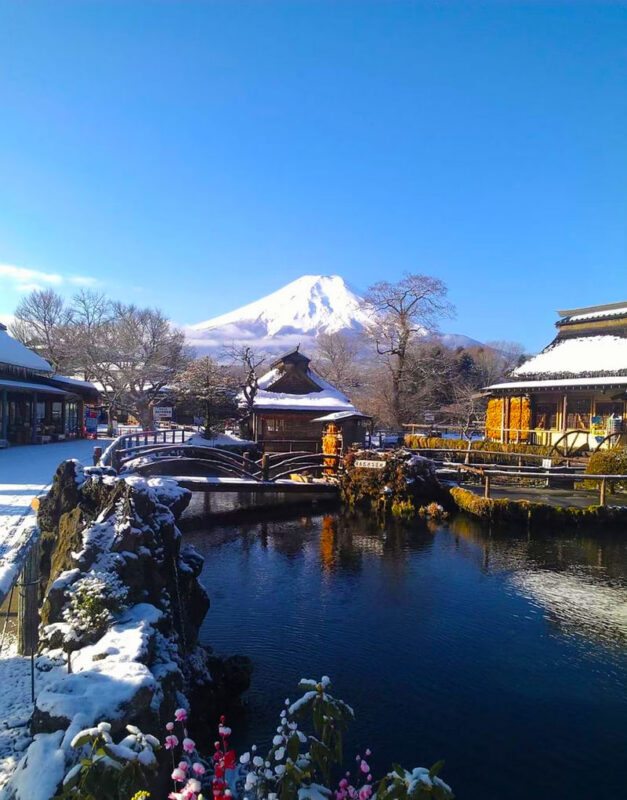
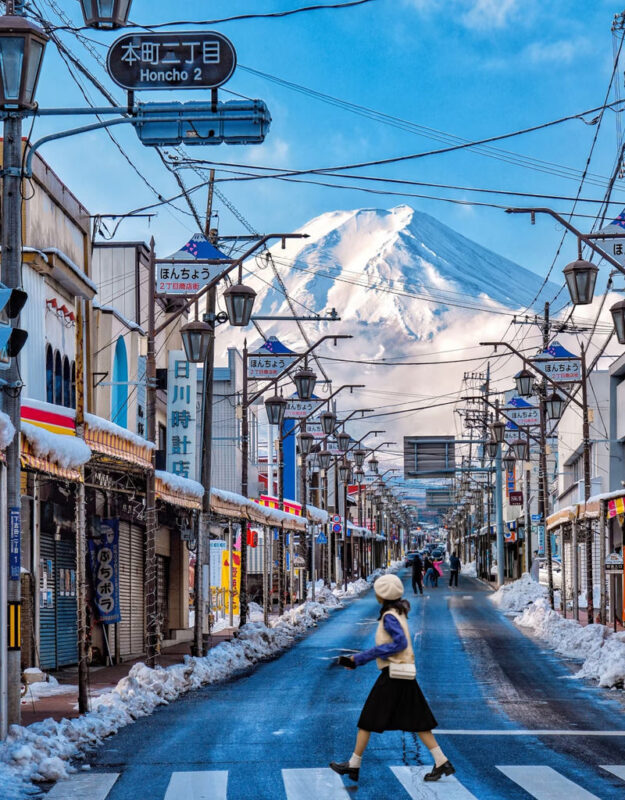
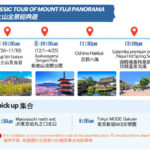
This is a photo-focused excursion, but it is not six versions of the same postcard. You get water-level views at Lake Yamanaka and Lake Kawaguchi, the pagoda viewpoint at Arakurayama, a street scene at Hikawa Clock Shop, and the spring pools at Oshino Hakkai. The Lawson stop adds an everyday bit of Japan to the mix.
That range is the tour’s main strength. If you want to make a first visit to the Fuji area without renting a car, working out bus connections or choosing only one lakeside town, the route does a lot of the planning for you. You trade time at each site for the chance to see several distinct places in a single day.
The title promises six major photo spots, but the schedule is more than a photo checklist. At Oshino Hakkai, you can look at the clear spring pools and get a feel for a village known for water from Mount Fuji’s melting snow. At Lake Yamanaka, swans and open water give the mountain a different scale. The short street and Lawson stops, meanwhile, capture a more everyday setting.
Treat the planned times as a framework, not a guarantee. The operator may change the order or shorten or skip stops because of traffic, weather or capacity. Arakurayama Sengen Park and Oishi Park are specifically noted as possible omissions, and seasonal alternatives may replace Oishi Park.

👉 See our pick of the 9 Most Highly Rated Workshops & Classes In Fujikawaguchiko machi
Lake Yamanaka: Swans, Shore and Fuji
The day is scheduled to reach Hirano no Hama, on the east side of Lake Yamanaka, at about 10:30 for a 40-minute stop. The appeal is an open shoreline where you can try to place Mount Fuji, the lake and swans in one frame. If conditions cooperate, the mountain’s reflection can make the shot.
The practical tip is to head toward the shallows and work along the lakeside rather than staying close to the drop-off point. The tour information recommends arriving before noon for photos with Fuji and its reflection. That is a useful aim, not a promise: cloud, wind and light all affect what you see.
You may also have time for a quiet walk or to feed swans, as suggested for this stop. But 40 minutes goes quickly, especially if you are taking photos or the shore is busy. Keep an eye on the meeting time; this is a shared-ride tour, not a free-form lake day.
You can also read our reviews of more tours and experiences in Fujikawaguchiko machi.
Hikawa Clock Shop: A Fuji-Backed Street Scene
Around 11:30, the group gets 20 minutes near Hikawa Clock Shop in Fujiyoshida. It is known for a distinct Japanese streetscape with Fuji in the background. The contrast between an ordinary town street and the mountain is what makes this stop different from a lakeside viewpoint.
Twenty minutes is enough for a few photos and a quick look, but not a leisurely wander through town. Follow the guide’s directions about where to stand and when to return. A short stop like this works best if you have your phone or camera ready before you leave the bus.
Arakurayama Sengen Park and Its Five-Story Pagoda
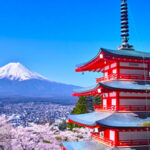
The park is the classic high-angle view on this route. Its five-story pagoda, often called Chureito Pagoda, sits against the mountain and is a strong reason to choose this tour over one that focuses only on the lakes. The setting changes with the seasons, so the exact scene depends on when you visit.
The schedule places this stop around noon for about an hour, though the order and available time can change. The park is popular, and the operator warns that it may be skipped because of capacity or weather. That uncertainty matters if the pagoda view is your main reason for booking. The tour gives you a chance to see it, but it cannot guarantee access or a clear Fuji.
Use the time carefully. Take your main photos first, then look around if the group’s timing allows. A fixed carpool schedule means the guide cannot wait long for latecomers; the stated wait limit is five minutes before the group moves on.
Lunch: Keep Your Plans Flexible
Lunch is not included. The guide may recommend a restaurant, but you are also free to buy a convenience-store bento or bring your own food. No meal purchase is required, and the timing or price can shift with the day’s arrangements.
If lunch is important to you, bring a simple backup. The schedule can change, and the meal stop may be canceled if most of the group does not need one or traffic has affected the day. One recent trip was able to accommodate a request for food without pork, but do not assume a particular restaurant or menu will be available on your departure.
Food and drinks are not allowed inside the vehicle, though sealed light snacks and unopened drinks may be carried aboard. Plan to eat during the stop rather than on the bus.
Oshino Hakkai: Eight Spring Pools
The tour is scheduled to reach Oshino Hakkai at 13:15 and stay for about an hour. The village is known for eight natural spring ponds formed by Mount Fuji’s snowmelt, sometimes described as a blue wonder at the mountain’s foot. It gives the day a more grounded stop: you are looking at water and village scenery, not just lining up a mountain in the distance.
An hour is enough for a walk around the pools and a short pause, but the area can be busy. If you want to see all eight ponds, check the route and time with your guide when you arrive. The schedule is tight, so leave time to get back to the vehicle.
Lawson and Oishi Park: Familiar Japan, Seasonal Color
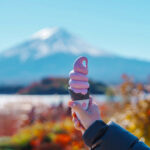
At about 14:30, the group stops for 20 minutes at Lawson Fujikawaguchiko Town Hall. The convenience store is famous for its Fuji backdrop, turning a familiar shopfront into a distinctly Japanese photo. It is a quick stop, not a shopping visit, and the point is the composition outside.
Oishi Park follows at about 15:10 for roughly 40 minutes. Its Lake Kawaguchi views and open sightlines bring the day back to the water. Seasonal flowers, cherry blossoms, autumn leaves and winter snow can change the view, though bloom and foliage dates vary with the weather.
During the stated cherry blossom period, March 28 to April 12, the route may go to the Lake Kawaguchiko Cherry Blossom Festival instead of Oishi Park. From October 20 to November 23, the Maple Corridor may replace it. These are planned seasonal substitutions, not extra stops.
The Return to Tokyo: Leave Your Evening Open
The return journey is scheduled to begin around 16:00, with arrival in Tokyo listed for 18:00. That timing can be optimistic on weekends, public holidays and busy travel days. The operator warns that congestion may add two to five hours, and trip accounts include a return delayed until around 19:35.
I would not book a timed dinner, show or train connection for shortly after the planned arrival. The long drive is part of the bargain: you reach several Fuji-area spots without arranging transport yourself, but you give up control over the return time.
Guides, Group Size and What the Price Covers
The standard option is a shared ride from Tokyo Station or Shinjuku, with English- or Chinese-speaking guide choices. Guides on departures have included Andy, Luna, Aoki, Serina and Zoe; the assigned person varies. Trip accounts repeatedly praise guides for clear communication, keeping the group on schedule and helping people enjoy the day even when clouds obscure Fuji. One guide also helped arrange a lunch choice without pork.
There is an important vehicle detail. Groups under 12 may travel in a vehicle with fewer than 14 seats, with a driver but no separate tour guide. Larger groups are arranged with a driver and guide. The tour is shared, so the group may include other bookings. A separate small-group package for nine people offers hotel pickup and drop-off, rather than the usual meeting-point arrangement.
At the starting price of $49.29, the tour can be good value if you want transport to several distant stops in one day. Round-trip transfers, tolls, parking and fuel are included. Meals, drinks, personal expenses and tips are not. The small-group hotel pickup option may have a different price, so compare the package details rather than assuming the starting fare covers it.
The price does not buy a private pace or a guaranteed view. You are paying for the route and transport, not an escape from crowds or weather. That is a fair trade for a first-time visitor who values convenience and variety more than long visits at any one site.
Practical Details Before You Go
Tokyo Station departure is listed for 07:20, with the group leaving at 07:30. The Shinjuku departure is listed for 07:50, with an 08:00 departure. Arrive at least 10 minutes early. The meeting point and vehicle details are sent the day before, so check your email and spam folder, keep your phone accessible and join the guide’s communication group if one is provided.
This is a fixed-route carpool. If you are late, miss the bus or leave the tour, refunds are not offered. At stops, stick to the agreed time; the guide may wait no more than five minutes. Tell the operator in advance if you have large luggage, since vehicle capacity is limited.
The tour does not include travel or accident insurance. Participants should assess their own health and arrange insurance if needed. The stated restrictions exclude people with high blood pressure, heart disease, fear of heights, asthma or epilepsy, as well as pregnant participants. Children aged two and older pay the adult rate; children under two may ride free only if they do not need a separate seat, and advance notice is required.
Is This Fuji Day Tour Right for You?
Book it if you want to see several familiar Fuji-area sights in one outing, prefer not to drive, and can accept a quick pace and a flexible return. It is especially useful for a first visit, when the range of lake, town, pagoda and spring-pool stops matters more than spending half a day in one place.
Look elsewhere if you want a slow day, guaranteed access to every stop, or a fixed evening arrival in Tokyo. Fuji’s visibility is never assured, and a cloudy day can soften the main attraction. Still, the route has enough variety to offer worthwhile stops beyond the mountain itself. Pack a lunch option, keep your schedule open after the return, and book for the convenience rather than a perfect photograph.
Mount Fuji’s Six Major Instagrammable Photo Spots One-Day Tour: Lake Yamanaka Upside-Down Fuji & Arakurayama Sengen Park & Nichikawa Clock Shop & Oishi Park (Departing from Tokyo)
“Our Mount Fuji trip was truly unforgettable! From the very first glimpse of the magnificent Mount Fuji, the view was absolutely breathtaking. The e…”
FAQ
How long is the tour?
The listed duration is about 10.5 hours. Departures are scheduled from Tokyo in the morning, with a planned return to Tokyo at 18:00. Traffic can make the day longer.
Where can I join the tour?
The meeting-point departures are from Tokyo Station Marunouchi North Exit or Shinjuku MODE Gakuen. A separate package offers hotel pickup and drop-off for a small group of nine.
What is included in the price?
Round-trip transfers to and from the meeting point, toll fees, parking fees and fuel are included. Meals, drinks, personal expenses and tips are not.
Is lunch included?
No. You can bring food, buy a convenience-store bento or eat at a restaurant recommended by the guide. The meal stop may change or be canceled depending on the day’s arrangements.
Is Mount Fuji guaranteed to be visible?
No. Weather and cloud cover can obscure the mountain, and the tour does not guarantee a clear view.
Can the order of stops change?
Yes. The route order or the number of stops may change because of weather, traffic, holidays or crowd levels. Arakurayama Sengen Park or Oishi Park may be skipped.
What replaces Oishi Park during seasonal periods?
From March 28 to April 12, the tour may visit the Lake Kawaguchiko Cherry Blossom Festival instead. From October 20 to November 23, it may visit the Maple Corridor.
Are children charged the adult price?
Children aged two and older pay the same rate as adults. Children under two may travel free only if they do not occupy a separate seat, and the operator asks you to inform them in advance. A child under two who needs a seat must buy a ticket at the adult rate.
What happens if I arrive late?
The tour asks you to arrive at least 10 minutes before departure. Late arrivals and no-shows are not refunded. At attractions, the guide may wait for up to five minutes before the group continues.