Mount Fuji is the star, but this day trip gives you more than one chance to see it. You’ll visit lakeside viewpoints, the spring-fed village of Oshino Hakkai and the steps near Chureito Pagoda, with several well-known photo stops along the way. If the mountain stays clear, you’ll see it from different angles; if clouds roll in, the scenery still has plenty to offer.
I like the small shared vehicle, which avoids the scale of a big coach, and the mix of classic viewpoints and quieter waterside stops. Lake Yamanaka brings swans into the picture, while Oshino Hakkai offers a pleasant walk among clear spring pools.
The main caution is the road. Tokyo traffic, especially on a local holiday weekend, can swallow hours and leave less time at the sights. And despite the driver-guide label, don’t count on a full narration at every stop.
- At a glance
- Six Fuji-area stops, one long day
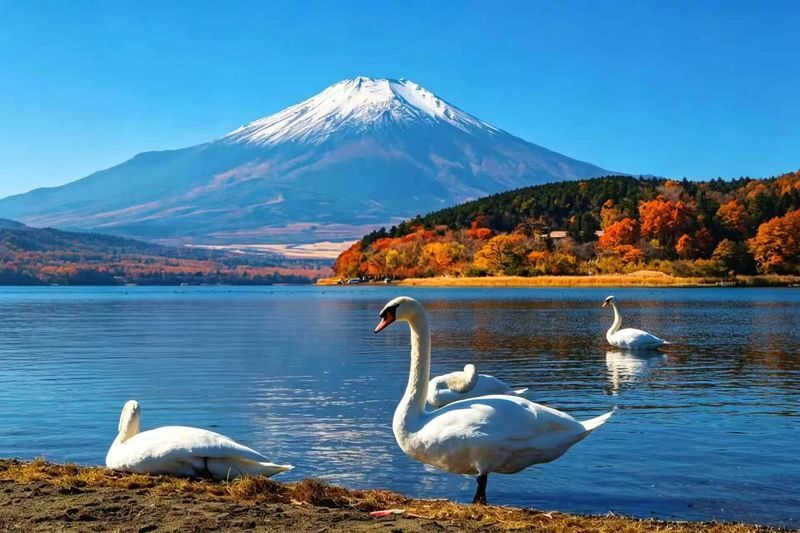
- Lake Yamanaka: swans and open water
- Oshino Hakkai: clear spring pools and a village stroll
- Oishi Park: a Fuji view across Lake Kawaguchiko
- Hikawa Clock Shop: the familiar street-level frame
- Chureito Pagoda: the climb is part of the visit
- A driver-guide service with variable narration
- The drive from Tokyo: the day’s biggest variable
- What the price buys you
- Who will enjoy this day trip most
- Practical details before you book
- Should you book it?
- FAQ
- How much does the tour cost?
- Where does the tour meet in Tokyo?
- Which places are included?
- Is the tour shared or private?
- Is lunch included?
- Will the driver explain the sights?
- Is Mount Fuji guaranteed to be visible?
- What is the cancellation policy?
- The Best Of Fujikawaguchiko machi!
- More Guided Tours in Fujikawaguchiko machi
- More Tours in Fujikawaguchiko machi
- More Tour Reviews in Fujikawaguchiko machi
At a glance
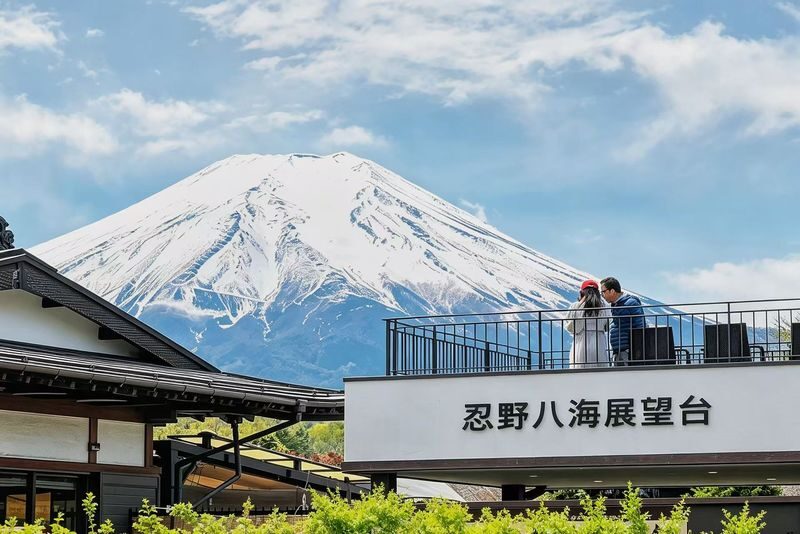
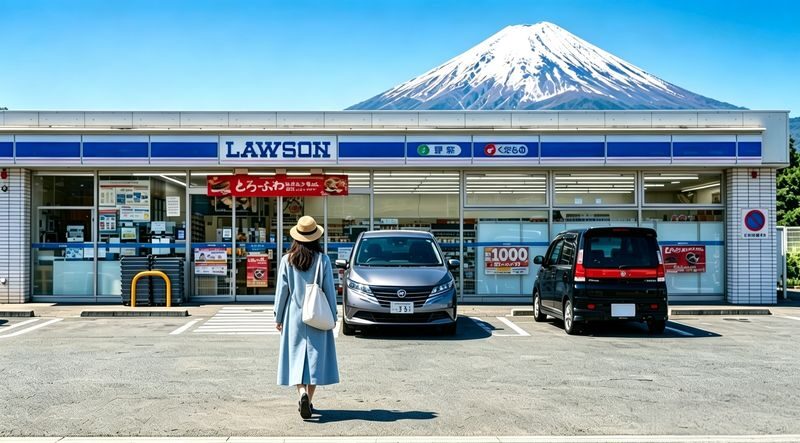
- Six scenic stops in one day: The route links Lake Yamanaka, Oshino Hakkai, Lake Kawaguchiko’s Oishi Park, the Hikawa Clock Shop photo spot and Arakurayama Sengen Park with Chureito Pagoda. A convenience-store stop may serve as a simple lunch break.
- Two Tokyo meeting points: Tokyo Station and Shinjuku are both listed as boarding options, useful if you’re staying on either side of the city.
- A shared small-group ride: You’ll travel with a limited number of passengers rather than on a large bus, though the exact group size is not specified.
- Independent time at each stop: The driver sets a return time, and you explore on your own. The amount of time can vary with traffic and the day’s schedule.
- A driver-guide, not always a full guide: Some drivers share tips, explain the stops and help with photos. Others mainly handle transport and give brief instructions.
- From $55.29: That can be good value if you want several Fuji-area sights in one day without planning local transport yourself.

👉 See our pick of the 9 Most Highly Rated Workshops & Classes In Fujikawaguchiko machi
Six Fuji-area stops, one long day
This tour is designed for a simple purpose: fit several of the best-known sights around Mount Fuji into a single day, then return you to Tokyo. That saves you the work of joining up regional transport, but it also means a fair stretch of the day will pass through a van window.
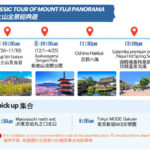
The route is commonly described as covering six scenic stops. The named highlights include Lake Yamanaka, Oshino Hakkai, Oishi Park beside Lake Kawaguchiko, the Hikawa Clock Shop photo spot and Arakurayama Sengen Park, where you’ll find Chureito Pagoda. A convenience-store stop is also described as a chance to pick up food and take a break. The precise order and time at each place can vary, so treat the route as a day’s framework rather than a promise of a fixed minute-by-minute schedule.
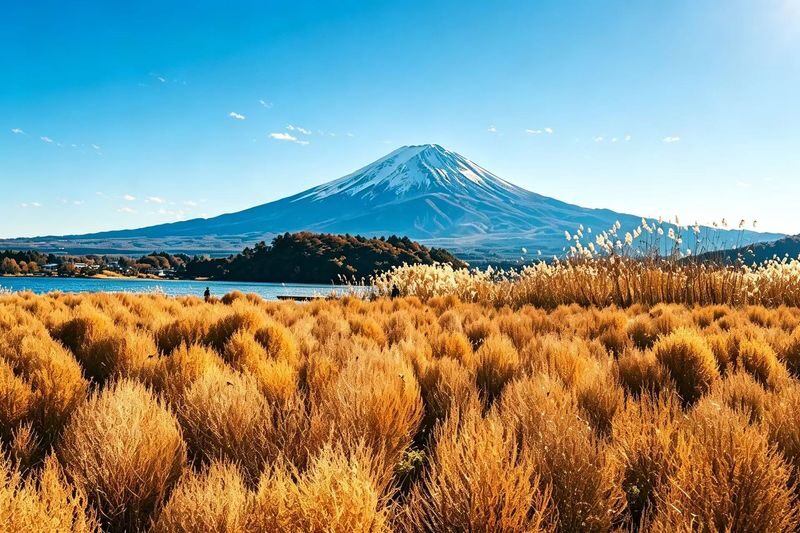
The appeal is variety. You’ll get lakes, a village, a popular urban photo angle and a pagoda viewpoint, rather than spending the whole day at one attraction. If you have limited time in Japan, that range can make the tour a practical way to get a first look at the Fuji region.
You can also read our reviews of more guided tours in Fujikawaguchiko machi


Lake Yamanaka: swans and open water
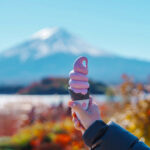
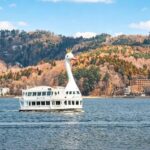
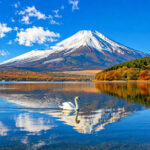
Lake Yamanaka brings a softer start to the sightseeing: water, open views and the chance to feed swans. The interaction is a small, memorable change from the standard routine of stepping off a vehicle, taking a photo and getting back in. It also gives you a reason to slow down and look around rather than focus only on whether Mount Fuji is visible.
The lake is one of the places where Fuji’s presence depends on the weather. On a clear day, the mountain can add a striking backdrop. On a cloudy day, the water and swans still give the stop a pleasant character, but you may miss the view you came hoping to see.
Keep your expectations flexible. A day trip can put you in the right places, but it cannot order the clouds to move.
Oshino Hakkai: clear spring pools and a village stroll
Oshino Hakkai is a welcome change of pace from the lakeside stops. It is known for spring water, and the clear pools are a central part of the visit. You can stroll through the village area, look into the water and take in the setting at a slower pace than a quick roadside photo stop allows.
This is one of the most rewarding places to put your phone away for a few minutes. The water’s clarity is the attraction, and it’s easy to appreciate it without needing a long explanation. Some drivers give useful context or point out things to see; others may simply tell you when to return. If you care about the history and local customs, bring a little background with you rather than assuming you’ll receive a detailed talk.
The stop is also a good chance to get a snack or drink if you need one. A separate convenience-store break is described on the route, with lunch left to you rather than arranged as a group meal.
Oishi Park: a Fuji view across Lake Kawaguchiko
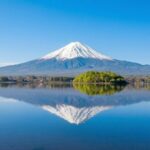
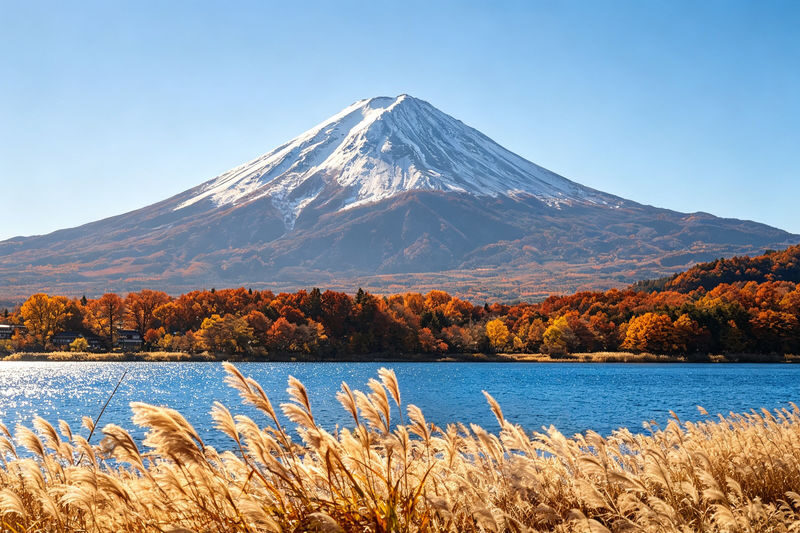
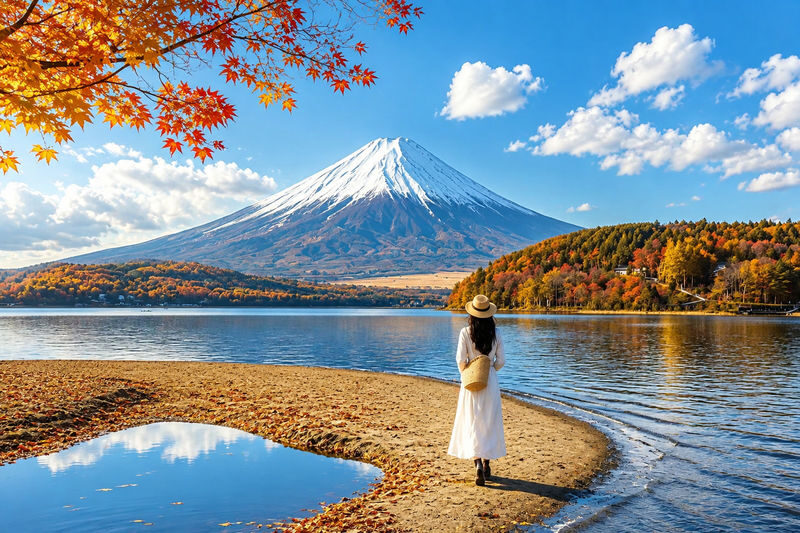
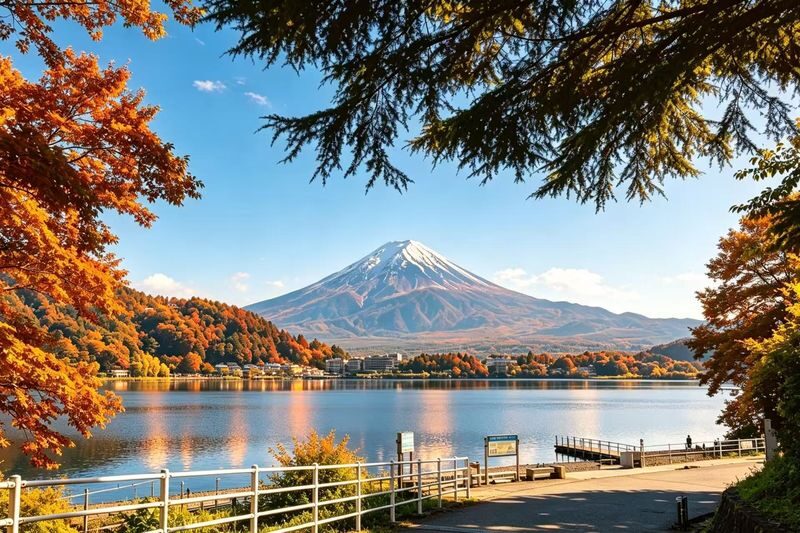
At Oishi Park, the draw is the view across Lake Kawaguchiko toward Mount Fuji. It is one of the clearest chances on the route to frame the mountain with water and lakeside scenery. When visibility cooperates, it’s an excellent place for photos; when the summit is hidden, you still have the lake and park to enjoy.
The stop’s value is partly its contrast with the mountain’s busier photo points. You can take in a wider view rather than stand in one particular spot waiting for a camera angle. Still, this is a popular place, and the time you have is limited by the overall schedule. If a particular photo matters to you, take it early, then use whatever time remains for a walk and a better look around.
Hikawa Clock Shop: the familiar street-level frame
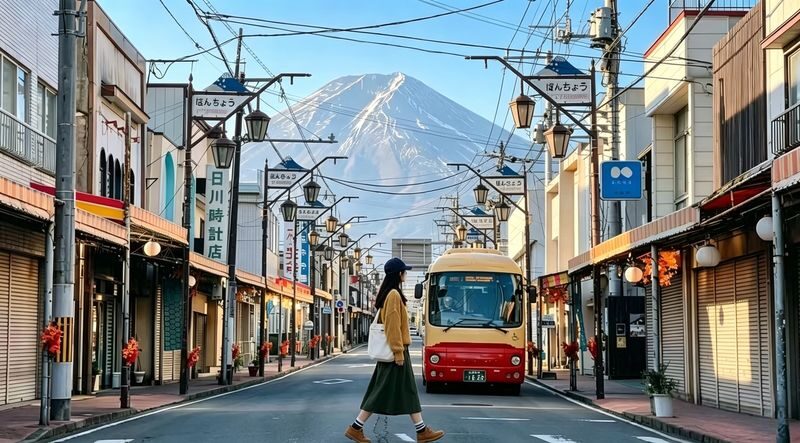
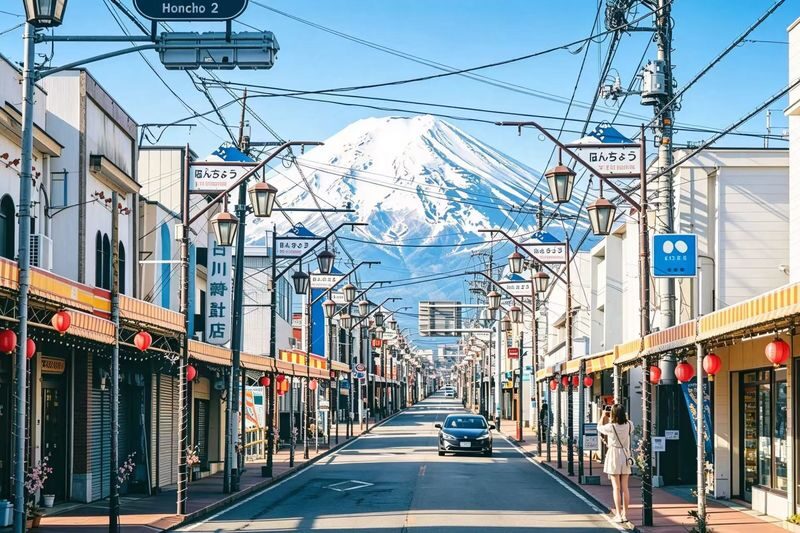
The Hikawa Clock Shop area is a well-known photo spot, pairing a town street with Mount Fuji in the background. It is a very different view from the open lakeside scenes, and that contrast is why it fits into the day. You’ll likely recognize the composition from widely shared Fuji photos.
This stop is about the angle more than a long visit. It can feel crowded, and your time may be short, so be ready to take a turn, get the photo you want and make room for others. The spot is a good reminder that the Fuji region is not only quiet lakes and rural paths. Some of its most popular views are woven into everyday streets.
You can also read our reviews of more tours and experiences in Fujikawaguchiko machi
Chureito Pagoda: the climb is part of the visit
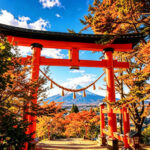
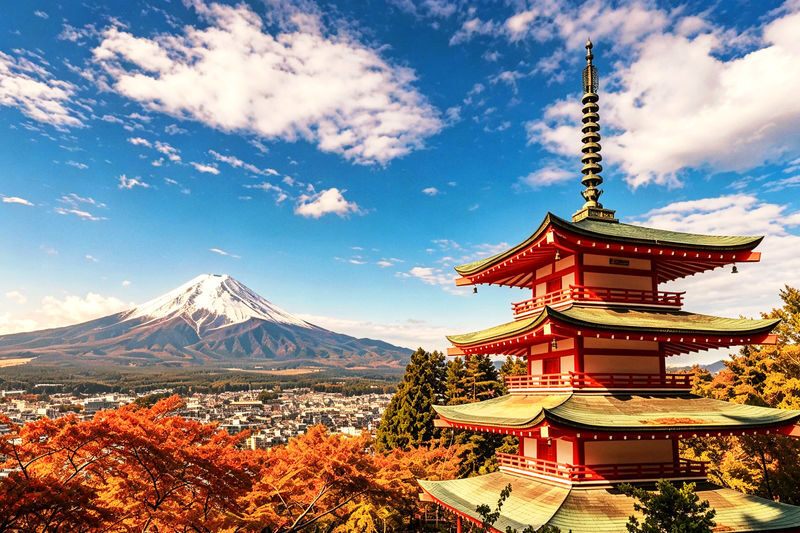
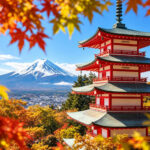
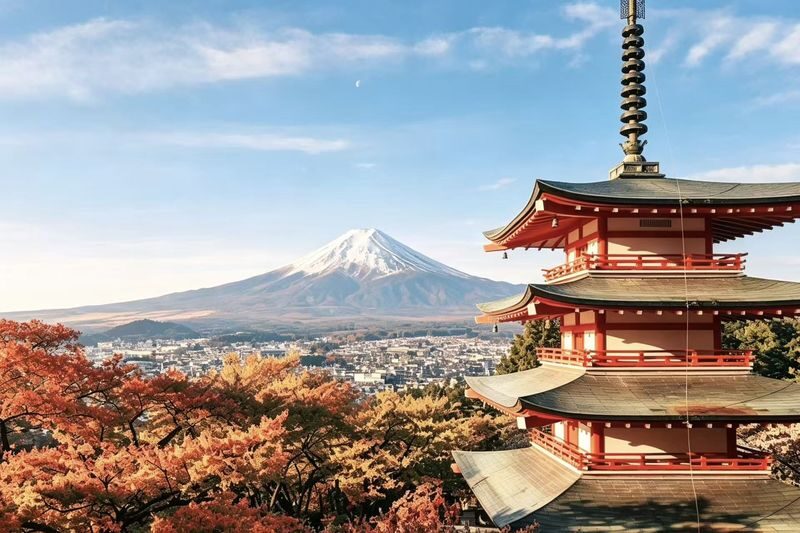
Arakurayama Sengen Park and Chureito Pagoda give you the classic layered view: pagoda, hillside and Mount Fuji beyond. The stop is often given about an hour, enough for a walk and photos if conditions and pace allow. One account describes a more leisurely visit, while other experiences point to less time or a longer approach from the vehicle. That variation matters here because the viewpoint involves walking uphill and stairs.
Don’t spend the whole hour taking pictures at the first spot you find. Allow time to walk, pause and enjoy the view, and remember to return to the meeting place by the driver’s stated time. The exact parking or drop-off point can affect how much walking you do before reaching the park. If stairs or uphill walking are a concern, ask about the day’s arrangements before setting out.
The view is especially dependent on visibility. A clear summit makes the famous composition; cloud can obscure the mountain even when the pagoda is in full view. It’s worth enjoying the setting as a place in its own right, not just as a backdrop for one photograph.
A driver-guide service with variable narration
The word driver-guide can set different expectations. This is not necessarily a guided walking tour with a running account of local history at every stop. The core service is transport between attractions, with instructions about how long you have and when to return. Some drivers add explanations, suggestions for food and photo spots, or help taking pictures.
Drivers named in accounts include Moto-san, Leo, Frank and Mr. Qian. Individual experiences vary: some drivers are described as attentive, patient and helpful with photos, while others provided little beyond the stop name and return time. That difference is worth keeping in mind if you value interpretation as much as the scenery.
A small group can make the ride more comfortable and personal than a large coach, and it may be easier to get in and out at stops. But it doesn’t guarantee a private tour or a dedicated guide. Think of this as a transport-led sightseeing day, with the possibility of extra guidance rather than a promise of in-depth commentary.
The drive from Tokyo: the day’s biggest variable
The distance between Tokyo and the Fuji area makes traffic the tour’s main gamble. On a clear run, the shared vehicle is an efficient way to visit several places without working out each connection yourself. On a holiday weekend or a busy Saturday, the drive can take much longer. One particularly difficult trip took four to five hours to reach its first stop, leaving less time for sightseeing.
That is not a reason to avoid the tour outright, but it is a reason to choose your date carefully. Check Japan’s public holidays and avoid a long weekend if your schedule allows. You cannot control traffic, and the operator cannot make a congested highway move faster. You can control whether you book a day when roads are more likely to be busy.
The return to Tokyo is also subject to road conditions. The tour is often described as getting back in the evening, but don’t plan a tight connection or a fixed dinner reservation without allowing for delays. The day works best when you can accept a flexible return.
What the price buys you
At a starting price of $55.29, the value comes from having transport arranged for multiple stops in one day. You avoid piecing together local connections and can visit places spread around the Fuji area without managing the route yourself. For a solo visitor or anyone with only one free day, that convenience may matter more than a deep dive into any single site.
The price does not mean every element is taken care of. Lunch is on your own, and the driver’s level of commentary can vary. You are also paying with time: a round trip from Tokyo is a full-day commitment, and traffic can reduce the hours spent outside the vehicle.
I’d compare the cost with the effort of arranging your own transport and the number of places you want to see. If your priority is a broad sampler of Fuji-area highlights, this is appealing. If you’d rather linger at one lake, hike at length or hear detailed local history, a packed day trip may feel too brisk.
Who will enjoy this day trip most
This tour makes the most sense if you want a straightforward first visit to Mount Fuji’s surrounding sights and don’t want to plan every transfer. It suits solo visitors, couples and small parties who are happy to share a vehicle and explore independently at each stop. The choice of Tokyo Station or Shinjuku as a meeting point can also make the start easier, depending on where you’re staying.
It can work for families or older people, too, but be realistic about the long drive and the walking at places such as Chureito Pagoda. The route includes several stops, and the exact time available can be affected by traffic. Anyone who needs a slower pace should check the walking demands and stop durations before booking.
You may prefer another kind of outing if a guide’s detailed explanations are essential, if you dislike fixed return times, or if you want to spend a large part of the day in one place. And if seeing Mount Fuji itself is your only goal, remember that weather can hide the summit. There is no guaranteed view.
Practical details before you book
The activity offers instant confirmation and free cancellation if you cancel at least 24 hours before the activity date, using the destination’s local time. If extreme weather or another unforeseen event leads the operator to cancel, you can reschedule or request a full refund. Late arrivals and no-shows are not eligible for refunds or changes, so arrive at the meeting point on time.
Before departure, confirm your meeting point and read the operator’s messages carefully. Ask how much walking is expected at Chureito Pagoda if that affects your plans, and clarify whether you should expect commentary or mainly transport. Bring money for your own lunch and any purchases, and keep a little flexibility in your evening schedule in case the return drive runs late.
Should you book it?
Book this tour if you want to cover several recognizable Fuji-area sights in one day, value transport arranged for you and are content to explore each stop on your own. The small shared vehicle, choice of Tokyo meeting points and variety of stops make it a useful option for a short Tokyo stay.
Skip it if you need a fully narrated tour, want long stretches at each attraction or cannot tolerate traffic-related changes to the schedule. Choose a weekday outside local holiday periods if you can, and treat Mount Fuji’s visibility as a bonus rather than a guarantee. That is the sensible way to get good value from a busy day in the mountains.
Tokyo Mount Fuji and Lake Kawaguchiko One-Day Tour (Driver-guide service)
“The places that we visited were lovely, and we were lucky to have been able to see Mt Fuji. Kawaguchiko park and Oshino Hassai were also lovely to…”
FAQ
How much does the tour cost?
The listed starting price is $55.29. The amount you pay may depend on the selected booking details.
Where does the tour meet in Tokyo?
Meeting points are available at Tokyo Station’s Marunouchi North Exit and Shinjuku West Exit.
Which places are included?
The route is described as covering six scenic spots, including Lake Yamanaka, Oshino Hakkai, Oishi Park at Lake Kawaguchiko, the Hikawa Clock Shop photo spot and Arakurayama Sengen Park with Chureito Pagoda.
Is the tour shared or private?
It is described as a small-group shared tour. A specific maximum group size is not provided.
Is lunch included?
Lunch is described as being on your own. A convenience-store stop is included in accounts of the route, where you can pick up food.
Will the driver explain the sights?
The service is described as driver-guide service, but the amount of explanation can vary. Some drivers offer tips and information, while others mainly provide transport and return-time instructions.
Is Mount Fuji guaranteed to be visible?
No. Visibility depends on the weather, and cloud can obscure the summit.
What is the cancellation policy?
You can cancel for a full refund if you cancel at least 24 hours before the activity date, using local destination time. If the operator cancels because of extreme weather or another unforeseen event, you can reschedule or request a full refund. Late arrivals and no-shows are not eligible for refunds or amendments.