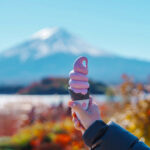
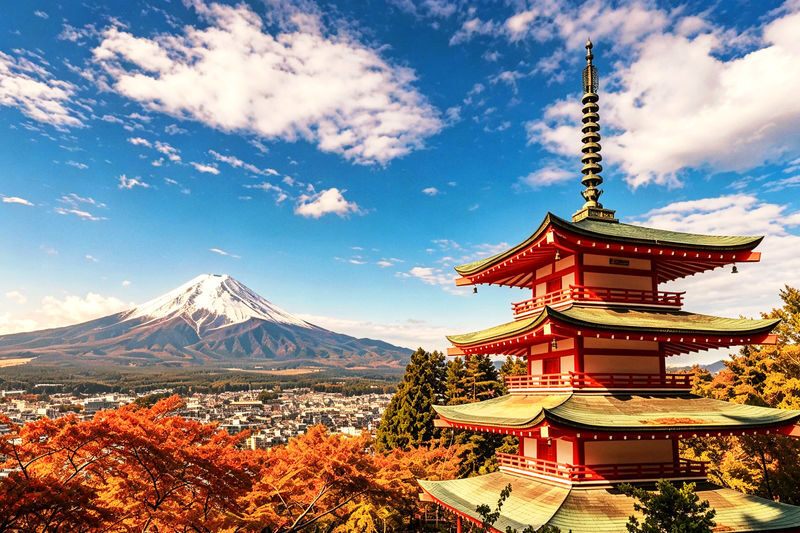
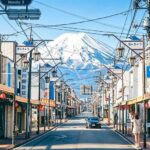
Mount Fuji is the star, but the best part of this day trip is how many ways you get to see it: reflected in Lake Yamanaka, framed by flowers at Oishi Park, or rising above Hirano Beach. You also get a taste of rural Japan at Oshino Hakkai, where clear spring water feeds a cluster of ponds.
I like the choice at Lake Yamanaka: pay extra for the KABA amphibious bus or swan-shaped boat, or keep the cost down with a free lakeside stroll. I also like that the route pairs big Fuji views with a quieter stop among traditional houses and spring-fed ponds.
The catch is that Mount Fuji is famously shy behind clouds, and traffic from Tokyo can chew up the day. Boat and KABA fees are not included in the base package, so check which option you are booking before you compare prices.
- Key points before you book
- Four stops, four different Mount Fuji views
- Hirano Beach: a calm first look at Fuji
- Lake Yamanaka: choose your own hour and 40 minutes
- Oshino Hakkai: spring water and a village pause
- Oishi Park: flowers at Lake Kawaguchi
- The Tokyo ride and the real value of the day
- Guides, group travel and practical details
- Should you book this Mount Fuji day trip?
- FAQ
- What is included in the tour price?
- Are the KABA bus and Swan Lake boat included?
- How long is the stop at each attraction?
- Where does the tour depart from?
- Is lunch included?
- Can I bring luggage or a child seat?
- What happens if weather or traffic disrupts the day?
- The Best Of Fujikawaguchiko machi!
- More Boat Tours & Cruises in Fujikawaguchiko machi
- More Tours in Fujikawaguchiko machi
- More Tour Reviews in Fujikawaguchiko machi
Key points before you book
 1 / 9
 2 / 9
 3 / 9
 4 / 9
 5 / 9
 6 / 9
 7 / 9
 8 / 9
 9 / 9
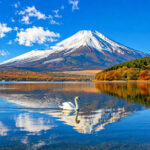
- Hirano Beach offers a wide view of Fuji: The calm lake can reflect the mountain, especially in the morning, but clear skies are never guaranteed.
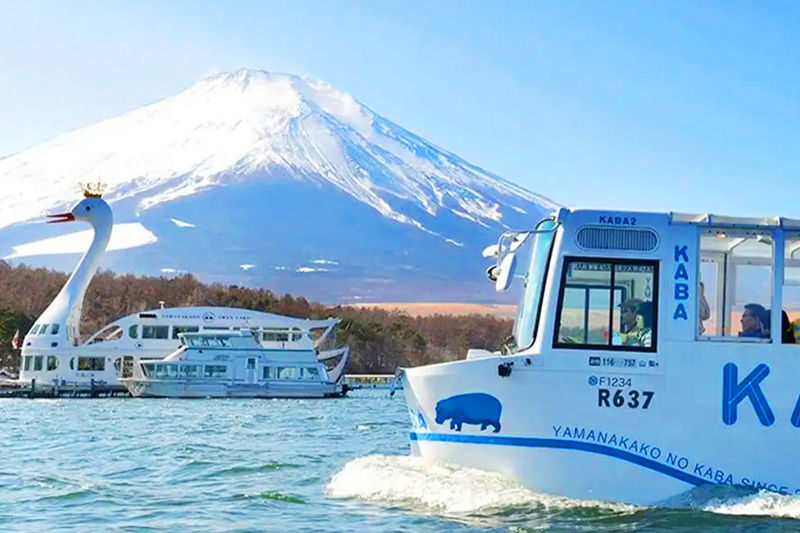
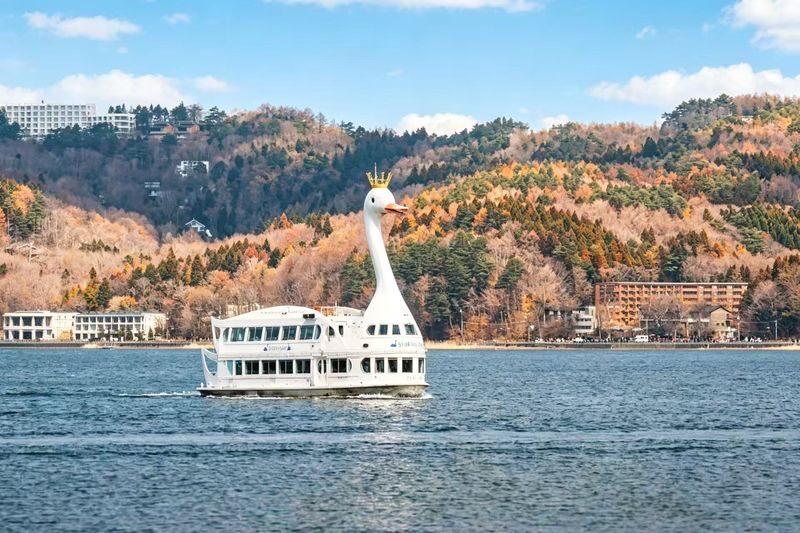
- Lake Yamanaka has three ways to spend your free time: Choose a KABA amphibious bus, the Swan Lake sightseeing boat, or a self-guided lakeside break.
- Oshino Hakkai adds a village stop: Its eight spring-fed ponds offer a change of pace from lakeside viewpoints and photo stops.
- Oishi Park changes with the seasons: Flowers line the promenade in warmer months, while cooler seasons bring a chance to photograph Fuji over Lake Kawaguchi.
- The day is sensitive to traffic and weather: The schedule can shift, and your time at stops may be shortened to keep the group moving.
- Guides can shape the day: Past trips have had guides including Liu, Xiao Yang, Mr. Gao and Hou Jing, though your guide will vary.

👉 See our pick of the 9 Most Highly Rated Workshops & Classes In Fujikawaguchiko machi
Four stops, four different Mount Fuji views
This is a full-day group excursion from Tokyo into Yamanashi Prefecture, with stops around Lake Yamanaka, Oshino Hakkai and Lake Kawaguchi. You travel by shared vehicle, with round-trip transfers, fuel, tolls and parking included. Depending on the group size, the operator may use a commercial vehicle, minibus or bus.
The route works well if you want a broad introduction to the Fuji Five Lakes area without arranging transport between scattered sights yourself. You get several distinct settings in one day, but it is a sampler, not a slow stay in any one place.
The day’s appeal depends heavily on visibility. Even on a clear day, the schedule gives you limited time at each stop. On a cloudy or congested day, the balance can tilt toward transport and quick visits rather than long, relaxed stretches outdoors.
You can also read our reviews of more boat tours in Fujikawaguchiko machi
Hirano Beach: a calm first look at Fuji
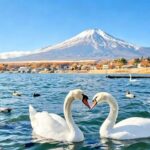
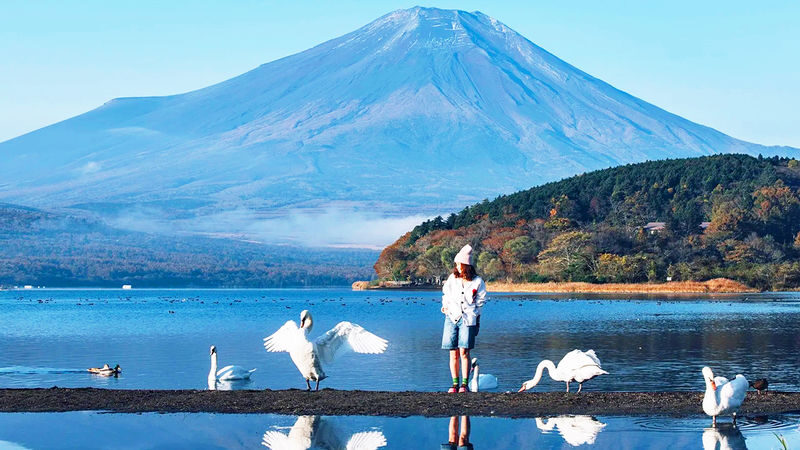
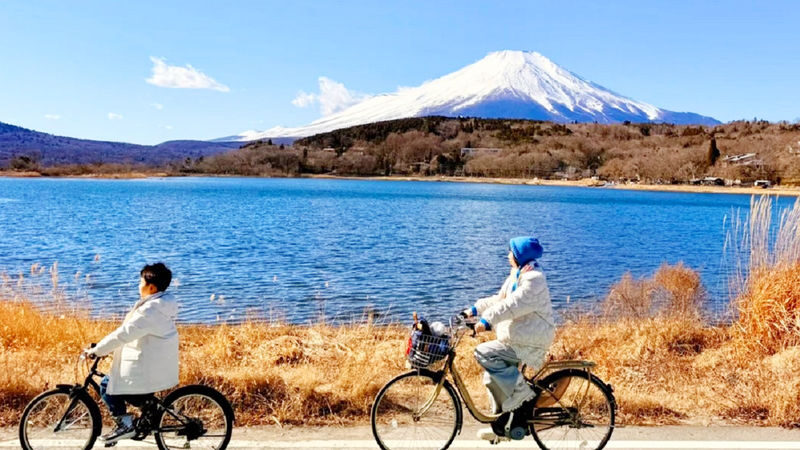
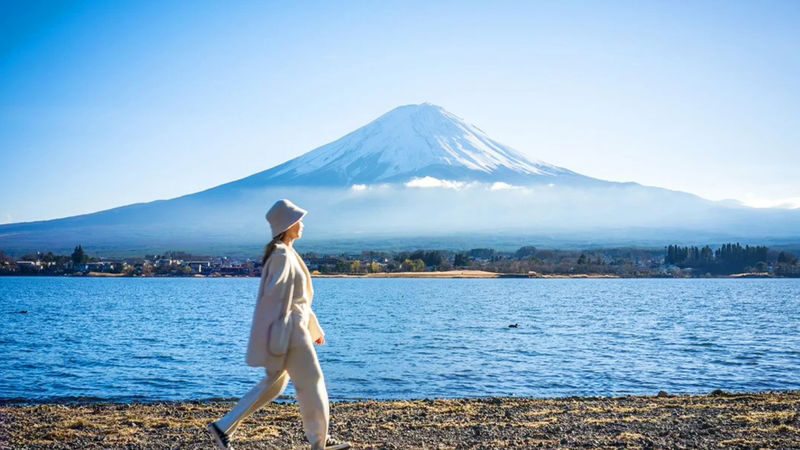
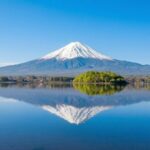
The first listed stop is Hirano Beach, on the northeast side of Lake Yamanaka. The broad shore gives you a clear view toward Mount Fuji, and when the water is still, the mountain may appear reflected on the surface. That mirror image is the reason this stop is especially appealing to photographers.
You have about 30 minutes here to look around on your own. It is a short visit, so think of it as a chance to take in the view and get a few photographs rather than settle in for a long lakeside walk.
Morning can bring especially calm water, but the reflection depends on conditions. Clouds can hide Fuji, and wind can break up the mirror effect. Dress for the day’s weather, and keep expectations flexible: the view is a possibility, not a promise.
Lake Yamanaka: choose your own hour and 40 minutes
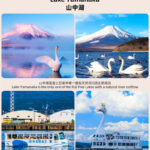
Lake Yamanaka is the largest and highest of the Fuji Five Lakes, and the tour gives you about an hour and 40 minutes here. That is the longest stop, which makes sense: you can take a boat, watch for swans, walk along the shore or simply pause with Fuji in the distance.
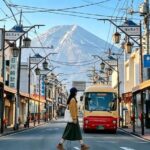
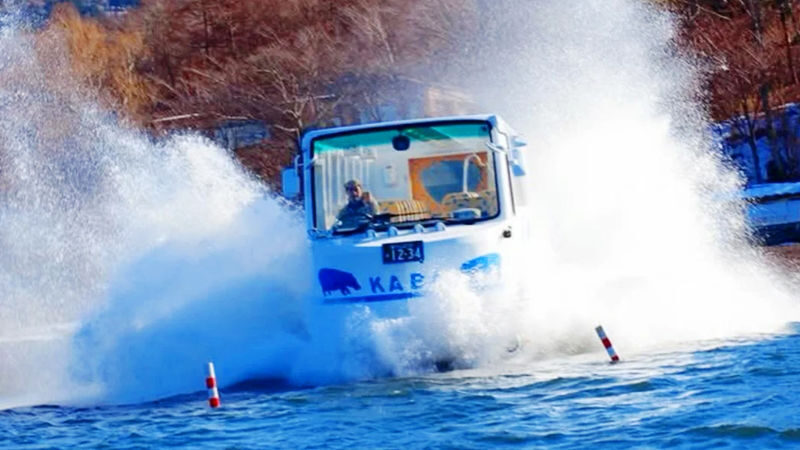
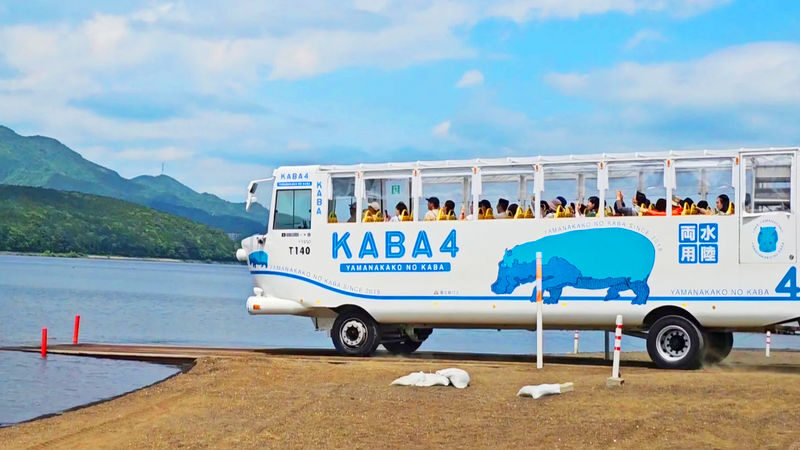
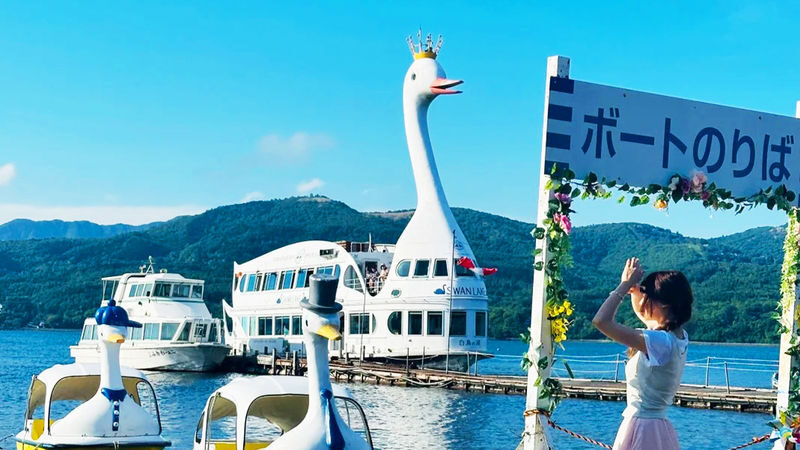
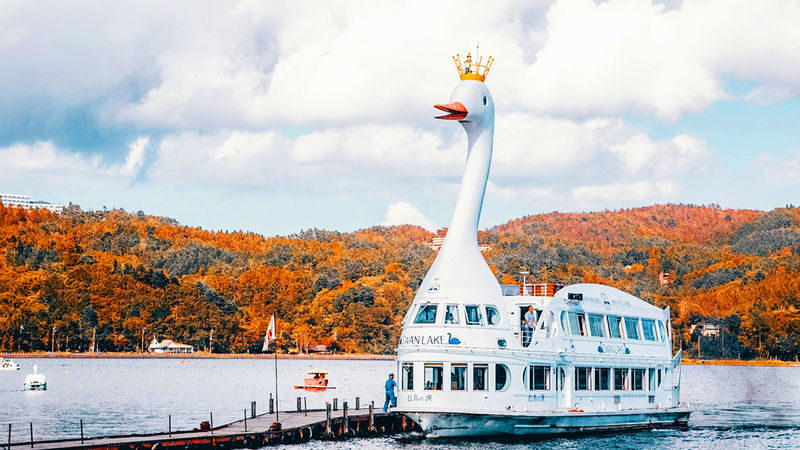
There are three ways to use this time. The base option is a self-guided lakeside stroll. The Swan Lake option includes a ticket for the swan-shaped Hakucho-go sightseeing boat, while the KABA option includes the amphibious bus tour. The boat fees are excluded from the basic package, so confirm your chosen option and what it covers at booking.
The KABA bus is the most unusual choice because it offers a land-and-water perspective on the lake. It has limited availability and a fixed schedule, which matters on weekends and holidays: traffic can make the group late, and the departure time may be moved forward by 30 minutes to reduce the risk of missing it. One past trip did not manage to take the KABA ride, so if that experience is the main reason you are booking, check the operator’s latest arrangements and understand that traffic or facility changes can affect the plan.
The swan boat is a gentler option, with a leisurely circuit on the lake. If you would rather spend your time on shore, the free-stroll option keeps the extra cost down and lets you set your own pace. The trade-off is that you will need to watch the clock and be back at the vehicle on time.
Oshino Hakkai: spring water and a village pause
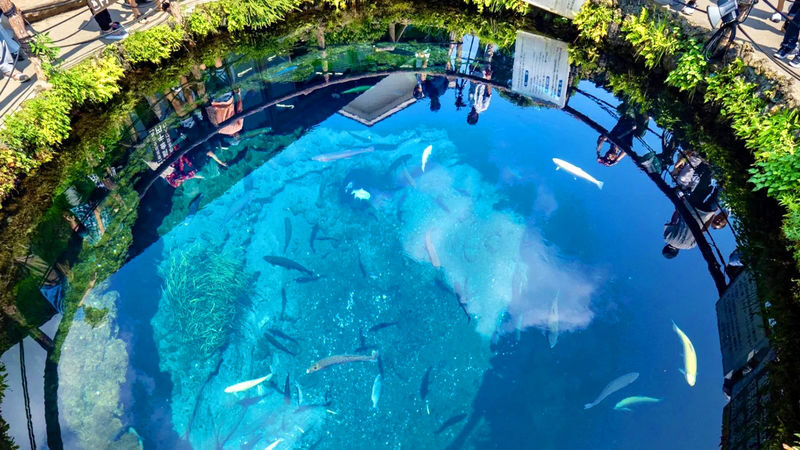
After Lake Yamanaka, the tour heads to Oshino Hakkai for about 50 minutes. The village is known for eight ponds fed by clear spring water from Mount Fuji. The water nourishes nearby rice fields and koi, giving this stop a more intimate, local feel than the broad lake viewpoints.
This is a good place to slow down for a few minutes and notice the details: water moving through the ponds, traditional thatched-roof houses, and seasonal foliage. In autumn, red leaves may reflect in the pools. In winter, a light covering of snow can soften the village setting.
The short visit means you should not expect an extended walk or a long meal here. Lunch is not included, though food is available at attractions, and you can bring your own. Keep an eye on the time if you stop to eat or browse.
Oishi Park: flowers at Lake Kawaguchi
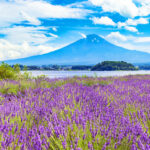
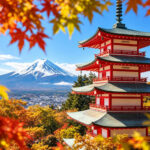
Oishi Park is the final sightseeing stop, with about 45 minutes to enjoy its lakeside promenade, often called Flower Street. The park is known for seasonal plantings and a popular angle toward Mount Fuji across Lake Kawaguchi. In spring and summer, moss phlox and lavender are among the flowers described; in autumn, purple sage and orange and yellow marigolds can add color.
The flowers are not in peak display year-round. In colder months, the draw shifts toward the lake and the possibility of seeing Fuji reflected in it. The park’s observation area offers another place to take photographs, but, as elsewhere, clear skies make all the difference.
This stop is a fitting finale because it combines open views, a short walk and seasonal color. It is also brief. If you are hoping to linger for a full garden visit, the schedule will feel tight; if you want one last Fuji viewpoint before heading back to Tokyo, it does the job.
You can also read our reviews of more tours and experiences in Fujikawaguchiko machi
The Tokyo ride and the real value of the day
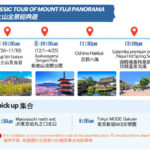
The tour includes transport from a Tokyo meeting point and back, with tolls, parking and fuel covered. Return is listed around 18:00, but actual arrival depends on traffic. The drive home is listed at roughly two hours, and holiday congestion can make the day much longer. One July trip during a Japanese holiday reportedly faced about five hours each way, a sharp reminder not to schedule a tight evening connection or appointment.
The price depends on the package. The available choices are a lakeside stroll from US$61.49, a Swan Lake boat ticket option from US$68.99, and a KABA bus package from US$94.59. The activity summary also gives a starting price of US$49.19, but the actual amount depends on the selected package and booking details. Compare what is included, especially the boat or KABA admission, before deciding which is the best value.
For the base option, the value is mostly in the shared transportation and the chance to reach several Fuji-area sights in one day. You avoid planning separate transfers between the lakes and Oshino Hakkai. The KABA package costs more, but it adds a distinct activity; the boat option is a modest step up from the stroll package if being out on the water appeals to you.
Meals and drinks are extra, as are personal purchases. Carry cash, and consider bringing a snack if you prefer not to use your limited stop time to find food. The tour has no age limit, but children aged 3 and older pay the adult rate; children aged 0 to 3 can ride free if they do not need a separate seat. Child seats are not available.
Guides, group travel and practical details
Guides and drivers vary by departure. Past trips have included guides named Liu, Xiao Liu, Xiao Yang, Mr. Gao, Yong, Andrew, Hou Jing and Tim. Some have helped with photography, explained Mount Fuji and adjusted plans when a facility was closed. Those are useful signs of what a guide can contribute, but you cannot request a particular person or assume a specific language or service style.
The tour may include people who speak different languages. Seats are assigned on a first-come basis, and the operator will try to accommodate requests, but the guide makes the final arrangements. Vehicle type also depends on the size of the group.
Arrive 10 minutes before departure. The departure time depends on the option and meeting point, and weekend or holiday times may be advanced by 30 minutes to protect the KABA schedule. Check the email sent the evening before for the final time, meeting map and guide and vehicle details. Late arrivals and no-shows are not refunded.
You may bring one standard piece of luggage, but note it in your booking request. People aged 70 or older and pregnant women need to complete a waiver for safety and insurance procedures. The tour can be cancelled if fewer than four people book; in that case, you are offered a new time or a refund. If you cancel, a full refund is available at least 24 hours before the activity date, subject to the stated terms.
Should you book this Mount Fuji day trip?
Book it if you want a straightforward way to see several Mount Fuji viewpoints and do not want to organize transport yourself. The mix of lakes, village ponds and seasonal flowers gives the day more variety than a single viewpoint stop, and the choice between a stroll, swan boat and KABA bus lets you tune the cost and activity level.
Think twice if you need a guaranteed Fuji view, dislike long drives, or have a fixed evening plan in Tokyo. Weather can hide the mountain, and holiday traffic can stretch the return well past the estimate. For most people, the best approach is to treat the views as a bonus, choose the lake activity you truly want, and leave the evening open.
Mount Fuji Lake Yamanaka KABA Amphibious Bus/Swan Boat & Hirano Beach & Lake Kawaguchi Oishi Park & Oshino Hakkai Day Trip | Departure from Tokyo
“Before booking, check the weather and Japanese holidays. We happened to go during a long Japanese holiday, and the traffic was terrible (five hours…”
FAQ
What is included in the tour price?
The tour includes round-trip transfers from the meeting point, tolls, parking and fuel. It also includes an English-, Chinese- or Japanese-speaking professional driver or guide. Meals, drinks and personal expenses are not included.
Are the KABA bus and Swan Lake boat included?
Not in the basic lakeside-stroll package. The Swan Lake package includes the Hakucho-go ferry ticket, and the KABA package includes the amphibious bus tour fee. Check the package selected at booking.
How long is the stop at each attraction?
The itinerary allows about 30 minutes at Hirano Beach, 1 hour 40 minutes at Lake Yamanaka, 50 minutes at Oshino Hakkai and 45 minutes at Oishi Park. The guide may adjust the schedule due to traffic, weather or conditions at the attractions.
Where does the tour depart from?
Meeting options include JR Tokyo Station Marunouchi North Exit and Shinjuku West Exit. The available departure time depends on the option selected, and the final meeting details are sent by email before the tour.
Is lunch included?
No. You need to arrange your own lunch and drinks. Dining locations are available at the attractions, or you can bring food with you.
Can I bring luggage or a child seat?
Each person may bring one standard-sized piece of luggage, but you should note it in the booking request. Child seats are not available.
What happens if weather or traffic disrupts the day?
The guide may adjust the route or shorten or cancel a stop. Traffic and weather can also delay the return, so avoid booking a tight evening appointment or onward plan.