Mount Fuji can turn a simple lakeside view into the star of your camera roll, but finding several of its best-known photo spots in one day takes planning. This shared tour handles the driving, linking Hirano Beach, Oshino Hakkai, Lake Kawaguchi, and Arakurayama Sengen Park with other familiar viewpoints.
I like two things here: you get a broad sampler of the Fuji area without renting a car, and the stops offer very different scenes, from spring-fed pools to a Japanese street with the mountain in the background. Guides named Tommy and Kazi have been noted for being accommodating and helpful with meeting arrangements.
The trade-off is time. Most stops last only 10 to 60 minutes, weather can hide Fuji, and traffic can cut visits short or change the route. Book this as a photo-focused overview, not a slow visit to every place.
- At a glance: what makes this Fuji day different
- The appeal of seeing Fuji from several angles
- Hirano Beach: aim for the morning reflection
- Oshino Hakkai: clear pools and a village stop
- Lawson and Lake Kawaguchi: quick photos, seasonal scenery
- Hikawa Clock Shop and the shrine’s sacred horse stable
- What the day feels like on the road
- Is the price good value?
- Weather, safety, and who should book
- FAQ
- Where does the tour depart from?
- What time does the tour return?
- Is lunch included?
- Is the tour guided in English?
- Will I definitely see Mount Fuji?
- How long do the stops last?
- Can I bring a young child?
- The Best Of Fujikawaguchiko machi!
- More Tours in Fujikawaguchiko machi
- More Tour Reviews in Fujikawaguchiko machi
At a glance: what makes this Fuji day different
 1 / 9
 2 / 9
 3 / 9
 4 / 9
 5 / 9
 6 / 9
 7 / 9
 8 / 9
 9 / 9
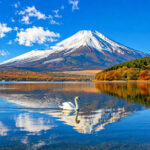
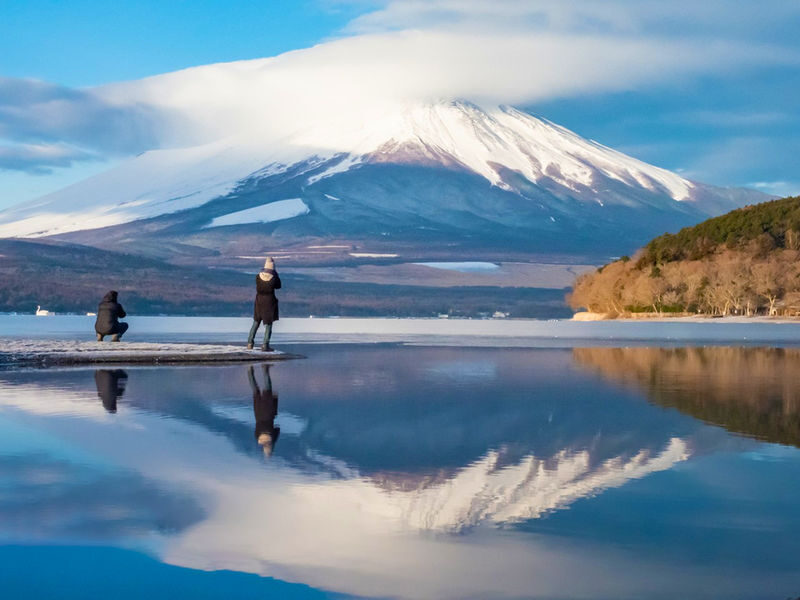
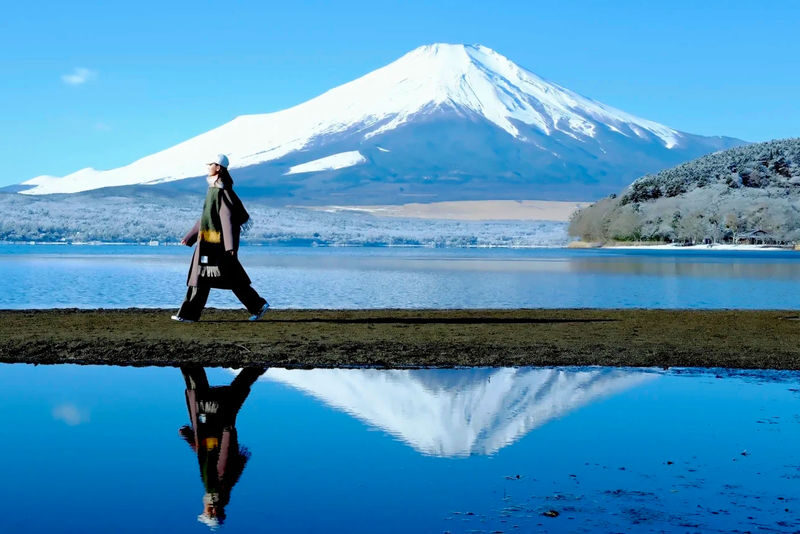
- Hirano Beach before noon: The lake is a prime place to photograph Mount Fuji and its reflection. The schedule gives you about 40 minutes.
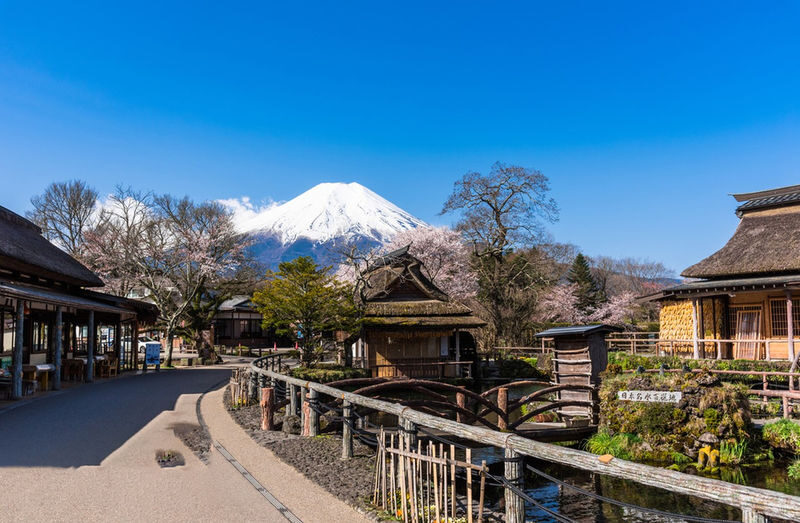
- Oshino Hakkai’s eight spring pools: A one-hour stop brings clear water and village scenery into a day otherwise centered on famous photo angles.
- A seasonal Lake Kawaguchi swap: During the listed cherry blossom and autumn foliage periods, the tour replaces Oishi Park with the relevant festival or Maple Corridor.
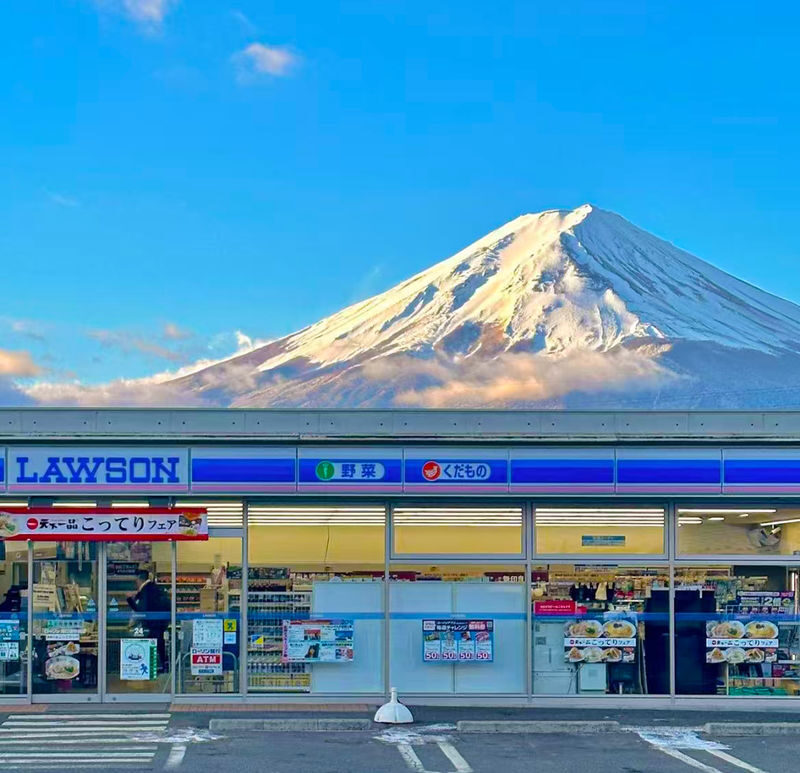
- A short Lawson photo stop: The convenience store is a popular Fuji backdrop, but you have only about 20 minutes to take pictures.
- A strict shared-ride schedule: Keep to the guide’s stop times. The tour allows a five-minute wait before moving on.
- A price that depends on the package: The advertised starting price is $49.20, while the collection-point package is listed from $70.29.

👉 See our pick of the 9 Most Highly Rated Workshops & Classes In Fujikawaguchiko machi
The appeal of seeing Fuji from several angles
This is a long day out of Tokyo, built around a string of recognizable Mount Fuji views. Instead of spending your time figuring out buses between spread-out stops, you ride between them with the group. Round-trip transfers, tolls, parking, and fuel are included, which makes the tour practical if you want a set route and do not want to drive.
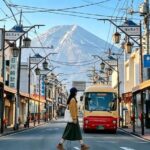
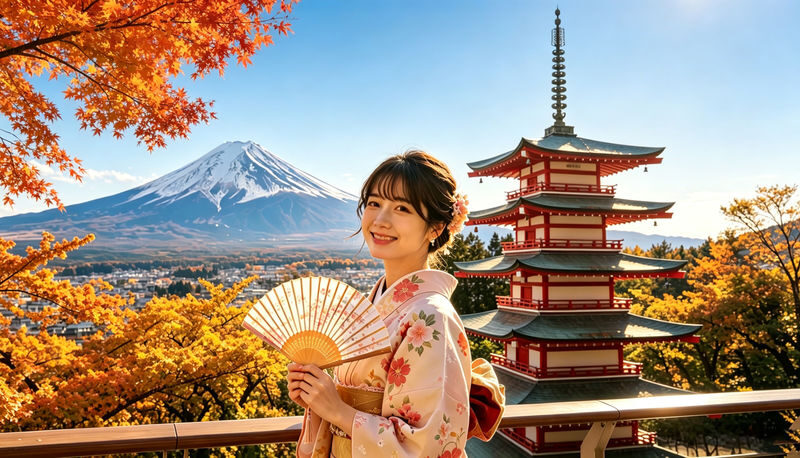
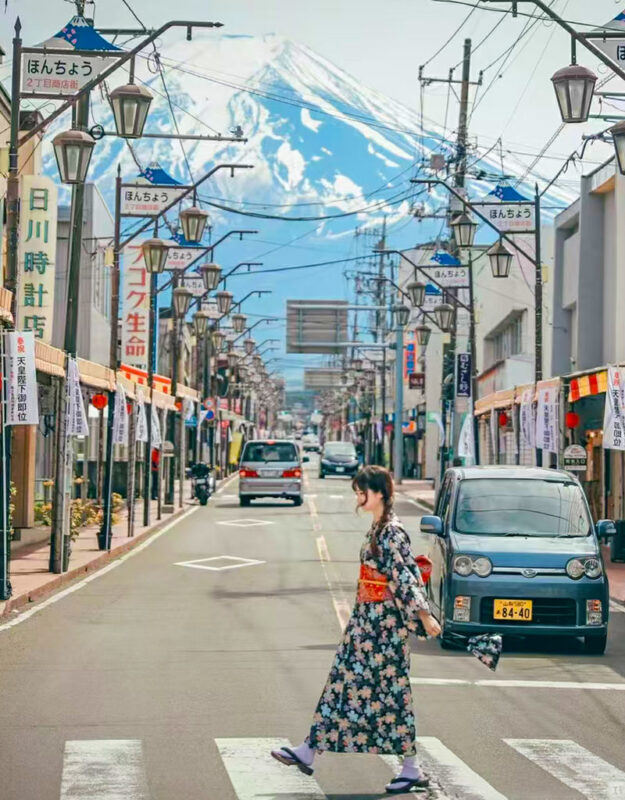
The experience is not just one grand viewpoint. Hirano Beach offers a lakeside scene, Oshino Hakkai adds traditional village details and clear spring pools, and Hikawa Clock Shop puts Fuji behind a Japanese streetscape. The parks add open views that change with the season. That variety is the tour’s main strength.
But the route is ambitious. A 40-minute stop can be enough for a quick look and a few photos, not an unhurried visit. The day also depends on the weather: one July trip went ahead in rain without a view of Fuji, though the guide and other stops still made the outing worthwhile. If the mountain itself is your only reason to go, remember that no tour can promise clear skies.
You can also read our reviews of more tours and experiences in Fujikawaguchiko machi.
Hirano Beach: aim for the morning reflection
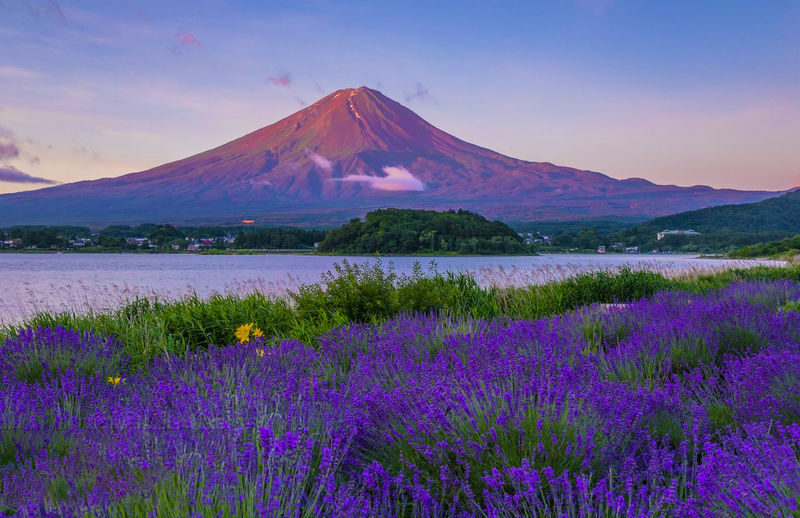
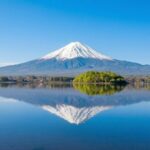
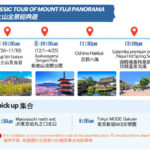
The first scheduled stop is Hirano Beach on Lake Yamanaka, reached at about 10:30. You have roughly 40 minutes. The useful tip is to arrive before noon, when the conditions may offer a good chance to photograph Mount Fuji and its reflection in the lake. That is a possibility, not a guarantee: wind, clouds, and light all affect the scene.
You can also feed swans by the lake, according to the tour plan. That adds a simple, less staged moment to a day full of photo landmarks. Still, keep an eye on the clock. Forty minutes goes quickly if you are trying to get a reflection shot, walk along the shore, and spend time with the birds.
Oshino Hakkai: clear pools and a village stop
Around 11:30, the tour makes a one-hour visit to Oshino Hakkai. Its name refers to eight natural spring pools formed by water from Mount Fuji’s melting snow. The pools are known for their clear water, and the area is described as the Blue Miracle at the Foot of Mount Fuji.
This stop gives the day a different texture from the roadside photo points. You are not only looking for Fuji in the background; the pools themselves are the draw. An hour is still a limited visit, especially if the area is crowded, so choose a few pools or views to focus on rather than trying to linger everywhere.
Lunch follows, but it is not included. The guide may recommend a restaurant, and you can choose to eat there, buy a convenience-store bento, or bring your own food. The schedule and prices can change. If most of the group does not need a meal, or traffic has taken time from the day, the lunch period may be canceled. Bring a snack if you want to avoid relying on an uncertain break.
Lawson and Lake Kawaguchi: quick photos, seasonal scenery
The Lawson stop is scheduled for about 13:00 and lasts 20 minutes. It is a familiar photo location, with the convenience store and Mount Fuji in the same frame. The stop is brief by design: take your picture, be mindful of the group’s time, and do not expect a long visit.
At about 13:30, the route reaches a Lake Kawaguchi-area stop, usually Oishi Park, for around 40 minutes. The park’s appeal changes throughout the year: cherry blossoms in spring, flowers in summer, autumn leaves, and snow in winter. The exact view depends on the day, and seasonal blooms do not follow a fixed calendar.
There are two planned seasonal substitutions. From March 28 to April 12, the tour goes to the Lake Kawaguchi Cherry Blossom Festival instead of Oishi Park. From October 20 to November 23, it visits the Maple Corridor in place of the park. These date ranges are estimates for the seasonal program, not a promise of peak foliage or blossoms.
A practical note: one person who took the tour wished for more time at Oishi Park. That is useful to know if you want a long stroll or a relaxed photo session. Forty minutes makes this a sampler, and weather or crowd conditions may lead to a different stop or a shortened visit.
Hikawa Clock Shop and the shrine’s sacred horse stable
At about 14:30, you get 20 minutes at Hikawa Clock Shop, a known photo point where Mount Fuji appears behind a Japanese street scene. It offers a more everyday setting than the lakeside viewpoints, though the appeal is still largely visual. Keep your camera ready, since this is another quick stop rather than a long neighborhood visit.
The schedule then includes Fujisan Hongu Sengen Taisha Shrine’s Sacred Horse Stable for about 10 minutes, beginning around 15:00. It is a very short pause. Treat it as a brief look at a specific shrine feature, not a full shrine visit.
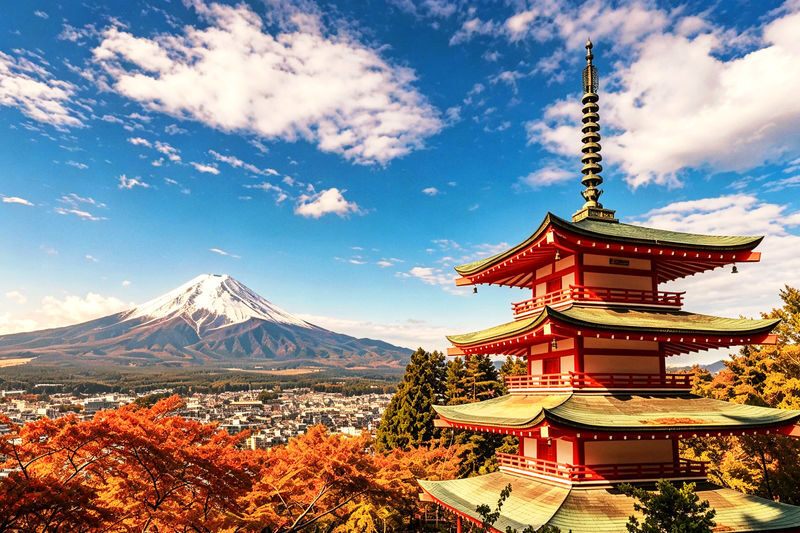
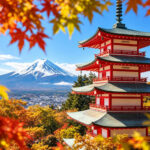
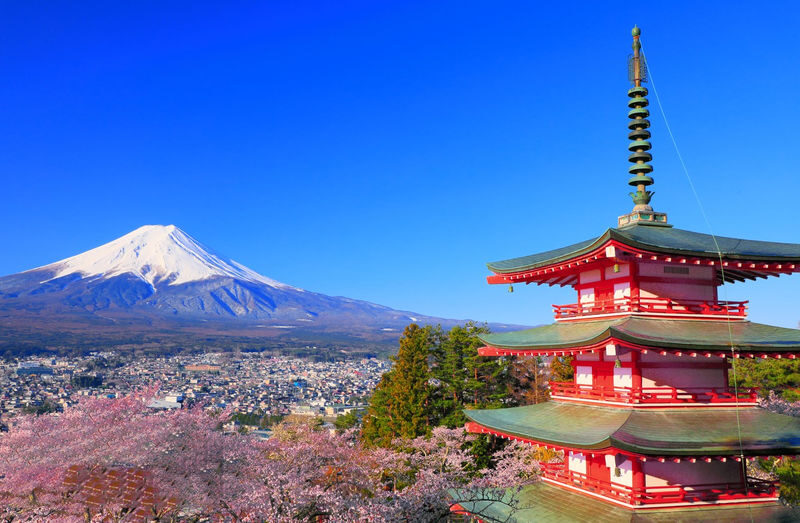
The itinerary then gives another hour, starting around 15:15, to a park in Fujiyoshida City known for Mount Fuji views and seasonal scenery. This is Arakurayama Sengen Park, one of the day’s key viewpoints. Its elevated outlook is a draw, but the itinerary does not promise a particular amount of walking time or a specific view on arrival. Weather, crowd levels, and the day’s route can affect what you see.
What the day feels like on the road
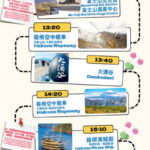
The tour departs from Tokyo, with two listed meeting points: Tokyo Station’s Marunouchi North Exit at 07:20, departing at 07:30, or MODE Gakuen in Shinjuku at 07:50, departing at 08:00. Arrive 10 minutes early. The group is expected back at Tokyo Station around 18:20, but traffic can push that later.
This is a shared ride, and the vehicle depends on how many people book. With fewer than 12 participants, a vehicle with fewer than 14 seats may be used with a driver only. With more than 12, the arrangement is one driver and one guide. The advertised guide languages are Chinese and English, but a guide is not guaranteed on smaller departures.
The schedule is fixed enough that punctuality matters. The driver-guide waits up to five minutes if you are late to a stop, then continues. If you miss the vehicle, you may have to make your own way to the next stop, with no refund for lateness or leaving the tour. Pack light, keep your phone on, and have the meeting details close at hand.
The operator sends an email between 16:00 and 21:00 the day before with the meeting time, vehicle plate, guide details, and contact information. Check your spam folder, and contact the company if no email has arrived by 21:00. If you use LINE, the guide sends a group link by email for you to join. These small steps can prevent a stressful start before dawn.
Is the price good value?
The tour’s listed starting price is $49.20, while the collection-point package is shown from $70.29. Check the package and date before booking, since the starting figure may not be the amount available for your chosen departure. The included transfers, fuel, parking, and tolls matter here: you are paying for a full-day route across multiple Fuji-area stops, not just admission to one attraction.
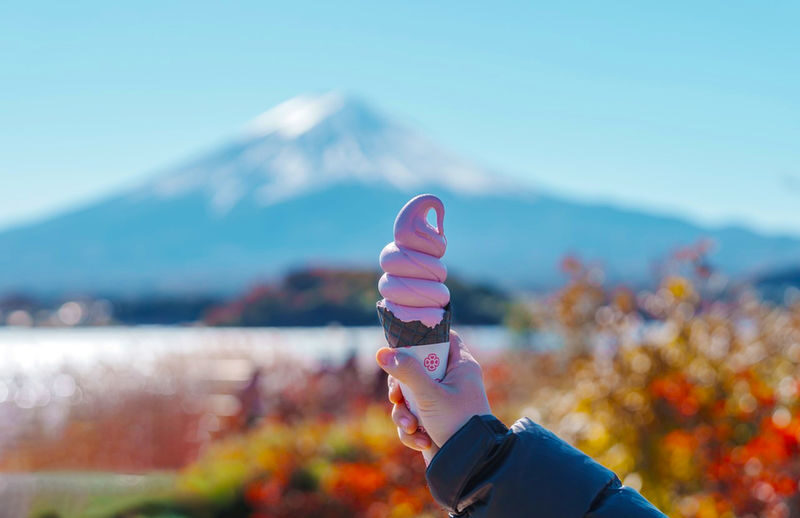
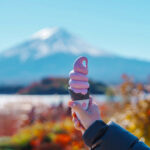
Meals, drinks, personal purchases, and tips are extra. The guide may recommend local food and products such as ice cream, pastries, or horse oil, but buying anything is optional. If you want to keep costs down, bring food or choose a convenience-store lunch. Be aware that the lunch break may change or disappear if the group’s needs or traffic require it.
The best value comes if you want several famous photo locations in one day and accept a brisk pace. If your priority is time to explore Oshino Hakkai or linger at Oishi Park, a slower itinerary may suit you better. The tour’s feedback has also highlighted the guide experience: Tommy was described as accommodating, while Kazi helped with finding the meeting point. Those names are useful context, but guide assignments can vary.
Weather, safety, and who should book
Fuji views depend on weather, and rain or cloud can obscure the mountain. Traffic, public holidays, and crowds can also change the order of the stops, shorten visits, or remove attractions. Holiday delays may reach two to five hours, so avoid booking a tight evening commitment in Tokyo.
The tour does not include travel or accident insurance. Outdoor conditions carry risks, and the operator advises you to arrange your own cover. The listed restrictions exclude people with high blood pressure, heart disease, fear of heights, asthma, epilepsy, and pregnant participants. Seniors aged 65 or older must be fit for the trip and accompanied by someone aged 22 or older.
Children aged 2 and above pay the adult rate. Children under 2 can ride free only without a separate seat, but participation is not recommended; inform the operator in advance. A child who needs a seat must have a paid ticket. Large luggage must also be declared when booking.
I would choose this tour if you are based in Tokyo, want to see several Fuji photo spots without organizing transport, and can stay flexible about weather and timing. I would skip it if you want long, quiet visits or need a guaranteed view of the mountain. For a first look at the region, the range of settings is appealing; just bring patience, a charged phone, and a backup plan for the evening.
Mount Fuji Photo Spots One-Day Tour – Lake Yamanaka Hirano Beach & Arakurayama Sengen Park & Oshino Hakkai & Oishi Park & Hikawa Clock Shop (Departing from Tokyo/Shinjuku)
“It was a very enjoyable tour with a cool and accomodating tour guide Tommy.”
FAQ
Where does the tour depart from?
You can meet at Tokyo Station’s Marunouchi North Exit or at MODE Gakuen in Shinjuku. The listed departure times are 07:30 from Tokyo Station and 08:00 from MODE Gakuen. Arrive 10 minutes early.
What time does the tour return?
The planned return and group disbanding time is about 18:20 at Tokyo Station. Traffic, weather, holidays, and crowds can delay the arrival, so keep your evening plans flexible.
Is lunch included?
No. You can bring your own food, buy a bento or other meal, or choose a restaurant recommended by the guide. The lunch timing may change, and the break may be canceled if the group does not need it or traffic affects the schedule.
Is the tour guided in English?
The tour lists English- and Chinese-speaking guides. However, when fewer than 12 people participate, the vehicle may have a driver only and no tour guide.
Will I definitely see Mount Fuji?
No. Weather can hide the mountain. Rain affected one trip, and the itinerary may also change because of weather, traffic, or crowds.
How long do the stops last?
Scheduled visits range from about 10 minutes at the Sacred Horse Stable to one hour at Oshino Hakkai and Arakurayama Sengen Park. Hirano Beach gets about 40 minutes, Lawson about 20 minutes, and Hikawa Clock Shop about 20 minutes.
Can I bring a young child?
Children aged 2 and above pay the adult rate. Children under 2 may ride free without a separate seat, but participation is not recommended and the operator must be informed in advance. A child under 2 who needs a seat must have a paid ticket.