Shinjuku’s best dinner plan may be to let someone else steer you through its maze of lanes and restaurant doors. This three-hour evening tour pairs seasonal omakase sushi with A5 Kagoshima Black Beef, then adds a guided walk through Shinjuku nightlife and a final dessert or drink.
I like that the meal combines two Japanese specialties in one outing, and that your guide can explain the food and dining customs as you go. I also like the small local restaurants and back streets, which can be hard to choose with confidence on your first night in Tokyo. One caveat: the final sweet is not guaranteed to be taiyaki, and the tour may feel less like a lavish feast than its premium menu suggests.
What to know before you book
- Eight pieces of seasonal nigiri are served omakase style, meaning the chef chooses what to prepare.
- A5 Kagoshima Black Beef is cooked yakiniku style: you grill thin slices yourself at the table.
- Two drinks are included, with alcohol available, plus a dessert or drink at the last stop.
- Shinjuku’s night streets are part of the outing, including Omoide Yokocho and Kabukicho, depending on the route.
- The dessert stop can vary. Taiyaki is a featured possibility, but the final stop has sometimes been a gelato or cake shop.
- The guide makes a real difference. Past guides named include Hannah, Taka, Megumi, Yuki, Fuji, and Naoki. Assignments vary.

👉 See our pick of the Our Picks For The 11 Best Workshops & Classes In Tokyo
- What to know before you book
- Sushi first: let the chef choose
- Yakiniku: grill your own A5 wagyu
- Shinjuku after dark: lanes, lights, and local context
- Dessert is a bonus, not a promise
- Is 7.19 good value?
- Meeting up and planning the evening
- Who will enjoy this Shinjuku food walk?
- Should you book it?
- FAQ
- How long is the Tokyo Shinjuku food tour?
- What food and drinks are included?
- Is the dessert definitely taiyaki?
- Where is the meeting point?
- What departure times are available?
- Can I request a vegetarian meal?
- Is the tour wheelchair- or stroller-accessible?
- The Best Of Tokyo!
- More Food Experiences in Tokyo
- More Tours in Tokyo
- More Tour Reviews in Tokyo
Sushi first: let the chef choose
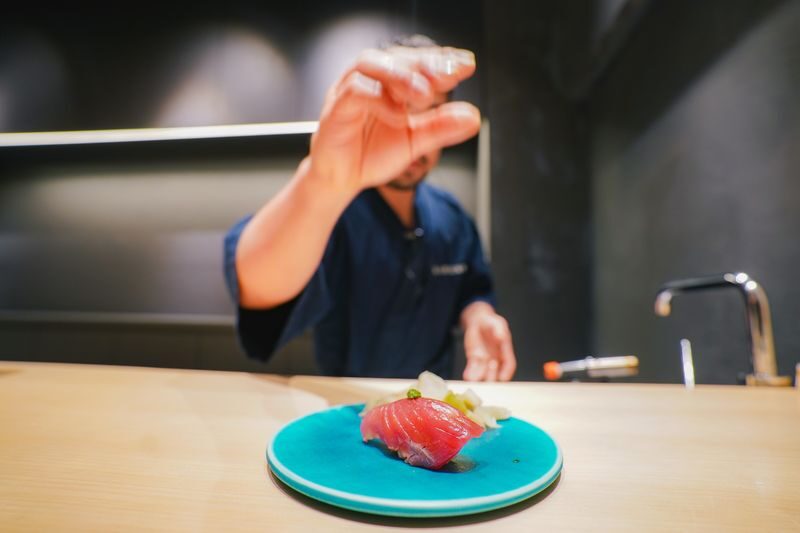
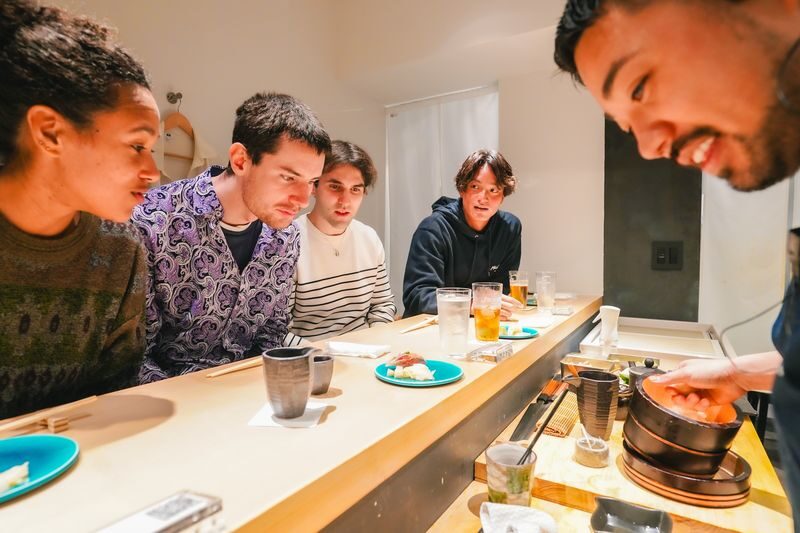
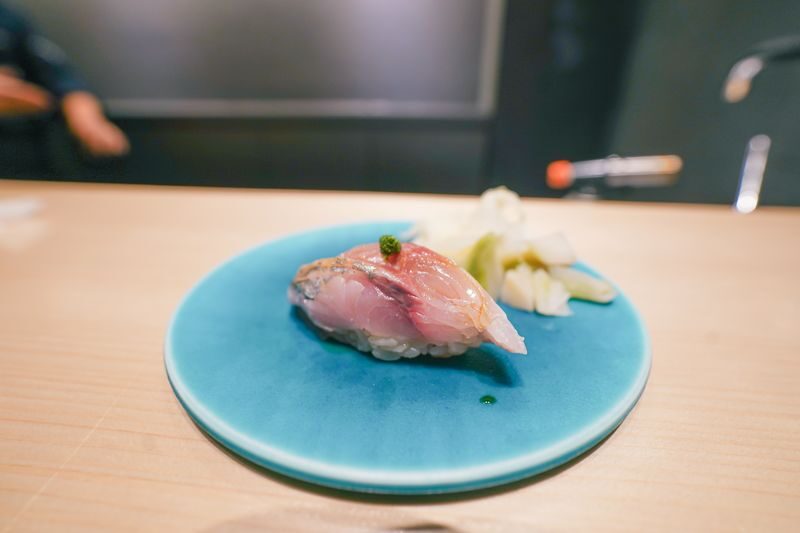
The tour’s first major food stop is an omakase sushi restaurant. You’ll be served eight pieces of seasonal nigiri selected by the chef, rather than choosing each piece from a menu. That format gives you a taste of what is good that day, and it can make a sushi meal feel more like a conversation with the kitchen than a quick order.
Your guide helps bridge the gap between watching and understanding. You can learn about sushi customs and the food’s background, including how to approach a meal at the counter. If you’re new to omakase, that context is useful: it takes away the guesswork and lets you focus on what’s in front of you.
Some past accounts describe sitting close enough to watch the chef prepare the sushi and trade a little conversation. That depends on the restaurant and seating on your night, so don’t count on a front-row counter seat. The quality and seasonality of the sushi are the core appeal, not a guaranteed chef’s performance.
Eight pieces make a generous tasting, but they are not necessarily a full dinner on their own. The next stop adds a substantial meat course, so pace yourself. If you already know your way around sushi, you may value the chef’s seasonal choices and the guide’s explanations more than the introduction to dining etiquette.
You can also read our reviews of more tours and experiences in Tokyo


Yakiniku: grill your own A5 wagyu
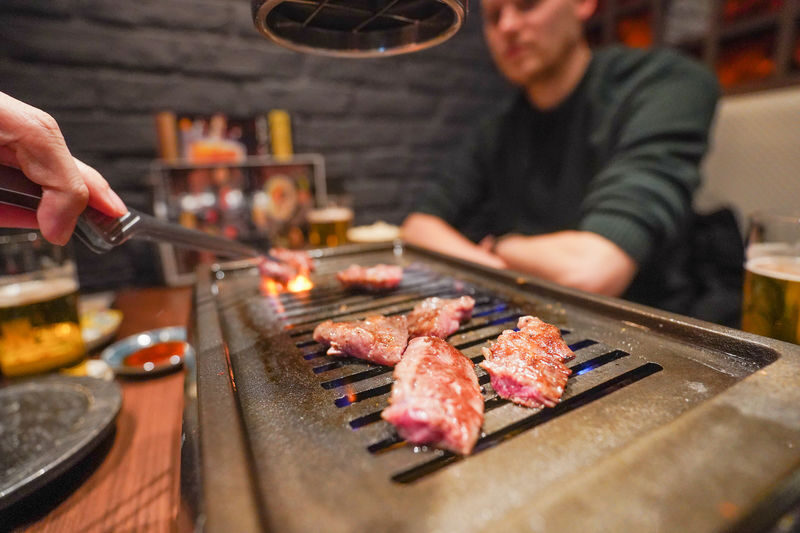
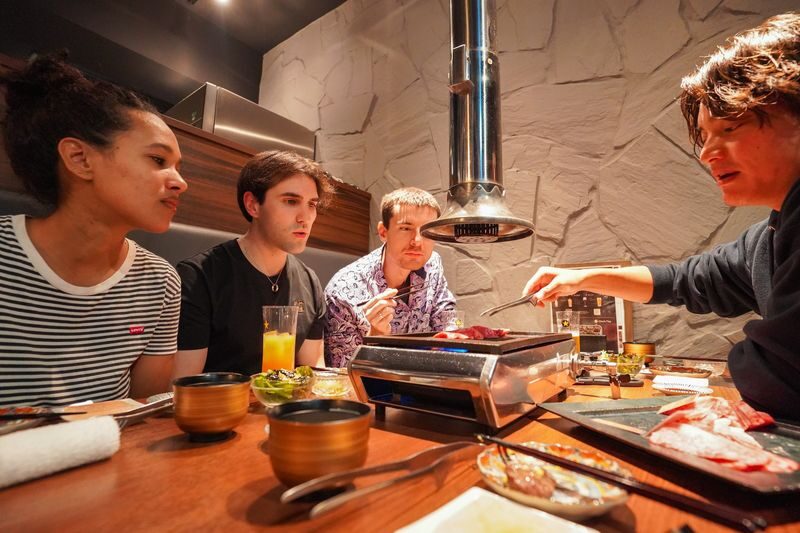
The second main stop brings a different kind of meal. At a yakiniku restaurant, thin slices of raw beef are cooked at the table, then eaten as they finish. It is hands-on, but not complicated: grill each piece to your liking and enjoy it while it is hot.
The featured meat is Kagoshima Black Beef, described for this tour as A5-ranked wagyu. A5 is the top grade in Japan’s beef grading system, and the appeal here is the rich marbling and tender texture. The experience is less about a formal steak dinner and more about tasting premium beef in the casual, shared style of yakiniku.
The tour includes a full yakiniku dinner with wagyu, though the precise cuts and menu can change with availability. If you want to order extra food or drinks, bring cash. Those additions are not included in the tour price, and the operator cannot guarantee that every restaurant can make substitutions.
This is the part that may feel most special if you have never tried A5 wagyu. If you eat premium beef often, it can still be a pleasant meal, but the experience is not a long tasting menu with many courses. One past account felt the food quantity was modest for the price, while others found the meal ample. Your appetite and expectations matter: arrive hungry, but don’t assume you’re buying an elaborate, multi-course banquet.
Shinjuku after dark: lanes, lights, and local context
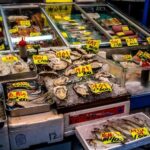
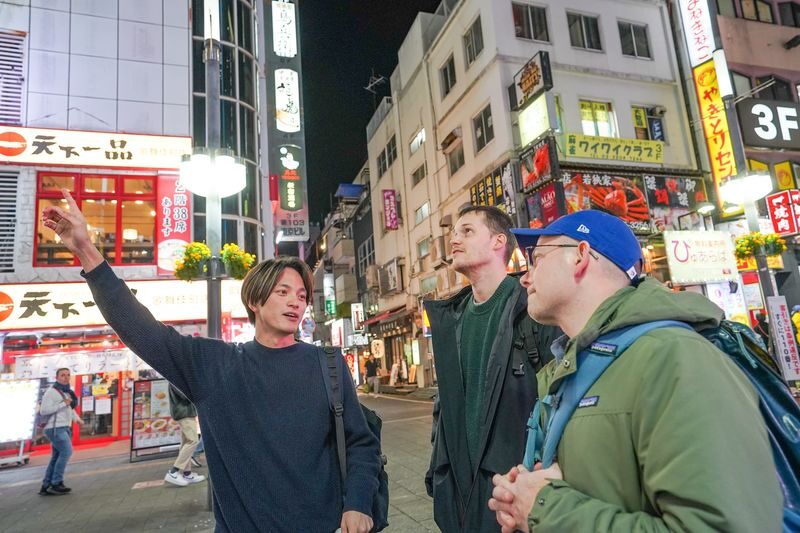
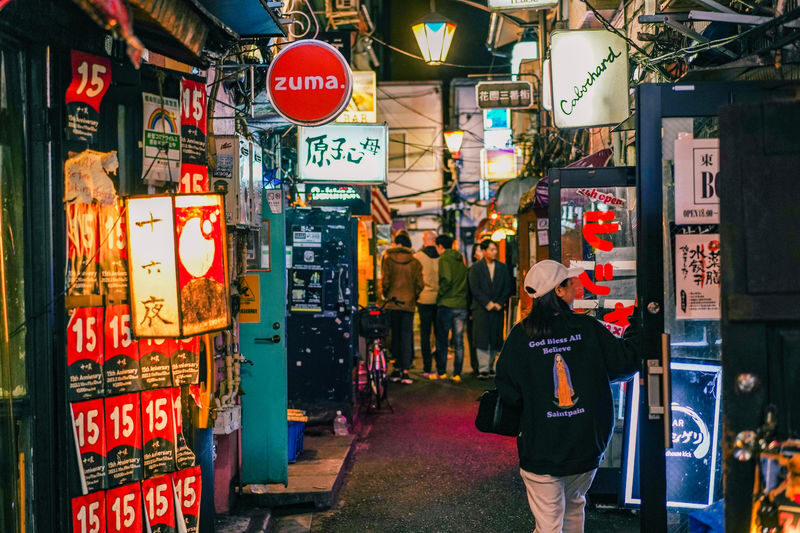
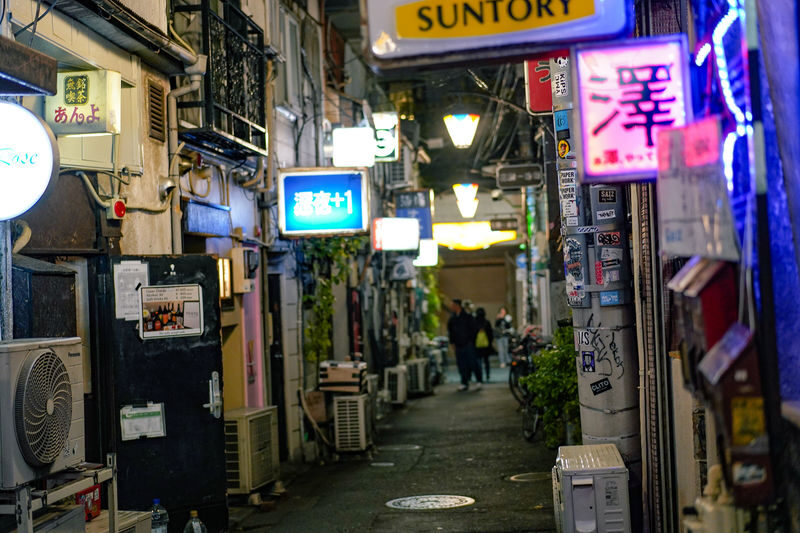
Between the food stops, your guide leads you on foot through Shinjuku. The route is intended to include the nostalgic lanes of Omoide Yokocho and the neon-lit streets of Kabukicho. These areas show different sides of the district: narrow restaurant alleys on one hand, bright signs and nightlife on the other.
A guide is particularly useful here. Shinjuku can be a tangle of station exits, side streets, and small venues, and it is easy to spend your evening searching rather than settling in. A local guide can point out how the neighborhood fits together and take you along paths you might not find by wandering alone. The tour is a walking experience, not a ride between restaurants, so wear comfortable shoes.
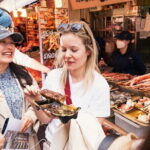
The route is also a chance to ask questions about local food and customs. Past guides have been praised for sharing neighborhood history, explaining Japanese dining manners, and keeping the group at ease, including solo participants. Your specific guide and group will shape the tone. Some groups may feel intimate; group size is not stated as a guarantee.
Shinjuku’s nightlife areas are lively, and the tour is designed to explore them safely with a guide. Still, the streets can be crowded, and the route may change with weather or other conditions. You may also visit places where smoking is prohibited, and the operator says it may not be possible to change venues in that case.
Dessert is a bonus, not a promise
The final stop is meant to round out the meal with one dessert or one drink. Taiyaki, a fish-shaped Tokyo sweet traditionally filled with a paste, is highlighted as a possible finish. It sounds like a fitting local note after sushi and wagyu.
But keep your expectations flexible. The last stop can vary, and past outings have ended at places serving gelato, cake, or coffee rather than a traditional Japanese sweet. That variation is worth knowing if taiyaki is a major reason you are booking. Think of dessert as a pleasant final pause, not a fixed menu item.
You can choose a drink instead of dessert, which may suit you if you would rather keep the evening social. The tour includes two drinks during the main stops, with alcohol available, and one dessert or drink at the end. Any additional orders are at your own expense.
Is $137.19 good value?
At a starting price of $137.19 for three hours, this is not a budget dinner. Its value comes from bundling premium ingredients, drinks, a guide, and restaurant access into one evening. You get eight pieces of seasonal omakase nigiri, a full yakiniku meal featuring A5 wagyu, two drinks, and a final dessert or drink. The guide also handles the transition between venues and adds local context to the walk.
That package can make sense if you want to try both sushi and wagyu without planning separate reservations, and if you appreciate having someone explain what you are eating. It is especially useful early in a Tokyo visit, when you may not yet feel comfortable picking a sushi counter or yakiniku restaurant on your own. Solo visitors may also like having a built-in group and guide.
The value is less clear if you expect a long, high-end tasting menu or a large number of dishes. The listed food is specific, and the tour lasts three hours. Extra food and drinks cost more, while the final dessert can be simple or vary by venue. If you are an experienced Tokyo diner, you may prefer to spend the same amount on one restaurant meal of your own choosing.



Meeting up and planning the evening
The meeting point is in front of the black pillar beside the Uniqlo Shinjuku Nishiguchi shop, at 1 Chome-2 Nishishinjuku. It is about a three-minute walk from the JR Shinjuku Station West Exit; D1 and B15 are the nearest exits listed. Look for the guide holding a MagicalTrip sign, and arrive 10 minutes before your selected departure.
Departure choices are 17:00 or 18:00. The listed return choices are 20:30 or 21:30, depending on the time you book and the itinerary. The tour ends near Shinjuku Station. Since the group leaves on time, late arrivals cannot join, reschedule, or receive a refund. If you need to cancel, a full refund is available with at least 24 hours’ notice.
The route is on foot and is not accessible by wheelchair or stroller. Children aged 16 and over pay the adult rate. The activity is not recommended for pregnant women, and pets are prohibited. Tokyo’s weather can be extreme, so dress for the forecast; the schedule may change with weather or traffic conditions.
Vegetarian courses are available, but you must request one by the day before the tour. Allergy-free meals and other dietary accommodations cannot be guaranteed because the food is prepared in restaurants outside the operator’s kitchens. Substitutions may not be possible at every stop. If you have a serious allergy or strict dietary needs, contact the operator before booking rather than assuming the menu can be adapted.
Who will enjoy this Shinjuku food walk?
This tour suits you if you want a guided introduction to omakase and yakiniku, enjoy walking between meals, and would rather have a local handle the restaurant choices. It is also a good fit if you are curious about Shinjuku at night but want company and context as you explore.
You may prefer to book a restaurant directly if you already know what you want to eat, need reliable allergy accommodations, or are looking for a highly formal luxury dinner. And if you care most about the dessert, check your expectations: the finish can be enjoyable without being a traditional sweet.
Should you book it?
Book this tour if tasting seasonal sushi and A5 wagyu in one evening sounds worth the price, and you want a guide to connect the food with Shinjuku’s streets and customs. Go in expecting a well-paced food walk, not a sprawling banquet. If you are flexible about the final dessert and comfortable with the dietary and accessibility limits, it offers an easy, sociable way to sample two Japanese classics.
Tokyo Omakase Sushi & A5 Wagyu Premium Foodie Tour in Shinjuku
“our guide Hannah was excellent, attentive so that we had a great time, understand and learn Japanese food, manners and culture. the places were ver…”
FAQ
How long is the Tokyo Shinjuku food tour?
The guided tour lasts three hours. It includes walking between food stops in Shinjuku.
What food and drinks are included?
The tour includes eight pieces of seasonal omakase nigiri, a full yakiniku dinner with wagyu beef, two drinks, and one dessert or drink at the final stop. Alcohol is available.
Is the dessert definitely taiyaki?
No. Taiyaki is a featured possibility, but the final stop and menu can vary. The dessert may be another sweet, or you can choose a drink instead.
Where is the meeting point?
Meet in front of the black pillar beside the Uniqlo Shinjuku Nishiguchi shop, at 1 Chome-2 Nishishinjuku. It is about a three-minute walk from the JR Shinjuku Station West Exit, with D1 and B15 listed as the nearest exits.
What departure times are available?
You can choose a 17:00 or 18:00 departure when booking. Return times are listed as 20:30 or 21:30, depending on the selected departure and itinerary.
Can I request a vegetarian meal?
Yes. Request a vegetarian course by the day before the tour. A vegetarian request made on the day cannot be accommodated.
Is the tour wheelchair- or stroller-accessible?
No. The tour includes locations that are not accessible by wheelchair or stroller.