A quiet tea room can feel a world apart from Tokyo’s fast-moving streets. At Waraku-an, a tea master introduces you to the Kobori-Enshu style of sado, or the way of tea, then serves green tea and Japanese confectionery in a seasonal setting.
I like two things here: the host explains the art in a friendly, approachable way, and the experience gives you a close look at the room’s details rather than treating the ceremony as a quick photo stop. One consideration: the address can be hard to find, so allow time to locate the meeting point.
- What makes this tea ceremony special
- A calm introduction to sado in Tokyo
- What happens in the tea room
- Choosing thin tea, strong tea, or both
- The value of a small, focused experience
- Finding the address and planning your visit
- Who will enjoy this experience most
- Should you book it?
- FAQ
- Where does the tea ceremony take place?
- What tea is served?
- What package options are available?
- How much does the experience cost?
- Are beginners welcome?
- Are tax and the experience fee included?
- Do children and infants need to be included in the booking?
- What should I do if I have an allergy?
- What is the cancellation policy?
- The Best Of Tokyo!
- More Private Tours in Tokyo
- More Tours in Tokyo
- More Tour Reviews in Tokyo
What makes this tea ceremony special
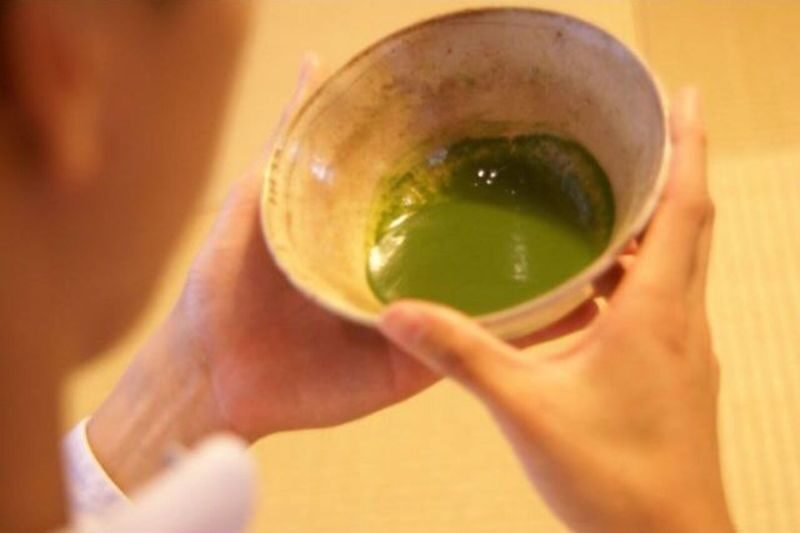
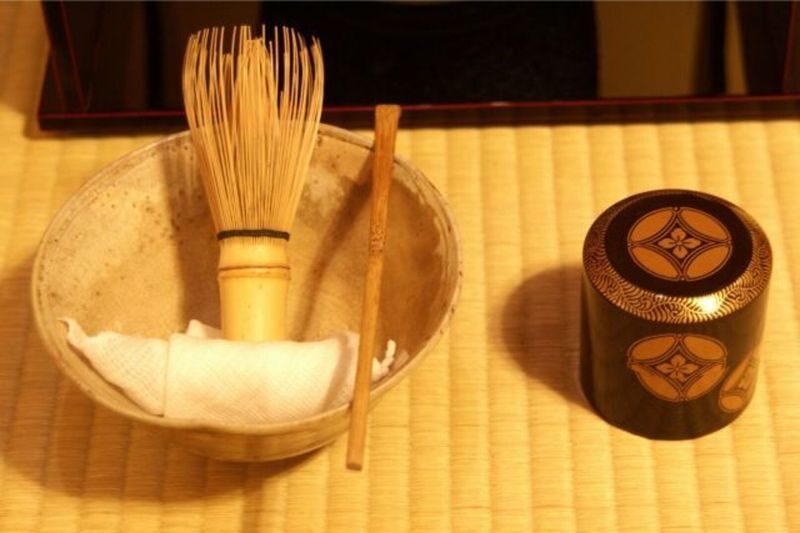
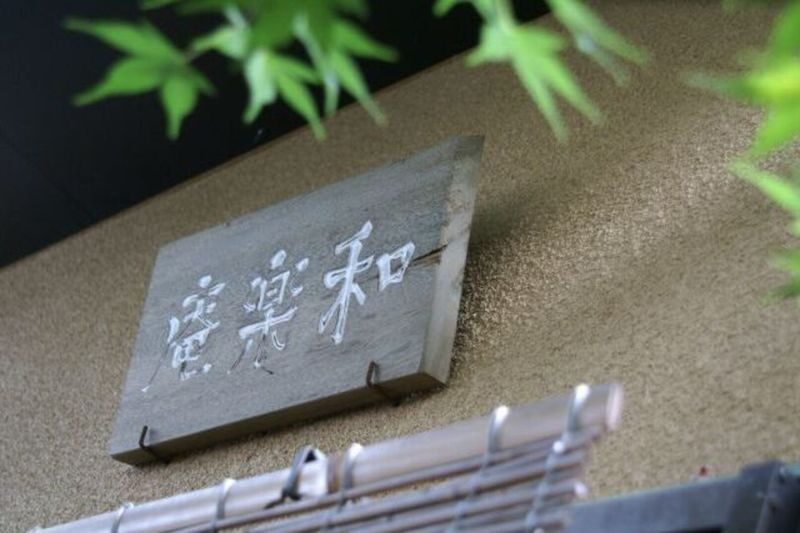
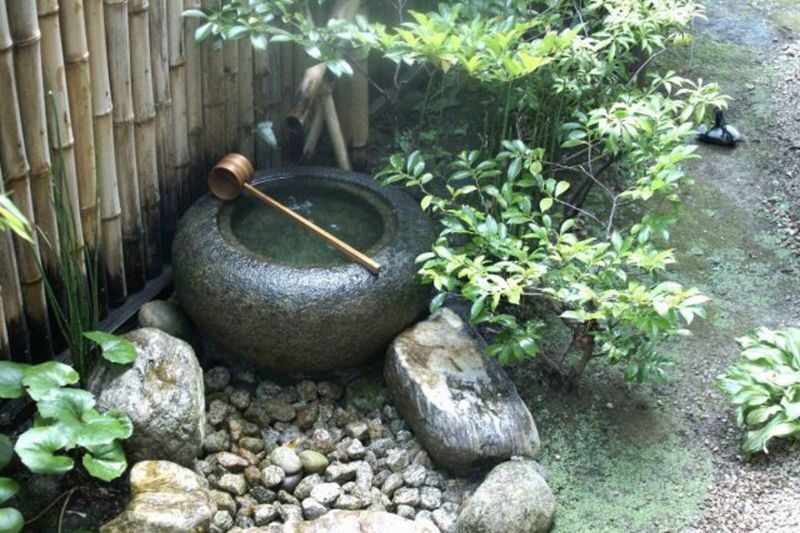
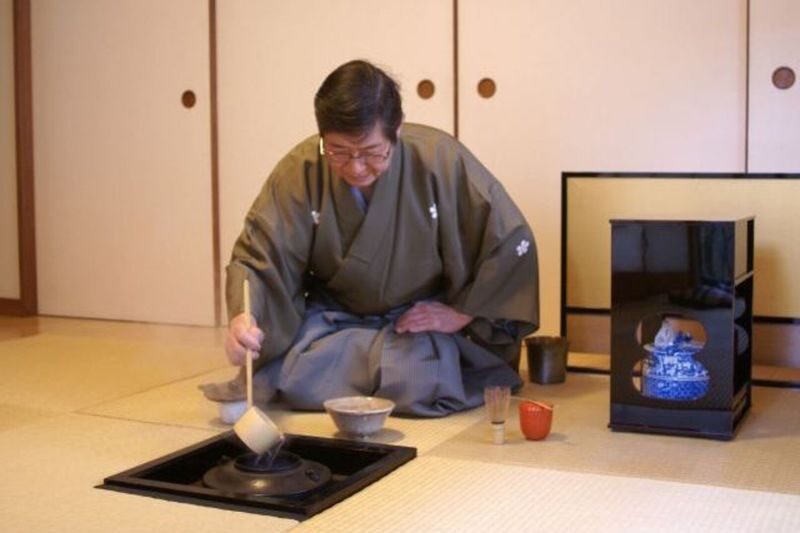
- A master leads the session: Expect an introduction to the Kobori-Enshu style and a tea master who can answer questions.
- You choose the tea plan: Options include thin tea with sweets, strong tea with sweets, or both thin and strong tea.
- The sweet is part of the ritual: Japanese confectionery accompanies the tea, giving you a taste of how tea and sweets work together.
- Beginners are welcome: You do not need prior experience to take part or follow the explanations.
- The room rewards a slow look: The decor and seasonal atmosphere are part of the experience, not just a backdrop.
- The location is a little tricky: The meeting address is in Komaba, Meguro-ku, and the setting may feel unassuming from the outside.

👉 See our pick of the Our Picks For The 11 Best Workshops & Classes In Tokyo
A calm introduction to sado in Tokyo
This experience offers a useful pause in a city that can keep you moving from one attraction to the next. Rather than giving you a broad survey of Japanese culture, it focuses on one practice: preparing, serving, and appreciating tea with care.
The host welcomes you into a teahouse called Waraku-an and introduces the Kobori-Enshu style. The emphasis is on a calm atmosphere and the meaning behind the ceremony. You can ask questions, watch the tea preparation, and take in the room at a pace that leaves room for small details.
That makes the session a good fit if you are curious about tea ceremony but unsure how formal or difficult it might be. You are not expected to arrive as an expert. The activity is described as beginner-friendly, and the tea master’s explanations help make the gestures and traditions easier to follow.
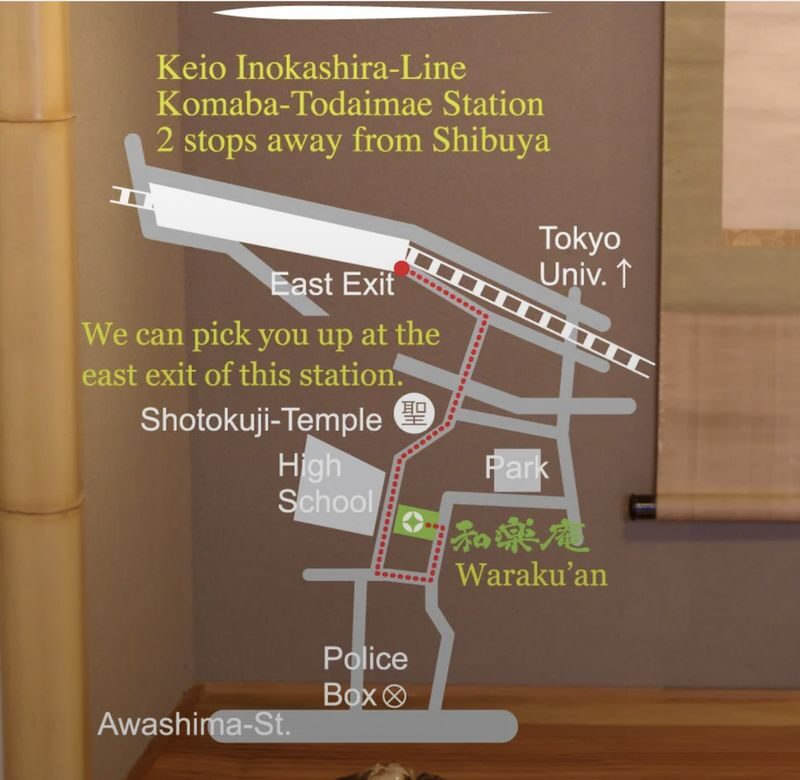
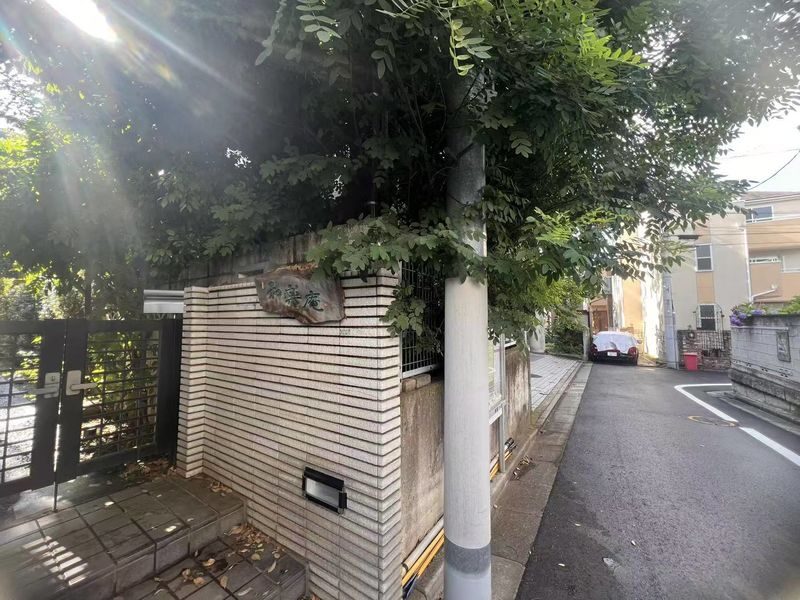
The setting is close to central Tokyo, but the address is in Komaba, Meguro-ku: 1-26-11. The meeting-point name is 株式会社W-E-L. One practical note is worth taking seriously: the location can be hard to find. Check the map and address before setting out, and give yourself time to get there rather than aiming to arrive at the last minute.
You can also read our reviews of more private tours in Tokyo


What happens in the tea room
The session begins with a welcome from the tea master. You are introduced to the tea room and the style of ceremony, with some explanation of the practice’s origins and essential movements. The atmosphere is intended to be calm, and that is part of the point: this is a chance to notice the room, the preparation, and the way the tea is served.
The tea master serves a bowl of usucha, or thin tea, with Japanese confectionery. The sweets are not an add-on to overlook. They are part of the tasting, and they give you a small, direct way to experience the pairing of tea and confectionery.
Depending on the package you choose, the serving may include strong tea, thin tea, or both. The activity description specifically promises a bowl of thin tea and confectionery, while the package options let you select a different combination. Read the option name closely when booking so you know what is included.
There may also be an opportunity to prepare a bowl yourself. That can make the experience more engaging than simply watching the master work, especially if you want to understand the hand movements and sequence. The exact amount of hands-on participation is not specified, so think of it as a possibility rather than a guaranteed part of every session.
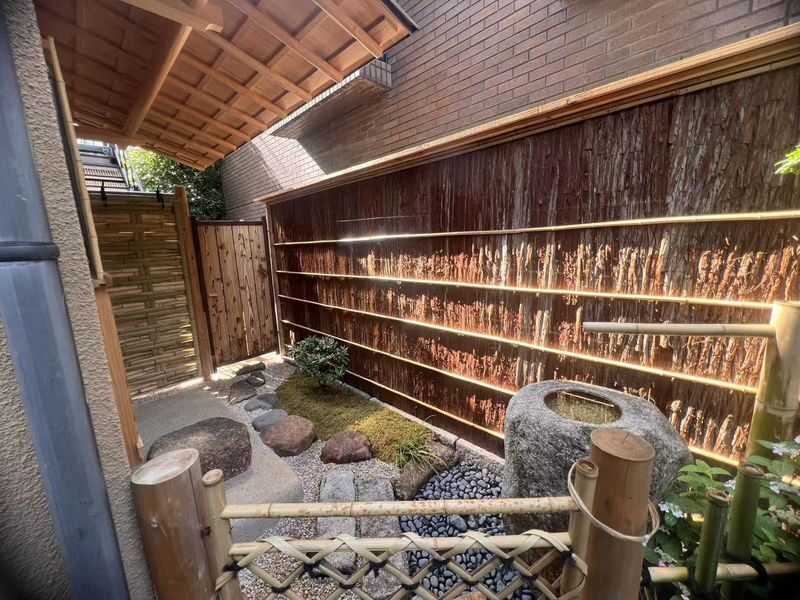
The room itself deserves attention. Its decoration and seasonal atmosphere are part of the setting, and you may want to take a moment to look around rather than focusing only on the tea. Photography has been possible during the activity, but it is sensible to follow the tea master’s instructions on when and where to take pictures.
Choosing thin tea, strong tea, or both
There are three listed plans, each with a different price and tasting focus:
- Thin tea with main sweets: From US$50.45. This is the least expensive option and the listed package detail for the base experience.
- Strong tea with main sweets: From US$63.09. Choose this if you want the strong-tea option with confectionery.
- Strong tea and thin tea: From US$119.85. This gives you both tea types, though the listed package name does not mention sweets.
The thin-tea-and-sweets plan is the clearest choice if you want the core experience at the lowest price. It includes the thin tea and confectionery described as the main serving. If you are especially interested in comparing tea types, the two-tea plan offers a broader tasting, but its price is considerably higher.
The strong-tea option costs more than the base plan. The supplied details do not explain how the preparation or serving differs beyond the tea type, so I would choose it for your interest in strong tea rather than assuming it adds a longer lesson or more instruction.
Prices are listed as starting rates, and the experience fee and tax are included. Other personal expenses are not. The value comes from a guided introduction in a dedicated tea room, with a tea master explaining the practice and serving the tea. It is less compelling if you are mainly looking for a large meal or a long list of included activities.
The value of a small, focused experience
Tea ceremony is best understood through attention to process, not through volume. A bowl of tea, a sweet, and an explanation of the room’s customs can offer a more memorable introduction than a hurried demonstration with no chance to ask questions.
The tea master is a central part of the value. A warm, experienced host can make unfamiliar customs feel accessible, and the experience is intended for both sado enthusiasts and first-timers. You can ask about the origins of the ceremony and the movements involved, rather than having to guess what each gesture means.
The activity also seems to make room for personal interest. If you want to learn the basic motions, you can focus on the preparation. If you are more drawn to the atmosphere, you can pay attention to the room’s decoration and seasonal details. That flexibility is useful for couples or companions who may arrive with different levels of interest.
Still, keep expectations in proportion. The listed experience centers on tea and confectionery, not a full meal or a broad cultural tour. The sweets and tea may feel simple if you expect an elaborate tasting menu. The appeal is the ritual, the host’s explanations, and the chance to slow down in a traditional setting.
Finding the address and planning your visit
The stated address is 1-26-11 Komaba, Meguro-ku, Tokyo, with 株式会社W-E-L given as the meeting point. Waraku-an is described as a teahouse close to central Tokyo, but the location is also noted as difficult to find. Use the map guidance and keep the full address handy.
The exact duration and group size are not provided, so do not build a tightly timed day around assumptions. The voucher is valid only on the date and time specified. Late arrivals and no-shows are not eligible for refunds or changes, so punctuality matters.
Confirmation is expected within 48 hours. If you do not receive a confirmation email within that period, contact customer support. If you have allergies, tell the operator in advance so they can address them before the activity.
Infants and children must be included in the passenger headcount. There is also a specific fee condition: if a guide enters the room, a fee will be charged, and all participants must be included in the booking. Check the booking details for your party before paying so there are no surprises.



Who will enjoy this experience most
I would put this on your shortlist if you want a personal introduction to Japanese tea ceremony and prefer a quiet, focused activity to a large group demonstration. It suits curious beginners, tea enthusiasts, and anyone who likes learning the meaning behind a cultural practice.
It is also a good choice if you enjoy looking closely at interiors and small decorative details. The room is part of the occasion, and the seasonal atmosphere gives you more to notice than the cup alone. If you enjoy asking questions, the tea master’s explanations may be one of the most useful parts.
You may want to skip it if you are mainly seeking a substantial meal, a long sightseeing itinerary, or a guaranteed hands-on lesson. The listed experience is centered on tea, sweets, and an introduction to the ceremony. The opportunity to prepare tea is not spelled out as a fixed feature for every plan.
For families, the rules are clear that children and infants count in the passenger headcount. The ceremony’s calm format may suit some children better than others, so consider their interest in sitting through an instructional activity. No age limits are provided.
Should you book it?
Book this if you want a thoughtful, beginner-friendly look at tea ceremony led by a tea master, and you are happy with a modest serving of tea and confectionery rather than a full meal. The thin-tea-and-sweets option is the sensible starting point for value; choose a strong-tea plan only if that tasting is important to you.
Before you commit, check the meeting address carefully, confirm which tea plan you want, and include every participant in the booking. If those details suit your plans, Waraku-an offers a calm, personal way to make room for Japanese tea culture during a Tokyo visit.
Shibuya: Private Tea Ceremony with a Master in a Local Home
“Very good tea ceremony experience, fully experienced the entire process of the authentic Japanese tea ceremony”
FAQ
Where does the tea ceremony take place?
It takes place at Waraku-an in Tokyo. The address is 1-26-11 Komaba, Meguro-ku, and the meeting point is listed as 株式会社W-E-L.
What tea is served?
The tea master serves a bowl of usucha, or thin tea, with Japanese confectionery. Package options also include strong tea.
What package options are available?
You can choose thin tea with main sweets, strong tea with main sweets, or strong tea and thin tea.
How much does the experience cost?
Prices start at US$50.45 for thin tea with main sweets. Strong tea with main sweets starts at US$63.09, and strong tea with thin tea starts at US$119.85.
Are beginners welcome?
Yes. The activity is described as beginner-friendly and welcomes both sado enthusiasts and beginners.
Are tax and the experience fee included?
Yes. Tax and the experience fee are included. Other personal expenses are not included.
Do children and infants need to be included in the booking?
Yes. Infants and children must be included in the passenger headcount.
What should I do if I have an allergy?
Inform the operator in advance if you have any allergies.
What is the cancellation policy?
You can receive a full refund if you cancel at least 48 hours before the activity date, based on local time at the destination. Late arrivals, no-shows, and people denied service for refusing to follow the operator’s rules are not eligible for refunds or changes.