In Asakusa, this is more than a quick costume photo: you put on samurai clothes, handle a practice sword, and learn a simple sword sequence with an instructor. The two-hour visit also includes museum admission and ninja star throwing, so you get a lively mix of history and hands-on activity.
I like that the sword is a non-sharpened practice weapon, not a live blade, and that English-speaking instructors make the lesson accessible. I also like the small group cap of 14, which should give the session more room for questions and coaching than a large demonstration.
The main consideration is the price, from US$137.69 per adult. That is a substantial cost for a two-hour activity, so it makes most sense if you want the instruction, museum visit, outfit, and ninja activity together, rather than just a short photo opportunity.
- At a glance
- A two-hour mix of museum, training, and play
- Start with the history, not the Hollywood version
- Put on samurai clothes, then learn a sword sequence
- Ninja star throwing adds a playful second act
- The group size and teaching style matter
- Is US7.69 fair value?
- Getting to the museum in Asakusa
- Who will enjoy this most?
- Should you book the Asakusa Sword Experience?
- FAQ
- How long does the experience last?
- What activities are included?
- Is the practice sword sharp?
- What is the minimum age?
- Where is the meeting point?
- How do I get to the museum by train?
- The Best Of Tokyo!
- More Tickets in Tokyo
- More Tours in Tokyo
- More Tour Reviews in Tokyo
At a glance
 1 / 7
 2 / 7
 3 / 7
 4 / 7
 5 / 7
 6 / 7
 7 / 7
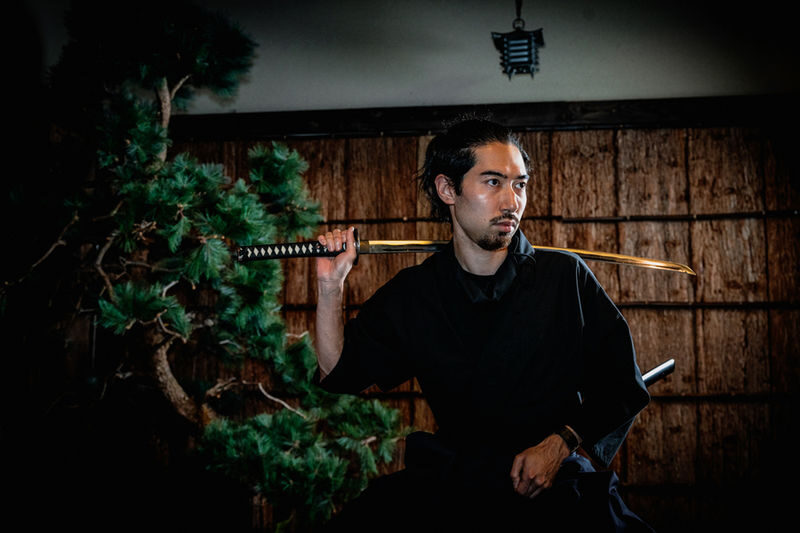
- Sword practice uses an Iaito: This training sword looks like a Japanese sword but is made without a sharp edge for practice.
- The session lasts 120 minutes: Museum admission and ninja star throwing are included in the experience.
- You wear traditional samurai clothes: Dressing up is part of the activity, not the whole point.
- English-speaking instructors lead the session: Instructors named in past sessions include Ryo, Koki, Kenny, Koko, and Betty.
- Groups are limited to 14: A smaller group can make instruction easier to follow and give you more chances to take part.
- The museum is in Nishi-Asakusa: Tawaramachi Station and Asakusa Station on the Tsukuba Express are each about a two-minute walk away.

👉 See our pick of the Our Picks For The 11 Best Workshops & Classes In Tokyo
A two-hour mix of museum, training, and play
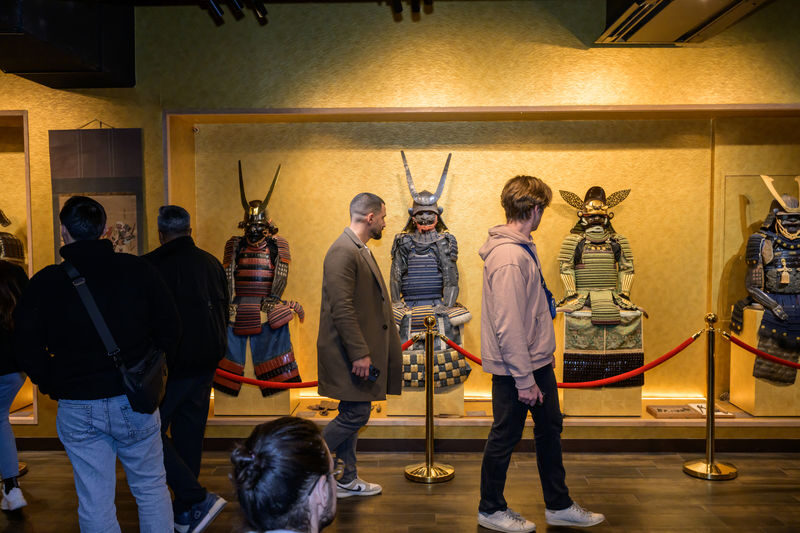
The activity takes place at the TOKYO SAMURAI NINJA MUSEUM with Experience in Nishi-Asakusa. Over 120 minutes, you get museum admission, traditional samurai clothing, sword practice, and ninja star throwing. The package is designed to let you learn a little, try a little, and leave with more than a costume snapshot.
The exact order of the activities is not specified, so plan on the museum and hands-on portions being part of the same visit without expecting a minute-by-minute schedule. Arrive ten minutes before your participation time, and allow the full two hours for the experience.
A useful feature is the balance between explanation and action. The museum portion gives context about samurai and ninja history, while the lesson lets you try a controlled sword movement yourself. That combination suits visitors who want to learn but do not want to spend an entire afternoon in a conventional museum.
You can also read our reviews of more tours and experiences in Tokyo



Start with the history, not the Hollywood version
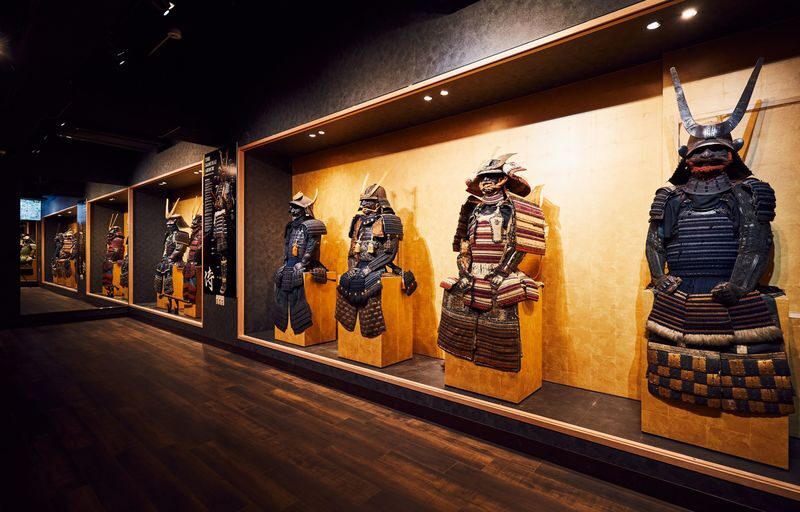
The museum visit is a chance to get a basic introduction to samurai and ninja history before or alongside the practical activities. The supplied details do not specify which displays you will see or how long the guided portion lasts, so I would not book expecting a particular object or exhibit. Think of it as an accessible introduction that helps set the scene for the sword lesson.
That context matters. Samurai imagery is everywhere in films and popular culture, but a museum explanation can help separate historical ideas from screen-ready myth. If you are visiting Japan with little background, even a short introduction can make the hands-on part feel more grounded.
The guides speak English, which is especially helpful here. You are learning movements and historical terms, not just watching someone perform. Past instructors have included Ryo, Koki, Kenny, Koko, and Betty, but no particular instructor is promised for your date.
Put on samurai clothes, then learn a sword sequence
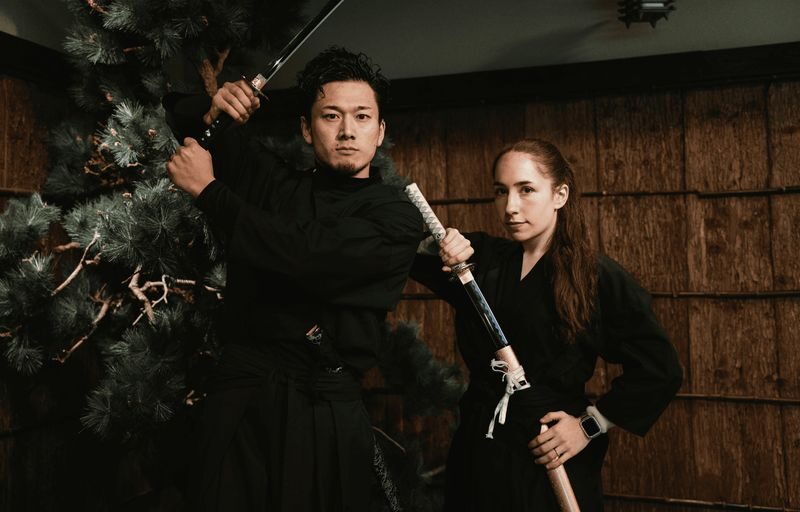
Traditional samurai attire is included, and dressing for the lesson adds a bit of ceremony to what could otherwise feel like a simple demonstration. It also makes the session more fun for families and friends, especially if you want photos from the day. Keep in mind that the outfit is part of the activity, not a separate historical costume workshop.
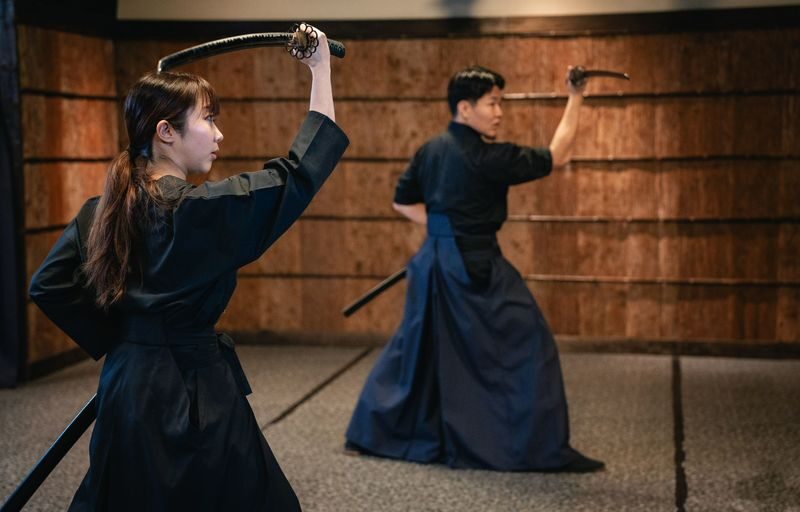
The sword lesson is the main draw for anyone interested in Iaido, the Japanese martial art focused on drawing the sword. You are taught techniques by an instructor and get to handle a training sword, rather than simply posing with a prop. The session is hands-on, but it is still a supervised introduction, not a full martial arts course.
The sword described for practice is an Iaito, a specialized training sword with no sharpened edge. It is made to resemble a Japanese sword while being safer for practice than a live blade. Many Iaito use a zinc-aluminum alloy, a material that cannot hold a sharp edge; the activity’s included item is also described as a sword replica.
Instructions are presented step by step, which is useful if this is your first time holding a sword. Past instructors have been praised for being patient, clear, and lively, with Ryo, Koki, Kenny, Koko, and Betty among the names associated with sessions. You may get a different instructor, so treat those names as examples rather than a booking guarantee.
The tone seems to be part of the appeal. Instructors have combined serious teaching with humor, which helps keep a beginner lesson from feeling stiff. If you want a rigorous, extended martial arts class, this probably is not the right format. If you want to try a few techniques and understand what you are doing, it is a better fit.
Ninja star throwing adds a playful second act
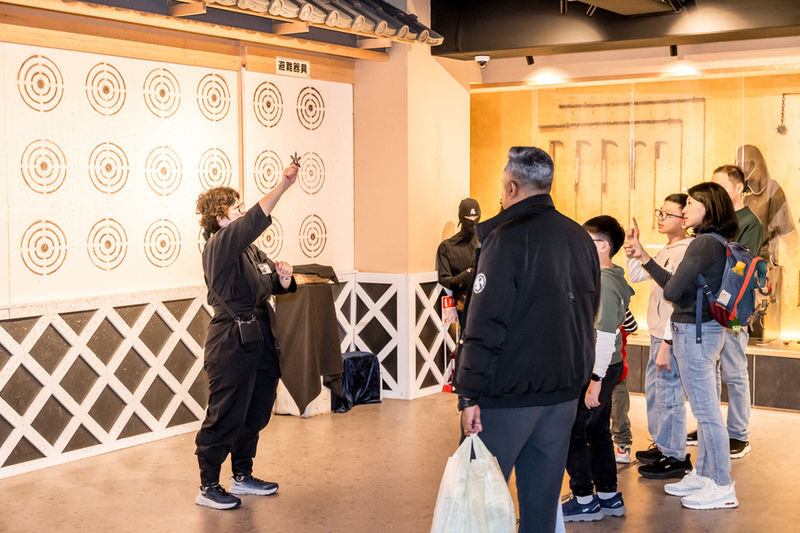
Ninja star throwing is included, giving the visit a second hands-on activity beyond sword practice. It is an entertaining contrast: the sword portion is framed as a lesson in technique, while the shuriken activity brings a lighter, more immediately playful element.
That mix helps explain why this outing works for people with different interests. One person can come for Japanese history, another for the sword lesson, and someone else for the chance to try the ninja activity. You do not need to arrive as a martial arts enthusiast to take part.
The activity is described as suitable for participants aged 10 and older. That makes it a possible family outing for older children and adults, though the age rule means younger children cannot join the activity. Pets are prohibited.
The group size and teaching style matter
The maximum group size is 14. That is small enough to feel more personal than a large crowd gathered around a demonstration, though it is still a group lesson rather than private instruction. If you are nervous about handling a sword, a limited group and step-by-step teaching should make the experience easier to follow.
The instructors’ manner can shape the day as much as the activities themselves. Sessions have been led by people described as patient, funny, and good at explaining movements in English. That mix is valuable: a little humor keeps the mood relaxed, while clear guidance makes the practice feel purposeful.
There is also a practical upside for companions. The museum explanation, dress-up element, sword practice, and shuriken throwing offer several different ways to engage, so the experience is not built around a single long lecture. You still need to enjoy participatory activities, though. If you prefer to observe quietly, the central sword lesson may not be your ideal use of two hours.
You can also read our reviews of more museum experiences in Tokyo


Is US$137.69 fair value?
At US$137.69 per adult, this is not a bargain-priced museum stop. You are paying for a bundled activity: admission, an English-speaking guide, traditional samurai clothes, a sword replica, instruction, and ninja star throwing, all within a two-hour visit. The value improves if you plan to take part in each element and want a guided experience rather than simply browsing a museum.
The price is harder to justify if you are mainly interested in a quick costume photo or a short sword demonstration. It is also worth comparing against other samurai activities in Tokyo if your priority is a longer martial arts lesson. This package’s appeal is its combination of history and participation, not an extensive course in Iaido.
For a family or a pair of friends, the shared activities can make the cost feel more worthwhile than a visit focused on one person. But the listed package is for adults, and participants must be at least 10. Check the exact package and price when booking, as the amount is listed as a starting price.
Getting to the museum in Asakusa
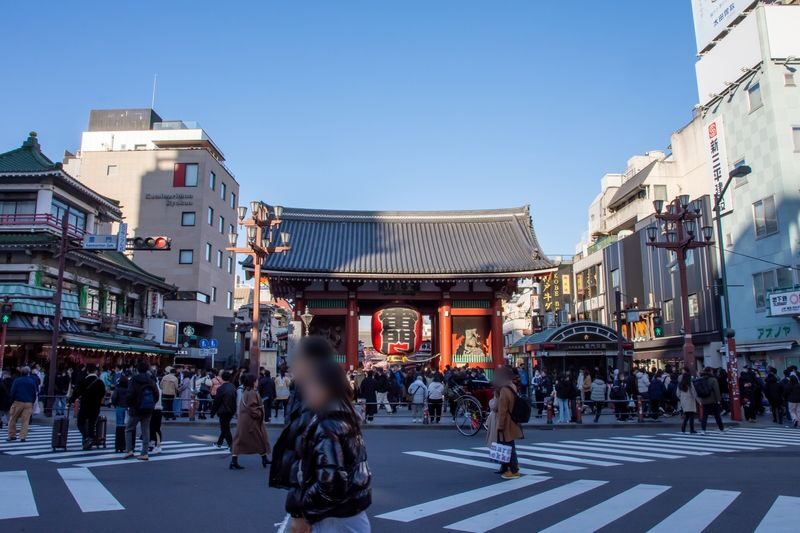
The meeting point is TOKYO SAMURAI NINJA MUSEUM, at 1-8-13 Nishi-Asakusa, Taito-ku, Tokyo. Tawaramachi Station on the Tokyo Metro Ginza Line is about a two-minute walk away, as is Asakusa Station on the Tsukuba Express. Asakusa Station on the Tokyo Metro Ginza and Asakusa lines is about an eight-minute walk.
Those nearby stations make the venue straightforward to reach by train, but transport is not included. You are responsible for getting yourself there, and hotel pickup, meals, and drinks are not part of the package. Aim to arrive ten minutes early rather than cutting it close.
You present a mobile voucher, and it is valid only on the date and time specified. Changes are generally allowed until 24 hours before the activity, subject to the booking’s terms and exclusions. A full refund is available if you cancel at least 24 hours before the activity date, using local destination time.
Who will enjoy this most?
I would put this on your list if you want a compact, guided introduction to samurai and ninja themes with real participation. It is particularly well suited to first-time visitors, families with children aged 10 or older, and anyone who would rather try a sword movement than only watch one.
It also works well as a break from Tokyo’s larger museums and busy sightseeing days. Two hours is a manageable commitment, and the small-group format gives the instructor a chance to keep the lesson moving. You will get more from it if you are comfortable dressing up, following instructions, and trying something unfamiliar.
I would skip it if you want advanced Iaido training, a long museum visit, or a low-cost attraction. The package is an introductory activity with several parts, not a specialist course. Its best value comes from enjoying the full combination.
Should you book the Asakusa Sword Experience?
Book it if the idea of wearing samurai clothes, learning a few sword techniques, hearing some history, and trying shuriken throwing sounds like a good two-hour outing. The English instruction, group cap of 14, and non-sharpened practice sword make it approachable for beginners.
Think twice if the price feels high for a short activity or if you only want a museum ticket. The most rewarding version of the visit is the whole package, with its mix of explanation and hands-on practice. If that is what you are after, this is a memorable way to spend part of a day in Asakusa.
Asakusa Sword Experience-includes Museum Ticket (1785)
“Koko & Betty were such a great instructors. very patient and interacted with us well. step by step. would highly recommend!”
FAQ
How long does the experience last?
The activity lasts 120 minutes.
What activities are included?
The package includes museum admission, traditional samurai clothes, sword practice with a replica, and ninja star throwing.
Is the practice sword sharp?
The sword used for practice is described as an Iaito, a non-sharpened training sword designed for safety during practice.
What is the minimum age?
Participants must be at least 10 years old.
Where is the meeting point?
The meeting point is TOKYO SAMURAI NINJA MUSEUM at 1-8-13 Nishi-Asakusa, Taito-ku, Tokyo.
How do I get to the museum by train?
Tawaramachi Station on the Tokyo Metro Ginza Line and Asakusa Station on the Tsukuba Express are each about a two-minute walk away. Asakusa Station on the Tokyo Metro Ginza and Asakusa lines is about an eight-minute walk.