
Kintsugi gives a cracked plate a new life by tracing its breaks with a bright metallic seam. At this Asakusa workshop, you’ll work through the repair yourself, with an instructor guiding each step and explaining the Japanese idea of appreciating an object’s history rather than hiding its flaws.
I like two things in particular: you leave with a handmade plate, not just a demonstration to watch, and the one-hour class offers a calm pause from Tokyo sightseeing. Instructors including Lika, April, Koko, and Noemi are often praised for clear, patient help.
One important detail: despite the workshop’s traditional framing, the activity information specifies brass powder, not gold, and says the finished piece is not food-safe. The basic price starts at $8.29, but premium ceramics cost extra, so check the available options before booking.
- At a glance
- A hands-on hour in Asakusa
- What you’ll make, and what kintsugi means
- From fragments to a finished plate
- Instructors who keep the process approachable
- How much the price really covers
- Finding the studio and planning your time
- Who will enjoy this workshop
- Should you book it?
- FAQ
- How long is the kintsugi workshop?
- What is included in the price?
- Is the metallic powder real gold?
- Can I use the finished plate for food?
- Do premium plates cost extra?
- Where does the workshop meet?
- What time can I book?
- What happens if I arrive late?
- Is the activity suitable for children and wheelchair users?
- Can I pay with cash?
- The Best Of Tokyo!
- More Tours in Tokyo
- More Tour Reviews in Tokyo
At a glance
 1 / 4
 2 / 4
 3 / 4
 4 / 4
- Repair a plate by hand: The class supplies one standard plate and the materials and tools needed for the activity.
- Follow an English-speaking instructor: Staff guide you through the process step by step. Instructors named in class feedback include Lika, April, Koko, Noemi, and Shirin.
- Make time for a quieter hour: The workshop takes place in Asakusa, a handy change of pace if your day has been full of sightseeing.
- Expect brass-colored seams, not food-safe gold repair: The activity details specify brass powder and say finished pieces are for decoration only.
- Budget for an upgrade if you want a special plate: Premium plate options cost extra. One participant described paying ¥5,500 for a wave-pattern plate, but prices and choices may change.
- Check your meeting-floor details: The address is in the Asakusa Tosei Building, but the information gives both the ninth and tenth floors. Follow the floor stated in your booking confirmation.

👉 See our pick of the Our Picks For The 11 Best Workshops & Classes In Tokyo
A hands-on hour in Asakusa
This is a short craft class, not a long tour of Tokyo. You meet at the Zen studio in the Asakusa Tosei Building, then spend about an hour learning the basics of kintsugi and working on a ceramic piece. The activity is listed as a guided workshop, with English-speaking staff and materials included.
That compact format is useful if you want to add a hands-on activity to a day in Asakusa without giving up half your sightseeing schedule. It also suits a rainy afternoon or a day when you’d welcome a quieter activity. Still, one participant described a session lasting about an hour and a half, so I wouldn’t schedule a tight appointment immediately afterward.
The class is open to all ages and is described as wheelchair-accessible. It’s a meet-up activity rather than a tour with transport: you make your own way to the building and return there when the session ends.
You can also read our reviews of more tours and experiences in Tokyo.



What you’ll make, and what kintsugi means
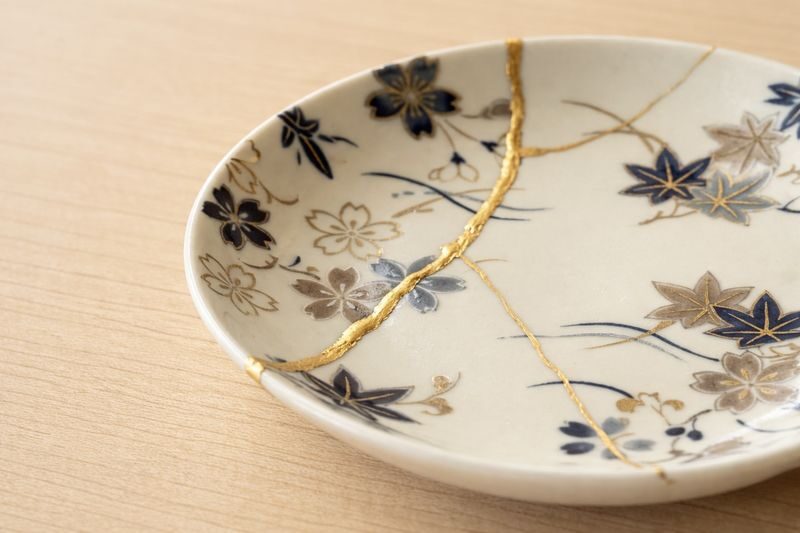
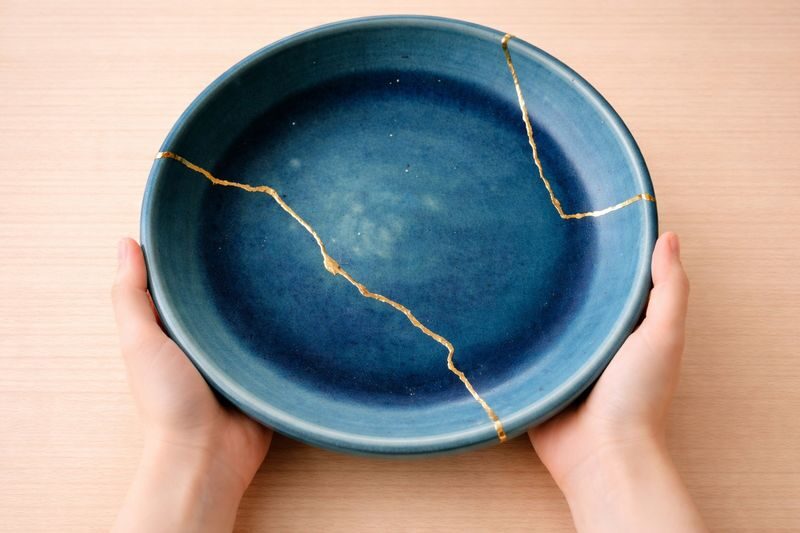
Kintsugi is the Japanese practice of repairing broken pottery and making the joins part of its appearance. Rather than disguising a crack, the repair draws attention to it. The class connects this craft with wabi-sabi, an appreciation of imperfection and the marks of an object’s history.
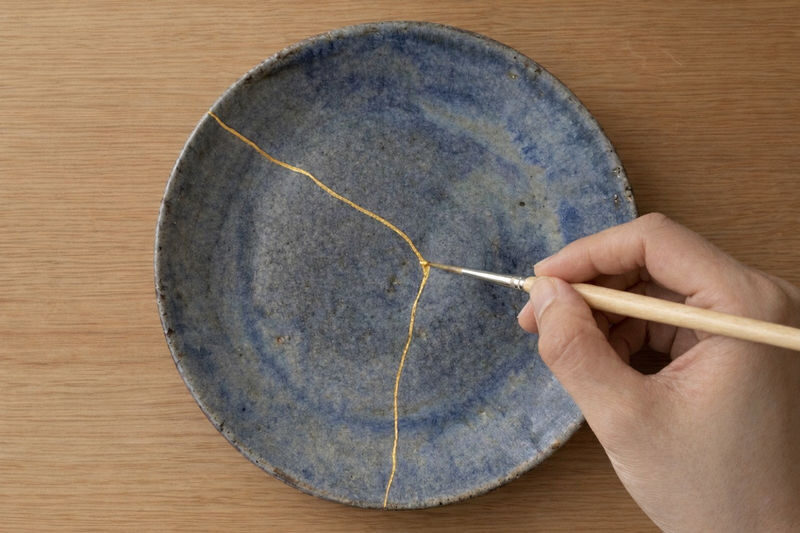
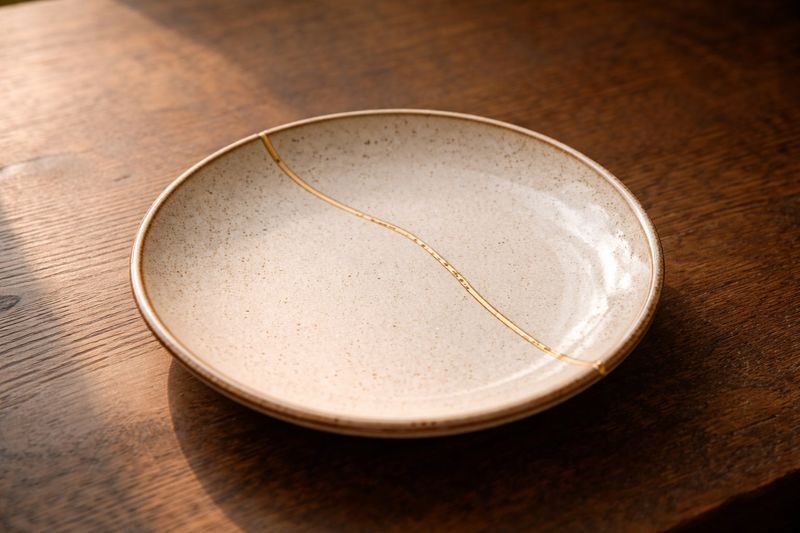
You’ll work on one standard plate, included in the price, using the supplied tools and materials. The workshop description refers to lacquer and metallic powder. But note the practical distinction: the activity details identify the powder as brass, and state that finished pieces are decorative rather than food-safe. Don’t plan to serve dinner on your creation.
The experience is described as traditional kintsugi, and the highlights refer to urushi lacquer and gold powder. Since the material information specifically names brass powder, it’s sensible to confirm the exact materials with staff if authentic gold or a particular lacquer matters to you. The finished look may resemble a golden repair, but the stated material is brass.
From fragments to a finished plate
The central task is to reassemble ceramic fragments and trace the joins with lacquer and metallic powder. You’re not just watching a craftsperson work. You handle the repair yourself, with an instructor nearby to explain the sequence and help you through each stage.
The process is hands-on but designed for beginners. You don’t need prior experience, and the instructor-led format means you can ask for help as you go. People who want to focus on the craft will appreciate the chance to make choices and create a piece that’s their own; those looking for an advanced technical course should keep expectations modest. The session lasts about an hour, so it introduces the practice rather than training you to become a kintsugi artisan.
The workshop may offer a choice of ceramics beyond the included plate. One family described choosing among eight bowls and plates, while another participant noted that the standard price covered a basic plate and that additional breaks could be requested. Those options may depend on the session, so ask what’s available before paying for an upgrade or assuming a piece will be pre-broken.
Instructors who keep the process approachable
The most consistently praised part of the class is the guidance. Instructors named in feedback include Lika, April, Koko, Noemi, Shirin, Serena, Betty, and Tomo. People describe clear explanations, patient help, and a friendly atmosphere, including for families and first-time makers.
That matters because a craft session can feel awkward if you’re unsure what to do next. Here, the instructor stays involved as you work, explaining each step and helping you move through the repair. Some staff have also offered to take photos and videos, a nice touch if you’d like to remember the activity without interrupting your work.
You may encounter a different instructor on your date, so don’t book around a particular person’s name. The useful point is that the class is staff-led and includes English-speaking support.
How much the price really covers
The advertised starting price is $8.29, and the basic package includes admission, tools and materials, English-speaking staff, and one standard plate. At that price, a guided craft activity with a take-home object can be good value, especially compared with buying a souvenir you didn’t make.
The catch is the word standard. Premium plate upgrades cost extra, and the design you want may not be part of the basic package. One participant reported paying ¥5,500 for a wave-pattern plate. Treat that as an example, not a guaranteed current price, and check the options and added cost before choosing.
If you’re happy with the included plate, the stated price covers the core activity. If you have your heart set on a specific shape or pattern, budget for a possible upgrade. Tips and personal expenses are not included, and the workshop is cashless, so bring a supported card rather than cash.
Finding the studio and planning your time
The meeting address is 1-chome-27-2 Asakusa, in the Tosei Building. There’s a small but important inconsistency in the directions: one meeting-point description says the tenth floor, while the meet-up information and package name refer to the ninth. Check your booking confirmation and follow its floor instructions. Arrive five minutes before your chosen start time.
The available start times run hourly from 09:00 through 18:00, though the choices shown can depend on the session you book. Your return time is tied to the selected departure and activity duration. Since late arrivals of more than 15 minutes may be asked to reschedule, allow enough time to reach the building and find the studio.
The workshop is cashless and accepts Visa, Mastercard, American Express, JCB, Diners Club, and Discover. You’ll need to show your mobile voucher. If you need to cancel, the stated full-refund cutoff is at least 24 hours before the activity date, local time.
Who will enjoy this workshop
I’d recommend this class if you want a souvenir with a story and enjoy making things with your hands. It’s also a good fit for families: people have taken part with children, and the activity has no stated age limit. The instructor support helps make the process approachable even if nobody in your group has tried pottery repair before.
It can also be a good choice for anyone who wants a change of pace from temples, shops, and city streets. The workshop gives you a focused task and a quieter hour, with a finished object to take away. That makes it feel more personal than buying a ready-made keepsake.
I’d hesitate if you expect to repair a cherished broken family heirloom, learn a full professional method, or leave with a plate that’s safe for food. The included piece is a workshop project, the session is short, and the stated brass-powder finish is decorative only. If those limits are clear, the class offers a pleasant introduction to the look and thinking behind kintsugi.
Should you book it?
Book this Asakusa workshop if you want a short, guided craft activity and like the idea of taking home something you made yourself. Its strongest points are the patient, step-by-step instruction, the personal keepsake, and a format that fits neatly into a day in Tokyo.
Before paying, confirm which plate is included, what premium designs cost, and which floor to visit. Most of all, keep the materials in mind: the activity details specify brass powder and a decorative, non-food-safe result. If that matches what you’re after, it’s an appealing hour of making rather than merely shopping.
The Art of Kintsugi: Traditional Golden Repair in Tokyo Asakusa
“i love this, it was an amazing experience and I was greeted by Moana, who was sooo nice btw! I would definitely come back!!”
FAQ
How long is the kintsugi workshop?
The activity is listed as one hour. One participant described a session lasting about an hour and a half, so leave some extra time if you have plans afterward.
What is included in the price?
The basic package includes admission, English-speaking staff, the tools and materials needed for the activity, and one standard plate.
Is the metallic powder real gold?
The activity details specify brass powder. The workshop description also refers to gold powder, so ask the staff about the exact materials if this distinction matters to you.
Can I use the finished plate for food?
No. Finished items are for decorative purposes only and are not food-safe.
Do premium plates cost extra?
Yes. Premium plate upgrades are available for an additional charge. One participant described paying ¥5,500 for a wave-pattern plate, but prices and choices may vary.
Where does the workshop meet?
It meets at the Asakusa Tosei Building, 1-chome-27-2 Asakusa, Taito City, Tokyo. The supplied directions refer to both the ninth and tenth floors, so check your booking confirmation for the correct floor.
What time can I book?
The available start times are listed hourly from 09:00 to 18:00. Options may vary according to the session you select.
What happens if I arrive late?
If you arrive more than 15 minutes late, staff may ask you to reschedule because late arrivals can affect later bookings. Aim to arrive five minutes early.
Is the activity suitable for children and wheelchair users?
The activity has no age limit and is described as wheelchair-accessible.
Can I pay with cash?
No. The workshop is cashless. It accepts Visa, Mastercard, American Express, JCB, Diners Club, and Discover.




















