Chopsticks are so familiar at the table that it is easy to overlook the work behind a good pair. In this one-hour Asakusa workshop, you use traditional Japanese woodworking tools to shape, plane, and polish your own, with an artisan guiding you through the steps.
I like that the finished piece is both personal and useful: this is a souvenir you can bring home and use, not just display. I also like the chance to hear about Japanese chopstick culture while learning how wood choice and careful hand-finishing affect the result.
One consideration: the workshop is a little away from Asakusa’s busier streets, and the work space can feel tight. The advertised starting price covers basic wood options, while upgrades and name engraving cost extra, so ask about add-ons before you begin.
- What to know before you book
- Making chopsticks, one careful step at a time
- Choosing wood and deciding on add-ons
- A quieter corner of Asakusa
- How the one-hour visit works
- Is the starting price good value?
- Who will enjoy this workshop most
- Booking details worth checking
- Should you book the Asakusa chopstick workshop?
- FAQ
- How long does the chopstick-making experience last?
- Where is the workshop?
- What is included in the price?
- Is transport included?
- What time can I book?
- Do I need woodworking experience?
- Can I choose the wood for my chopsticks?
- Does name engraving cost extra?
- Is there an age limit?
- What is the cancellation policy?
- The Best Of Tokyo!
- More Tours in Tokyo
- More Tour Reviews in Tokyo
What to know before you book
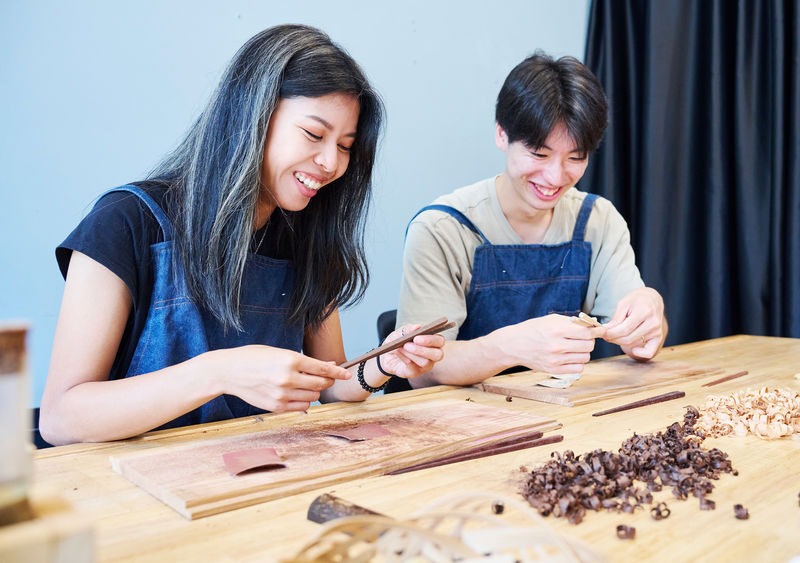
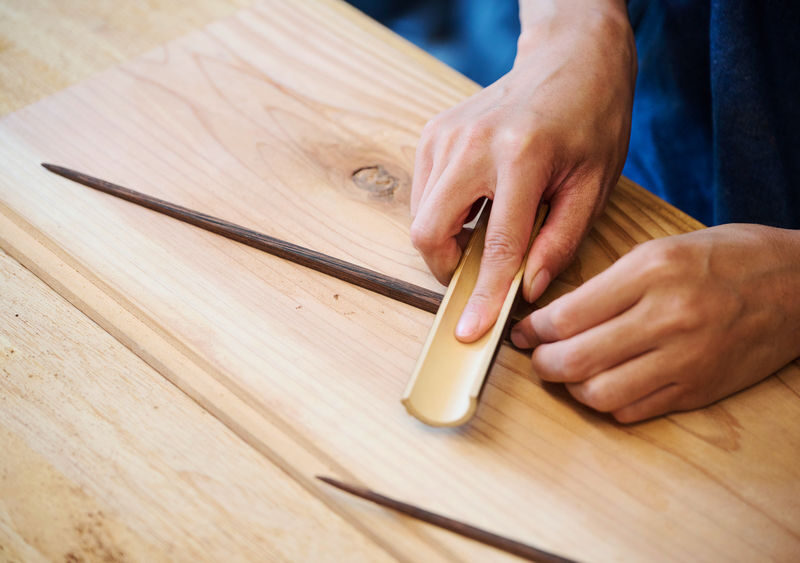
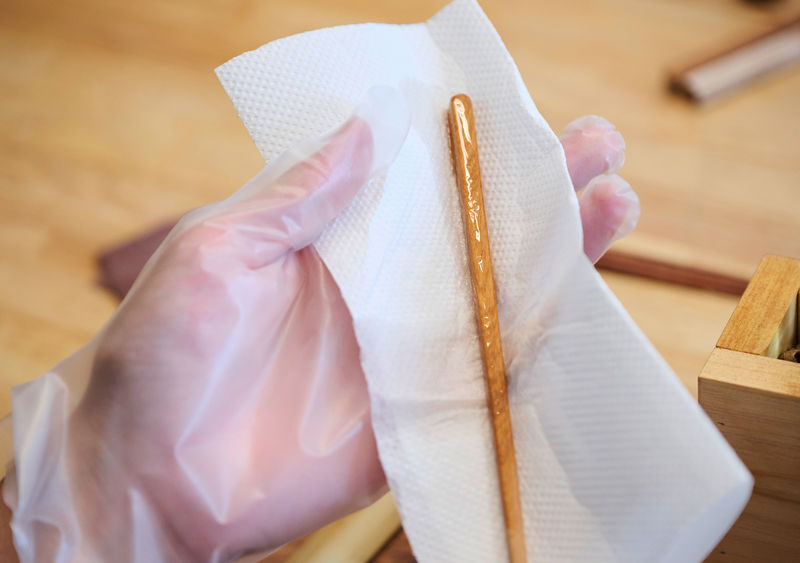
- You make a usable pair: Shape, plane, and polish chopsticks with an artisan’s guidance.
- Three basic woods are available: You can choose among them, with upgraded wood options available for an additional fee.
- Name engraving costs extra: Japanese name engraving has been offered as a paid add-on, with the extra charge explained in advance.
- It takes about an hour: The short session fits neatly into a day exploring Asakusa.
- English instruction is included: You can follow the process and learn about Japanese chopstick culture.
- The workshop is in Taito-ku: Hashiyuki Chopsticks Shop & Workshop is at 1-7-1 Misugi, Tokyo.

👉 See our pick of the Our Picks For The 11 Best Workshops & Classes In Tokyo
Making chopsticks, one careful step at a time
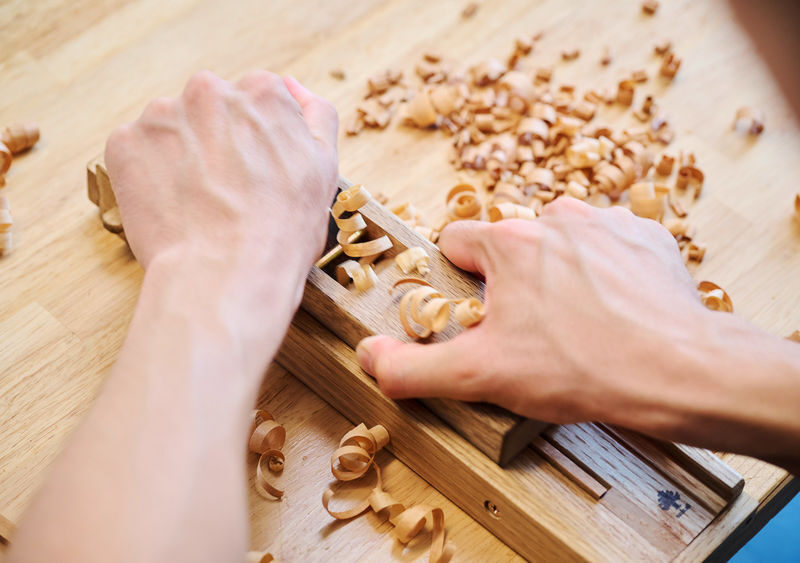
This is a small craft lesson, not a long woodworking course. Over roughly an hour, you work with an artisan to shape, plane, and polish a pair of chopsticks using Japanese tools and techniques. The process is designed for beginners, so you do not need prior experience to take part.
The sequence gives you a feel for the patient work behind an everyday object. Shaping sets the form; planing refines it; polishing brings the surface to a smooth finish. You are not simply watching a craftsperson demonstrate. You handle the work yourself, with help when you need it.
The workshop also adds context to the making. You hear about chopstick culture in Japan and learn why their shapes and styles vary. That detail matters: it helps you see a pair of chopsticks as more than a generic eating tool. Their form and finish reflect choices made by makers and users.
The emphasis is on hands-on practice and a finished object you can take home. The experience does not promise a long technical course or a chance to master several woodworking methods. Instead, it offers a focused introduction, with an artisan close by to explain the steps and help you work at a beginner’s pace.
You can also read our reviews of more tours and experiences in Tokyo.



Choosing wood and deciding on add-ons
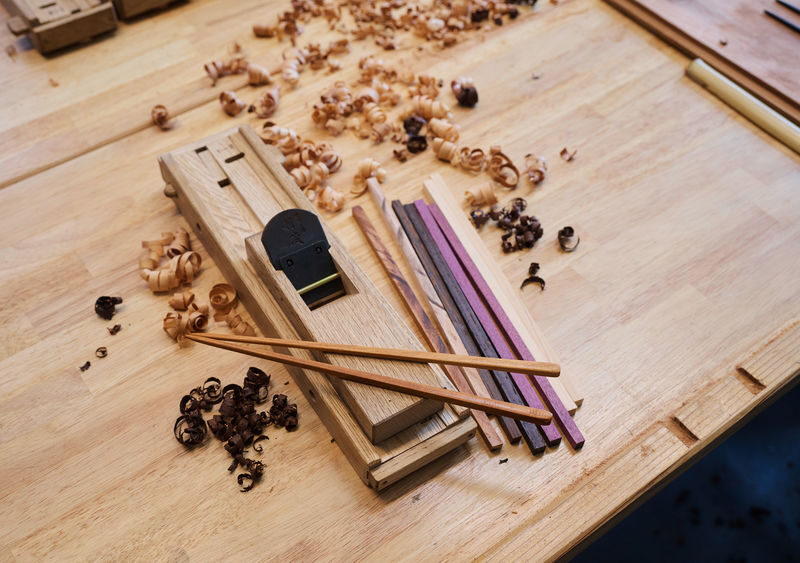
You can choose from three basic woods. If you want a different material, upgraded options are available for an additional fee. The amount for an upgrade is not specified here, and one participant described the upgrade as substantial, so ask about the price before choosing. That way, the final cost will not surprise you.
Wood choice is one of the workshop’s useful lessons. The materials are part of what makes a handmade pair feel individual, and deciding among them gives you a small but meaningful role in the result. You do not need to arrive with a technical opinion about wood. The artisan can explain the options so you can make a choice that suits you.
Name engraving in Japanese may also be available for an extra charge. It is not included in the base price, so treat it as an optional finishing touch rather than part of the standard experience. If a personalized souvenir matters to you, ask about the engraving cost and details before the session gets underway.
At the listed starting price of US$12.65, the basic workshop can be good value for a guided activity and a functional handmade keepsake. The true total depends on any paid upgrades or engraving you choose. If you are comparing options, check what the starting price includes and decide in advance how much you are willing to spend on extras.
A quieter corner of Asakusa
The workshop takes place at Hashiyuki Chopsticks Shop & Workshop, at 1-7-1 Misugi in Taito-ku. It is in Asakusa, one of Tokyo’s traditional neighborhoods, but the shop is described as a bit of a walk into a relatively quiet area. That quieter setting can be a welcome change if you have spent the day among the district’s more crowded streets.
Allow time to find the address and arrive five minutes before your selected start time. The experience itself lasts about an hour, and transport is not included. You will need to make your own way to the shop, so factor that into the day rather than treating the workshop as a pickup tour.
The small work space is worth considering. It can feel tight, especially for a family or a group, but it does not change the basic appeal: you are there to work with the tools, listen to the instructor, and finish your own pair. If you prefer roomy studios or a lot of space between workstations, this may not be your ideal setting.
How the one-hour visit works
The visit is straightforward: arrive at the shop for your booked time, take part in the guided chopstick-making session, then leave with your finished pair. There is no transport or meal included, and the listed program does not include extra sightseeing stops. The value is in the focused hour of making and learning.
During the workshop, the artisan introduces the materials and tools, then guides you through shaping, planing, and polishing. The exact pace will depend on the session, but the activity is presented as simple and suitable for beginners. You can ask for help as you work; patience and clear instruction are among the features that make this a comfortable choice for first-time makers.
Instructors named by participants include Yuka and Tomo. Yuka has been praised for taking time to teach and share cultural background, while Tomo has been described as kind and helpful. Instructor assignments may vary, so do not book on the assumption that you will meet a particular person.
The session is also a chance to ask practical questions about chopsticks: why styles differ around Japan, how artisans achieve a smooth finish, and what distinguishes the woods on offer. You leave with more than a souvenir if you pay attention to those explanations. You gain a better sense of how much care goes into an object you might otherwise use without thinking.
Is the starting price good value?
At US$12.65, this is a relatively low-cost way to add a hands-on activity to a Tokyo itinerary. The price is easiest to justify if you value the making process as much as the finished object. You receive an English-speaking guide, the workshop admission, and a pair of chopsticks you have shaped and polished yourself.
The price is less straightforward if you want premium materials or engraving. Those are extra, and upgrades may add substantially to the bill. I would set a budget before arriving, then ask which wood is covered by the basic price and what each optional finish costs. The simplest package still gives you the central experience: working with an artisan and making your own chopsticks.
There are 11 start times listed, from 09:00 through 18:00, subject to availability for your selected session. That spread makes it easier to fit the activity around other plans, though the exact options can vary with your booking time. The workshop is only an hour, but remember to add your own travel time to and from the shop.
Who will enjoy this workshop most
This experience is a natural fit if you want a practical souvenir and enjoy learning by doing. It can also work well for families: the activity has no stated age limit, and the beginner-friendly instruction makes it approachable for people with no woodworking background. The compact space may feel close when several people attend together, so keep that in mind when planning a family outing.
It is also a good choice if you are curious about Japanese craft but do not want to spend half a day in a formal class. In one hour, you get a focused introduction to tools, wood, finishing, and chopstick culture. The session is modest in scope, which is part of its usefulness: it gives you a taste of a traditional skill without taking over your schedule.
You may want to choose another activity if you are after a large workshop, a long technical lesson, or a fully inclusive price with no optional charges. This one is best approached as an accessible craft experience with a few choices that can raise the cost.
Booking details worth checking
Choose a departure time when booking and arrive five minutes early. The voucher is valid only on the date and time specified, and confirmation is expected within minutes. If you do not receive it, contact customer support before setting out.
Pets are prohibited. Transport, meals, beverages, and personal expenses are not included. The activity offers a full refund if you cancel at least 24 hours before the activity date, using the destination’s local time.
The provider has a high overall good-review rate, but no activity is immune to a scheduling problem. One participant reported arriving to find the venue closed and having trouble securing a refund. That is an isolated warning, not a reason to assume the same will happen to you, but it makes the practical advice simple: check that your confirmation has arrived, keep it handy, and verify the venue details before you leave.
Should you book the Asakusa chopstick workshop?
Book it if you want a short, hands-on break from sightseeing, enjoy learning a simple craft, and like the idea of taking home something you can use. The strongest reasons to go are the patient, English-language instruction, the chance to handle real woodworking tools, and the personal result of making your own pair.
Before you commit, decide whether basic wood is enough or whether you are willing to pay for an upgrade or engraving. Also allow time to reach the quieter address and be comfortable with a small workshop space. If those points suit you, this is a thoughtful, low-key way to connect with Japanese craft culture without giving up much of your day.
Tokyo: Asakusa Artisan Chopstick-Making Experience
“what a cool experience, the staff were great at explaining everything and Asakura is a beautiful quiet place with lots of shopping but way less peo…”
FAQ
How long does the chopstick-making experience last?
The guided chopstick-making experience lasts about one hour.
Where is the workshop?
It takes place at Hashiyuki Chopsticks Shop & Workshop, 1-7-1 Misugi, Taito-ku, Tokyo.
What is included in the price?
The package includes admission to the chopstick-making experience, an English-speaking guide, and Japanese chopstick culture instruction.
Is transport included?
No. Transport is not included, so you need to make your own way to the workshop.
What time can I book?
Listed start times range from 09:00 to 18:00. Available options can vary depending on the time you select.
Do I need woodworking experience?
No prior experience is required. The process is described as simple and suitable for beginners.
Can I choose the wood for my chopsticks?
Yes. Three basic wood options are available. Upgraded woods can be chosen for an additional fee.
Does name engraving cost extra?
Yes. Japanese name engraving is an optional extra charge.
Is there an age limit?
No age limit is stated for this activity.
What is the cancellation policy?
You can receive a full refund if you cancel at least 24 hours before the activity date, using the destination’s local time.