The University of Tokyo is more than a collection of lecture halls: it is a place to read Japan’s past through its campus buildings and landmarks. This half-day guided walk gives you a local guide’s perspective on one of the country’s most prestigious universities, with stories about its architecture and the history behind it.
I like two things in particular: the history gives the buildings context, and the walk is described as relaxed, with a comfortable pace rather than a rush from stop to stop. Guides named Tom, Ms. Du, and Yoshiko-san have been praised for their warmth and clear explanations.
One consideration: the exact route and campus stops are not specified here, so you should not book expecting a particular building or a visit to Hachiko. That extra stop happened on one outing, but it was not part of the original itinerary.
Key points
- A half-day campus walk: Explore the University of Tokyo on foot with a guide.
- History in the architecture: Hear how campus buildings connect to different periods of Japanese history.
- A local perspective: The tour is intended to offer insight into university life as well as Tokyo’s past.
- A gentle pace: The walk has been described as relaxed and comfortable.
- Guides with names and personalities: Tom, Ms. Du, and Yoshiko-san have been singled out for helpfulness, friendliness, and clear explanations.
- A seasonal tip: One visitor recommends November for yellow leaves, though the exact timing of autumn color can vary.

👉 See our pick of the Our Picks For The 11 Best Workshops & Classes In Tokyo
- Key points
- A university walk with more than campus trivia
- Let the buildings tell the story
- A look at Japanese university life
- Expect a comfortable walking pace
- Hachiko is a possible extra, not a planned stop
- November may bring yellow leaves
- Is .35 good value?
- Who should book this campus experience?
- Should you book it?
- FAQ
- Where does the tour take place?
- How long is the experience?
- What is the tour called?
- How much does it cost?
- What does the tour focus on?
- Is the tour guided?
- Which guides have been named?
- Is Hachiko part of the standard itinerary?
- Can I book for the next day?
- What are the cancellation terms?
- The Best Of Tokyo!
- More Half-Day in Tokyo
- More Tours in Tokyo
- More Tour Reviews in Tokyo
A university walk with more than campus trivia
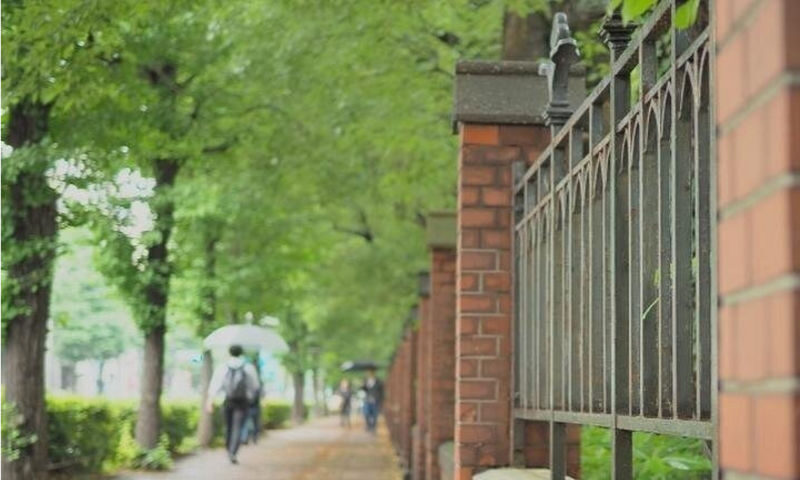
A university tour can be a useful change of pace from Tokyo’s shopping streets and major sights. Here, the subject is the University of Tokyo, often called Tokyo University, and the aim is not simply to pass its buildings. A guide helps you connect what you see to the school’s history, its place in Japan, and the way architecture can carry stories of earlier times.
That context matters. A campus can feel like a quiet corner of a huge city, but without explanation, its buildings may look like just that: buildings. A guide can point out why a structure looks as it does and what its history tells you. If you are curious about Japan beyond its most familiar tourist stops, that kind of interpretation is the core value of this walk.
The experience is described as a half-day walking tour. It is not presented as a lecture or a packed sightseeing checklist. The appeal is a more personal, unhurried look at a major university, with room to listen, ask questions, and take in the campus atmosphere.
You can also read our reviews of more tours and experiences in Tokyo


Let the buildings tell the story
The most distinctive subject of the tour is the connection between architecture and history. Yoshiko-san, one of the guides praised for this experience, is described as explaining why certain buildings look the way they do and how they survived different periods of Japanese history. That approach makes the campus more than a backdrop: it gives you a way to read the place.
The available details do not name the specific buildings or promise a fixed sequence of stops. That is worth keeping in mind if you have a particular landmark in mind. You can expect to visit several campus landmarks, but you should confirm the exact route with the operator if one building is essential to your plans.
A guide’s explanations can also make the walk easier to follow if you are new to Japanese history. Rather than leaving you to connect dates, styles, and events on your own, the tour aims to provide context in plain terms. Yoshiko-san’s English has been described as clear and natural, with cultural details related to familiar ideas. That is encouraging if you want more than a list of names and dates, but it does not establish that every guide or every departure is conducted in English.
A look at Japanese university life
The tour is not only about old buildings. It also speaks to Japanese university life, an appealing angle if you are curious about how a major university fits into the life of Tokyo. The information available does not promise meetings with students, classroom visits, or access to academic facilities, so think of this as a guided walk around campus rather than a chance to join university activities.
That distinction helps set expectations. You can get a sense of the campus as a place with a history and an identity, but this is not described as a student-led program or an academic seminar. Its strength is the combination of place and explanation: a guide can give you a framework for seeing campus landmarks and understanding why they matter.
I would consider this tour especially useful if you have already seen some of Tokyo’s headline attractions and want a different subject for a morning or afternoon. It also suits anyone with a general interest in education, architecture, or modern Japanese history. If you only want famous photo stops, a campus tour may feel too quiet; its interest comes from the stories attached to the setting.
Expect a comfortable walking pace
A relaxed pace is one of the clearest practical advantages. A visitor described the outing as comfortable and unhurried, with the feel of being shown around by a local friend. That matters on a half-day walk: you have more chance to absorb an explanation and look around than you would on a tightly timed route.
Several guide accounts reinforce the personal side of the experience. Tom was described as helpful, Ms. Du as kind and easygoing, and Yoshiko-san as warm and clear in her explanations. Other comments highlight punctuality, patience, friendliness, and informative historical detail. Those are the qualities that can turn a campus stroll into a worthwhile guided outing.
Still, guide names are not a promise that you will be assigned a particular person. The names are useful examples of the guide style associated with the tour, not a guarantee of who will lead your date. If a specific guide or language matters to you, check before booking rather than assuming.
Hachiko is a possible extra, not a planned stop
One visitor went to see Hachiko with their guide, even though it was not part of the original itinerary. That is a pleasant example of how a guide may be able to add something, but it should not shape your booking decision. The stated experience is a University of Tokyo campus tour, and Hachiko is not listed as a standard stop.
If Hachiko is a priority, ask the operator whether a detour is possible on your date. Do not count on it, and allow enough time in your own plans in case the tour cannot accommodate an extra visit. The campus walk is the reason to book; anything beyond it is a bonus only if confirmed.



November may bring yellow leaves
A visitor offered a useful seasonal suggestion: come in November if you want to see yellow leaves. That makes autumn an appealing time to consider, particularly if you enjoy the visual side of a campus walk as much as its history. The suggestion is not a guarantee of peak color on a particular day, since foliage changes with conditions and timing.
The tour can still make sense outside autumn. Its main draw is the guide’s account of campus history and architecture, not a seasonal display. If you are planning around fall color, keep your dates flexible if you can, and treat the leaves as an added pleasure rather than the whole point of the outing.
Is $35.35 good value?
The price starts at $35.35 for the half-day experience. For that amount, the main value is the guided interpretation: someone helps you understand the campus landmarks and places them in a broader story about Japanese history and university life. If you would otherwise walk around without context, a guide can make the outing substantially more interesting.
The value depends on what you want from a campus visit. If you enjoy guided walks and want history explained as you go, the starting price is attractive for a half-day activity. If you prefer to explore independently, or need a specific list of buildings and activities, you may want more itinerary detail before deciding.
The rating is 5.0 out of 5 from six reviews. That is a perfect score, but the sample is small, so treat it as a positive sign rather than proof that every departure will be identical. The repeated praise for guide friendliness, patience, punctuality, and clear history explanations gives you a more useful picture of what the tour does well.
Who should book this campus experience?
Book it if you are curious about Japanese university life, Tokyo’s history, or the stories behind campus architecture. It is also a good fit if you like walking tours that move at a comfortable pace and prefer a guide’s interpretation to a self-guided stroll.
It may be less satisfying if you expect a detailed, published stop-by-stop itinerary, access to classrooms, or a guaranteed visit to Hachiko. Those details are not part of the stated package. Ask the operator about route specifics before booking if they will affect your decision.
The booking terms are flexible in two useful ways: you can book as late as the day before, and confirmation is instant. Free cancellation is available with at least 24 hours’ notice, based on Tokyo local time. Those terms help if you are still arranging your schedule, but they do not change the need to confirm any special requests in advance.
Should you book it?
I would book this tour for the guide-led perspective, not for a checklist of famous stops. Its best feature is the chance to connect the University of Tokyo’s buildings with Japanese history and campus life, in a relaxed half-day walk. The consistently warm descriptions of the guides are another plus.
Choose a different activity if you need a guaranteed Hachiko visit or a precisely specified route. But if you are open to a thoughtful campus walk, and the starting price fits your budget, this is a promising way to spend a few hours seeing a less obvious side of Tokyo.
Tokyo University Half-Day Immersive Campus Experience
“I had a good time visiting one of the most prestigious universities in the world. My guide Tom had been very helpful. We even went to see Hachiko w…”
FAQ
Where does the tour take place?
It takes place in Tokyo, Japan, at the University of Tokyo.
How long is the experience?
It is described as a half-day campus experience.
What is the tour called?
The package is called Tokyo University Half-Day Immersive Campus Experience.
How much does it cost?
The price starts at $35.35. The final price may depend on the booking details shown when you reserve.
What does the tour focus on?
It focuses on walking around campus landmarks and learning about the university, its architecture, Japanese history, and university life.
Is the tour guided?
Yes. It is a guided walking experience.
Which guides have been named?
Guides named in accounts of the experience include Tom, Ms. Du, and Yoshiko-san. A particular guide is not guaranteed.
Is Hachiko part of the standard itinerary?
No. One visitor went to see Hachiko as an extra stop, but it was not part of the original itinerary.
Can I book for the next day?
Yes. The activity can be booked for tomorrow, subject to availability.
What are the cancellation terms?
You can cancel for a full refund if you cancel at least 24 hours before the activity date, using Tokyo local time. Booking confirmation is instant.