Tokyo’s older neighborhoods make more sense on foot. This three-hour walk links the temple lanes of Asakusa with Kappabashi’s kitchenware shops and Ueno’s market streets, so you can see how worship, shopping, and everyday eating sit side by side. A guide helps you read the details you might otherwise pass without noticing.
Two things I like here: Senso-ji’s customs are explained as you encounter them, and Kappabashi gives the tour an unusual, practical turn with Japanese knives, ceramics, and lifelike food displays. Guides such as Toshi, Hiroko, and Haruhiko “Sunny” Tamura have helped visitors connect the sights with useful context and shopping advice.
The main consideration is the pace. You cover several districts in about three hours, with roughly 50 minutes in Kappabashi and an hour for Ueno Park and the Ueno area. If you want long temple visits or a leisurely shopping session, you may prefer to return on your own afterward.
- At a glance
- From Kaminarimon to Senso-ji
- Hoppy Street and a change of pace
- Kappabashi’s knives, ceramics, and food models
- Ueno Park and Ameya Yokocho
- What the guide adds
- Is three hours good value?
- Practical details before you book
- Should you book this Asakusa to Ueno walk?
- FAQ
- How long is the walking tour?
- Where does the tour start?
- Where does the tour end?
- What departure times can I choose?
- Which languages are offered?
- Are meals and drinks included?
- Can children join the tour?
- What happens if I need to cancel?
- The Best Of Tokyo!
- More Walking Tours in Tokyo
- More Tours in Tokyo
- More Tour Reviews in Tokyo
At a glance
 1 / 9
 2 / 9
 3 / 9
 4 / 9
 5 / 9
 6 / 9
 7 / 9
 8 / 9
 9 / 9
- Kaminarimon and Nakamise: Start beneath Asakusa’s famous red gate, then walk the busy approach to Senso-ji.
- Temple customs: Spend about 30 minutes at Tokyo’s oldest temple, with guidance on worship etiquette.
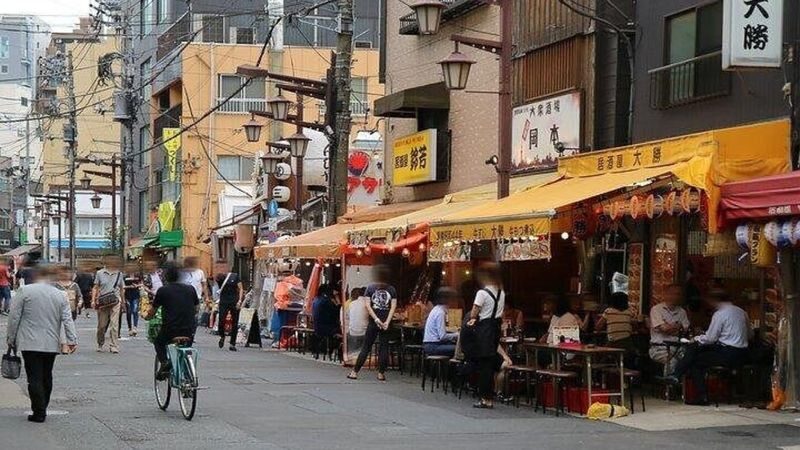
- Hoppy Street: See a retro side of Asakusa among its izakayas.
- Kappabashi’s working shops: Browse knives, ceramics, tableware, and realistic food samples.
- Ueno’s local character: Walk through Ueno Park and finish near Ameya Yokocho, a market street with postwar roots.

👉 See our pick of the Our Picks For The 11 Best Workshops & Classes In Tokyo
From Kaminarimon to Senso-ji
The meeting point is at 2-3-1 Kaminarimon in Asakusa. You can select a 10:00, 13:00, or 15:00 departure when booking, and should arrive five minutes early to find the guide holding a Klook sign. The tour ends in the Ueno area, near Ameya Yokocho, rather than looping back to the starting point.
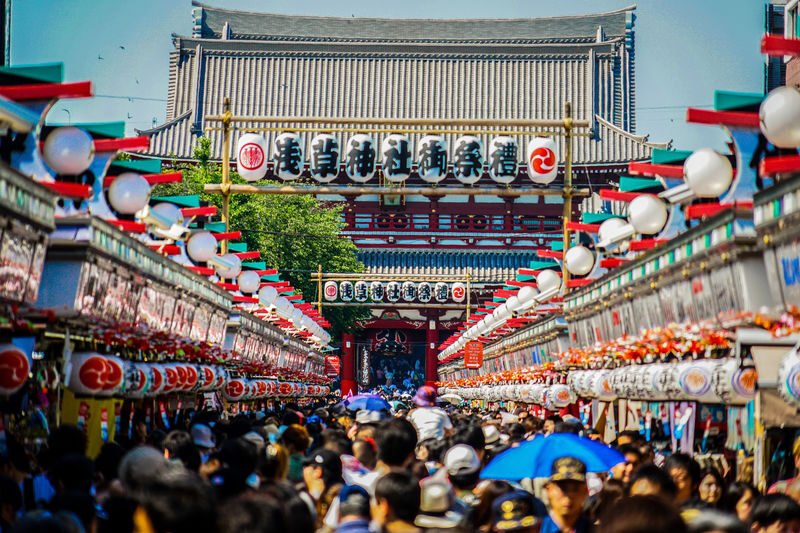
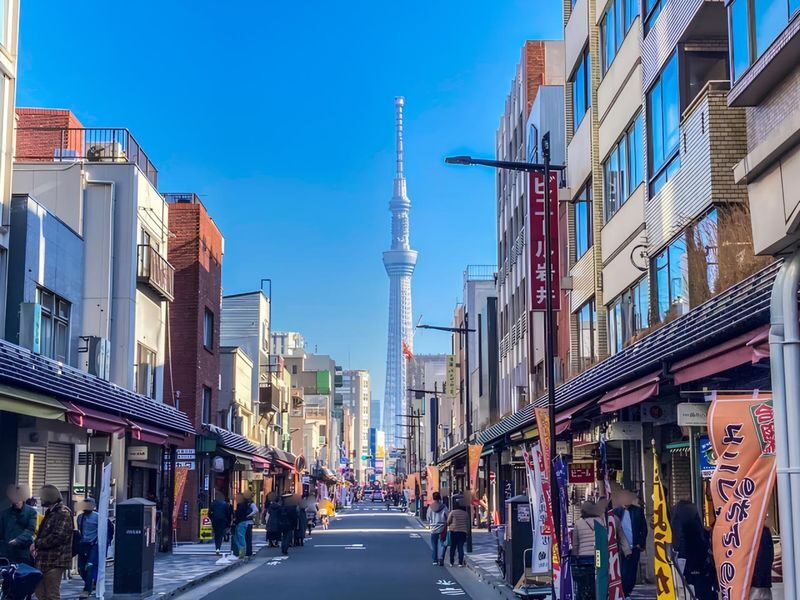
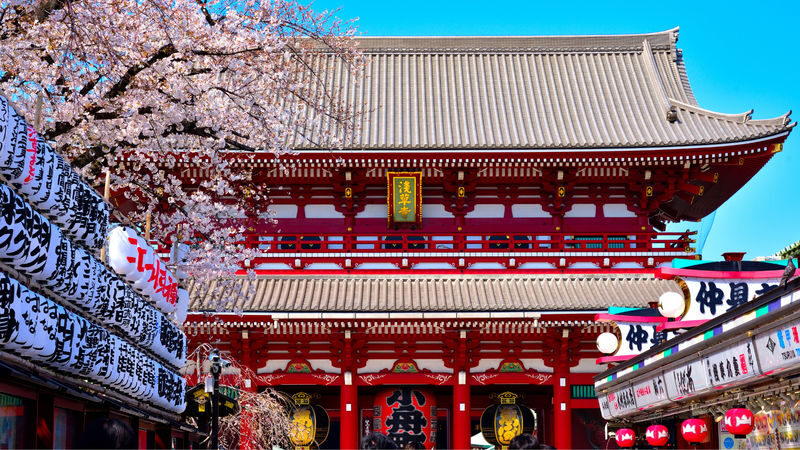
Your first stop is Kaminarimon, the red gate that marks the entrance to the temple approach. It is a quick introduction, not a long visit: the scheduled guided portion here is about ten minutes. A guide can put the gate and its role in the setting of Asakusa before you continue into the shopping street.
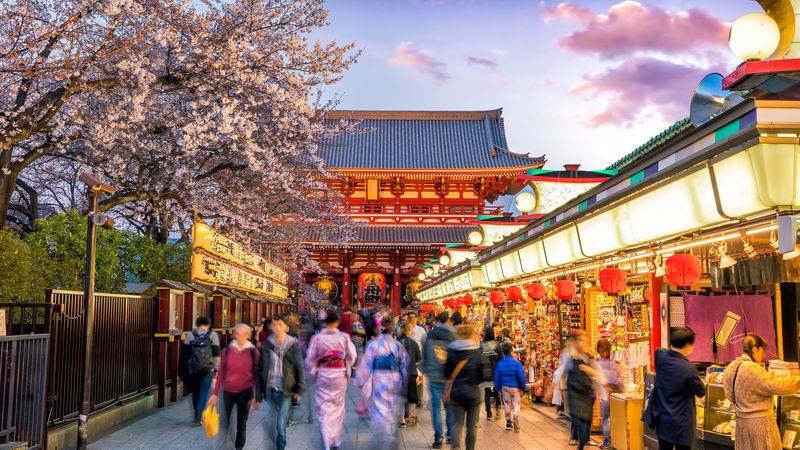
Nakamise takes about ten minutes. This lively stretch leads toward Senso-ji and is lined with shops, making it both a route to the temple and a place to notice traditional goods and snacks. Expect people and shopfronts, not a quiet stroll. That is part of the point: this is a place of worship reached through an active commercial street.
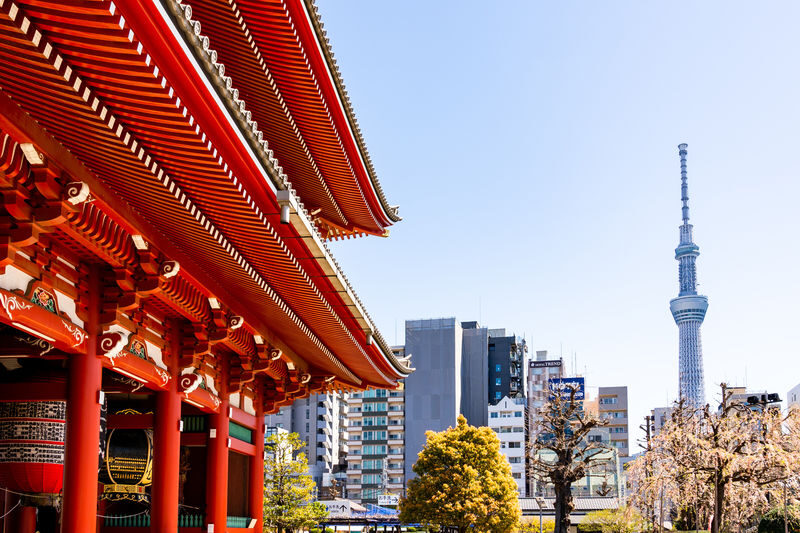
At Senso-ji, the tour allows about 30 minutes. That is enough to see the main temple area and learn some of the basic practices of Japanese worship, but it is not an unhurried temple visit. Guides have demonstrated how to clean your hands and bow, making customs easier to follow than a written sign alone. I particularly value that practical instruction: it lets you take part respectfully instead of standing back and guessing.
Senso-ji is Tokyo’s oldest temple, and the guide’s stories help give the buildings and rituals a human scale. Past guides have included Toshi, Hiroko, and Sunny, whose tour explanations have covered local history, culture, and visitors’ questions. Guide assignments change, so book for the route and teaching style rather than expecting a particular person.
You can also read our reviews of more walking tours in Tokyo


Hoppy Street and a change of pace
From the temple district, the walk continues to Hoppy Street for about 15 minutes. Its retro izakayas offer a different face of Asakusa from the temple approach. The tour is not described as including a meal or drink, so think of this as a short look at the street and its atmosphere, not a tasting stop.
That distinction matters if you are planning lunch. Food and beverages are not included, and personal spending is extra. You can ask your guide for suggestions, but leave room in your budget if you hope to eat or drink along the way. Sunny, for example, has offered lunch recommendations and shopping tips, though what help you get will depend on your guide and interests.
Kappabashi’s knives, ceramics, and food models
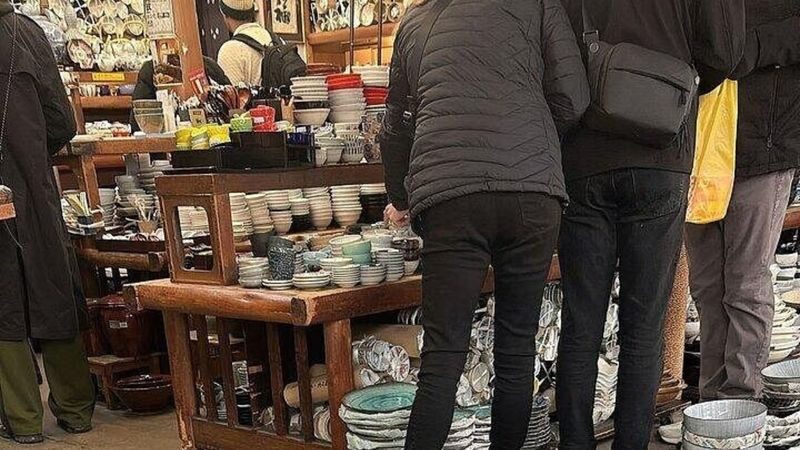
Kappabashi Kitchenware Town gets about 50 minutes, making it the tour’s longest dedicated shopping stop. The district has a history of more than 300 years and is known for restaurant supplies and tableware. You can look at Japanese knives, ceramics, and the highly realistic food samples used to show dishes outside restaurants.
This stop is useful even if you do not plan to buy anything. The displays make Japanese food culture visible in a different way: you see the plates and models that help restaurants present their menus, alongside tools made for professional kitchens. If you are interested in cooking or tableware, the shops can also be a practical place to compare styles and prices.
Fifty minutes is enough for a guided introduction and some browsing, but not necessarily enough to inspect every shop. If you have a specific knife or shop in mind, tell your guide early. Hiro has helped a visitor locate a particular knife shop, and Sunny has steered people toward shops suited to their interests. That kind of assistance can save time in a district where the choice is the attraction and the challenge.
Keep purchases in perspective. Knives and ceramics can be substantial buys, and this is a walking tour, not a dedicated shopping trip. You may find it best to note shops you want to revisit after the tour, especially if you prefer to compare several options before spending.
Ueno Park and Ameya Yokocho
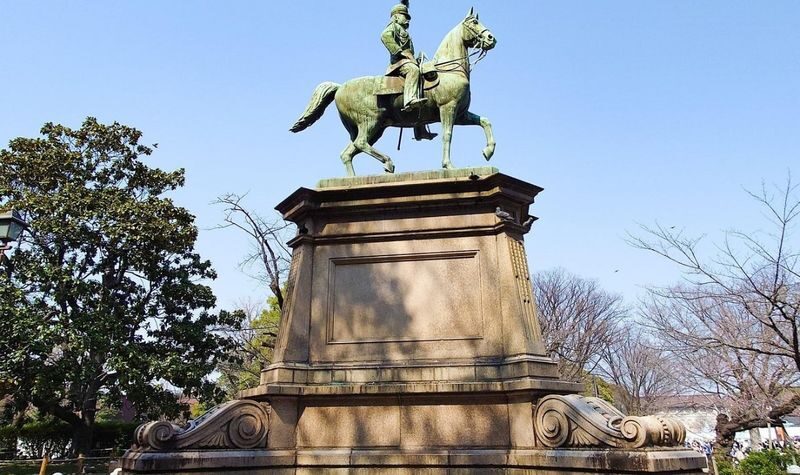
The final stretch takes you toward Ueno, with about an hour assigned to Ueno Park and the Ueno stroll. This is a chance to shift from shopfronts and temple grounds to one of Tokyo’s well-known public spaces. The guide can provide historical context and point out features that are easy to overlook when you are simply crossing the park.
One especially memorable topic from past tours is Saigo Takamori, a central figure in the story of the Last Samurai, and the park’s features in relation to him. The guide may also adapt the walk to your interests. Some visitors have had time for photos, coffee, or souvenir shopping, and solo participants have sometimes enjoyed a more personal pace. Those details can vary, so treat them as possibilities rather than fixed inclusions.
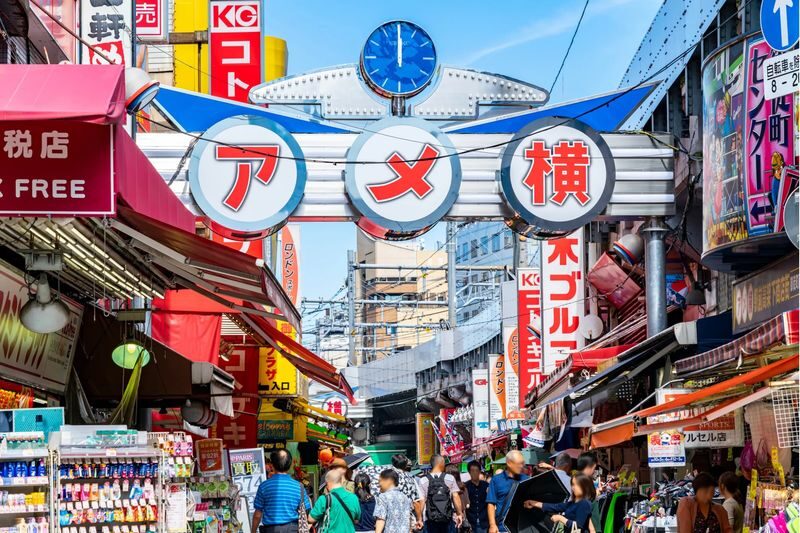
The walk ends around Ameya Yokocho, often called Ameyoko. This market street grew from a black market after World War II and still has a strong everyday shopping feel. The tour’s description includes time to enjoy popular street food with the guide, but meals and drinks are not included in the price. Bring some spending money if you want to try something.
Ending here is convenient if you want to keep exploring Ueno or make your own lunch plans. The finish is not back at Kaminarimon, so consider that when arranging the rest of your day. The route’s one-way progression is a strength: it connects districts rather than spending time retracing the same streets.
What the guide adds
The route includes famous sights, but the guide is what makes the walk more than a sequence of photo stops. The strongest praise for this tour centers on clear explanations, warmth, patience with questions, and the ability to adjust to a visitor’s interests. Guides such as Toshi, Hiroko, Sunny, Kirill, and Cris have been singled out for making local history approachable and the walk personable.
You may also find the tour particularly helpful on a first day in Tokyo. A guide can explain temple etiquette, answer broad questions about Japanese culture, and offer practical advice for shopping or lunch. One visitor appreciated Sunny’s illustrated explanation of customs; another valued Kirill’s historical background in Ueno and his knowledge of less obvious spots.
The guide’s language is selected from English, Chinese, Spanish, Korean, and French. The experience is not limited by age, though children aged 0 to 11 must be with a paying adult. Children under three are free, while those aged 12 and older pay the adult rate.
The tour can also feel more personal if the group is small. Some past departures have turned out to be private, allowing the guide to tailor the pace and conversation. Group size is not specified, however, so do not book on the assumption that you will have a private guide.
You can also read our reviews of more historical tours in Tokyo



Is three hours good value?
The stated starting price is $35.45, while a package price is also shown as US$50.59. Because those figures differ, check the price for your selected date and package before booking. The fee covers a multilingual guide, not food, drinks, tips, or personal purchases.
For the price, the value is in the route and interpretation. You get a guided introduction to three distinct areas in one outing, plus help understanding temple customs and navigating Kappabashi’s many shops. If you were to visit each place on your own, you could spend less on the sightseeing itself, but you would need to build your own context and route.
This is a better fit for someone who wants an efficient orientation than for someone who likes to linger. The stated stop times add up to nearly three hours before allowing for transitions, and the schedule can change with weather and traffic. Wear shoes suited to walking, and plan to continue exploring after the tour if you want a longer temple visit or more time in the shops.
Practical details before you book
The tour starts at Kaminarimon and ends at Ameya Yokocho. Departure options are 10:00, 13:00, and 15:00, with corresponding finish times listed as 13:00, 16:00, and 18:00. Available combinations may vary by departure and itinerary duration, so confirm the time shown for your booking.
You need to arrive five minutes before departure and look for the guide with a Klook sign. Late arrivals and no-shows are not refundable. Your mobile voucher is accepted, and the voucher is valid only on the date and time selected. A full refund is available if you cancel at least 24 hours before the activity date, using local destination time.
Should you book this Asakusa to Ueno walk?
I would book it if you want a compact, guided introduction to Asakusa, Kappabashi, and Ueno, especially if you are new to Tokyo and appreciate history explained in plain language. The temple etiquette, kitchenware district, and postwar story behind Ameyoko make a more varied three hours than a temple-only walk.
I would skip it if your priority is unstructured shopping, a long temple visit, or a meal included in the price. For everyone else, it is a useful way to get your bearings, learn what you are looking at, and leave yourself a good starting point for the rest of the day.
Asakusa, Kappabashi, and Ueno Walking Tour: Experience Tokyo’s History and Culture in 3 Hours
“The tour was enjoyable and informative. Thank you.”
FAQ
How long is the walking tour?
The tour is described as a three-hour walk. The schedule can change depending on traffic and weather.
Where does the tour start?
It starts at 2-3-1 Kaminarimon, Asakusa, Taito-ku, Tokyo. Look for the guide holding a Klook sign.
Where does the tour end?
The return point is Ameya Yokocho in Ueno. The tour does not return to Kaminarimon.
What departure times can I choose?
The available departure times are 10:00, 13:00, and 15:00. Options may vary according to the selected package.
Which languages are offered?
A guide is available in English, Chinese, Spanish, Korean, or French.
Are meals and drinks included?
No. Meals, beverages, personal expenses, and tips are not included.
Can children join the tour?
There is no age limit. Children aged 0 to 2 are free, children aged 0 to 11 must be with a paying adult, and children aged 12 or older pay the adult rate.
What happens if I need to cancel?
You can receive a full refund if you cancel at least 24 hours before the activity date, based on destination local time.