Edo Castle was once a fortress at the center of shogun power. Today, its moats, towering stone walls, gates, and garden paths give you a feel for that older Tokyo, while a guide explains how the site fits into the story of samurai, shoguns, and emperors.
I like two things here: the guide turns a quiet garden walk into a history lesson, and the two-hour format gives you a useful introduction without taking over your day. Guides including Christian, Yuya, Giulia, and Rucha have been praised for clear explanations, humor, and patience. The main consideration is that you are seeing the East Gardens, not touring the Imperial Palace itself, so the value rests more on storytelling than on a long list of sights.
- Edo Castle’s defenses: Look closely at the moats, massive stone walls, and gates as your guide explains how the stronghold was protected.
- A guide-led history walk: Follow the story of samurai, shoguns, the Tokugawa era, and Japan’s imperial line.
- Ote-mon Gate: Visit a key entrance to the former castle grounds and hear why gates mattered to a fortress.
- A green pause in central Tokyo: Walk through gardens once admired by emperors, with seasonal changes in spring and autumn.
- Two hours, with admission included: The tour includes entry to the East Garden and an English-speaking guide.
- The East Gardens, where Tokyo’s castle story begins
- Starting at Starbucks by Wadakura Fountain Park
- Ote-mon Gate and Edo Castle’s defenses
- Following the shoguns, samurai, and emperors
- Garden paths, seasonal color, and a slower pace
- What the two-hour route does, and does not, include
- Is the starting price good value?
- Who should book this palace garden walk?
- FAQ
- How long is the tour?
- Where is the meeting point?
- What departure times can I choose?
- Where does the tour end?
- What is included in the price?
- Are personal expenses included?
- Is there an age limit?
- Is luggage storage available?
- Can I cancel for a refund?
- What happens if the tour is canceled because of extreme weather?
- The Best Of Tokyo!
- More Walking Tours in Tokyo
- More Tours in Tokyo
- More Tour Reviews in Tokyo
The East Gardens, where Tokyo’s castle story begins
 1 / 8
 2 / 8
 3 / 8
 4 / 8
 5 / 8
 6 / 8
 7 / 8
 8 / 8
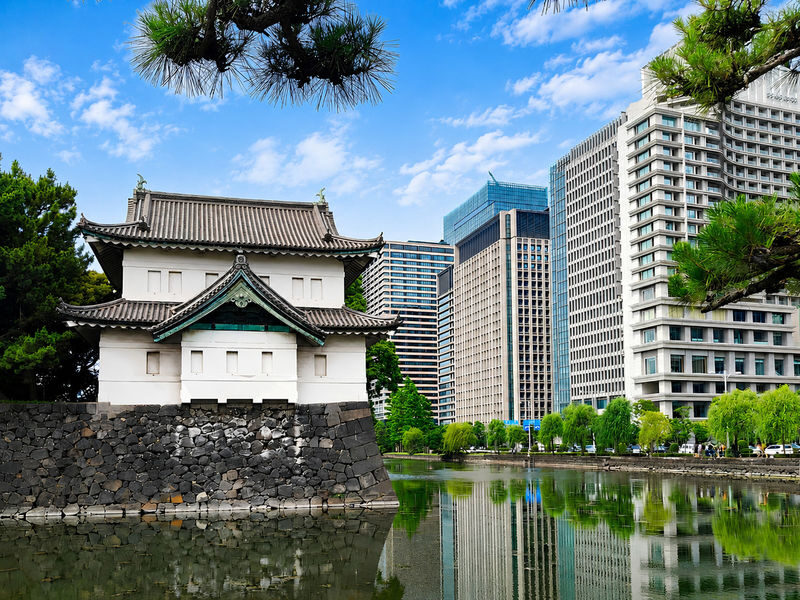
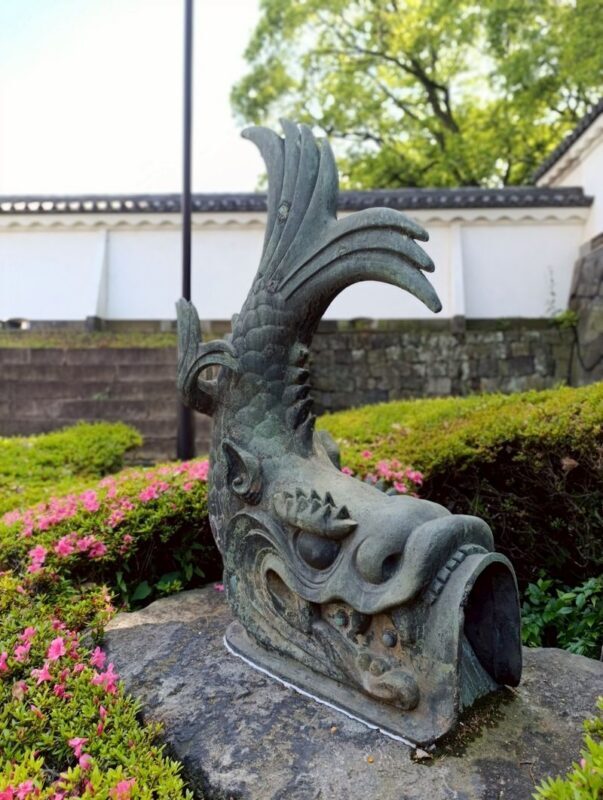
The Imperial Palace East Gardens occupy part of the former Edo Castle grounds, once the seat of the Tokugawa shoguns. The tour introduces the site as both a garden and a fortress: the trees and paths offer calm, while the stonework and moats hint at the military purpose beneath the beauty.
That contrast is the heart of the visit. You are not stepping into a preserved castle interior, but walking through a place where the layout itself helps tell the story. A guide can point out what might otherwise look like an old wall or a scenic pond, then explain how the grounds relate to defense and power.
The walk also connects the castle’s past to Japan’s imperial history. The tour covers the Tokugawa era, described as a 260-year period, as well as a much longer imperial lineage. That broader frame is useful if you know a little about Japan but find the shifts between emperor and shogun hard to keep straight.

👉 See our pick of the Our Picks For The 11 Best Workshops & Classes In Tokyo
Starting at Starbucks by Wadakura Fountain Park
The meeting point is Starbucks Coffee at Kokyo Gaien Wadakura Fountain Park, at 3-1 Kokyogaien, Chiyoda City. You meet in front of the Starbucks by the fountain, then return to the same Starbucks after the walk. It is a practical landmark near the gardens, and coffee is close at hand before or after the tour.
Departure choices are 9:30 a.m., 11 a.m., 12:30 p.m., and 2 p.m. The corresponding return options are listed as 11:30 a.m., 1 p.m., 2:30 p.m., and 4 p.m., depending on the departure you select. Arrive five minutes early and use the time slot on your booking. The voucher is valid only for its specified date and time.
There is no luggage storage, so bring only what you are comfortable carrying for a two-hour walk. The activity has no age limit, though the route is on foot and the exact pace can vary with the group and conditions.
You can also read our reviews of more walking tours in Tokyo



Ote-mon Gate and Edo Castle’s defenses
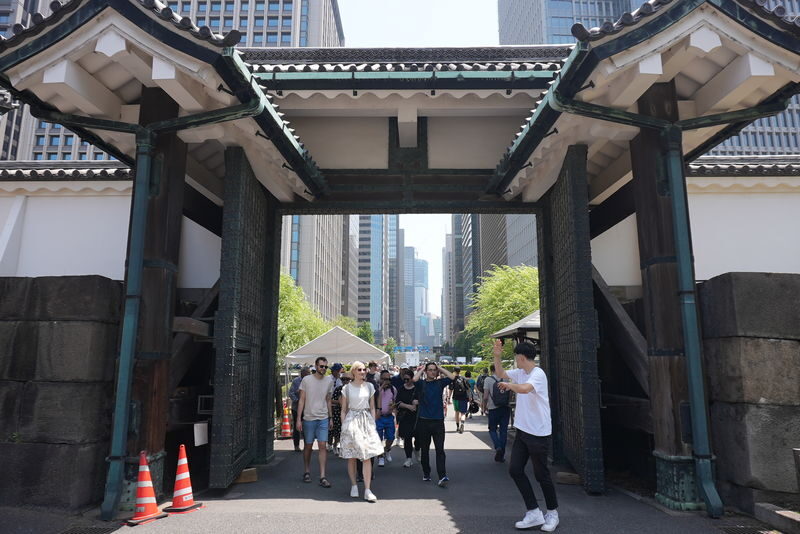
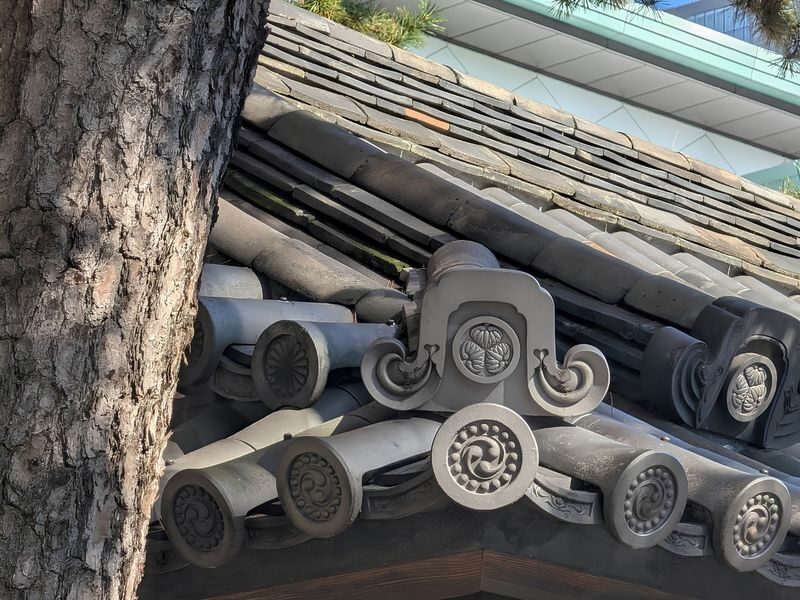
Ote-mon Gate is one of the named stops and a natural place to begin thinking about how the old castle worked. A gate was more than an opening in a wall: it controlled access. Here, your guide explains the defensive planning behind Edo Castle and helps you read the structures around you.
The tour’s focus on defense is a strong reason to go with a guide. On your own, you can admire the scale of the stonework, but you may not know what to look for or how the gate fits into the larger plan. Guides use the walls, moats, and other visible features to make the site’s military role easier to picture.
Keep expectations grounded. The experience is a walking tour of the East Gardens, not a visit to a series of restored castle rooms. If you want to see a dramatic interior or an extensive collection of objects, this is not that kind of attraction. If you enjoy learning how a place functioned, the quiet details are the point.
Following the shoguns, samurai, and emperors
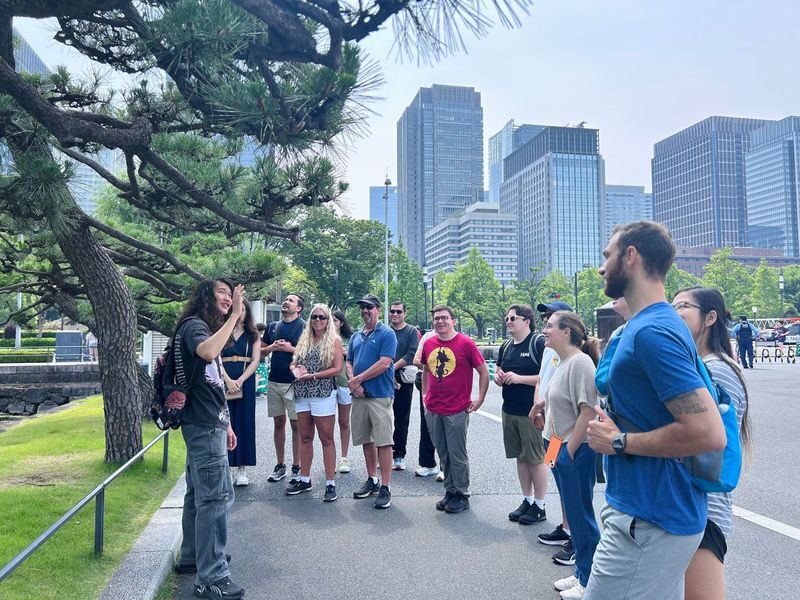
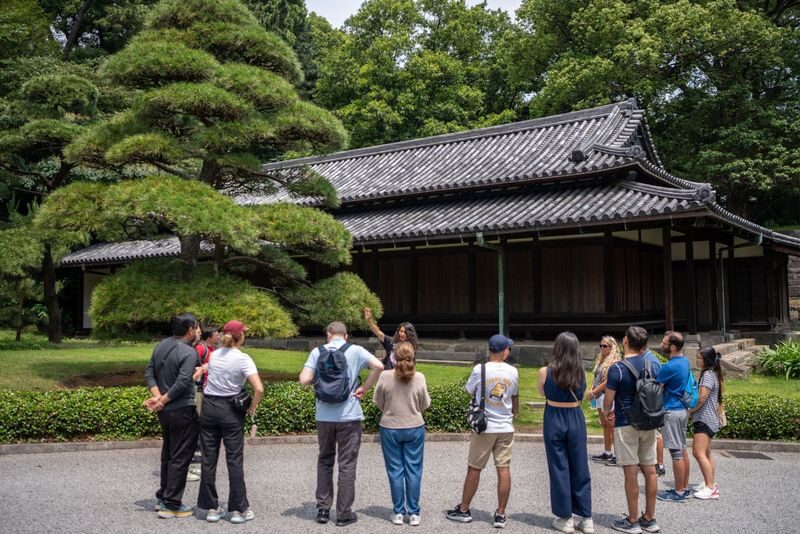
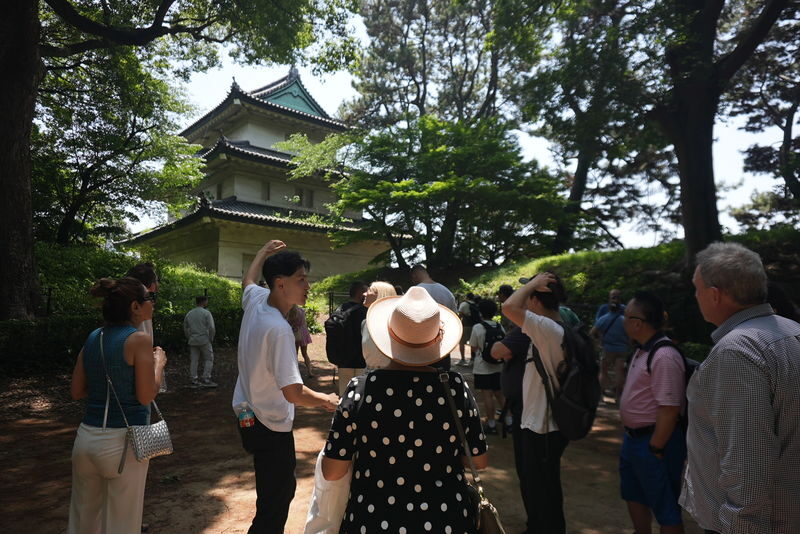
The guide’s account gives the garden walk its shape. You hear about the samurai and shoguns who governed from Edo Castle, the Tokugawa period, and the emperors associated with the grounds. The aim is not just to attach dates to buildings, but to make sense of who held power and how the site changed over time.
The best guides appear to make room for questions as they go. Christian, Yuya, Giulia, Rucha, Ma, Matheus, Blake, and Hiroki are among the guides who have led this experience. People have especially valued lively explanations, humor, and the ability to answer questions beyond the immediate garden history. That means the tour can work well as a first-day orientation to Japanese history, not only as a stop for castle enthusiasts.
A guide’s style matters because much of the site’s appeal is interpretive. The paths and walls are there to see, but the stories help you understand why they matter. If you like to ask questions, or want a clearer frame before exploring other historic sites in Japan, a guided walk can add more than a self-guided stroll.
Garden paths, seasonal color, and a slower pace
After the gates and fortifications, the gardens offer a change of mood. You walk past stone walls and old moats into quieter green spaces, with seasonal highlights that may include cherry blossoms in spring and colorful leaves in autumn. The gardens were once admired by emperors, and today their calm can feel striking against the pace of central Tokyo.
The appeal is not a packed sequence of attractions. It is the combination of open space, historic structures, and the guide’s explanations. Some people will find that restful; others may feel there is not enough to see without the history. One useful way to approach it is to treat the walk as a guided introduction to the site, rather than a checklist of landmarks.
The two-hour length leaves time to pause and look around without turning the outing into a full-day commitment. Several guides have been praised for keeping a comfortable pace, waiting for slower walkers, and finding shade during hot weather. That care can make a difference, particularly if you are walking with older family members or want a less hurried morning.
Weather still matters. The tour has gone ahead in rain, and guides have kept the experience moving, but you should be prepared for an outdoor walk. In extreme weather or other unforeseen circumstances, the operator may cancel and offer a reschedule or full refund.
What the two-hour route does, and does not, include
The stated route begins at the meeting point, continues through the Imperial Palace East Gardens and Ote-mon Gate, then returns to Starbucks. Admission to the East Garden, an English-speaking guide, and guided touring inside the attraction are included. The package described is a two-hour walking tour.
The tour does not include personal expenses. It also does not provide luggage storage. There is no vehicle transfer listed, so plan to meet at the designated location rather than expecting transport between stops.
One distinction worth keeping clear: the tour is about the Imperial Palace East Gardens and the former Edo Castle site. It does not promise access to private Imperial Palace areas. You get a walk through the named garden attraction, supported by historical explanation.
You can also read our reviews of more guided tours in Tokyo


Is the starting price good value?
The advertised price starts at $13.29, with the exact cost dependent on the option you select. At that starting point, the strongest value is the combination of garden admission and a two-hour English-language tour. You are paying for context as much as access: the guide helps connect gates, walls, moats, and gardens to a larger history.
If you are happy to walk through a garden without much explanation, you may prefer to visit independently. The route does not offer a long list of separate attractions, and the experience’s appeal depends heavily on how much you enjoy history and guided storytelling. The tour makes more sense if you want someone to interpret the site and take questions along the way.
For a short, central Tokyo activity, the format is efficient. You can choose a morning or afternoon departure, spend about two hours on foot, and return to the same meeting point. If you are comparing it with a larger museum or a full-day excursion, think of this as a focused history walk rather than a major sightseeing production.
Who should book this palace garden walk?
I would put this tour high on the list for anyone curious about the shift between shogun rule and imperial Japan, especially if you are new to the subject. It also suits visitors who want a quiet break from city streets and appreciate having a guide explain what they are looking at.
Families can consider it too: there is no age limit, and guides have been praised for patience with older relatives and groups moving at different speeds. Still, it is a two-hour walk, so choose a departure that suits your group and be ready to spend the time outdoors.
If your main goal is to enter palace buildings, see elaborate interiors, or collect a long list of sights, choose another experience. If you want a relaxed walk where the history behind Edo Castle is the main event, this is a sound, reasonably priced way to spend part of a Tokyo day.
Tokyo Imperial Palace and Edo castle Historical Guided Walking Tour
“Giulia was really kind, personable, and fun. We had a fantastic time!!”
FAQ
How long is the tour?
The package described is a two-hour walking tour.
Where is the meeting point?
Meet in front of Starbucks Coffee at Kokyo Gaien Wadakura Fountain Park, 3-1 Kokyogaien, Chiyoda City, Tokyo.
What departure times can I choose?
The available departure times are 9:30 a.m., 11 a.m., 12:30 p.m., and 2 p.m. Options may vary according to the time you book.
Where does the tour end?
The tour returns to Starbucks Kokyogaienmae, the same meeting point.
What is included in the price?
The tour includes admission to the Imperial Palace East Garden, an English-speaking guide, and guided touring inside the attraction.
Are personal expenses included?
No. Other personal expenses are not included.
Is there an age limit?
No. The activity has no age limit.
Is luggage storage available?
No luggage storage service is provided.
Can I cancel for a refund?
You can receive a full refund if you cancel at least 24 hours before the activity date, using the destination’s local time. Late arrivals and no-shows are not eligible for refunds or amendments.
What happens if the tour is canceled because of extreme weather?
The operator may cancel because of extreme weather or other unforeseen events. If that happens, you can choose to reschedule or request a full refund.