Tokyo takes on a different character when you see it from a low-slung go-kart on its public streets. This one-hour guided ride links Asakusa and its temple district with Skytree, Ryogoku, Akihabara and Ueno, giving you a quick, unusual look at several sides of the city.
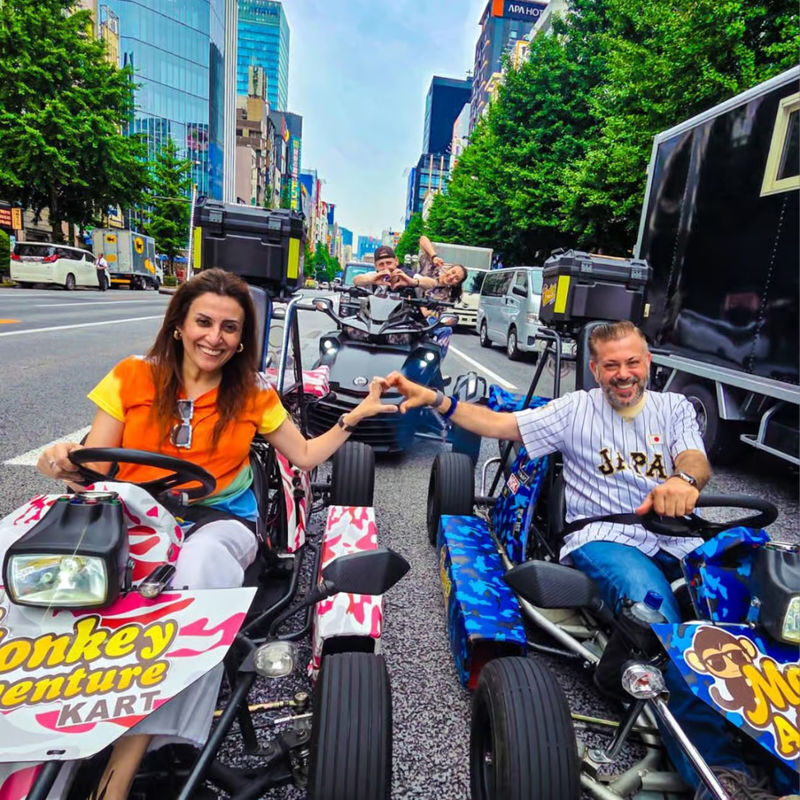
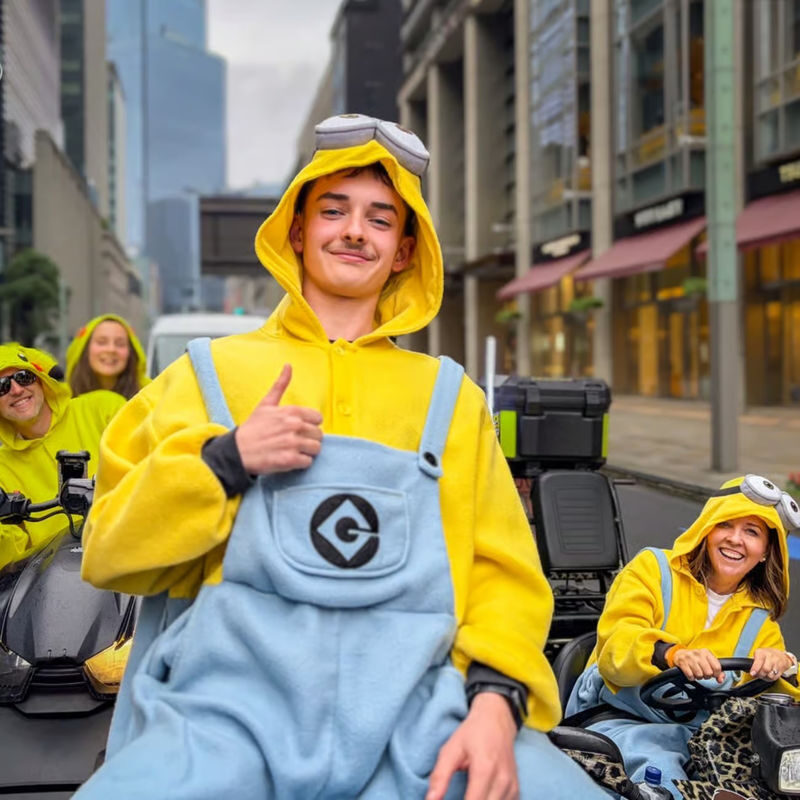
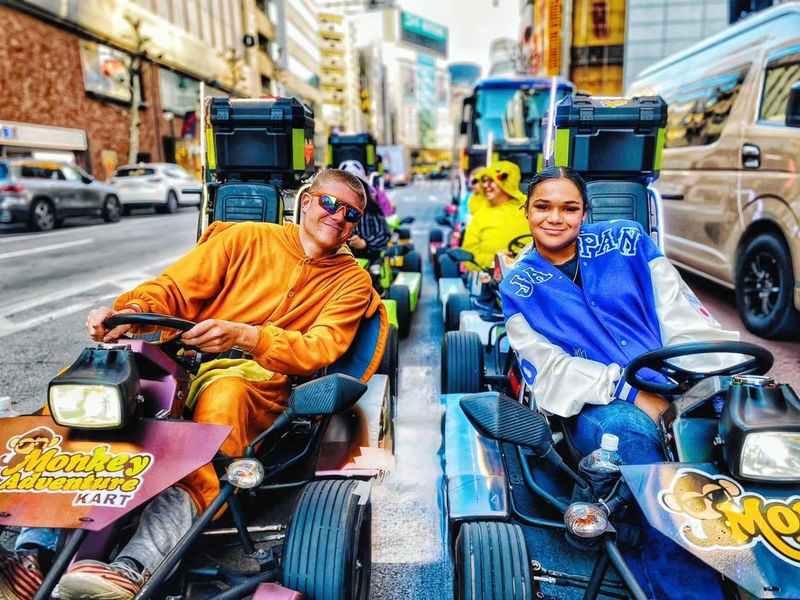
I like two things in particular: you can choose a costume, and the staff take photos during the tour, so you can enjoy the ride without trying to manage a camera. I also like that a guide leads the group, explains the basics and helps keep everyone together in traffic.
The main catch is important: you need the right physical driving documents, and the rules depend on your country. The ride also takes place on city streets, not a closed track, so it suits you only if you are comfortable following a guide in traffic.
- At a glance
- A city tour with your hands on the wheel
- From Asakusa’s temple quarter toward Skytree
- Ryogoku, Akihabara and Ueno on the route
- What the hour feels like behind the wheel
- Cost, timing and what you get
- The driving documents matter more than the costume
- Meeting point and arrival
- Who should book this ride
- FAQ
- How long is the Asakusa to Akihabara go-kart tour?
- Which landmarks and districts are named on the route?
- Is a guide included?
- Are costumes and photos included?
- What is the minimum age?
- What driving documents should I bring?
- Where is the meeting point, and when should I arrive?
- What happens if bad weather cancels the tour?
- The Best Of Tokyo!
- More Historical Tours in Tokyo
- More Tours in Tokyo
- More Tour Reviews in Tokyo
At a glance
- One hour on Tokyo streets: Ride a guided route from the Monkey Kart Asakusa meeting point.
- A chain of well-known districts: The route includes Sensoji Temple, Tokyo Skytree, Ryogoku Sumo Stadium, Akihabara and Ueno.
- Costumes and photos included: Choose a costume, then let staff take photos during the activity.
- A guide leads the group: English- and Japanese-speaking guides give instructions and lead the drive.
- A firm age and license check: Participants must be 18 or older and show the required physical driving documents.
- From $94.75: The price covers a 60-minute experience, costume rental, photo shooting and a Bluetooth speaker.
👉 See our pick of the Our Picks For The 11 Best Workshops & Classes In Tokyo
A city tour with your hands on the wheel
This is sightseeing in motion, not a temple visit or a guided walking tour. You travel in a go-kart behind a guide, moving through streets that connect the old temple quarter with Tokyo’s newer landmarks and pop-culture districts.
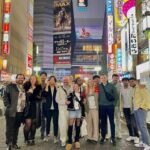
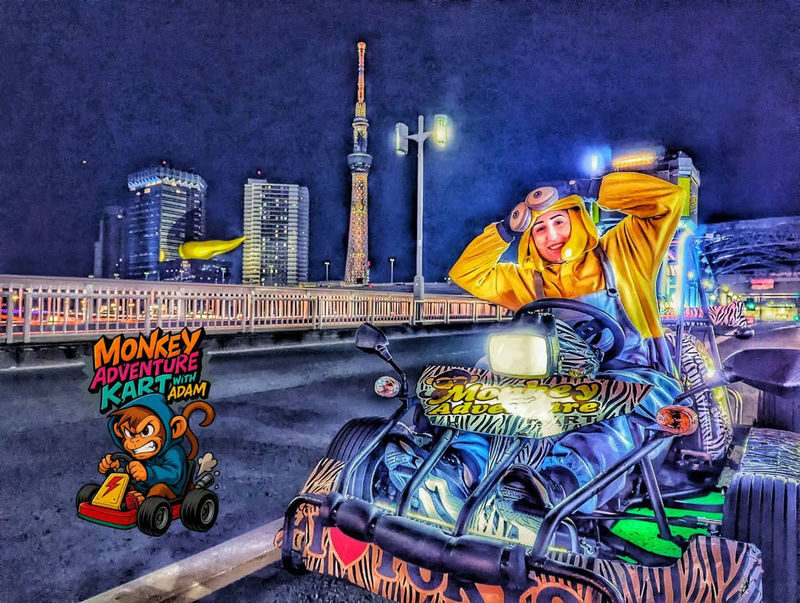
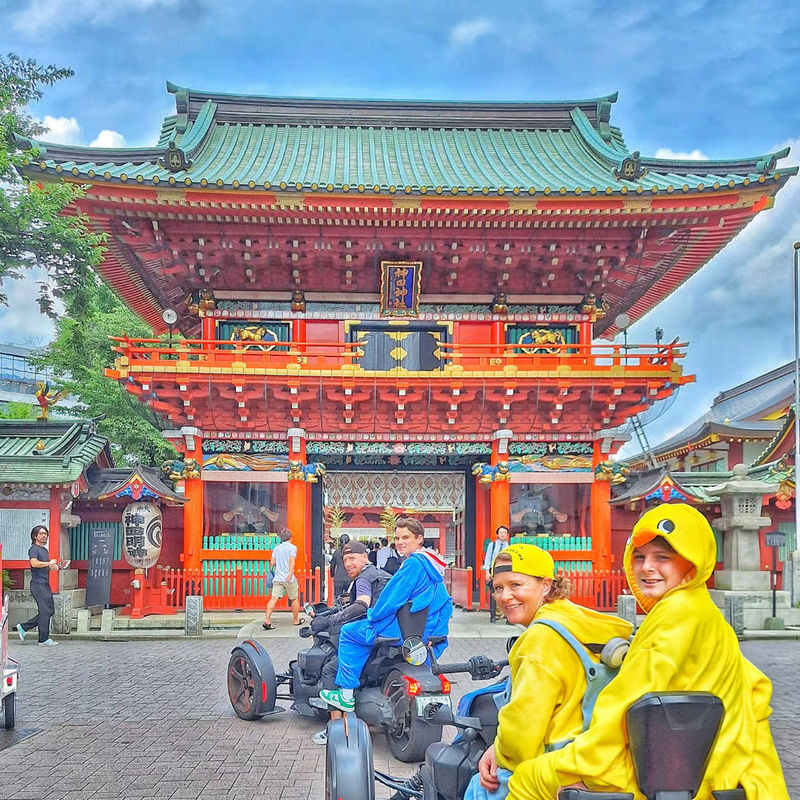
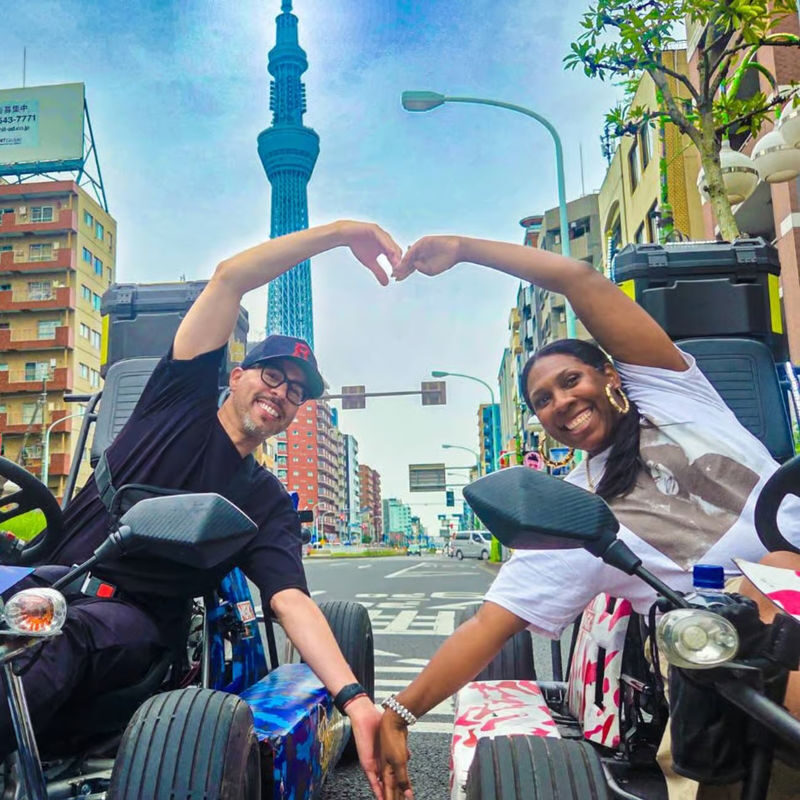
That shift in perspective is the point. At street level, Skytree rises above you, while the colorful costumes and small karts draw waves and camera phones from people on the sidewalks. One rider described feeling like part of a parade, which captures the odd, public nature of the activity: you are seeing Tokyo, but you are also a moving spectacle within it.
The pace is set by the guide and the road, not by your wish to linger. You should think of the route as a fast city sampler, with photo opportunities, rather than a chance to explore each stop in depth. If your main aim is to spend an hour inside Sensoji or browse Akihabara’s shops, plan a separate visit on foot.
You can also read our reviews of more historical tours in Tokyo



From Asakusa’s temple quarter toward Skytree
The tour begins near Asakusa, the part of Tokyo best known for Sensoji Temple. The route introduces the area from the road, giving you a quick sense of the contrast between its traditional temple setting and the modern streets around it.
Sensoji is a major landmark, but the kart ride is not a temple tour. You should not expect a long stop to walk through the grounds or study the temple buildings. Treat this stretch as a lively opening to the ride, then return to Asakusa later if you want time to explore on foot.
Tokyo Skytree is the route’s most striking modern marker. Seen from a low kart, the tower can feel especially tall, and the change from temple streets to the scale of Skytree helps show how close Tokyo’s different eras sit together. The tour gives you a moving view, not a ticket to the observation deck.
Ryogoku, Akihabara and Ueno on the route
Ryogoku is associated with sumo, and the route passes the Ryogoku Sumo Stadium. It offers a useful glimpse of another part of Tokyo’s identity, though the ride itself does not include a sumo match or a stadium visit.
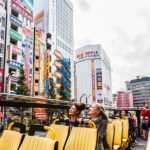
Akihabara brings a sharper change of mood. Known for anime and gaming, it is one of the city’s best-known districts for pop culture and electronics. From a kart, you get a quick look at its streets and signage, but not the time to shop or investigate individual stores. If Akihabara is high on your list, use this ride to get your bearings and come back later.
Ueno rounds out the named route. As with the other districts, the appeal is seeing several areas in one short outing, rather than making a deep stop in each. The supplied route information also mentions Ginza among the tour highlights, but the detailed route description names Asakusa, Skytree, Ryogoku, Akihabara and Ueno. If passing Ginza matters to you, confirm the route with the operator before booking.
What the hour feels like behind the wheel
Expect an introductory explanation before you head out. The guide demonstrates how to operate the kart and leads the group along the route. Riders often begin a little nervous, which is understandable: this is a road ride, not a circuit where you can focus only on steering.
The practical advice is simple: listen closely, keep your attention on the guide and traffic, and do not treat the outing as a race. The kart’s low position can make the ride feel faster than it is. One rider described the sensation as everything seeming twice as fast from close to the road. That feeling can be part of the fun, but it also makes this a poor fit if you dislike driving in traffic.
Guides named in past tour accounts include Teto, Tento, Reece, Adam, Luis and Julian. Staff members have been praised for clear instruction, patient support and keeping the group together. Your guide will depend on the departure, so do not book expecting a particular person.
Photos are included, and staff take pictures during the activity. That is a welcome extra: you can stay focused on the road instead of trying to take pictures while driving. One rider described receiving a printed photo as a bonus, but that should be treated as a possible extra, not a guaranteed inclusion.
Cost, timing and what you get
The tour starts at $94.75 for the 60-minute package. That is a substantial price for an hour, so its value depends on what you want from Tokyo. You are paying for a guided road experience, costume rental, photos and the unusual perspective of a kart tour, not for long visits at several attractions.
For a first visit, the route can be a memorable way to connect several districts and landmarks in one short outing. It may be less worthwhile if you prefer a slower pace, want detailed historical commentary, or would rather spend the money on separate temple, museum or observation-deck visits. The included photos help the price feel more complete, especially if you are traveling with a partner or friends and want a group picture.
Time of day can change the feel. A departure that begins in daylight and ends after dark can give you two different views of the city in one hour. Riders have liked late-afternoon and early-evening starts for this reason, while night rides bring out the city lights. These effects depend on the season and departure time, so check the local sunset time when choosing a slot.
The ride requires good weather. If poor weather leads to cancellation, you can be offered a new date or a full refund. The operator may cancel for unforeseen events or extreme weather, too. If your Tokyo schedule is tight, consider that a weather cancellation could mean missing the activity if you have no spare day.

The driving documents matter more than the costume
Check the driving rules before you pay. You must be at least 18, and you must bring a physical hard copy of a valid international driving permit accepted in Japan on the activity date. A digital copy is not enough, and the information provided warns that failure to show the correct document means cancellation without a refund.
Japan requires an international driving permit under the 1949 convention for this activity. The rules vary by nationality. US, Canadian and Australian passport holders must present an original booklet-form IDP with classification A to E, or a SOFA driver’s license, as well as their physical home-country driver’s license and passport.
For Indian passport holders, the permit must be issued by one of four named organizations: the Automobile Association of Western India, Upper India, Eastern India or Southern India. You must also bring the original booklet-form permit with classification A to E, your physical home-country license and your passport.
For Switzerland, Germany, France, Taiwan, Belgium, Estonia and Monaco, a hard-copy permit issued by the local authority, with a Japanese translation by an authorized organization, is accepted. The information also names China, Indonesia, Pakistan and Qatar as examples of countries whose residents may not be allowed to drive in Japan. Since the rules are country-specific, verify your own eligibility with the operator before booking. Do not assume that a permit valid for driving elsewhere will work in Japan.
Meeting point and arrival
The meeting point is Monkey Kart Asakusa, at 4 Chome-9-9, Yokokawa, Sumida City, Tokyo 130-0003. The shop is listed as a seven-minute walk from Oshiage (Skytree Mae) Station on the Tokyo Hanzomon Line, or an 11-minute walk from Hanzomon Station on the Tokyo Metro.
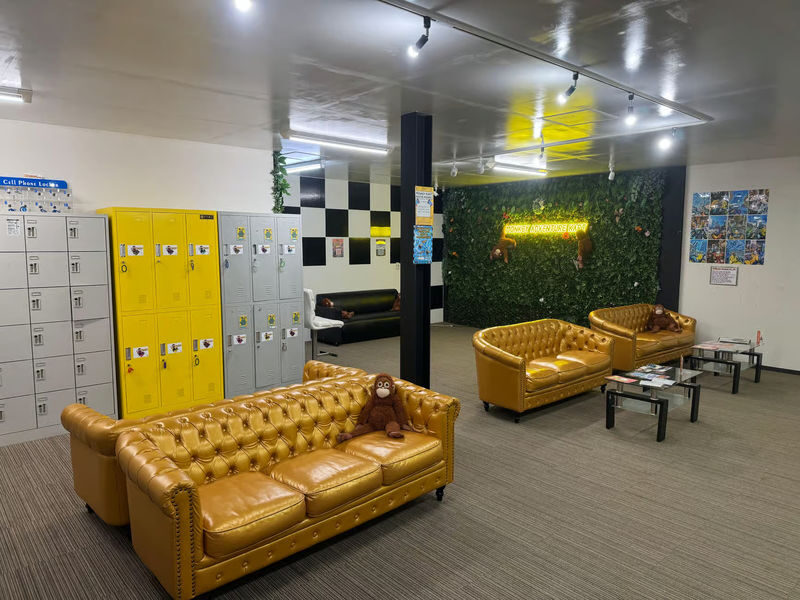
Arrive 15 minutes before departure. The staff need to check your driving documents, and late arrivals or no-shows are not refundable. Getting there early also gives you time to choose a costume, put belongings in a locker and watch the demonstration without rushing.
Your voucher is valid only for the specified date and time, and you can present it on your phone. If you cancel at least 48 hours before the activity date, you can receive a full refund. Those terms offer some flexibility, but they do not soften the strict arrival and license rules on the day.
Who should book this ride
I would choose this for adults who enjoy an active, slightly theatrical way to see Tokyo and are comfortable driving on public roads under a guide’s direction. Couples and groups of friends can share the novelty, pick costumes and get photos together. Families can consider it only for members who meet the minimum age and license requirements; this is not a children’s kart activity.
It is less suitable if you are uneasy in traffic, want a calm sightseeing bus, or need guaranteed stops at every landmark. It is also a risky choice for anyone who has not confirmed their permit documents. The attraction is the ride itself, so do not book on the assumption that simply arriving with a driver’s license will be enough.
Book it if you have the correct documents, enjoy novelty and want a fast, memorable look at several Tokyo districts. If you value unhurried sightseeing more, explore Asakusa, Skytree, Akihabara and Ueno separately, and save the kart ride for another visit.
Asakusa to Akihabara Go-Kart Tour:Tokyo’s Historic & Modern Landmark
“Thouroughly enjoyed this, our guide was Teto. Well looked after ☺️”
FAQ
How long is the Asakusa to Akihabara go-kart tour?
The package described is a 60-minute go-kart experience.
Which landmarks and districts are named on the route?
The route description includes Sensoji Temple in Asakusa, Tokyo Skytree, Ryogoku Sumo Stadium, Akihabara and Ueno.
Is a guide included?
Yes. An English- or Japanese-speaking guide leads the tour.
Are costumes and photos included?
Yes. Costume rental and photo shooting are included. An action camera rental is not included.
What is the minimum age?
Participants must be 18 or older.
What driving documents should I bring?
You must bring a hard copy of an international driving permit valid in Japan. Requirements differ by nationality, and some participants must also bring their physical home-country license and passport. Check the specific rules for your country before booking.
Where is the meeting point, and when should I arrive?
Meet at Monkey Kart Asakusa, 4 Chome-9-9, Yokokawa, Sumida City, Tokyo 130-0003. Arrive 15 minutes before departure so staff can check your license.
What happens if bad weather cancels the tour?
You will be offered another date or a full refund if the activity is cancelled due to poor weather.