Dinosaurs and giant Ice Age animals are only the opening act at Tokyo’s National Museum of Nature and Science. Its permanent exhibitions range from Japan’s ecosystems and cultural past to human evolution, insects, minerals and scientific inventions, all under one roof in Ueno Park.
I like the contrast between the Japan Gallery, which gives the country’s natural and human story a local focus, and the Earth Gallery, which widens the view to life and science across the planet. I also like the price: from $3.99, this is an unusually affordable way to spend a few hours indoors.
The main caveat is that English labels are limited in some areas. You can still enjoy the specimens and displays, but a translation app helps if you want to understand the details rather than just admire the bones.
- What to know before you go
- A science museum with room to roam
- Start with the Earth Gallery’s big questions
- Find Japan’s story in the Japan Gallery
- How much time to allow
- The ticket price and what it buys
- A few practical details that can save time
- Who will get the most from this visit
- Should you book it?
- FAQ
- How long should I plan to spend at the museum?
- What does the admission ticket include?
- Is the museum open every day?
- How do I get to the museum by train?
- Do children have to pay admission?
- What do I need to show to enter with a Klook ticket?
- Can I leave the museum and come back in?
- Can I cancel the ticket for a refund?
- The Best Of Tokyo!
- More Tickets in Tokyo
- More Tours in Tokyo
- More Tour Reviews in Tokyo
What to know before you go

- Look for the dinosaur fossils and Ice Age giants: Large skeletons and prehistoric animals give the galleries an immediate wow factor.
- Compare Japan’s story with the wider natural world: The Japan Gallery and Earth Gallery approach science from different angles.
- Plan for more than a quick stop: Three to five hours is a useful estimate, though a focused visit can be shorter.
- Expect a family-friendly mix: Animal displays, fossils and interactive exhibits appeal to children, while the range of subjects gives adults plenty to explore.
- Bring a phone with internet access: Your Klook voucher must be opened on your device and shown to staff.
- Check who needs a paid ticket: Admission is free for ages 0 to 17 and for people aged 65 and over.

👉 See our pick of the Our Picks For The 11 Best Workshops & Classes In Tokyo
A science museum with room to roam
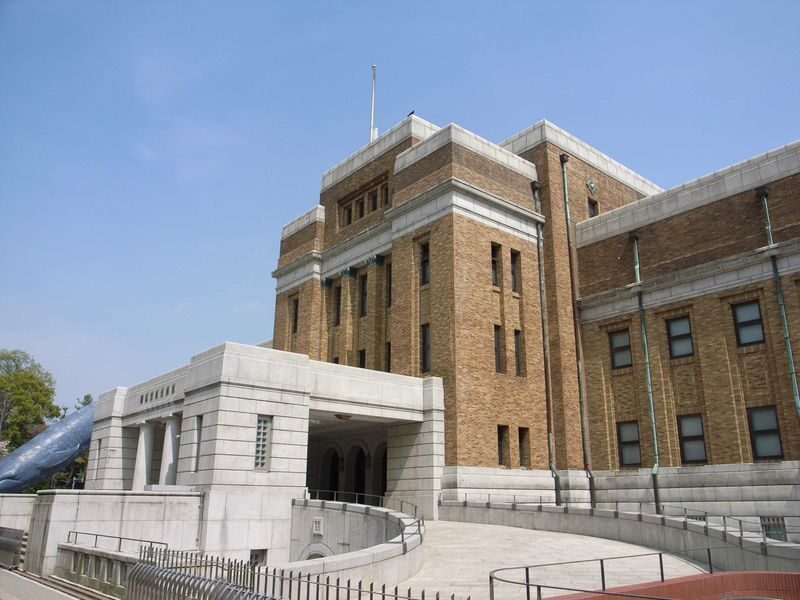
The National Museum of Nature and Science is in Ueno Park, a green setting that makes a pleasant approach after the walk from Ueno Station. The museum sits at 7-20 Uenokoen in Taito City, and the route from the station takes about five to ten minutes on foot. You can reach Ueno by JR, Ginza Line, Hibiya Line, Joban Line and other rail lines.
This is Japan’s oldest national comprehensive science museum, with more than 10,000 exhibits. That number gives you a sense of the scale, but it also comes with a practical warning: you cannot take in every label and display at the same pace. The museum is multi-level, and the subjects range widely, so choose a few priorities rather than trying to treat every case as a must-see.
The ticket described here covers the permanent exhibition. It is not a ticket for every possible special exhibition, so check the museum’s current details if a temporary show is the main reason for your visit. For a first visit, the permanent galleries already offer enough variety to fill a substantial part of the day.
You can also read our reviews of more tours and experiences in Tokyo



Start with the Earth Gallery’s big questions
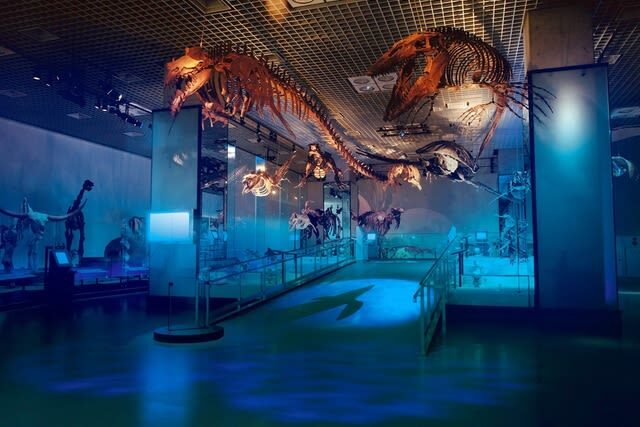
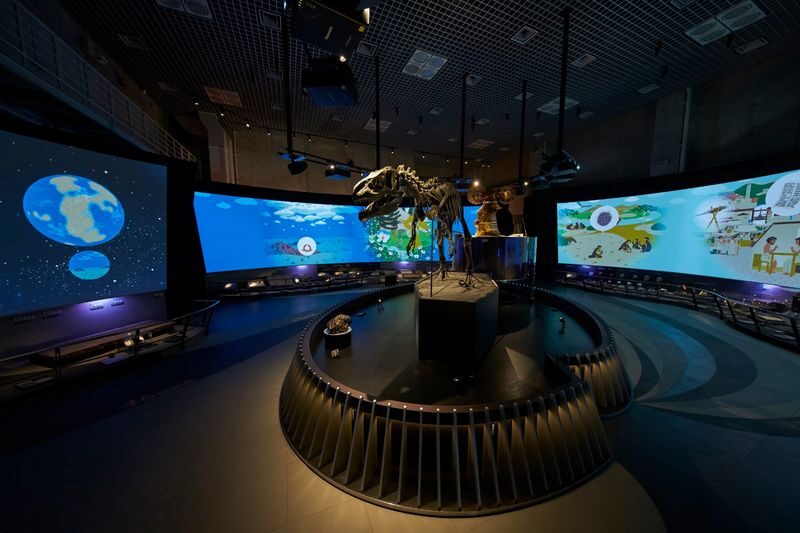
The Earth Gallery is the natural place to begin if you are drawn to fossils, biology and the story of life. Dinosaur skeletons are a headline attraction, but the collection reaches beyond the familiar giants. You can encounter Pleistocene megafauna, displays about human evolution, modern animals and insects, and exhibits that make very small forms of life visible through enlarged models.
That range is what makes the museum more than a dinosaur stop. A child may be pulled toward a giant skeleton, while an adult finds the evolutionary story or biological detail more rewarding. The exhibits can move from enormous fossil forms to tiny organisms, giving you a sense of how broad the natural sciences are.
Some displays cover less cuddly subjects, too. One reported highlight is the section on helminths, or parasitic worms. It is a reminder that nature is not all impressive skeletons and handsome mammals. If that sort of science interests you, the unusual details add character; if not, it is easy to move on.
The Earth Gallery also covers scientific fields beyond natural history, including biology, physics and chemistry. The balance between objects, specimens and explanatory displays helps make abstract subjects more approachable. Still, the written explanations matter. If you read only English, expect some gaps and use your phone’s camera translation to pick up details that are not available in English.
Find Japan’s story in the Japan Gallery
The Japan Gallery gives the visit a more local frame. Rather than looking only at global evolution and natural science, it turns attention toward Japan’s ecosystems, natural history and the development of science and technology in the country. This is a useful contrast: the broader Earth Gallery helps explain life on a planetary scale, while the Japan Gallery connects those subjects to the place you are visiting.
Look out for displays about Japanese inventions and technological progress. One particularly specific draw is a display of pioneering Japanese computers. The museum also includes a preserved Hachiko specimen, an unusual encounter for anyone who knows the famous dog’s story. These details give the galleries a human touch alongside the scientific material.
You may also come across gems and minerals, which offer a change of pace from animals and fossils. The best approach is to let the range surprise you, but keep in mind that not every panel has an English translation. If understanding each label is important to you, have Google Lens or another translation tool ready before you enter.
How much time to allow
The suggested visit length is three to five hours, and that is sensible if you like to read, pause and move between floors without rushing. The museum’s breadth can make two hours feel short, especially if you stop for the dinosaur displays, Japan’s natural history and the science exhibits. A more hurried visit can still work, but you will need to be selective.
For a shorter outing, make a simple route: choose the gallery that interests you most, see the fossils, then pick one or two subjects you would otherwise miss. Families with young children may want to build in breaks rather than attempt every floor. The site is large enough that a child can tire before the exhibits run out.
The museum can also be a useful rainy-day plan or a break from summer heat. It is indoors, but conditions may feel warm in busy periods, so do not assume every room will feel cool. Crowds can affect how quickly you move through popular sections, particularly on weekends and during school holidays.
The ticket price and what it buys
At a starting price of $3.99, admission is strong value for anyone who wants a substantial museum visit. You are paying for access to the permanent exhibitions, not a guided tour or personal expenses. The amount of time you can spend inside makes the cost easier to justify than a quick attraction with a fixed, short visit.
It is especially good value for families, since admission is free for children aged 0 to 17. Visitors aged 65 and older also enter free. People with disabilities, plus one caregiver per person, are eligible for free entry with a Disabled Person’s Notebook or similar identification. Some museum members and eligible university students and instructors also qualify for free admission.
If you are among the groups admitted free, check the museum’s requirements before buying. The ticket instructions call for a passport or valid ID for age verification, so bring identification if your eligibility depends on age. Avoid buying a ticket for someone who does not need one.
You can also read our reviews of more museum experiences in Tokyo



A few practical details that can save time
The museum is open Tuesday through Sunday, 9:00 a.m. to 5:00 p.m., with last admission at 4:30 p.m. It closes on Mondays. If Monday is a national holiday, it closes on Tuesday instead. It is also closed from December 28 through January 1, and for a period in late June; check the official site for the exact dates.
Your Klook ticket is an online voucher, not a paper ticket. Open My Bookings in the Klook app or website, select See voucher, and present it to staff on your phone. The voucher needs internet access to load, so open it before you arrive if your connection may be unreliable. Do not try to operate the ticket yourself. Staff must process it, and a voucher marked as used is no longer valid.
The voucher remains valid for 61 days from the booking confirmation date and expires at 11:59 p.m. on the final day. The ticket is non-refundable, so double-check the date and number of tickets before purchase. If the operator cancels because of extreme weather or another unforeseen event, you can reschedule or request a full refund.
Storage areas are available, with rates provided by staff on site. Outside food and drinks are not allowed, and re-entry is not permitted once you leave. Selfie sticks and one-pin or three-pin supports are prohibited. Flash photography, smoking and drinking are also not allowed inside.
Who will get the most from this visit
This museum is a good match if you enjoy animals, fossils, natural history or the way science explains everyday life. It is particularly appealing for families with school-age children: dinosaurs, insects, specimens and interactive displays can give younger visitors plenty to talk about. Younger children may enjoy the striking objects, though the amount of material can be a lot to take in at once.
You do not need to be a science specialist to appreciate the visit. The strongest displays make scale and variety easy to grasp, from huge fossil skeletons to models of microscopic organisms. The more you want to read, however, the more useful English support becomes. Some sections offer English explanations, but coverage is not consistent throughout the museum.
If you are mainly interested in Japanese art and cultural treasures, this is the wrong museum for that purpose. The Tokyo National Museum is a different institution. Here, the focus is nature and science, with Japanese history and technology presented through that lens.
Should you book it?
Book this ticket if you want an affordable, flexible museum visit in Ueno Park and have at least a couple of hours to spare. The fossil displays, Japan Gallery and wide spread of scientific subjects offer good value, especially for families and anyone curious about animals or the natural world.
Think twice if you need English explanations for every exhibit, dislike crowded indoor spaces, or are only looking for Japanese art and history. And if your child is under 18, check the free-entry rules before paying. For the right visitor, this is an easy-to-reach stop with enough substance to reward a half-day, without demanding a costly ticket or a tightly scheduled tour.
National Museum of Nature and Science Ticket in Tokyo
“very good for a short trip at euno park if you're planning to come, also near the national museum all in the park and also near the euno station.”
FAQ
How long should I plan to spend at the museum?
Allow three to five hours for a relaxed visit. You can make a shorter visit by choosing the galleries and displays that interest you most.
What does the admission ticket include?
It includes one admission ticket to the permanent exhibition at the National Museum of Nature and Science.
Is the museum open every day?
No. It is open Tuesday through Sunday from 9:00 a.m. to 5:00 p.m., with last admission at 4:30 p.m. It is normally closed on Mondays, with a Tuesday closure when Monday is a national holiday.
How do I get to the museum by train?
Take a train to Ueno Station, which is served by JR, Ginza Line, Hibiya Line, Joban Line and other lines. The walk from the station takes about five to ten minutes.
Do children have to pay admission?
Children aged 0 to 17 enter free. Visitors aged 65 and over also enter free.
What do I need to show to enter with a Klook ticket?
Open the voucher in the Klook app or website and show it to staff on your phone. It requires internet access, and you may need a passport or valid ID for age verification.
Can I leave the museum and come back in?
No. Re-entry is not allowed after you leave the venue.
Can I cancel the ticket for a refund?
No. The ticket cannot be cancelled or refunded. If the operator cancels because of extreme weather or another unforeseen event, you can reschedule or request a full refund.