An omamori is a small Japanese charm for protection, good fortune, or a wish. At Orinami Asakusa, you make the pouch yourself, choosing five colors of yarn blessed at Tenchiku Shrine, Japan’s only shrine dedicated to the deity of cotton. The result is a keepsake with your own color choices and intention woven into it.
I like two things especially: the hands-on weaving is easy to pick up, even if you have never used a loom, and the workshop gives you a useful cultural link to Asakusa beyond the usual temple visit. Staff explain the process step by step, and you can choose from 24 yarn colors.
One point to plan around: the studio is upstairs, reached by a steep staircase with no elevator, and the session starts at the reserved time. Arriving late can mean losing the activity, so leave time to find the shop and get there promptly.
- At a glance
- A quiet craft break near Senso-ji
- Choosing yarn blessed at a cotton shrine
- Weaving the pouch on a hand loom
- Personalizing the charm before you leave
- What the price includes, and what may cost extra
- Getting there and planning the session
- Who will enjoy making an omamori
- Should you book Orinami Asakusa?
- FAQ
- How long does the experience take?
- How many yarn colors can I choose?
- Do I need weaving experience?
- What is the minimum age?
- Is the workshop available in English or Chinese?
- How many amulets are included?
- Are extra decorations included in the price?
- Is the studio accessible by elevator?
- What happens if I arrive late or need to cancel?
- The Best Of Tokyo!
- More Tours in Tokyo
- More Tour Reviews in Tokyo
At a glance
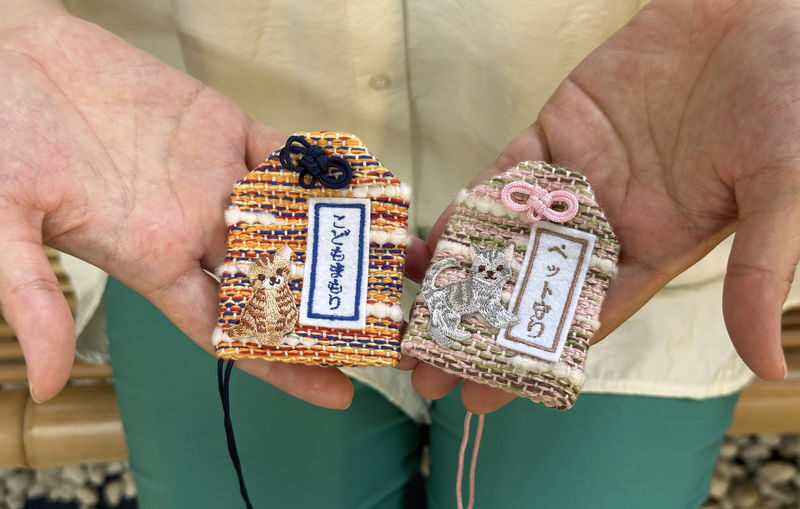
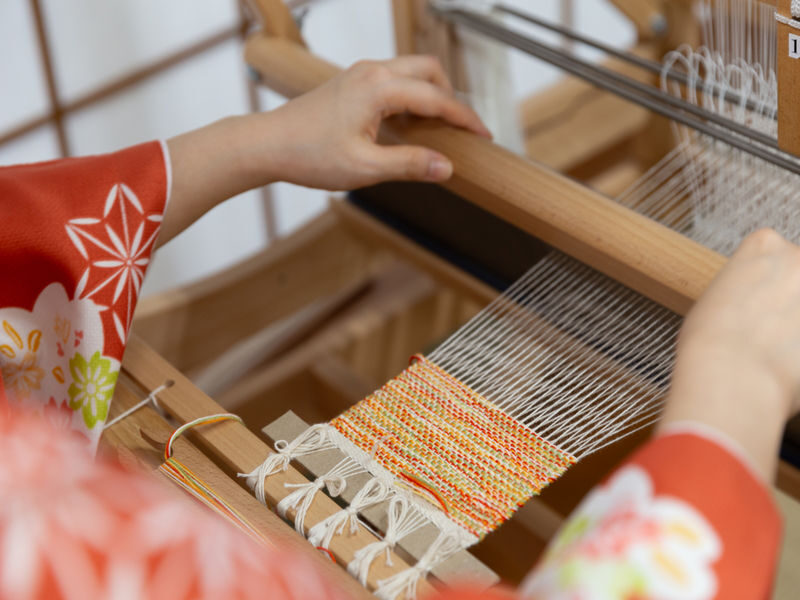
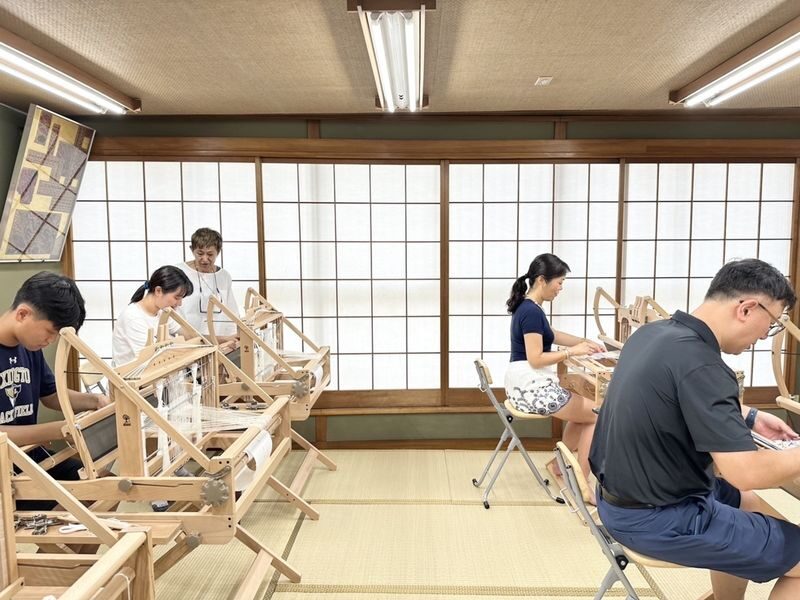
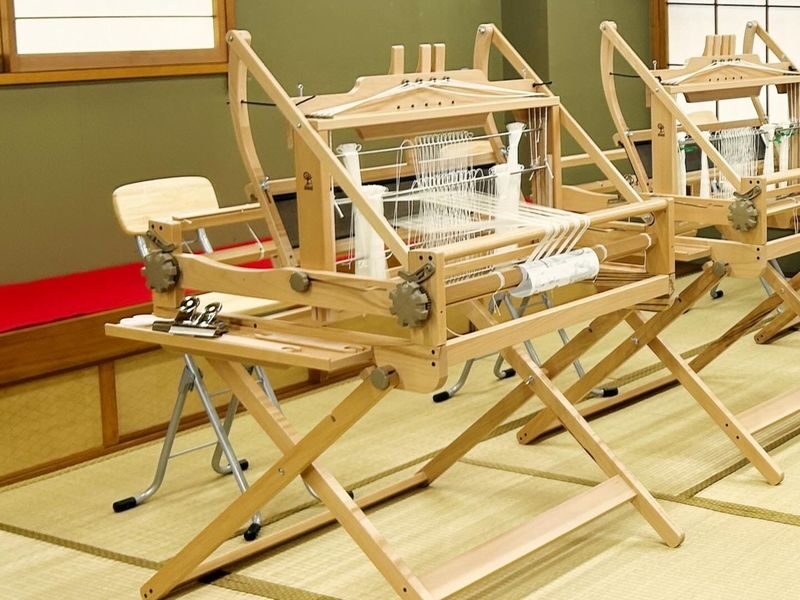
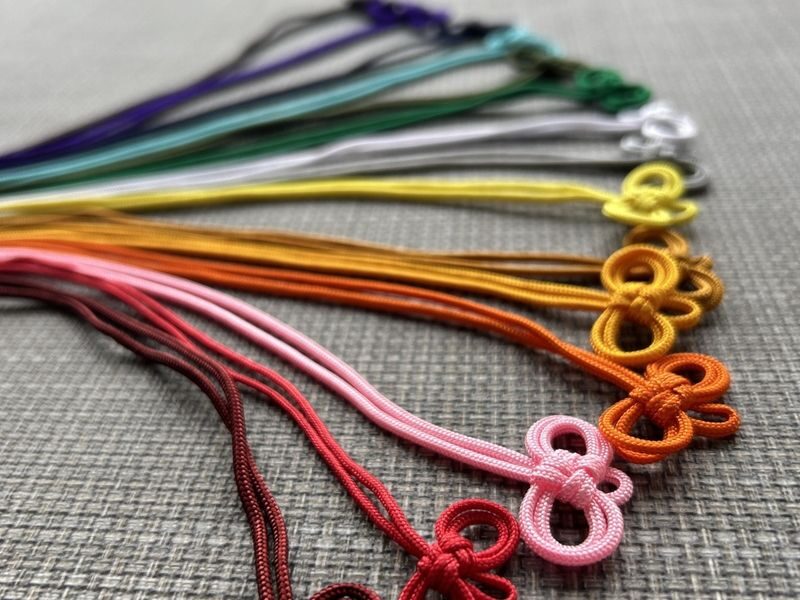
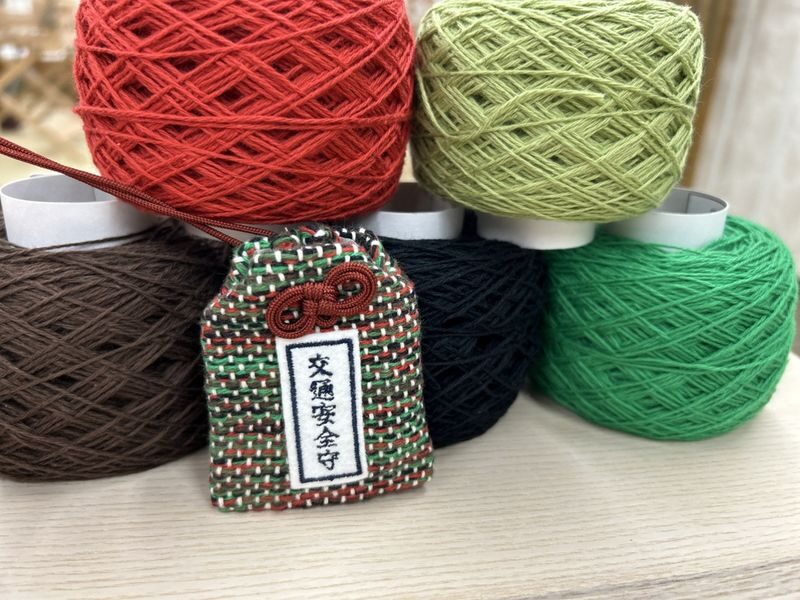
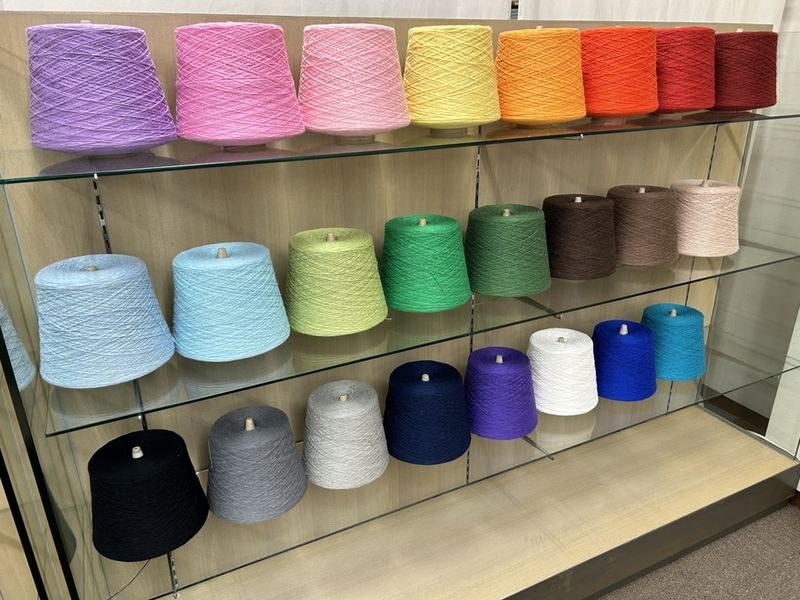
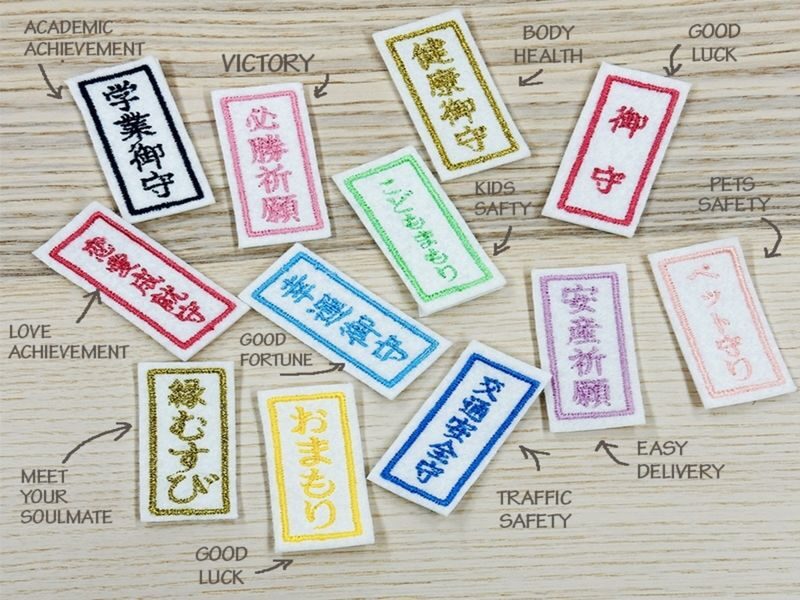
- Five blessed colors: Choose a combination from 24 shades of yarn associated with Tenchiku Shrine.
- A hand-operated loom: Weave the fabric by hand rather than using electric machinery.
- A wish made personal: Select the purpose of your charm, then finish it with your chosen details.
- Beginner and child friendly: Children aged 3 and up can join, with a guardian supervising anyone under 12.
- Close to Senso-ji: The studio is around a five-minute walk from the temple, and about six minutes from Asakusa Station on the Ginza Line.
- One charm included: The starting price is $34.75 per person. Extra charms and decorative options may cost more.

👉 See our pick of the Our Picks For The 11 Best Workshops & Classes In Tokyo
A quiet craft break near Senso-ji
Asakusa can fill a day with temple grounds, shopping streets, and crowds. This workshop offers a different pace: you sit down, choose colors, and make something with your hands. The studio is a short walk from Senso-ji, so it fits naturally between sightseeing stops without needing a long trip across Tokyo.
I like the contrast. You can spend the morning among the temple’s grand gates and busy approach, then step into a small craft session where the focus narrows to thread, pattern, and the charm you want to make. It is also a useful rainy-day or hot-weather activity, since the workshop is indoors.
The experience is not a full lesson in textile history, but it has more meaning than a quick souvenir purchase. Staff explain omamori and the cotton yarn before guiding you through the weaving. You leave with a small object tied to your own choices, rather than a charm selected from a shelf.
You can also read our reviews of more tours and experiences in Tokyo.



Choosing yarn blessed at a cotton shrine
The first meaningful decision is the color palette. You choose five yarn colors from 24 options. The yarn has been blessed at Tenchiku Shrine, described as Japan’s only shrine dedicated to the deity of cotton. That detail gives the material a connection to the craft’s spiritual purpose, rather than making color selection purely decorative.
There is room to make the charm reflect a person or wish. One possible approach is to choose colors that remind you of someone you care about. You can also select a wish for the charm, including options such as a pet’s health, as well as write a message on paper to place inside.
This is a good point to take your time. A few people find it hard to choose among the colors and add-ons, especially when making more than one charm. Ask the staff what each option costs before deciding. Some decorative extras, such as embroidery or small bells, can involve an additional fee.
Weaving the pouch on a hand loom
Once you have your colors, staff show you how to use the table loom. Hand weaving interlaces warp and weft threads, with the work done by hand and foot rather than electric machinery. You do not need craft experience. The instructions are broken down into small steps, and staff can help when you need it.
The weaving itself is a modest task, not a test of technical skill. It takes concentration, but the process is straightforward enough for beginners and children with adult support. The repeated motion gives the activity a calm, focused feel, a welcome change after hours of walking around Asakusa.
The full session takes about an hour, while the weaving portion itself may take around 15 minutes. The finished charm requires more than weaving alone: after the cloth is made, staff handle some of the pouch’s final assembly, including stitching it into the finished amulet. This is worth knowing if you imagined doing every last construction step yourself. You still make the central woven fabric and shape the look of the piece.
Personalizing the charm before you leave
After weaving, you choose the wish and any finishing options available for your charm. The staff help you understand the choices, and the final product can include small decorative touches. The exact look depends on the colors and details you select, so this is where the finished piece becomes distinctly yours.
The charm’s size makes it easy to carry or give as a gift. It can suit a family member, friend, partner, or child, especially if you choose colors or a wish with that person in mind. For a personal souvenir, the pleasure is less about the charm’s practical value and more about remembering the hour you spent making it.
Staff may also offer to take photos during the workshop. That is handy if you are traveling solo or want a record of the process without stopping to take pictures yourself. If you are making the charm as a present, a photo of the weaving can become part of the gift.
What the price includes, and what may cost extra
The listed starting price is $34.75 per person and includes admission to the workshop, English-speaking staff, and one amulet-weaving experience. For a guided craft activity in central Asakusa that includes the materials and a finished keepsake, the price can make sense, particularly if you value doing the work yourself rather than buying a ready-made charm.
The base price does not cover personal expenses or additional options. Extra decorations may carry a fee, and additional charms are not included in the first booking price. You can make up to three charms at the same time; from the second item onward, the stated discount is 1,100 yen per item. For four or more, contact the studio in advance.
If you want extra charms, mention them when booking. You may be able to ask on the day, but availability depends on the schedule. It is better to decide early if you want a matching set for family or friends, and to check the cost of any embellishments before adding them.
Getting there and planning the session
Orinami Asakusa is at 2-8-4 Hanakawado, Taito-ku, in the Ichihara Shoten Building on the second floor. It is about a six-minute walk from Asakusa Station on the Ginza Line and about a five-minute walk from Senso-ji Temple. Allow a little extra time to find the entrance, especially if you are unfamiliar with the neighborhood.
The studio is up a steep staircase. There is no elevator, so contact the shop before booking if stairs may be difficult for you. Participants enter only from five minutes before the start, and there is no waiting area inside the building. Plan to arrive on time rather than very early.
Punctuality matters here. The session begins at the reserved time and waits for all participants to arrive. If you are late, you may be treated as a same-day cancellation, even if you have booked well ahead. If you get lost or expect a delay, contact the studio before the start time.
English and Japanese support are available daily. Chinese support is irregular, so confirm the language option when you book. Participants in different language sessions cannot take part together, so a group should reserve the same language course. Groups of six or more should contact the studio ahead of time.
Who will enjoy making an omamori
This workshop suits you if you like hands-on activities, want a break from sightseeing, or are looking for a small, personal souvenir. It also works well for families: children from age 3 can participate, and the step-by-step guidance makes the task accessible. A guardian must supervise or help children under 12.
You do not need to be artistic or crafty. The loom technique is explained clearly, and the process is designed for beginners. The activity can also suit solo participants, since staff can help and offer to take photos.
It may be less appealing if you want a long, advanced weaving course or expect to complete every stage of construction yourself. The weaving is only one part of a roughly hour-long workshop, and staff finish some of the pouch assembly. It is a short cultural craft experience, not a full textile apprenticeship.
Should you book Orinami Asakusa?
I would book this if you want a relaxed, practical activity near Senso-ji and like the idea of carrying home a charm you helped make. The combination of choosing blessed yarn, learning a simple loom technique, and adding a personal wish gives the souvenir more meaning than a standard purchase.
Before you reserve, check the language session, decide whether you want additional charms, and make sure the staircase is suitable for everyone in your party. Most important, set out early and arrive on time. If those details work for you, Orinami is a thoughtful way to add a little making to a day in Asakusa.
Orinami Asakusa: Japanese Lucky Charm Making Experience in Asakusa
“Fun and easy class. great quick activity and close to a lot of the scenic spots in Asakusa. the instructions were very clear and the staff were ver…”
FAQ
How long does the experience take?
The workshop takes about an hour. The weaving portion itself may take around 15 minutes, with time also needed for the introduction and finishing choices.
How many yarn colors can I choose?
You choose five colors from 24 options. The yarn is blessed at Tenchiku Shrine.
Do I need weaving experience?
No. Beginners are welcome, and staff guide you through the process step by step.
What is the minimum age?
Children aged 3 and up can participate. A guardian must supervise or support children under 12.
Is the workshop available in English or Chinese?
English and Japanese support are available daily. Chinese support is irregular and cannot be guaranteed, so check the language option before booking.
How many amulets are included?
The experience includes one amulet. You can make up to three at the same time, with a 1,100 yen discount per item from the second onward. Contact the studio in advance if you want four or more.
Are extra decorations included in the price?
The base price includes one weaving experience, but additional options may cost extra. Ask about the price of decorations before choosing them.
Is the studio accessible by elevator?
No. The studio is on the second floor, reached by steep stairs, and there is no elevator. Contact the studio in advance if you have mobility concerns.
What happens if I arrive late or need to cancel?
The session starts at the reserved time, and late arrivals may be treated as same-day cancellations. Contact the studio before the start if you are delayed. For a full refund, cancel at least 48 hours before the activity date through the designated cancellation procedure.