
A tea ceremony gives you a quieter way to meet Tokyo. In Asakusa, this small-group session introduces the Way of Tea through a demonstration, a little cultural context, and the chance to whisk matcha yourself. You get more than a taste of the drink: the ritual shows how simple actions can carry meaning.
I like two things in particular: you take part rather than just watch, and the host explains the ideas behind the movements, including wa, kei, sei, jaku, or harmony, respect, purity, and tranquility. Hosts have included Youko, Koriko, and Kioko, with explanations that can reach beyond the ceremony to Japanese phrases, holidays, tea cultivation, and types of green tea.
One practical catch: you need to wear socks in the tatami room. Also, the session is a cultural introduction, not a full course in tea ceremony; if you want a long, formal study of the practice, this may feel brief.
- What makes this tea ceremony worth your time
- A quiet pause in the middle of Asakusa
- First, learn what the ceremony is saying
- Watch the host prepare matcha
- Whisk your own bowl and taste the result
- What the hosts add to the experience
- Is the price good value?
- Who will enjoy this most
- A few practical details before you book
- Should you book the Asakusa tea ceremony?
- FAQ
- Where does the tea ceremony take place?
- How much does the Tea Group package cost?
- Do I need experience with tea ceremony?
- What will I do during the session?
- Is the activity conducted in English?
- Do I need to wear socks?
- Do children need to be included in the booking?
- What is the cancellation policy?
- The Best Of Tokyo!
- More Tours in Tokyo
- More Tour Reviews in Tokyo
What makes this tea ceremony worth your time
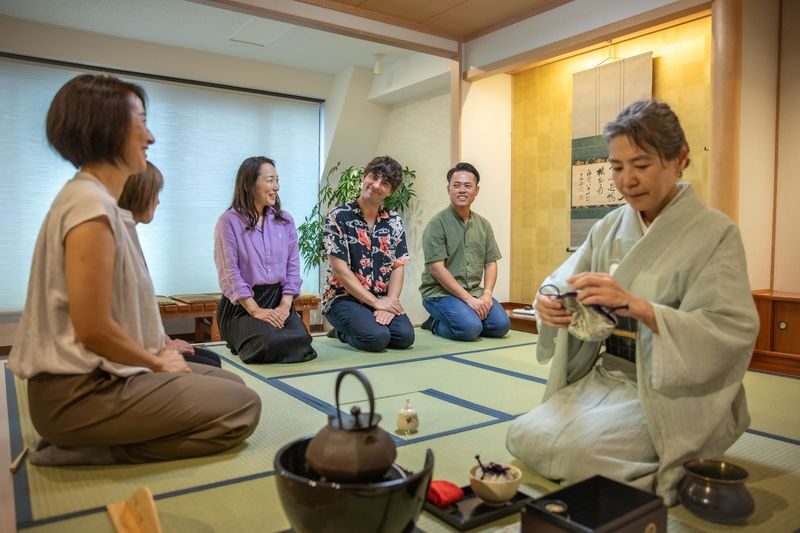
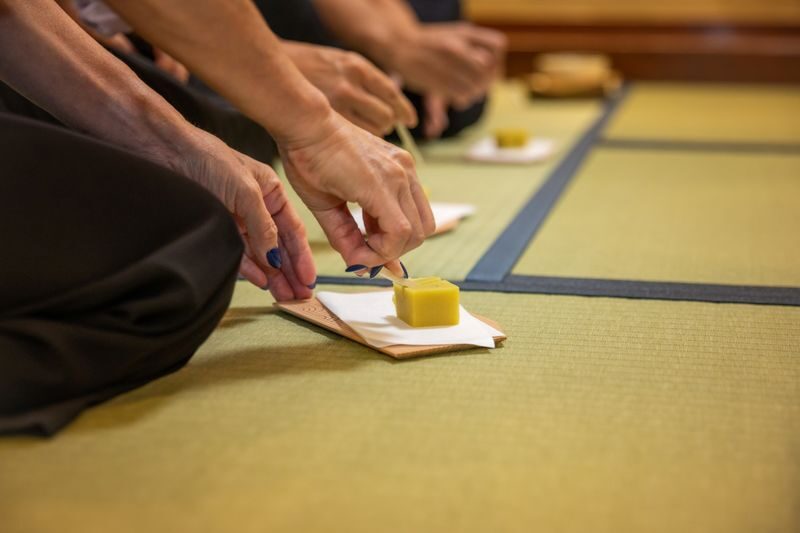
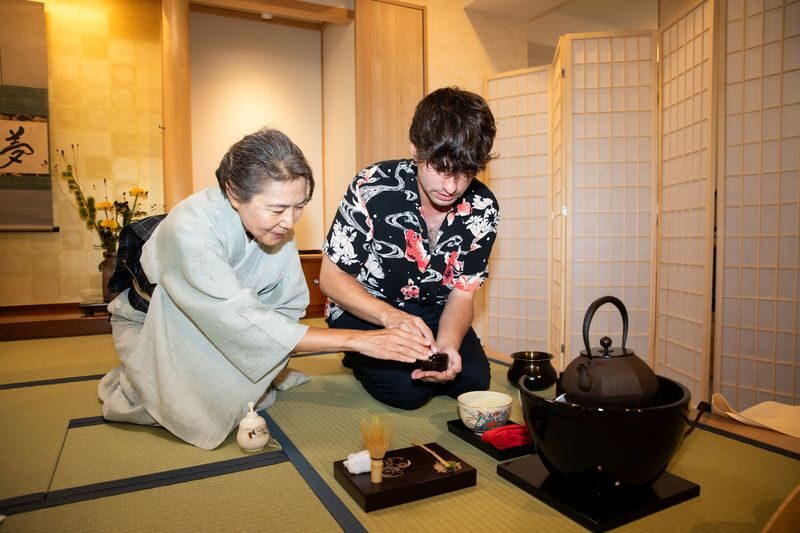
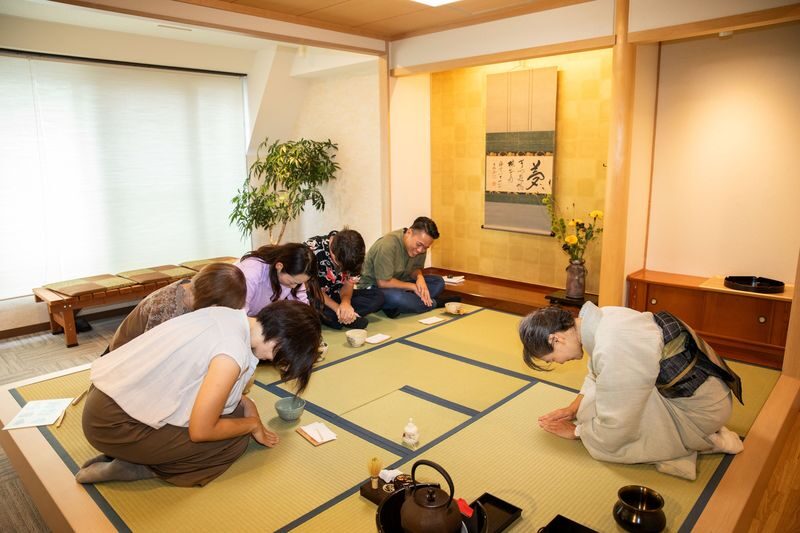
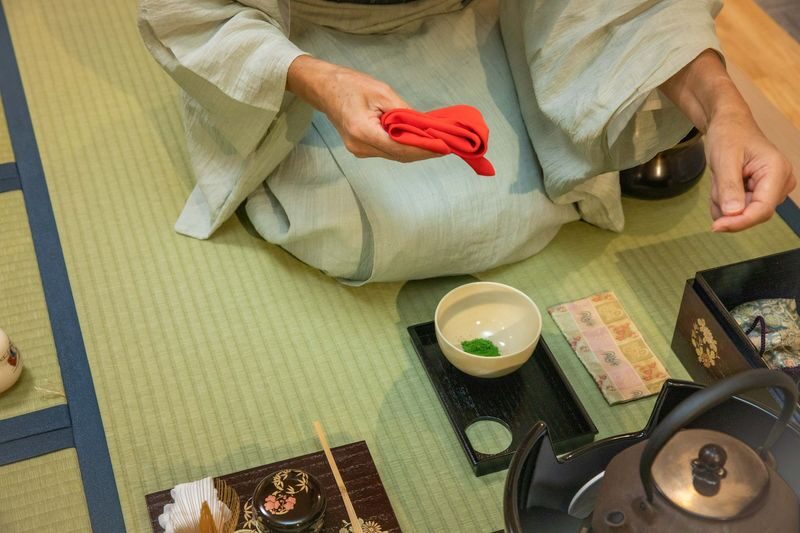
- You prepare your own matcha with traditional tools after watching a host demonstrate the process.
- The four principles have a real place in the lesson: harmony, respect, purity, and tranquility help explain the ceremony’s care and rhythm.
- Seasonal Japanese sweets accompany the tea, giving you a small taste of the food traditionally paired with matcha.
- The setting is an intimate tea room in the Tokyo Tourist Lounge Asakusa, rather than a large performance space.
- Hosts can add useful cultural detail, from Japanese phrases for the ceremony to holidays and how tea is grown and processed.
- Socks are required on the tatami, so remember to wear a clean pair.

👉 See our pick of the Our Picks For The 11 Best Workshops & Classes In Tokyo
A quiet pause in the middle of Asakusa
Asakusa is a lively part of Tokyo, and this activity offers a change of pace: a seated tea experience in a traditional room. The meeting point is Tokyo Tourist Lounge Asakusa, on the fifth floor of Collection Kaminarimon Building, at 2 Chome-18-15 Kaminarimon, Taito City. It’s a convenient location for a cultural stop while exploring the area, though the ceremony itself is indoors and focused on tea rather than Asakusa sightseeing.
The small-group format matters. Tea ceremony relies on attention to detail: how the host handles the tools, how the bowl is prepared, and how the ritual creates a respectful atmosphere. A smaller setting gives you more room to follow the demonstration and ask questions than a large group performance would.
The room is described as traditional and carefully decorated. You’ll sit on tatami, mats made from natural materials, so socks are required to protect the floor and follow proper etiquette. If you’re choosing what to wear, make sure your socks are comfortable and presentable. You don’t need special clothing or previous experience.
You can also read our reviews of more tours and experiences in Tokyo.



First, learn what the ceremony is saying
The session begins with an introduction to Chado, the Way of Tea. This is not simply a lesson in making a drink. The host explains how the ceremony’s four principles, harmony, respect, purity, and tranquility, shape the way people prepare and receive tea.
That context helps the movements make sense. Rather than seeing the process as a set of unfamiliar rules, you can notice how attention is given to each step and to the people sharing the moment. The ceremony offers a practical glimpse of Japanese values through an activity you can see, taste, and try yourself.
The host may also offer cultural details that connect tea to daily life. At past sessions, hosts have explained Japanese holidays, tea cultivation and production, and different types of green tea. You may also learn a few Japanese phrases to use during the ceremony. These additions are especially useful if you’re new to Japanese customs and want more than a quick photo opportunity.
English-speaking guides and staff are included, which makes the experience accessible if you don’t speak Japanese. Children and adults can attend, and no prior knowledge is required. Bring curiosity, not expertise.
Watch the host prepare matcha
Next comes a live demonstration of matcha preparation using traditional tools. Watch how the host handles the equipment and moves through the process before you make your own bowl. The demonstration gives you a clear example to follow, and the explanation helps you understand why the preparation is treated with care.
The pace is intended to be calm, not rushed. That matters because the ceremony’s appeal is partly in noticing small actions. You’re not asked to memorize a long list of rules before taking part. The host guides you through the steps, so the activity suits first-time visitors who want to try something new without worrying about getting everything exactly right.
One of the useful things about the format is that watching comes before doing. You can focus on the demonstration first, then put what you’ve seen into practice. If you’re traveling with family members who are less confident in English, you may need to help translate for them. The activity provides English-speaking support, but that does not guarantee every participant in a mixed-language family will follow every detail equally easily.
Whisk your own bowl and taste the result
After the demonstration, you prepare your own matcha under the host’s guidance. This hands-on part turns the ceremony from a performance into something you can take away as a memory and a skill. You’ll use traditional tools and techniques, then taste the tea you’ve made.
Matcha has a distinctive, concentrated flavor, and the point here is not to turn you into a tea expert in one sitting. Instead, you get a close look at how the drink is prepared and a chance to appreciate it in the setting it belongs to. The host’s guidance makes the practical steps approachable, even if this is your first encounter with a whisk and bowl.
The tea is paired with seasonal Japanese sweets. That pairing gives the tasting a little more context and makes the refreshment part of the cultural experience, rather than an unrelated snack break. The exact sweet can vary with the season, so you should not expect a particular variety unless it has been confirmed for your date.
For a short activity, this combination works well: see the method, try it yourself, then sit with the tea and sweet. It gives you a few different ways to engage, which is more satisfying than only watching someone else perform the ritual.
What the hosts add to the experience
The host’s teaching style can shape how much you take from the session. Youko has been praised for clear explanations and for teaching Japanese phrases used in the ceremony. Koriko has been described as warm and patient, while Kioko has shared details about holidays, tea production, and types of green tea.
Those names are useful to know, but they are not a promise that a particular host will lead your session. The host may vary by date. What you can reasonably expect is an English-speaking guide and an introduction to the ceremony, with a chance to ask questions and learn at a comfortable pace.
The added cultural explanations are the difference between trying matcha and understanding a little more about its place in Japanese life. If you’re interested in language, food, or customs, ask questions when there’s room to do so. The ceremony is a natural setting for learning because the objects and actions are right in front of you.



Is the price good value?
The Tea Group package starts at US$31.55. For that price, you get an English-speaking guide and staff, a live demonstration, your own matcha preparation, and refreshments that include tea and Japanese sweets. You’re also paying for an intimate cultural setting and an explanation of the ideas behind the ritual.
I’d consider it good value if you want a guided introduction and an activity you can take part in. It’s more hands-on than a brief demonstration, and the personal scale makes it a sensible choice for a first encounter with tea ceremony. It is less suited to you if your main goal is an extended lesson, a formal study of tea, or a broader sightseeing tour.
Tips and gratuities are not included. Children aged 0 to 5 can attend free, but infants and children must still be included in the passenger headcount when booking. That detail is easy to miss when a child does not need a paid ticket.
Who will enjoy this most
This activity suits first-time visitors who want a clear, low-pressure introduction to a Japanese tradition. You don’t need to know the etiquette in advance, and the host leads you through the process. It can also be a welcome change of pace if you’ve spent the day walking around Tokyo and want a quieter indoor activity.
Families can consider it, especially if children are curious about food, tools, or Japanese customs. The free entry for children aged 0 to 5 helps, but all children still need to be counted in the booking. The activity’s calm format may appeal more to children who can sit and pay attention for a while than to those looking for an energetic outing.
It’s also a good fit for anyone who likes learning by doing. You’ll see the method, hear its meaning, and try it yourself, rather than leaving with only a general description. If you want a deeper cultural exchange, ask the host about the phrases, tea types, or traditions mentioned during the session.
A few practical details before you book
The meeting point is Tokyo Tourist Lounge Asakusa, Collection Kaminarimon Building, fifth floor, 2 Chome-18-15 Kaminarimon, Taito City, Tokyo 111-0034. Check the map and allow time to find the building and reach the fifth floor. The voucher is mobile, so you can present it on your phone.
Your voucher is valid only for the date and time specified. Confirmation is normally sent within minutes; if it does not arrive, contact customer support. You can receive a full refund if you cancel at least 24 hours before the activity date, using Tokyo local time.
The most important preparation is simple: wear socks. There is no stated dress code beyond the tatami etiquette, and no prior tea ceremony experience is needed. The session includes refreshments, but tips are not covered in the price.
Should you book the Asakusa tea ceremony?
Book it if you want a personal, hands-on introduction to Japanese tea culture, especially if you’re new to matcha or the Way of Tea. The mix of demonstration, guided preparation, sweets, and cultural explanation gives you a useful experience without requiring special knowledge. I’d also choose it for a family or small group that wants an indoor activity with a calm pace.
Skip it if you’re looking for a long formal lesson or a tour that covers several Asakusa sights. The appeal is focus: one room, one tradition, and enough guidance to help you understand what you’re doing. Wear socks, arrive at the stated meeting point, and let the host lead you through the ritual.
Tea Ceremony Experience in Asakusa Tokyo
“Our tea master was so lovely and sweet. I believe her name was Koriko. It was a really cool experience.”
FAQ
Where does the tea ceremony take place?
It takes place at Tokyo Tourist Lounge Asakusa, Collection Kaminarimon Building, fifth floor, 2 Chome-18-15 Kaminarimon, Taito City, Tokyo 111-0034.
How much does the Tea Group package cost?
The Tea Group package starts at US$31.55. The final price may depend on the booking details.
Do I need experience with tea ceremony?
No. The activity is intended as an introduction, and no prior knowledge is needed.
What will I do during the session?
You’ll learn about the Way of Tea, watch a matcha preparation demonstration, prepare your own matcha with guidance, and taste it with Japanese sweets.
Is the activity conducted in English?
An English-speaking guide and English-speaking staff are included.
Do I need to wear socks?
Yes. Socks are required in the tatami room to follow etiquette and help protect the natural mats.
Do children need to be included in the booking?
Yes. Infants and children must be included in the passenger headcount. Children aged 0 to 5 can attend free.
What is the cancellation policy?
You can receive a full refund if you cancel at least 24 hours before the activity date, based on Tokyo local time.

















