Matcha is more than a drink here: you’ll see a tea master perform the graceful steps of otemae, then make a bowl yourself with a bamboo whisk. The hour also includes shaping nerikiri, a seasonal sweet designed to look like flowers, leaves, or other Japanese motifs.
I like two things in particular: you get to make both the tea and the sweet, rather than only watching, and the group is capped at 10, which leaves room for questions. The English explanations help connect the careful movements to their purpose, not just show you what to copy.
The main consideration is the short running time. At one hour, this is a focused introduction, not a long or deeply formal study of tea ceremony, and arriving late won’t extend the session.
- What You’ll Get From This Tea Ceremony
- Watching the Otemae Demonstration
- Making Matcha Yourself
- Shaping Nerikiri, Seasonal Edible Art
- A Small Group in Hakusan
- What the One-Hour Schedule Means
- Is .55 Good Value?
- Who Should Book This Experience?
- Practical Details Before You Go
- Should You Book It?
- FAQ
- How long is the tea ceremony experience?
- Where does the session take place?
- How do I get to the meeting point?
- What time can I book?
- Will I make matcha myself?
- Will I make Japanese sweets?
- Is the session guided in English?
- Can children join?
- The Best Of Tokyo!
- More Dessert Tours in Tokyo
- More Tours in Tokyo
- More Tour Reviews in Tokyo
What You’ll Get From This Tea Ceremony
- A live otemae demonstration: Watch a tea master prepare and serve matcha with measured, deliberate movements.
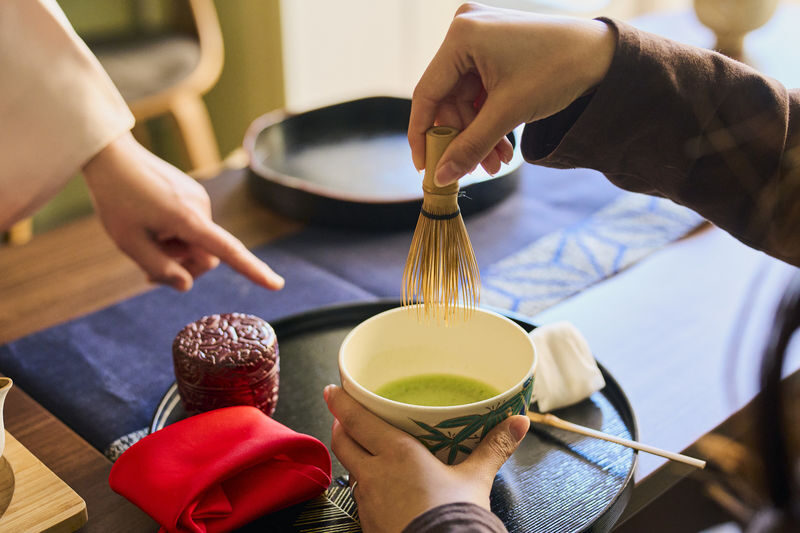
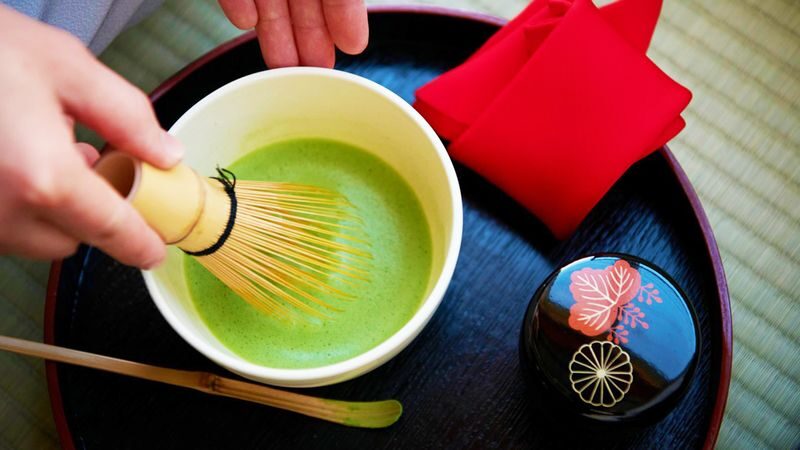
- Your own bowl of matcha: Try whisking the tea yourself under guidance, then taste it fresh.
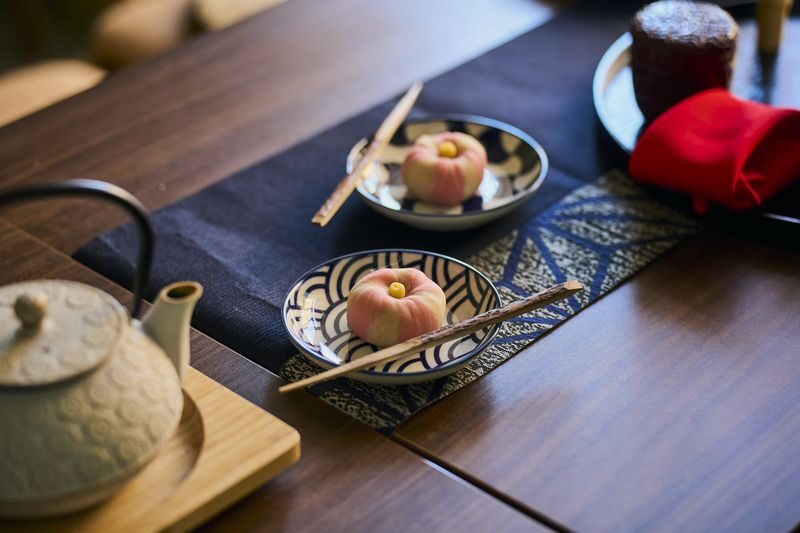
- Seasonal nerikiri making: Shape and color a traditional bean-paste sweet inspired by Japanese flowers and other motifs.
- A small group: Sessions accommodate up to 10 people, a useful size for questions and personal instruction.
- Clear English guidance: An English-speaking host explains the steps and cultural context, alongside a tea master with more than 10 years of experience.
- An easy-to-reach neighborhood venue: The second-floor studio is about a five-minute walk from Toei Mita Line’s Hakusan Station.

👉 See our pick of the Our Picks For The 11 Best Workshops & Classes In Tokyo
Watching the Otemae Demonstration
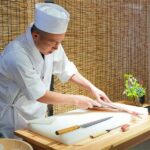
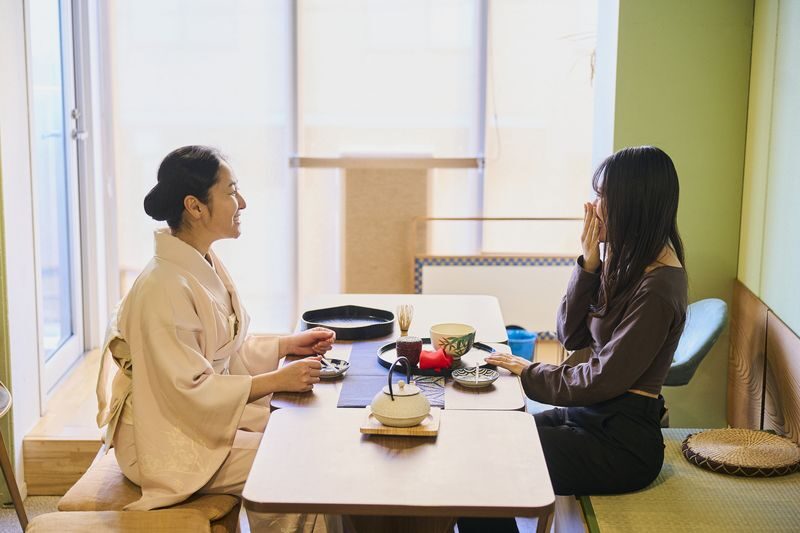
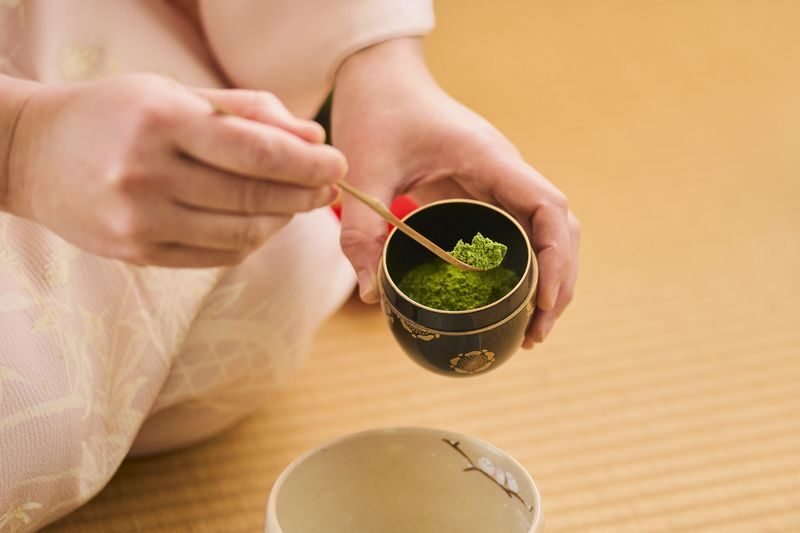
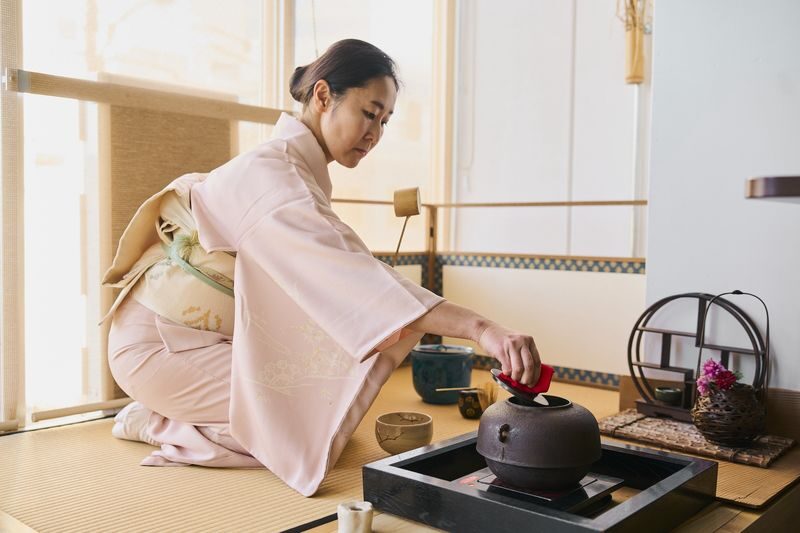
The experience begins with the tea master demonstrating the preparation of matcha. This formal sequence is called otemae. The motions are precise, but the point is not simply to memorize a set of gestures. Each step has a place in the process of preparing and serving tea with care.
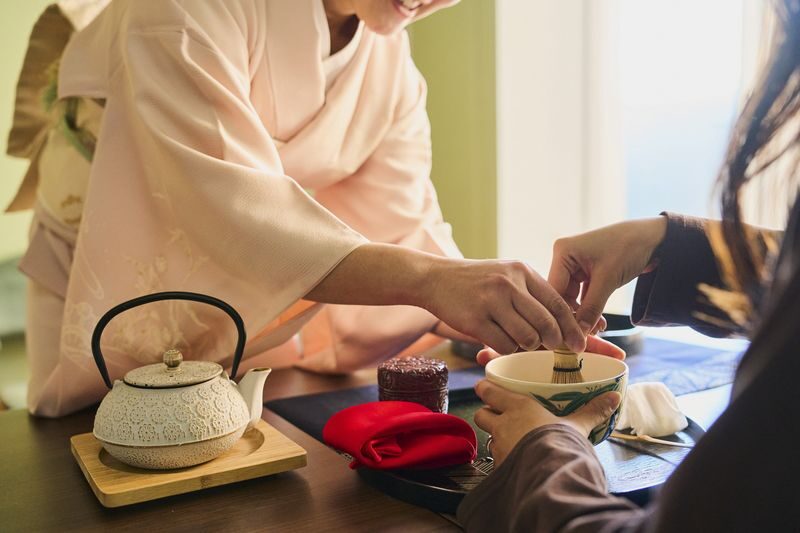
You can watch first, notice how the utensils are handled, and then try the basic whisking yourself. The host explains the process in English, so you’re not left guessing why the tea is prepared this way or what you should do next. A tea master with more than a decade of experience leads the instruction.
The teaching also reaches beyond technique. The ceremony connects tea, utensils, movement, and hospitality, and the explanations are meant to show how those pieces fit together. Host Yo-Su has been praised for discussing the meaning and significance behind the ceremony, though the information provided does not guarantee which host will lead every session.
This is a good fit if you’re curious about Japanese tea but don’t yet know much about it. You don’t need to arrive with special knowledge or skill. The demonstration gives you a visual guide before you try your hand at making matcha.
You can also read our reviews of more tours and experiences in Tokyo


Making Matcha Yourself
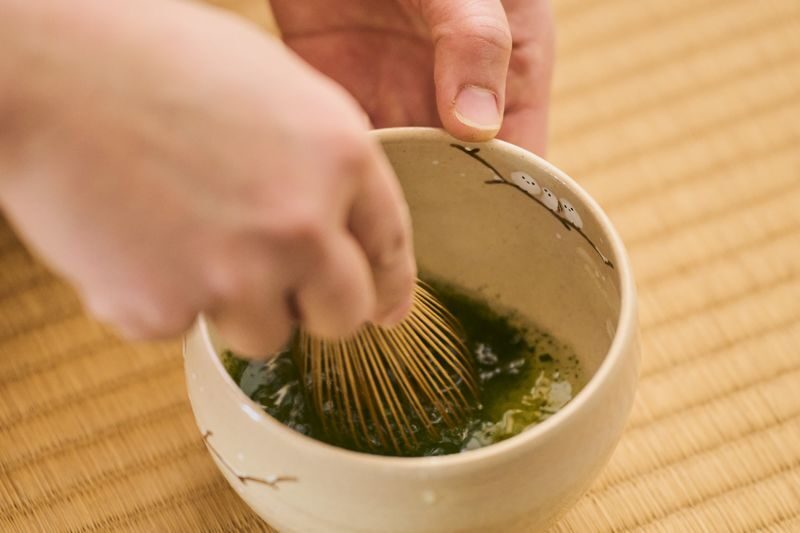
After the demonstration, you get to whisk your own bowl of matcha using a bamboo whisk. That small hands-on turn is valuable: you move from watching a polished performance to taking part in the basic work of preparing the tea.
The session is designed for beginners, with the tea master guiding the process. You can pay attention to the texture and flavor of the freshly prepared matcha, then compare your experience with the careful example you just saw. The activity description doesn’t specify how much time each person spends whisking, so expect an introduction rather than extended individual practice.
Matcha can taste quite different from a sweetened tea or café drink. Here, it is served as part of the ceremony and paired with a handmade sweet. That pairing is a central part of the experience, not an afterthought: the mild sweetness of nerikiri gives you something to enjoy alongside the tea’s distinctive flavor.
Shaping Nerikiri, Seasonal Edible Art
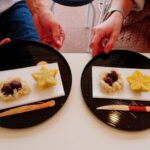
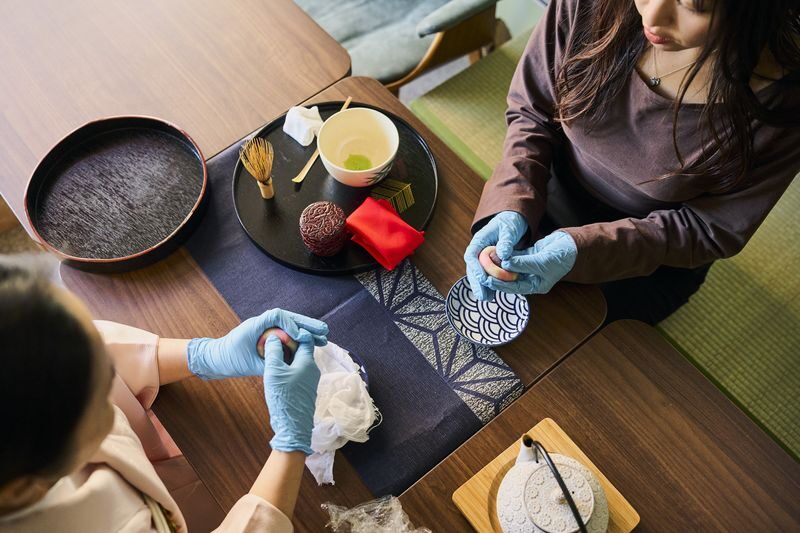
The second hands-on activity is making nerikiri, a traditional Japanese confection made from bean paste. It is colored and shaped to represent seasonal flowers, leaves, and other motifs. The designs are delicate, and the appearance is part of the pleasure: this sweet is meant to be admired as well as eaten.
You’ll have a chance to make one yourself, then enjoy it with the matcha you prepared. The activity information does not name a specific design or season for any given date, so the exact shape may vary. That seasonal quality is part of the idea: Japanese sweets often reflect the time of year rather than following one fixed design.
Don’t worry if your sweet looks more handmade than polished. The point is to try the craft and see how color and shape turn a simple confection into a small seasonal image. The session combines this making activity with the tea ceremony, giving you two different ways to take part in Japanese tradition within an hour.
A Small Group in Hakusan
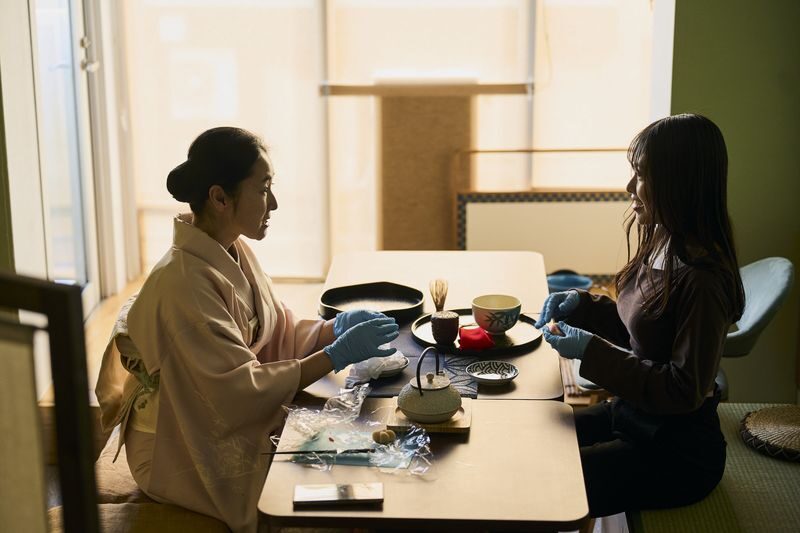
The group size is limited to 10 participants. That is small enough to make questions practical, and a useful contrast to a demonstration where you simply sit back and watch. Several participants have valued the relaxed atmosphere and the chance to talk with the tea master, especially when asking about the history and philosophy behind the steps.
The setting is in Bunkyo City, at Phil Park Hakusan Hills, on the second floor. It is about a five-minute walk from Hakusan Station on the Toei Mita Line. Follow the map to the second floor, rather than stopping at the building entrance.
This location is not presented as a sightseeing stop in its own right. The draw is the tea session, so plan it as a focused activity rather than an outing with a broader route or multiple attractions. The scheduled return is to a hotel or personal address, but the exact timing and arrangement depend on the option chosen when booking.
What the One-Hour Schedule Means
The experience runs for one hour, with departure options listed at 14:00 and 16:00. The corresponding return options are listed as 15:00 and 17:00, though available choices can vary with the selected departure and itinerary duration. Check the time shown for your booking and arrive five minutes early.
Within that hour, the experience includes the tea master’s demonstration, your own matcha preparation, and making nerikiri. That is a tidy introduction, but it also means the session has a clear limit. If you want a lengthy ceremony, extensive practice, or a wider tour of Japanese food culture, this is not designed to fill that role.
The group cannot extend the session for late arrivals. It may still be possible to join after the start, but you would miss part of a compact program. For a calm start, allow enough time to reach Hakusan Station and find the second-floor venue.



Is $31.55 Good Value?
The listed starting price is US$31.55 for a one-hour session. You’re paying for more than a quick taste of matcha: the price includes admission, an English-speaking guide, refreshments, a professional demonstration, your own tea-making attempt, and the chance to craft a Japanese sweet.
That makes the experience good value if you want a practical cultural introduction with both explanation and participation. The small group cap matters, too. A short class is more useful when you can hear the instructions and ask questions, rather than only watching from the back.
The value is less compelling if you’re looking for a full lesson in tea ceremony or a long workshop. The format is brief, and personal expenses beyond the included items are not covered. Treat it as a well-focused first encounter with tea and nerikiri, not a substitute for extended instruction.
Who Should Book This Experience?
I’d recommend it to first-time visitors who want to understand what happens in a tea ceremony and try the central tasks themselves. It also suits anyone interested in Japanese sweets, seasonal design, or a slower cultural break between sightseeing activities.
The English explanations make it approachable if you don’t speak Japanese, and the group limit gives you a chance to ask questions. Couples, siblings, and small parties can share the activity, but it is also suited to solo participants who enjoy learning alongside a small group.
Families should note that children aged 0 to 6 can join free if they do not need a separate seat. Participants must be under 99 years old. The information does not give further age guidance, so consider whether a young child is likely to enjoy a quiet, one-hour activity involving careful demonstration and hands-on making.
Practical Details Before You Go
Book the departure time that suits your plans, either 14:00 or 16:00, and attend at the selected time. The voucher is valid only on the date and time specified. Confirmation is normally provided within minutes; if it does not arrive, contact customer support.
The meeting point is 2nd Floor, Phil Park Hakusan Hills, 1-26-17 Hakusan, Bunkyo-ku, Tokyo, about five minutes on foot from Toei Mita Line Hakusan Station. Arrive five minutes before the start. Personal expenses beyond the included admission, guide, and refreshments are not included.
Cancellation for a full refund is available if you cancel at least 24 hours before the activity date, using destination local time. Check the terms attached to your booking for the details that apply to your reservation.
Should You Book It?
Book this if you want a hands-on, English-guided introduction to matcha and Japanese seasonal sweets, and you’re happy with a compact one-hour format. The combination of a tea master’s demonstration, your own whisking, and nerikiri making gives the session a satisfying rhythm.
Skip it if you want a long ceremony, a full-day cultural program, or extensive time to practice. For a first look at tea culture in Tokyo, though, this is a thoughtful use of an hour, especially if you value a small group and the chance to ask questions.
Tokyo: Tea Ceremony & Japanese Traditional Sweets
“A very beautiful and elegant tea ceremony. The traditional sweets and tea were also super delicious 😊. My partner and I were very satisfied.”
FAQ
How long is the tea ceremony experience?
The activity lasts one hour.
Where does the session take place?
It takes place on the second floor of Phil Park Hakusan Hills, at 1-26-17 Hakusan, Bunkyo-ku, Tokyo.
How do I get to the meeting point?
The venue is about a five-minute walk from Hakusan Station on the Toei Mita Line. Go to the second floor as shown on the map.
What time can I book?
Departure options are listed at 14:00 and 16:00. The available return time depends on the departure time and itinerary duration selected.
Will I make matcha myself?
Yes. You’ll watch the tea master demonstrate the process, then whisk your own bowl of matcha under guidance.
Will I make Japanese sweets?
Yes. You’ll make nerikiri, a traditional bean-paste sweet shaped and colored to reflect seasonal motifs.
Is the session guided in English?
Yes. An English-speaking host provides explanations, and the activity is led by a tea master with more than 10 years of experience.
Can children join?
Children aged 0 to 6 can join free if they do not occupy a separate seat. Participants must be under 99 years old.