Tokyo makes more sense when you learn how to move through it. This guided walk pairs major sights with practical help using the city’s JR trains and subway lines, so you leave with more than a string of photos. The usual four-hour route visits the Imperial Palace, Meiji Jingu and Shibuya.
I like two things in particular: you can begin at your hotel, and you can ask a local guide about the details you might otherwise pass by. Past guides including Satoko, Machiko and Yoko have been praised for clear history, warm conversation and help planning the rest of a Tokyo stay.
The trade-off is the price: from US$169.49 for four hours, and the included transport is public transit, not a private car. If you are happy to ride trains and want personal help finding your way, that cost may earn its keep. If you expect a chauffeured tour, it will not.
Key points
- Meiji Jingu brings a quieter start: The shrine offers a look at Tokyo’s religious traditions, with the city’s modern pace close at hand.
- The palace stop adds historical context: Allow about an hour to see the area and hear how Japan’s political center fits into the capital.
- Shibuya gives you a modern counterpoint: The route sets a major urban district beside older landmarks.
- The guide teaches you the transport system: You travel by local train and public transit, learning practical routes as you go.
- You can choose four or eight hours: The longer option costs from US$193.15 and gives the guide more room to shape the day around your interests.
- Expect to walk and use transit: Pick-up is available at hotels in Tokyo’s 23 wards, but the activity is not wheelchair-accessible and infant seats are unavailable.

👉 See our pick of the Our Picks For The 11 Best Workshops & Classes In Tokyo
- Key points
- Tokyo clicks when you learn how to get around
- Meiji Jingu gives the day a quieter opening
- The Imperial Palace puts Tokyo’s past in view
- Shibuya shows Tokyo at full volume
- Four hours is an orientation, not a full Tokyo visit
- Public transit is part of the experience
- What makes the guide worth paying for
- Practical details before you book
- Who should book this Tokyo walk
- FAQ
- What places are included in the four-hour tour?
- Is transportation included?
- Does the tour pick me up at my hotel?
- How long is the tour, and what departure times are available?
- Where does the tour end?
- Are meals included, and can children join?
- Is the tour wheelchair-accessible, and what is the cancellation policy?
- The Best Of Tokyo!
- More Walking Tours in Tokyo
- More Tours in Tokyo
- More Tour Reviews in Tokyo
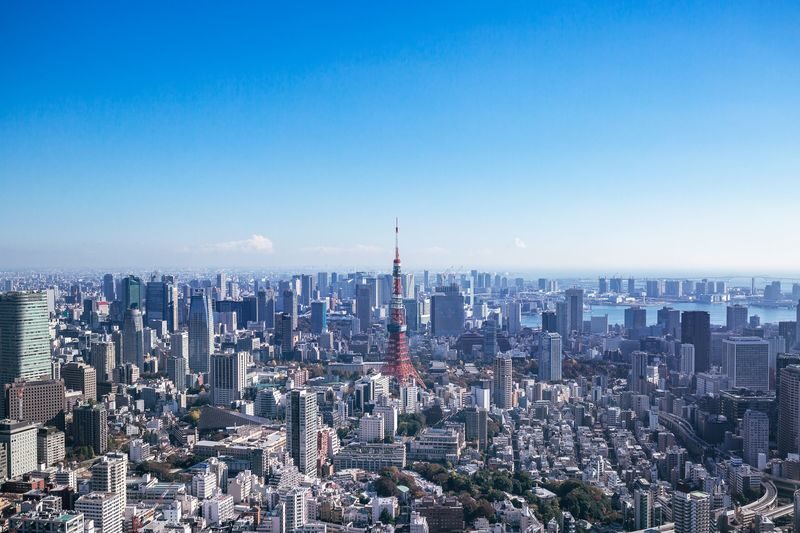
Tokyo clicks when you learn how to get around
 1 / 3
 2 / 3
 3 / 3
This is not simply a ride between famous places. The guide picks you up at your hotel and accompanies you on local trains, introducing the JR network and Tokyo’s subway system as part of the day. That can be especially useful if the prospect of changing lines in a vast city feels like a test you did not study for.
The value is practical as well as cultural. On your first day, a guide can help you read the city’s transport routines, get comfortable asking questions and understand how far apart the sights are. You still need to make your own way around after the tour, but you will have had a friendly first lesson.
The format also leaves space for conversation. You can ask about what you are seeing, and the guide can explain details that are easy to miss when you are on your own. Past guides have included Satoko, Machiko and Yoko. Their names are worth knowing, but they are examples, not a promise about who will lead your tour.
You can also read our reviews of more walking tours in Tokyo


Meiji Jingu gives the day a quieter opening
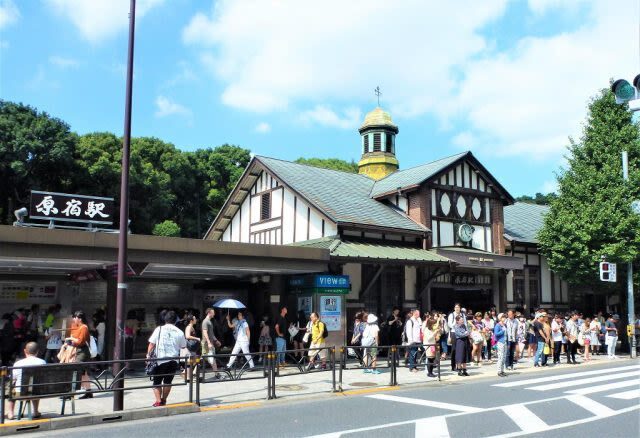
Meiji Jingu, also called Meiji Shrine, is one of the route’s central stops. The shrine is a chance to see a side of Tokyo shaped by religious custom and daily life, not only its shops and transport hubs. The guide can help you understand what you are looking at and how the site fits into Japan’s cultural traditions.
An hour here is a sensible amount of time for a guided visit, though the precise pace may change with conditions and the day’s plan. You will have room to ask questions rather than rushing through a brief photo stop. At the same time, this is one stop in a compact tour, not a long, contemplative visit.
One detail that makes a guide useful here is the chance to notice how the shrine is used. A past guide pointed out wedding couples and families marking the Seven-Five-Three celebration, a milestone for children. Those encounters are not guaranteed, but they show how a shrine can be part of present-day life as well as a place of history.
The Imperial Palace puts Tokyo’s past in view
The Imperial Palace stop gives the route a historical anchor. Tokyo’s present-day scale can make its past feel distant, but the palace area brings the country’s political history into the day’s conversation. Your guide can help connect the site to the broader story of how the capital developed.
The scheduled hour is enough for an overview and a walk around the area, not an exhaustive visit to every palace-related site. The itinerary names the Imperial Palace, but it does not promise entry to specific buildings or gardens. Admission is included for one or two places depending on the price, so check what your chosen package covers rather than assuming every site has an entry ticket included.
The palace stop can also be a useful change of pace between shrine grounds and the dense city districts. If history is your main interest, tell your guide early. Past tours have sometimes included other historic places, such as Koishikawa Korakuen gardens, but the precise route depends on the plan agreed with the operator.
Shibuya shows Tokyo at full volume
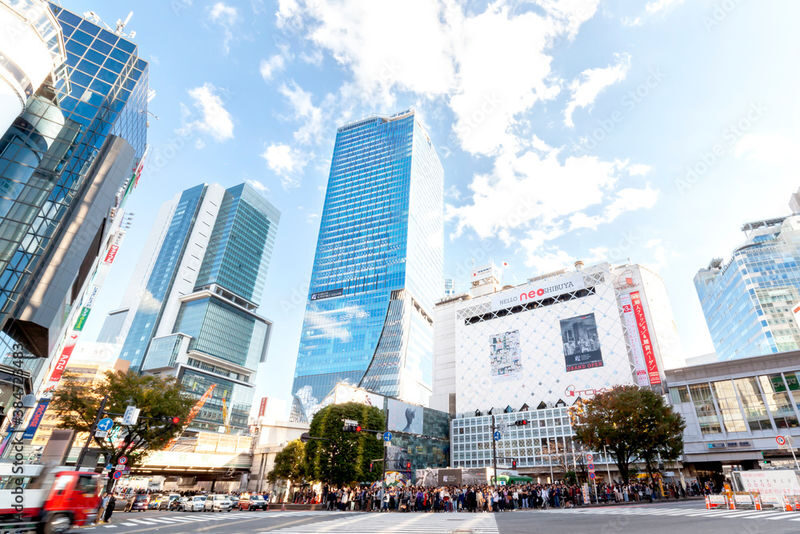
Shibuya brings the tour back to the city’s modern face. It is a well-known district, and the one-hour stop gives you a chance to see a lively part of Tokyo after the quieter atmosphere of Meiji Jingu and the historical context of the palace.
The appeal is contrast. In a single outing, you move from a major shrine to the seat of the imperial household and then into a busy urban district. That variety helps explain why Tokyo can feel like several cities sharing one transport map. Your guide can offer context and answer questions, though this is not a specialist shopping tour or a promise of time at any particular store.
If there is a modern Tokyo spot you especially want to see, say so when you discuss your preferences. The longer version has more room for changes. On a four-hour tour, adding stops usually means giving up time somewhere else, and travel between districts takes part of the day.
Four hours is an orientation, not a full Tokyo visit
The four-hour option costs from US$169.49 and is scheduled for 10 a.m. to 2 p.m. or 1 p.m. to 5 p.m. The stated plan allows about an hour each at the Imperial Palace, Meiji Jingu and Shibuya, with the remaining time needed for hotel pick-up, train travel and transitions between stops.
That timetable makes the tour best for a first look, not a complete survey. You will see several different sides of Tokyo, but you should not expect long visits at each place or a leisurely day with many breaks. Meals and drinks are not included, so plan around the four-hour window.
The eight-hour option starts at US$193.15, only about US$24 more than the four-hour starting price. On paper, that is a substantial extension for a relatively modest price difference. It may be better value if you want a flexible day or have a list of places to cover. One past eight-hour route included Tsukiji, Asakusa, Akihabara, Yanaka-Ginza, Shibuya and Harajuku, combining well-known districts with more local-feeling stops. That route is an example, not a fixed promise; agree on priorities with the operator.
The tour description mentions Nihonbashi, while the main scheduled route lists the Imperial Palace, Meiji Jingu and Shibuya. The guide may tailor the day, but do not assume Nihonbashi is included in every version. It is also mentioned as a good base for continuing to Ginza, Tokyo’s upscale shopping area. The four-hour tour ends at Mitsukoshimae or Nihonbashi Station according to the pick-up details, while the return information also refers to a hotel or personal address. Confirm your exact drop-off arrangements before departure.
You can also read our reviews of more city tours in Tokyo



Public transit is part of the experience
Transport is included, but that means public transportation, not a private car. The guide takes you to stations and helps you use trains and subways. This is a real advantage if learning Tokyo’s network is one of your goals, and a poor fit if you want to avoid stations or walking.
Taxis or hired cars require an additional fee. That distinction matters because a private hotel pick-up can sound like a car service, but the stated plan is to meet you at your hotel and travel by local train. Pick-up is available from hotels in Tokyo’s 23 wards, and it begins about ten minutes before departure.
The tour concludes at Mitsukoshimae or Nihonbashi Station according to the pick-up details, although the return section describes drop-off at a hotel or personal address. Since those details are not perfectly aligned, get the specific end point confirmed in advance. You can select a 10 a.m. or 1 p.m. departure, with the matching return time depending on the package and itinerary.
What makes the guide worth paying for
The strongest reason to book is the guide’s role as a cultural interpreter and an on-the-ground helper. Past visitors have praised guides for explaining Japanese history, answering questions and adjusting the day to their interests. One family’s four-hour tour with Machiko included Koishikawa Korakuen, the Imperial Palace and Shibuya. Another visitor described Satoko adapting an eight-hour day to include both popular and local districts.
Those examples show what a private or personalized walking tour can do well: it can turn a fixed set of sights into a conversation about what matters to you. Tell the operator whether you care most about history, local neighborhoods, food areas or modern Tokyo. Do not assume every requested stop will fit, especially in four hours, but a clear wish list gives the guide a useful starting point.
The personal touch can go beyond the scheduled hours. One past guest appreciated that Yoko continued giving directions after the tour, and another guide stayed with a guest back to the hotel after running late. These are generous examples, not services you should count on. Treat any extra help as a bonus, and keep the agreed duration and end point clear.
There is a caution, too. A few older accounts describe disappointment over cost and the absence of a private vehicle, and one reports a serious service problem. The clearest way to avoid mismatched expectations is to confirm the transport mode, route, pick-up time and drop-off point before the day. The included transport is public transit, and the published details do not promise a car.
Practical details before you book
Children aged 0 to 5 are free. Meals and beverages are not included, pets are not permitted, infant seats are unavailable, and the activity is not wheelchair-accessible. If you have dietary requirements, advise the operator when booking, though food is not part of the tour.
The schedule may change with traffic or weather, and the operator reconfirms your pick-up time in advance. Confirmation is expected within 48 hours. If no confirmation email arrives, contact customer support. The voucher is valid only for the date and time you booked.
You can cancel for a full refund if you do so at least 48 hours before the activity date, using destination local time. In extreme weather or other unforeseen events, the operator may cancel and offer a reschedule or full refund. Keep those terms in mind if your Tokyo plans are tight.
Who should book this Tokyo walk
I would choose this tour if you are new to Tokyo, want a local guide to explain what you are seeing, and would welcome a practical lesson in the city’s trains. It is also a good fit if you enjoy asking questions and prefer a flexible conversation to a headset tour with a fixed script.
The four-hour option suits you if you want an introduction to three major stops and help getting your bearings. Pick eight hours if you have a longer wish list and want more chance to tailor the route. Before paying, confirm the final stops and drop-off location, especially if Nihonbashi, Asakusa or another district is a priority.
Skip it if you expect a private car, dislike walking and public transit, or want a long, unhurried visit at each site. At its best, this is not a shortcut around Tokyo; it is a head start on understanding the city and getting around it. For a first visit, that can be worth more than another hour spent staring at a train map.
Tokyo City Exploration Walking Tour
“I booked an 8-hour walking tour. They made sure to email me and message me on WhatsApp closer to the date to ask me what my preferences are. I told…”
FAQ
What places are included in the four-hour tour?
The scheduled route includes the Imperial Palace, Meiji Jingu Shrine and Shibuya, with about one hour at each stop. The schedule can change depending on conditions.
Is transportation included?
Yes. Public transportation fees are included. Taxis or hired cars cost extra, so do not expect a private car as part of the standard price.
Does the tour pick me up at my hotel?
Pick-up is available from hotels in Tokyo’s 23 wards. The operator reconfirms the pick-up time, and pick-up starts about ten minutes before departure.
How long is the tour, and what departure times are available?
The four-hour option runs from 10 a.m. to 2 p.m. or 1 p.m. to 5 p.m. An eight-hour package is also available. Return times depend on the departure time and itinerary.
Where does the tour end?
The pick-up information says the tour concludes at Mitsukoshimae or Nihonbashi Station. The return information also mentions a hotel or personal address, so confirm your specific drop-off point with the operator.
Are meals included, and can children join?
Meals and beverages are not included. Children aged 0 to 5 can join free of charge. The tour does not provide infant seats, and pets are not permitted.
Is the tour wheelchair-accessible, and what is the cancellation policy?
The activity is not wheelchair-accessible. You can receive a full refund if you cancel at least 48 hours before the activity date, based on destination local time.