Tokyo can feel like several cities piled together: temple lanes, department stores, crowded crossings, and quiet river walks all sit within reach, but choosing what to see in a single day takes work. This private six-hour tour lets you set the priorities and leaves the route planning and transit decisions to a local guide.
I like two things in particular: you can shape the day around your interests, and you travel mainly by walking and public transport, which gives you a practical introduction to moving around Tokyo. Lunch is included, with wagyu Japanese beef barbecue and a selection of fresh sushi.
The trade-off is that six hours is short for a city this large. Your guide can help you cover several districts, but you will need to choose carefully, and weather, crowds, or capacity can mean changing the plan.
- The useful details at a glance
- Start in Asakusa, then choose your direction
- Set a realistic pace across Tokyo
- Ride the Metro like a local
- Pick the districts that suit you
- Make lunch part of the plan
- Is 4.79 good value?
- What guide support can add
- Before you book
- Should you book this Tokyo tour?
- FAQ
- How long is the tour?
- Where does the tour start?
- Where does the tour end?
- What food is included?
- Does the tour use a private vehicle?
- How many people can join?
- Is the tour wheelchair-accessible?
- What happens if I need to change or cancel?
- The Best Of Tokyo!
- More City Tours in Tokyo
- More Tours in Tokyo
- More Tour Reviews in Tokyo
The useful details at a glance
 1 / 10
 2 / 10
 3 / 10
 4 / 10
 5 / 10
 6 / 10
 7 / 10
 8 / 10
 9 / 10
 10 / 10
- Choose your Tokyo mix: Options range from Asakusa’s temples to Shinjuku’s bright streets, Ginza’s shops, and the Tsukiji market area.
- Expect a small group: The tour is for 2 to 6 participants, so your choices can shape the day more than they would on a large group outing.
- Learn the local transit system: You will mostly walk, but may use public transport. One guide, Chisato, has helped visitors learn to use the Metro for later trips on their own.
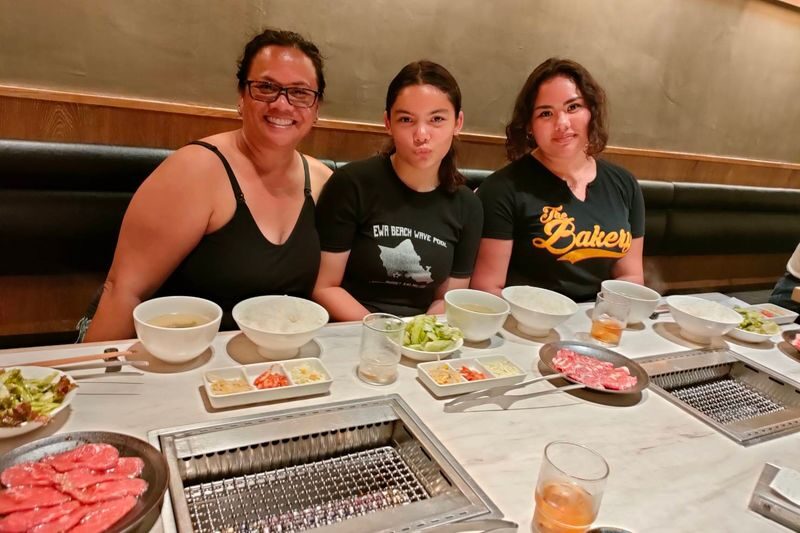
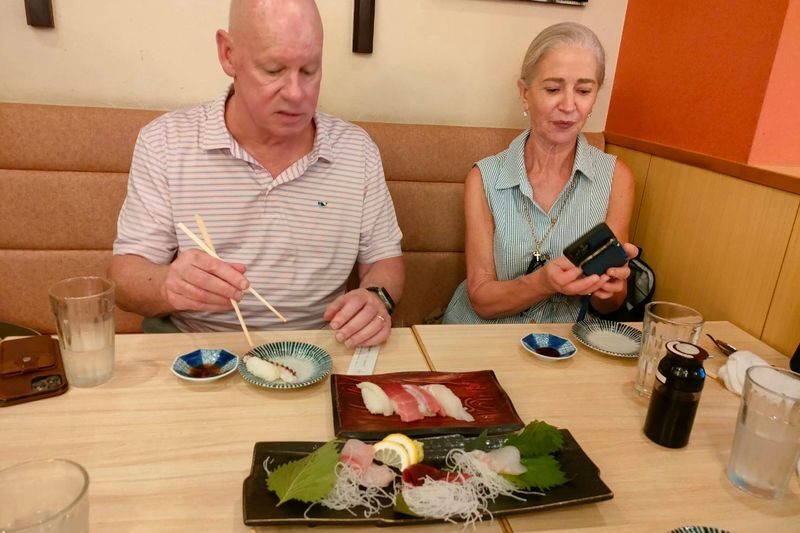
- Lunch is part of the outing: Wagyu Japanese beef barbecue and a selection of fresh sushi are included. Menus may change with the season and ingredient availability.
- Plan for a full six hours: Meet at 11:00 and finish around 17:00. The tour is called a half-day experience, but six hours is a substantial block of your day.
- Keep the plan flexible: Weather, traffic, and capacity can affect which attractions you visit and how long you stay.

👉 See our pick of the Our Picks For The 11 Best Workshops & Classes In Tokyo
Start in Asakusa, then choose your direction
The stated meeting point is the Asakusa Culture Tourist Information Center, a useful place to begin because the area offers a clear first look at old and modern Tokyo side by side. Arrive 15 minutes before the 11:00 departure. You can also request pickup at a central accommodation, but confirm the arrangement before you set out.
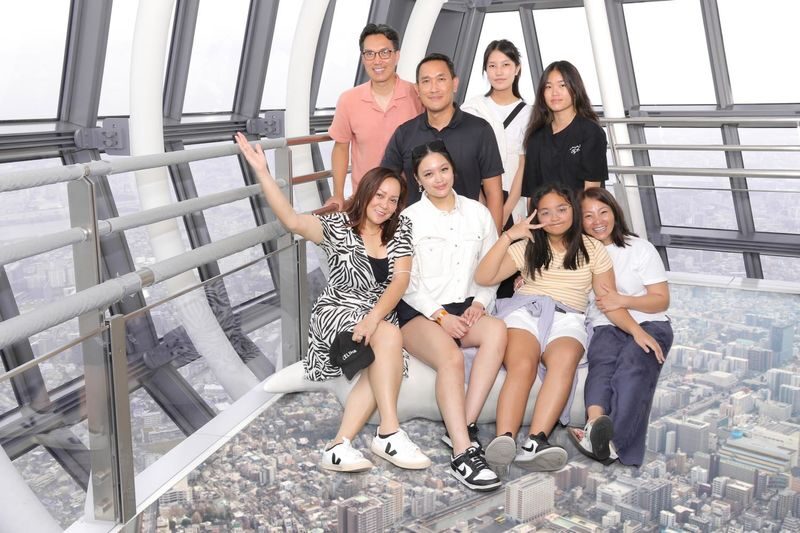
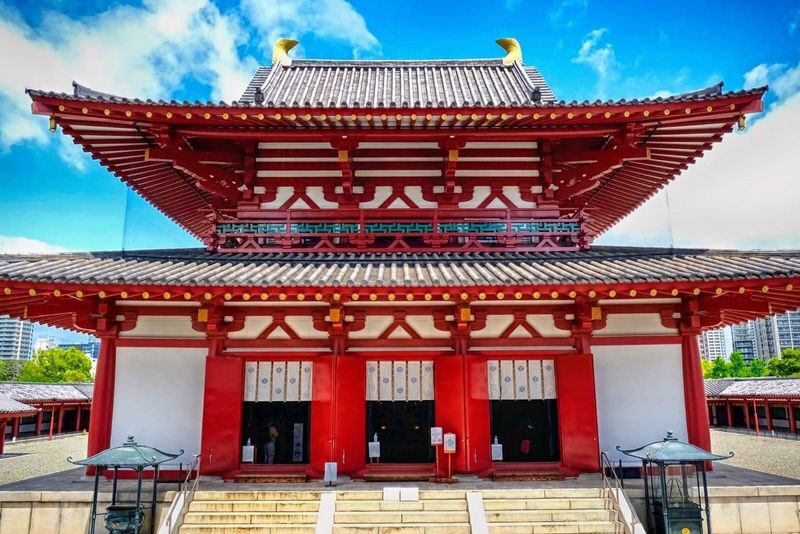
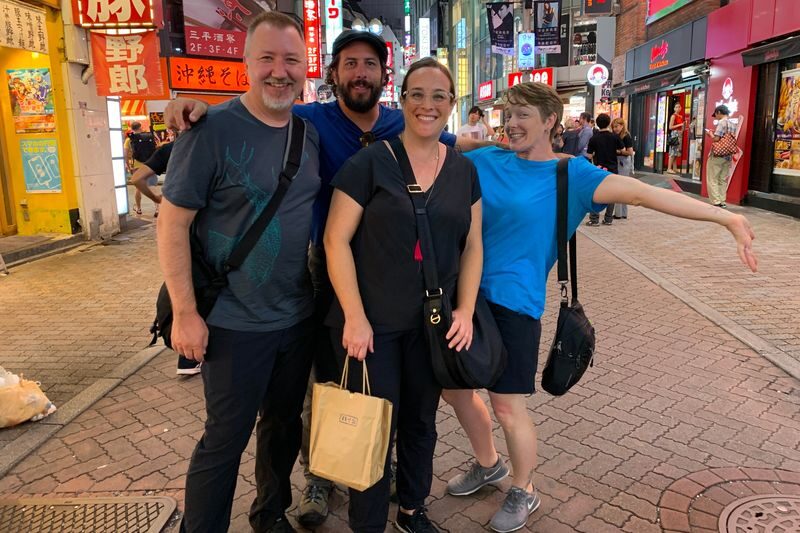
Asakusa is a strong choice if you want temples, traditional shopping streets, and a sense of Tokyo’s past. A sample route has included Kaminarimon Gate, Nakamise Shopping Street, Sensoji Temple, and Hoppy Street. The temple and gate give you an easy introduction to the district, while the nearby shopping lanes add food stalls and souvenir browsing. They can also be crowded, so don’t expect a quiet temple visit in the middle of the day.
You are not locked into this route. If you have already seen Asakusa, you could ask your guide to focus on other neighborhoods, or include it briefly before moving elsewhere. That freedom is the point of a private tour, but it works best if you arrive with a short list of priorities rather than asking to see everything.
You can also read our reviews of more city tours in Tokyo


Set a realistic pace across Tokyo
A past route has managed an unusually broad circuit: Asakusa, Ueno, Akihabara, Ginza, Tokyo Tower, and Shibuya, with a meal and several walks along the way. Treat that as an example of how ambitious the day can be, not a promise that every tour will cover the same ground. Attractions can be skipped because of capacity or weather, and the schedule may shift with traffic and conditions.
Tokyo’s size makes the route choice more important than the number of places you tick off. Each change of district takes time, even when your guide handles the logistics. If you want to linger at temples, browse shops, and take long food stops, choose fewer areas. If your main goal is to get a broad first impression, tell your guide that early and accept shorter visits.
A private guide is most useful when you make decisions together. Ask which stops fit your interests and how much travel time they require. You can then weigh a quick glimpse of several districts against a calmer visit to two or three.
Ride the Metro like a local
The tour is primarily on foot, with public transport used as needed. There is no private vehicle, so expect to walk between nearby sights and use trains or the Metro to cross longer distances. That is not just a way to get around. It gives you a chance to understand how Tokyo’s transit system works.
If you are new to local trains, say so at the start. Chisato has guided visitors through Metro use, and one visitor later used what they had learned to travel independently the next day. That sort of practical help can be more valuable than another photo stop, especially if you have several days in Tokyo.
There is a limit to this convenience: you are still walking, navigating stations, and moving at the pace of a city outing. The tour is not wheelchair-accessible, and child seats are not available. If mobility or small children affect your plans, check whether the route and transport arrangements will work for your group before booking.
Pick the districts that suit you
The range of suggested stops is broad, and that is both the tour’s appeal and its central planning challenge.
Asakusa suits a first visit focused on temples, traditional streets, and market-style browsing. Sensoji and Nakamise make a natural pairing, though the area’s popularity can bring crowds.
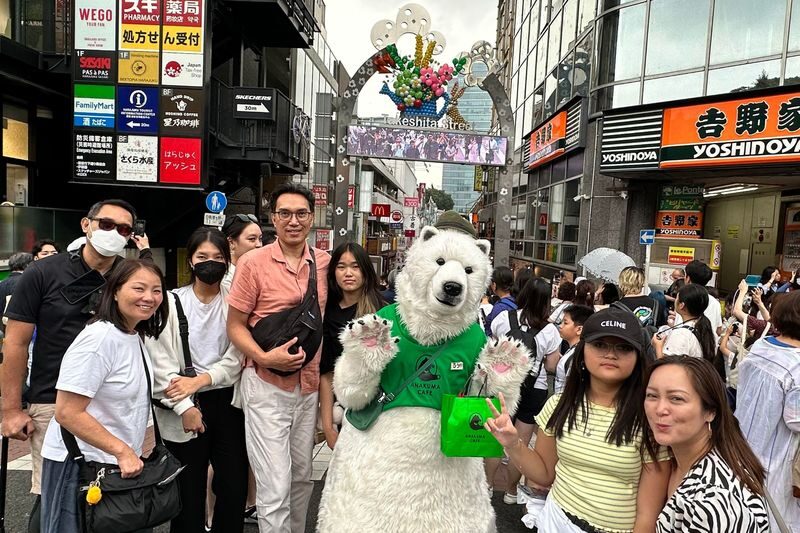
Shibuya brings a sharp change of pace. Shibuya Crossing, Hachiko Square, and Center Gai give you the famous city scene, while Miyashita Park and Nonbei Yokocho offer different ways to spend time nearby. The crossing is a quick spectacle; the surrounding streets are where you can decide whether you want to shop, walk, or pause.
Shinjuku is one of the recommended areas for its neon-lit streets and modern city feel. Shinjuku Gyoen is also mentioned as a possible stop, which offers a garden contrast to the surrounding urban districts. Since the tour is flexible, ask your guide how much of the area makes sense within your available hours.
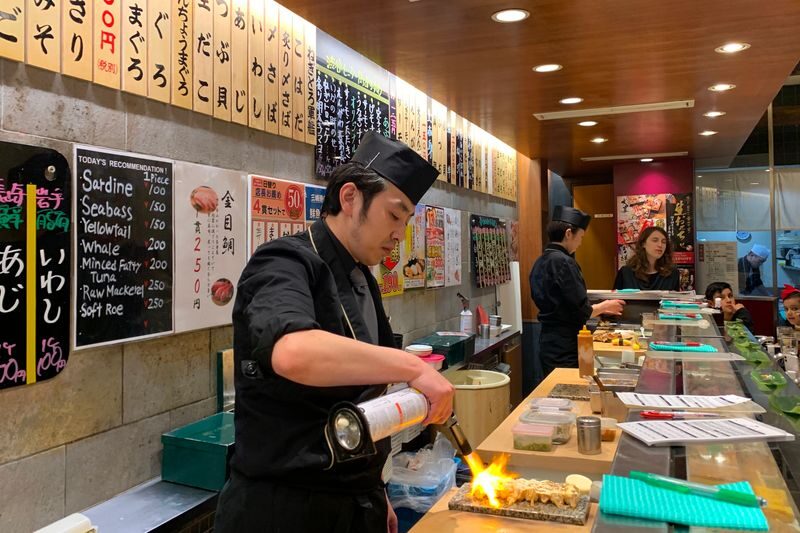
Ginza is a good fit if you enjoy department stores and upscale shopping. Tsukiji suits anyone drawn to food and market browsing. The tour includes a selection of fresh sushi, but it does not promise a particular stall or a fixed menu. Ingredients and the menu can change with the season.
Ueno, Akihabara, Nakano, and Ikebukuro offer other ways to shape the day. Ueno and Akihabara appeared on one route, while Nakano and Ikebukuro are suggested as less commonly explored choices. Be clear about what interests you. A neighborhood can mean very different things depending on whether you want food, shops, temples, or a quick look at daily city life.
Make lunch part of the plan
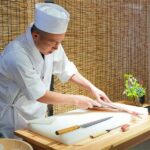
The included meal is a useful break in a day built around walking and transit. The tour description specifies wagyu Japanese beef cooked barbecue-style, along with fresh sushi selected by your guide. One route has used Ninjya Yakiniku for lunch, and a visitor singled out the wagyu there as both tasty and filling. The restaurant may vary, so treat that as an example rather than a guarantee.
The tour information also refers to dinner, and one past route included a tonkatsu meal in Shibuya. However, the included items list lunch and sushi, while alcoholic drinks are available to buy and personal expenses are not included. If dinner matters to you, confirm exactly what is covered for your selected package before booking.
Food preferences are worth raising ahead of time, but no special dietary arrangements are specified. The menu may change depending on the season and ingredient availability. Soft drinks and water are included, which is handy on a long outing; alcohol is not.
You can also read our reviews of more tours and experiences in Tokyo



Is $204.79 good value?
The listed starting price is $204.79 for the Tokyo City tour. Value depends on what you want from a guide. You are paying for a private group experience for 2 to 6 people, five to six hours with a local host, help organizing a route, and lunch. For a group sharing the cost, the price may feel more reasonable than it would for one person, though the exact per-person cost depends on your booking.
The strongest value is not simply the number of sights. It is having someone adjust the plan to your interests and show you how to move between areas. If you are new to Tokyo, learning to use local transport can keep paying off after the tour ends. If you already know the city and prefer to explore independently, you may not need the guide’s route-planning help.
The included meal also adds practical value, but don’t assume every food stop or dinner is covered. Alcohol, tips, and other personal expenses are extra. I would judge the price by whether you want a guide for transit, local context, and a flexible route, rather than by counting how many districts you might reach.
What guide support can add
The guide is central to this format. Chisato, Naoto Kato, and Masayo are among the guides named for the experience. Chisato has been associated with explaining local history and helping visitors use the Metro; Naoto Kato has led routes through places such as Asakusa and Shibuya; Masayo has been described as kind and caring.
Those details point to the sort of benefit to look for: a guide who can adapt the route, explain what you are seeing, and keep the day manageable. English- and Japanese-speaking guides are listed, but you should confirm the language you need when booking. The group size is capped at six, which gives you more room to ask questions and change course than a large bus tour would.
Before you book
The experience runs from 11:00 to 17:00, with the return listed as your hotel or personal address, and Tsukijijogai Market also appears as a return point. Confirm your intended end point and any pickup request in advance. The route can shift with weather and traffic, and some attractions may be skipped due to capacity.
Children aged 0 to 5 can join free, while children aged 13 and older pay the adult rate. No separate rate is given here for ages 6 to 12, so check that detail when booking. The activity is not wheelchair-accessible, and child seats are not provided.
The voucher is valid only for the booked date and time, and you present it on your phone. Changes are generally allowed until 24 hours before the activity, with some booking types excluded. A full refund is available if you cancel at least 24 hours before the date. Late arrivals and no-shows are not eligible for refunds or amendments.
Should you book this Tokyo tour?
Book it if you want a guided first look at Tokyo, value help with local transit, and are happy to shape the day around a few priorities. It is especially useful for a small group that wants a flexible route and a guide who can connect neighborhoods, history, food, and practical city skills.
Skip it if you prefer a fixed sightseeing itinerary, need private-vehicle transport, or want a slow visit to many districts in one day. Six hours can cover a lot, but Tokyo rewards a little restraint. Pick your must-sees, tell your guide what matters, and let the rest wait for another day.
Tokyo Half-Day Customizable City Highlights Tour
“Naoto Kato was our English guide and he did an excellent job taking around Tokyo! We visited We visited the following places. I highly recommend th…”
FAQ
How long is the tour?
The tour lasts about six hours, from 11:00 to 17:00.
Where does the tour start?
The listed meeting point is Asakusa Culture Tourist Information Center at 2 Chome-18-9 Kaminarimon, Taito City, Tokyo. You can request pickup at a central accommodation.
Where does the tour end?
The return is listed as your hotel or personal address, and Tsukijijogai Market is also named as a return point. Confirm the intended drop-off when arranging the tour.
What food is included?
Lunch is listed as wagyu Japanese beef barbecue-style, along with a variety of fresh sushi selected by the guide. Soft drinks and water are included. Menus may change with the season and ingredient availability.
Does the tour use a private vehicle?
No. The tour is primarily on foot, and public transport may be used. A private vehicle is not included.
How many people can join?
The group size is 2 to 6 participants.
Is the tour wheelchair-accessible?
No. The activity is not wheelchair-accessible, and child seats are not available.
What happens if I need to change or cancel?
Changes are generally allowed until 24 hours before the activity, though some booking types are excluded. You can receive a full refund if you cancel at least 24 hours before the activity date. Late arrivals and no-shows are not eligible for refunds or amendments.