Making wagashi is a small, hands-on way to meet Japanese food culture: you shape sweets designed to please the eye as well as the palate. I like the choice between nerikiri, soft, colorful confections often served with tea, and ohigashi, crisp sweets pressed into molds. I also like that the workshop is beginner-friendly and can fit into a Tokyo day without taking up half of it.
One thing to weigh before booking: the two packages are quite different. Ohigashi can be a very short activity focused on molding a few sweets, while nerikiri involves more shaping and often takes about an hour. English help is available, but the class may be taught mainly in Japanese, and the pace can feel brisk.
- What to know before you book
- A small workshop with a distinctly Japanese subject
- Making ohigashi: quick work with sugar and a mold
- Making nerikiri: more shaping, more room for craft
- English support and the feel of the class
- Finding 第2登栄ビル and arriving on time
- Is the price good value?
- Who will enjoy this workshop?
- Should you book it?
- FAQ
- Which types of Japanese sweets can I make?
- How long does the workshop take?
- Is the workshop taught in English?
- Where is the meeting point?
- Are ingredients included in the price?
- Can the workshop accommodate allergies or dietary needs?
- The Best Of Tokyo!
- More Dessert Tours in Tokyo
- More Tours in Tokyo
- More Tour Reviews in Tokyo
What to know before you book
 1 / 6
 2 / 6
 3 / 6
 4 / 6
 5 / 6
 6 / 6
- Choose the sweet that suits your expectations: Ohigashi is a short introduction to molded, dry sweets; nerikiri is the more involved choice for hands-on shaping and color.
- The instructor’s demonstration does much of the teaching: You follow each step at your work surface, with English explanations available in some classes.
- Expect an intimate food craft, not a full cooking class: The ohigashi schedule is about 30 minutes, and the work centers on making sweets rather than preparing a meal.
- The sweets are made to be beautiful: Nerikiri’s colors and shapes reflect the Japanese appreciation for seasonal, carefully presented food.
- Find the building before your start time: The workshop is inside 第2登栄ビル, at 2-2 Kajicho, Chiyoda City. The entrance can be easy to miss.
- Check the add-ons and package details: All ingredients are included, but some participants have paid extra for additional color or take-home packaging.

👉 See our pick of the Our Picks For The 11 Best Workshops & Classes In Tokyo
A small workshop with a distinctly Japanese subject
This activity takes place at 庵an東京, a Japanese culture experience venue in Chiyoda City. The subject is wagashi, the broad family of Japanese sweets traditionally served alongside tea. The workshop gives you a chance to work with the materials and techniques yourself, rather than simply buying a sweet from a shop and admiring it through glass.
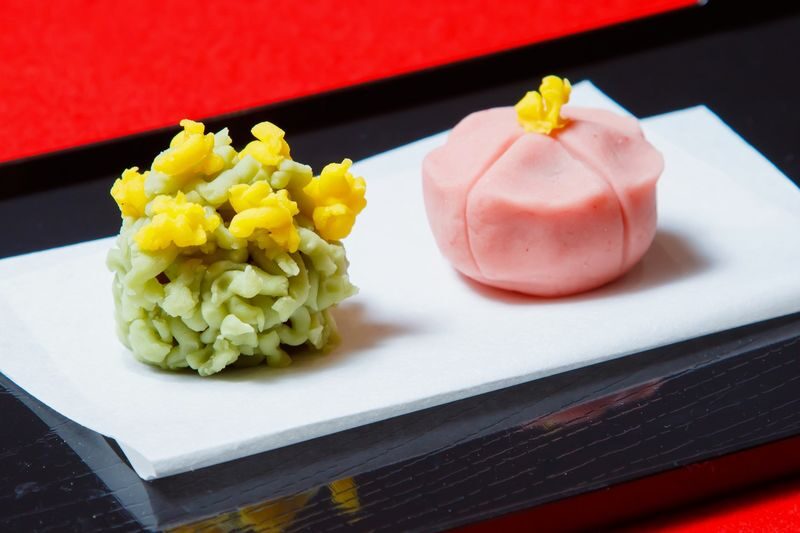
The booking offers two different packages. With nerikiri, you shape a soft sweet by hand, working with colored dough and learning basic techniques. These sweets are often served during tea ceremonies, where their color and form can reflect the season. A flower, leaf, or other seasonal design may sound simple, but shaping and coloring the paste takes care and a little patience.
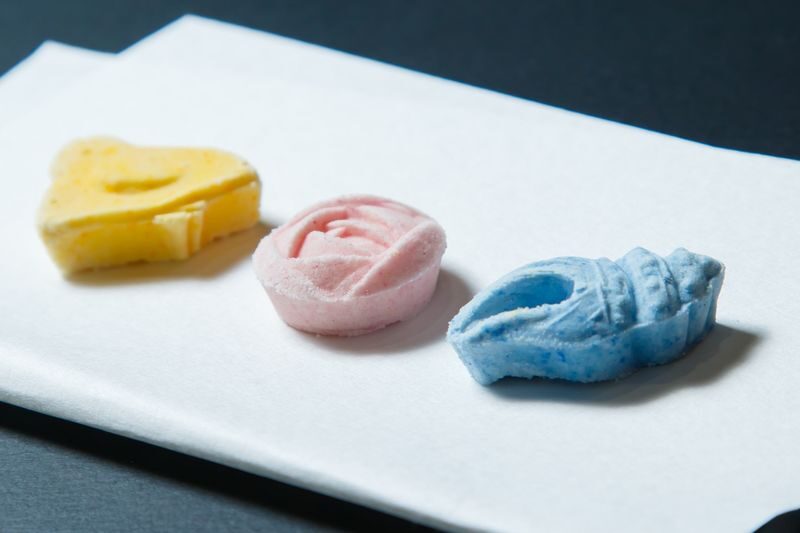
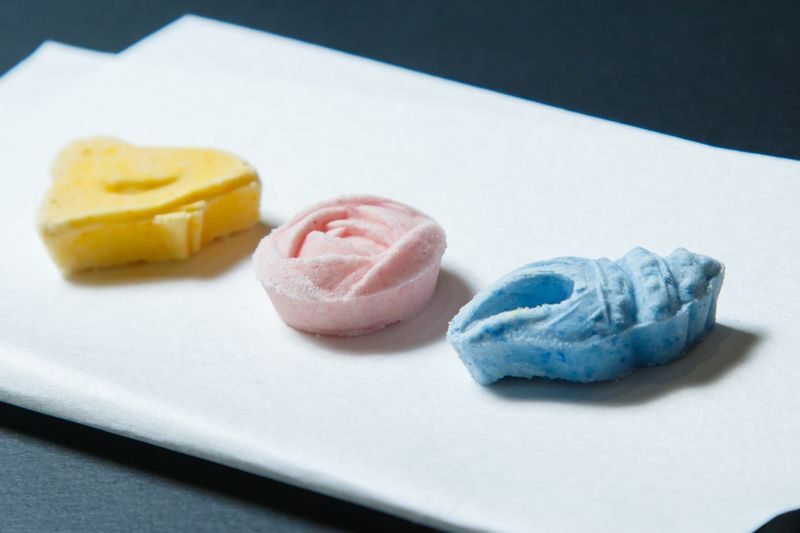
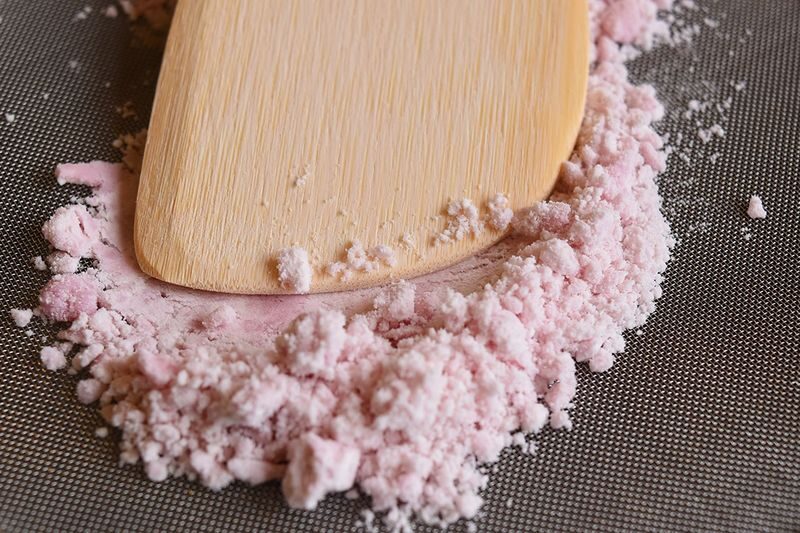
The ohigashi option is more compact. Ohigashi are dry, hard sweets made from sugar, and the activity focuses on pressing the mixture into molds. The result is more about pattern and form than delicate hand shaping. If your idea of a sweets class involves mixing ingredients, baking, or making a large quantity to take home, this is not that kind of session.
That difference matters at a starting price of $11.15. It is an appealing entry point for a short cultural activity, but value depends on what you expect. Ohigashi is best viewed as a quick introduction to a traditional craft. Nerikiri may suit you better if you want more time to practice a technique and create a more elaborate sweet.
You can also read our reviews of more tours and experiences in Tokyo


Making ohigashi: quick work with sugar and a mold
The listed ohigashi schedule has two making segments, one of 20 minutes and another of 10 minutes, followed by the return to the meeting point. In practical terms, plan for a short workshop rather than a long lesson. You learn the basic process, work with the ingredients, and press the sweet into its shape.
The simplicity has a charm of its own. Ohigashi shows how a modest set of ingredients can become a carefully patterned accompaniment to tea. You get to handle the material and see how the mold creates the finished form. For a first taste of Japanese sweets culture, that can be plenty, especially if you are short on time or travelling with a full Tokyo itinerary.
But keep expectations grounded. Some participants have found that the activity amounts to making only a few small sweets, with little time for experimentation. Additional food coloring may cost extra, so ask about that before you begin if a particular color is important to you. The base price includes the necessary ingredients, but it does not cover personal expenses or every possible extra.
The short format also means there may be little room to redo a piece that does not release cleanly from its mold. If you want a slow, detailed lesson or a substantial box of sweets to bring home, this may feel slight. If you are curious about the craft and happy with a brief, focused activity, the low entry price makes more sense.
Making nerikiri: more shaping, more room for craft
Nerikiri is the more hands-on option, and it is the one I would choose if you want to understand why wagashi can feel like edible art. You work with soft paste, use color, and shape the sweets by hand. The techniques are basic enough for a beginner to try, but making a neat flower or seasonal figure takes more control than it first appears.
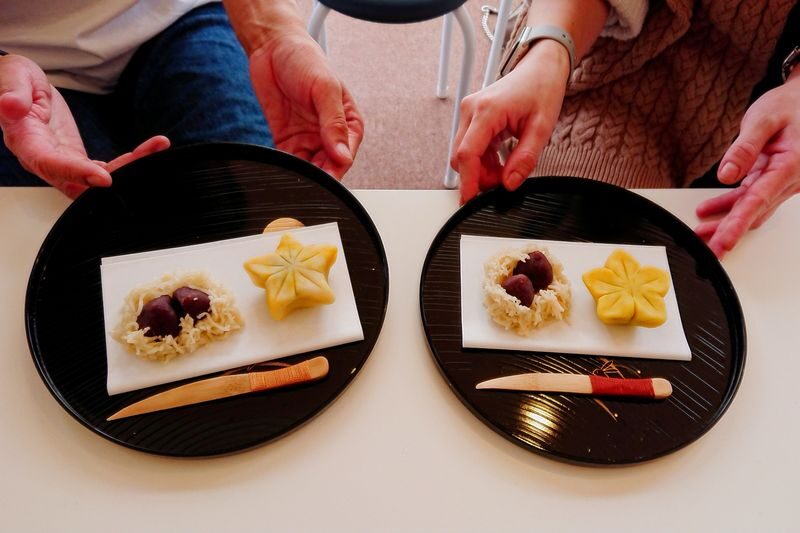
The instructor demonstrates the steps, and you follow along. The process is visual, which helps if you do not speak Japanese. Some classes use both Japanese and English, while others are taught mainly in Japanese with English explanations offered as needed. A demonstration can carry you through the main movements, but do not assume every session will be a fully English-language lesson.
The hands-on nature is the point. You are not just decorating a ready-made sweet. You are learning how to handle the paste, apply color, and build a recognizable shape. The designs can be challenging, especially if you are aiming for a precise result. That is part of the fun, though it can also make the pace feel fast for children or anyone who prefers step-by-step coaching at an unhurried speed.
Nerikiri sessions are often described as taking around an hour, though the exact length and pace can vary. Some classes may move quickly, and setup or tool handling can take time away from making. If you need more time with a technique, speak up while the instructor is nearby rather than waiting until the session is nearly over.
English support and the feel of the class
The workshop is promoted with an English-speaking instructor, but the language experience can vary. You may find a class conducted in both Japanese and English, or one where the teacher explains a step in Japanese and then checks in with English-speaking participants. The instructors are often described as kind, patient, and willing to help, which makes a difference in a hands-on class where a quick demonstration can be clearer than a long explanation.
Still, if you need detailed English instruction throughout, contact the operator before booking to confirm what is available for your chosen time. The activity information notes that other sessions between 9:30 and 20:30 may be arranged in advance, so you can ask whether a different time suits your language needs. English support is useful, but it should not be mistaken for a guaranteed all-English class.
The social setting can vary, too. You may be in a mixed group or find yourself among Japanese-speaking participants. The work is largely done at your own place, following the teacher’s demonstration, so you can still take part without much conversation. If you are travelling solo, this can be a comfortable activity, though it may not have the easy group interaction of a guided walking tour.
Finding 第2登栄ビル and arriving on time
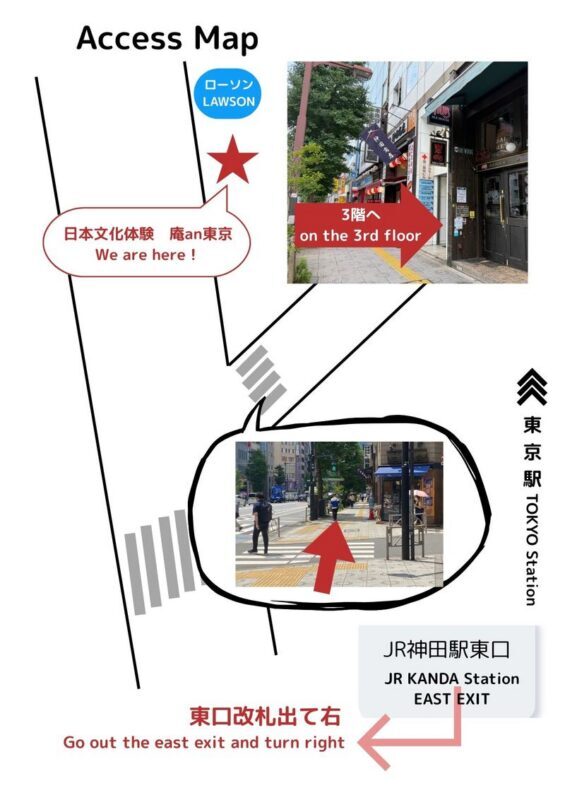
The address is 第2登栄ビル, 3rd floor, 2-2 Kajicho, Chiyoda City, Tokyo, postal code 101-0044. The venue is named 庵an東京, or AN TOKYO Japanese Culture Experience. Use the full address and map rather than relying on a street-level sign. The building can look like an ordinary apartment or office block, and the entrance is not always obvious at first glance.
Arrive five minutes before your selected start time. The offered departures are 7:30, 10:00, 12:30, 15:00, and 17:30, with return times listed as 8:00, 10:30, 13:00, 15:30, and 18:00. Available return times depend on the package and departure you choose. The activity is meet-up style, not a hotel pickup.
The venue’s exact location is worth checking in advance, particularly if you are unfamiliar with the area. One practical tip: confirm that you are going inside 第2登栄ビル, not waiting outside for a vehicle. The listed return point is the same venue.
You can also read our reviews of more tours and experiences in Tokyo

Is the price good value?
At a starting price of $11.15, this is an inexpensive way to add a hands-on cultural activity to a Tokyo visit. The ingredients are included, and the class does not require prior experience. That price is easiest to justify if you treat the session as a brief introduction to a Japanese craft, not as a long cooking course or a way to produce a large quantity of sweets.
The ohigashi package is likely the better fit for a quick stop and a modest outlay. Its compact schedule keeps the commitment low, though the short duration is also its main limitation. If you want more time to work with the sweets, consider the nerikiri package and check its duration before booking.
Ask about extra costs if you care about adding colors or taking sweets away in packaging. Some participants have paid a small extra fee for these options, and the exact arrangements may depend on the session. The listed price applies to all ages, but infants and children must be included in the passenger headcount.
Who will enjoy this workshop?
I would recommend the workshop to anyone curious about Japanese food culture who likes learning by doing. Nerikiri is a good match for people interested in fine handwork, seasonal shapes, and a little creative challenge. Ohigashi suits you if you want a short activity that introduces a less familiar kind of Japanese sweet without taking up much of your day.
Families can enjoy the activity together, and children have taken part, but the pace may be demanding for younger participants. The fee applies equally to all ages, so include every child in the booking count. If your child needs extra time or close individual attention, ask about the class format before reserving.
This is not the best pick if you have food allergies, gluten intolerance, or need a vegetarian diet. The activity says it cannot accommodate those dietary requirements. Nor is it ideal if you expect an extensive English lecture, an open-ended workshop, or a large take-home assortment. Go for the cultural encounter and the chance to try a small craft.
Should you book it?
Book this workshop if you want an affordable, beginner-friendly introduction to wagashi and are content with a compact lesson. I would lean toward nerikiri for a fuller making experience, and toward ohigashi if time and price matter more than complexity. Confirm the language, duration, and any extra fees for your selected package, then arrive early enough to find the entrance without a last-minute scramble.
The activity is changeable up to 24 hours before it starts, with a full refund available for cancellations made at least 24 hours in advance. Late arrivals and no-shows are not refunded. If you want a small taste of Japanese confectionery craft rather than a polished cooking-school session, this is a sensible choice.
Traditional Japanese Sweets Making Workshop in Tokyo
“My instructor was extremely friendly and engaging! Highly recommend!”
FAQ
Which types of Japanese sweets can I make?
You can choose between Japanese sweets ohigashi making and Japanese sweets nerikiri making. The detailed schedule provided is for the ohigashi package.
How long does the workshop take?
The ohigashi schedule includes two making segments of 20 and 10 minutes. Nerikiri sessions have been described as taking around an hour, but check the duration for your selected booking.
Is the workshop taught in English?
English support is available, but classes may be conducted mainly in Japanese, with explanations or translation in English. Contact the operator if you need to confirm the language for a specific time.
Where is the meeting point?
The workshop is at 庵an東京, 第2登栄ビル, 3rd floor, 2-2 Kajicho, Chiyoda City, Tokyo. Arrive five minutes before your chosen start time.
Are ingredients included in the price?
Yes. All necessary ingredients are included. Other personal expenses are not included, and extra colors or take-home packaging may involve an additional fee.
Can the workshop accommodate allergies or dietary needs?
No. The activity cannot accommodate allergies, gluten intolerance, or vegetarian diets.