Ginzan Onsen’s wooden inns and lantern-lit street look especially striking under fresh snow, and this two-day trip pairs that scene with Zao’s enormous frost-coated trees. I like that it links two very different winter sights, then gives you a night in a hot spring hotel rather than sending you straight back to Tokyo. I also like the chance to see a quieter side of Tohoku, including a traditional onsen town and an Edo-themed roadside stop.
The trade-off is the distance: you leave Tokyo early, spend many hours on the road, and have limited time at each stop. Zao’s ropeway can also mean a long queue, and both the snow scenery and Fox Village visit depend on conditions.
- Ginzan Onsen: About 90 minutes to stroll its old wooden buildings and snowy main street. A shuttle bus to the town is included.
- Naruko Onsen overnight: Stay at Kameya Ryokan or a similar hotel, with dinner and breakfast described as part of the package.
- Zao frost-covered trees: Take a ropeway for views of the snow monsters. The cable car ticket is not included, and the route may change.
- Fox Village with a weather caveat: Admission costs extra. If the village is closed or inaccessible, the planned alternative is Shiroishi Castle.
- A long but simple-to-plan trip: Round-trip transport and an English- or Chinese-speaking guide are included, but expect an early start and a late return.
- Ginzan Onsen: a short walk through a snowy old town
- A night at Naruko Onsen, with dinner and a hot spring bath
- Zao’s snow monsters: spectacular, but weather rules
- Fox Village or Shiroishi Castle
- The Edo-style rest stop on the way back
- What the long drive means for your day
- Is the price good value?
- Who should book this winter trip?
- FAQ
- What is included in the tour price?
- Is the Zao Ropeway ticket included?
- How much does Fox Village admission cost?
- Is Zao Fox Village open every day?
- How long is the visit to Ginzan Onsen?
- Where does the tour stay overnight?
- What meals are included?
- What time does the tour return to Tokyo?
- How much luggage can I bring?
- What should I wear for the trip?
- The Best Of Tokyo!
- More Dining Experiences in Tokyo
- More Tours in Tokyo
- More Tour Reviews in Tokyo
Ginzan Onsen: a short walk through a snowy old town
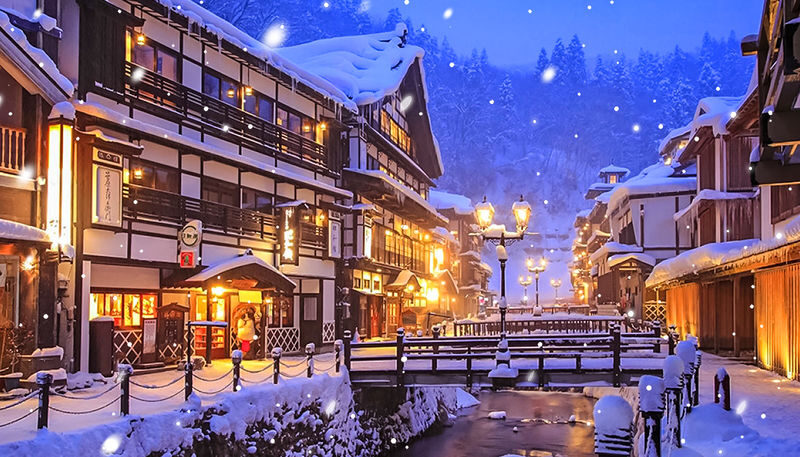
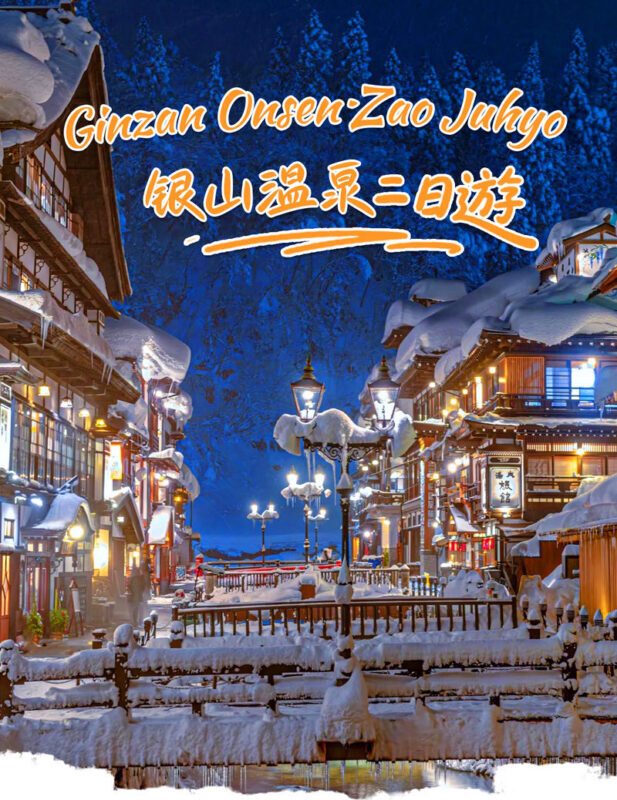
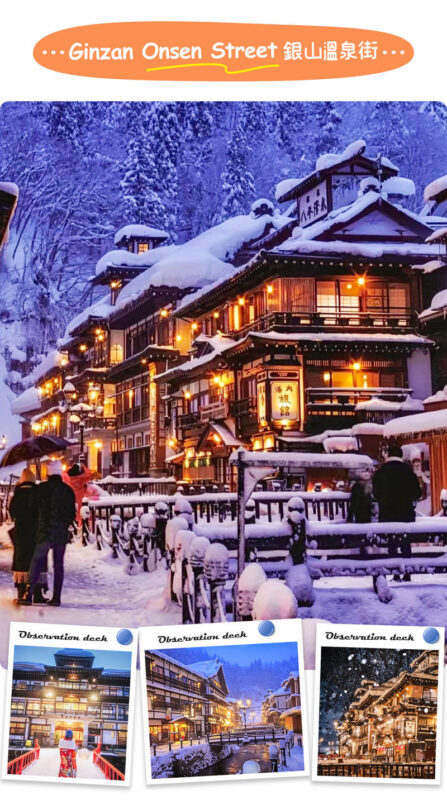
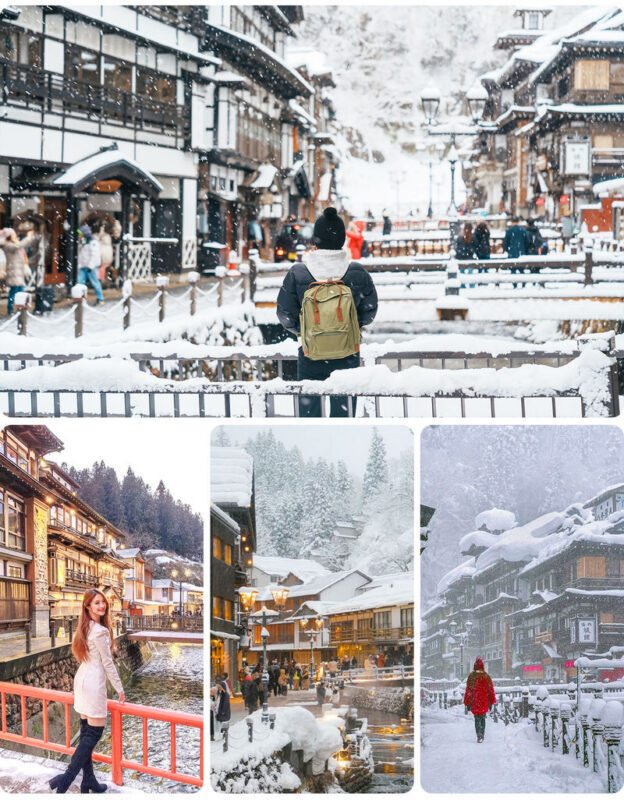
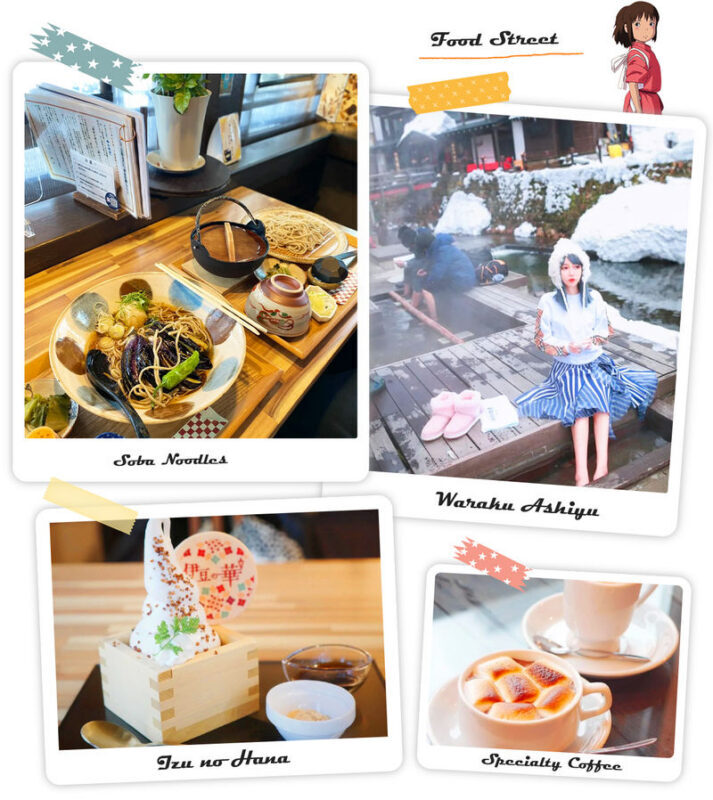
The first major stop is Ginzan Onsen, a small hot spring town in Yamagata Prefecture known for its historic wooden inns and narrow streets. In snow, the buildings and gas lamps create the picture-book setting that draws many people here. You have about an hour and a half to wander, take photos and look at the bathhouse façades.
The stop is self-guided, so you can set your own pace within the allotted time. The tour includes the shuttle bus fee for reaching the street, a useful detail because the visit is not simply a bus drop-off at the town entrance. Still, this is a brief visit, not a slow afternoon at an onsen. If you hope to linger until the gas lamps glow at dusk, the scheduled arrival and departure may not allow it.
Ginzan’s fame also brings crowds, especially during peak winter dates. Keep your expectations practical: the charm is in walking the compact street and seeing the old architecture in its setting, not in having the place to yourself. Snowfall can make the scene especially atmospheric, but seasonal conditions vary. The tour proceeds unless it receives an official cancellation notice, and there is no refund simply because the snow or scenery is less dramatic than you hoped.

👉 See our pick of the Our Picks For The 11 Best Workshops & Classes In Tokyo
A night at Naruko Onsen, with dinner and a hot spring bath
After Ginzan, the group heads to Naruko Onsen for an overnight stay at Kameya Ryokan or a hotel of similar standard if the named property is full. The tour information describes a traditional hot spring stay, including a black beauty bath and the chance to watch JR trains pass from an open-air bath. The town also has foot baths, kokeshi workshops and older shops, though the tour does not specify how much time you will have to visit them.
This overnight pause is one of the trip’s real strengths. Instead of adding another long drive after Ginzan, you get an evening to eat, bathe and rest before the next day’s mountain visit. The hotel is described as an older-style property, so come for the hot spring experience rather than expecting a sleek resort. Rooms and facilities can vary if a substitute hotel is arranged.
Dinner is included. Breakfast is described as part of the package, although the general inclusions also list dinner while the exclusions say meals and drinks are not included. Check the exact package details before booking so you know what is covered, and budget for any other food or drinks.
You can also read our reviews of more tours and experiences in Tokyo

Zao’s snow monsters: spectacular, but weather rules
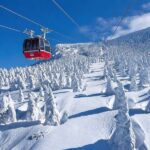
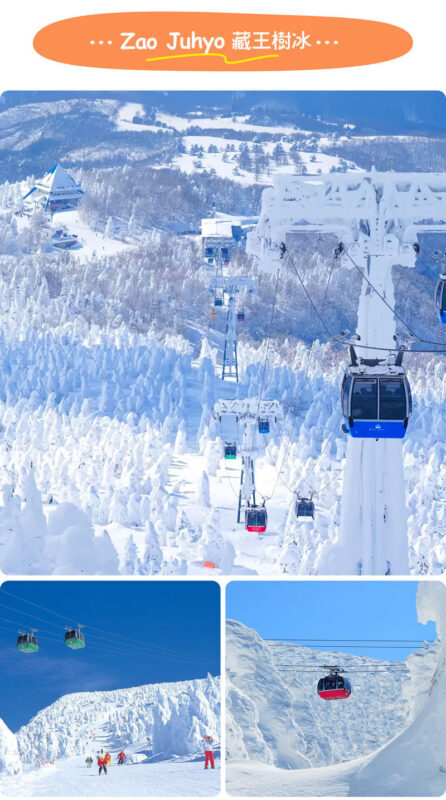
The second morning takes you to Yamagata Zao, where wind and freezing conditions coat trees with thick snow and ice. These frost-covered forms are often called snow monsters. Their shapes change with the weather, and late-season visits can find them diminished or gone. Several departures have encountered bare or less imposing trees, so the famous winter spectacle is never guaranteed.
The scheduled stop is about two hours, self-guided, with a ropeway ride needed to reach the viewing area. The cable car ticket is not included in the listed package price. You should also allow for queues: during busy periods, people have faced waits of an hour or more, which can eat into the time available at the top. The tour may adjust the ropeway timing to match operating conditions.
If the Zao Ropeway cannot operate or is inaccessible, the group may use the Zao Chuo Ropeway instead, with the price difference refunded. The tour may also queue for the Zao Juhyo Ropeway if conditions permit. In severe weather, the cable car might not run at all. That uncertainty is part of visiting a mountain in winter, not a small-print technicality.
Dress for extreme cold and slippery ground. Wear warm layers and shoes with good grip, and follow the marked viewing areas. Do not cross safety ropes or touch the frost-covered trees. The summit can feel much colder than Tokyo, and the tour’s short stop is easier to enjoy if you arrive ready for the wind rather than treating it as a quick photo break.
Fox Village or Shiroishi Castle
In the afternoon, the schedule allows about an hour at Zao Fox Village. The attraction is known for close views of foxes, including winter-coated varieties. Admission is extra: 1,500 yen for junior high school students and older, while elementary-age children and younger enter free. The description also mentions the possibility of holding a young fox, but this should not be treated as a guaranteed part of every visit.
The village is closed on Wednesdays. Heavy snow or severe weather can also make it inaccessible, in which case the planned alternative is Shiroishi Castle. One important caveat from the tour’s operating notes is that capacity or weather may force attractions to be skipped or changed. If Fox Village is your main reason for booking, its closure and substitution policy deserve serious thought.
Shiroishi Castle offers a different kind of afternoon, with traditional architecture and views from the castle grounds. It is not an equivalent animal encounter, but it provides a cultural stop when the foxes are unavailable. The guide may need to adjust the day’s sequence or time at stops to account for weather, road conditions and operating limits.
The Edo-style rest stop on the way back
The return journey includes a roughly 30-minute break at Onihira Edo-dokoro, an Edo-period-themed rest stop. You can buy a simple meal or snack, with options described as including gamecock hotpot, soba and ningyo-yaki, a small traditional cake. Food and drinks are not included, so bring money if you want to eat.
Think of this as a short leg-stretch and meal break, not a full historical attraction. Its value is practical as much as cultural: after a long day in the cold and another long drive, a chance to get out of the vehicle matters. The stop also adds a final taste of Japanese food and period-inspired décor before the return to Tokyo.
What the long drive means for your day
This is a shared vehicle tour, with group size listed as one to 48. The vehicle type depends on the number of people booked, and you cannot choose it. Guides speak English or Chinese, but you may share the vehicle with people using other languages. Guides named on past departures include Tom, Tony, Tsai Meng, Bobo and Mizki, but you cannot select a particular guide.
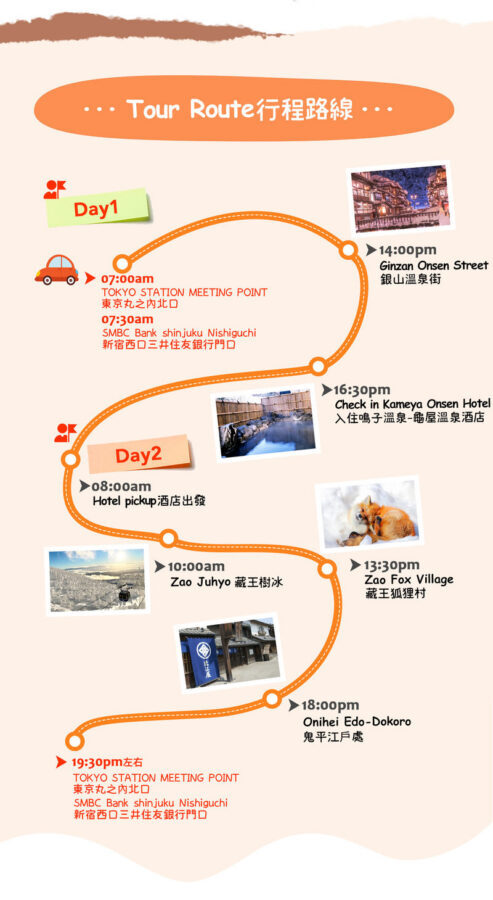
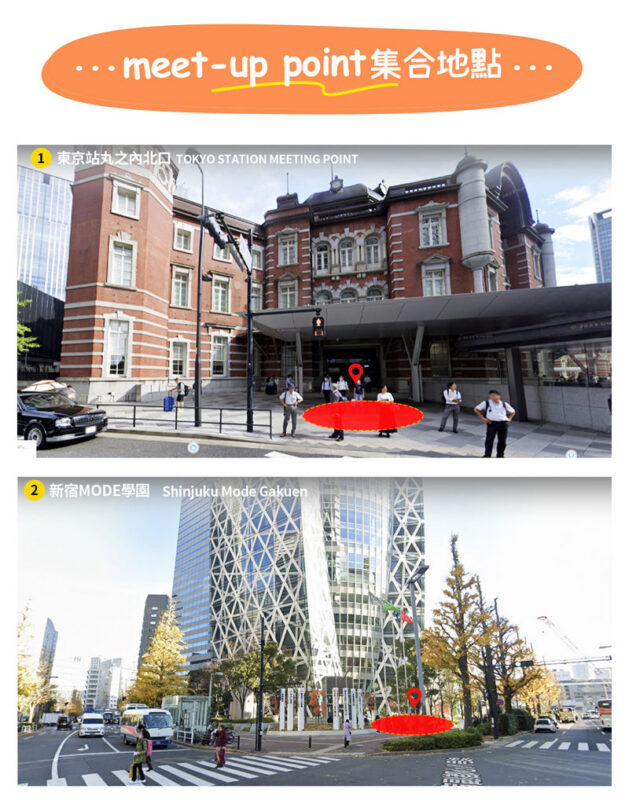
The day begins with a meeting in Tokyo at either 7:00 or 7:30, depending on the selected departure. Arrive 15 minutes early and confirm the meeting point carefully. The operator sends guide and vehicle details by email between 20:00 and 21:00 the day before; check your spam folder as well as your inbox. Late arrivals are not waited for and are not refunded.
The return is estimated between 19:00 and 21:00 on day two. Traffic and weather can shift that arrival, so do not book a flight, timed ticket or important evening plan for the same day. The long road stretches can be tiring, but they also make this itinerary possible without arranging separate trains, buses and local transfers yourself.
Pack light. Each person may bring one piece of luggage, preferably carry-on size, but you need to declare luggage when booking. The vehicle’s capacity is limited, and the operator can refuse boarding if passenger numbers or baggage exceed it. Child seats are not available, and infants must be included in the passenger headcount even if they do not occupy a seat.
You can also read our reviews of more tours and experiences in Tokyo


Is the price good value?
Prices start at $191.65, but that figure does not cover everything. Round-trip transfers from Tokyo, a guide, the Ginzan shuttle, a hotel night and dinner are included. Breakfast is described in the package details, but the meal exclusions are not fully consistent, so confirm what your selected option includes. Zao’s ropeway ticket, Fox Village entry, other meals and personal spending are extra.
For a two-day trip that covers three distant areas and includes a hotel night, the starting fare can be useful value if you want transport and the main itinerary organized for you. You are paying for convenience and access, not for a leisurely pace. Add the ropeway and Fox Village fees, plus food and drinks, when comparing the real cost with a self-planned trip.
The early-bird and meeting-point options may differ, so read the selected package carefully. The option described here includes the Ginzan shuttle but not the cable car. Free cancellation is available up to 48 hours before the activity, subject to the stated terms. Changes are also allowed until 48 hours before, with some booking types excluded.
Who should book this winter trip?
I’d choose this tour if you have limited time, want to see both Ginzan Onsen and Zao in one trip, and are comfortable with a long coach journey and a schedule that can change. The overnight stay makes the route more manageable, and the hot spring is a welcome counterpoint to hours outside in snow and wind. Families can enjoy the snow and varied stops, but remember that there are no child seats.
I’d hesitate if you need a relaxed pace, want guaranteed Fox Village access, or are booking mainly for peak snow-monster views. Weather, ropeway queues, seasonal conditions and the Wednesday closure all matter. If you can depart from Sendai rather than Tokyo, the drive may be shorter, but this tour’s stated departure is from Tokyo. For the best chance of a satisfying day, dress warmly, keep plans flexible and treat each stop as a chance to see what winter actually brings.
Winter wonderland in the Northeast | Ginzan Hot Springs, Zao Ice Trees, Fox Village, Onihira Edo-chu 2-day tour (including breakfast and dinner at the hot spring hotel) | Depart from Tokyo
“Because we happened to be there during a three-day holiday in Japan, our tour guide rearranged the itinerary so we wouldn't have to wait in long li…”
FAQ
What is included in the tour price?
The package includes round-trip transfers from the meeting point, an English- or Chinese-speaking guide, the Ginzan Onsen town shuttle fee, one night at Kameya Ryokan or a similar hotel, and dinner. Breakfast is described as included in the package details, but the general meal exclusions are not fully consistent, so confirm this with your selected package.
Is the Zao Ropeway ticket included?
No. The package option described here does not include the Zao cable car ticket. If the Zao Ropeway is inaccessible, the group may use the Zao Chuo Ropeway instead, and the price difference is refunded.
How much does Fox Village admission cost?
Admission is 1,500 yen for junior high school students and older. Elementary school students and younger enter free.
Is Zao Fox Village open every day?
No. Fox Village is closed on Wednesdays. Snowfall or severe weather may also make it inaccessible, in which case the tour plans to visit Shiroishi Castle instead.
How long is the visit to Ginzan Onsen?
The schedule allows about one hour and 30 minutes for a self-guided visit. The shuttle bus fee for Ginzan Onsen Street is included.
Where does the tour stay overnight?
The listed hotel is Kameya Ryokan in Naruko Onsen. If it is full, a hotel of similar standard will be arranged.
What meals are included?
Dinner is listed as included, and the package description says the hotel stay includes breakfast. Because the general exclusions also say meals and beverages are not included, confirm breakfast coverage for your selected package. Other meals and drinks are not included.
What time does the tour return to Tokyo?
The estimated return window is 19:00 to 21:00 on day two. Traffic and weather can cause delays, so avoid booking other activities for that evening.
How much luggage can I bring?
Each person may bring one piece of luggage, with carry-on size recommended. You need to declare luggage when booking, and the operator may refuse boarding if the vehicle’s capacity is exceeded.
What should I wear for the trip?
Prepare for cold conditions and slippery surfaces. Warm clothing and shoes with good grip are recommended, especially for the Zao frost-covered trees.