Enoshima’s sea views, Kamakura’s famous railway crossing and Yokohama’s harbor lights make an appealing three-part day out from Tokyo. The tour moves from island scenery to shrine grounds to a modern port, with round-trip transport handling the long links between them.
I like two things in particular: the included Enoden ride gives you a short taste of Kamakura’s much-loved local railway, and the late 11:00 start means you do not have to set an alarm at dawn. You also get a useful stretch of free time in Yokohama, so you can choose the harbor sights that interest you most.
The trade-off is that this is a sampler, not a slow visit. Enoshima, the railway crossing and the shrine each have limited time, and Yokohama’s 2.5 hours cannot cover every attraction at a leisurely pace. The Air Cabin and Cosmo Clock 21 Ferris wheel are optional and cost extra.
- At a glance
- From Tokyo to the Shonan coast
- Enoshima: island views and shrine time
- Riding the Enoden to Kamakura High School Mae
- Tsurugaoka Hachimangu Shrine and Komachi Street
- Yokohama’s waterfront, from pier to night lights
- What the price covers, and what it does not
- How to make a tight day work
- Who should book this day tour?
- FAQ
- Where does the tour depart from?
- How long is the tour?
- Is the Enoden train ride included?
- Are the Yokohama Air Cabin and Ferris wheel included?
- Are meals included?
- How much time is set aside for Yokohama?
- What languages can the guide speak?
- How large can the group be?
- Can I bring luggage?
- Can children join the tour?
- The Best Of Yokohama!
- More Tours in Yokohama
- More Tour Reviews in Yokohama
At a glance
 1 / 9
 2 / 9
 3 / 9
 4 / 9
 5 / 9
 6 / 9
 7 / 9
 8 / 9
 9 / 9
- The day starts at 11:00: Meet at Tokyo MODE Gakuen in Shinjuku, then travel by shared vehicle to the Kanagawa coast.
- Enoshima gets about 1 hour 40 minutes: Walk the island and visit Enoshima Shrine, or use the time for the coast and a meal.
- The Enoden fare is included: The short train ride leads to the well-known Kamakura High School Mae crossing.
- The Slam Dunk stop is brief: Allow about 20 minutes at the crossing, where crowds and train timing can affect photo opportunities.
- Yokohama is yours to plan: Spend about 2.5 hours around Osanbashi Pier, the Red Brick Warehouse, Minato Mirai or the optional rides.
- The tour runs on a shared schedule: Groups can range from 4 to 49 people, and traffic or weather may change stop times.

👉 See our pick of the 6 Fantastic Workshops & Classes In Yokohama
From Tokyo to the Shonan coast
The meeting point is Tokyo MODE Gakuen, at 1-7-3 Nishi-Shinjuku. Arrive at least 10 minutes before the 11:00 departure. The tour uses a shared vehicle, with the type selected according to group size, so you cannot choose a car or bus in advance. Seats are allocated on a first-come basis.
A private vehicle for the round trip is part of the appeal, but this is not a private tour. You share the ride with a group that may include people speaking different languages. The tour includes an English, Chinese, Japanese or Korean-speaking guide, though the amount of commentary can vary. Some guides, including Jack, Shu and Alex on particular departures, have been praised for clear directions and helpful explanations. Do not count on a particular guide or on continuous commentary at every stop.
The departure time makes this a more relaxed option than an early-start day trip, but the return is scheduled for 21:00 and can shift with traffic or weather. Avoid booking a tight onward plan that evening. The driver’s permitted working hours also shape the day, so the guide may adjust stop lengths to keep the trip within the schedule.
You can also read our reviews of more tours and experiences in Yokohama.

Enoshima: island views and shrine time
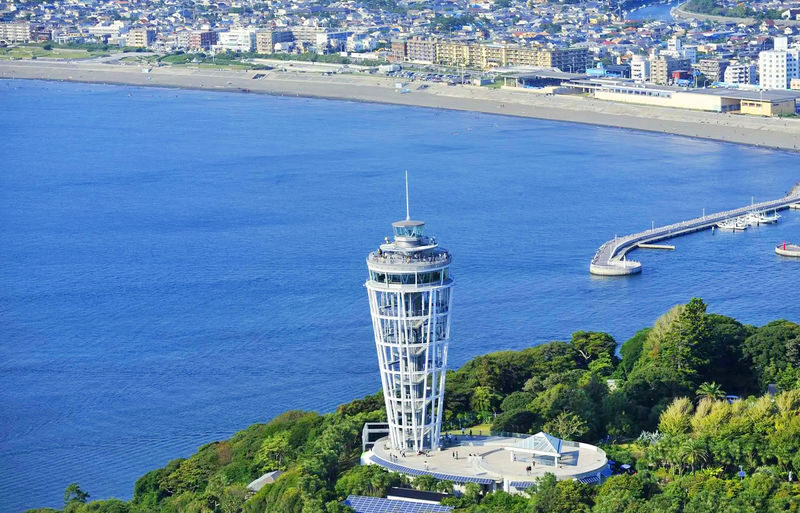
The first main stop is Enoshima, reached at about 12:30, with roughly 1 hour 40 minutes to explore on your own. The island is known for its coastal outlooks and Enoshima Shrine. The coast can also offer a view of Mount Fuji on a clear day, though visibility is never guaranteed.
This is your longest stop before Yokohama, but it still calls for choices. You could spend the time walking by the sea, visiting the shrine, browsing or getting lunch. If you want to go higher on the island, account for the time needed to climb and return. One visitor tip is that paid escalator access can cover only part of the ascent, so check what a ticket includes before buying.
Meals are not included, and Enoshima has places to eat. Still, a sit-down meal can use a large share of the stop. If seeing the shrine or making the most of the viewpoints matters more, keep lunch simple and watch the meeting time.
The island’s slopes and steps make sensible shoes useful. The schedule is self-guided here, so do not assume the guide will lead you through every part of the island. Keep track of the return point and leave yourself enough time to get back.
Riding the Enoden to Kamakura High School Mae
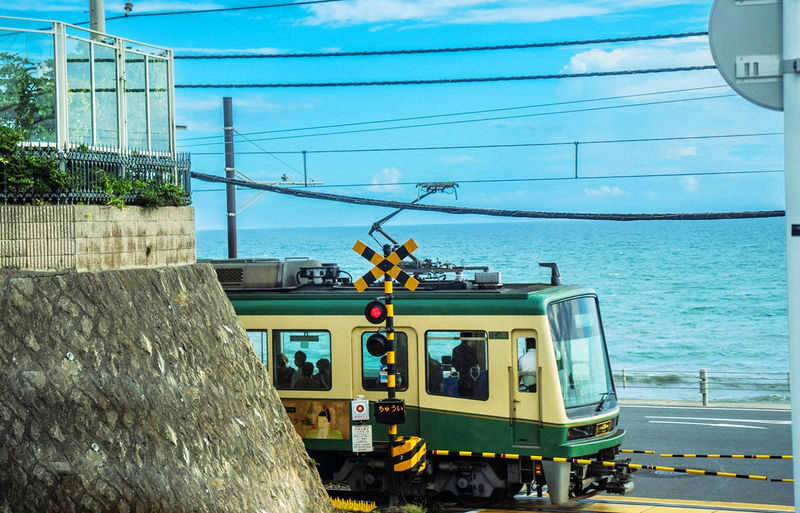
At about 14:10, the group boards the Enoden, the local railway that runs through the Shonan area. The ride is short, around 15 minutes, and its fare is included in the tour. That is a welcome detail: you get a small but memorable rail experience without having to work out the ticketing yourself.
The train is part of the attraction, not just a transfer. It offers a glimpse of the coastal rail line that many people associate with Kamakura. But it is a brief ride, and the group is on a timetable, so think of it as a taste rather than a full railway outing.
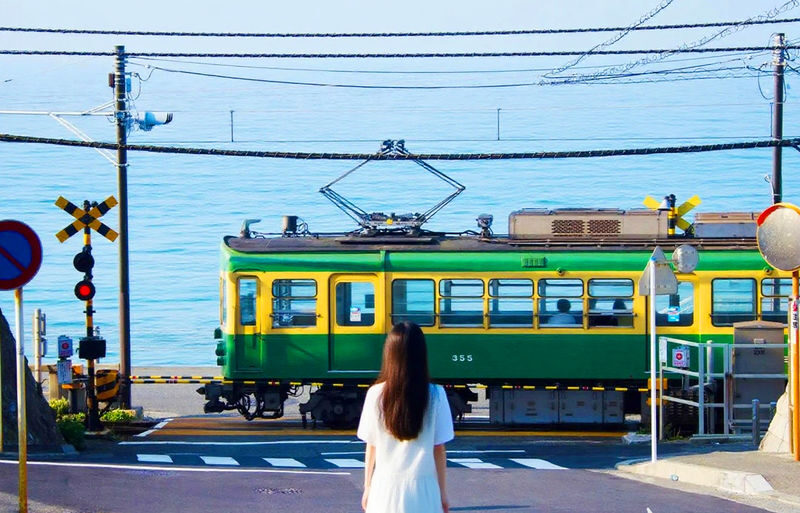
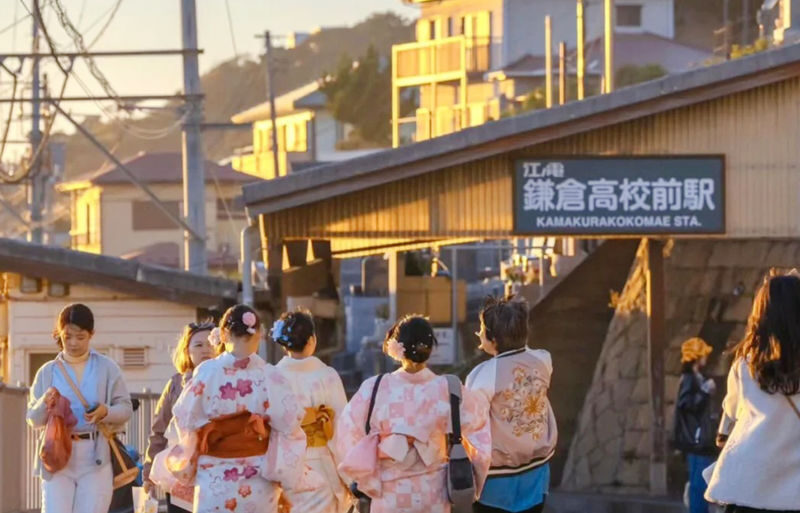
The next stop is Kamakura High School Mae Station’s level crossing, reached around 14:30. The crossing is famous as a real-world setting associated with Slam Dunk, and the nearby slope is tied to a well-known scene from the series. If you are coming for the classic railway-and-crossing photo, this is the place.
You have about 20 minutes. That is enough for a quick look and a few photos if the crossing is not too crowded, but it is not much time to wait around for several trains or explore the surrounding area. The spot is popular, and visitors may be gathered near the crossing. Take care near the railway and follow local instructions; getting the shot is not worth stepping into an unsafe position.
Tsurugaoka Hachimangu Shrine and Komachi Street
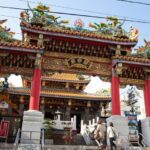
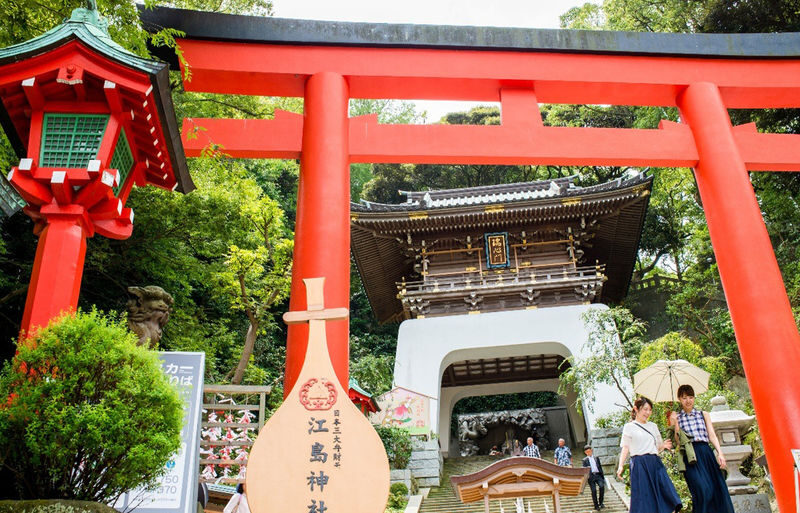
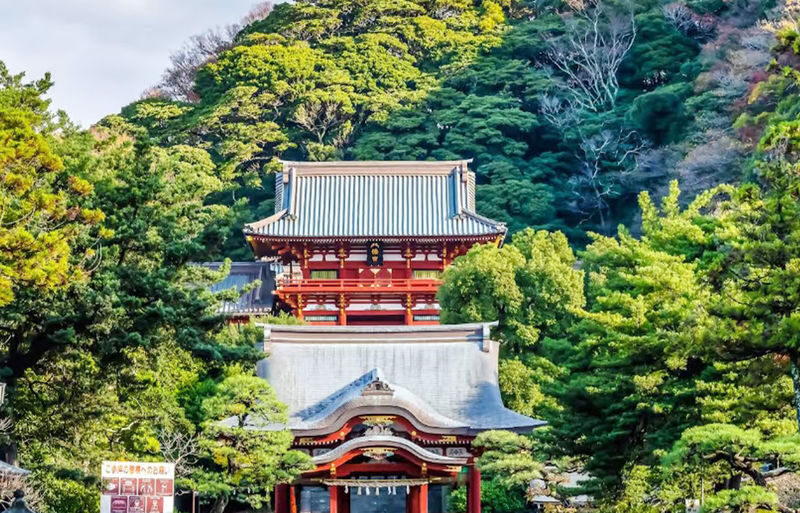
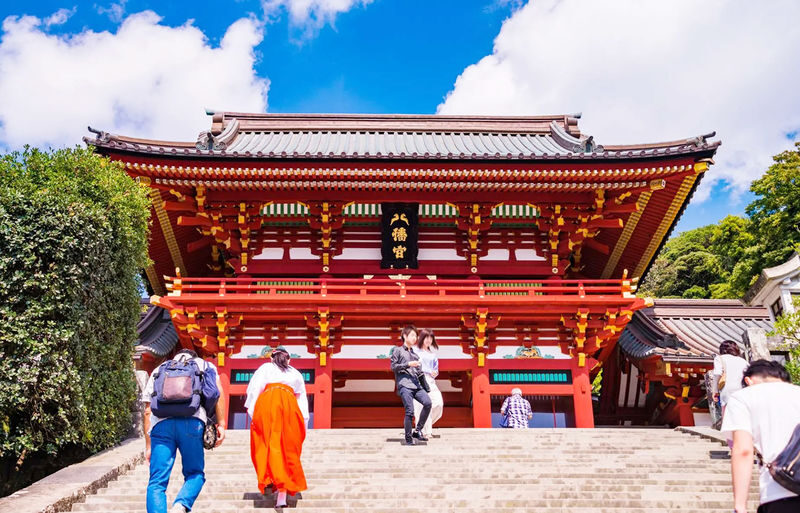
The tour reaches Tsurugaoka Hachimangu Shrine at roughly 15:10, with about 1 hour 20 minutes to explore. The shrine is a central symbol of Kamakura, and its broad approach gives the stop a different feel from the coast and railway crossing. It is a good chance to pause amid the day’s quick changes of scene.
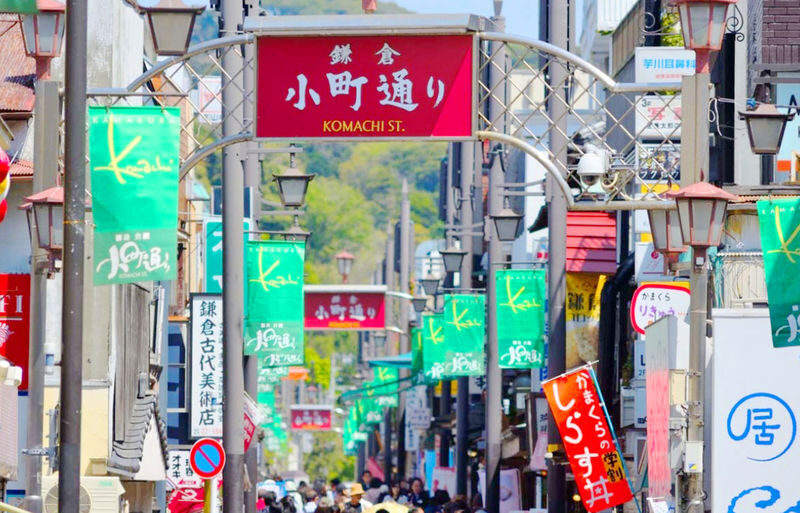
You can walk the shrine grounds, see its torii gates and, if you wish, buy an amulet. Komachi Street, with more than 200 shops and restaurants, lies nearby. The practical catch is that the shrine and shopping street compete for the same limited time. If you want a proper meal or a leisurely browse, you may have to give up some shrine time.
A useful plan is to decide before you arrive: shrine first, then a short walk along Komachi Street, or a focused shopping and food stop. Keep an eye on the clock. The vehicle will not wait for late arrivals, and the tour does not allow you to leave the group midway and rejoin later.
Yokohama’s waterfront, from pier to night lights
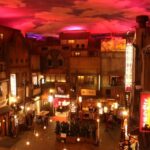
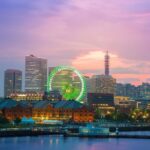
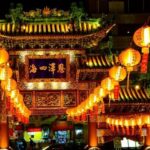
At about 17:30, the tour moves to Yokohama for roughly 2.5 hours of free time. This is the day’s most flexible stretch. Osanbashi Pier is a good place for harbor views and, when conditions allow, sunset or evening scenery. The Red Brick Warehouse offers shops, food and photo opportunities, while Minato Mirai is the area for modern waterfront sights.
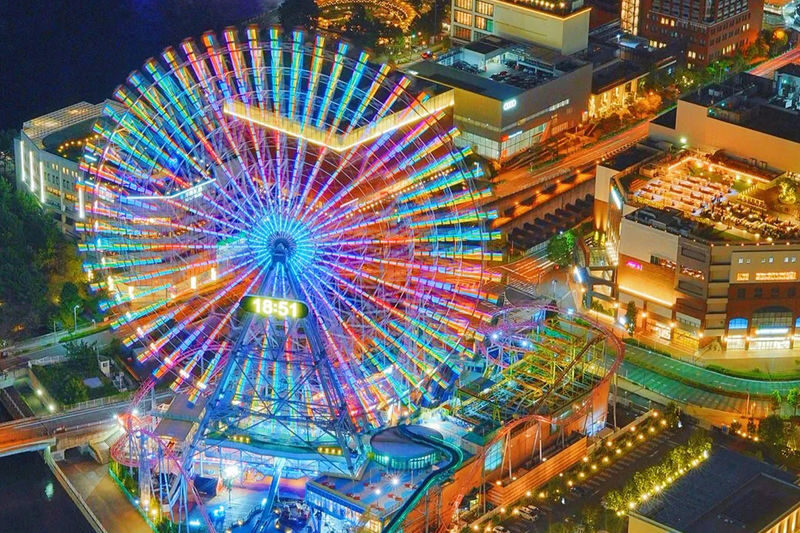
Two popular paid additions are the Yokohama Air Cabin and the Cosmo Clock 21 Ferris wheel. Neither ticket is included. The Air Cabin provides an elevated view over the port, and the Ferris wheel gives you another way to see the city from above. The cable car ride itself is short, so allow time for queues and walking as well as the ride.
You probably will not fit in everything. Choose one priority before you arrive: a pier walk, the Air Cabin, the Ferris wheel, the Red Brick Warehouse or a meal. Trying to do all of them can turn the free-time portion into a race. The tour description includes Osanbashi Pier, the Air Cabin, the Ferris wheel and the Red Brick Warehouse as possible stops, but your exact route is up to you.
The group is due back at the vehicle at about 20:00, with the return to Tokyo scheduled for around 21:00. Be especially careful about the meeting time here. Yokohama is self-guided, and missing the pickup is not a minor delay on a shared tour.
What the price covers, and what it does not
Prices start at $39.80, which can be strong value for a 10-hour day with round-trip transport from Tokyo, fuel, tolls, parking and an included Enoden ride. You also avoid arranging separate transport between Enoshima, Kamakura and Yokohama, a real convenience when the stops are spread across the region.
The base price does not include meals, drinks, personal spending or admission to the Air Cabin and Cosmo Clock 21 Ferris wheel. Those optional rides can add to the cost, as can food and shopping. If you want to keep spending down, enjoy the public spaces and choose just one paid attraction, or none.
The tour has a minimum of four participants and can carry as many as 49. If the minimum is not met, the activity may be cancelled with the option of a new date or refund. Check the current price and terms for your date before booking.
How to make a tight day work
Treat the schedule as a series of short visits, not as a checklist to complete. Decide what matters most at each stop, bring cash as suggested, and keep a little flexibility for traffic, weather and crowds. The guide may shorten or change stop times when conditions require it.
Wear shoes you can walk in. The day includes several stops and Enoshima has slopes; a guide has also advised leaving extra time to descend from the lighthouse area. Bring only the luggage you need. One standard-size piece per person is allowed, but you should note it when booking so the vehicle can be planned with space in mind.
The tour sends guide and vehicle details by email the evening before departure, generally between 18:00 and 21:00 Japan time. Check your inbox and spam folder, and use the latest message if more than one arrives. Late arrivals are not refunded, so map the Shinjuku meeting point in advance.
Who should book this day tour?
I would choose this trip if you want a broad first look at Enoshima, Kamakura and Yokohama without arranging several train connections yourself. It suits anime fans, people who want a short Enoden ride, and anyone who prefers an 11:00 start to a dawn departure. The transport and route planning offer the clearest value.
I would hesitate if your priority is a slow shrine visit, a long stretch on Enoshima, or an unhurried Yokohama evening. The schedule is necessarily brisk, and guide commentary may differ by departure. Book it for the range of places and the convenience, not for in-depth time at every stop.
Yokohama Minato Mirai Osanbashi Pier & Yokohama Cosmo World Cable Car & Enoshima & Kamakura High School & Tsurugaoka Hachimangu Shrine Day Tour (From Tokyo)
“The tour guide arrived at the meeting point on time to pick everyone up, and the itinerary was arranged very well. Even though it was raining that…”
FAQ
Where does the tour depart from?
It departs from Tokyo MODE Gakuen at 1-7-3 Nishi-Shinjuku, Shinjuku City. The scheduled departure is 11:00, and you should arrive 10 minutes early.
How long is the tour?
The scheduled day runs from 11:00 to 21:00, for about 10 hours. Traffic and weather can change the schedule and return time.
Is the Enoden train ride included?
Yes. The Enoden experience fee is included. If the train cannot be used because of force majeure, the fee is not refunded.
Are the Yokohama Air Cabin and Ferris wheel included?
No. Admission to the Yokohama Air Cabin and Cosmo Clock 21 Ferris wheel is not included. You pay separately if you choose to ride.
Are meals included?
No. Meals and drinks are not included. You need to arrange lunch yourself, and there are places to eat at the attractions.
How much time is set aside for Yokohama?
About 2.5 hours are set aside for free activities in the Yokohama area. You choose how to use that time and must return to the group at the agreed meeting time.
What languages can the guide speak?
The tour offers a guide speaking English, Chinese, Japanese or Korean. The guide assigned to your departure may vary.
How large can the group be?
The group size ranges from 4 to 49 people. The vehicle type depends on the number of participants and cannot be selected in advance.
Can I bring luggage?
Each person may bring one standard-size piece of luggage for free. Note it in the special-needs section when booking.
Can children join the tour?
There is no age limit. Children aged 0 to 3 can join free if they do not need a separate seat. Children aged 3 and older pay the adult rate.