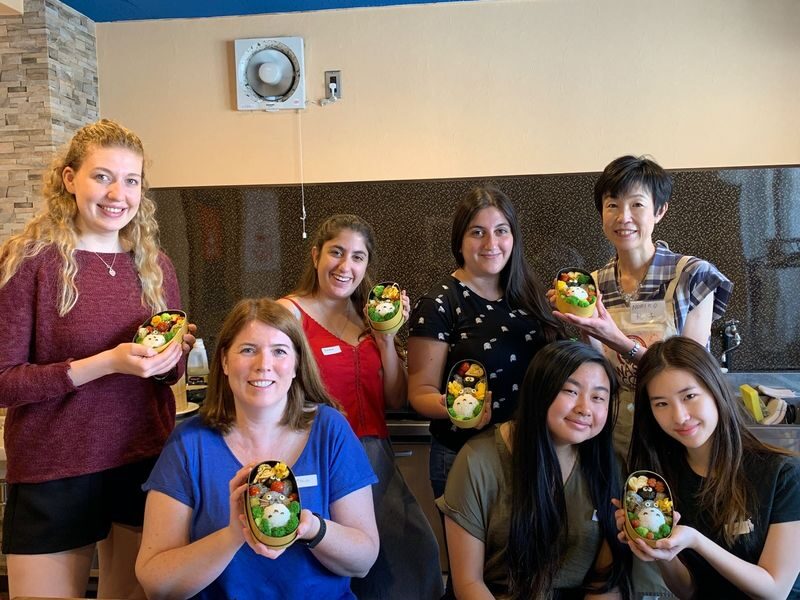
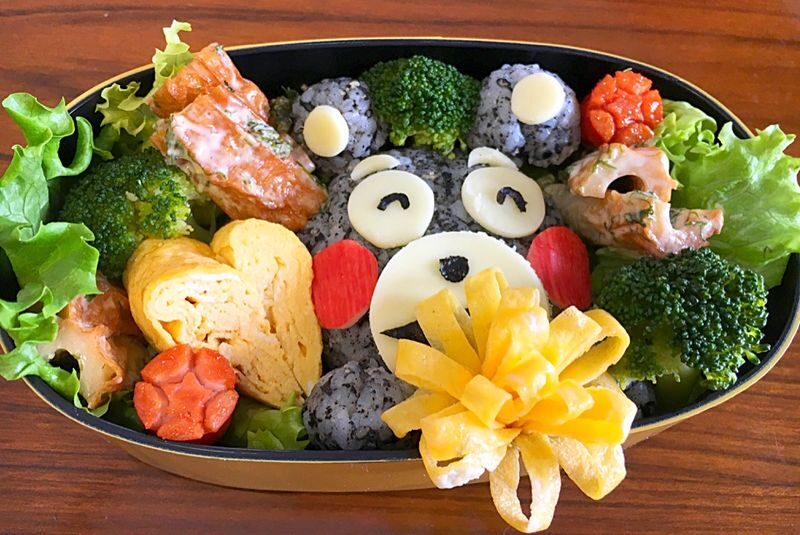
A character bento is part lunch, part edible craft project. At this small-group class in Osaki, you’ll learn to shape and decorate a Japanese lunchbox, then eat your creation. One example theme is Totoro, with details such as a heart-shaped egg and sausage octopus.
I like two things in particular: the class is capped at eight, so it has room for questions and conversation, and the meal you make becomes your lunch rather than a demonstration you watch and leave behind. It’s also a hands-on way to try bento design, which is more about arranging and shaping food than mastering complex cooking techniques.
One consideration: this is a creative cooking class, not a technical culinary course. If you’re hoping to learn advanced knife work or a long list of Japanese recipes, this may feel light. For a family outing or a relaxed food activity, that hands-on focus is the point.
- You make and eat your own bento: The class ends with a tasting session, so your handiwork is also lunch.
- Expect playful food details: A sample theme has included a layered egg roll, egg heart and flower, sausage octopus and flower, and onigiri.
- The group stays small: Classes have 2 to 8 participants, with a minimum of two needed to run.
- Allow about two and a half hours: The schedule runs from 11:00 to 13:30, including cooking and a meal.
- The studio is near Osaki Station: Selva Kitchen Studio is a four-minute walk from the station, above the Chinese restaurant Koraku.
- Dietary needs can be accommodated: Share allergies, gluten intolerance, vegetarian diets, or other requirements when booking.
- Bento design, not a chef’s exam
- From recipe introduction to lunch at 11:00
- A small class makes the lesson personal
- Getting to Selva Kitchen Studio in Osaki
- Is .69 fair value?
- Who will enjoy making a character bento
- Booking and cancellation details to check
- Should you book this Tokyo lunchbox class?
- FAQ
- How long is the character lunchbox class?
- Where does the class meet?
- How do I get to Selva Kitchen Studio?
- What is the minimum age?
- How many people can join?
- What food will I make?
- Is lunch included?
- Can the class accommodate dietary needs?
- What should I do if I don’t receive confirmation?
- The Best Of Tokyo!
- More Cooking Classes in Tokyo
- More Tours in Tokyo
- More Tour Reviews in Tokyo
Bento design, not a chef’s exam
 1 / 5
 2 / 5
 3 / 5
 4 / 5
 5 / 5
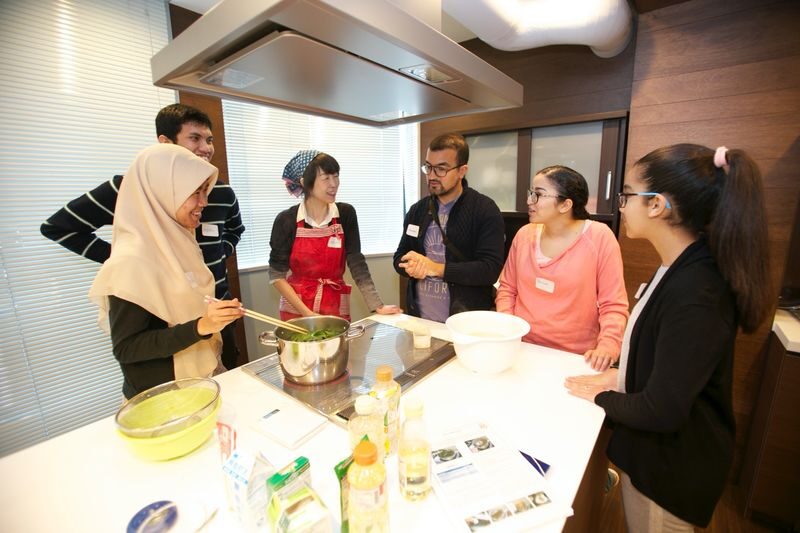
The appeal here is the transformation of familiar foods into a small, cheerful scene. You’ll make a lunchbox with character and detail, guided by an instructor who demonstrates the steps. In one example, the design was based on Totoro, and the food included shaped eggs, decorated sausages, and onigiri, the rice balls that are a staple of Japanese lunchboxes.
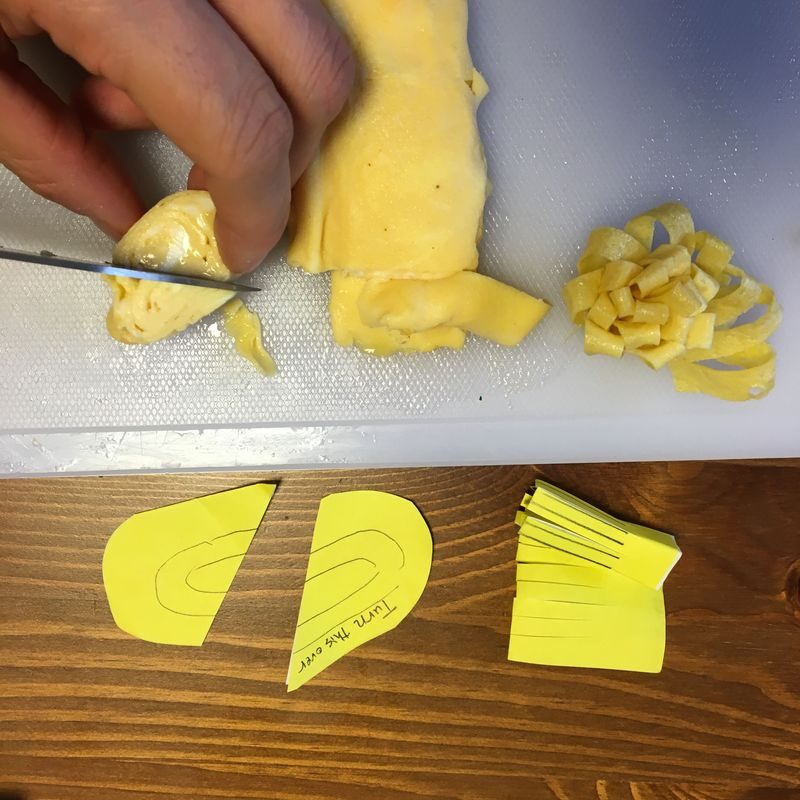
That distinction matters when deciding if the class suits you. The focus is on how to form, decorate, and arrange food, rather than on a wide-ranging lesson in Japanese cuisine. You’ll still cook, but the creative work is central. A heart-shaped egg or an octopus-shaped sausage can take more patience than it sounds, especially if you want your finished box to look neat.
The class is led in English or Japanese, and the small group gives you a better chance to follow along than a large demonstration would. Past classes have been led by Yukumi and Hazel, both described as warm and easy to talk with. Your instructor may differ, but the format is personal rather than anonymous.

👉 See our pick of the Our Picks For The 11 Best Workshops & Classes In Tokyo
From recipe introduction to lunch at 11:00
The day begins at 11:00 with a short introduction to the recipes. This gives you a chance to understand the planned dishes before the hands-on portion begins. If you have a dietary need, make sure you have already shared it at checkout; the class can accommodate allergies, gluten intolerance, vegetarian diets, and other dietary requirements.
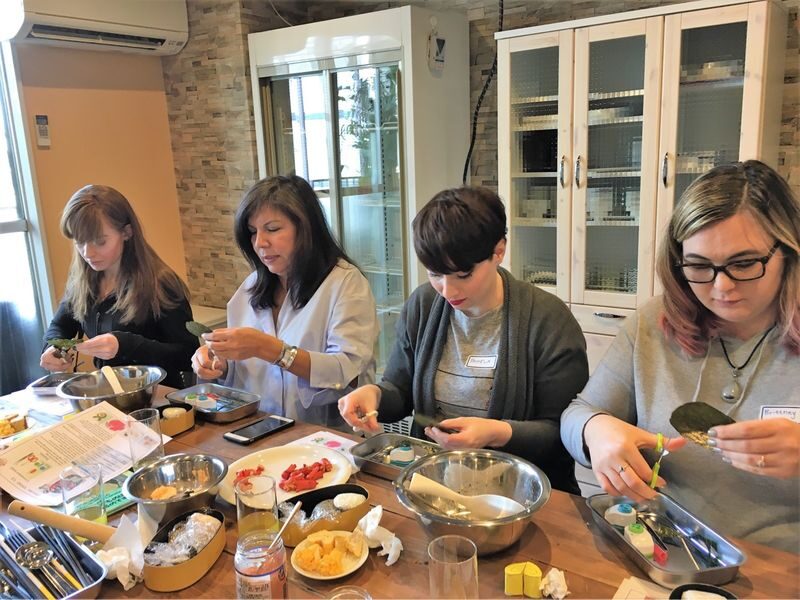
From 11:15 to 12:45, the instructor demonstrates the techniques and leads the cooking lesson. This is the main working block, lasting an hour and a half. You’ll follow the steps to make the bento components and shape them into a character design. The example menu includes a layered egg roll, an egg shaped like a heart, an egg flower, sausage shaped like an octopus, a sausage flower, and onigiri.
The selection gives you a useful sense of the class’s style: simple ingredients turned into expressive shapes. The detailed decoration is the fun, and perhaps fiddly, part. If you’re cooking with a child, expect the process to reward patience more than speed. The minimum age is three, and children aged three to twelve must attend with a paying adult.
At 12:45, the tasting party begins. You’ll sit down to eat the lunchbox you made, with refreshments included as well. This meal is part of the class, not an optional add-on, so the session has a satisfying finish: you learn, make, and taste in one visit. A recipe is included, which gives you something to refer to if you want to try the design again at home.
You can also read our reviews of more cooking classes in Tokyo



A small class makes the lesson personal
The group size is two to eight people. That cap is a real advantage for a hands-on activity, where you may need to see a demonstration close up or ask how to make a particular shape. It also keeps the mood more like a shared kitchen session than a performance for a crowd.
The minimum of two participants is worth noting if you’re booking alone or choosing a quieter date. If the minimum is not met, you can select another date or request a full refund. The group limit also means this is not an activity for a large family gathering or a big tour group; it works best for a couple, a parent and child, or a small party of friends.
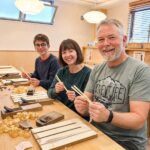
The friendly, conversational nature of the class can be part of its appeal. One couple who attended spent time chatting with their instructor, Hazel, and found the encounter memorable. That sort of exchange is not a guaranteed feature of every session, but a small group and a personal tutor leave more room for it than a large class would.
Getting to Selva Kitchen Studio in Osaki
The meeting point is Selva Kitchen Studio, on the second floor of 1-19-9 Osaki, Shinagawa-ku, Tokyo. It’s a four-minute walk from Osaki Station. The building has a Chinese restaurant called Koraku on the first floor, a handy landmark when you’re trying to find the entrance.
Plan to arrive on time. The class starts with its recipe introduction at 11:00, and late arrivals or no-shows are not refundable. The voucher is for the selected date and time, and you can show it on your phone to enter the venue directly.
The studio’s location makes this a practical activity to fit into a Tokyo day without setting aside a full day. Allow the scheduled 11:00 to 13:30 for the class itself, then add travel time to and from Osaki. The experience is indoors at a cooking studio, so it offers a change of pace from sightseeing on foot.
Is $75.69 fair value?
The price starts at $75.69, and the same fee applies to all ages. That can make the cost add up for a family, but the fee covers more than a short demonstration: you get instruction, the cooking session, a meal, refreshments, and a recipe, all within a small group.
I’d consider the value strongest if you want an activity that is both social and hands-on. You leave having made and eaten lunch, and you get a focused introduction to a particular Japanese food custom: the care and playfulness that can go into a bento. The price is less compelling if your main goal is to learn a broad set of cooking skills or to sample many dishes. This class is built around one lunchbox project.
The age rule is also simple: participants must be at least three, and children aged three to twelve need a paying adult with them. Since children and adults pay the same price, it’s worth weighing the whole family cost against how much everyone in your party will enjoy a creative food activity.
Who will enjoy making a character bento
This class is a good fit for families who want a shared activity with a clear, enjoyable result. Children can take part from age three, though younger children will need an adult beside them and may need help with the finer shaping. The class is also a nice choice for couples or friends who would rather make something together than spend the whole day sightseeing.
It’s especially suited to people who enjoy detail. Bento design involves arranging food and making small decorative forms, so you’ll likely enjoy it more if you’re happy to take your time. You don’t need to arrive with cooking expertise, but you should be comfortable following a demonstration and trying the steps yourself.
If you have allergies, follow a vegetarian diet, cannot eat gluten, or have another dietary need, mention it at checkout. The class can accommodate special dietary requirements, but giving the studio notice is the sensible way to help the instructor plan.
You can also read our reviews of more tours and experiences in Tokyo

Booking and cancellation details to check
Confirmation should arrive within 48 hours. If it doesn’t, contact customer support. The activity needs at least two participants, and group size is limited to eight. If the minimum is not reached, you can choose another date or request a full refund.
The cancellation terms depend on how far ahead you cancel: a full refund is available at least 11 days before the selected date, with partial refunds of 80 percent at least eight days before, 70 percent at least two days before, and 50 percent at least one day before. Contact Klook customer service about refunds. The voucher is valid only for the booked date and time.
Should you book this Tokyo lunchbox class?
Book it if you want to make something with your hands, enjoy a small-group setting, and finish with a lunch you helped create. The character designs and shaped egg and sausage details give the session a playful twist, while the Osaki location and two-and-a-half-hour schedule make it manageable within a Tokyo stay.
Skip it if you’re seeking a technical cooking course or a broad survey of Japanese food. For a family, couple, or small group who likes creative projects, though, this is a charming way to spend a late morning. Just allow time to reach the studio, arrive promptly, and share any dietary needs before class.
Character lunch box cooking class in Tokyo
“Had such a wonderful time with Yukumi. She was very friendly and made the whole experience memorable for my mum and I. The location was relatively…”
FAQ
How long is the character lunchbox class?
The class runs from 11:00 to 13:30, for a total of about two and a half hours.
Where does the class meet?
It meets at Selva Kitchen Studio, second floor, 1-19-9 Osaki, Shinagawa-ku, Tokyo.
How do I get to Selva Kitchen Studio?
The studio is a four-minute walk from Osaki Station. Koraku, a Chinese restaurant, is on the first floor of the same building.
What is the minimum age?
Participants must be at least three years old. Children aged three to twelve must be accompanied by a paying adult.
How many people can join?
The group size is two to eight participants. At least two participants are required for the activity to run.
What food will I make?
The class teaches character bento design. An example menu includes a layered egg roll, heart-shaped and flower-shaped eggs, sausage octopus and flowers, and onigiri.
Is lunch included?
Yes. You taste the lunchbox you make during the class, and refreshments are included.
Can the class accommodate dietary needs?
Yes. Allergies, gluten intolerance, vegetarian diets, and other dietary requirements can be accommodated. Indicate your needs when booking.
What should I do if I don’t receive confirmation?
Confirmation should arrive within 48 hours. If you do not receive a confirmation email, contact customer support.