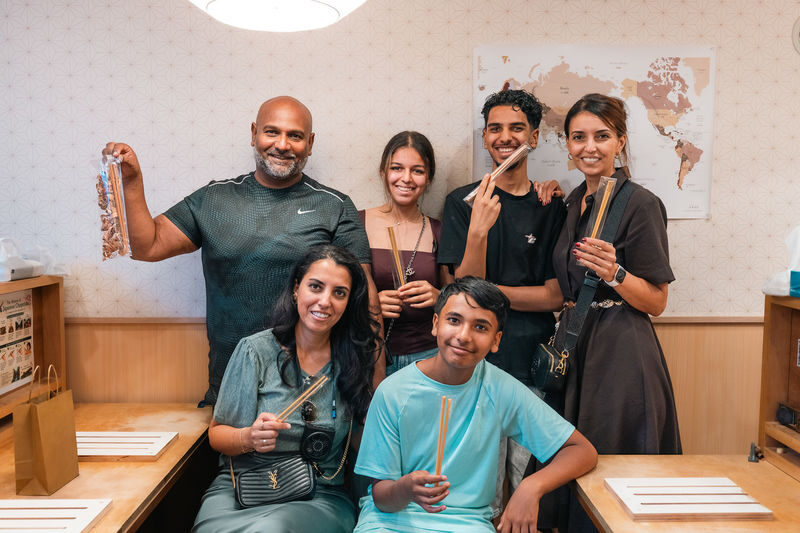
In Shinjuku, a short lesson in traditional woodworking turns a plain piece of wood into a pair of chopsticks you can take home and use. You choose the wood, shape it with a hand plane called a kanna, then sand and oil the finished pair. I like that you do the work yourself, and that English-speaking staff guide each step.
I also like the practical souvenir: it is personal, useful, and made by your own hands, rather than picked up from a shop shelf. Instructors named by participants include Momo, Hazel, Jen, and Suzana, though your instructor will depend on the session. One thing to weigh is the extra cost: standard wood is included, but premium woods and engraving cost more, and the advertised starting price may not cover those add-ons.
- At a glance
- From a wood choice to a finished pair
- Choosing wood, then taking up the kanna
- Sanding and oiling make the souvenir yours
- A 45-minute Shinjuku stop, not a full-day outing
- What the price gets you, and what it does not
- The instructor makes the short class work
- Who will enjoy making chopsticks in Shinjuku
- Should you book this workshop?
- FAQ
- How long does the chopstick-making workshop take?
- Where does the activity take place?
- Is wood included in the price?
- Is engraving included?
- Is the workshop suitable for children?
- Can I pay with cash at the workshop?
- The Best Of Tokyo!
- More Tours in Tokyo
- More Tour Reviews in Tokyo
At a glance
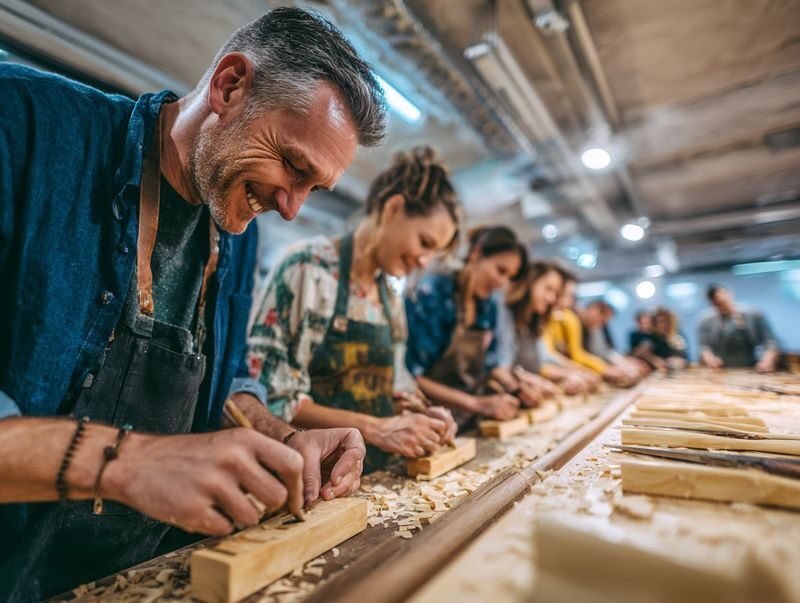
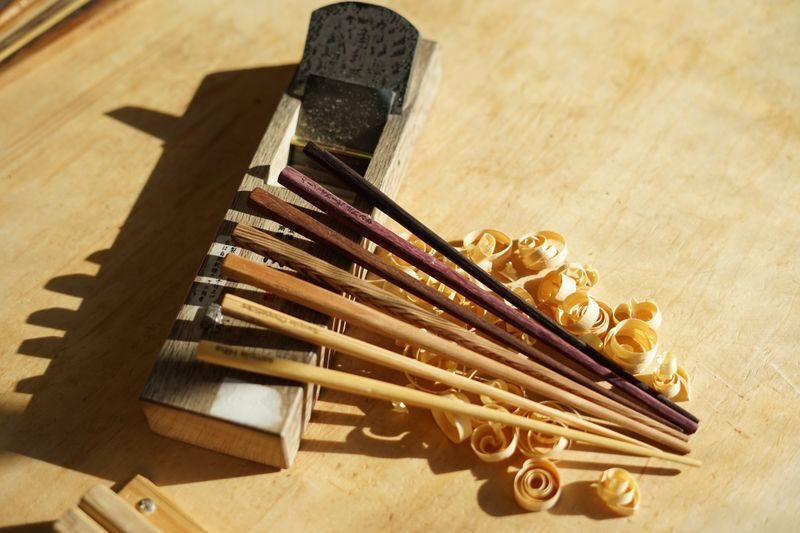
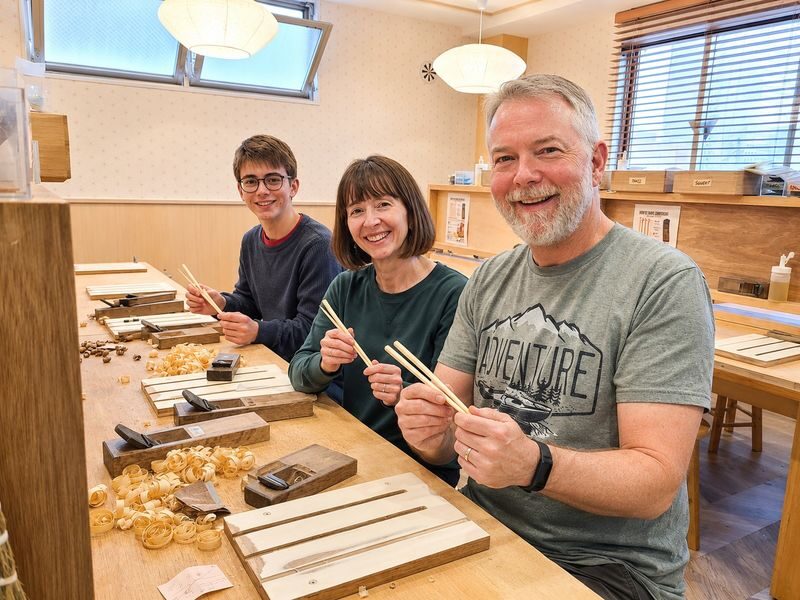
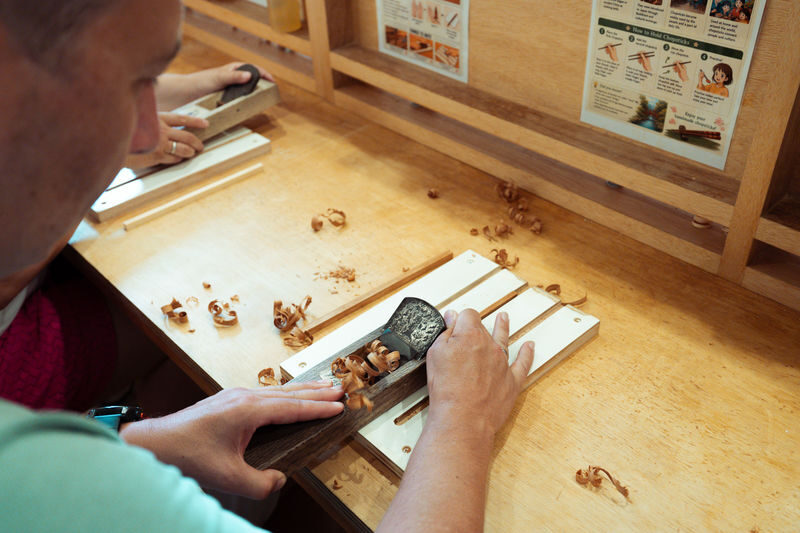
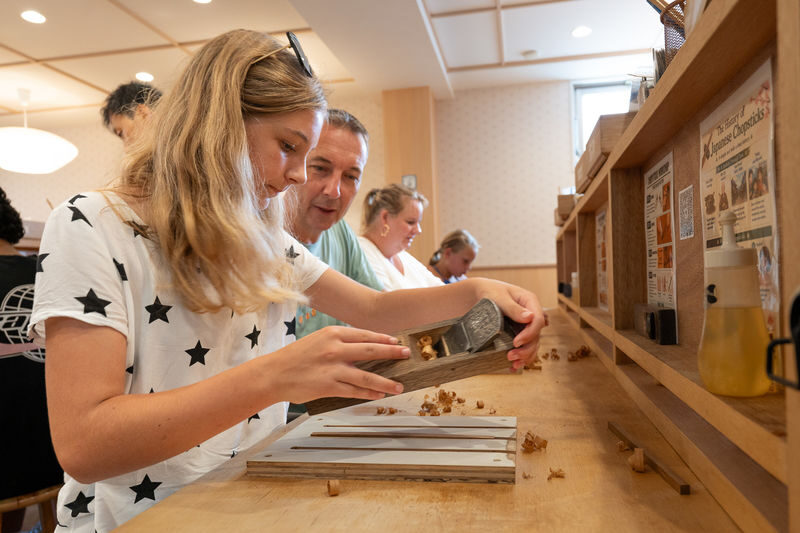
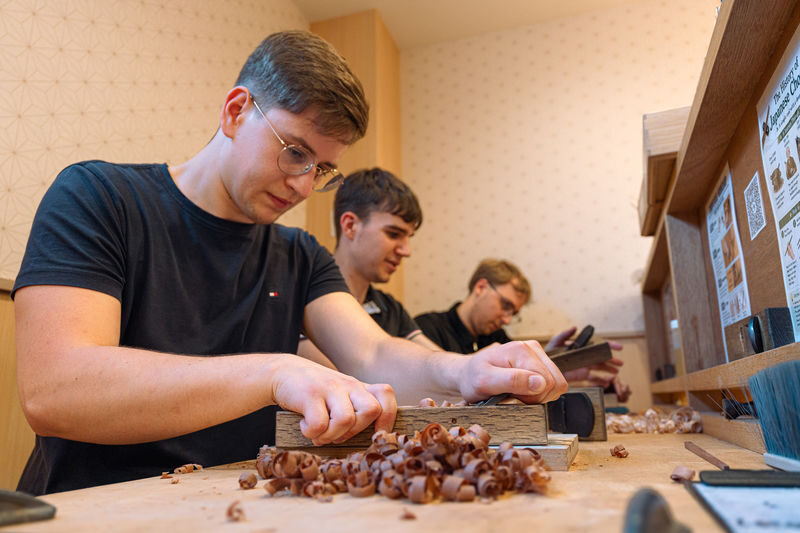
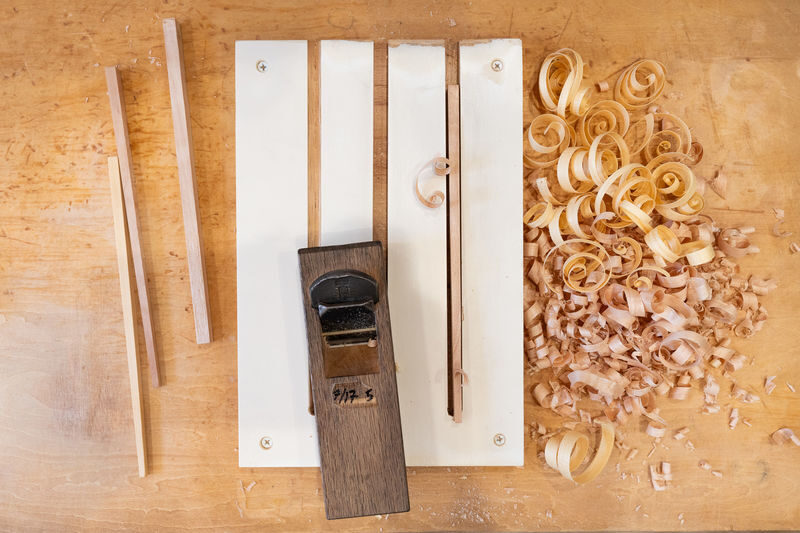
- Make the chopsticks yourself: Shape the wood with a traditional hand plane, then smooth and finish it by hand.
- Choose among 10 wood types: Standard wood is included; premium options carry an additional fee.
- Finish with oil: Sand the chopsticks and apply natural oil to protect the wood and bring out its appearance.
- Add Japanese engraving: Personalize your pair for an extra charge.
- Plan for 45 minutes: The workshop is in Shinjuku, on the 10th floor of the Shinjuku West Square Building.
- Expect hands-on guidance: English-speaking staff demonstrate the steps and can help if your shaping needs a correction.

👉 See our pick of the Our Picks For The 11 Best Workshops & Classes In Tokyo
From a wood choice to a finished pair
This Shinjuku chopstick-making workshop is a compact, hands-on craft activity, not a long demonstration where you mostly watch. Over about 45 minutes, you make your own pair with guidance from an English-speaking instructor. The process includes choosing wood, planing it into shape, sanding the surface and edges, and applying natural oil.
The setting is ZEN Chopsticks Workshop, on the 10th floor of the Shinjuku West Square Building in Nishishinjuku. It is a meet-up activity, so there is no coach transfer or sightseeing route to factor in. You arrive at the workshop, take part in the class, and leave from the same address.
I see the appeal in the balance between instruction and hands-on work. The tools and steps offer a small window into Japanese craft, while the finished object has a life beyond the workshop. You can use the chopsticks at home, and the shape and finish will carry the memory of making them.
This is not a full woodworking course, and 45 minutes does not leave room for an in-depth study of the craft. It is a short introduction built around one clear goal: creating a personal pair of chopsticks. If you want a low-key activity between larger Tokyo outings, that focused format is a strength.
You can also read our reviews of more tours and experiences in Tokyo.



Choosing wood, then taking up the kanna
You begin by choosing from 10 types of wood, each with its own color, grain, and character. Standard wood is part of the workshop price. Premium wood is available for an extra fee, so check the options and cost before you decide. One useful point: standard wood is described as the easiest to work with, which makes it a sensible choice if you are new to hand tools or would rather keep the total cost down.
Once you have your wood, you place it on a stand and use a hand plane, or kanna, to shape it. This is the most active part of the session. You are not simply choosing a design and watching someone else make it; you put in the effort yourself, with an instructor close by to explain the process and help you along.
The work takes a steady hand, but the workshop is set up for beginners. Participants have described instructors patiently explaining each step and helping correct a chopstick when the shaping goes awry. That kind of guidance matters: a small adjustment can make the difference between a pair that looks finished and one that feels comfortable to hold.
There is a trade-off in choosing more unusual wood. It may appeal for its color or grain, but some types can be harder to shape. If ease and value matter more than a rare finish, the included wood is a good starting point. If the wood itself is part of what you want to remember, ask about the upgrade price before committing.
Sanding and oiling make the souvenir yours
After shaping, you sand the surface and edges. This is where the chopsticks become smoother to hold and the wood’s natural appearance comes through. It is a modest task, but not just a cosmetic one: careful sanding helps turn a roughly shaped piece into something you will want to use.
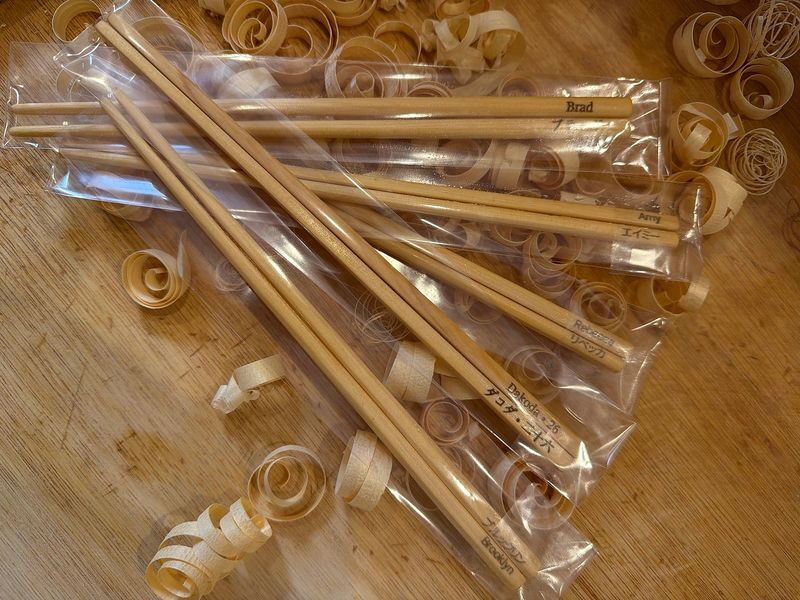
The final step is applying natural oil. The oil protects the wood and gives the finished chopsticks a soft, polished look. You leave with a handmade item rather than a blank souvenir, and the small differences in shape and finish are part of its appeal.
Optional Japanese name engraving adds another layer of personalization. It costs extra, so treat it as an add-on rather than part of the standard workshop. If you are making chopsticks as a gift, or want a clear reminder of who made them, engraving may be worth the added expense. If you are watching your budget, the woodwork itself already provides the personal touch.
Families can also make this a shared activity. The workshop has no age limit, and children aged 0 to 2 are free; those aged 13 and older pay the adult rate. The making process is suitable for beginners, though children will need to follow the instructor’s guidance when using the tools.
A 45-minute Shinjuku stop, not a full-day outing
The workshop takes about 45 minutes, which makes it easy to fit into a day of exploring Tokyo. Departure times are offered hourly from 9:00 a.m. through 7:00 p.m., but available options can vary with the time you choose. Book a specific session and arrive five minutes before it begins.
The activity is held at 7-4-5 Nishishinjuku, Shinjuku City, in the Shinjuku West Square Building. Go to the 10th floor by elevator. The nearest station is Shinjuku-Nishiguchi on the Oedo Line, using Exit D5. From Shinjuku Station on the JR or Marunouchi lines, use the West Exit or Exit 15 or 16.
The workshop is cashless. Accepted cards include Visa, Mastercard, American Express, JCB, Diners Club, and Discover. There is no place to store luggage or large bags, so leave them at your accommodation or in your vehicle before you arrive.
Timing matters because sessions are scheduled in short blocks. If you arrive more than 15 minutes late, you may be asked to reschedule, as a late start can affect later bookings. The experience is valid only for the date and, where applicable, the time you selected.
What the price gets you, and what it does not
The activity is advertised from $6.35, a low starting price for a guided, hands-on craft session in central Tokyo. Standard wood, workshop admission, traditional tools, the chopstick-making class, and English-speaking staff are included. The value is strongest if you want to make the chopsticks yourself and are happy with the included wood.
Do not assume the starting price covers every finishing choice. Premium woods and engraving are extra, and the final price depends on whether you choose them. If you want a more elaborate keepsake, set aside room in your budget for those options. If you prefer a simple, useful souvenir, the standard package should be enough to make the experience feel personal.
Participants have described the workshop as good value when they stick with the included wood, while those who choose upgrades and engraving pay more. That is the right way to think about it: the basic experience is the activity; upgrades are optional ways to customize the result.
You can book for the same day, with instant confirmation listed for the activity. A full refund is available if you cancel at least 24 hours before the activity date, using the destination’s local time. Bring your mobile voucher and a payment card for any extras.
The instructor makes the short class work
Because the session is brief, clear instruction is important. English-speaking staff explain the steps and provide practical help as you plane and sand. Names associated with sessions include Momo, Hazel, Jen, Suzana, Michelle, Karina, and Tomo. You cannot choose a particular instructor from the information provided, but the teaching style described is patient and hands-on.
That support is especially useful if you are unsure how much to plane or how to correct an uneven edge. The aim is not to get every pair identical. You are learning a simple sequence and shaping a piece of wood into something usable, with help available when the result needs attention.
The workshop’s strongest quality is the combination of guidance and participation. You are not left to guess your way through the tools, but you still do enough of the work for the finished chopsticks to feel like your own. If you value an activity more for the making than for a polished, factory-perfect result, this format should suit you.
Who will enjoy making chopsticks in Shinjuku
I would recommend this workshop to anyone who wants a short cultural activity with a take-home object and some real participation. It works well for couples, families, and solo visitors, especially if you have a free stretch in your Shinjuku plans and want a break from shopping or sightseeing.
It is also a good choice if you are looking for a souvenir that has a story attached. You choose the wood, shape it, sand it, and finish it yourself. That is a more memorable process than buying chopsticks already boxed and ready to go, though the end result may show the hand of a beginner.
You may want to skip it if you are looking for a long, technical woodworking lesson or a broad tour of Japanese craft traditions. The workshop is short and focused on making one pair. It is also less appealing if you dislike handwork or would rather avoid extra spending, since premium wood and engraving are optional charges.
Should you book this workshop?
Book it if you want an affordable, beginner-friendly activity in central Tokyo and like the idea of bringing home something you made yourself. Choose the included wood for the simplest, best-value session; pay for an upgrade only if the material or engraving matters to you. Arrive early, travel light, and keep the 45-minute format in mind. For a small souvenir with a personal connection, this is a worthwhile Shinjuku stop.
Crafting Your Own Chopsticks in Shinjuku
“Great fun! Our guide Shervin patiently show us what to do. He even fixed my chopstick. Highly recommended!”
FAQ
How long does the chopstick-making workshop take?
The workshop lasts about 45 minutes.
Where does the activity take place?
It takes place at ZEN Chopsticks Workshop on the 10th floor of the Shinjuku West Square Building, at 7-4-5 Nishishinjuku, Shinjuku City, Tokyo.
Is wood included in the price?
Yes. Standard wood is included. Premium wood upgrades are available for an additional fee.
Is engraving included?
No. Japanese name engraving is optional and costs extra.
Is the workshop suitable for children?
There is no age limit. Children aged 0 to 2 are free, and children aged 13 and older are charged the adult rate.
Can I pay with cash at the workshop?
No. The workshop is cashless and accepts Visa, Mastercard, American Express, JCB, Diners Club, and Discover.