Hakone’s volcanic steam, a pirate ship on Lake Ashi and Fuji Five Lakes scenery make an unusually varied day out from Tokyo. I like that the trip combines two classic Hakone rides, the ship and ropeway, with the very different spring ponds at Oshino Hakkai. I also like that transport and a guide are included, so you can leave the route planning to someone else.
The trade-off is a full schedule with short stops, and Mount Fuji is never guaranteed to appear through cloud or rain. Traffic can also cut into sightseeing time, especially on weekends and holidays. If you want a relaxed visit to one place, this is not the tour; if you want a broad sampler in one day, it has a lot going for it.
- The day’s highlights at a glance
- Hakone in one day, without stitching together the transport
- Hakone Shrine and the Peace Torii
- A Lake Ashi cruise, then the ropeway to Owakudani
- Owakudani’s steam, sulfur and black eggs
- Lake Yamanaka’s swans and Fuji views
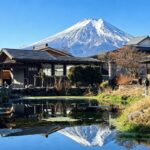
- Oshino Hakkai’s spring ponds
- The guide, pace and bus reality
- What the price includes, and what it does not
- Weather, traffic and meeting-point details
- Should you book this Hakone and Fuji day trip?
- FAQ
- How long is the tour?
- Where does the tour depart from?
- Which languages are available?
- Are the pirate ship and ropeway tickets included?
- Is Mount Fuji guaranteed to be visible?
- Is food included?
- Can I bring luggage on the tour?
- What happens if traffic changes the schedule?
- Can I cancel or change my booking?
- The Best Of Hakone!
- More Boat Tours & Cruises in Hakone
- More Tours in Hakone
- More Tour Reviews in Hakone
The day’s highlights at a glance
 1 / 8
 2 / 8
 3 / 8
 4 / 8
 5 / 8
 6 / 8
 7 / 8
 8 / 8
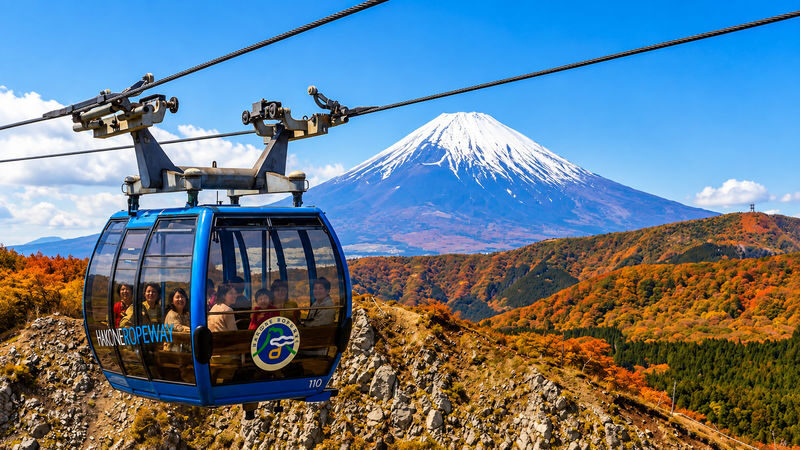
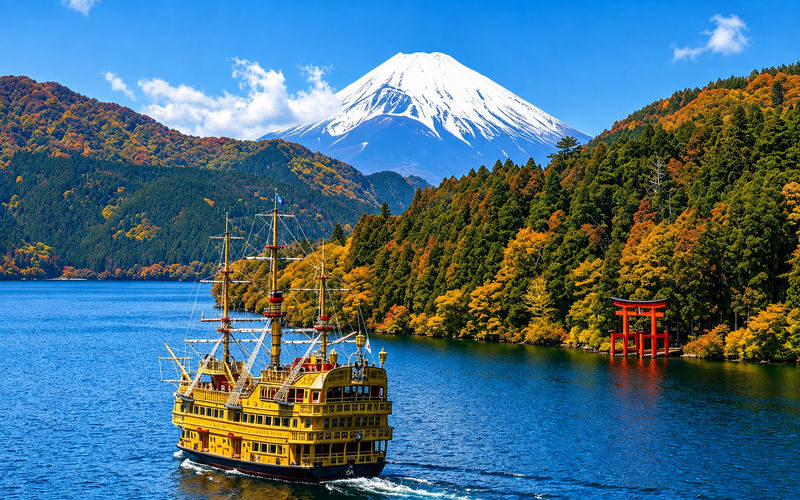
- Two Hakone rides are part of the plan: Cruise Lake Ashi on a sightseeing ship, then take the ropeway above the volcanic terrain at Owakudani.
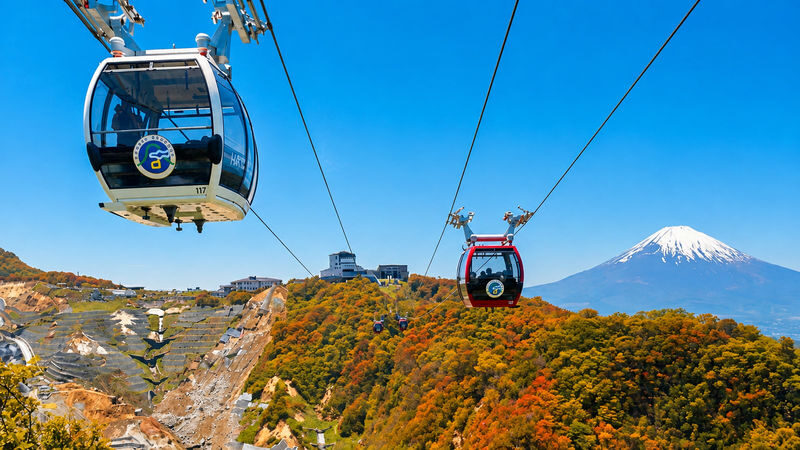
- Owakudani is more than a view: Spend about 40 minutes near its steaming vents and exposed volcanic ground, with time to try the famous black eggs if you wish.
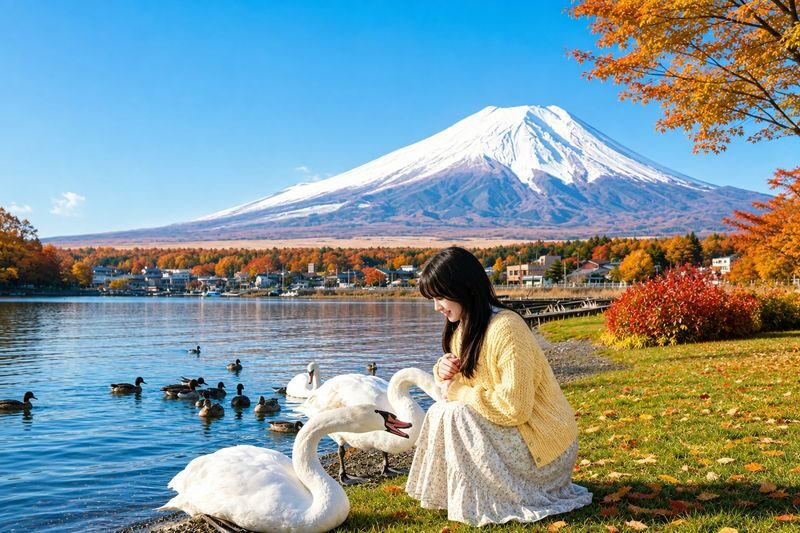
- Lake Yamanaka adds a Fuji-side pause: The brief stop pairs lakeside scenery with resident swans and, when conditions cooperate, views of Mount Fuji.
- Oshino Hakkai rewards a slow look: Eight spring ponds fed by Mount Fuji’s snowmelt bring clear water, traditional village atmosphere and a chance to taste the spring water.
- The guide can make a packed day easier: Guides named Will, Sakuragi, Mandy and Yaya have led trips, but assignments vary. Expect English or Chinese service, not a guaranteed individual guide.
- The low starting price needs context: The advertised fare starts at $49.29, but check which package you are choosing and whether it includes both the ship and ropeway tickets.

👉 See our pick of the Hakone’s 3 Top Walking Tours
Hakone in one day, without stitching together the transport
The main appeal is the range. In roughly ten and a half hours, the tour travels from Tokyo to Hakone and the Fuji Five Lakes area, with shrine scenery, a lake cruise, a cable car, a volcanic stop, swans and spring-fed ponds along the way. Those are quite different experiences, and the changing scenery helps the day feel more varied than a bus tour that simply stops at several photo points.
The group format also removes much of the day’s logistical work. You do not need to work out how to connect the cruise and ropeway or arrange transport between the Hakone stops and the Fuji area. An English- or Chinese-speaking guide coordinates the schedule, shares information and gets the group moving again when it is time to leave.
That convenience comes with less freedom. The shrine and torii stops are self-guided, and the itinerary gives each a short window. You will have time to see the main sights and take photos, but not to explore at your own pace or linger whenever the light looks promising.
You can also read our reviews of more boat tours in Hakone


Hakone Shrine and the Peace Torii
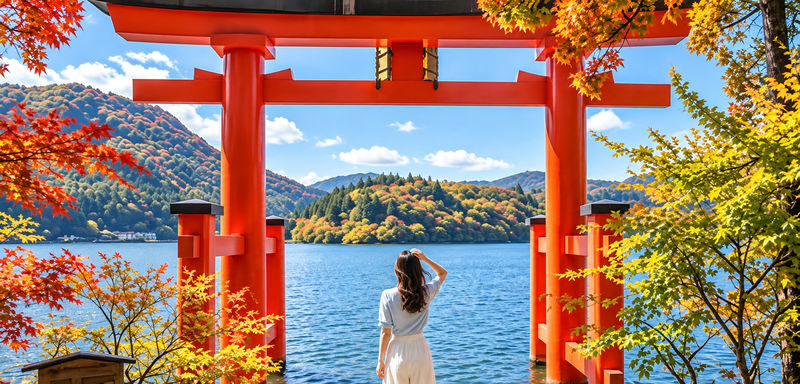
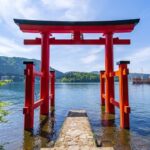
The day begins with Hakone Shrine, on the shore of Lake Ashi. Founded in 757 and dedicated to Hakone Okami, it is known for its vermilion gates and its lakeside setting. The tour allows about 40 minutes here, followed by 20 minutes at Heiwa no Torii, the water-level torii often called the Peace Torii.
These are close in theme but offer different ways to take in the place. The shrine gives you a chance to see its grounds and absorb the religious setting; the torii is the striking lakeside image, with the red gate set against water and mountains. If you have a particular photo in mind, use the short stop efficiently and be prepared for other people waiting to take their turn.
The tour description promotes a love fortune, but the schedule is self-guided, so treat that as something to look for rather than a guaranteed guided activity. The same applies to any extra shrine visit or shopping: the allotted time is limited. The lake torii is famous, but its fame means you should expect a popular photo spot, not a quiet private moment.
A Lake Ashi cruise, then the ropeway to Owakudani
The Hakone sightseeing cruise lasts about 30 minutes. Its European warship-inspired design gives it a playful pirate-ship look, while the real draw is the lake view. On clear days, the water and surrounding mountains can make this one of the most memorable stretches of the trip.
A useful tip: take your photos early in the boat ride. The route turns, and Mount Fuji may no longer be in view after that point. Views depend on weather and visibility, so keep your camera ready without expecting the mountain to appear on cue.
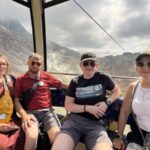
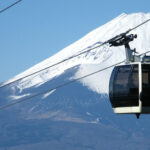
Next comes the Hakone Ropeway, with about 30 minutes allocated for the ride. The ropeway connects Sounzan and Togendai across roughly four kilometres, passing over Owakudani’s geothermal area. From above, you can see the pale steam rising from the ground and the stark volcanic terrain below. On a clear day, the views can extend to Lake Ashi and Mount Fuji.
The ropeway ticket is included in the described package, but the supplier treats it as a complimentary ticket that cannot be refunded or changed if special circumstances prevent you from riding. That distinction matters: the ride is a key part of the day, but local conditions and operations can affect whether it runs.
Owakudani’s steam, sulfur and black eggs
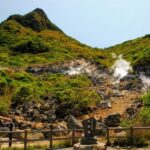
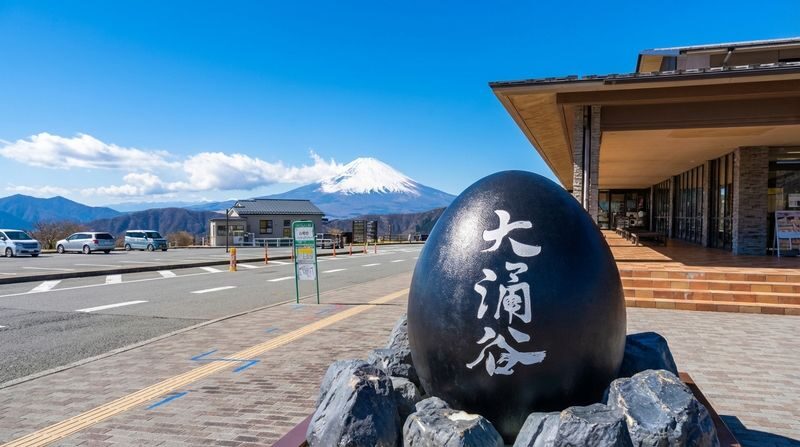
Owakudani is a volcanic valley formed after an eruption about 3,000 years ago. Geothermal activity still sends sulfurous fumes into the air, while exposed rock gives the area a rugged, otherworldly look. You get around 40 minutes on site, enough to see the volcanic features and take a break, but not enough for an extended visit.
The black eggs are the famous snack here. Their shells darken in the volcanic environment, and local legend says eating one adds seven years to your life. It is a bit of folklore, not a medical guarantee, but trying one is an easy way to connect the stop with its setting. The tour does not include personal purchases, so bring money if you want food or souvenirs.
The sulfur smell is part of the experience, not a surprise defect. If strong odors bother you, keep that in mind. Owakudani’s conditions can also change, so the ropeway and stop may be affected by operating or weather conditions. The tour’s schedule can be adjusted for maintenance and other disruptions.
Lake Yamanaka’s swans and Fuji views
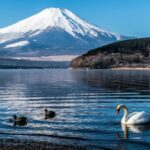
After Hakone, the tour heads to Lake Yamanaka, the largest and highest in elevation of the Fuji Five Lakes. The stop is about 20 minutes, making it a quick lakeside interlude rather than a full lake visit. Swans are a distinctive feature here, and you may see them close to shore or moving across the water.
This is a good place to take a breath after the busier Hakone section. If Mount Fuji is visible, the lake adds a different foreground to the mountain views. The famous reflected-Fuji effect depends on weather and water conditions, though, and the trip does not promise a clear view. Bring your camera, but do not measure the stop only by whether the mountain shows itself.
Feeding swans is promoted as an activity, but no feed or fee is specified in the tour details. Follow any local guidance and do not assume that feeding is included. With only 20 minutes here, enjoy the shore and take a few photos rather than planning a long walk.
You can also read our reviews of more tours and experiences in Hakone

Oshino Hakkai’s spring ponds
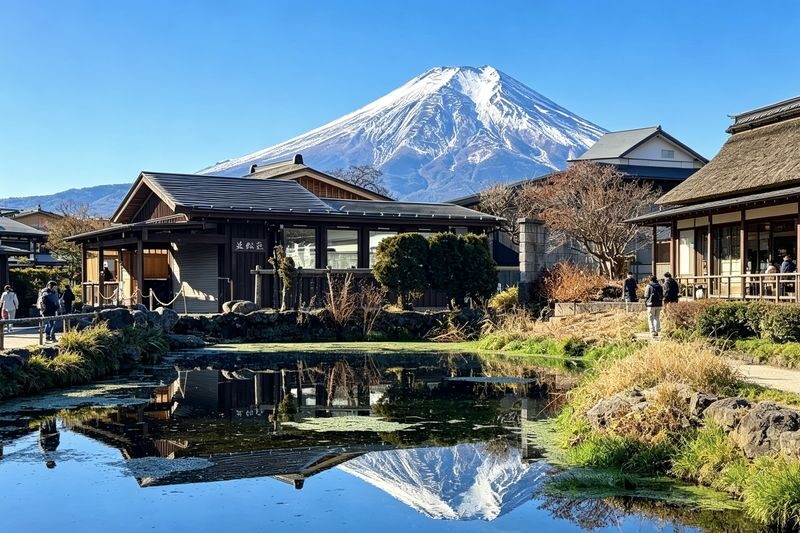
Oshino Hakkai is a group of eight natural spring ponds in Oshino Village. The water comes from Mount Fuji snowmelt filtered through the ground over many years, and the ponds are known for their clarity. The water temperature stays around 13°C throughout the year, and the tour information says it is safe to drink directly.
You have about 40 minutes to see the ponds. That is enough for a look at the main spring areas, a few photos and perhaps a taste of the water, but the village can invite a slower wander than the schedule allows. The stop has a more traditional, village-side feel than the engineered transport and volcanic sights in Hakone, so it provides a pleasing change of pace.
There may be local food to buy, including grilled fish, but meals are not included and there is no dedicated meal break in the listed schedule. A light snack is sensible, particularly on a busy day when traffic might change the timing. Avoid assuming you will have time for a sit-down lunch.
The guide, pace and bus reality
Guide quality is one of the tour’s strengths. Will, Sakuragi, Mandy and Yaya are among the guides assigned to recent departures, with passengers praising clear explanations, local context, humour and help finding good photo angles. Some guides have shared practical details such as where to stand for a view or where to find a clean washroom. Your guide is assigned for the date, so you cannot count on a particular person.
The guide’s role is especially useful on a packed route. You can focus on the stops while the guide manages departure times, explains what you are seeing and helps the group stay together. The vehicle may be selected according to the number of participants; on a small-group departure, the driver may also serve as the attendant rather than having a separate tour leader.
Expect a long day in the vehicle, with travel between Tokyo, Hakone and the Fuji area. Some passengers have found the bus less comfortable for a long ride, while others describe a smooth trip. Comfort can depend on the vehicle assigned, so do not book this expecting a spacious private transfer. Luggage storage and delivery are not provided.
What the price includes, and what it does not
The fare starts at $49.29, which can be strong value for a full-day trip with round-trip transport and a guide. One package includes both the Owakudani ropeway and pirate ship tickets. Another includes the ropeway ticket only. Check the exact option before booking; the package names are similar, but the ship ticket changes what you receive.
The pirate ship ticket is listed at 1,700 yen and is refundable if you cannot ride. The ropeway ticket is described as a complimentary ticket, with no refund or change if you cannot use it because of special circumstances. Food, personal expenses and travel insurance are not included. This can make the real cost higher if you plan to eat, buy snacks or pick up souvenirs.
The tour is best value if you want all the headline stops and are comfortable with brief visits. It is less compelling if you would rather spend half a day at the shrine, take a long lake walk or explore Oshino Hakkai without watching the clock. You are paying for breadth and transport coordination, not depth at each place.
Weather, traffic and meeting-point details
The stated schedule runs from a 07:30 departure to a return around 18:00 at Shinjuku West Exit Mitsui Bank or 18:30 at Tokyo Station Marunouchi North Exit, depending on the selected arrangement. Actual arrival depends on traffic. Do not book dinner, a flight or a Shinkansen connection for that evening; weekend and holiday congestion can delay the return or shorten visits.
Mount Fuji views depend on the weather, and rain or cloud can hide the mountain. The tour still operates in ordinary poor viewing conditions, and no refund or rescheduling is offered just because the views or photos are disappointing. Severe weather such as a typhoon or blizzard may lead to a cancellation decision the day before. The order of stops can also change, including on specified marathon dates.
Arrive at the designated meeting point at least 10 minutes before departure. The tour cannot be joined partway through, and the stated policy says late arrivals of 10 minutes or more are not refunded. The operator plans to send vehicle and guide details by email before 8 pm the day before, and may contact you through the communication app you supplied, so check both your messages and spam folder.
The tour does not include personal travel or accident insurance. Infants and children must be counted as passengers. If the group does not reach the minimum size, the departure may be cancelled with notice the day before.
Should you book this Hakone and Fuji day trip?
Book it if you want a high-coverage day from Tokyo and value having transport, a guide, a lake cruise and the ropeway arranged together. It suits first-time visitors, families and anyone who wants a clear introduction to Hakone and the Fuji Five Lakes area without planning several connections.
Skip it if a slow pace, guaranteed Mount Fuji views or substantial time at each stop is essential. The schedule is ambitious, and traffic or weather can change the day. For the best chance of enjoying it, travel light, bring a small snack and warm clothing, choose the ticket package that matches your plans, and treat Fuji as a welcome possibility rather than a promise.
Mount Fuji and Hakone Day Trip with Cable Car Experience – Lake Yamanaka Swan Boat & Oshino Hakkai Views & Torii Reflection & Owakudani Volcanic Wonder (From Tokyo)
“Even though the holiday weekend slightly compressed our time, the tour guide was very thoughtful with the explanations, and we had just about enoug…”
FAQ
How long is the tour?
The tour lasts about 10.5 hours. The listed schedule starts at 07:30 and returns around 18:00 to Shinjuku or 18:30 to Tokyo Station, subject to traffic.
Where does the tour depart from?
It is a meet-up tour departing from Tokyo. The meeting location and departure time depend on your booking, so check your confirmation and arrive at the stated point 10 minutes early.
Which languages are available?
The tour provides Chinese- or English-speaking service. A separate tour leader is not guaranteed on small-group departures because the driver may also act as the attendant.
Are the pirate ship and ropeway tickets included?
The package with both tickets includes admission to the pirate ship and the Owakudani ropeway. Another package includes the ropeway ticket but not the pirate ship ticket, so check the selected option before booking.
Is Mount Fuji guaranteed to be visible?
No. Weather and visibility affect the view, and the tour does not offer a refund or rescheduling because clouds or rain prevent you from seeing Mount Fuji.
Is food included?
No. Personal expenses are not included, and the schedule does not list a meal. Bring a light snack if you may need one between stops.
Can I bring luggage on the tour?
Luggage storage and delivery services are not provided. The tour information does not specify a luggage allowance.
What happens if traffic changes the schedule?
The order of attractions or the time spent at each stop may be adjusted because of traffic, weather or facility maintenance. Weekend and holiday traffic can be heavy, and the return time may vary.
Can I cancel or change my booking?
The stated cancellation terms offer a full refund when you cancel at least 24 hours before the activity date. Changes are allowed until 24 hours before the activity, subject to the booking conditions. Arrivals 10 minutes or more late are not refunded.