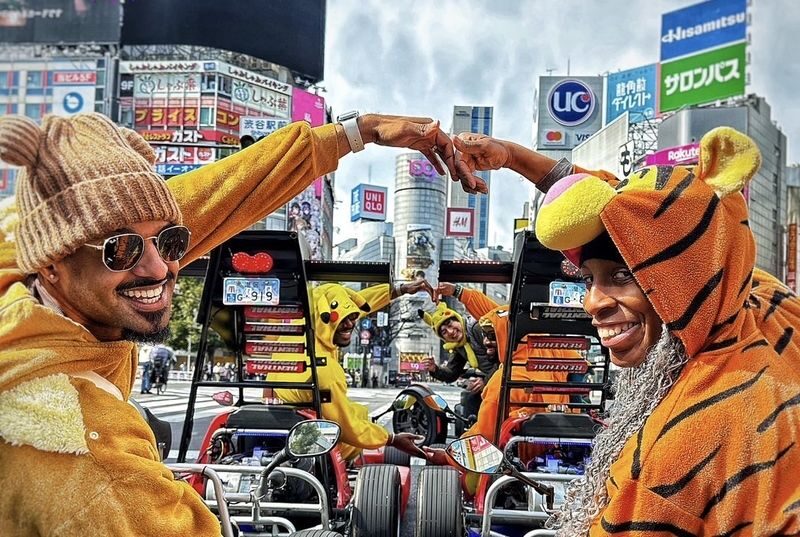
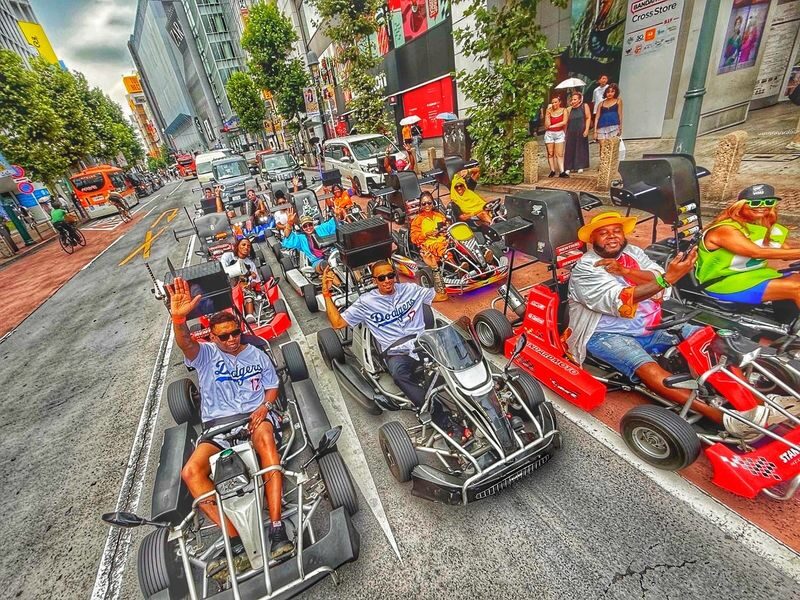
Tokyo’s famous crossing looks one way from the pavement and quite another from a go-kart a few inches above the road. ALOHA GO-KART takes you from Tokyo Tower through Roppongi, past the National Stadium and Harajuku, then into the flow around Shibuya Crossing. I like the unusual street-level view, and I like that a guide leads the group and takes photos while you focus on driving.
There is one serious catch: you must have the correct driving documents before you book. Japan does not accept a 1968 Vienna Convention IDP for this activity. If your permit is invalid or you arrive without the required documents, you cannot ride and you will not receive a refund.
- At a glance: what makes this ride different
- From Tokyo Tower to Shibuya Crossing
- Tokyo Tower: a strong start, and a striking night view
- Roppongi and the National Stadium: the city between the landmarks
- Harajuku and the approach to Shibuya
- What the guides add to the ride
- The 30-minute option is not the same tour
- What the price buys, and where the value lies
- Documents, timing and weather: sort these out first
- Who should book ALOHA GO-KART?
- Should you book it?
- FAQ
- What places does the main go-kart route visit?
- Does every package go to Shibuya Crossing?
- What driving documents do I need?
- Do some drivers need a Japanese license translation?
- How early should I arrive?
- What departure times are offered?
- Can I get a refund if I cancel?
- The Best Of Tokyo!
- More Tours in Tokyo
- More Tour Reviews in Tokyo
At a glance: what makes this ride different
 1 / 10
 2 / 10
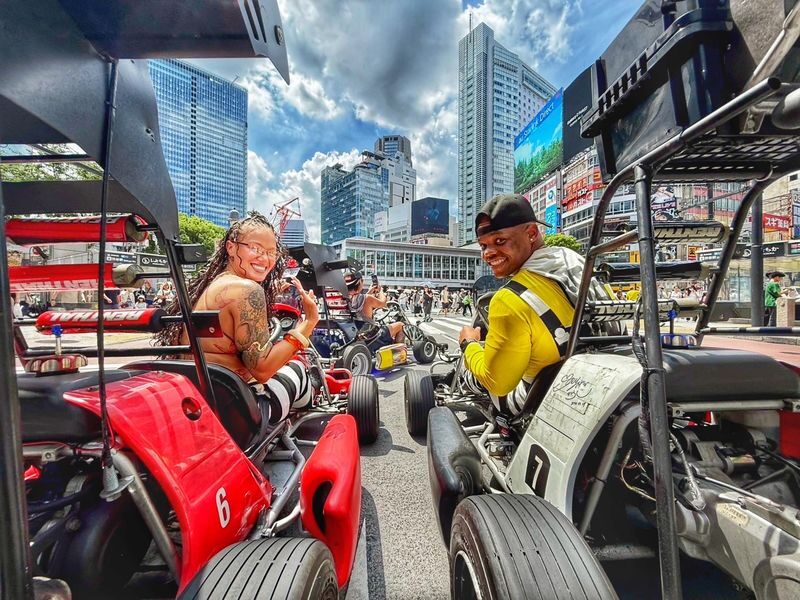 3 / 10
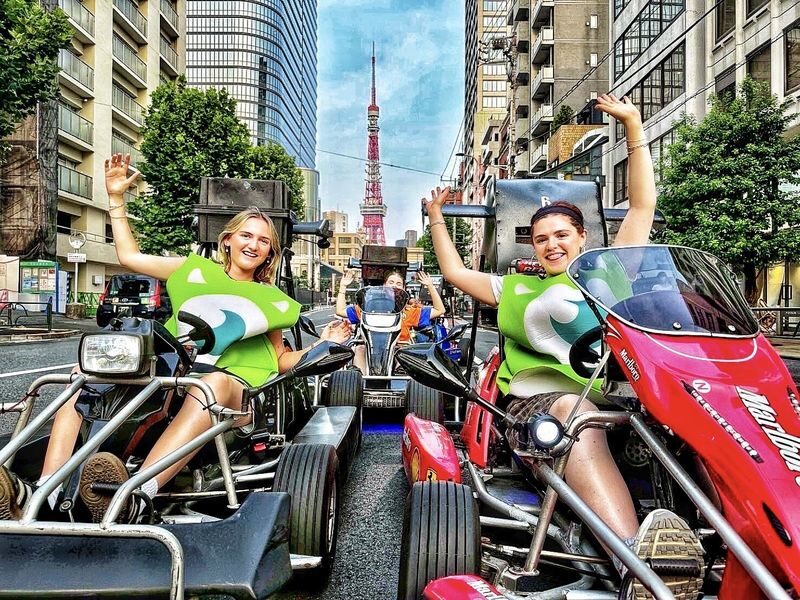 4 / 10
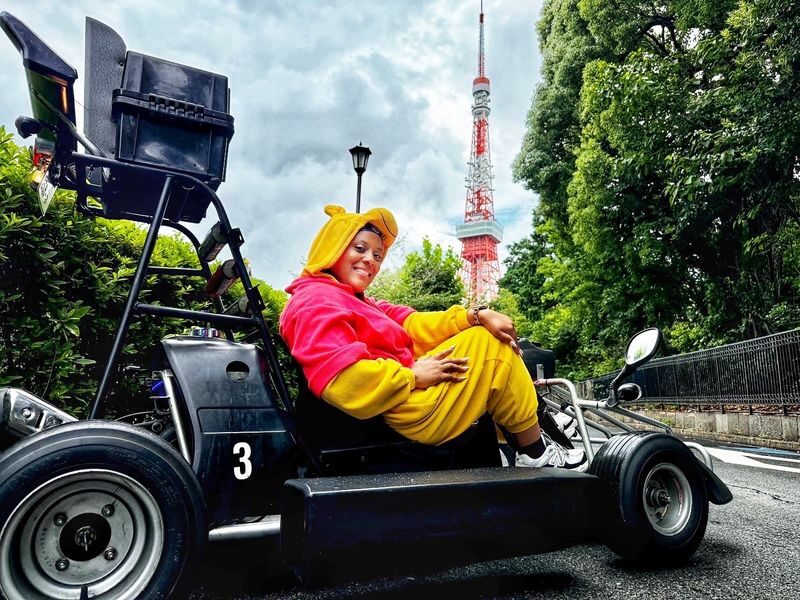 5 / 10
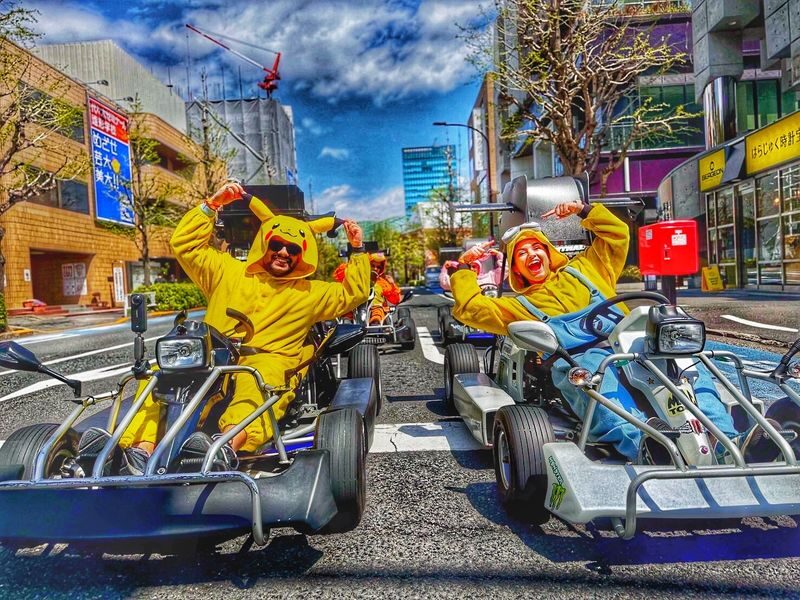 6 / 10
 7 / 10
 8 / 10
 9 / 10
 10 / 10
- A route linking Tokyo Tower and Shibuya Crossing: The main tour connects central Tokyo sights in one guided drive.
- A low-down view of city traffic: You follow the lead guide through streets and intersections rather than seeing the city from a bus or observation deck.
- Guides who help you feel settled: Riders praise clear safety instructions and attentive guides, including Singh, Niko, Izzy, Blake and Nao.
- Photos are part of the fun: Guides take pictures during the ride, and some riders received a printed keepsake.
- Evening slots show off illuminated Tokyo Tower: Departures run as late as 7:30 p.m., a popular choice for seeing the city after dark.
- The permit rules matter more than the price: The main route starts at $61.95, but a valid 1949 Geneva Convention IDP and passport are essential.

👉 See our pick of the Our Picks For The 11 Best Workshops & Classes In Tokyo
From Tokyo Tower to Shibuya Crossing
The main ALOHA GO-KART route starts at the shop in Minato City, near Tokyo Tower. You meet the guide, get instructions and set off as a group. The advertised stops include Tokyo Tower, Roppongi 7-chome, Japan National Stadium, Harajuku and Shibuya Crossing, before the group returns to the same shop.
Think of this as a guided drive through several well-known districts, not a hop-on, hop-off sightseeing tour. You remain with the group and follow the lead driver, so you are not choosing your own turns or stopping to explore each area on foot. That makes the outing efficient, but it also means the sights pass by quickly.
The tour is listed at about an hour in some ride accounts, though the exact length can vary with traffic and weather. Allow extra time around the booked slot, and check the duration attached to your chosen package before you commit.
You can also read our reviews of more tours and experiences in Tokyo.


Tokyo Tower: a strong start, and a striking night view
Tokyo Tower gives the route an easy landmark to orient around. The shop’s location near the tower is a practical advantage: you begin close to one of Tokyo’s signature sights, then set off into the city rather than spending the tour’s first stretch getting across town.
The tower is especially appealing on an evening departure. It is illuminated after dark, and riders who set off around sunset describe seeing the city shift from daylight to a field of lights. That can make the ride feel more special than a daytime circuit, though evening traffic and the weather still shape what you see and how comfortable the drive feels.
There are six listed departure times: 9:30 a.m., 11:30 a.m., 1:30 p.m., 3:30 p.m., 5:30 p.m. and 7:30 p.m. The later choices are worth considering if you want Tokyo Tower lit up. Choose based on your preferred mood and the time you can comfortably arrive, not just the best-looking photo.
Roppongi and the National Stadium: the city between the landmarks
After Tokyo Tower, the route heads through Roppongi 7-chome and toward Japan National Stadium. These sections help make the ride more than a short photo run between two headline sights. You get a sense of how Tokyo’s districts connect as the guide steers the group through the city.
Still, keep your expectations in check. The tour is about seeing these places while driving, not stopping for a stadium visit or a walk around Roppongi. If you want time to read signs, explore architecture or pause for your own photographs, plan a separate visit.
The guide’s role matters most here. You need to watch the road and stay with the group, while the guide handles the route and uses signals to keep riders together. One rider described the hand signals as easy to follow, and another praised the guide for checking in when they felt nervous. That kind of calm direction can make the first few minutes much less daunting.
Harajuku and the approach to Shibuya
Harajuku brings you toward one of Tokyo’s best-known shopping and youth-culture districts. From a kart, you get a passing impression rather than a full visit, but the route gives you a taste of the area’s pace and street life before the main event.
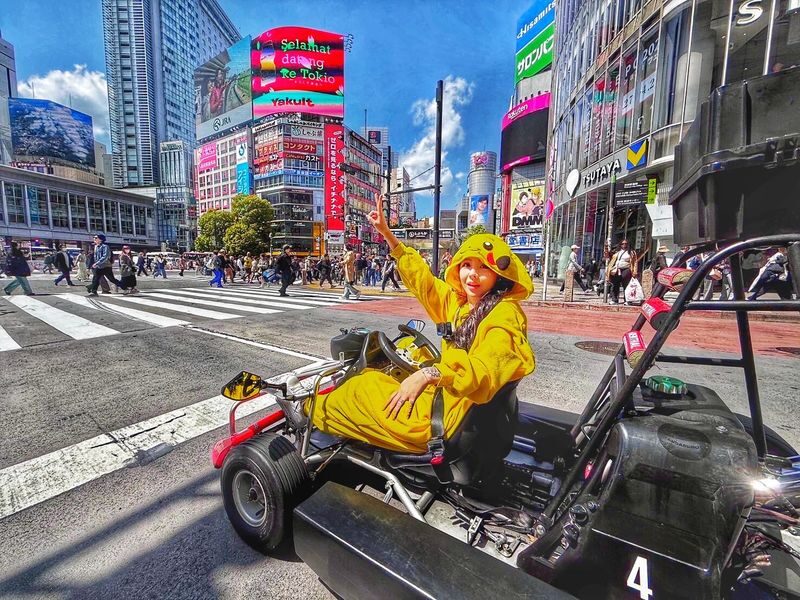
Then comes Shibuya Crossing. From the driver’s seat, the famous intersection is not simply a scene to photograph from above. You are part of the traffic moving through the area, with the low seat giving you a close view of the street and surrounding buildings. That is the memorable twist: you see the crossing from road level, not from a viewing platform.
It can feel intimidating at first. One rider described the first few minutes beside city traffic as nerve-racking, then found the ride much more fun once underway. That is useful to know if you are unsure about driving in Tokyo. You are not navigating alone, but you still need to stay alert, follow the guide’s instructions and be comfortable operating a kart on public roads.
What the guides add to the ride
The guide is more than a route leader. You receive a safety briefing before departure, then follow the guide through the course and respond to instructions along the way. Several guides are singled out by name in rider feedback: Singh, Niko, Izzy, Blake, Nao, Kazu and Bingo. The praise is consistent: clear explanations, patience with nervous drivers and an effort to keep the group together.
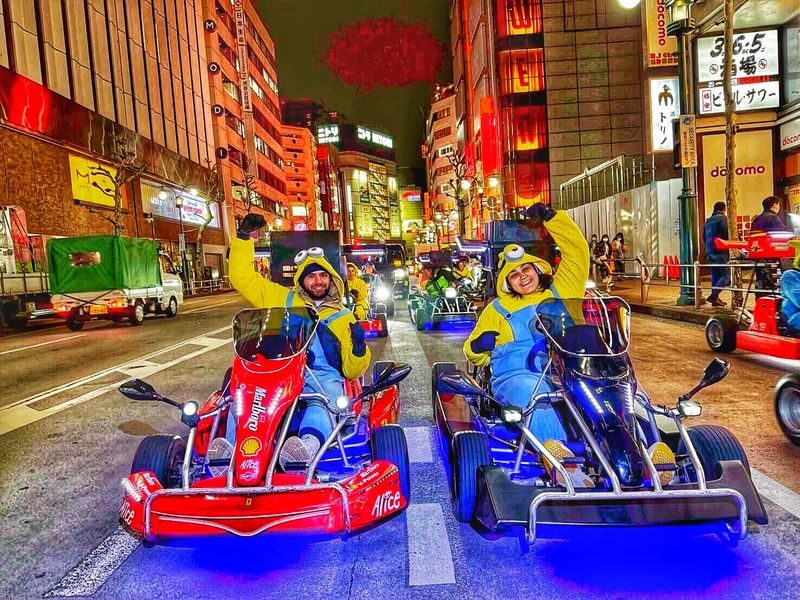
Guides also take photos during the ride. Some riders received a large batch of images by AirDrop, and some were given a printed photo as a small keepsake. Photo arrangements can vary, so do not treat a particular number of pictures or a print as guaranteed. But this is a real plus: you can concentrate on driving without trying to take pictures yourself.
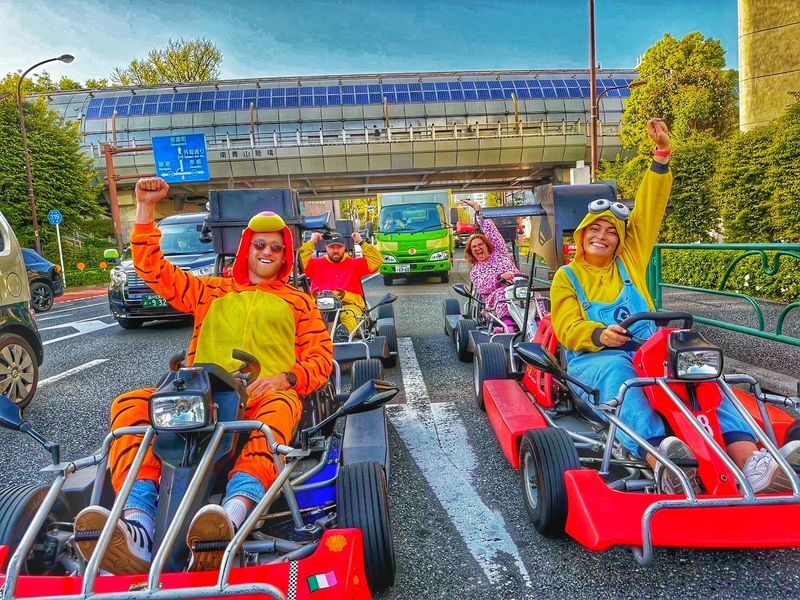
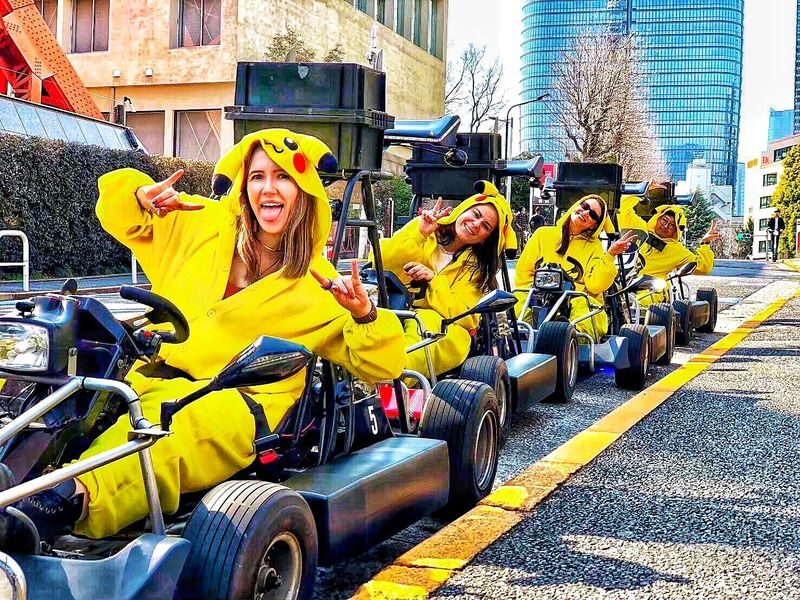
Music and costume options are also mentioned by riders, though you should not assume every detail will be available at every departure. The core attraction is still the drive. Costumes may add a playful touch, but they do not change the road rules or make this a casual ride with no responsibilities.
The 30-minute option is not the same tour
ALOHA GO-KART offers two package types. The GOAT Shibuya Crossing and Tokyo Tower option is the main route described here and requires an IDP and passport. The 30-minute Tokyo Tower trial does not go to Shibuya.
That distinction is important if the crossing is the reason you are booking. A shorter ride may suit you if you want a brief kart outing near Tokyo Tower, but it will not deliver the full route. Check the package name carefully before payment, especially if you are comparing prices.
What the price buys, and where the value lies
Prices start at $61.95. For that, you are paying for a guided activity that combines the thrill of driving with a route through several well-known central Tokyo areas. The guide, safety briefing and photos add value beyond simply hiring a kart for a short spin.
I would judge the price by what you want from your sightseeing. If you want a calm, detailed lesson on Tokyo’s history, this is not the right format. If you want an active way to see the city and a story to tell afterward, the mix of Tokyo Tower, Harajuku and Shibuya makes the cost easier to justify. The main ride is described by riders as roughly an hour, though timing can vary.
The starting price is not the only cost to consider. You need to obtain the correct driving permit in advance, and the rules are strict. A wrong document can mean losing the price of the activity, so check eligibility before treating this as an easy last-minute booking.
Documents, timing and weather: sort these out first
Japan requires participants on this activity to carry a booklet-form International Driving Permit issued under the 1949 Geneva Convention by an authorized association in the country where their national license was issued. A 1968 Vienna Convention IDP is not accepted. A4 paper, a photograph, a PDF or online data is not a substitute for the physical permit.
Bring your passport and valid IDP. The activity information also says that you need both while driving. Drivers with licenses issued in Switzerland, Germany, France, Taiwan, Belgium or Monaco must obtain a Japanese translation of the license from the Japan Automobile Federation. Licenses from countries not covered by the 1949 Geneva Convention cannot be used for this activity in Japan.
Arrive 20 minutes before departure to give yourself time to check in. The activity instructions also say to arrive 15 minutes early, so following the stricter 20-minute guidance is the sensible choice. The departure and return times depend on the slot and package you select. Late arrivals and no-shows are not refunded, and the terms state that being five minutes late can also rule out a refund.
Traffic and weather may change the schedule. The operator can cancel in extreme weather or unforeseen circumstances, in which case you can reschedule or request a full refund. If you need to cancel yourself, the stated full-refund window is at least 24 hours before the activity, in destination local time.
Who should book ALOHA GO-KART?
This tour fits you if you like driving, want a lively change from museums and walking tours, and are comfortable sharing city roads under a guide’s direction. It can also work well for friends, couples or families with eligible drivers who want a memorable activity together. Riders who were initially nervous still found the briefing and guide support reassuring, but that does not mean you should book if driving in traffic feels unsafe for you.
It is not a good fit if you lack the required permit, want to explore each neighborhood on foot, or prefer a quiet way to see the sights. You also need to be prepared to focus on the road, even when the scenery and cameras around you are tempting.
Should you book it?
Book the main route if you have the correct 1949 Geneva Convention IDP, want a hands-on city experience and are excited by the idea of driving through Shibuya rather than simply watching the crossing. Choose an evening slot if seeing Tokyo Tower illuminated is part of the appeal.
Skip it if your paperwork is uncertain or you want a slower, more informative sightseeing tour. The ride’s appeal is its unusual point of view, attentive guides and photo memories. The license rules are the hard line: confirm your documents first, then decide if the road-level thrill is worth the fare.
SHIBUYA CROSSING GO-KART BEST TOUR PROVIDER by ALOHA GO-KART
“thanks for accommodating us, we had a great time”
FAQ
What places does the main go-kart route visit?
The listed route includes Tokyo Tower, Roppongi 7-chome, Japan National Stadium, Harajuku and Shibuya Crossing. The tour returns to the ALOHA GO-KART shop.
Does every package go to Shibuya Crossing?
No. The main GOAT package includes Shibuya Crossing and Tokyo Tower. The 30-minute Tokyo Tower trial does not go to Shibuya.
What driving documents do I need?
You need a physical, booklet-form International Driving Permit issued under the 1949 Geneva Convention, plus your passport. A 1968 Vienna Convention permit, paper copy, photo or PDF is not accepted.
Do some drivers need a Japanese license translation?
Yes. Drivers with licenses issued in Switzerland, Germany, France, Taiwan, Belgium or Monaco must obtain a Japanese translation from the Japan Automobile Federation.
How early should I arrive?
Arrive 20 minutes before departure. The activity instructions also mention 15 minutes, so the earlier 20-minute arrival is the safer plan.
What departure times are offered?
The listed options are 9:30 a.m., 11:30 a.m., 1:30 p.m., 3:30 p.m., 5:30 p.m. and 7:30 p.m. Available return times depend on your selected departure and package.
Can I get a refund if I cancel?
A full refund is available if you cancel at least 24 hours before the activity, based on destination local time. There is no refund if you arrive late or do not show up, or if you cannot provide the required valid driving documents.