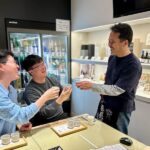
A cup of matcha is only the start here. You’ll compare the color, shape, and aroma of Japanese tea leaves, taste a range of teas, and finish by whisking matcha yourself. Host Chisei, a former tea farmer, brings practical experience to the tasting.
I like two things in particular: you get to taste 10 types of Japanese tea, not just matcha, and the leaf-by-leaf comparison helps explain why teas that look similar can smell and taste quite different. You also learn a method for making matcha at home, so the experience has a useful afterlife beyond the cafe.
One point to check before booking: the experience is described as one hour in one place, but the available start and end times suggest about 90 minutes. It also takes place indoors at a hotel cafe, so this is a focused tasting rather than a tour of tea gardens or a formal tea ceremony.
At a glance
- Compare tea before brewing: Look at the leaves’ color and shape, then notice how their aromas change in the cup.
- Taste more than matcha: The session includes sencha varieties, brown rice tea, hojicha, Japanese black tea, and other teas, with 10 types offered overall.
- Learn from a former tea farmer: Chisei explains tea cultivation and processing, giving the tasting a practical point of view.
- Try an unusual tea snack: After tasting gyokuro, you can eat the leaves with ponzu sauce.
- Whisk your own matcha: Use a bamboo whisk and learn a method you can repeat at home.
- Meet in Asakusa: The cafe is on the second floor of Henn na Hotel Asakusa Tawaramachi, a short walk from Tawaramachi Station.
👉 See our pick of the Our Picks For The 11 Best Workshops & Classes In Tokyo
- At a glance
- Begin with a welcome drink and a tea lesson
- Look closely before you take the first sip
- Taste gyokuro leaves, not just the brewed tea
- Whisk matcha with a bamboo tea whisk
- What the timing and location mean for your plans
- Is the .79 starting price worthwhile?
- Who will enjoy this tasting most
- Should you book it?
- FAQ
- How long does the tea experience last?
- Where is the meeting point?
- How do I get to the cafe?
- What time slots are available?
- What is included in the price?
- Can children join the experience?
- The Best Of Tokyo!
- More Food & Drink Experiences in Tokyo
- More Tours in Tokyo
- More Tour Reviews in Tokyo
Begin with a welcome drink and a tea lesson
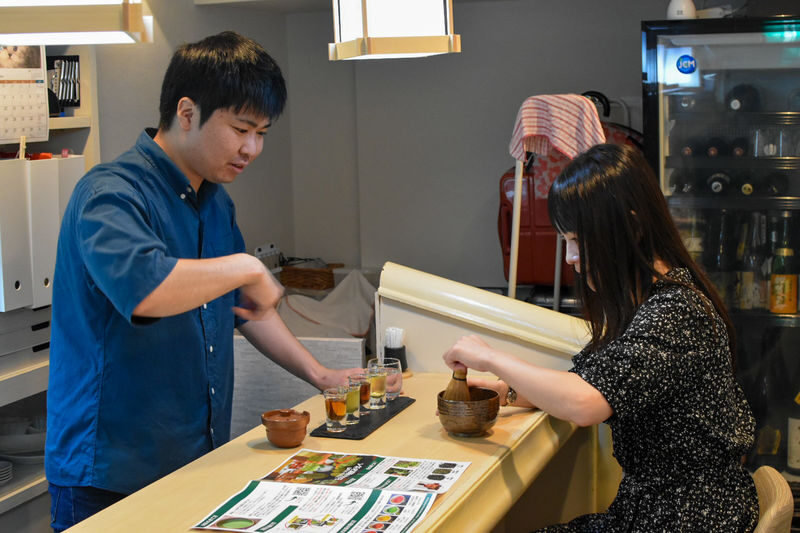
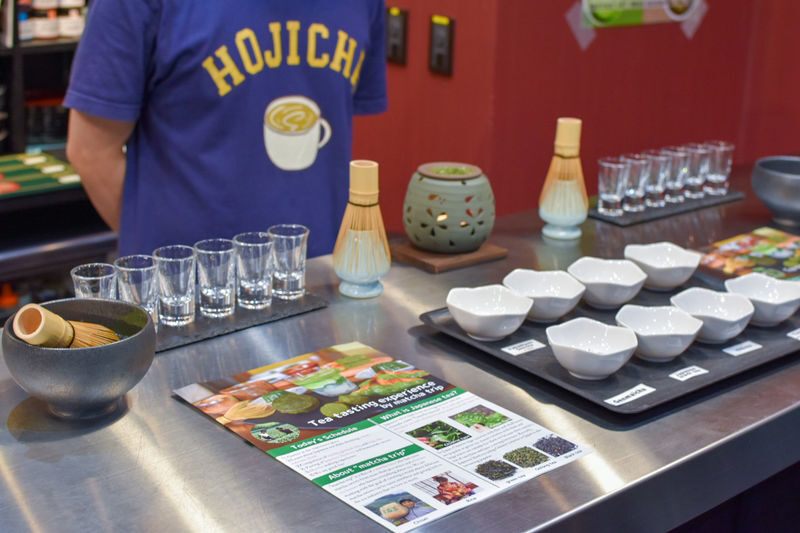
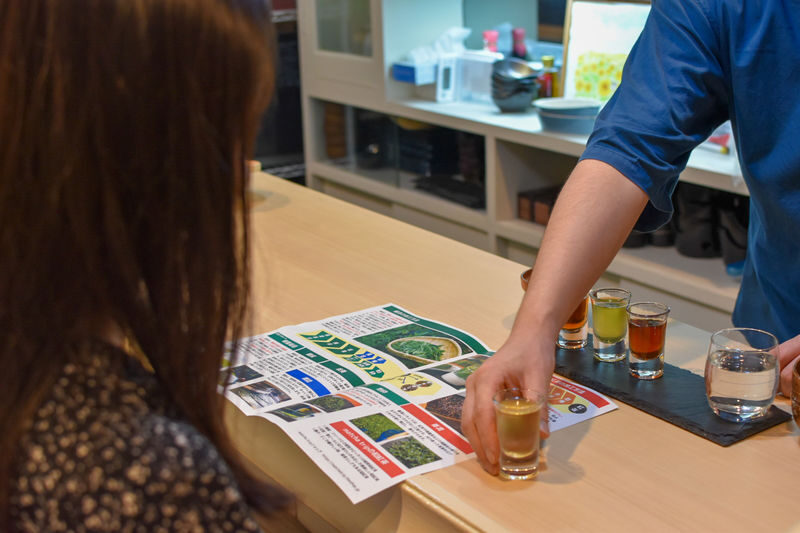
The experience starts at the cafe on the hotel’s second floor. You’ll be offered a welcome drink, and while you sip, Chisei introduces the teas you’ll taste and provides context about Japanese tea. That opening is useful: instead of treating each cup as a separate sample, you begin to understand what to notice and how the teas relate to one another.
Chisei’s background as a former tea farmer is a strong reason to choose this session. You hear about cultivation and processing from someone with direct experience of the work, rather than getting only a list of tea names. The emphasis is on how tea is made and served, not just how to pronounce it.
The setting is a cafe inside a hotel, not a farm or a traditional tea house. That makes the experience convenient if you’re already exploring Asakusa, but it’s worth keeping your expectations clear: the focus is on tasting and learning at a table.
You can also read our reviews of more food & drink experiences in Tokyo


Look closely before you take the first sip
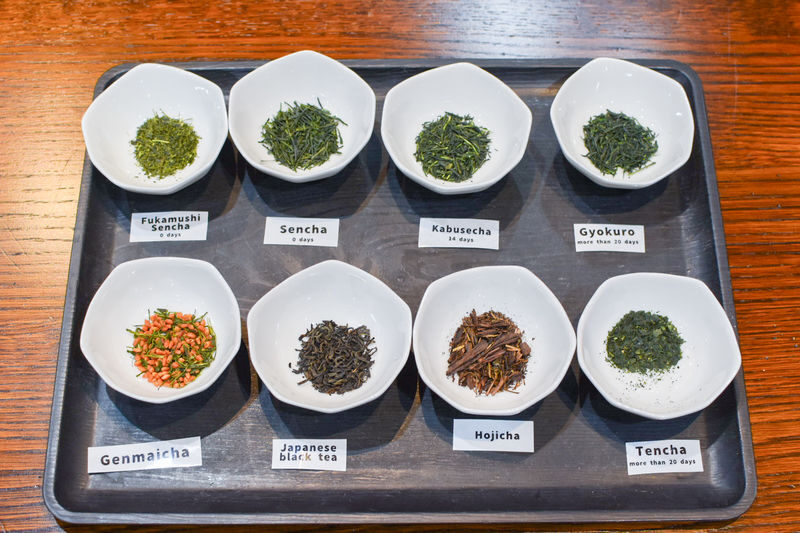
A central part of the tasting is comparing the leaves before they’re brewed. You’ll look at their color and shape, then smell them and taste the tea once it has been prepared. It’s a simple exercise, but a helpful one. When you have several teas side by side, small differences are easier to spot than when you try one cup on its own.
The session includes several sencha varieties, named Fukamushi, Haruka, Midori, and Shizuku, as well as brown rice tea and hojicha. Each tea is served in a way intended to bring out its character. That attention to preparation matters: temperature and brewing method can affect what you notice in a cup, so you’re not simply sampling tea made one way and drawing broad conclusions from it.
The full experience is described as a chance to taste 10 different Japanese teas. The tasting outline names several varieties and styles, but it does not provide a complete numbered list of all 10. Go in ready to compare what’s served rather than expecting a fixed menu of exactly named teas.
Taste gyokuro leaves, not just the brewed tea
One of the more unusual details is the chance to eat gyokuro tea leaves with ponzu sauce after you’ve enjoyed the tea. Gyokuro is a Japanese green tea, and tasting the leaves themselves gives you a different way to think about what normally stays behind in the pot.
This little bite is a distinctive part of the session. It turns the tasting into more than a sequence of cups and gives you a closer look at the leaf as an ingredient. If you’re curious about food and drink experiences that include something you might not try on your own, this is a good reason to pay attention.
The experience also includes Japanese black tea and homemade tea sweets. These give the tasting a change of pace from the green teas and add a snack alongside the drinks. Snacks and refreshments are included, but the exact sweets and welcome drink can vary, so don’t count on a specific item.
Whisk matcha with a bamboo tea whisk
At the end, you make ousucha, a light style of matcha, using a bamboo whisk. The goal is practical as well as enjoyable: you learn the basic process and leave with a method you can use at home. If you’ve only had matcha prepared for you, handling the whisk yourself helps make the drink less mysterious.
This is a hands-on finish rather than a long formal ceremony. The session is designed to teach you how to make matcha, not to present a full ceremonial performance. That distinction helps you decide if it suits you. Choose it for guided tasting, context, and a useful skill; look elsewhere if your main aim is a traditional ceremony in ceremonial dress or a visit to a tea-growing region.
What the timing and location mean for your plans
The listed start times are 09:00, 11:30, and 13:30. The corresponding return times are 10:30, 13:00, and 15:30, depending on the option you book. Those time pairs indicate a session of about 90 minutes, although the experience is also described as lasting one hour. Check the time shown for your selected booking and leave a little room around it in your day.
The meeting point is Sports Bar Leaf on the second floor of Henn na Hotel Asakusa Tawaramachi. There’s a FamilyMart on the hotel’s ground floor; enter the hotel and go upstairs. Tawaramachi Station on the Ginza Line is about a four-minute walk away, and Kaminarimon in Asakusa is about a 10-minute walk. Transport to the venue is not included.
Arrive five minutes before your selected start time. Late arrivals and no-shows are not refundable, so don’t try to squeeze in a last-minute stop across town. The session ends back at the cafe, making it easy to continue exploring Asakusa afterward.



Is the $61.79 starting price worthwhile?
At $61.79 per person, this is a specialty tasting rather than a quick cup of tea. You’re paying for the chance to compare multiple types, hear about cultivation and processing from a former tea farmer, try snacks and refreshments, and learn to prepare matcha yourself. For anyone who wants a clearer understanding of Japanese tea, those parts make the price easier to justify.
The value depends on your interest. If you already know tea well and mainly want a large serving of matcha, this may feel like more instruction than you need. If you’re curious about Japanese tea but don’t know where to start, the guided comparisons give you a structured introduction that would be harder to assemble on your own in a cafe.
The price does not include transport or personal expenses. The experience is also relatively short, so think of it as one focused activity within a day in Tokyo, not a half-day excursion. Two published ratings are five out of five, and both describe strong teaching and an engaging introduction to the teas. That’s encouraging, though two ratings are a small sample, not a guarantee of every session.
Who will enjoy this tasting most
I’d recommend it to tea-curious visitors who enjoy learning by tasting. The range of teas, the look-and-smell comparison, and the chance to whisk matcha give the session a good balance of explanation and participation. The former tea farmer’s perspective is especially appealing if you want to understand how tea is cultivated and processed, not just how it tastes.
It could also work well for people who want an indoor activity in Asakusa that fits neatly into a day of sightseeing. The meeting point is close to Tawaramachi Station and within walking distance of Kaminarimon. Since the tasting is seated in a cafe, it does not require a long walk or travel out of central Tokyo.
Children aged six and older pay the adult rate, while children aged zero to two can attend free. The information does not specify a separate child-friendly version, so consider whether your child will enjoy a quiet, tea-focused session before booking. If you’re after a broader cultural outing, a kimono experience or a formal tea ceremony may be a better match.
Should you book it?
Book this if you want to taste several Japanese teas with a guide who can explain how they’re grown and processed, and you like the idea of learning to whisk matcha yourself. The gyokuro leaves with ponzu add a memorable twist, while the home matcha lesson gives you something practical to take away.
Skip it if you’re mainly looking for a formal tea ceremony, a visit to a tea farm, or a very short drop-in tasting. Before you book, check the duration and exact time for your chosen slot, since the stated one-hour length and the schedule’s roughly 90-minute window do not match. If the timing works and tea interests you beyond the familiar bowl of matcha, this is a focused and worthwhile stop in Asakusa.
Matcha Experience with of Japanese Tea Tasting in Tokyo
“Truly fantastic tea tasting. Chisei was great at engaging us and introducing the different types of tea and matcha.”
FAQ
How long does the tea experience last?
The experience is described as one hour, but the listed start and return times suggest about 90 minutes. Check the duration shown for your selected booking.
Where is the meeting point?
Meet at Sports Bar Leaf on the second floor of Henn na Hotel Asakusa Tawaramachi, at 3-chome-19-8 Kotobuki, Taito City, Tokyo. Enter through the hotel and go upstairs.
How do I get to the cafe?
The venue is about a four-minute walk from Tawaramachi Station on the Ginza Line and about a 10-minute walk from Kaminarimon in Asakusa.
What time slots are available?
The listed start times are 09:00, 11:30, and 13:30. Return times are 10:30, 13:00, and 15:30, with options depending on the start time you book.
What is included in the price?
An English-speaking guide, snacks, and refreshments are included. Transport and other personal expenses are not included.
Can children join the experience?
Children aged zero to two can attend free. Children aged six and older are charged the same rate as adults.