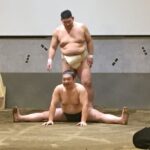
The first thing to know about this Shinjuku sumo show: it is a staged demonstration, not a tournament. You get a close look at the sport’s foot stomps, salt-throwing and powerful wrestling, with English explanations and a chance to enter the ring if the lottery picks you.
I like two things in particular: the show makes unfamiliar rituals easier to follow, and the audience challenge turns the lesson into a lively shared moment. One consideration is that the bouts are part of a short entertainment program, not long competitive matches, and only six people can be selected to wrestle per show.
- At a glance
- Sumo in a Shinjuku show space
- Reading the rituals before the bouts
- The audience challenge is the wild card
- Hosts, humor and audience energy
- What the timing means for your plans
- Price and what you get for it
- Who should book the Shinjuku sumo show?
- Booking details to check
- Should you book it?
- FAQ
- Is this a real sumo tournament?
- How long does the experience last?
- What time can I book?
- Where is the meeting point?
- How early should I arrive?
- Can I wrestle a sumo wrestler?
- Is an English-speaking guide included?
- Is a drink included?
- Is the activity wheelchair-accessible?
- Does the package include a photo?
- The Best Of Tokyo!
- More Shows & Entertainment in Tokyo
- More Tours in Tokyo
- More Tour Reviews in Tokyo
At a glance
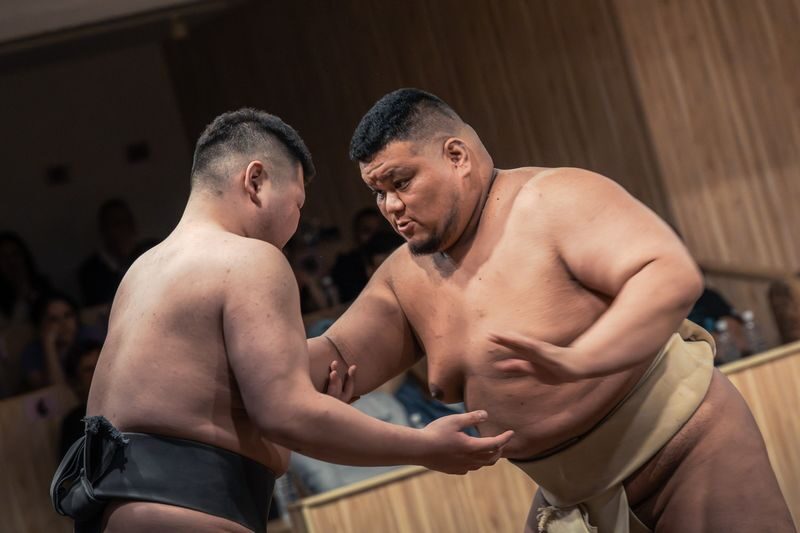
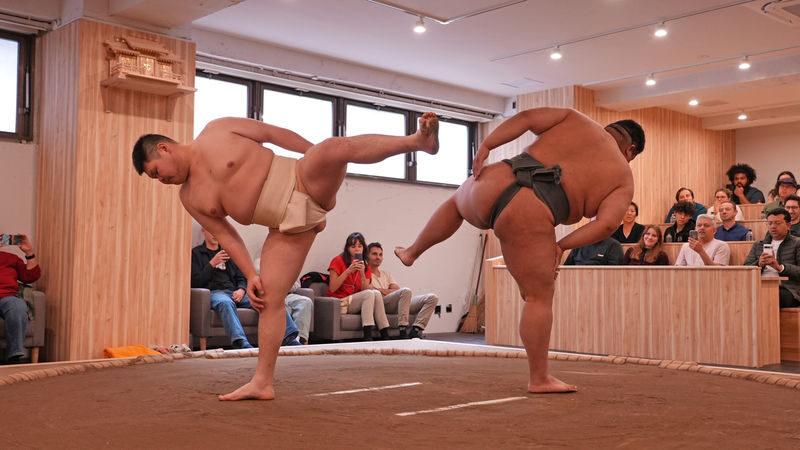
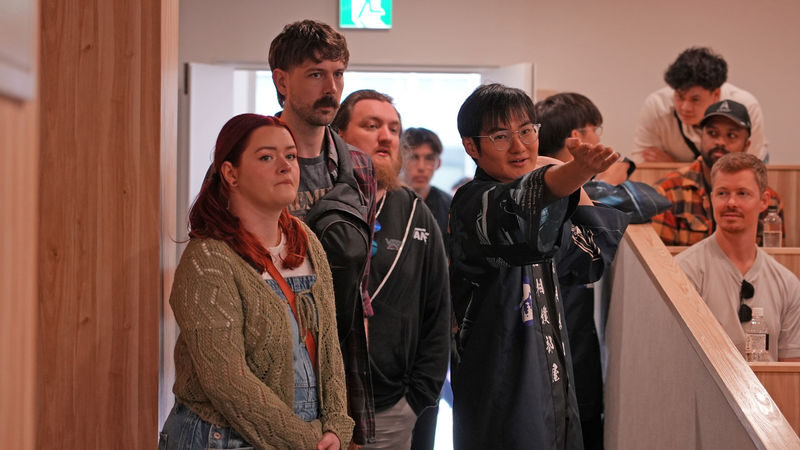
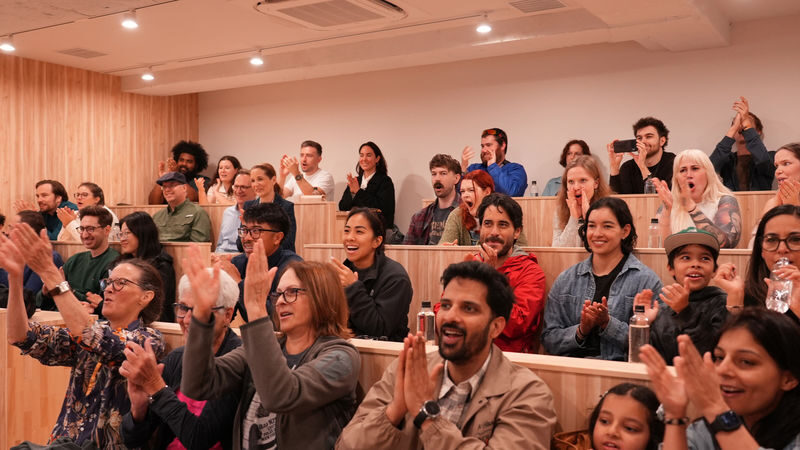
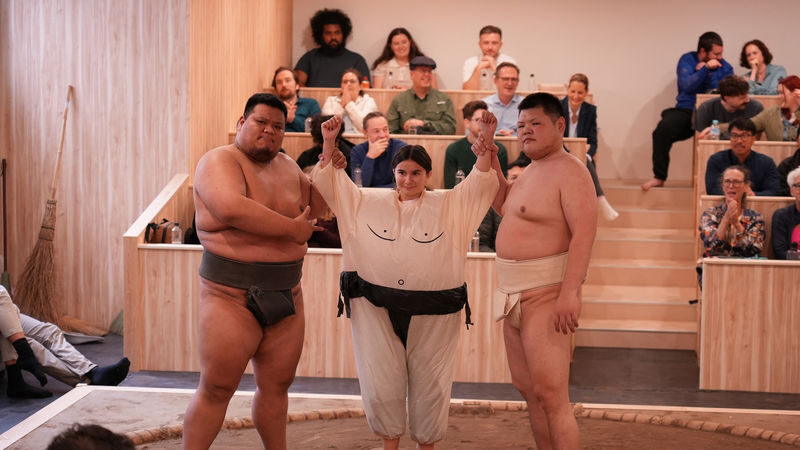
- Sumo rituals, explained: See shiko, the ceremonial foot stomping, and salt-throwing, with an English-speaking guide and staff.
- A chance to enter the ring: Up to six audience members are chosen by lottery to challenge a wrestler.
- Shinjuku location: The Kabukicho venue is at 1-8-4 Okubo, on the first floor, with entry through the main front door next to Daiso.
- A compact outing: The experience is promoted as one hour, while the listed itinerary allows 90 minutes. Confirm the duration for your selected show.
- Four listed start times: Choose 14:00, 16:30, 19:00 or 21:30 when booking. The corresponding return times are listed as 15:30, 18:00, 20:30 and 23:00.
- A welcome drink included: The package includes one welcome drink. Other personal expenses and tips are not included.
👉 See our pick of the Our Picks For The 11 Best Workshops & Classes In Tokyo
Sumo in a Shinjuku show space
Sumo is often associated with Ryogoku, Tokyo’s traditional sumo district, but this show takes place in Shinjuku’s Kabukicho area. That location makes it easy to pair the performance with an evening in the city, while the presentation brings the sport’s rituals into a compact indoor setting.
That distinction matters. You are not attending a tournament or seeing a full day of professional competition. Instead, the event is designed to introduce sumo through demonstrations, explanation and staged bouts. It offers a practical way to learn some basics if your Tokyo schedule does not line up with a tournament, or if you want a shorter, more accessible first encounter with the sport.
The English-speaking guide and staff are central to the experience. Sumo has its own gestures and ceremony, and the explanation helps you see more than two wrestlers pushing each other around a ring. Hosts named in attendee comments include Jasmine, Kristin or Kristine, Ken, John and Aito. The host can vary, so treat those names as examples rather than a promised lineup.
You can also read our reviews of more tours and experiences in Tokyo


Reading the rituals before the bouts
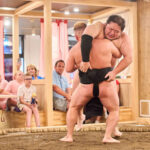
Expect to see wrestlers demonstrate movements and customs associated with sumo, including shiko, the deliberate foot stomping, and the throwing of salt. These actions are not just decoration. They are part of the ceremony around a bout, and seeing them explained gives you a better sense of how sumo combines athletic contest with formal ritual.
The show also gives you a close view of the wrestlers’ physical presence and techniques. That is a different experience from watching a match at a distance. The scale and force of sumo are easier to appreciate when the action is presented directly in front of an audience, with a host guiding you through what is happening.
The bouts are entertaining, but keep expectations in proportion. They are demonstrations within a one-off show, not a tournament schedule, and some people may wish the matches lasted longer. The strength of the format is breadth: it moves between explanation, ritual and action rather than focusing on extended bouts.
The audience challenge is the wild card
After the demonstrations, the show gives you the chance to challenge a wrestler. Participation is limited to six people per performance, and names are selected by lottery. That means you can enjoy the show without entering the ring, but you should not book on the assumption that you will be chosen.
If you are selected, expect a playful, memorable moment rather than a serious contest. The challenge is presented as part of the entertainment, with respect for the wrestlers and plenty of room for humor. A child or adult who joins in may find this is the part they talk about afterward. If you would rather stay seated, the audience still gets to watch the challenge unfold.
The lottery adds a bit of suspense, but it also means participation is not guaranteed. That is worth knowing if the main reason you are booking is to wrestle. Consider the challenge a possible extra, not the core product.
Hosts, humor and audience energy
The host helps set the pace and make the explanations approachable. English-language commentary is included, and the names mentioned by attendees vary across performances. Several people praised hosts such as Jasmine, Kristin and Ken, while other comments singled out John and Aito. There is no fixed host listed, so the best expectation is an English-speaking presenter, not a particular person.
Humor is part of the format. It keeps the explanations from feeling like a formal lecture and helps the audience relax before the interactive section. The overall mood is lively, and the show is built to work for a mixed group, including families and first-time visitors to Japan.
That light touch is useful, though it means this is not a quiet, scholarly account of sumo. You will get cultural context, but the event’s main aim is to entertain while introducing the sport. If you want a deeper study of sumo rules or a full tournament, this short show is a starting point rather than a substitute.
What the timing means for your plans
Four departure times are listed: 14:00, 16:30, 19:00 and 21:30. Return times are listed as 15:30, 18:00, 20:30 and 23:00, depending on the show you choose. The activity is described as one hour in the summary, while its itinerary gives the show a 90-minute slot. Because those details do not match, use the duration shown for your selected booking when planning dinner, transit or another activity.
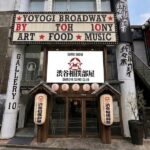
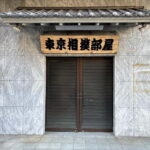
The event is a meet-up rather than a tour with transport. You make your own way to Shinjuku Sumo Club Kabukicho, at 1F, 1-8-4 Okubo, Shinjuku City, Tokyo 169-0072. Arrive 15 minutes before your booked start. The venue requires entry through the front of the building, at the main door next to Daiso. The schedule is tight, and late entry may not be accepted, so leave a little extra time to find the entrance.
The address is in Shinjuku, not Ryogoku. If you are staying elsewhere in Tokyo, account for your trip to the venue yourself. The activity information notes that schedules may change due to traffic or weather, though this is a meet-up show rather than a sightseeing route.


Price and what you get for it
Tickets start at $60.59. For that price, you get admission, an English-speaking guide and staff, and a welcome drink. A sumo show also offers something a standard sightseeing stop may not: a short introduction to a living Japanese sport, presented with physical demonstrations and audience participation.
The value is strongest if you want an easy-to-follow, entertaining introduction and are happy with a staged format. It is less compelling if you are looking for a long sports event, a meal or a guaranteed turn in the ring. Other personal expenses and gratuities are excluded, and the event is cashless. Accepted cards include Visa, Mastercard, American Express, JCB, Diners Club and Discover.
The title refers to a photo, but the package details supplied for this venue do not spell out how the photo is arranged or what it includes. If that is a key part of your decision, check the exact package details before booking rather than assuming a particular photo format.
Who should book the Shinjuku sumo show?
This is a good fit if you want to understand a few sumo customs without committing a large part of your day. The short format, English explanations and comic audience challenge make it particularly suitable for first-time visitors, families and groups looking for an evening activity with a cultural angle.
It can also work well for someone who is curious about sumo but unlikely to plan a trip around a tournament. The demonstrations give you a sense of the sport’s force and ceremony, while the host keeps the experience accessible.
I would choose something else if your priority is tournament competition, a long technical presentation, or guaranteed audience participation. The show is an introduction, not a substitute for the sport in its competitive setting. Children aged 13 and older pay the adult rate. The activity is listed as wheelchair-accessible.
Booking details to check
There are two package options listed: a Shinjuku Main Venue and a Shinjuku Kabukicho Venue. The details here apply to the Kabukicho venue, so confirm that you select the right location and read the meeting instructions attached to your booking. Your voucher is valid only for the date and time selected, and you can present it on your phone.
Free cancellation is available up to 24 hours before the activity, based on local time. Changes are also allowed until 24 hours before the start, with some booking types excluded. If the operator cancels because of an unforeseen event or extreme weather, you can reschedule or request a refund. Late arrivals and no-shows are not eligible for a refund or amendment.
Should you book it?
Book this if you want a fun, compact introduction to sumo with English commentary, ritual demonstrations and a chance, not a guarantee, to step into the ring. The most useful expectation is that you are paying for an interactive show, not a tournament ticket. Check the exact venue, photo details and duration before you pay, then arrive early enough to find the front entrance.
Tokyo: Sumo Live Show with Photo in Shinjuku
“Jasmine, thank you for everything. The place is excellent and highly recommended.”
FAQ
Is this a real sumo tournament?
No. It is a show with demonstrations and staged bouts, not a real tournament.
How long does the experience last?
The activity summary describes it as one hour, while the itinerary allows 90 minutes for the show. Check the duration attached to your selected booking.
What time can I book?
The listed departure times are 14:00, 16:30, 19:00 and 21:30. Available times can depend on the package you choose.
Where is the meeting point?
The Kabukicho venue is SHINJUKU SUMO CLUB KABUKICHO, 1F, 1-8-4 Okubo, Shinjuku City, Tokyo 169-0072.
How early should I arrive?
Arrive 15 minutes before your booked start time. Entry is through the front door next to Daiso, and late entry may not be accepted.
Can I wrestle a sumo wrestler?
You may have a chance. Up to six participants are selected by lottery at each show, so participation is not guaranteed.
Is an English-speaking guide included?
Yes. An English-speaking guide and English-speaking staff are included.
Is a drink included?
Yes. The package includes a welcome drink. Other personal expenses are not included.
Is the activity wheelchair-accessible?
Yes. The activity is listed as wheelchair-accessible.
Does the package include a photo?
The experience name mentions a photo, but the supplied details do not explain how the photo is provided. Check the exact package information before booking if this matters to you.