Matcha is more than a bright-green drink: its flavor varies with where and how the tea is grown. This Tokyo session lets you compare several styles side by side, then choose a favorite and whisk it yourself. I like that the tasting includes both ceremonial-grade matcha and products sold as matcha that do not meet that definition, and that the instructor brings experience as a former Kyoto tea farmer.
I also like the practical finish: you learn to make usucha, a thin, whisked matcha, with a bamboo whisk, then get matcha latte and sweets before the class ends. One point to check before booking is the session length: the experience is described as one hour in one place and 90 minutes in the schedule, while the tasting is described as both eight and ten kinds. The exact format may need confirming.
- What to know before you book
- A tasting that puts differences first
- Learning from a former tea farmer
- Making your own usucha
- The timing and tasting count need a quick check
- Finding the Asakusa meeting point
- Is .85 good value?
- Who will enjoy this class most
- Should you book it?
- FAQ
- Where does the matcha experience take place?
- How long is the class?
- How many kinds of matcha will I taste?
- What will I make?
- Are food and drinks included?
- What departure times can I choose?
- Can children take part?
- The Best Of Tokyo!
- More Tours in Tokyo
- More Tour Reviews in Tokyo
What to know before you book
 1 / 6
 2 / 6
 3 / 6
 4 / 6
 5 / 6
 6 / 6
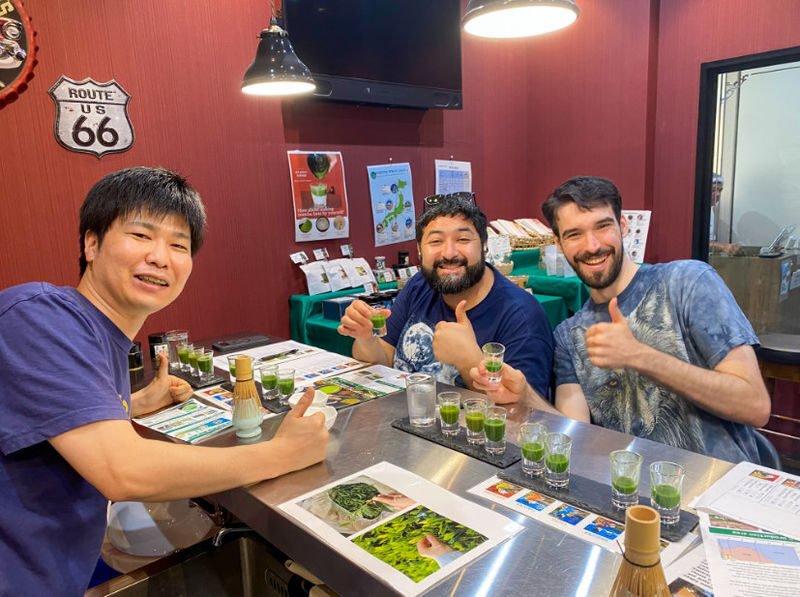
- Taste before you whisk: Compare matcha from several Japanese production areas, then choose the one you like best for your own bowl.
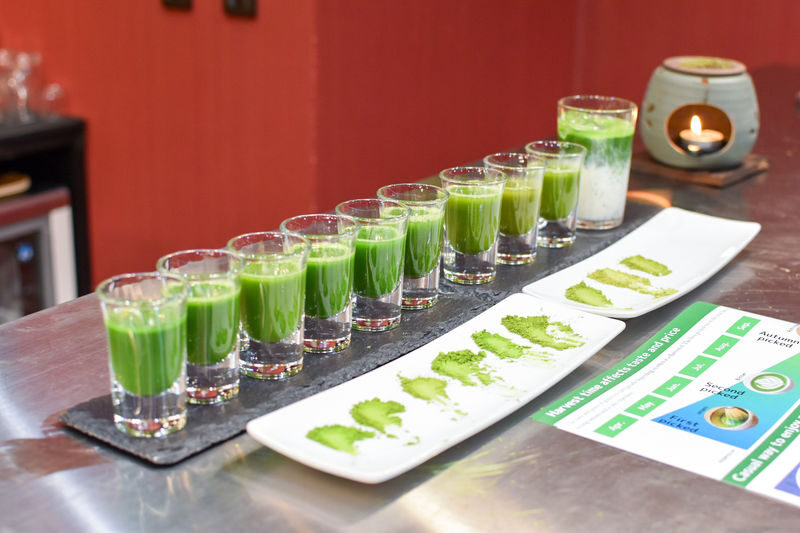
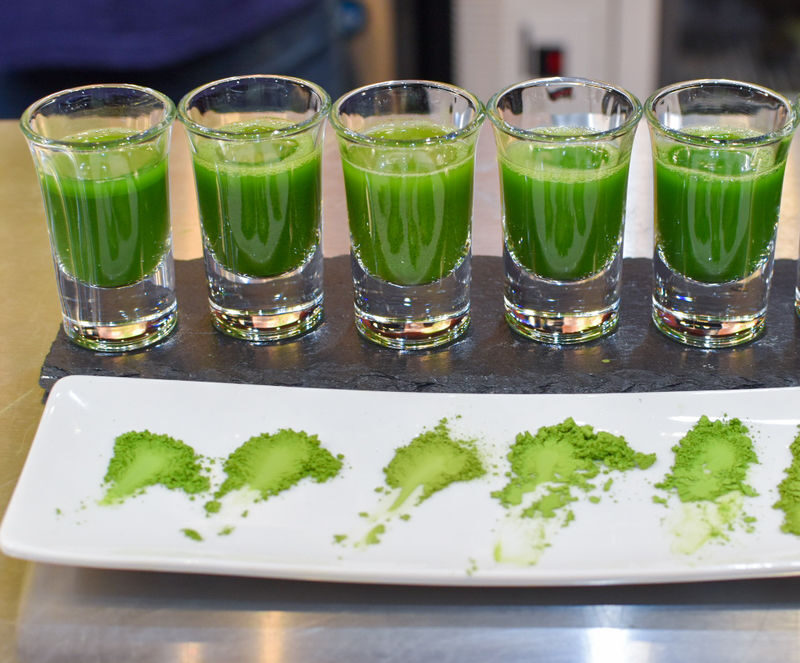
- The tasting has two descriptions: One gives eight kinds, including six ceremonial-grade matchas and two products sold as matcha that do not fit that definition; another describes ten kinds from five areas.
- Learn the basics behind the flavor: The lesson covers matcha’s definition, cultivation methods, and history, with an instructor whose background includes tea farming in Kyoto and agricultural science.
- Use a bamboo whisk: You make usucha yourself, a useful skill to take home rather than just a demonstration to watch.
- Expect a sweet finish: Matcha latte and matcha sweets are included before the session ends.
- Meet in Asakusa: The class takes place at Bar LEAF on the second floor of Henn na Hotel Asakusa Tawaramachi.
👉 See our pick of the Our Picks For The 11 Best Workshops & Classes In Tokyo
A tasting that puts differences first
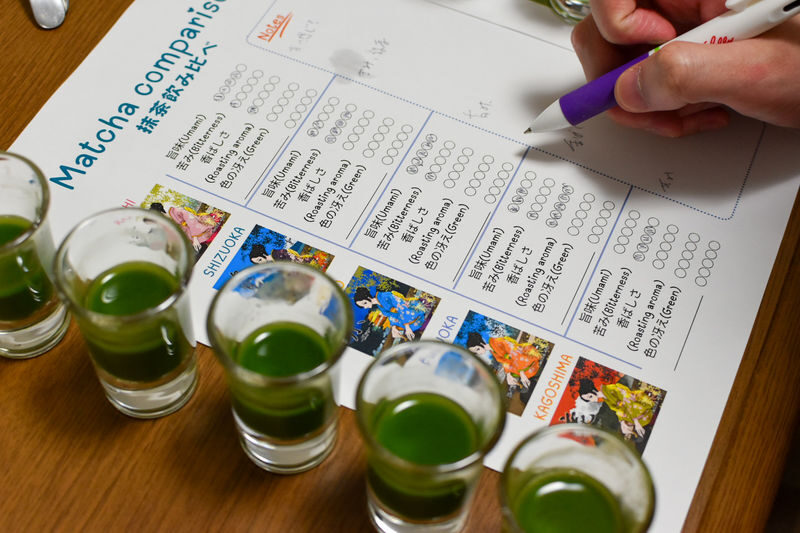
Many matcha experiences focus on making a bowl or attending a tea ceremony. This one puts comparison at the center. You sample teas from different Japanese production areas and consider how their flavor and aroma vary before deciding which one suits you.
That tasting-first approach is useful even if you already drink matcha. A label alone cannot tell you what you will like, and a side-by-side comparison gives you a chance to notice differences while the flavors are fresh in your mind. If you are new to matcha, it offers a clear starting point: taste, learn what the tea is, then try preparing it.
There is a particularly practical detail in the selection. Six of the eight teas in one description are ceremonial grade, while two are products sold as matcha around the world but not defined as matcha. That distinction helps explain why matcha labels can be confusing. You can compare products that may look similar on a menu or shelf, then learn how the class defines them.
The experience is also described as a tasting of ten kinds from five production areas. Because the two descriptions do not match, I would confirm the number of samples with the operator before booking if the exact lineup matters to you. Either way, the central idea is clear: you are meant to taste a range, not just sip one prepared drink.
You can also read our reviews of more tours and experiences in Tokyo.


Learning from a former tea farmer
The instructor’s background adds useful context to the tasting. The main teacher has a bachelor’s degree in agricultural science, a particular interest in soil science, and experience as a former tea farmer in Kyoto, where the work included both cultivation and processing.
That matters because matcha’s character begins well before it reaches a bowl. The class covers cultivation methods and the history and definition of matcha, so you can connect what you taste with how tea is grown and processed. The material is likely to appeal most to curious drinkers who want more than a quick recipe.
Chisei is named as a host in the available feedback, with the teaching described as friendly, professional, and educational. You cannot assume the same person will lead every session, but the instructor’s stated farming background is a notable part of the experience. The feedback is very positive, though the sample is small, so treat it as an encouraging sign rather than a guarantee of exactly how your class will go.
The session is billed as a guided experience. It is not described as a formal tea ceremony, so book it for tasting and hands-on preparation rather than for an elaborate ceremonial performance.
Making your own usucha
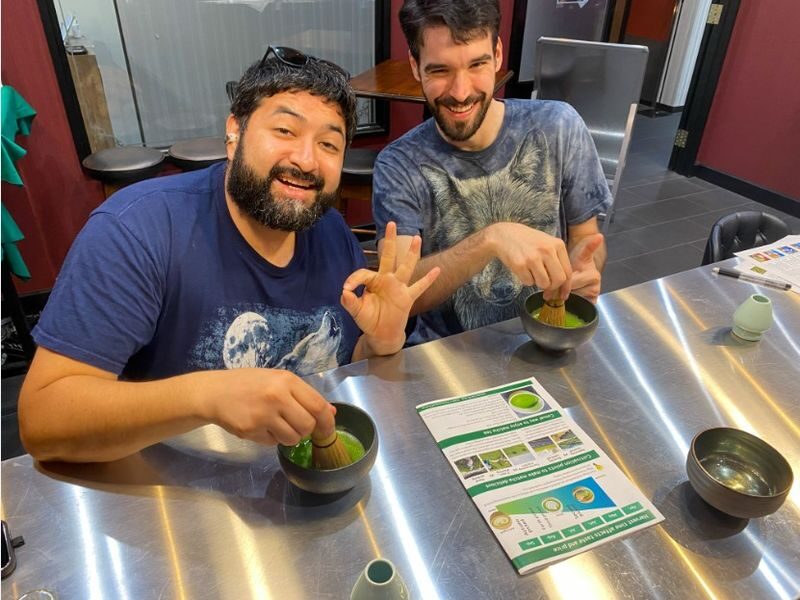
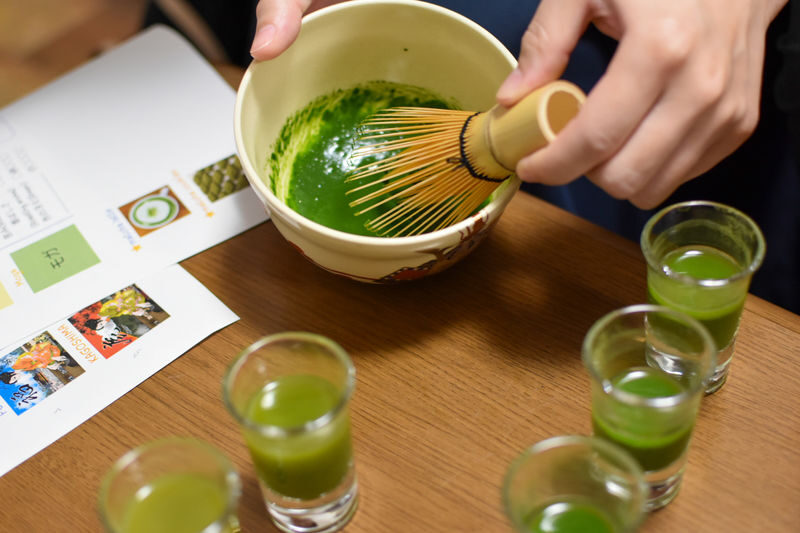
After the comparison, you choose the matcha you liked best and prepare it yourself with a bamboo tea whisk. The drink is usucha, or thin matcha. The point is not only to enjoy a bowl during the class, but to learn a basic preparation you can repeat at home.
That hands-on step is what gives the tasting a practical payoff. You have already sampled several teas, so your choice is based on your own palate rather than a recommendation made before you know what you prefer. If one tea tastes sweeter, more aromatic, or simply more pleasant to you, that is the one you can use for your bowl.
The class says you will still be able to make matcha at home after the experience. It does not specify whether a bamboo whisk is provided to take away, so do not assume you will leave with equipment. The useful thing you take home is the method, along with a clearer idea of which matcha you might buy.
Matcha latte and sweets come before the lesson ends. This gives the session a relaxed finish and lets you try matcha in a different style from the whisked usucha. The details do not name the sweets or say how the latte is prepared, so consider them a welcome included tasting rather than a set menu.
The timing and tasting count need a quick check
The stated duration is not consistent. The short description calls the experience one hour, but the itinerary gives a 90-minute span, with departures at 9:00 and 11:30 and returns at 10:30 and 13:00. The schedule suggests 90 minutes, but confirm the timing for your chosen date rather than planning around the shorter figure.
The tasting count also varies: one description says eight types, while another says ten from five regions. The eight-type version gives more detail about the grades; the ten-type version emphasizes regional variety. It is possible the sample lineup changes, but that is not confirmed. If you have a strong preference, ask which format will run when you book.
These mismatches do not change the basic shape of the session: compare matcha, learn about its origins, make usucha, then have a latte and sweets. They do matter if you are fitting the class between other plans or booking specifically for a ten-tea regional tasting.
Finding the Asakusa meeting point
The meeting place is Bar LEAF on the second floor of Henn na Hotel Asakusa Tawaramachi, at 3-19-8 Kotobuki, Taito City. The activity name is matcha trip. The venue is in Asakusa, a convenient base for visitors spending time in the area, but the class information does not describe nearby sights or how to get there from other parts of Tokyo.
Choose the departure time when booking: 9:00 or 11:30. The listed return times are 10:30 or 13:00, depending on the departure and itinerary. Arrive five minutes early. Late arrivals and no-shows are not refundable, so build in a little extra time rather than cutting it close.
The experience details also mention an English-speaking professional driver or guide, as well as snacks and drinks. Since the activity is held at a hotel bar and described as a matcha lesson, the exact role of the driver or guide is not clear. If you need to know how the meeting or transport works, confirm directly with the operator.



Is $61.85 good value?
At a starting price of $61.85 for one person, this is more than a quick cup of matcha. You are paying for a guided comparison, background on cultivation and matcha’s definition, a chance to make your own usucha, and a latte and sweets. The former tea farmer’s experience gives the lesson an agricultural angle that a simple drink-making class may not offer.
The best value is for someone who enjoys tasting and wants to understand what they are drinking. Comparing several matchas can help you make more informed choices later, particularly if you have found matcha labels hard to interpret. You also get to practise with a bamboo whisk rather than only watching a teacher prepare the drink.
The price may feel less compelling if you mainly want a full tea ceremony, a long workshop, or a take-home whisk and tea. None of those are promised. Nor is the group size stated, so you cannot judge how much individual attention to expect from the details available.
Two perfect ratings are a positive signal, and the comments particularly praise the host’s friendly, professional teaching and the educational quality. Still, two ratings are a small base. I would weigh that praise alongside the clear appeal of the format, not treat it as proof that every session will be identical.
Who will enjoy this class most
I would book this if you already like matcha, want to compare Japanese teas, or are curious about how cultivation affects flavor. It also suits a first-timer who would rather learn the basics in a guided session than choose a tin at random and hope for the best.
It is a good fit for a short Tokyo itinerary because the activity is scheduled for about 60 to 90 minutes, depending on which duration is correct. Families can bring children, though the age rules matter: children aged zero to one are free if they do not need a separate seat; ages two to five must attend with a paying adult; and children six and older pay the adult rate.
I would look elsewhere if your priority is a formal tea ceremony or a clearly specified long-form class. The available details emphasize tasting, matcha education, and making usucha. They do not promise ceremonial etiquette, a specific number of participants, or a souvenir.
Should you book it?
Book this class if the idea of comparing matcha before making your own bowl sounds more appealing than simply watching a tea demonstration. Its strongest points are the range of teas, the instructor’s connection to tea farming, and a practical whisking lesson you can use at home.
Before paying, confirm whether your session includes eight or ten samples and whether the actual schedule is one hour or 90 minutes. If those details suit your plans, this is a focused way to learn about Japanese matcha in Tokyo, with a sweet and useful finish.
Matcha Making Experience and Matcha Comparison in Tokyo.
“this was an absolutely educational amd fantastic adventure. Chisei was a great host feom start to finish, telling us of the beauty of matcha! this…”
FAQ
Where does the matcha experience take place?
It takes place at matcha trip, in Bar LEAF on the second floor of Henn na Hotel Asakusa Tawaramachi, 3-19-8 Kotobuki, Taito City, Tokyo.
How long is the class?
The experience is described as one hour, while the schedule shows a 90-minute span. Confirm the timing for your chosen session before booking.
How many kinds of matcha will I taste?
The details describe both eight and ten kinds. The eight-type version includes six ceremonial-grade matchas and two products sold as matcha that are not defined as matcha. The ten-type version describes teas from five production areas.
What will I make?
You will choose a matcha you like and make usucha, or thin matcha, with a bamboo tea whisk.
Are food and drinks included?
Matcha latte and matcha sweets are included before the lesson ends. Snacks and drinks are also listed among the inclusions.
What departure times can I choose?
The listed departure times are 9:00 and 11:30. Arrive at the venue five minutes before your selected time.
Can children take part?
Children aged zero to one may attend free if they do not occupy a separate seat. Children aged two to five must be accompanied by a paying adult, and children aged six and older pay the adult rate.