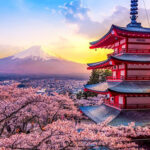
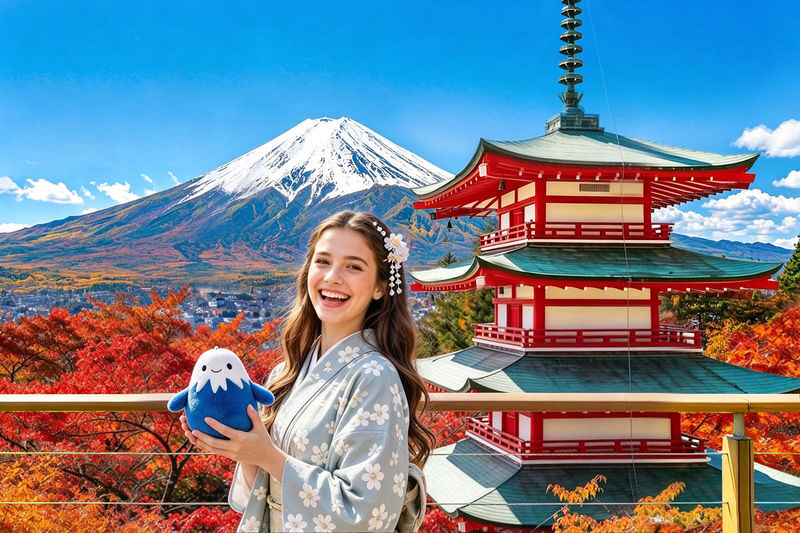
Mount Fuji’s snow-bright cone, framed beside the red Chureito Pagoda, is the view this day trip is built around. You’ll also visit Fuji-area lakes and the clear spring pools of Oshino Hakkai, with a guide and bus taking care of the long journey from Tokyo.
I like two things here: the range of Fuji viewpoints, from a shrine hillside to lakeside stops, and the practical help a guide can offer with directions, timing and photos. Guides on past departures have included Taiyo, Eric and Yuan, though you won’t know your assigned guide until the day before.
The main drawback is that the day depends on weather and road conditions. Cloud can hide Fuji, and holiday traffic can shorten stops or remove Lake Yamanaka from the route. Treat this as a scenic day out, not a guarantee of a clear mountain view.
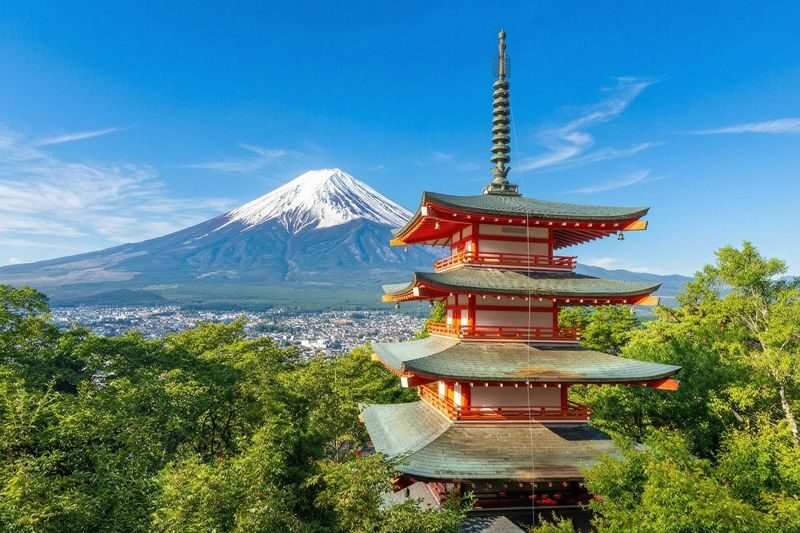
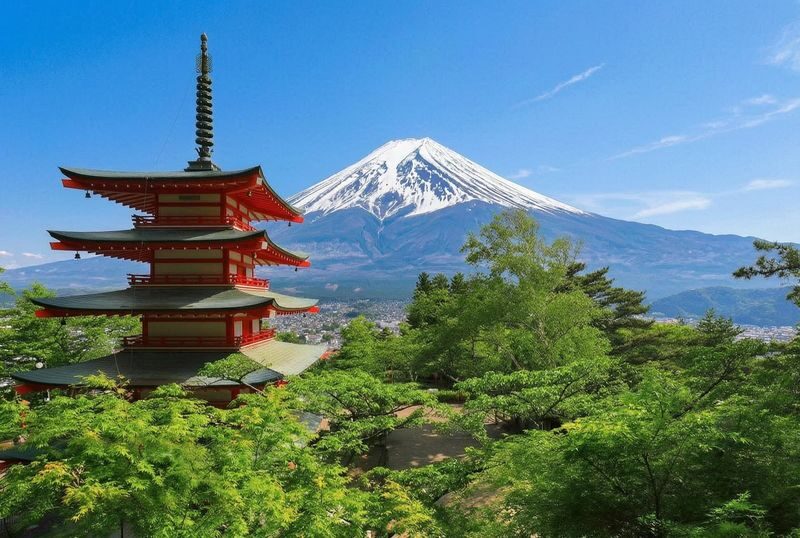
- Chureito Pagoda and Mount Fuji: The classic pairing at Arakurayama Sengen Park is the tour’s headline view.
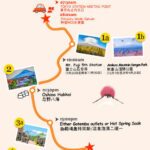
- A quick succession of stops: Expect shrines, a retro street, lakes, a convenience-store photo stop and spring-fed ponds.
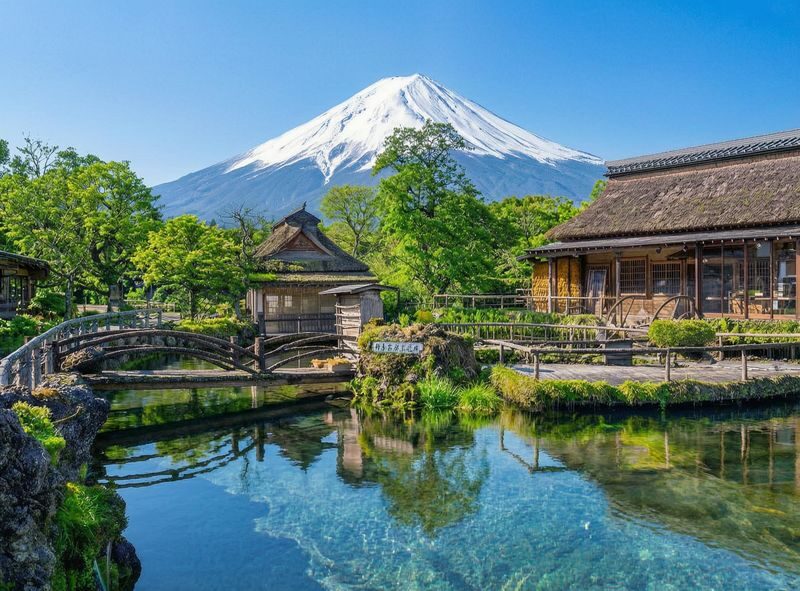
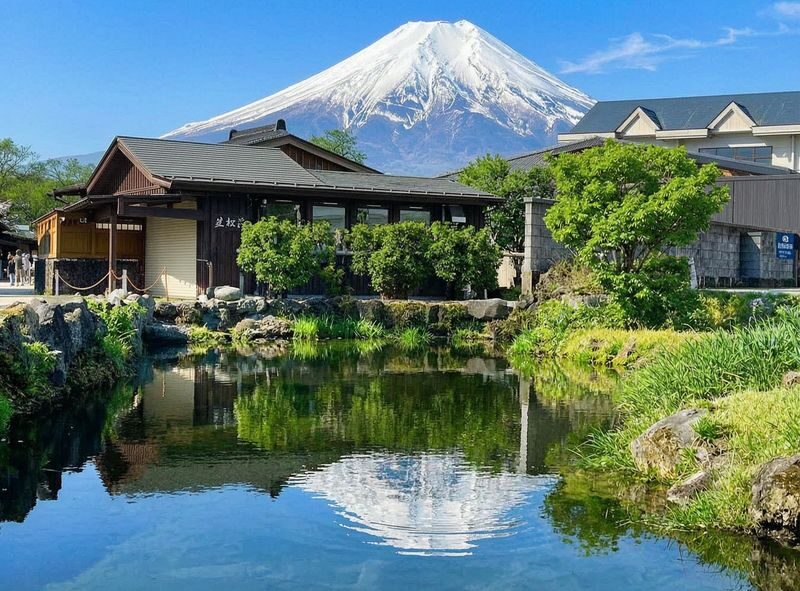
- Oshino Hakkai has real substance: Its clear pools are fed by snowmelt from Mount Fuji, not just a pretty backdrop.
- Lake Yamanaka is conditional: The tour notes that it may be skipped on busy weekends and holidays.
- Bring a lunch plan: The scheduled meal break is only 30 minutes, and the area’s restaurants can be busy.
- Budget for a long day: The advertised duration is 9.5 hours, but traffic can push the return as late as 8:00 PM.
- A day built around Fuji views
- Arakurayama Sengen Park and the pagoda view
- A brief pause at Arakura Fuji Sengen Shrine
- Hikawa Clock Shop and Fujiyoshida’s retro street
- Lake Kawaguchiko, Oishi Park and a short lunch break
- The Lawson photo stop: brief and very popular
- Oshino Hakkai’s clear spring pools
- Lake Yamanaka is not guaranteed
- The guide, the group and the ride from Tokyo
- Weather, seasons and what to pack
- Who should book this Fuji day trip?
- Should you book it?
- FAQ
- How long is the Mount Fuji day tour?
- Where does the tour depart from?
- Is Mount Fuji guaranteed to be visible?
- Does the route always include Lake Yamanaka?
- Are meals included?
- Is the Oshino Hakkai observation deck included?
- What languages are available for the guide?
- What is included in the price?
- The Best Of Fujiyoshida!
- More 1-Day Tours in Fujiyoshida
- More Tours in Fujiyoshida
- More Tour Reviews in Fujiyoshida
A day built around Fuji views
 1 / 10
 2 / 10
 3 / 10
 4 / 10
 5 / 10
 6 / 10
 7 / 10
 8 / 10
 9 / 10
 10 / 10
This is a bus tour for seeing several well-known places around Mount Fuji without arranging separate trains, buses and local connections. The route combines scenic stops with cultural sites and photo opportunities, and the included guide speaks either English or Chinese, depending on the package you book.
The experience is not a climb up Mount Fuji. Instead, you’ll look toward the mountain from parks, streets and lakes in Yamanashi Prefecture. That makes the trip a good fit if you want a broad introduction to the area but have only one day away from Tokyo.
At $49.29 to start, the price is appealing for a full day with round-trip transfers, tolls, parking and fuel included. You’ll still pay for food, drinks, personal purchases and the optional Oshino Hakkai observation deck. The value rests on how much ground you cover and how much you want to avoid planning the transport yourself.
One important point: the tour description uses a Mount Fuji, Owakudani and Hakone title, but the timed route provided focuses on the Fuji Five Lakes area and Oshino Hakkai. Owakudani and Hakone are not listed as scheduled stops in that route. If those are your priority, confirm the exact package and route before booking.

👉 See our pick of the 8 Most Highly Rated Private Driver Services In Fujiyoshida
Arakurayama Sengen Park and the pagoda view
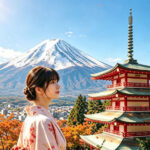
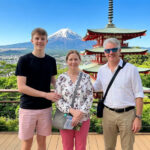
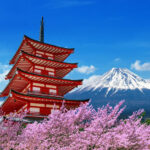
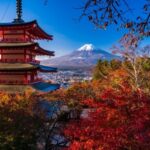
The day begins at Arakurayama Sengen Park, with about an hour set aside for a self-guided visit. Its most famous view brings Mount Fuji and the five-story Chureito Pagoda into the same frame, a striking combination of mountain, pagoda and town.
The appeal is obvious, especially if you enjoy photography. But this is a popular viewpoint, so your hour is time to visit and take pictures, not necessarily to linger in solitude. The route includes stone steps around the shrine and park area, so wear shoes you’re comfortable walking in.
The mountain itself is the variable. Clear skies can give you the iconic view; cloud, rain or haze can cover part or all of Fuji. The schedule cannot control the weather, so it’s wise to value the park for its setting as well as for a single hoped-for photograph.
You can also read our reviews of more tours and experiences in Fujiyoshida
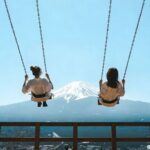
A brief pause at Arakura Fuji Sengen Shrine
The next stop is Arakura Fuji Sengen Shrine, with about ten minutes for a self-guided visit. The shrine is described as dating to 705 AD and is tied to prayers for family happiness and peace. Its torii gates and stone steps offer a quieter counterpoint to the park’s well-known photo angle.
Ten minutes is a short visit. You can pause, look around and take in the shrine, but this is not a long historical tour. If the shrine’s religious and local history matters to you, listen for the guide’s explanation and use the stop to notice the setting rather than trying to cover every detail.
Hikawa Clock Shop and Fujiyoshida’s retro street
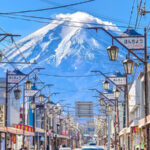
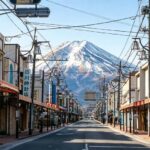
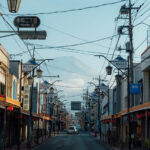
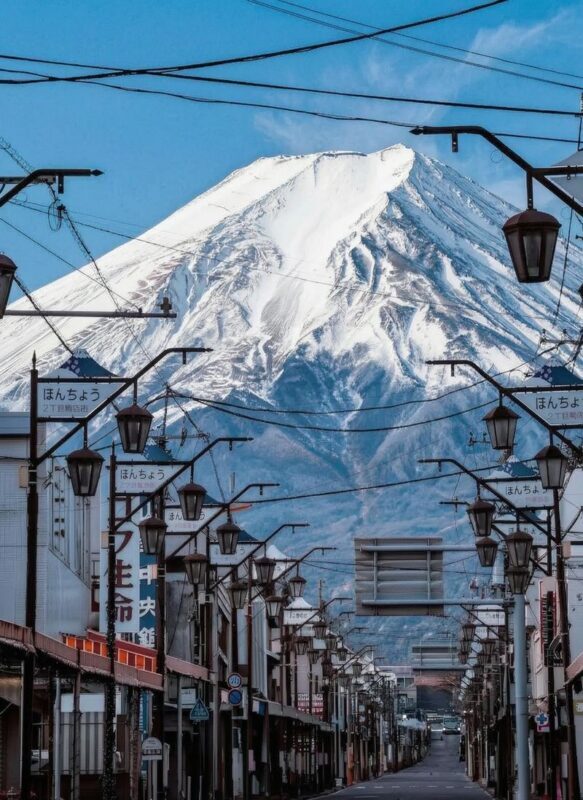
At Hikawa Clock Shop, the tour allows 15 minutes. The shop sits on a street known for its old-fashioned feel and its view toward Mount Fuji, giving you a glimpse of Fujiyoshida beyond the standard lakeside scenery.
This is a quick street stop, not a dedicated shopping visit. The mountain appears at the end of the road when conditions cooperate, while the clock shop and older storefronts give the scene a distinctly everyday character. That mix of local street and famous peak is one of the more distinctive photo opportunities on the route.
There is a small planning wrinkle: Hikawa Clock Shop is included in the detailed schedule, but the overall stop list is not always as precise about timing. Since the guide may alter the order or stops to manage traffic and weather, don’t count on every visit unfolding exactly as printed.
Lake Kawaguchiko, Oishi Park and a short lunch break
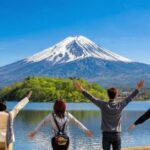
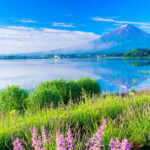
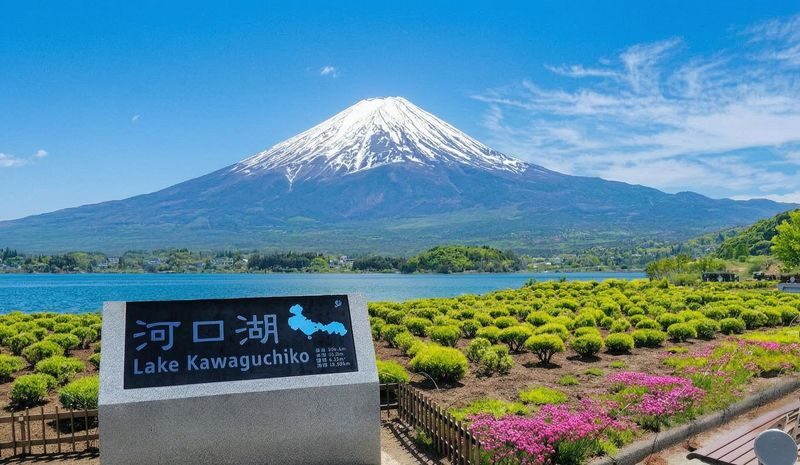
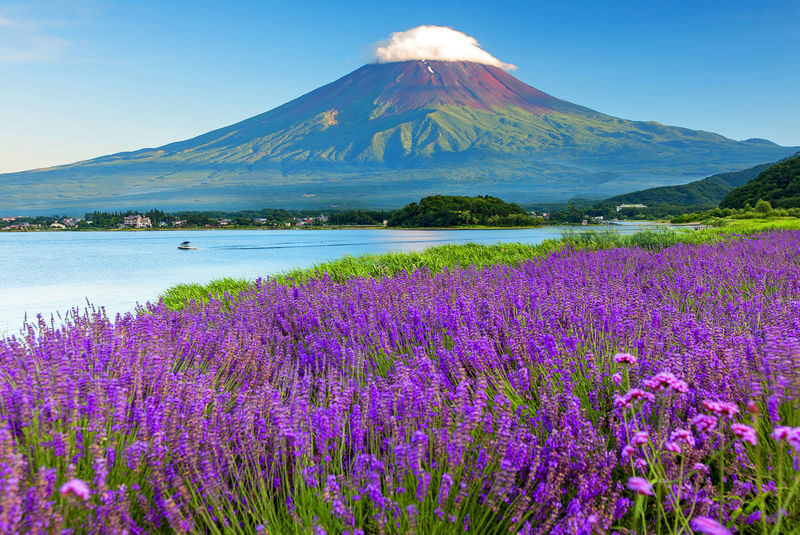
Lake Kawaguchiko is one of the Fuji Five Lakes and gets a 30-minute visit in the schedule. The water and mountain make a classic pairing, and the lake gives you a different perspective from the hillside view at Arakurayama.
A nearby stop is the Kawaguchiko Natural Living Center, where you’ll have about ten minutes. The second floor is described as offering a distinctive angle that brings a red torii gate and Mount Fuji into one picture. With only a short visit, it helps to know what you want to photograph before arriving.
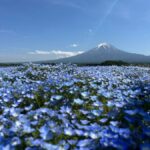
Oishi Park is named among the tour’s attractions and is known for seasonal flowers, but the timed itinerary does not assign it a separate duration. Because the route can change, check with the guide on the day if this stop is important to you. Flower displays vary by season, and cherry blossoms are not guaranteed just because they appear in the tour’s promotional description.
Lunch is scheduled for around 30 minutes. The tour warns that restaurants in the Fuji area can be crowded and ordering may take time. You can bring your own meal or ask the guide about arranging a restaurant order; one past departure saved time by collecting lunch orders early. Japanese law prohibits eating on the vehicle, so plan to eat during the stop rather than saving food for the ride.
The Lawson photo stop: brief and very popular
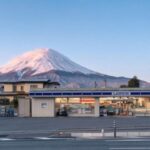
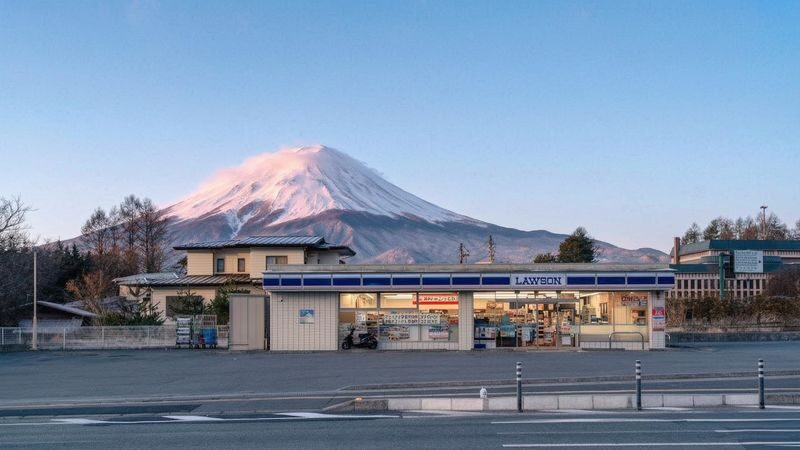
The route includes a ten-minute stop at Lawson Fujikawaguchiko Town Hall, a convenience store whose blue-and-white sign is often photographed with Mount Fuji behind it. It’s a striking contrast between an ordinary Japanese shop and a world-famous peak.
Keep expectations in proportion. This is a quick photo stop, not a scenic park or a place to browse at length. The view depends on visibility, and the short allocation means you’ll want to take your picture promptly and follow the guide’s return time.
If this particular image is your main reason for booking, remember that cloud can spoil the mountain backdrop. The stop itself still gives you a look at a familiar slice of daily life, but the famous composition is weather-dependent.
Oshino Hakkai’s clear spring pools
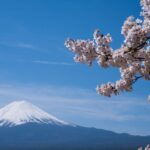
Oshino Hakkai gets about an hour, making it one of the longer stops. Its spring water comes from Mount Fuji’s melted snow, filtered through the mountain before emerging in a group of clear pools. The ponds and traditional village setting offer a change of pace from the roadside photo stops.
The water is famed for its clarity, and the site is associated with Japan’s celebrated waters. The claim that drinking it prolongs life is a local legend, not a reason to treat the pools as a health remedy. Take time to look at the water and the surrounding village, and follow local guidance about where you may drink or touch it.
Admission to the Oshino Hakkai observation deck is not included. You can still visit the area during the scheduled stop, but set aside extra money if you want that particular viewpoint. This is one place where an hour offers a more relaxed visit than the ten- or fifteen-minute photo stops elsewhere.
Lake Yamanaka is not guaranteed
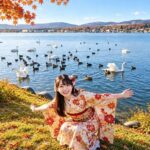
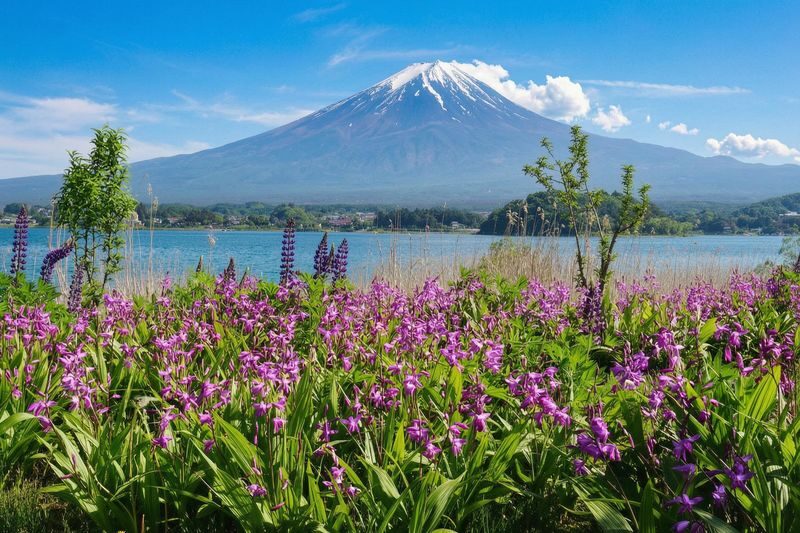
Lake Yamanaka is described as a 15-minute stop, with views of Fuji and the chance to see swans near the water. It is the largest of the Fuji Five Lakes, though this tour gives it only a brief visit.
The schedule also carries a clear warning: on weekends and Japanese holidays, traffic may mean the tour does not go to Lake Yamanaka. That is a meaningful change, not a minor timing adjustment. If this lake is essential to your plans, ask the operator what is expected for your date, while understanding that road conditions can still force a change.
The broader attraction list also names Shinnasho River, but the timed itinerary does not explain a separate stop there. The guide may rearrange the day according to conditions, so use the day’s instructions rather than assuming every named place receives a scheduled visit.
The guide, the group and the ride from Tokyo
The bus is the tour’s practical advantage. The price includes round-trip transfers from the meeting point, plus tolls, parking and fuel. You avoid joining up several separate transport services, though the trade-off is a day shaped by a group schedule and road traffic.
Guides named on departures have included Taiyo, Eric, Yuan and others. The most useful guide support is practical: clear instructions, updates about the next stop, help with photos and a hand with lunch arrangements. These touches matter when each stop is short and the group needs to keep moving.
The meeting point is Daishi Park, with an 8:00 AM departure. Arrive 15 minutes early; late arrivals and no-shows are not refundable. Guide and vehicle details are sent by email the evening before, so check your inbox and spam folder. If you use LINE, the guide sends a group link by email for you to join.
The return is listed at JR Tokyo Station, with a target time of 5:30 PM but a possible delay until 8:00 PM if traffic is heavy. That uncertainty makes this a poor day to schedule a tight evening connection, theatre booking or dinner reservation. The advertised 9.5-hour duration is best treated as an estimate, not a promise.
Weather, seasons and what to pack
Fuji visibility is the biggest uncertainty. The mountain can be partly visible or hidden altogether, even when the other stops remain worthwhile. Reports from the tour’s busy summer period include both clear views and cloudy days, so no season guarantees a perfect photograph.
Cherry blossoms and seasonal flowers depend on when you go. The tour highlights seasonal color, but the route and bloom timing vary. Pack with the forecast in mind and be ready for conditions to change between Tokyo and the mountain area.
A small day bag, comfortable walking shoes, water and a snack are sensible choices. The schedule includes time outside at parks, streets and lakes, while the lunch break may be tight. If you’re bringing luggage or a child under three, note it when you book; the stated allowance is two standard-size pieces of luggage. Infants and children must be included in the passenger count.
Who should book this Fuji day trip?
I’d choose this tour if you want to see several Fuji-area sights in one day and prefer a guide and bus to independent transfers. It is especially appealing to first-time visitors, photographers hoping for the classic pagoda view, and anyone comfortable with a full day of short stops.
It is less suited to you if you want a slow visit at each place, need a fixed return time, or are booking solely for a guaranteed view of Mount Fuji. Families should also consider the long bus ride and quick changes between stops. The experience can be enjoyable even when the mountain is obscured, but its central attraction is still the view.
Should you book it?
Book if the starting price, transport and variety of stops match what you want from a day out of Tokyo. Go in with flexible expectations: the strongest reasons to choose it are the Chureito Pagoda viewpoint, the mix of lakes and cultural stops, and a guide who can help the day run smoothly.
Before paying, confirm that you’re choosing the Fuji lakes route rather than a Hakone or Owakudani trip, check whether your preferred guide language is available, and ask about the expected route on your date. Bring lunch or agree on a quick meal plan, and leave your evening schedule open. That is the sensible way to get good value from a scenic day whose best view is always partly in the hands of the weather.
Mount Fuji Stunning Scenery Day Trip (Departing from Tokyo)
“The best guide! The experience with Eric was a 10/10. Very professional, punctual, and friendly. He made the tour enjoyable and entertaining for ev…”
FAQ
How long is the Mount Fuji day tour?
The advertised duration is 9.5 hours. The listed departure is at 8:00 AM, and the return is expected between 5:30 PM and 8:00 PM depending on traffic.
Where does the tour depart from?
The meeting point is Daishi Park. You should arrive 15 minutes before the 8:00 AM departure.
Is Mount Fuji guaranteed to be visible?
No. Weather can hide the mountain or cover its summit, so a clear view cannot be guaranteed.
Does the route always include Lake Yamanaka?
No. The tour warns that Lake Yamanaka may be omitted on weekends and Japanese holidays because of traffic.
Are meals included?
No. Meals and drinks are not included. The schedule allows about 30 minutes for lunch, and you may bring your own meal or ask the guide about restaurant arrangements.
Is the Oshino Hakkai observation deck included?
No. Admission to the observation deck is not included. The tour includes an approximately one-hour stop at Oshino Hakkai.
What languages are available for the guide?
The package options are an English-speaking guide or a Chinese-speaking guide. The guide and vehicle details are sent by email the evening before the tour.
What is included in the price?
The tour includes round-trip transfers from the meeting point, toll fees, parking fees, fuel fees and a Chinese- or English-speaking guide. Meals, drinks, personal expenses and the Oshino Hakkai observation deck are not included.