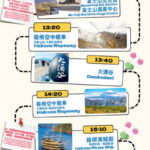
Mount Fuji’s 5th Station puts you high on the mountain without a hike, while Hakone adds steaming volcanic ground, a ropeway ride, and Lake Ashi. In one long day from Tokyo, you get a quick sampler of very different sides of the Fuji region.
I like the range: big mountain views and volcanic scenery share the day with a proper shopping stop, and round-trip transport saves you from piecing together several regional connections. I also like that the ropeway is included in the listed fare, so one of Hakone’s best-known rides is built into the plan.
The trade-off is time. Four destinations in about 11 hours means short visits, and traffic or weather can change the schedule. Treat this as a broad introduction, not a slow exploration of Fuji and Hakone.
- The useful details at a glance
- A long day with a lot of ground to cover
- Fuji’s 5th Station: high views, weather permitting
- Gotemba: a useful shopping break, not a full shopping day
- Owakudani: steam, sulfur, and a short stop
- Lake Ashi: a final look at Hakone
- Meals, pace, and the real value of the fare
- Who will enjoy this Fuji and Hakone day trip?
- Should you book it?
- FAQ
- Where does the tour leave from?
- Is the pirate ship ticket included?
- Are meals included?
- What happens if Mount Fuji’s 5th Station is closed?
- What happens if the Hakone Ropeway is closed?
- Can the Gotemba outlet stop be shortened or canceled?
- How much luggage can I bring?
- The Best Of Fujikawaguchiko machi!
- More Tours in Fujikawaguchiko machi
- More Tour Reviews in Fujikawaguchiko machi
The useful details at a glance
- Fuji’s 5th Station sits about 2,300 meters above sea level, a high-altitude stop for mountain views when weather and road conditions cooperate.
- Gotemba gets about 90 minutes on the planned schedule, with roughly 210 brand stores and a 5 to 15 percent shopping discount coupon.
- The Hakone Ropeway admission is included, but the Lake Ashi pirate ship ticket is not included in this package.
- Owakudani is a brief 30-minute stop, enough for a look at the volcanic steam and, if you wish, a taste of its famous black eggs.
- The day runs roughly 7:15 a.m. to 6 p.m. from Shinjuku, with a planned 7:30 departure and a return to the Shinjuku West Exit.
- Winter and bad weather can change the Fuji stop: from late December to mid-March, the route switches to Oshino Hakkai, and a Fuji Subaru Line closure also sends the tour there.

👉 See our pick of the 9 Most Highly Rated Workshops & Classes In Fujikawaguchiko machi
A long day with a lot of ground to cover
This is a coach tour for anyone who wants to see several headline sights without working out the route between them. It combines a high viewpoint on Mount Fuji, an outlet mall, Hakone’s volcanic terrain, and Lake Ashi in one day. That variety is the appeal, but it also explains why no stop is especially long.
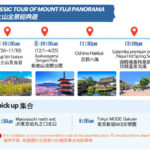
The group meets on the sidewalk in front of the main entrance of Shinjuku Center Building. Be there by 7:15 a.m.; the bus is due to leave at 7:30. The tour returns to Shinjuku West Exit at about 6 p.m., though traffic can shift the schedule. A guide who speaks English and Chinese is included, along with a Chinese and English video translation service.
The bus makes the logistics easier, especially if you do not want to navigate between Fuji and Hakone by public transport. Recent departures have featured guides named Yui, Kaori, Ayumi, and Seiko, among others, so you should not expect a particular person. The most consistently praised part of the service is the guide-and-driver team: named guides are often described as helpful and warm, while drivers are praised for careful, comfortable driving. But communication can vary. Some tour members have found the English guidance less clear than expected, so keep an eye on the stated meeting times and instructions.
You can also read our reviews of more tours and experiences in Fujikawaguchiko machi.
Fuji’s 5th Station: high views, weather permitting
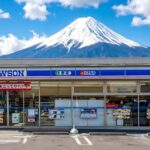
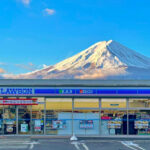
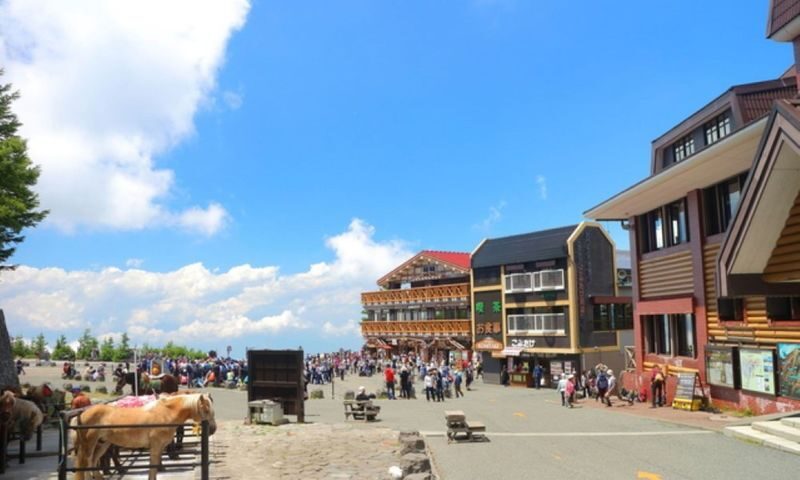
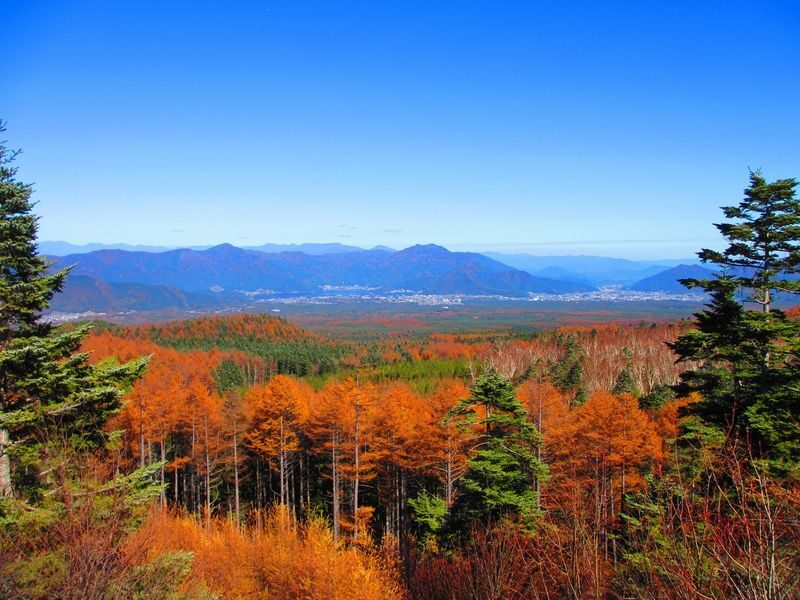
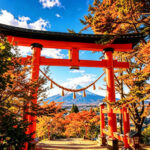
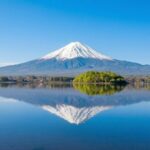
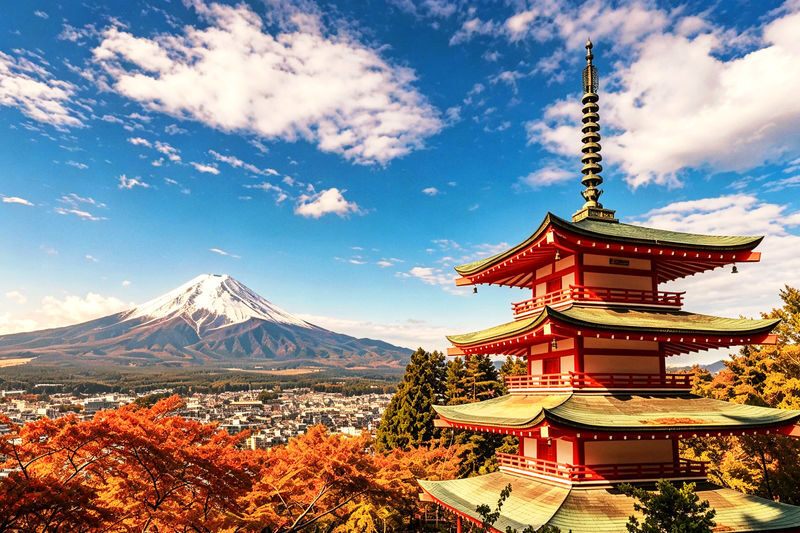
The Fuji Subaru Line 5th Station is the day’s most dramatic stop when the mountain is visible. At roughly 2,300 meters, it offers a close approach to Japan’s highest peak without requiring a climb. The air is cooler than in Tokyo, and the station’s height can give you broad views toward the Fuji Five Lakes. On some days, clouds gather below the viewpoint, creating a sea-of-clouds effect.
Allow about 30 minutes here. That is enough for a look around and photos, but not a long visit. The view is never guaranteed: rain, low cloud, or other poor conditions can hide Fuji. Some days have delivered clear views; on others, visitors have seen little beyond cloud. Go for the chance of a remarkable view, not a promise of one.
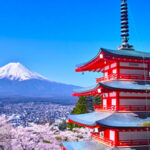
The route has a seasonal and weather-related fallback. From late December to mid-March, the itinerary changes to Oshino Hakkai. If the Fuji Subaru Line closes because of weather, the 5th Station stop is also replaced by Oshino Hakkai. The tour may skip other stops because of capacity or weather, too, so the listed route is a plan rather than a guarantee.
Gotemba: a useful shopping break, not a full shopping day
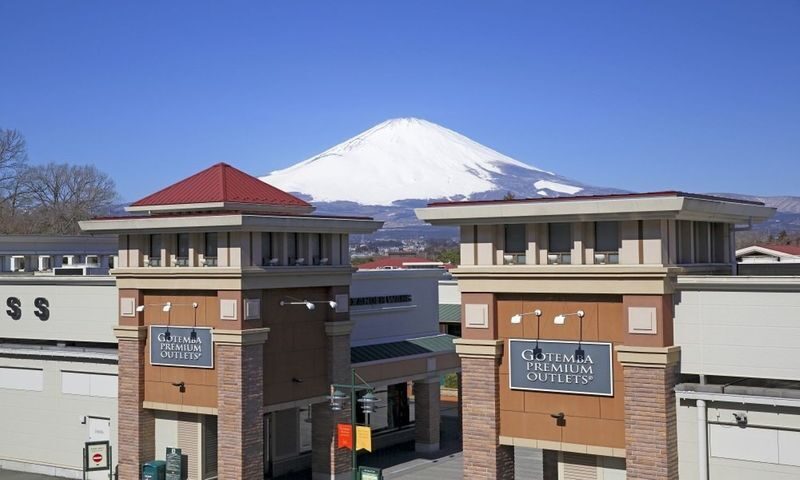
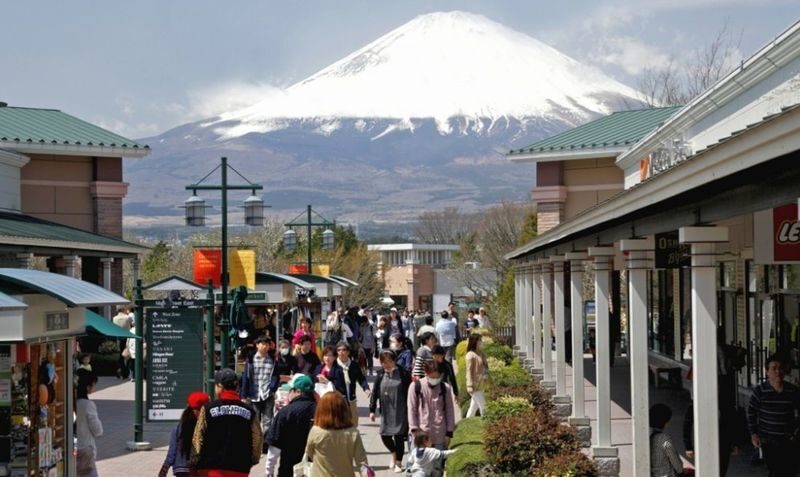
The scheduled stop at Gotemba Premium Outlets lasts about 90 minutes. With roughly 210 brand stores, this is Japan’s largest outlet center, and a 5 to 15 percent discount coupon is included. If you want a shopping break between mountain sights, this is a practical place to browse and eat.
If outlet shopping is your main goal, however, 90 minutes is a tight window. You will need to choose a few stores rather than cover the whole complex at a leisurely pace. The length of the stop can be reduced depending on traffic and season, and severe congestion can lead to the outlet visit being canceled. The tour also lists specific 2026 dates when Gotemba is not scheduled because of expected heavy traffic: July 19 and 20, August 9 and 10, October 11 and 12, and November 1, 2, 22, and 23.
That uncertainty matters if you are booking chiefly for the outlet. For a day focused on Fuji and Hakone, Gotemba is a useful extra. For a shopping trip, choose an outing built around the mall instead.
Owakudani: steam, sulfur, and a short stop
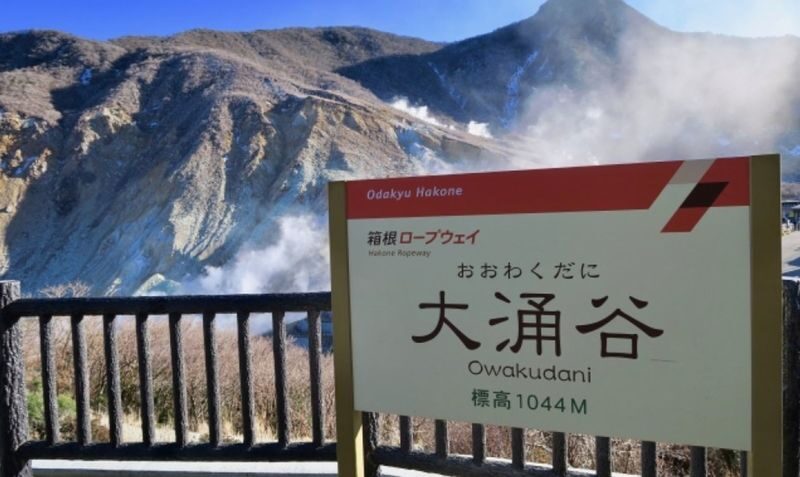
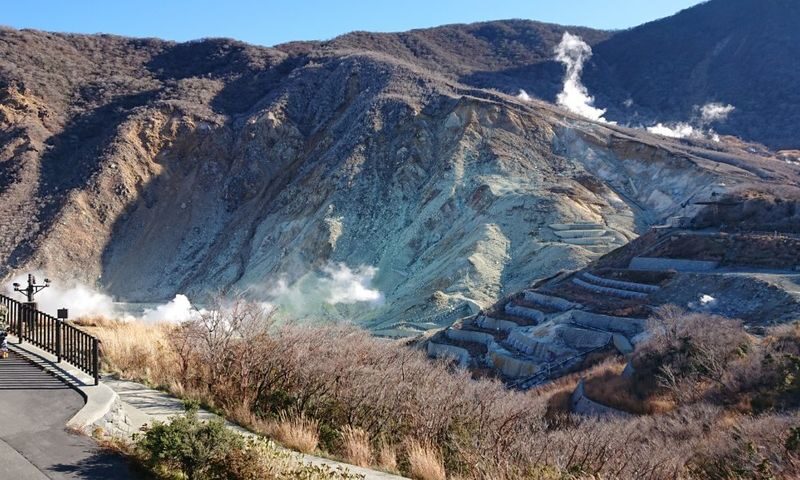
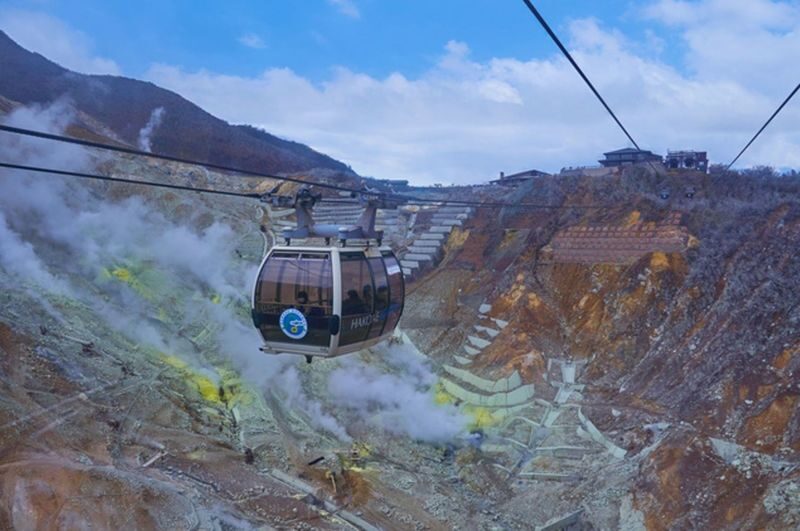
Owakudani is a volcanic valley formed by activity about 3,000 years ago. Steam still rises from the ground, giving the area a raw, geological feel that contrasts with Fuji’s broad mountain views and the polished shops at Gotemba. The planned stop is about 30 minutes, so use it to take in the geothermal scenery and, if you like, try the local black eggs.
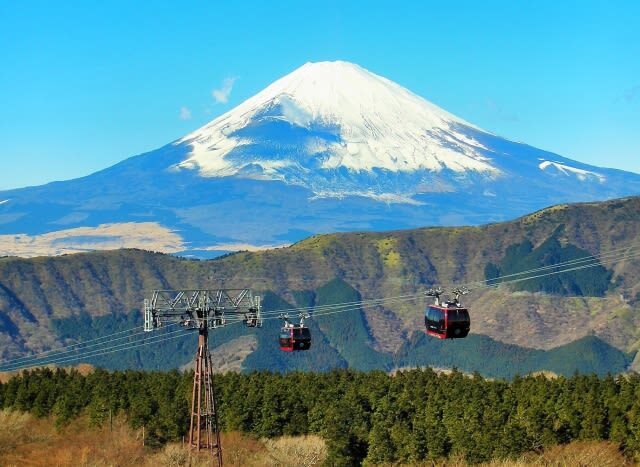
The Hakone Ropeway admission is included in this package. The ride is a scenic way to view the area from above, but the ropeway may close in bad weather. If that happens, the tour substitutes a bus ride, and the ropeway fee is not refunded. This is worth knowing if the cable car is one of your main reasons for booking: it is part of the plan, but conditions can override it.
The limited time here calls for a simple approach. Follow the guide’s return instructions, see the steam vents and surrounding views, and leave time for the bus. If you linger, the group will not wait past the agreed departure time.
Lake Ashi: a final look at Hakone
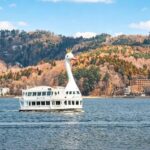
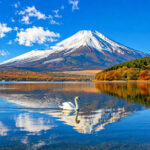
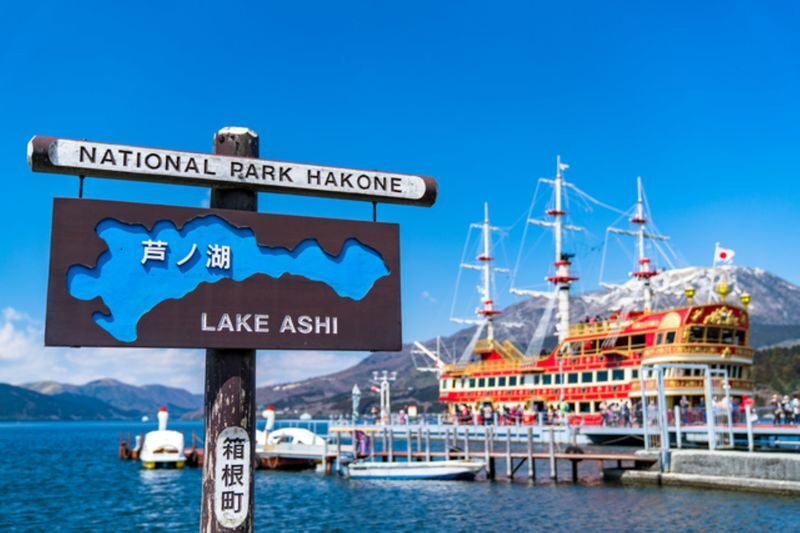
Lake Ashi is a mountain-ringed lake said to have formed about 3,100 years ago after a deep-sea eruption blocked a river channel. Its gourd-like shape and wooded surroundings make it a calmer change of pace after Owakudani. The plan allows about 30 minutes, with a route listed between Togendai Port and Hakone-machi Port.
The pirate ship is not included in the package described here. If you want to take the boat, check the available ticket arrangements and cost before the day, rather than assuming it comes with the bus or ropeway fare. Some tour versions or booking choices may differ, and one recent tour member was surprised by how the boat option was handled. Confirming what you have booked is the easy way to avoid confusion.
The lake stop is brief, so do not expect a long lakeside visit. It is a chance to see the water and Hakone’s scenery, with views of the Hakone Shrine torii noted as part of the route. The exact sequence and time on site can shift with traffic and operating conditions.
Meals, pace, and the real value of the fare
Meals and drinks are not included. Lunch is at your own expense, and you can choose something that suits you during the day. Because the stop schedule is compact and traffic can affect it, do not count on a long, unhurried meal. Keep your plans flexible and follow the guide’s instructions about when to return to the bus.
At a starting price of $54.85, the value comes from bundling long-distance transport with several distant sights and the Hakone Ropeway admission. You avoid arranging separate trips from Tokyo to Fuji and Hakone, and the guide helps keep the group moving through a full schedule. The outlet coupon is an added perk, though the savings depend on what you buy.
The price is less compelling if you expect to spend hours at each stop, guarantee a clear view of Fuji, or shop at Gotemba without watching the clock. A recent visitor found the schedule rushed, and that is a fair description of the format. The day gives you breadth, not depth. Add your own pirate ship ticket if that ride matters to you, and factor in lunch and personal purchases when comparing the total cost.
Traffic is the biggest practical variable. If the bus is delayed by more than an hour, Gotemba may be shortened or canceled. On other days, weather may change the Fuji stop or replace the ropeway with a bus. The tour is best approached with a clear priority list: if seeing Fuji is your main aim, understand that cloud can defeat the view; if the outlet is essential, avoid dates when it is not scheduled and recognize that congestion can still affect the stop.
Who will enjoy this Fuji and Hakone day trip?
I would consider this tour if you have one day to spare in Tokyo and want a guided overview of the Fuji and Hakone area. It suits first-time visitors, families, and anyone who values easy transport over lingering at one site. The planned stops give you a taste of the mountain, a shopping center, volcanic scenery, and a lake in a single outing.
It is less suitable if you want an unhurried day, need a guaranteed Mount Fuji view, or are making the trip specifically to shop. It also requires punctuality: if you do not return to the bus on time, it leaves without you, and a late arrival or no-show is not refundable. Children aged 0 to 2 can ride free if they do not need a separate seat; children aged 12 and older pay the adult rate, and participants must be under 80.
You can change a booking up to 24 hours before the activity, subject to the stated booking conditions. Free cancellation is available with at least 24 hours’ notice. Bring no more than one standard-size piece of luggage, and present your mobile voucher at the meeting point.
Should you book it?
Book this tour if you want a convenient, high-variety day out from Tokyo and accept that each stop is short and the route can change. The included ropeway and round-trip bus make the starting price attractive for seeing several far-flung sights without managing the connections yourself.
Skip it if you want to devote a full day to Gotemba, take your time around Lake Ashi, or need a guaranteed clear view of Fuji. For most first-time visitors with limited time, it is a practical sampler. Go with flexible expectations, arrive early, and treat the schedule as weather- and traffic-dependent.
Spacious Luxury Bus: Mount Fuji 5th Station & Hakone Ropeway & Gotemba Outlet (Departing from Tokyo)
“The tour guide Yuri and driver is very helpful. I will highly recommend this tour.”
FAQ
Where does the tour leave from?
Meet on the sidewalk in front of the main entrance of Shinjuku Center Building. Arrive by 7:15 a.m. for the scheduled 7:30 a.m. departure. The planned return point is Shinjuku West Exit.
Is the pirate ship ticket included?
No. The package described here includes Hakone Ropeway admission but does not include the Lake Ashi pirate ship ticket.
Are meals included?
No. Meals and beverages are not included. Lunch is at your own expense.
What happens if Mount Fuji’s 5th Station is closed?
If the Fuji Subaru Line is closed because of weather, the tour replaces the 5th Station visit with Oshino Hakkai. From late December to mid-March, the itinerary is also changed to Oshino Hakkai.
What happens if the Hakone Ropeway is closed?
The tour will use a bus instead. The ropeway fee is not refunded in this case.
Can the Gotemba outlet stop be shortened or canceled?
Yes. The stop may be shortened because of seasonal or traffic conditions. If traffic delays the bus by more than one hour, Gotemba may be canceled. It is also not scheduled on specified dates in 2026 because of expected heavy traffic.
How much luggage can I bring?
The stated allowance is one piece of standard-size luggage.